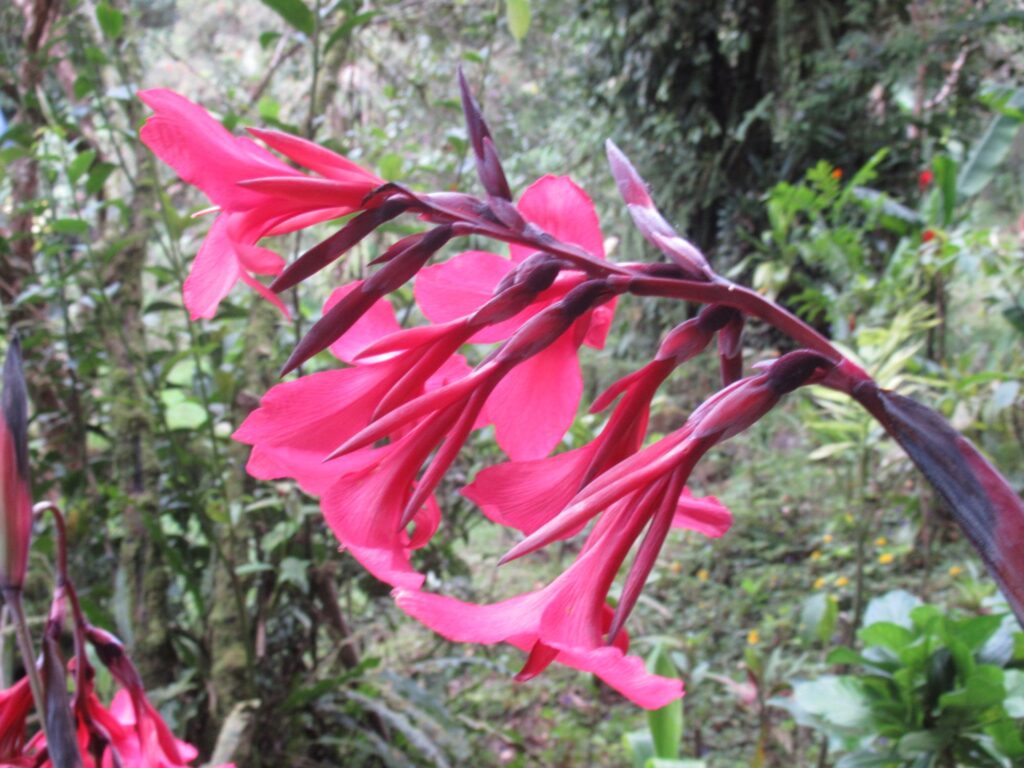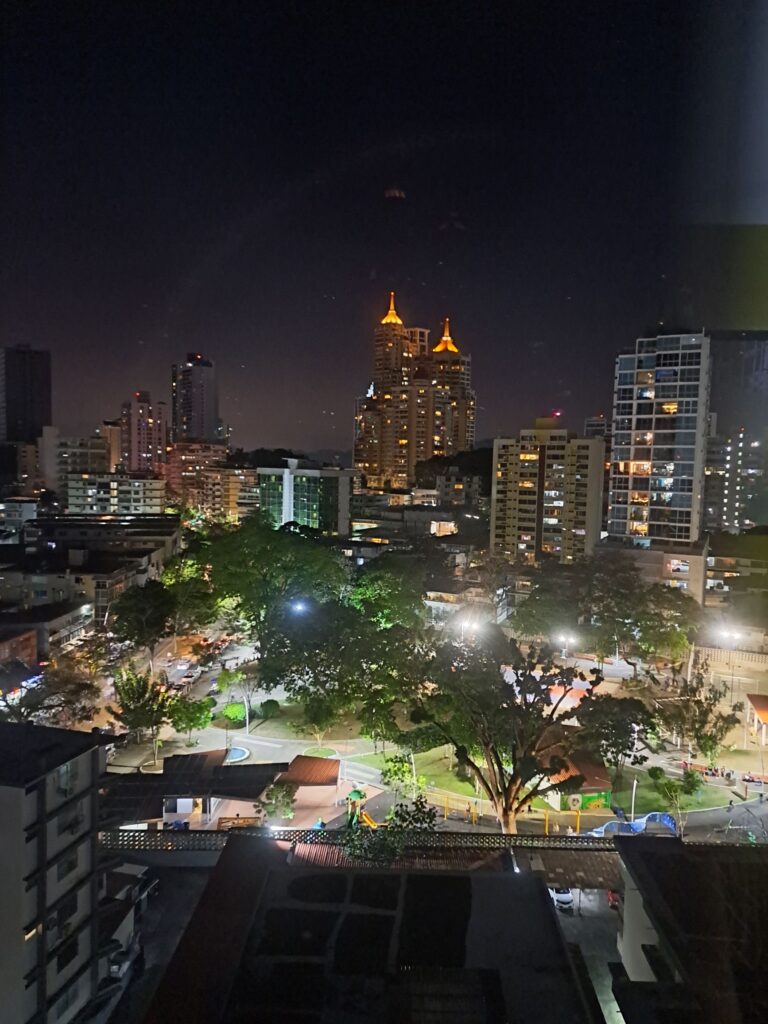
Granada, Nicaragua

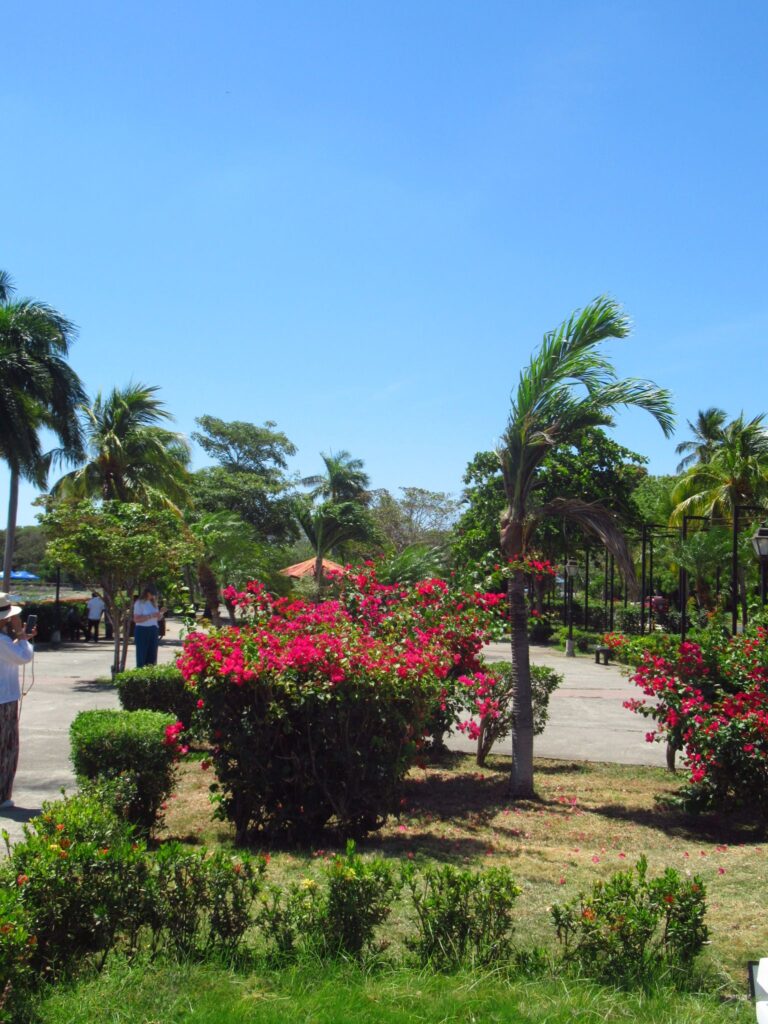
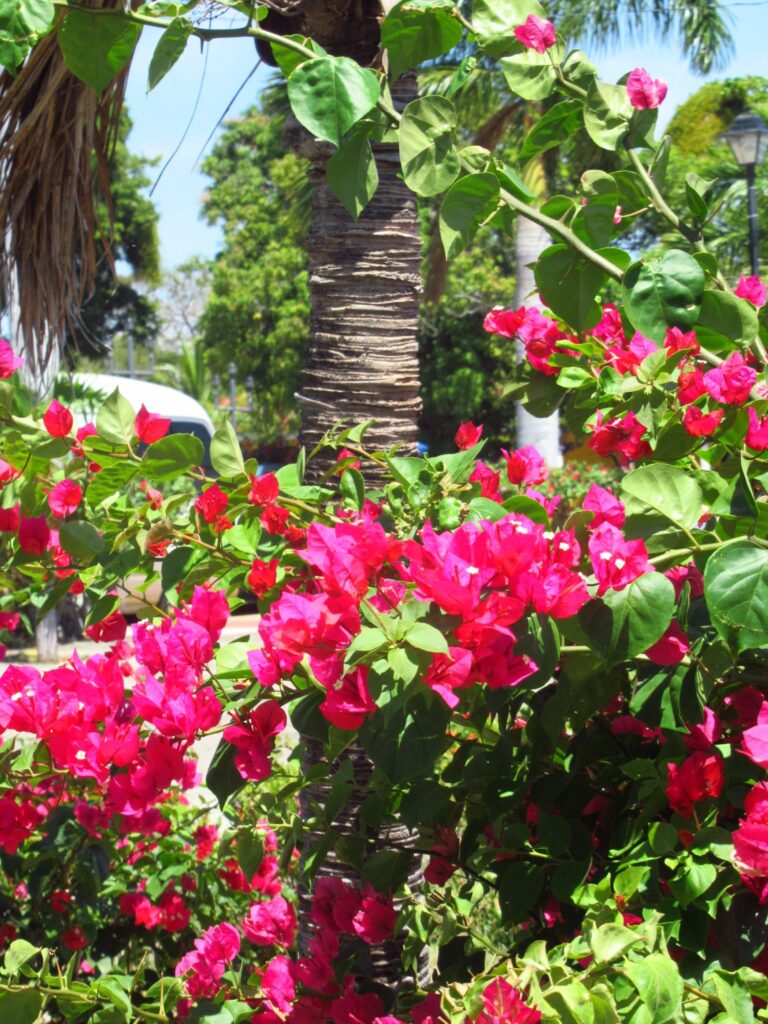
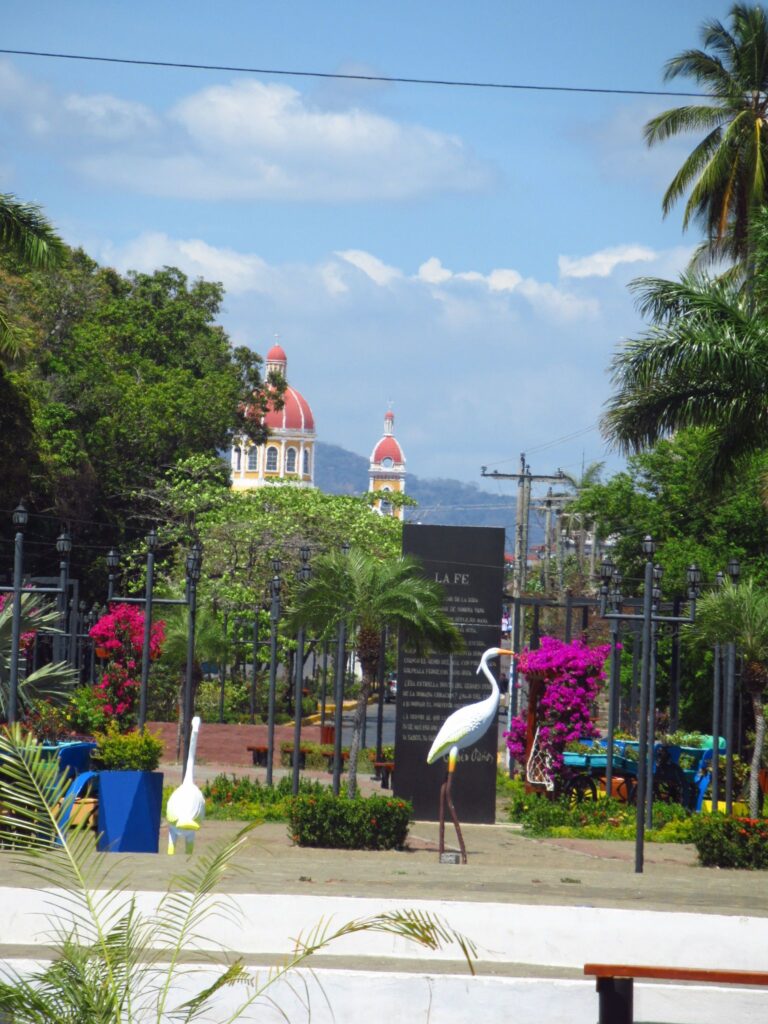
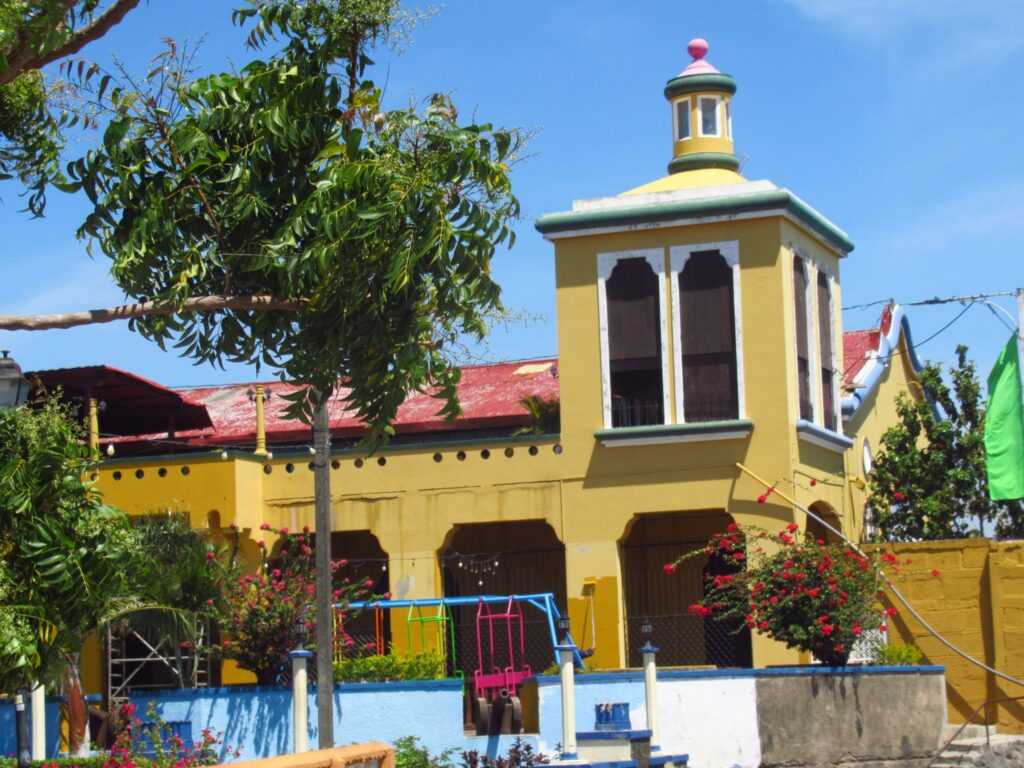
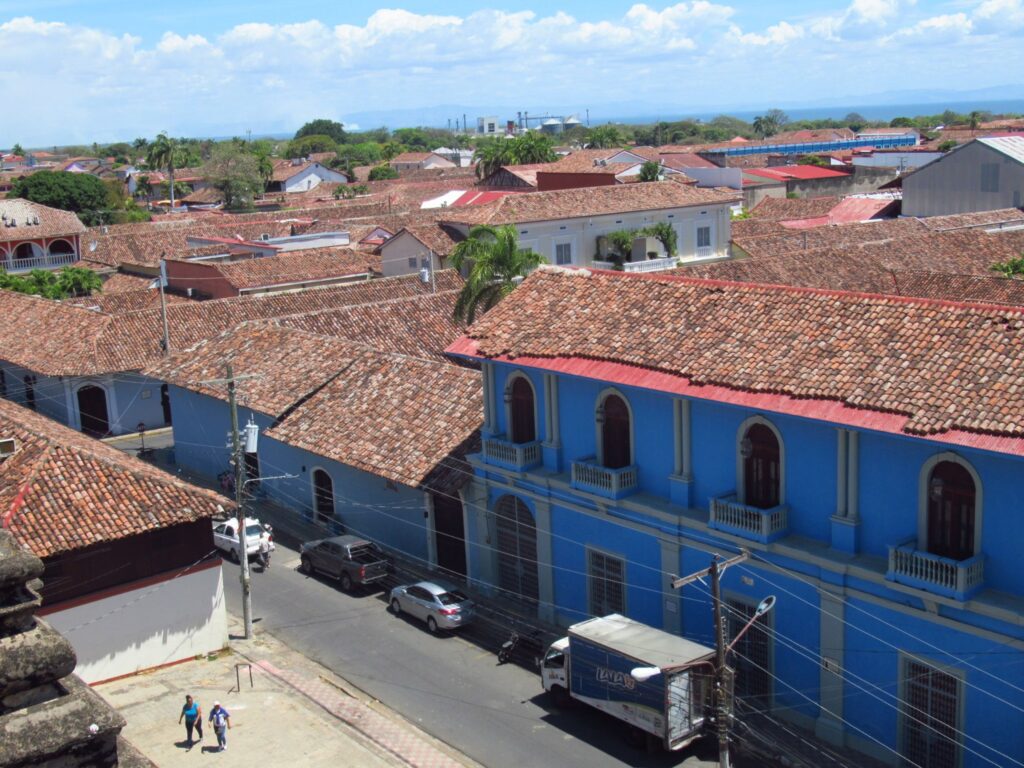
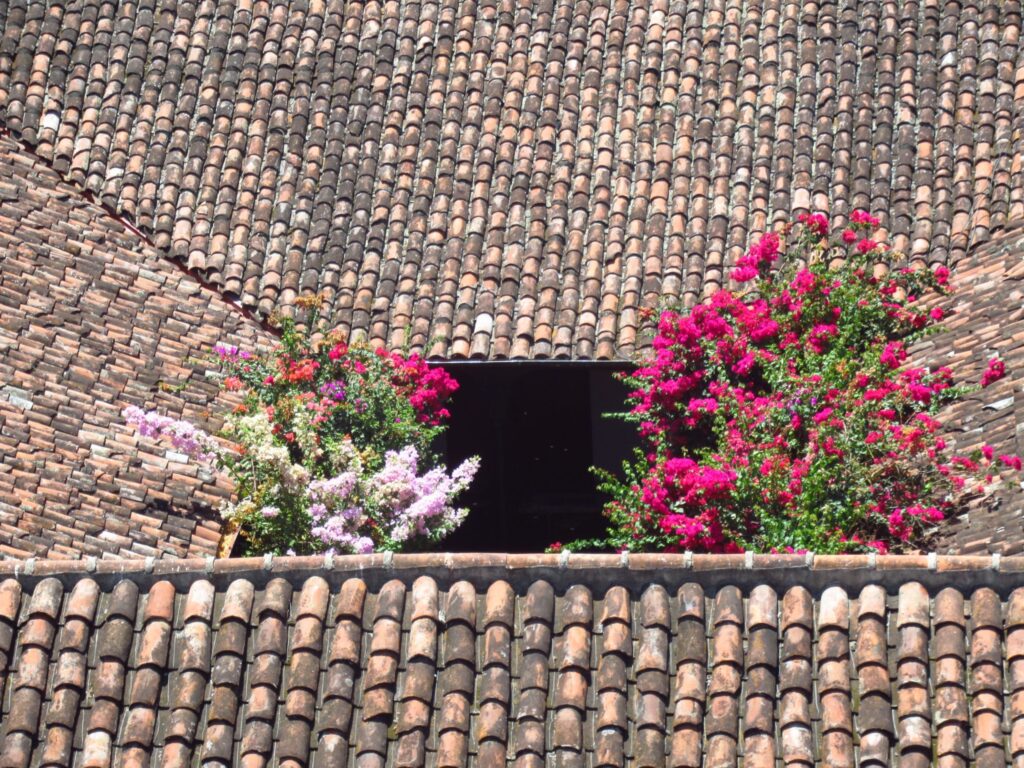
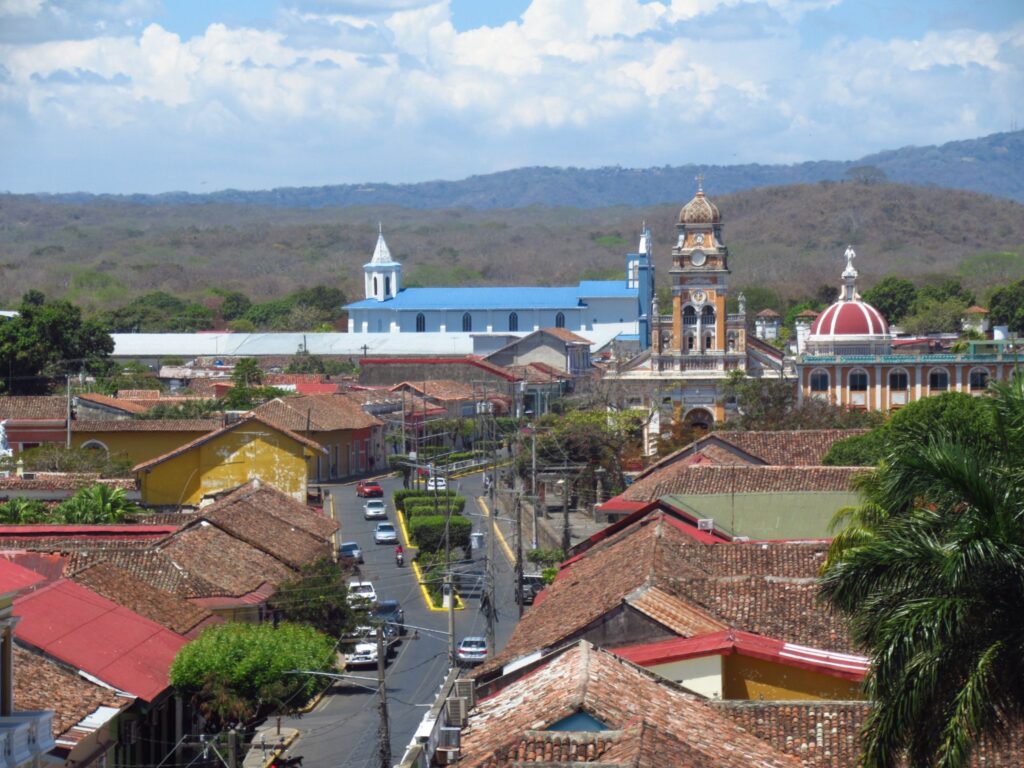
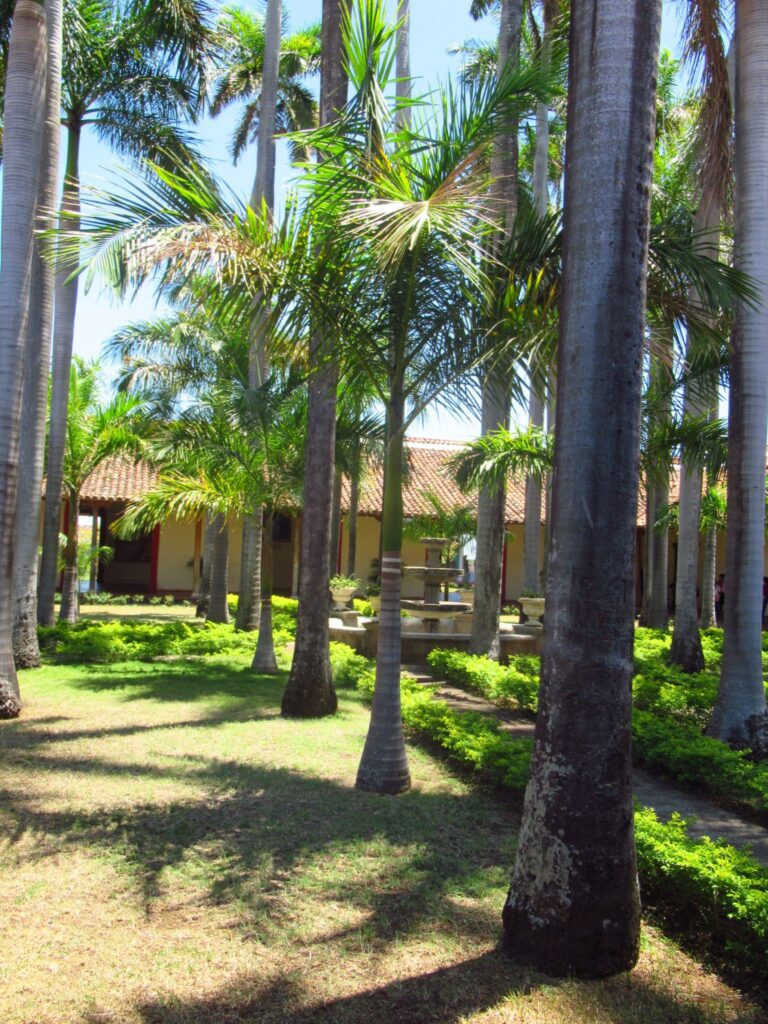
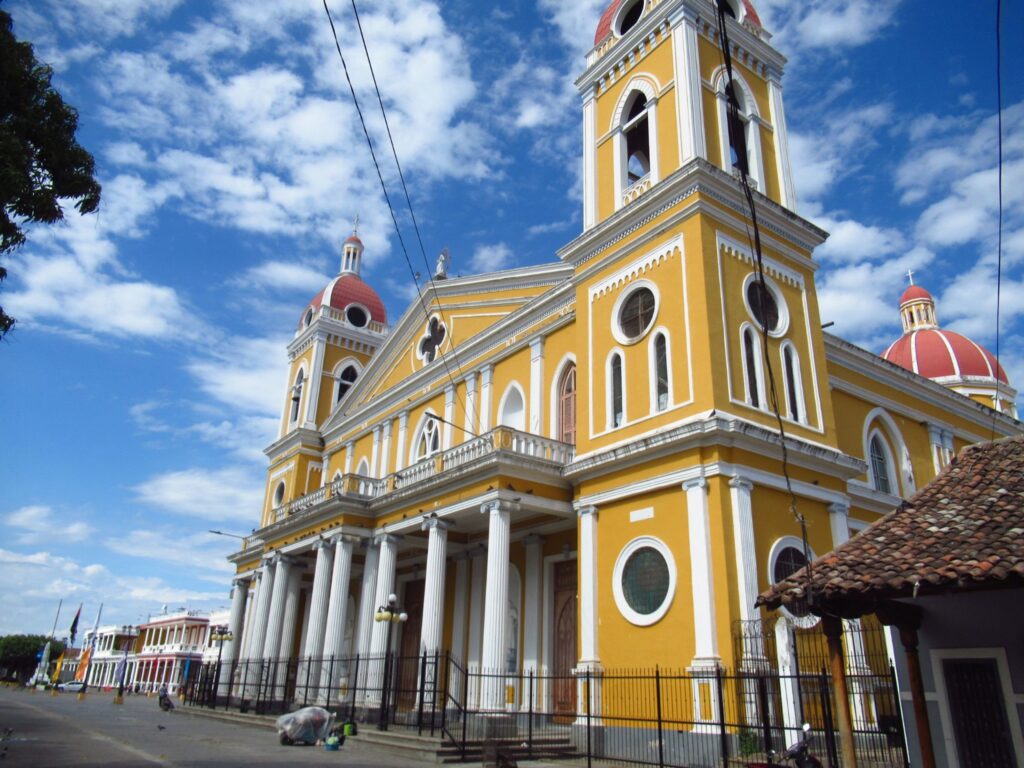
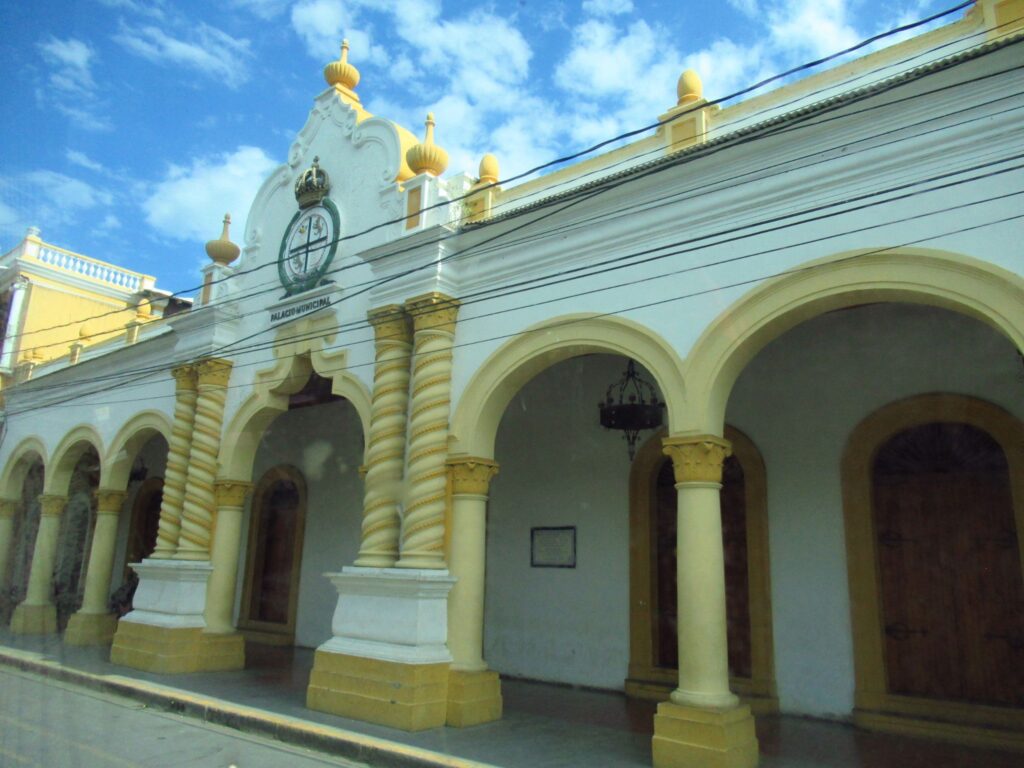
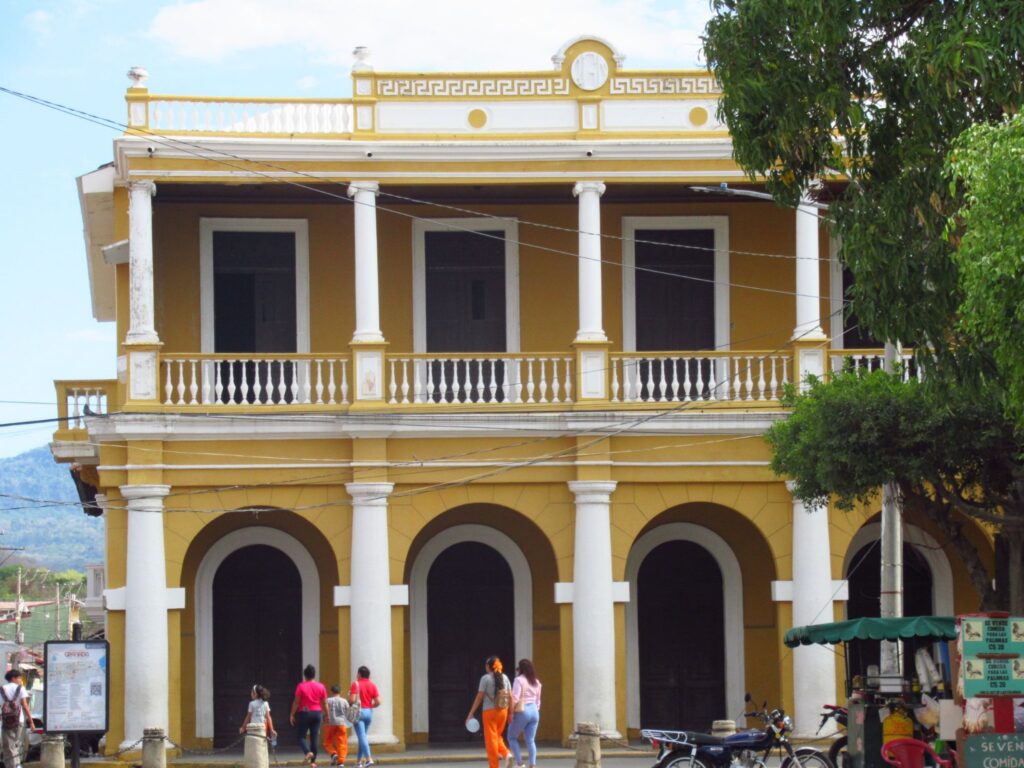
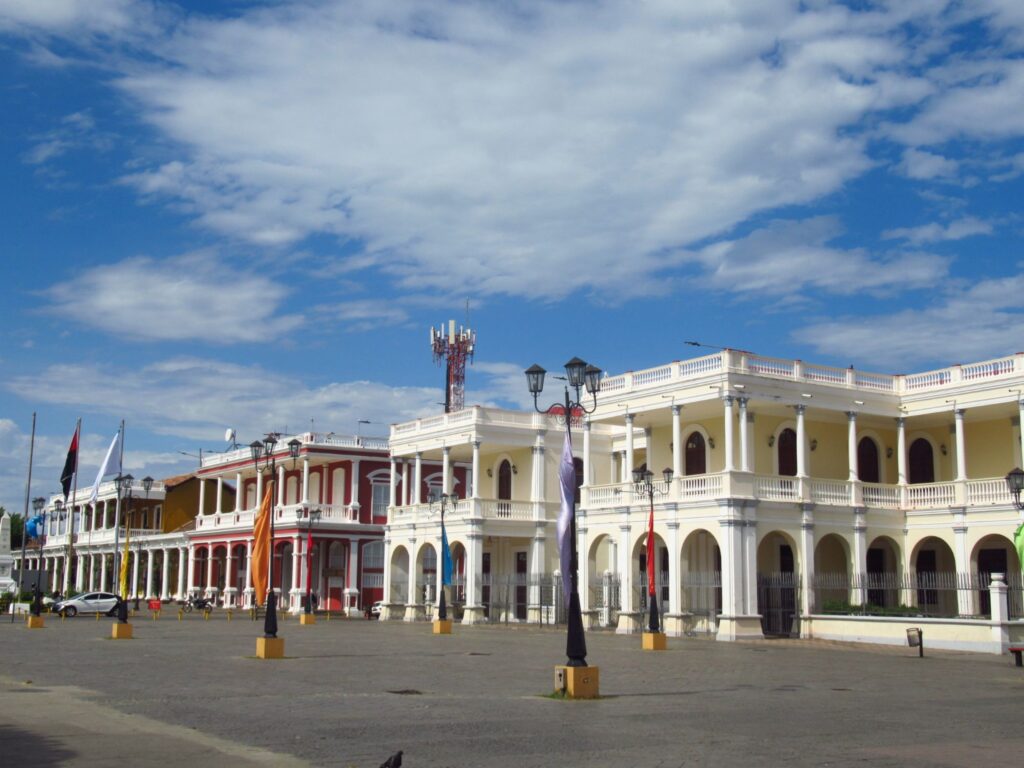
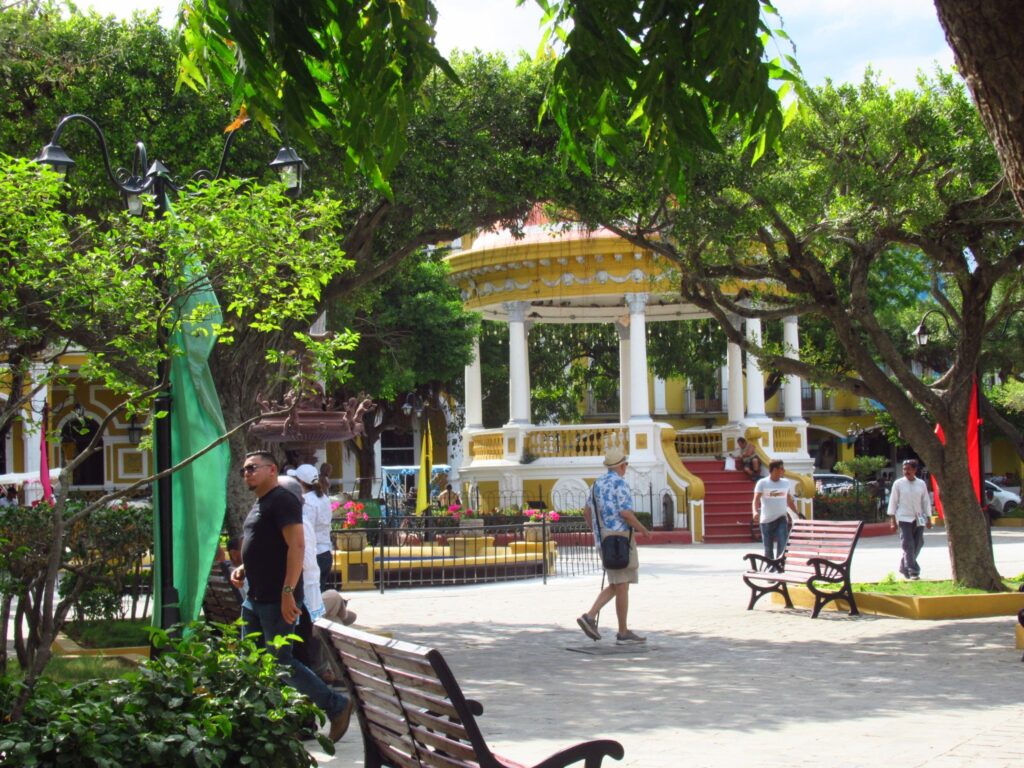
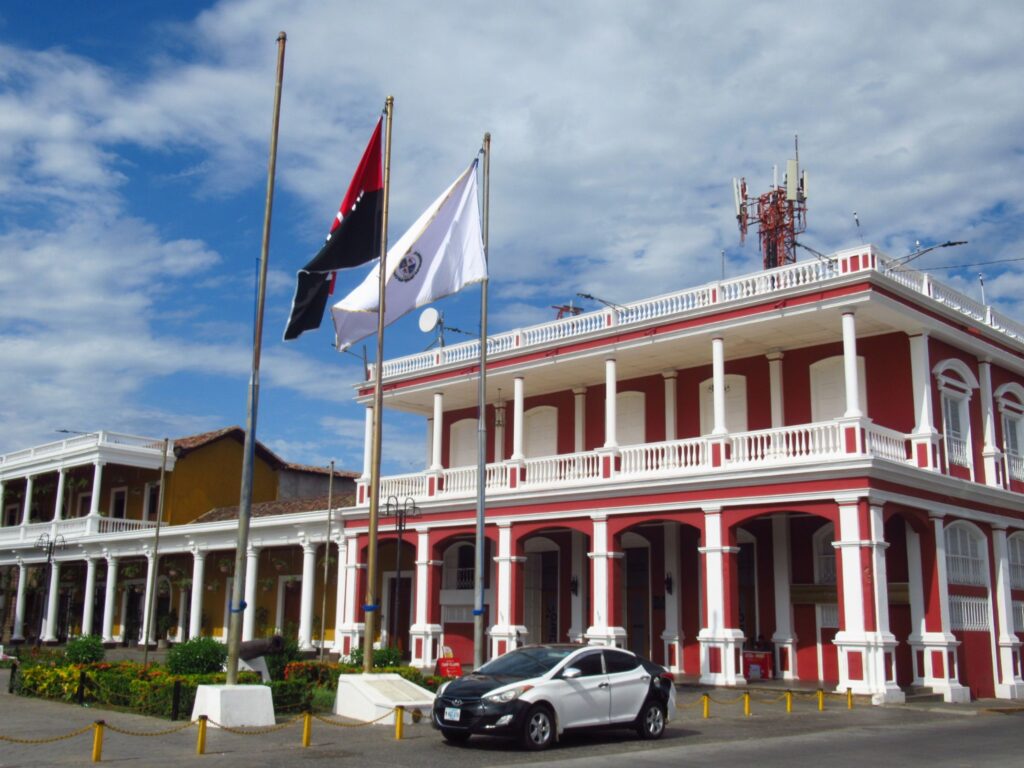
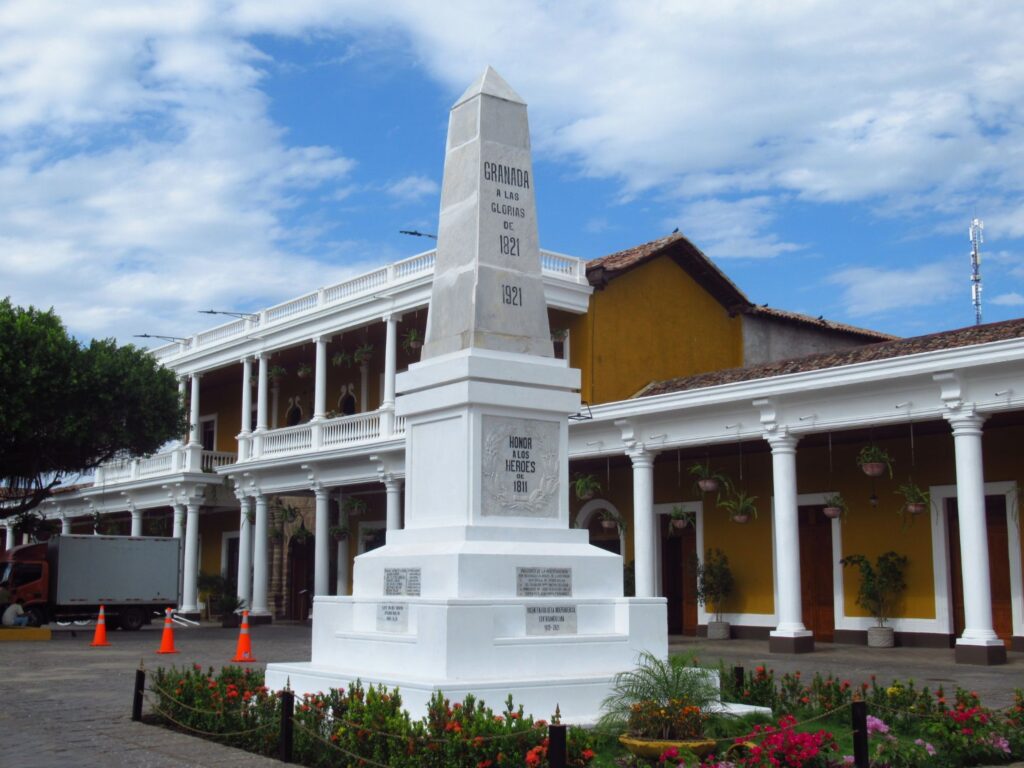
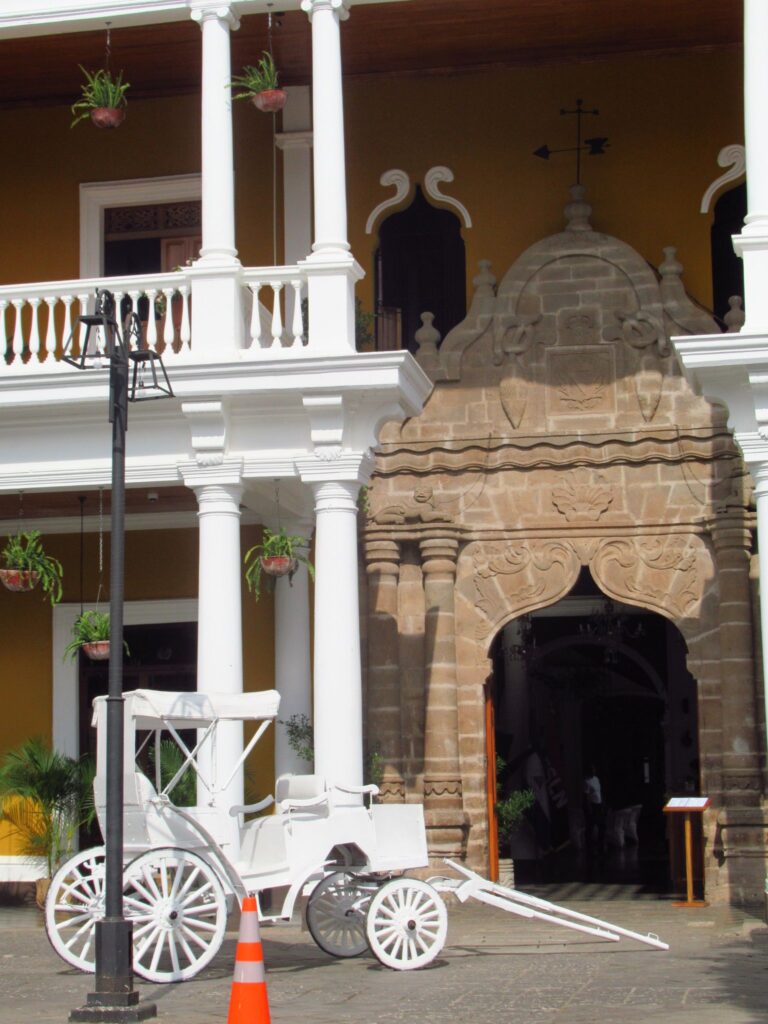
The colonial city of Granada was founded in 1524 by Captain Franciso Cordoba and sits on Lake Nicaragua  next to Mombacho volcano. It such a pretty town with colourful houses and buildings.

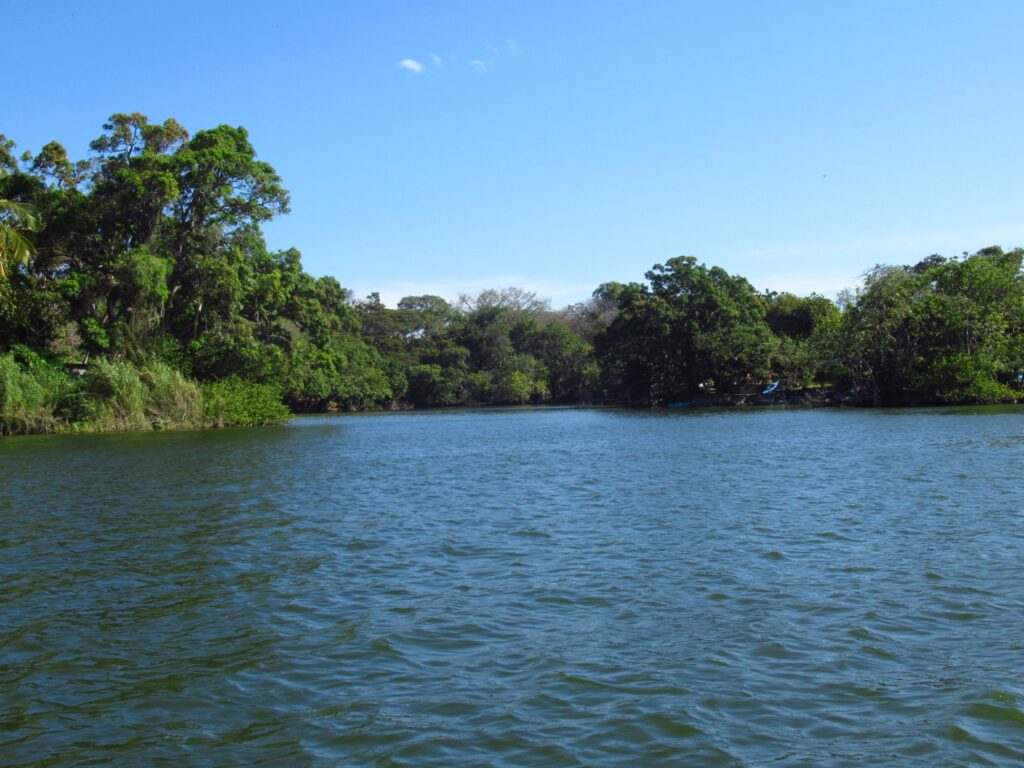
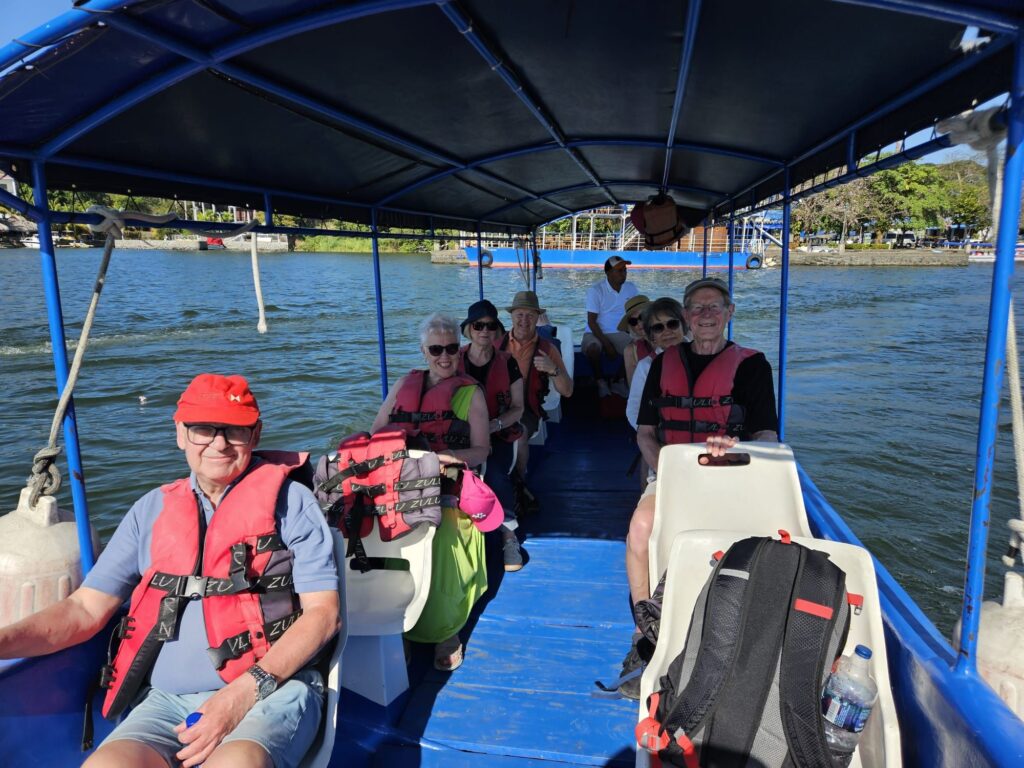
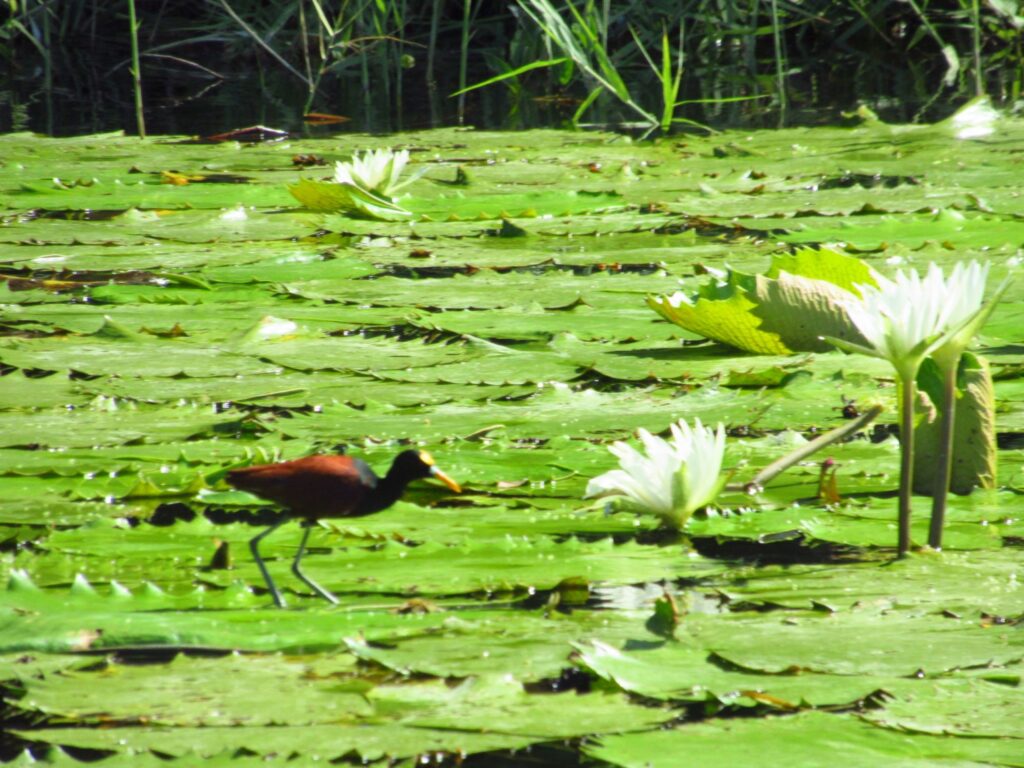
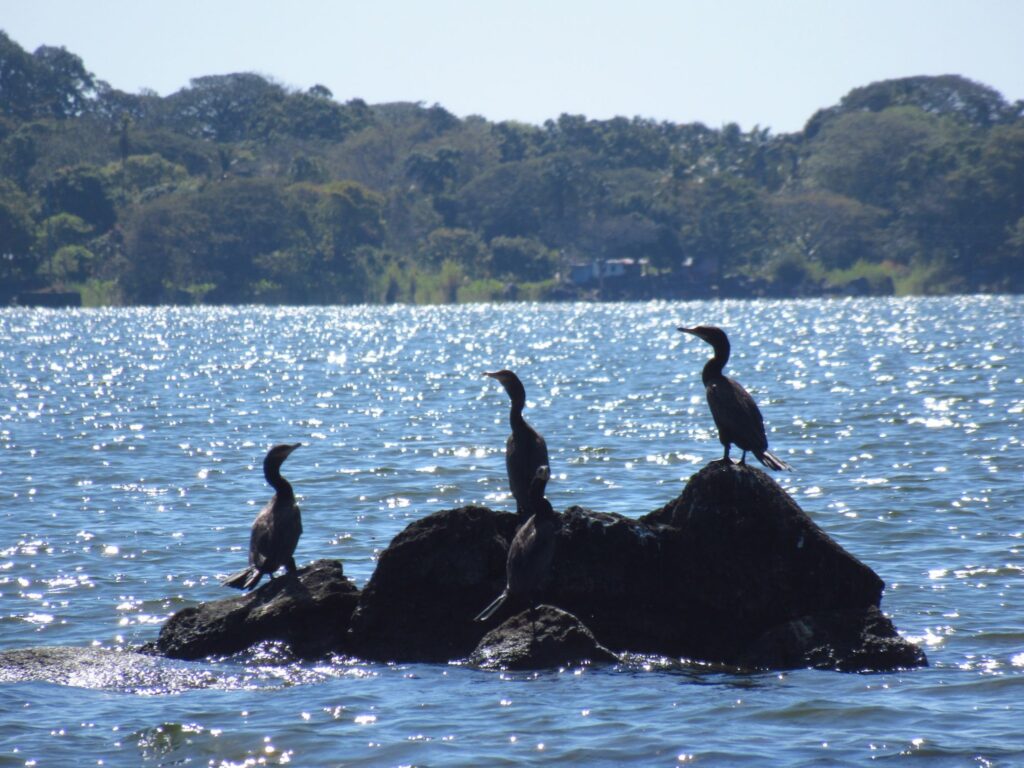
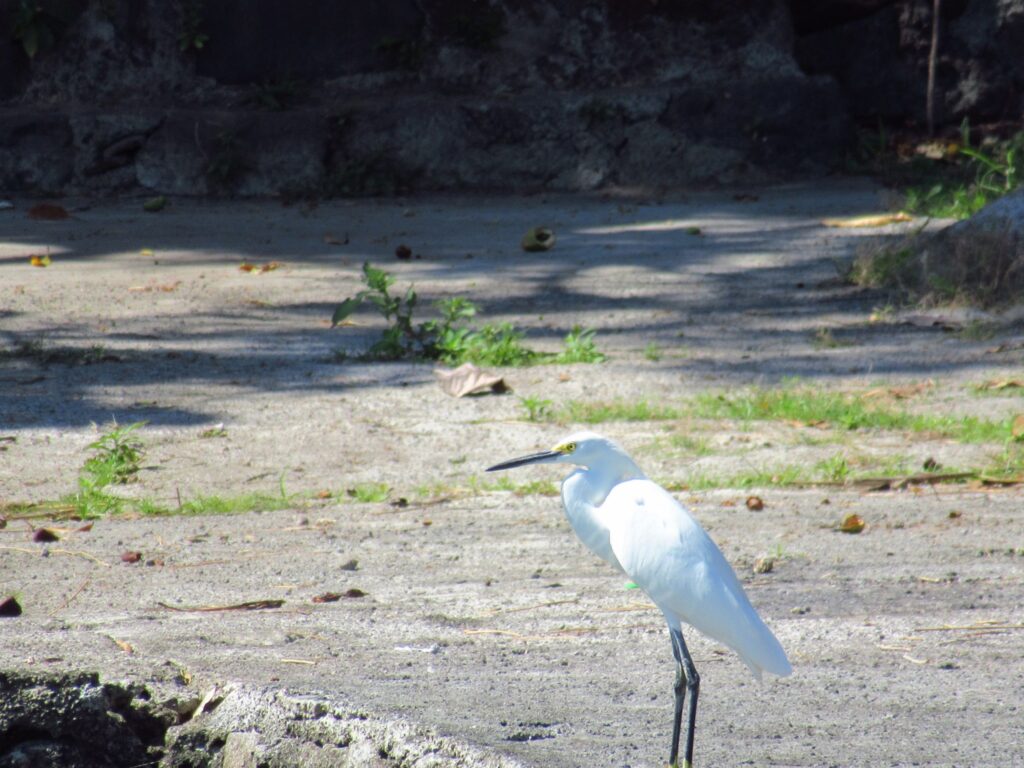
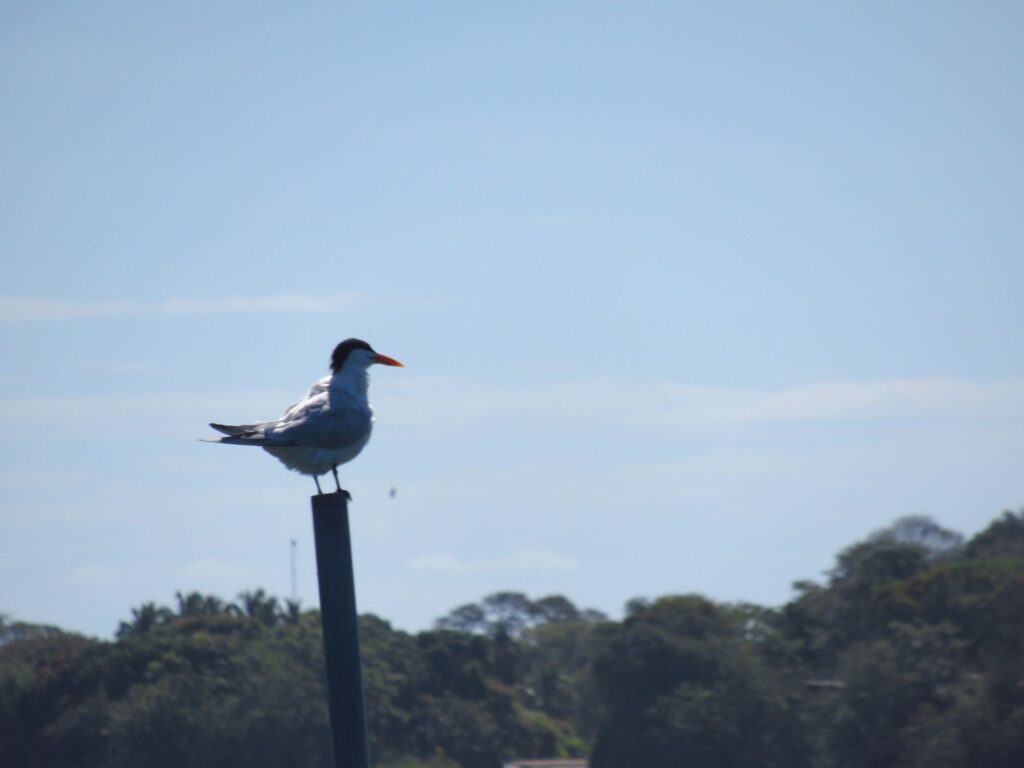
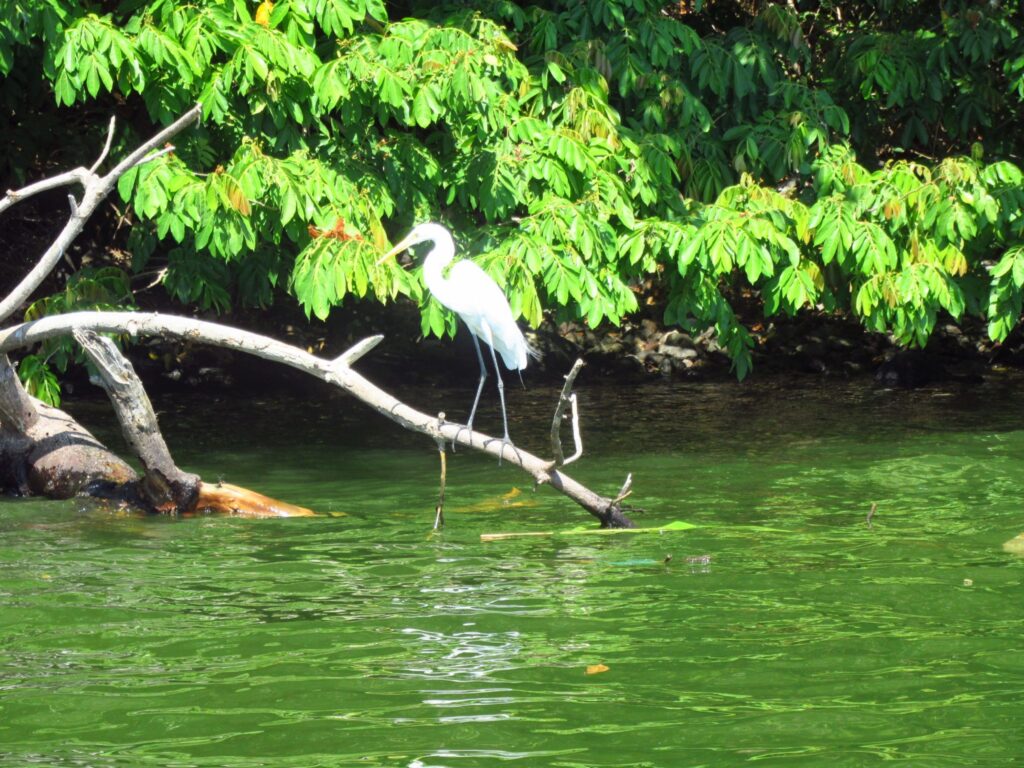
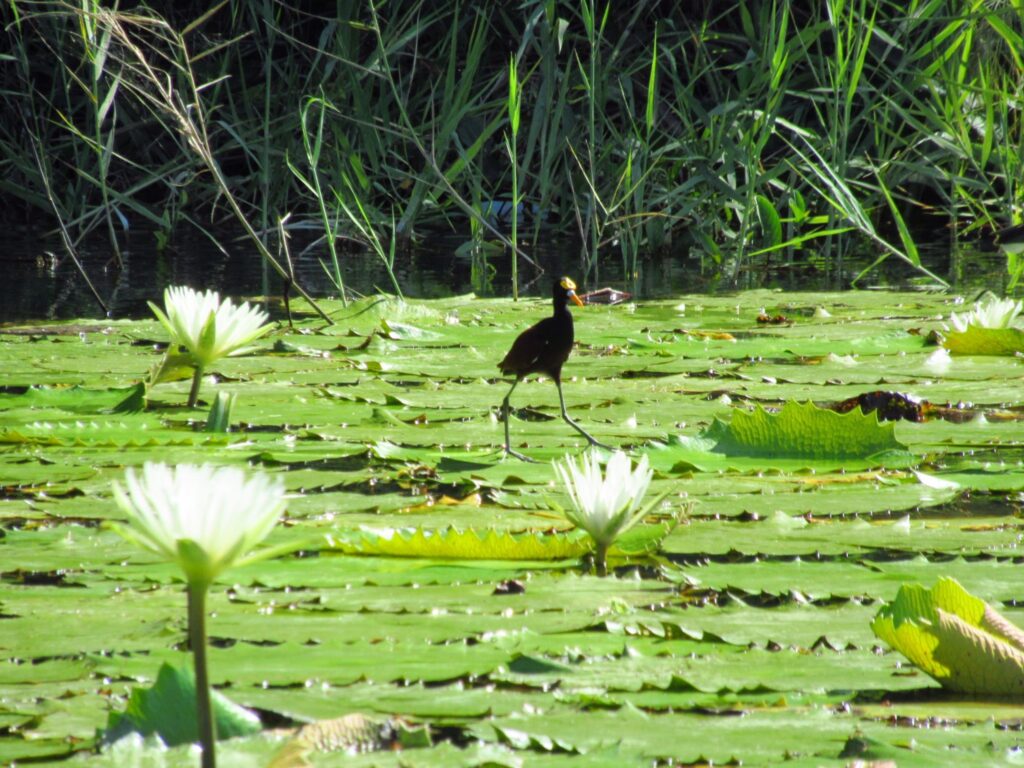
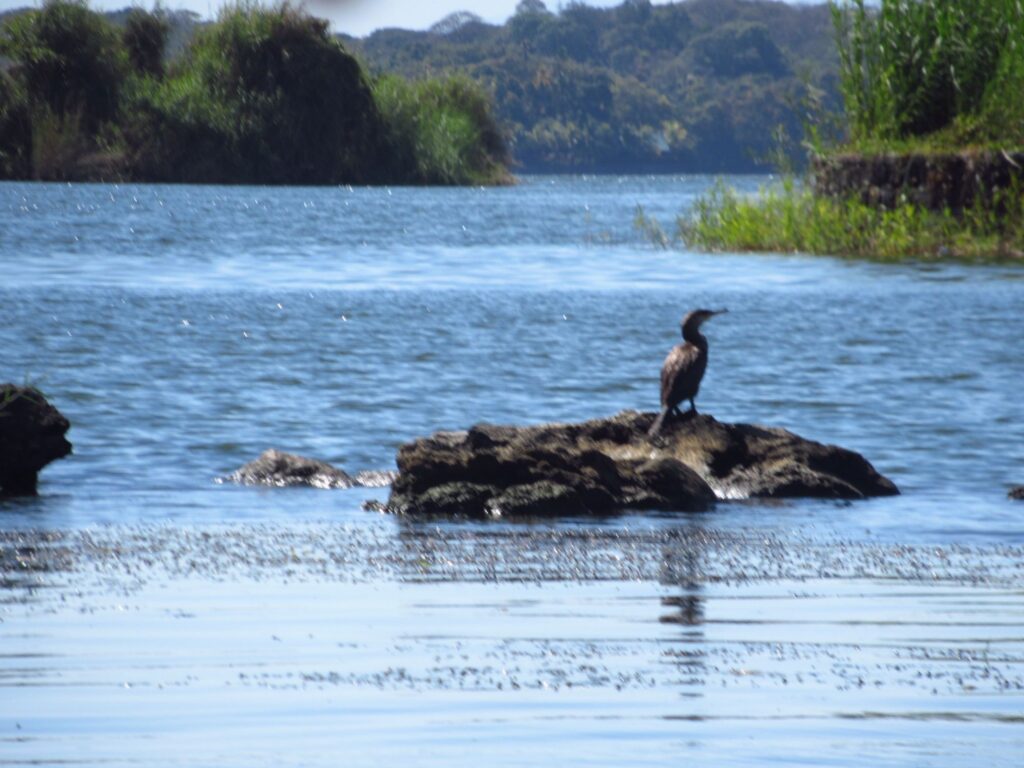
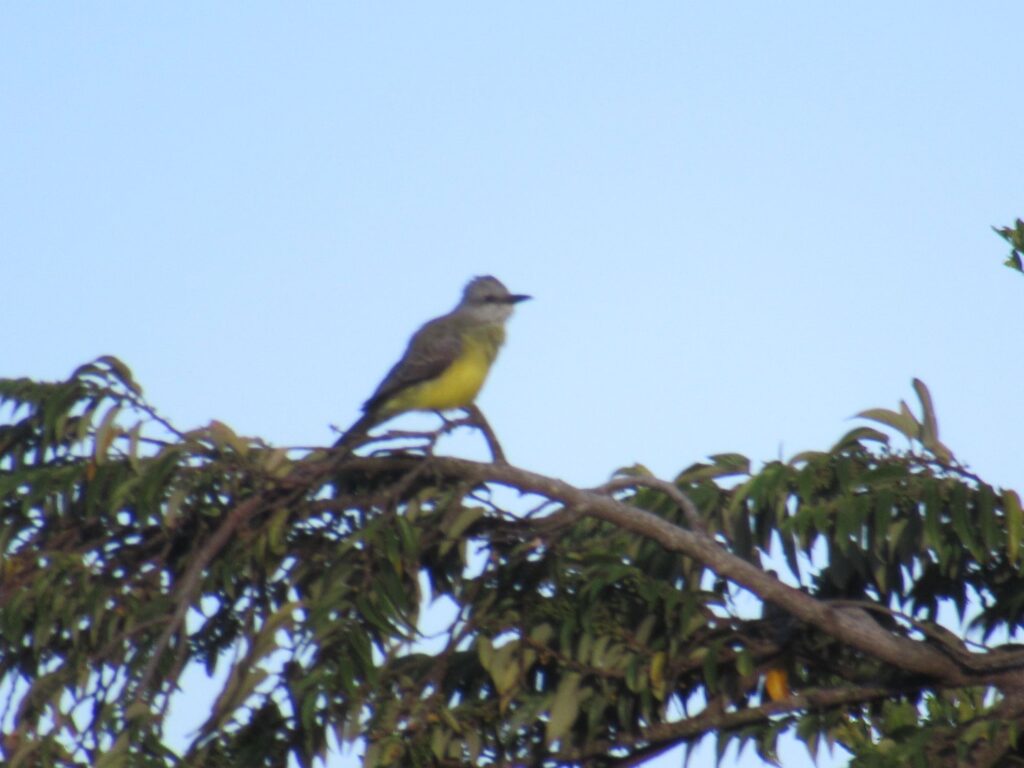
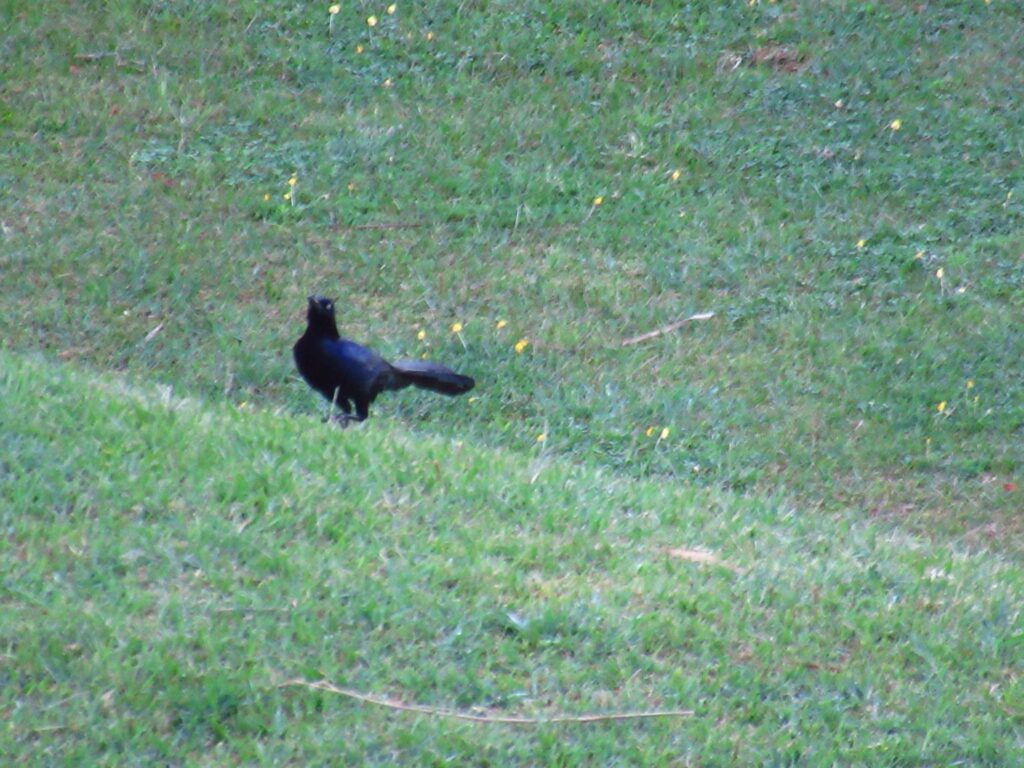
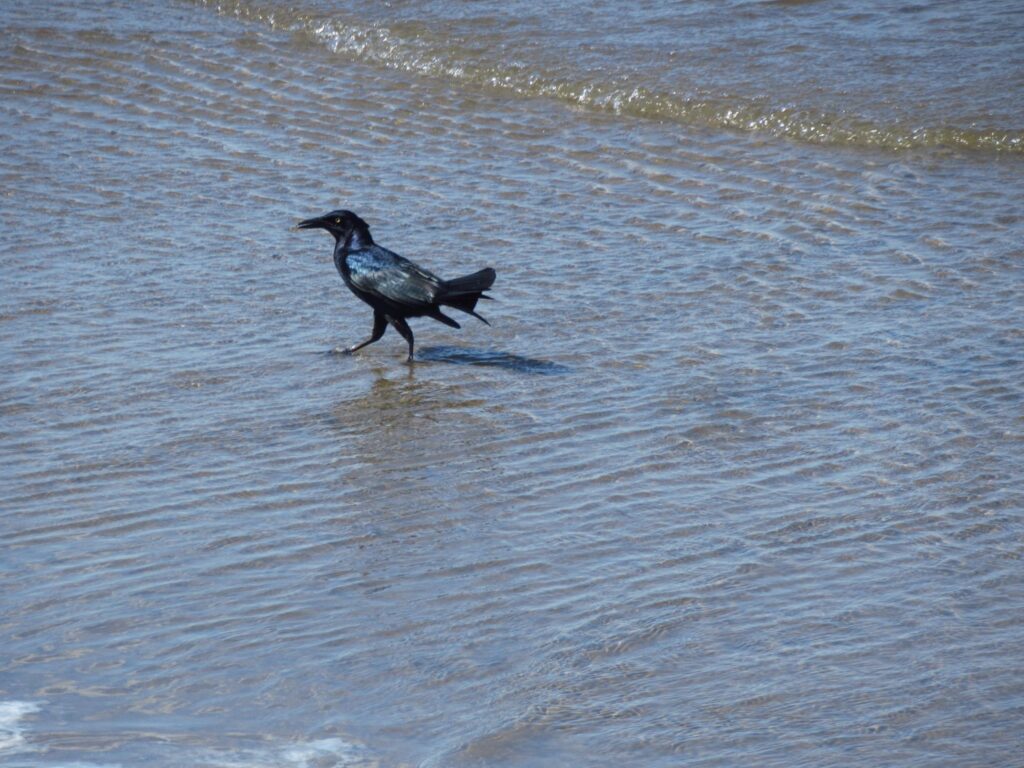
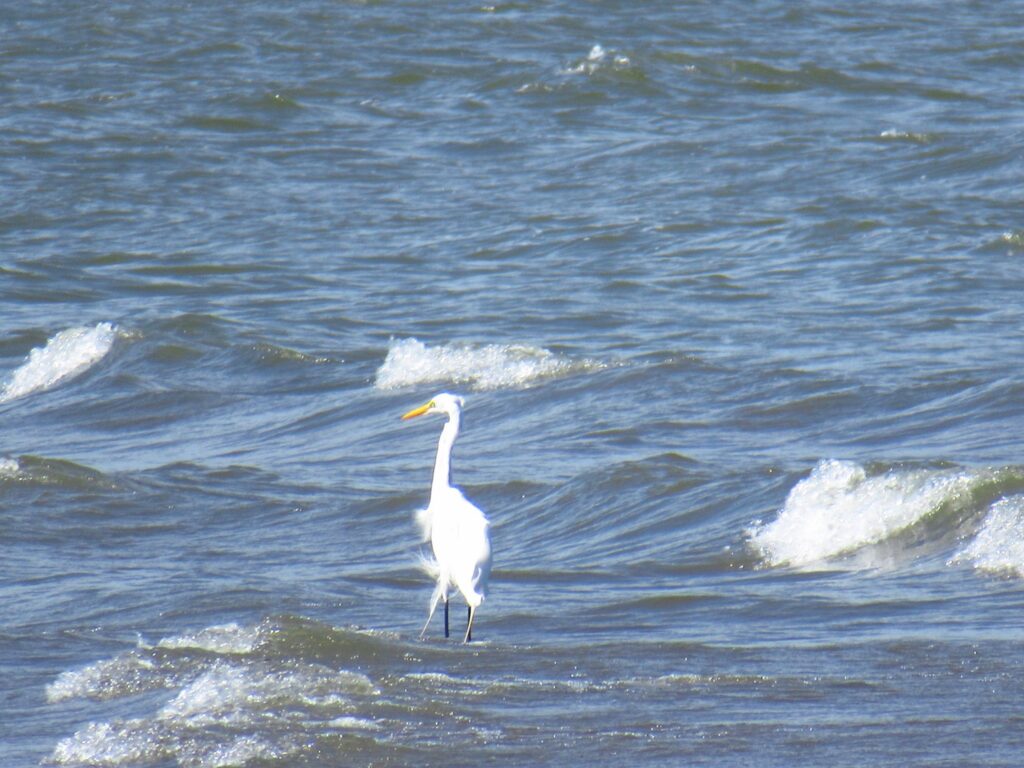
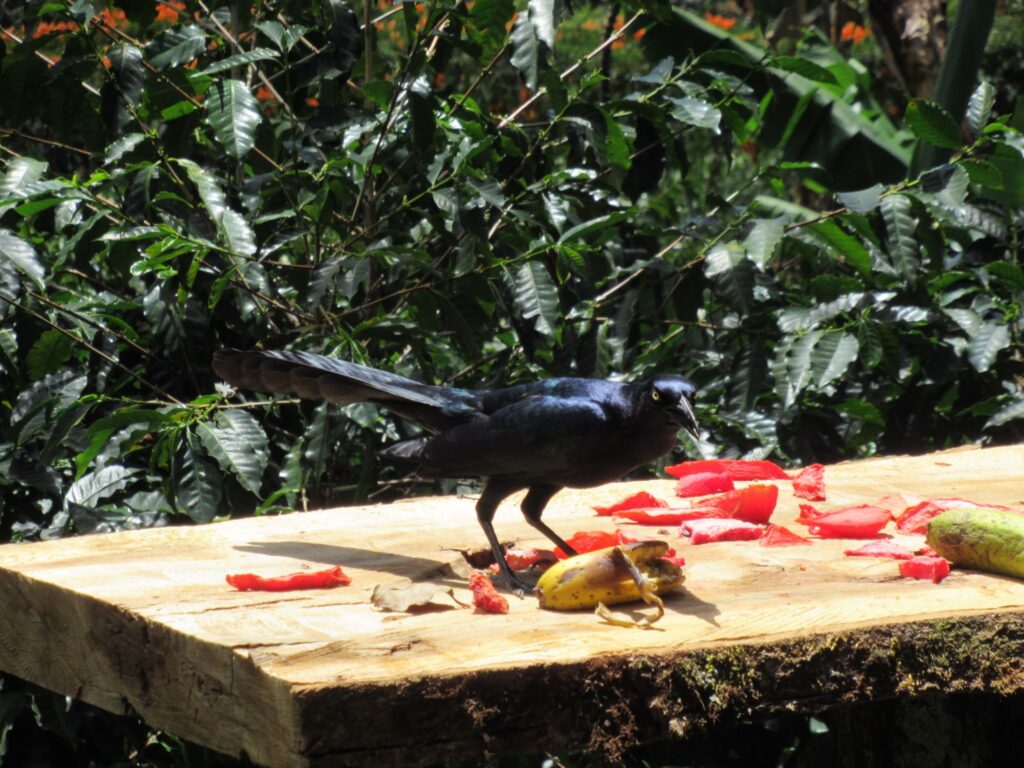
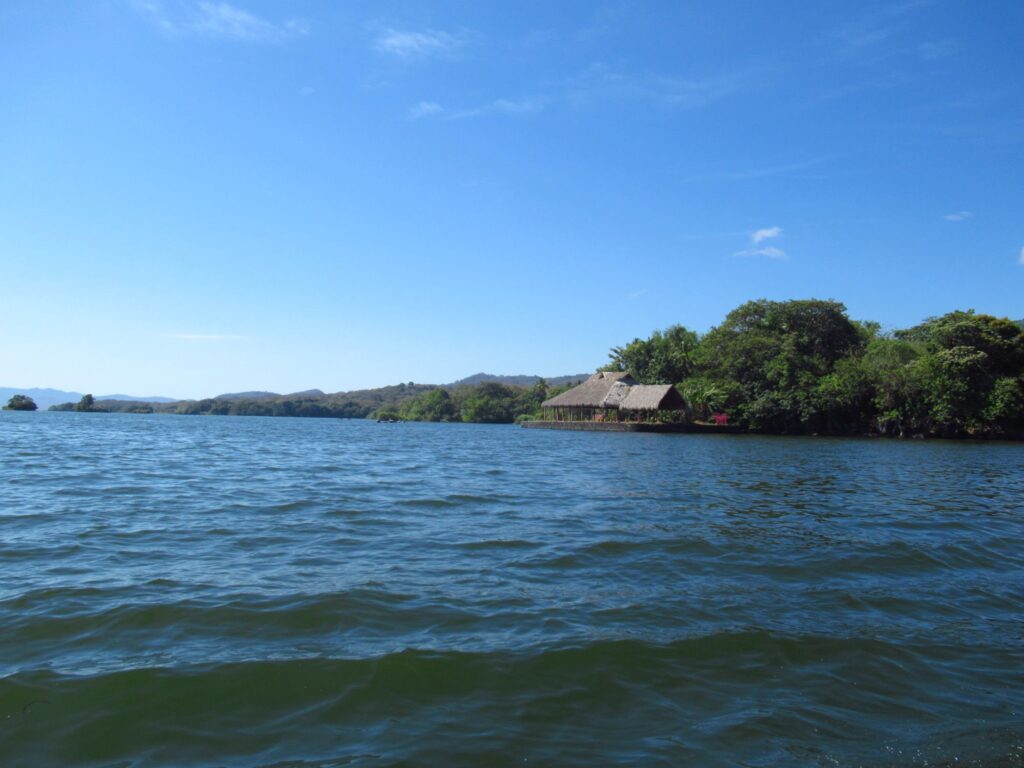
Wonderful day today exploring the lakes and volcanoes around Granada. We started with a boat ride on Lake Nicaragua and saw an amazing number of birds – herons, egrets, osprey,  cormorants, royal tern, kingfishers, grackles and many more
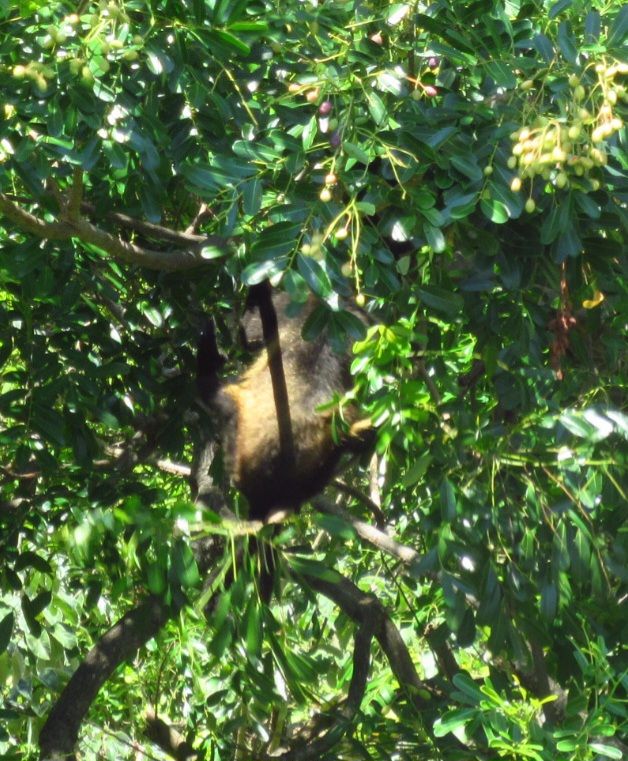
We heard the amazing booming sound of the howler monkeys and watched them playing in the trees.
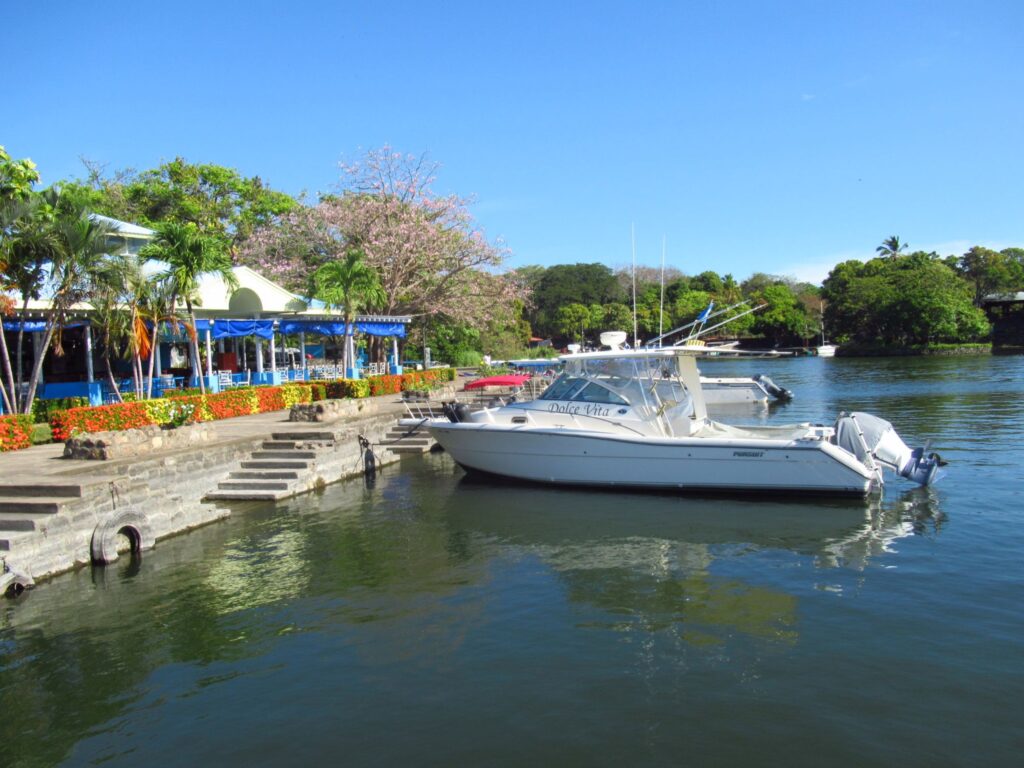
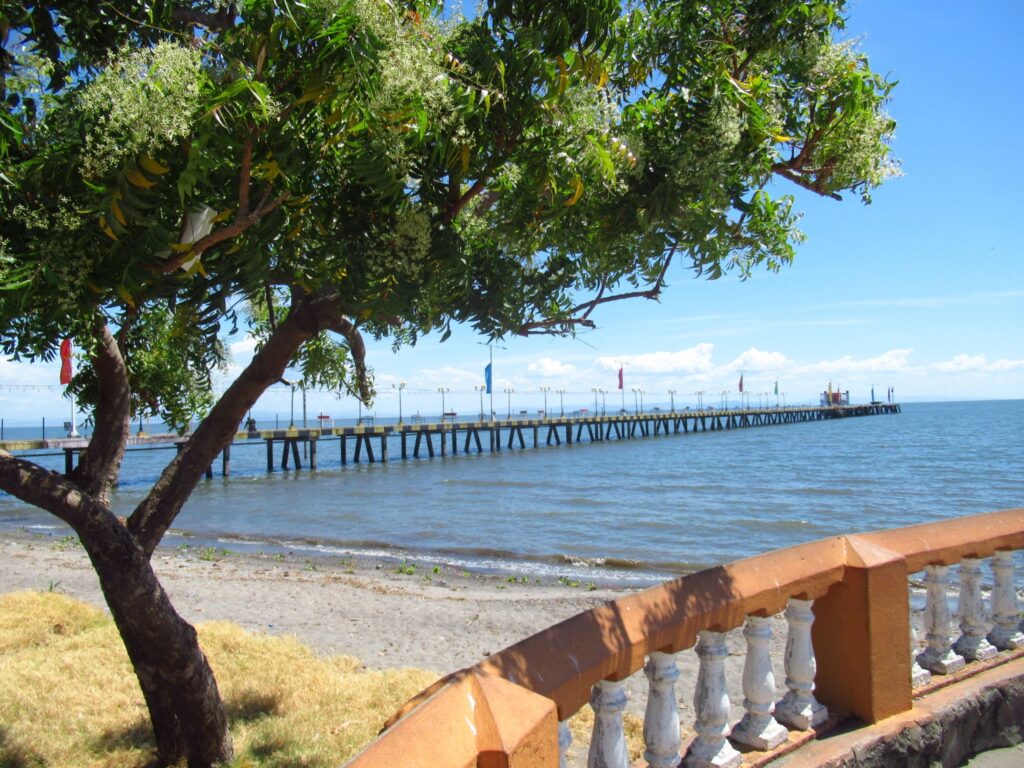
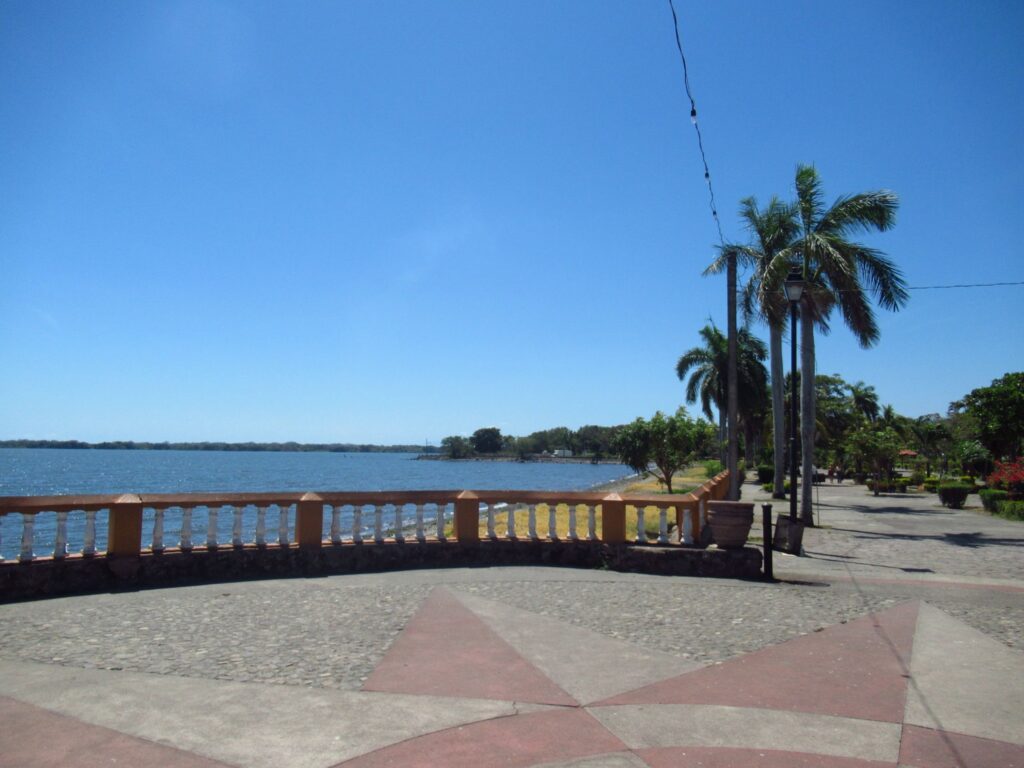
It was a shame to leave the lake but lots more to see including the port area
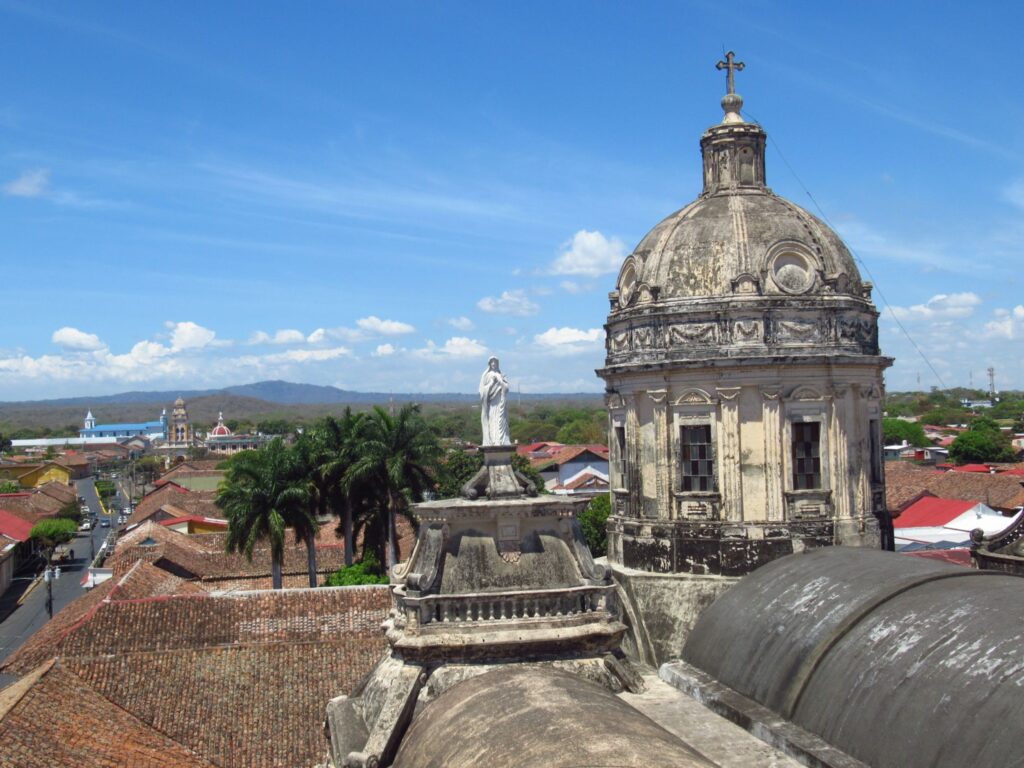
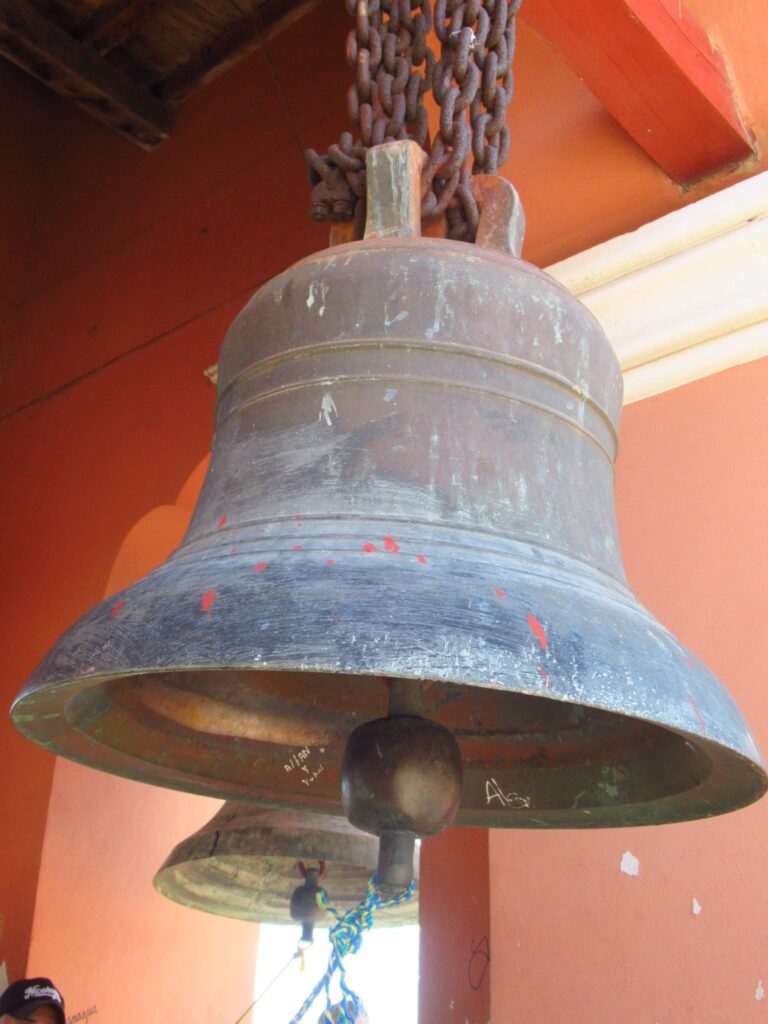
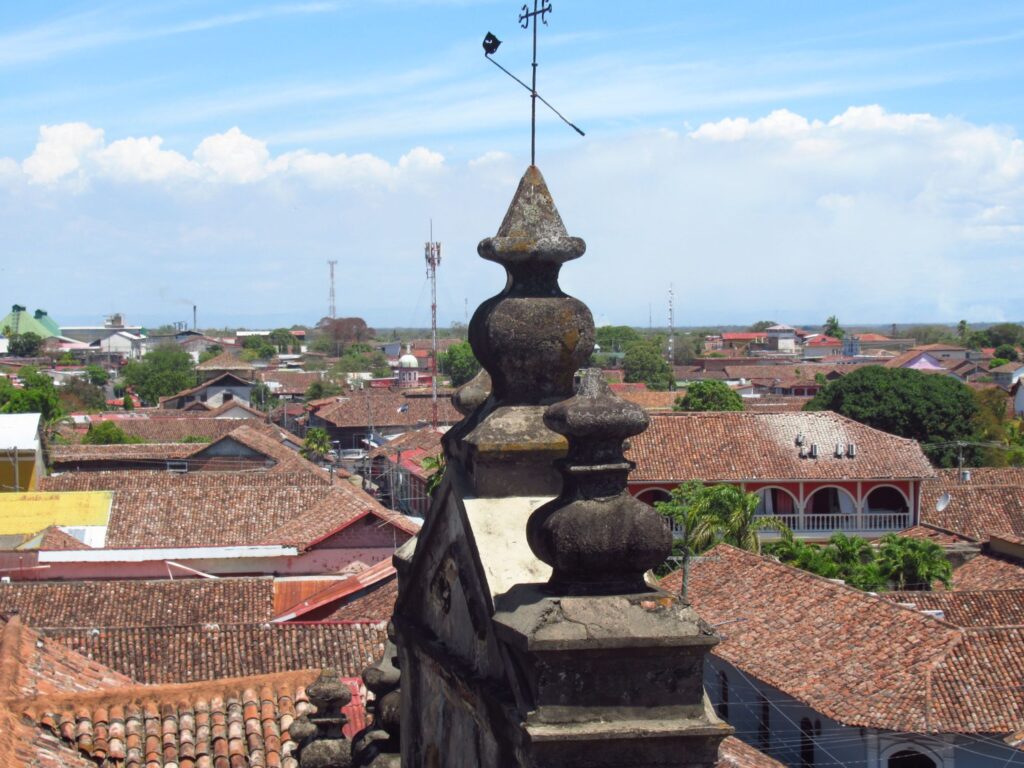
Then into the town and La Merced Church climbing the many steps of the bell tower for great views of the town
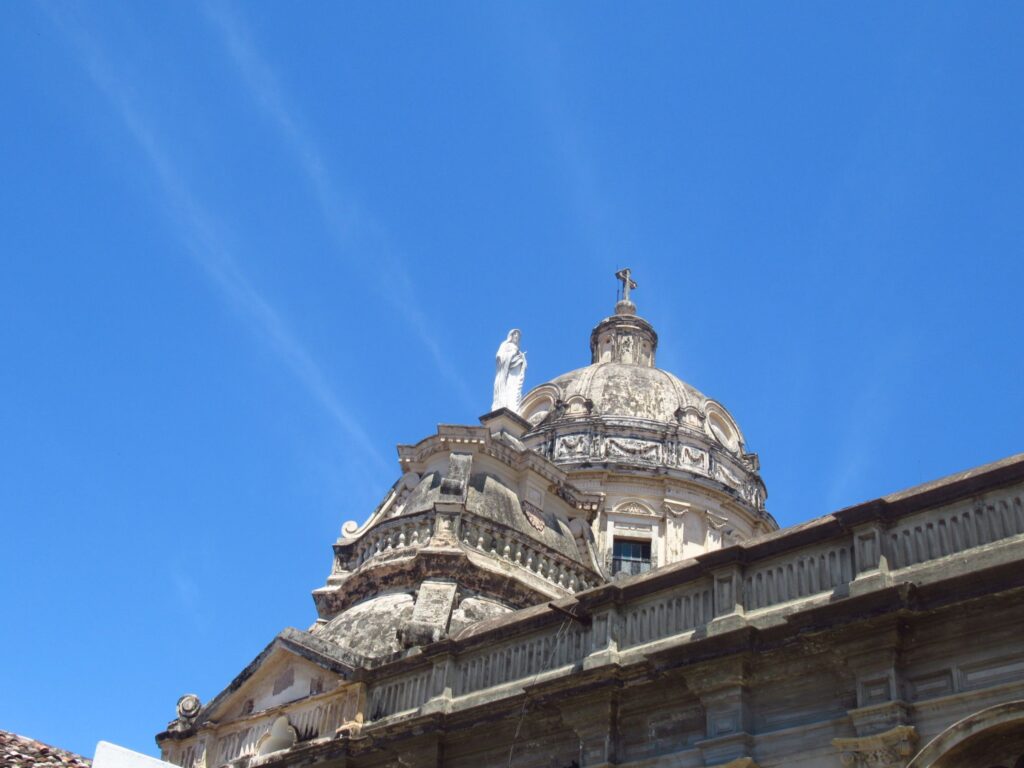
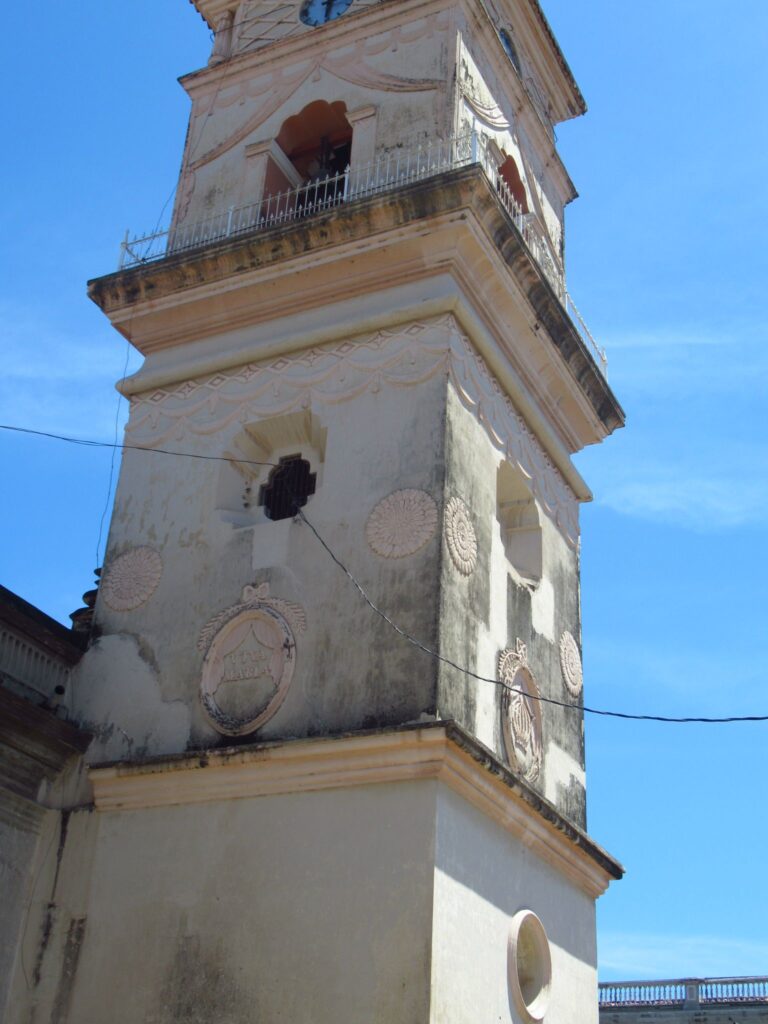
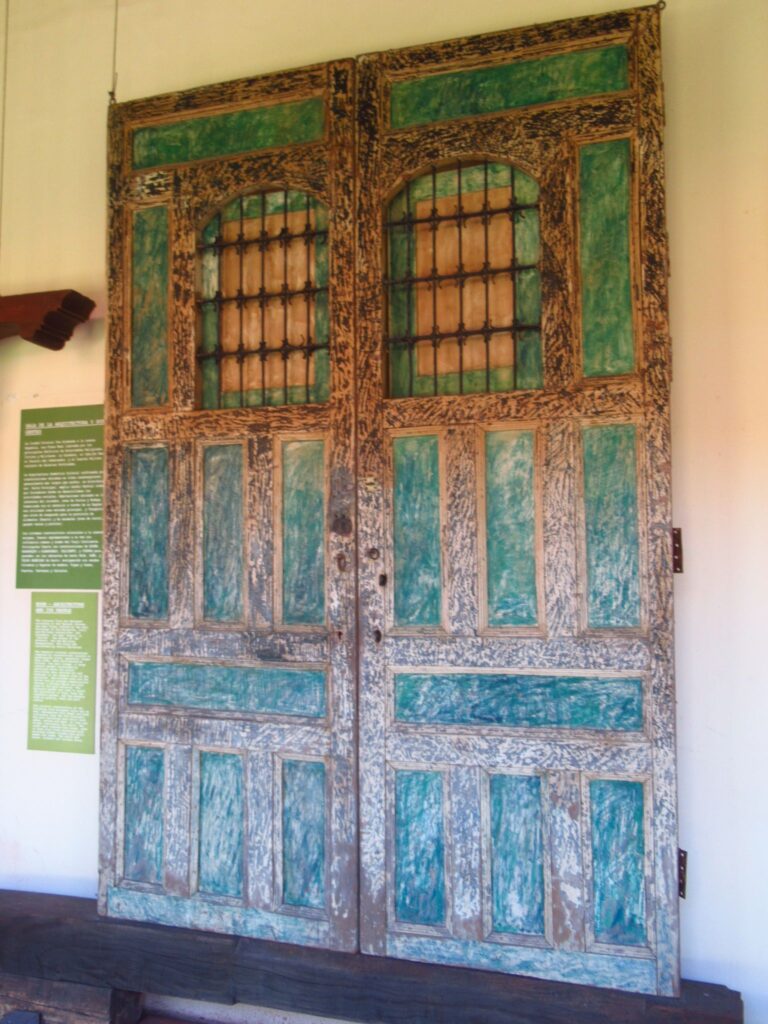
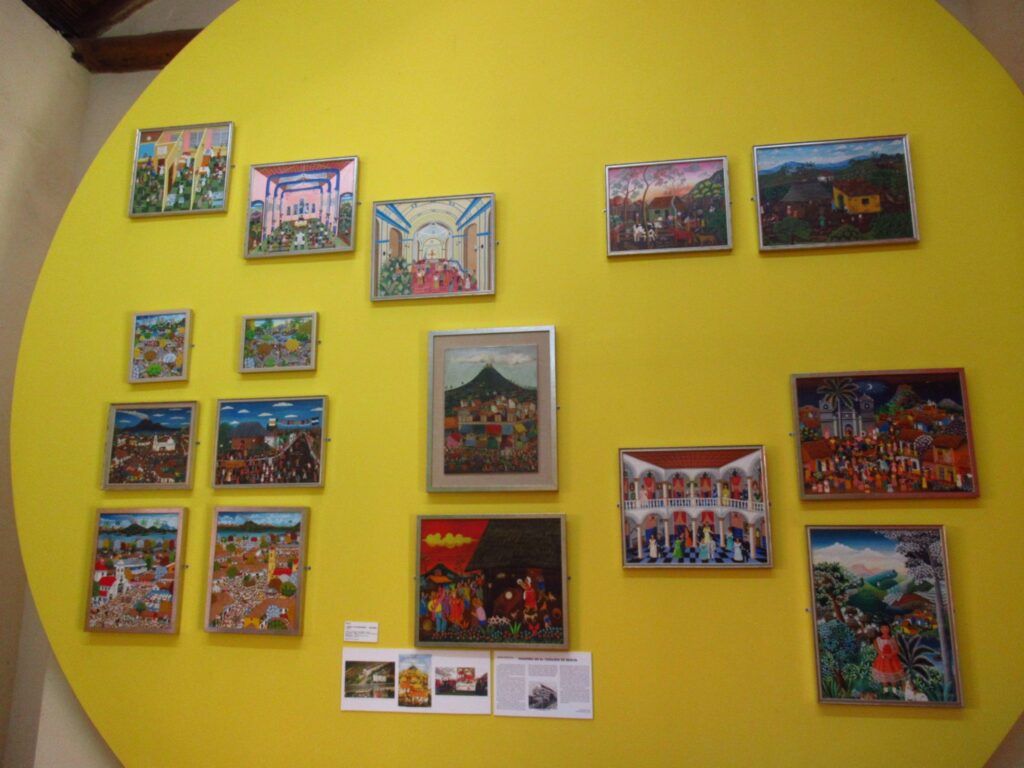
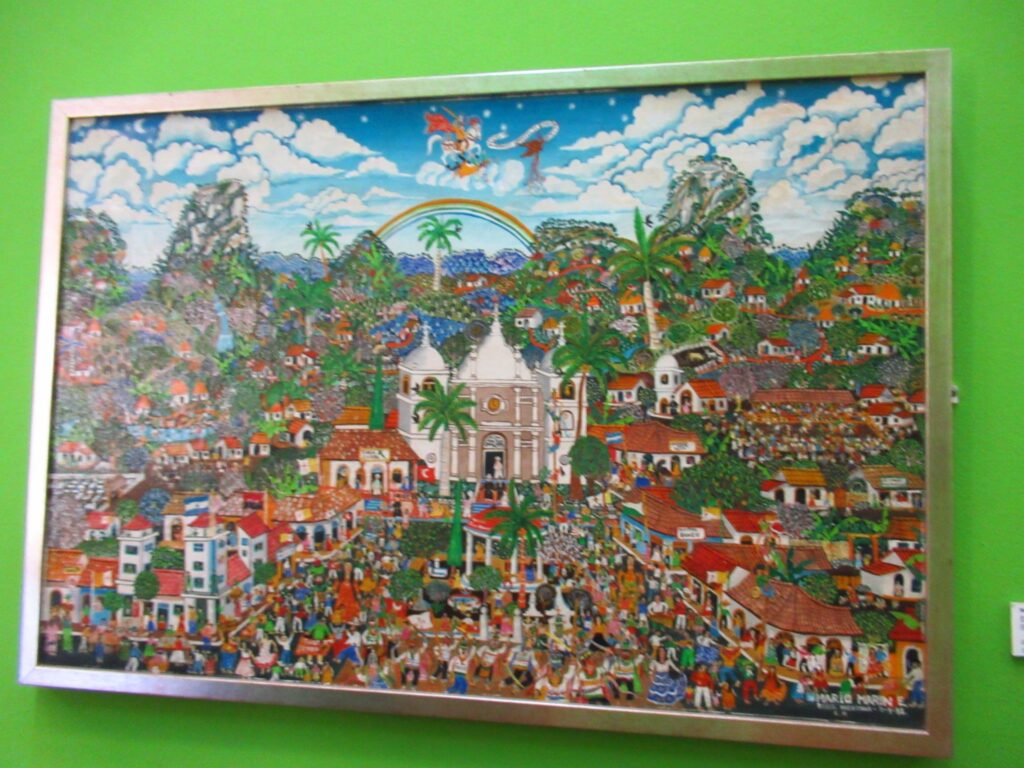
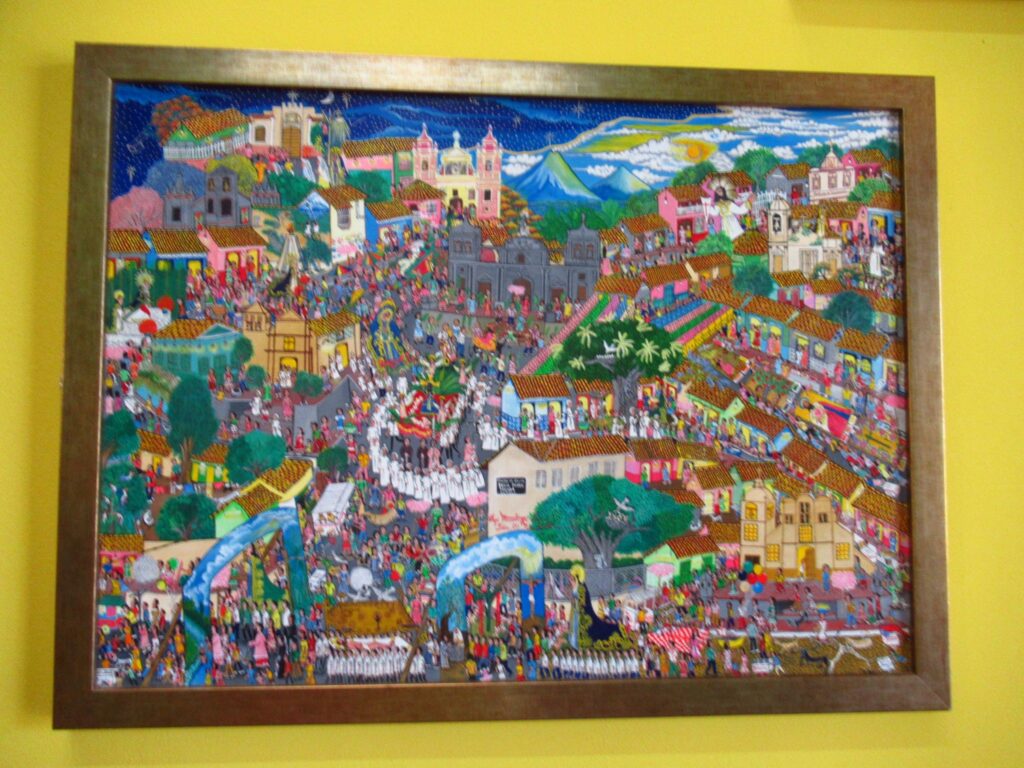
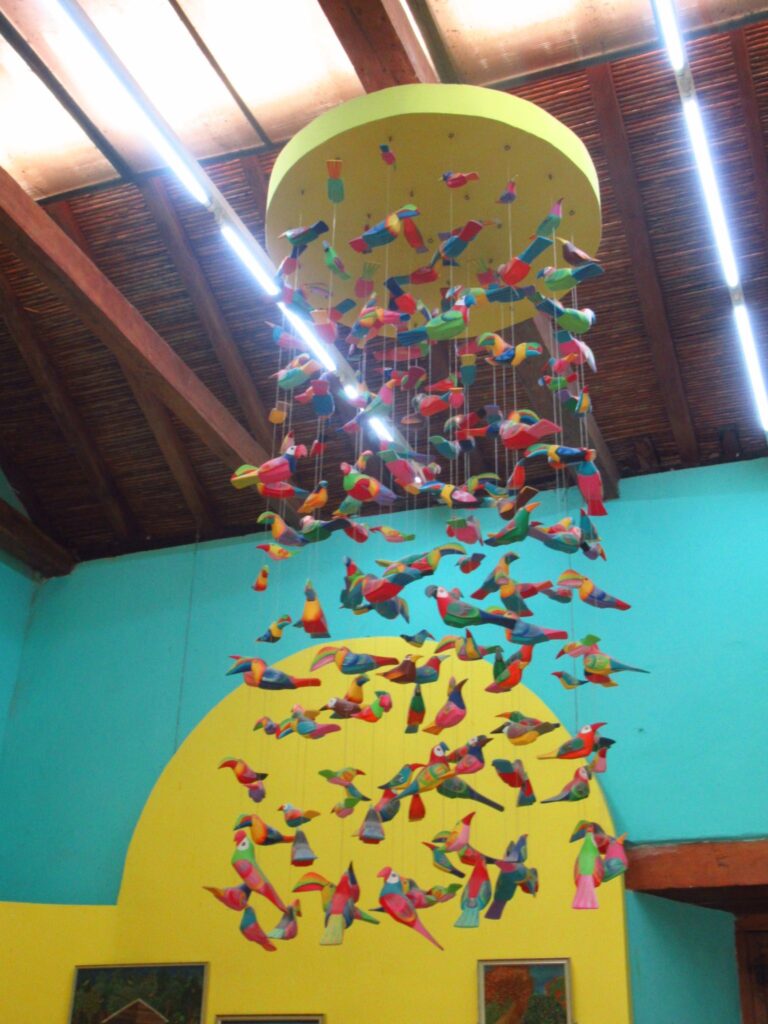
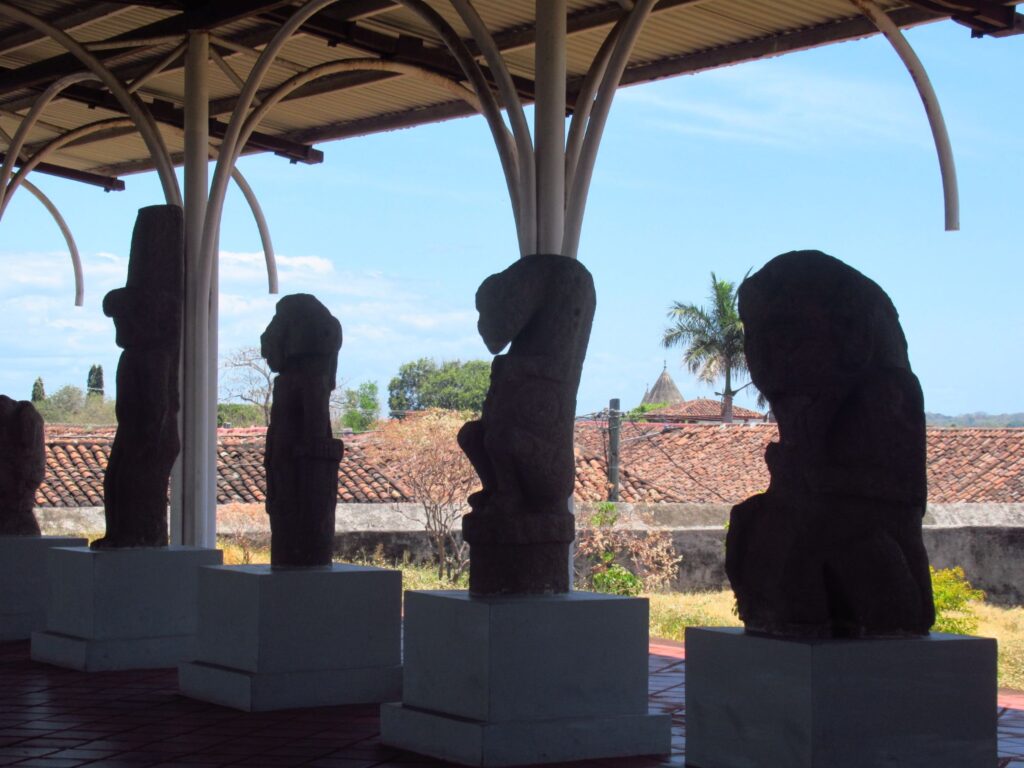
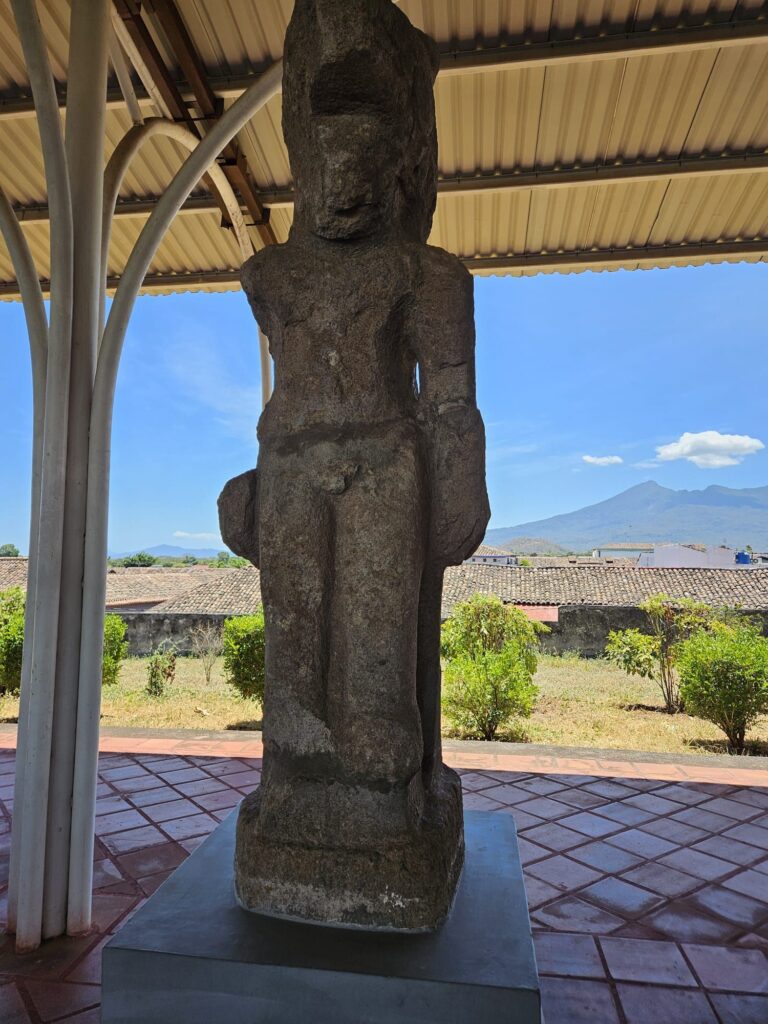
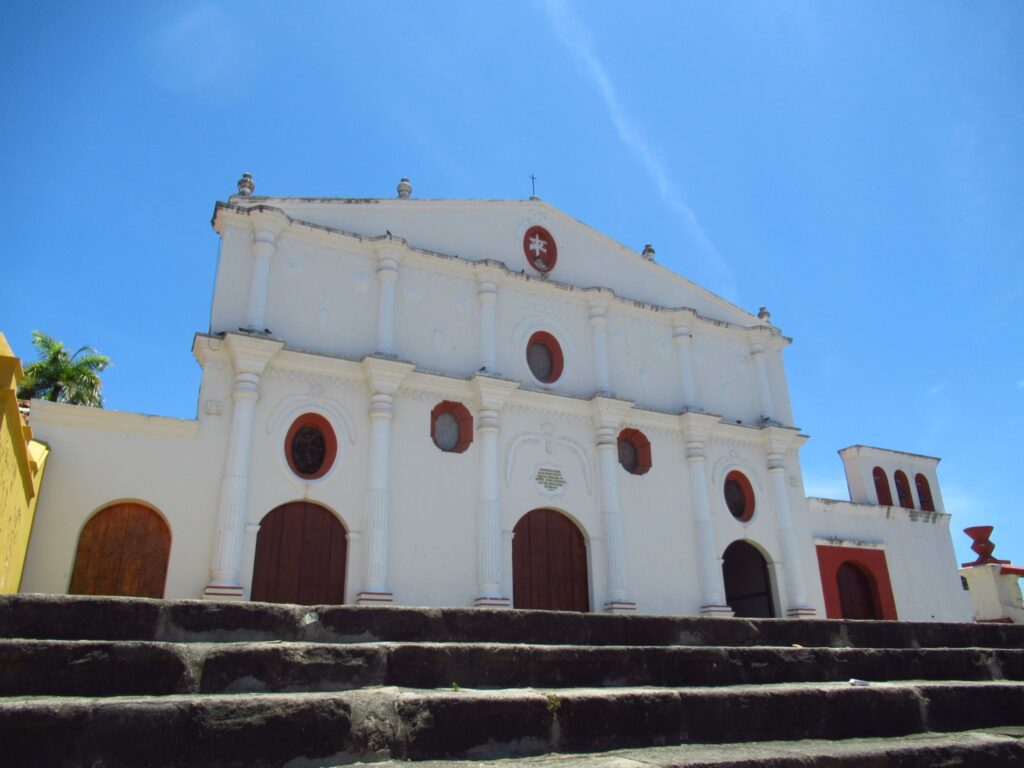
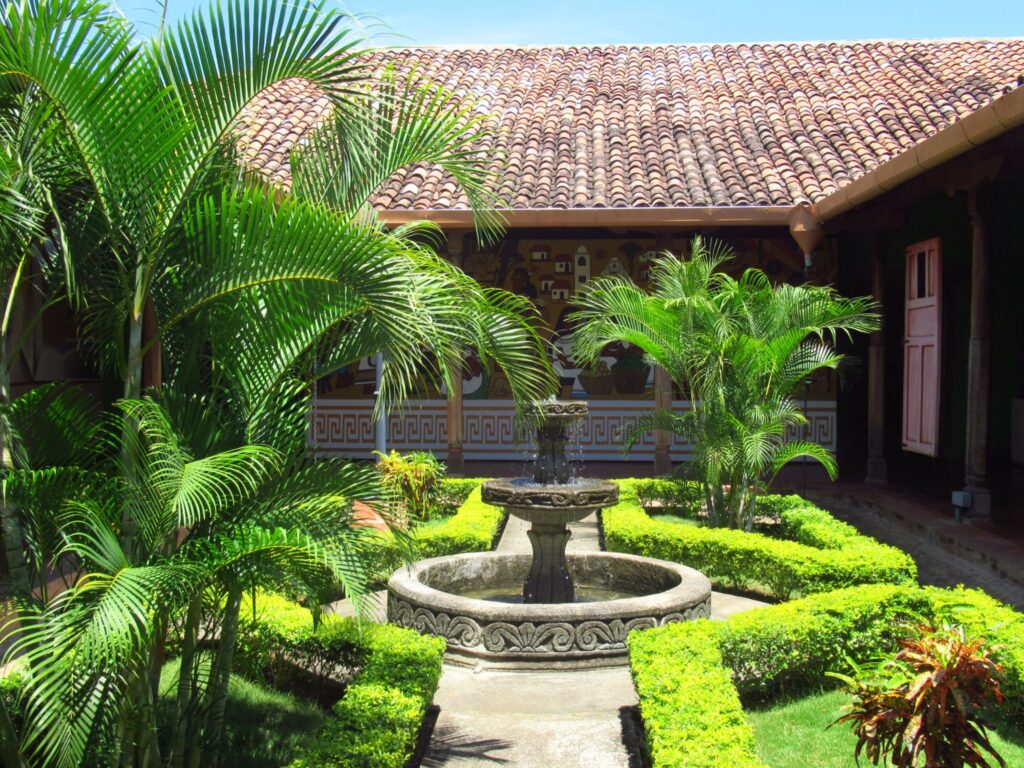
Then onto the San Francisco convent, one of Nicaragua’s oldest buildings, the galleries contained lots of interesting items, paintings and basalt statues from Zapateta island.
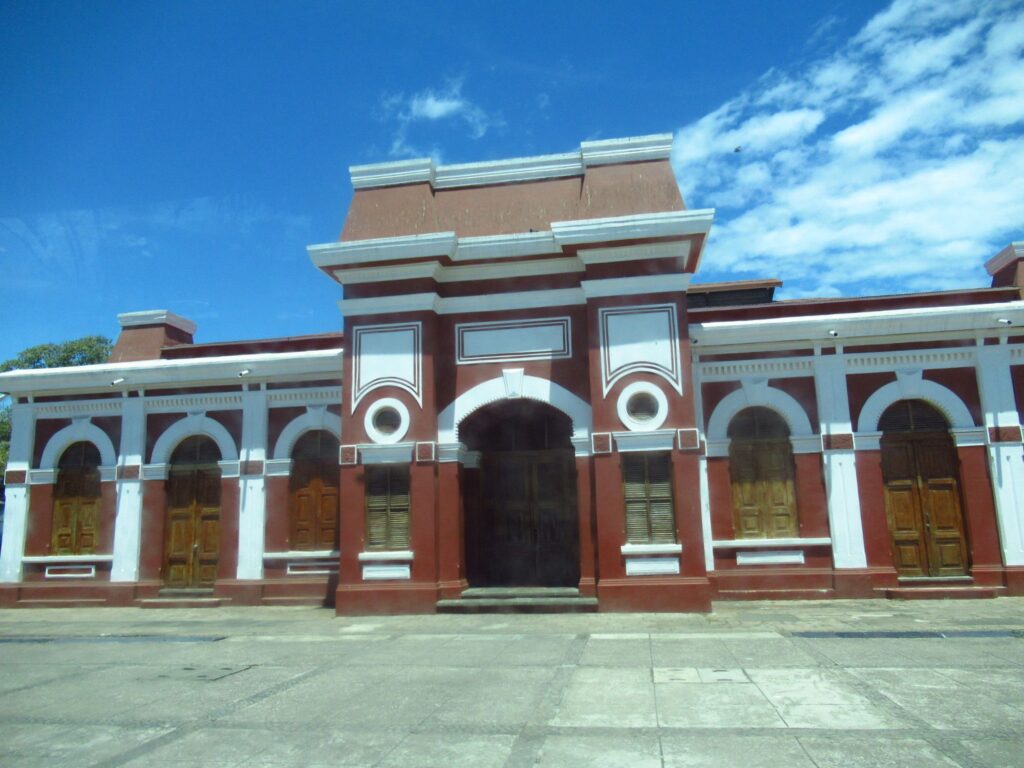
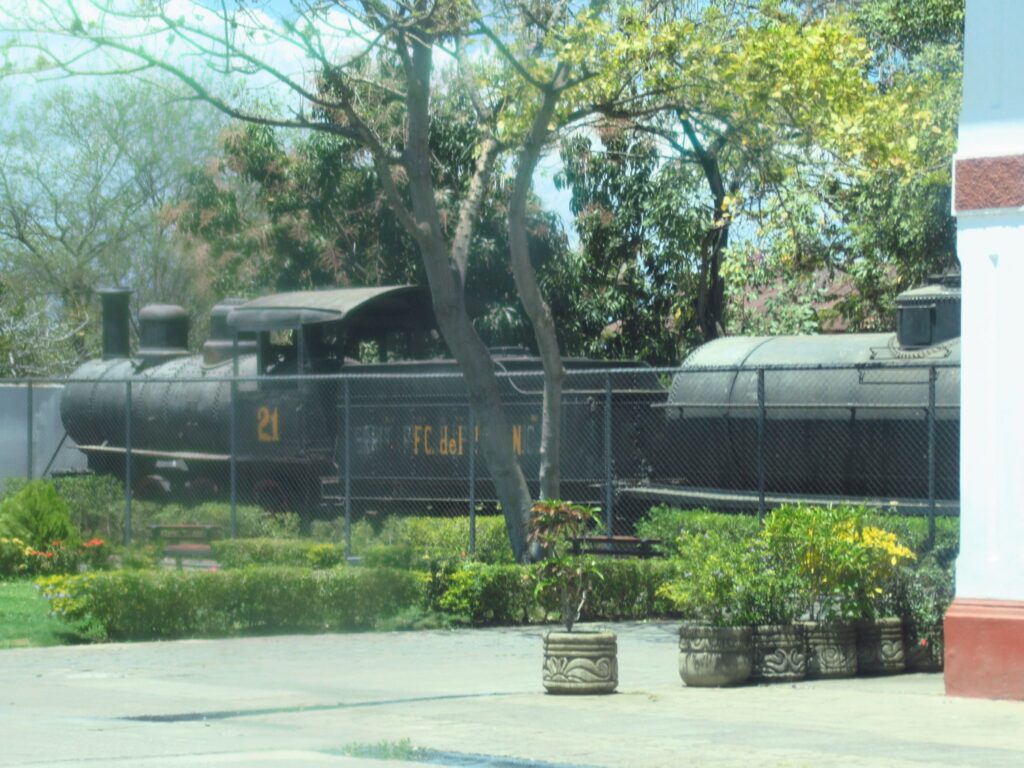
The old railway station with the steam engine. They no longer have a railway system in Nicaragua.
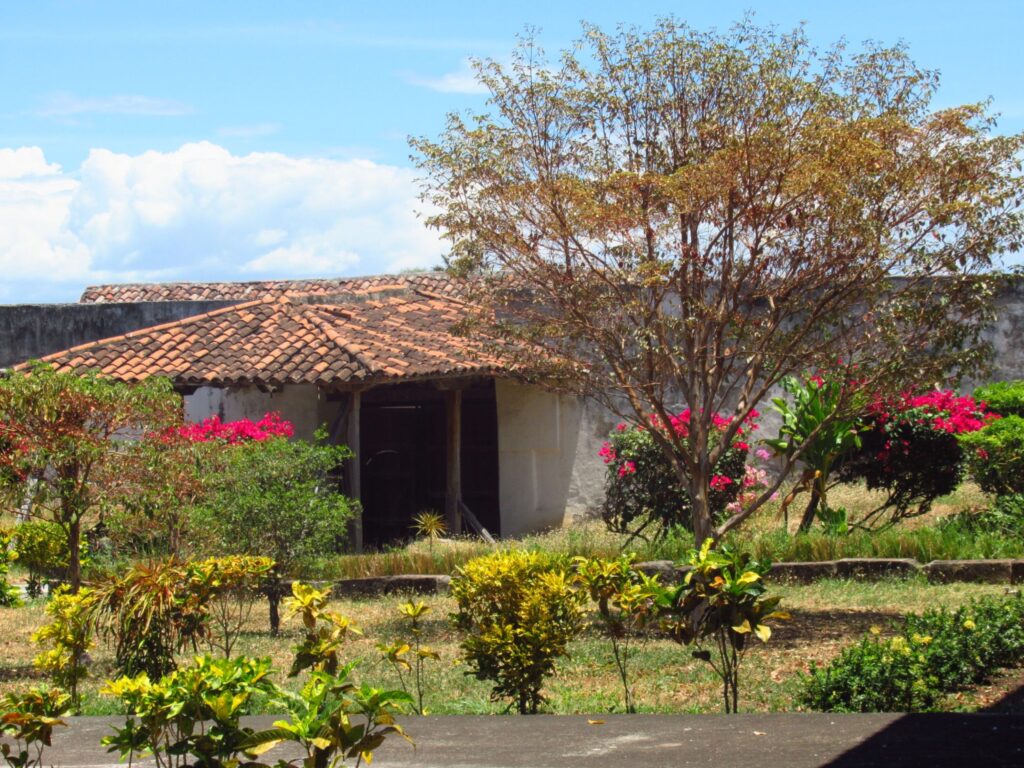
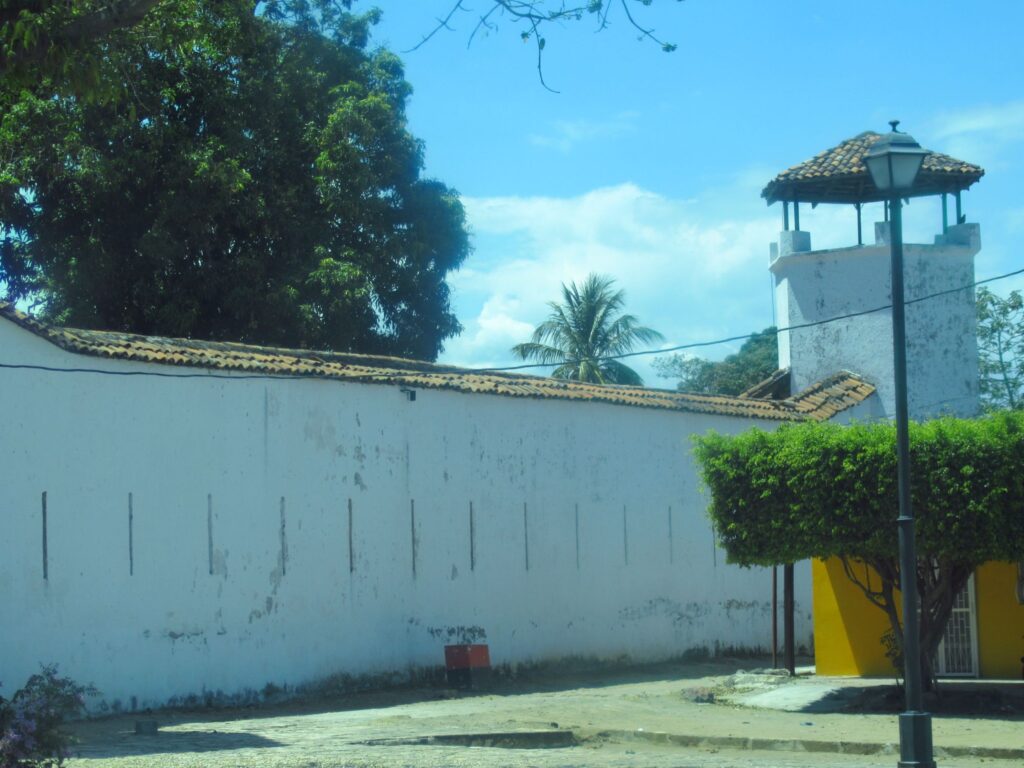
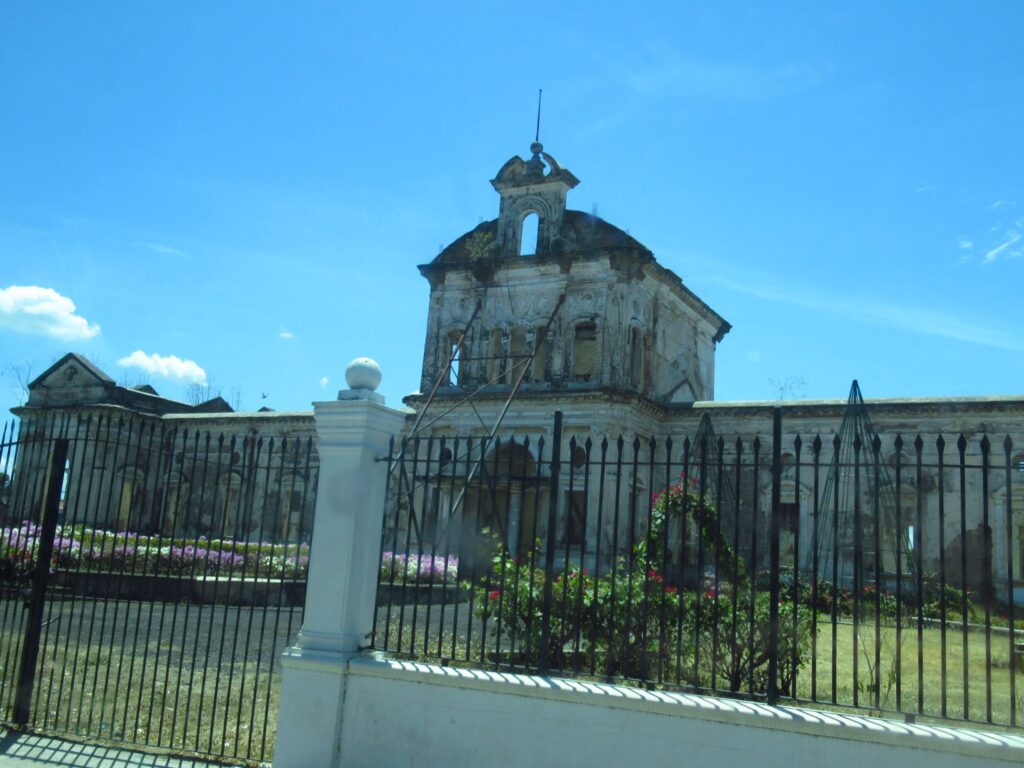
Polvora Fortress
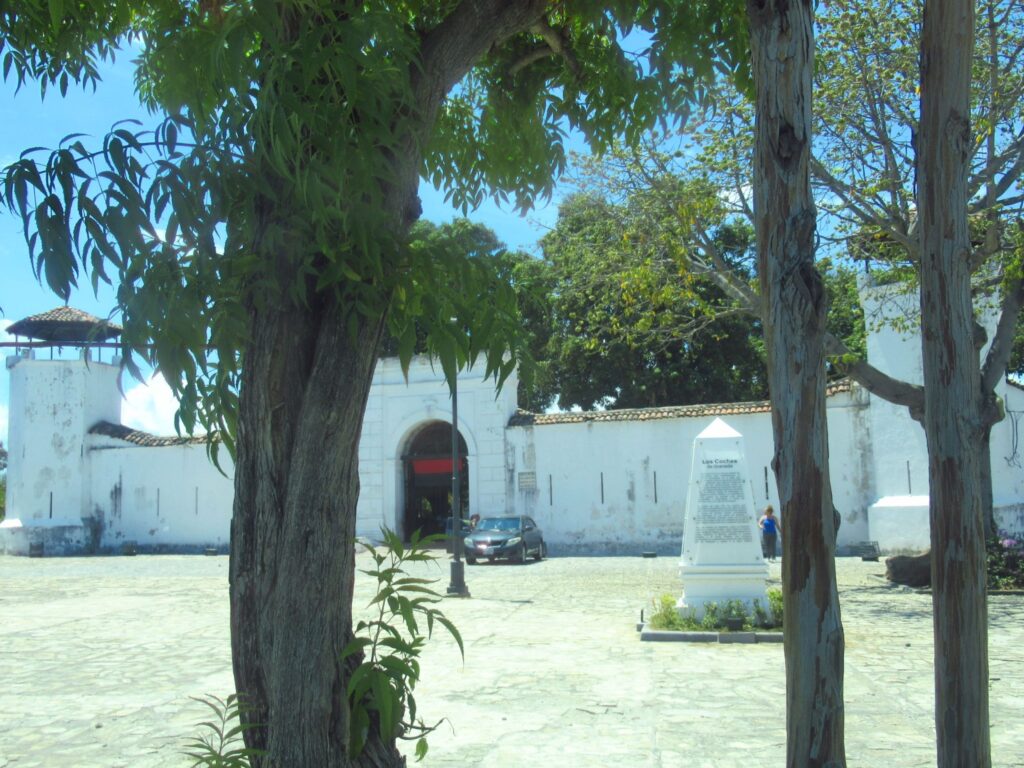
The old hospital of San Juan, sadly in disrepair and probably destined for demolition
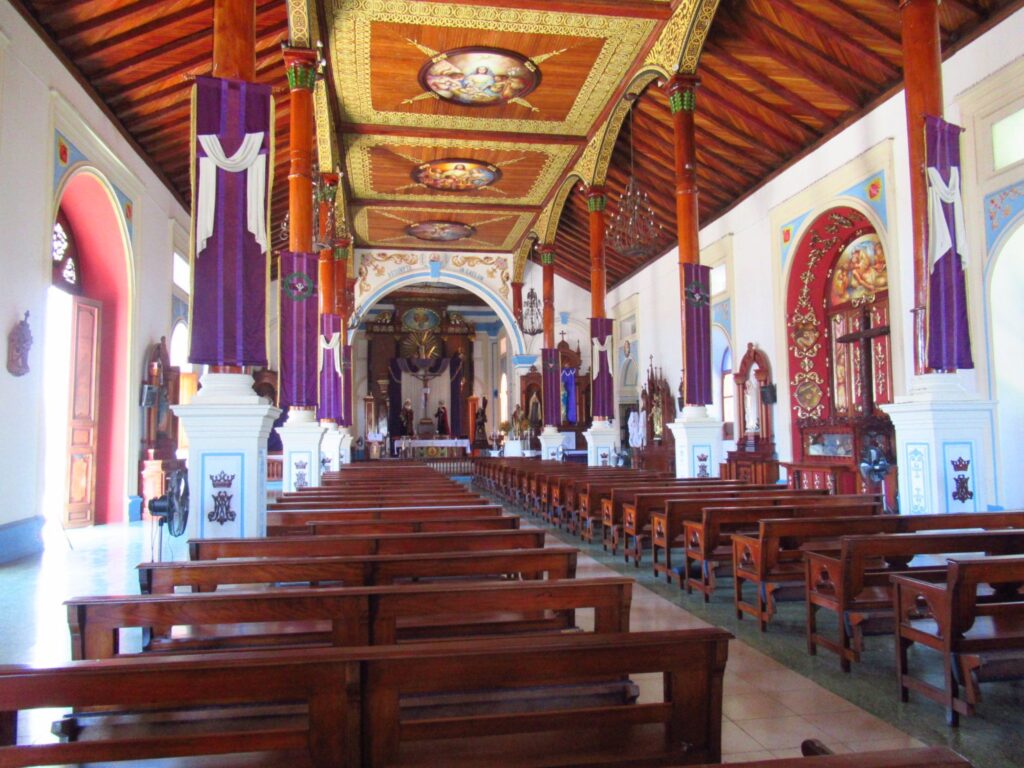
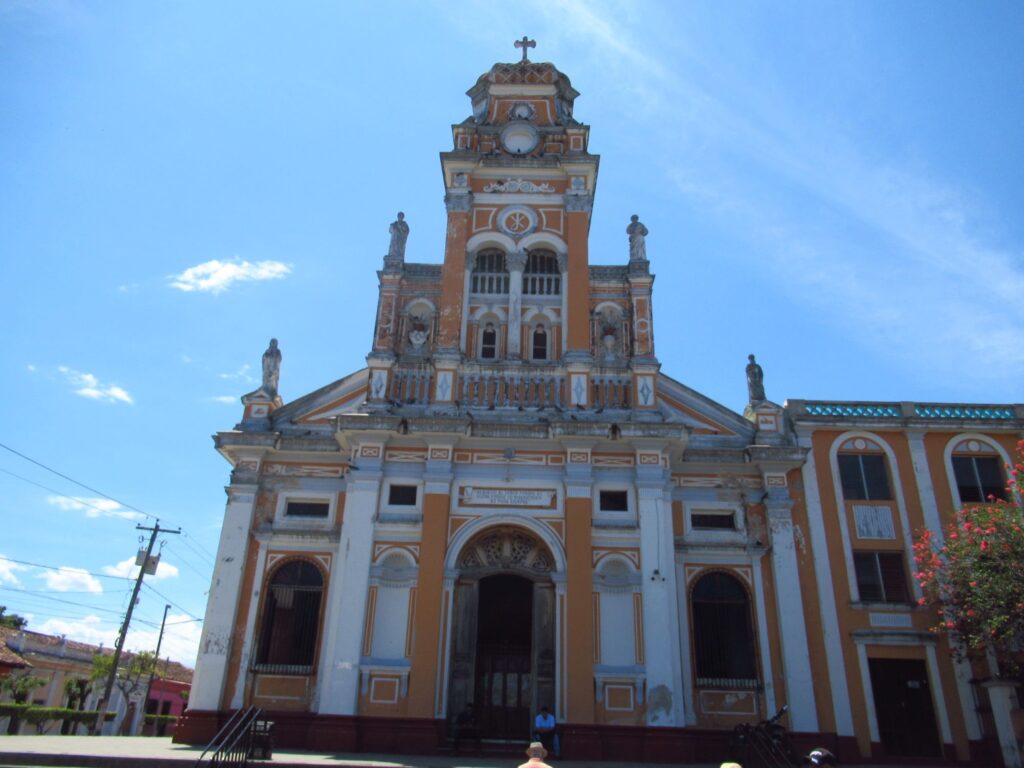
Iglesia de Xalteva
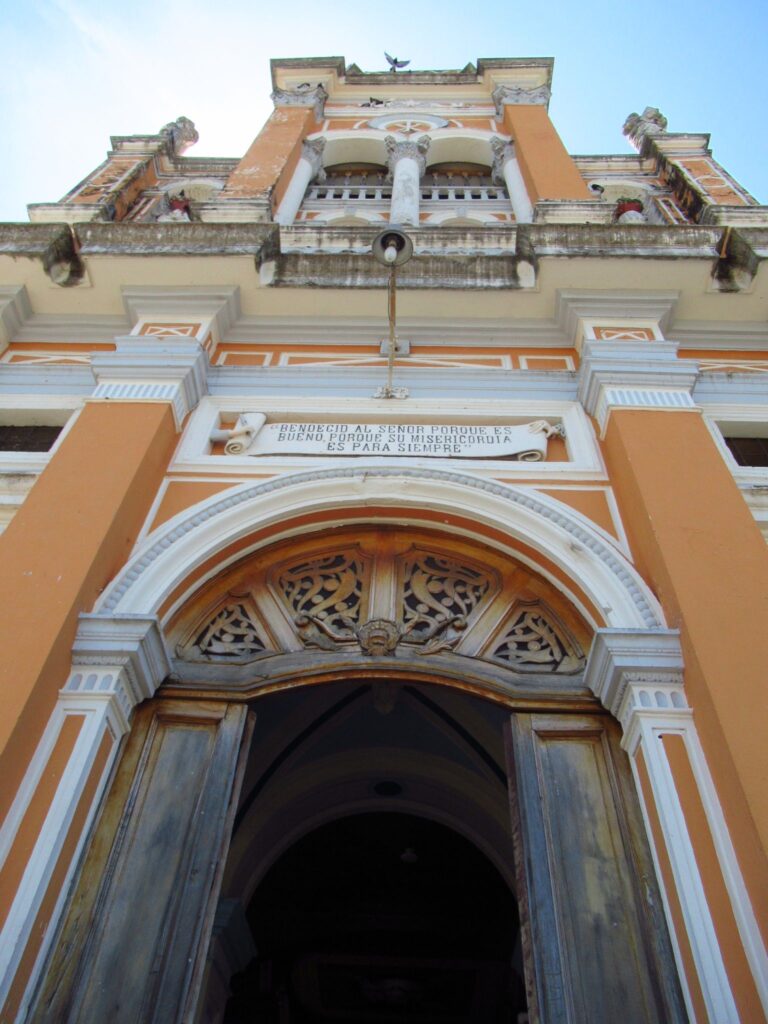
Around the town and some of the lovely buildings
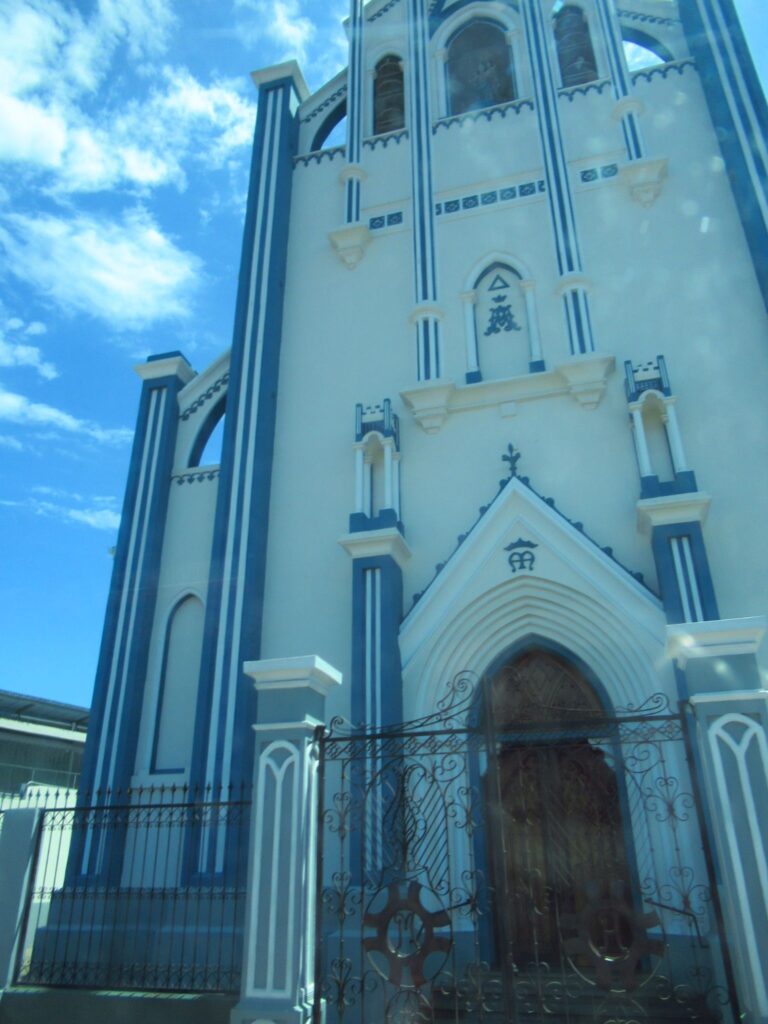
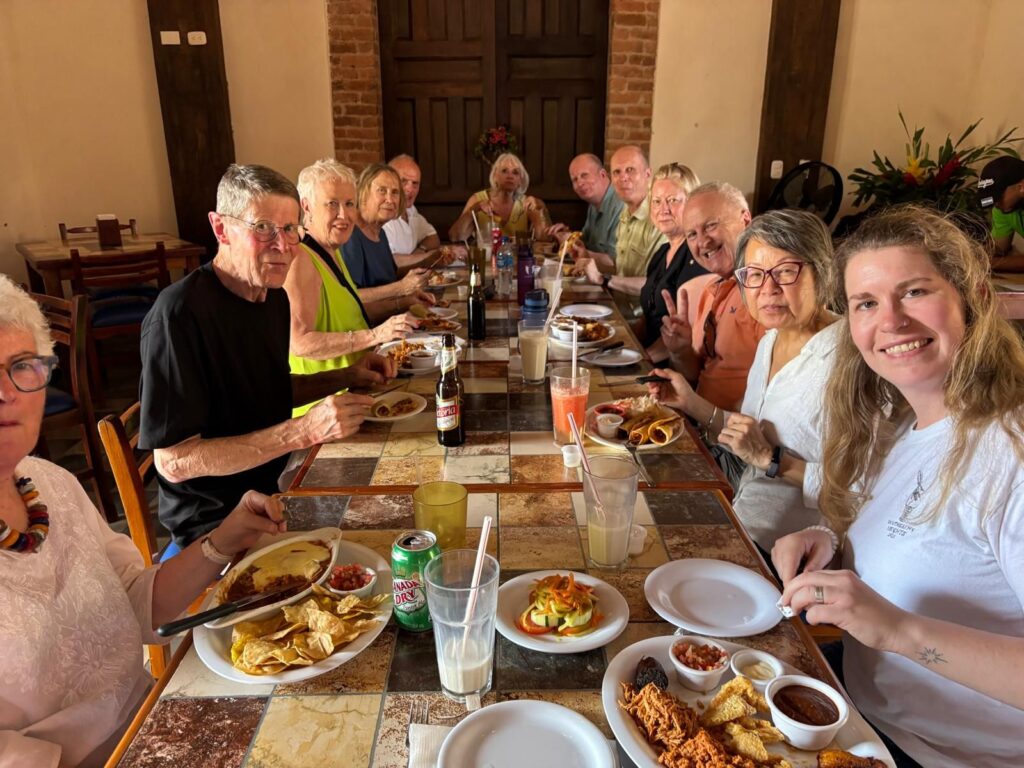
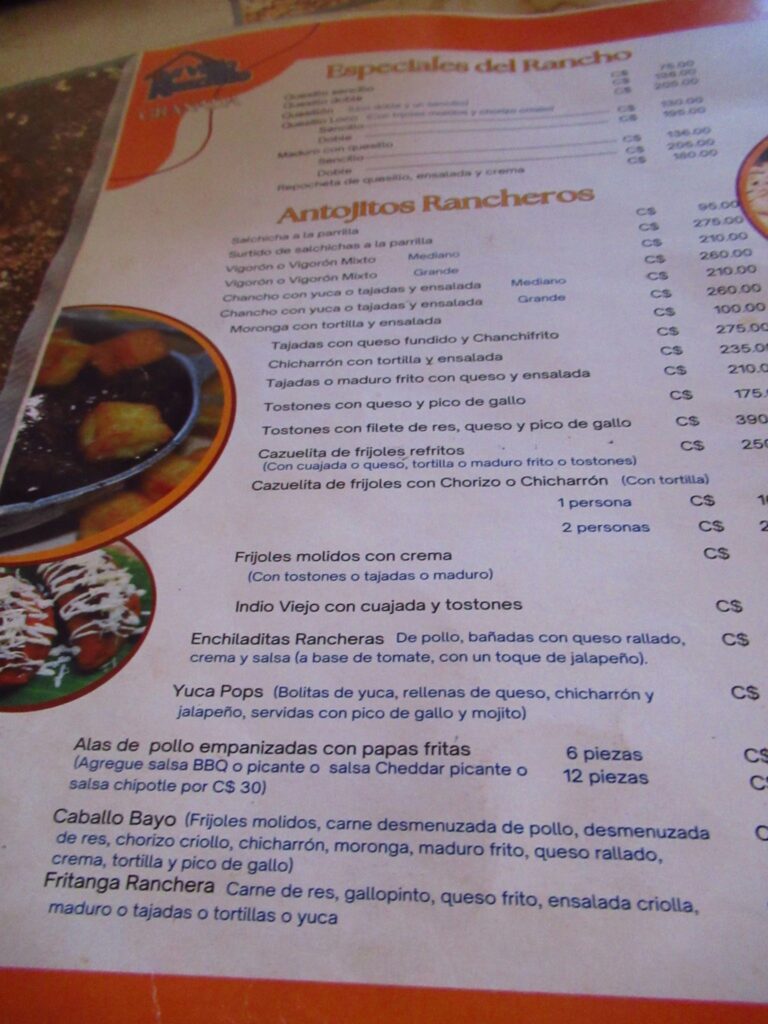
Time for lunch and Minor took us for some traditional food
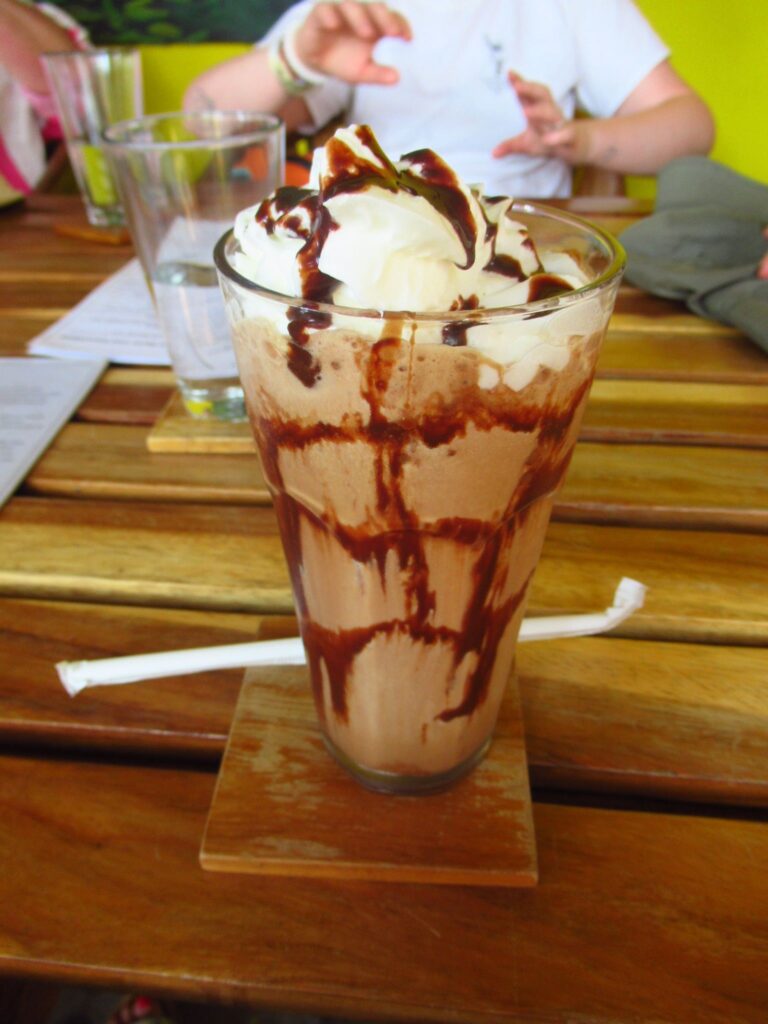
A lovely coffee shop next. The Central American countries take their coffee very seriously and we were given information about the coffee being served before indulging in an frozen mochaccino – delicious
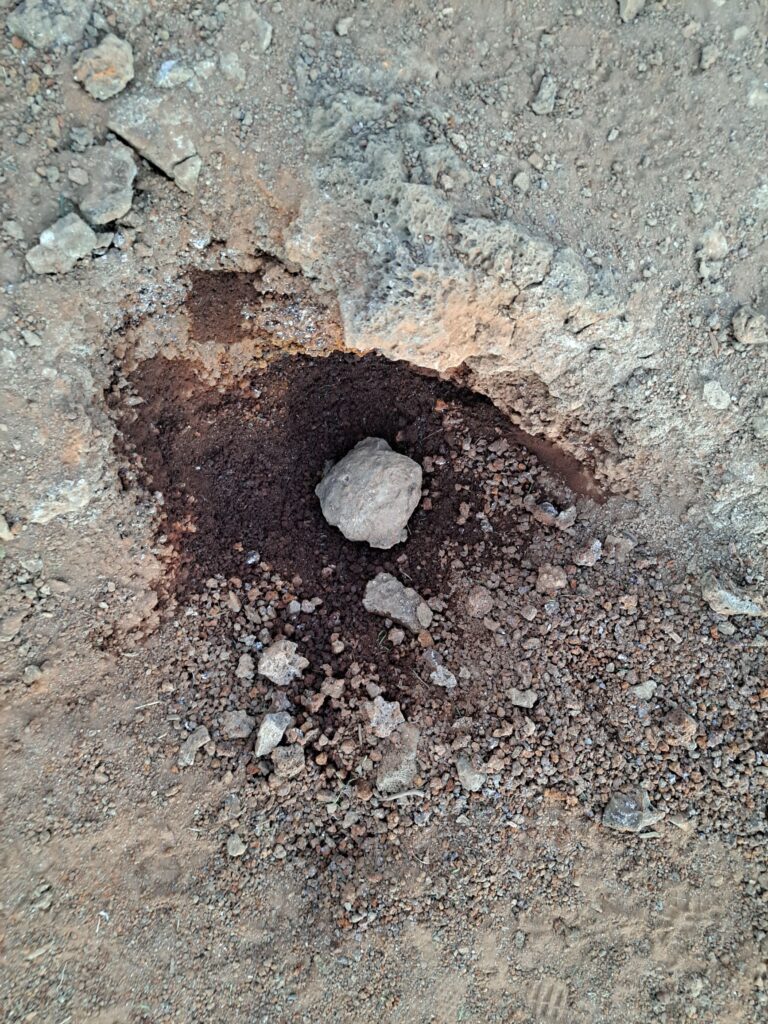
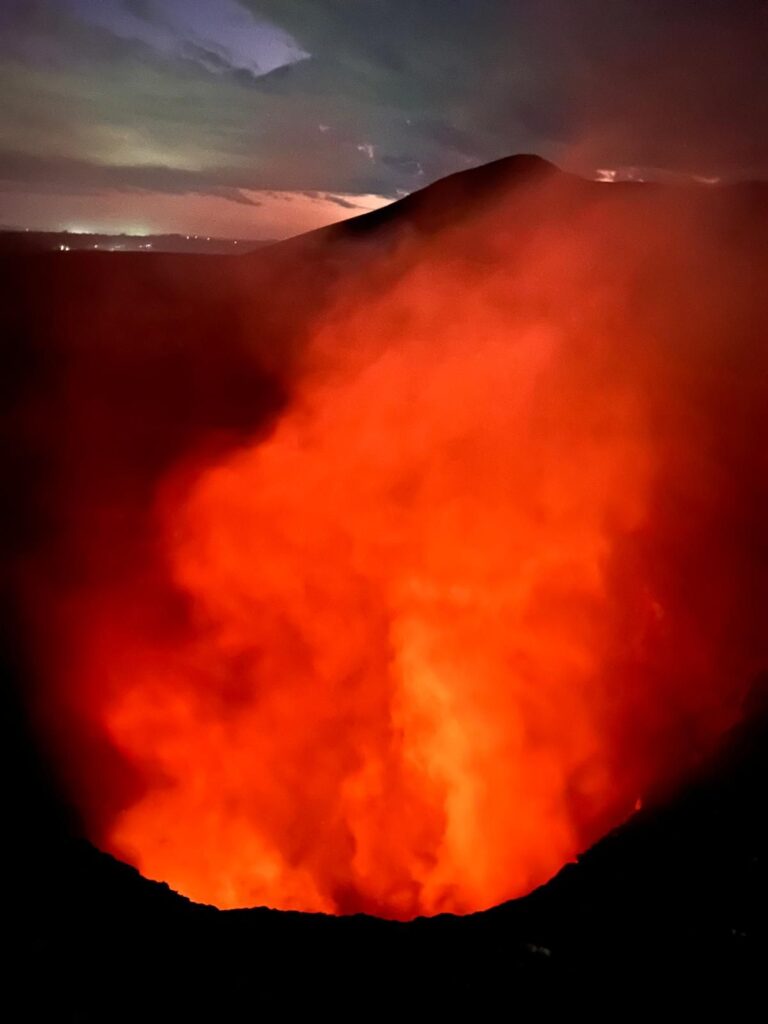
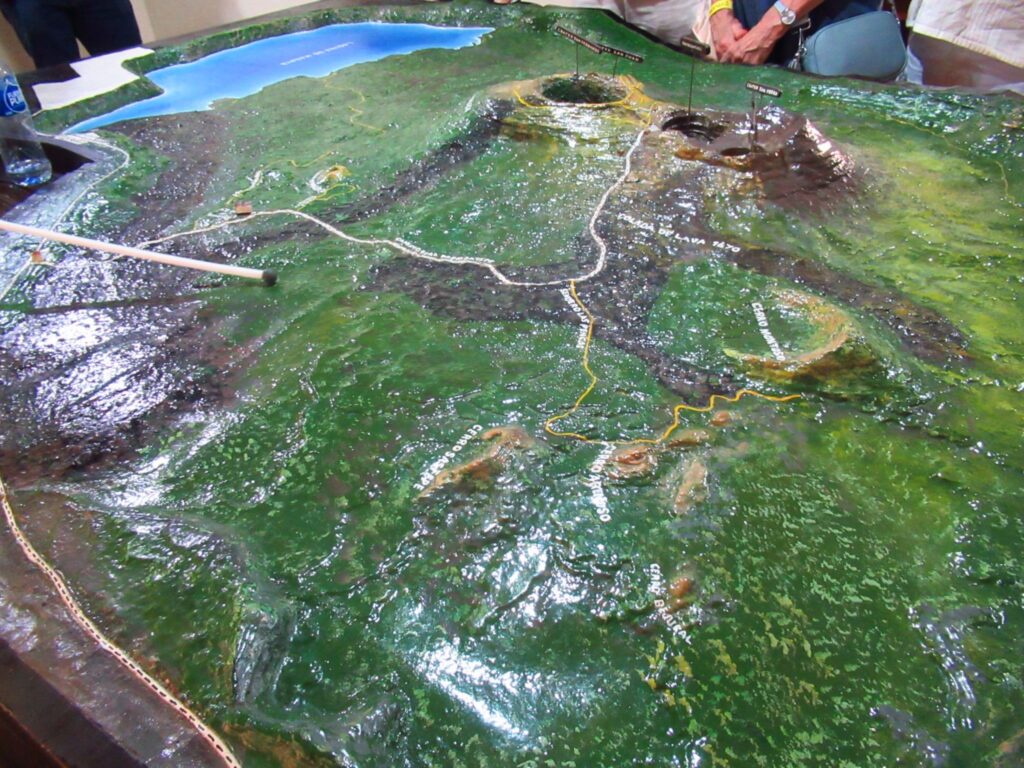
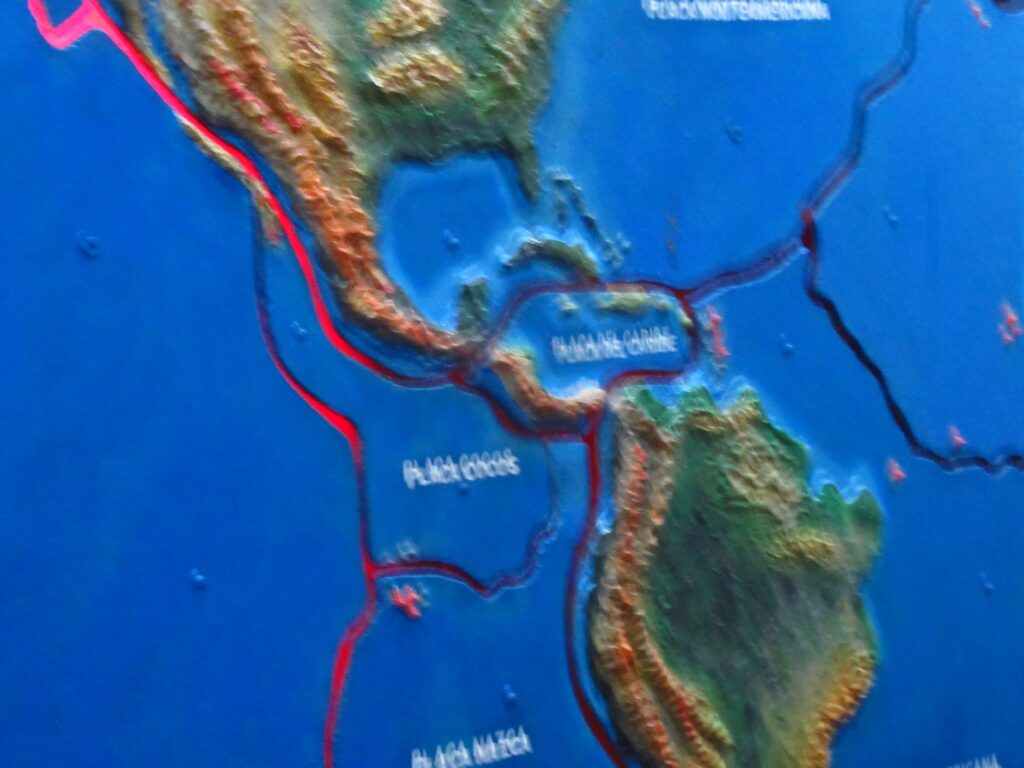
A drive to Masaya Volcano. We began with a visit to the museum and found out all about the geography of the country and how it sits between two tectonic plates. Left just as the sun was going down and walked up to the steam vents
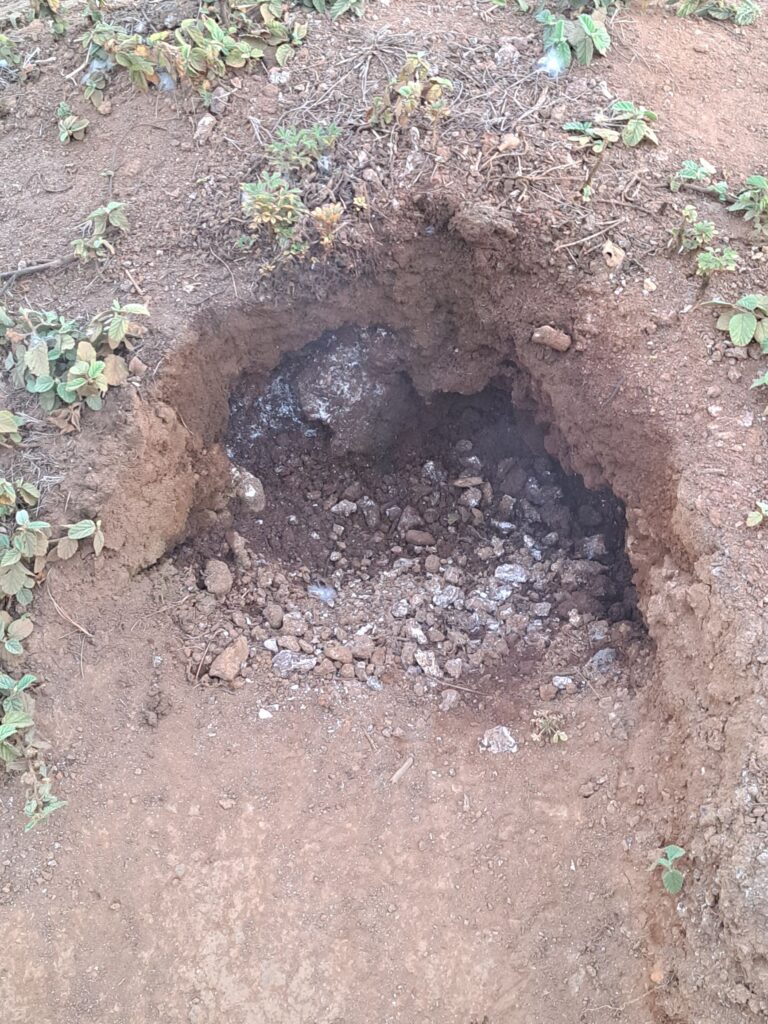
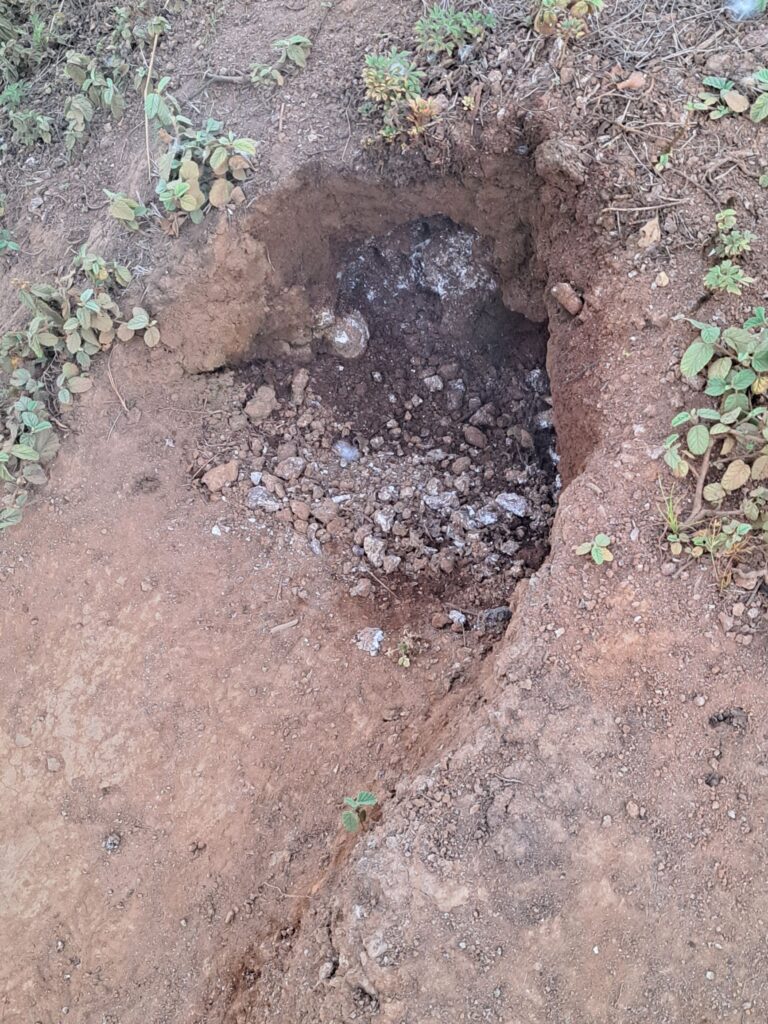
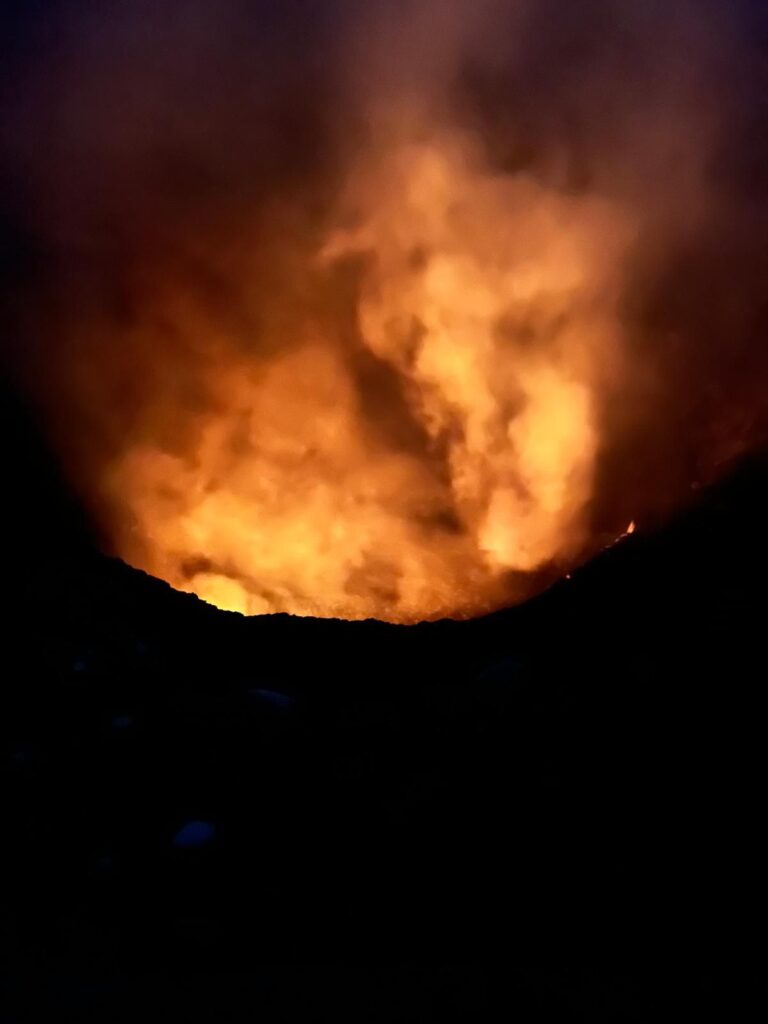
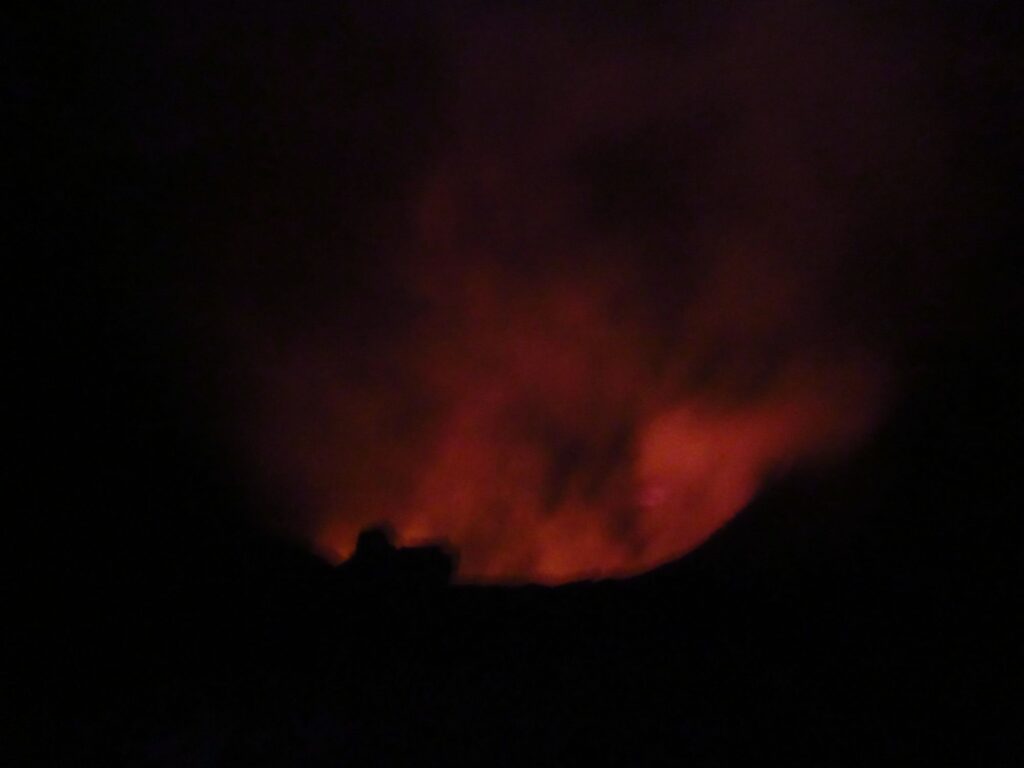
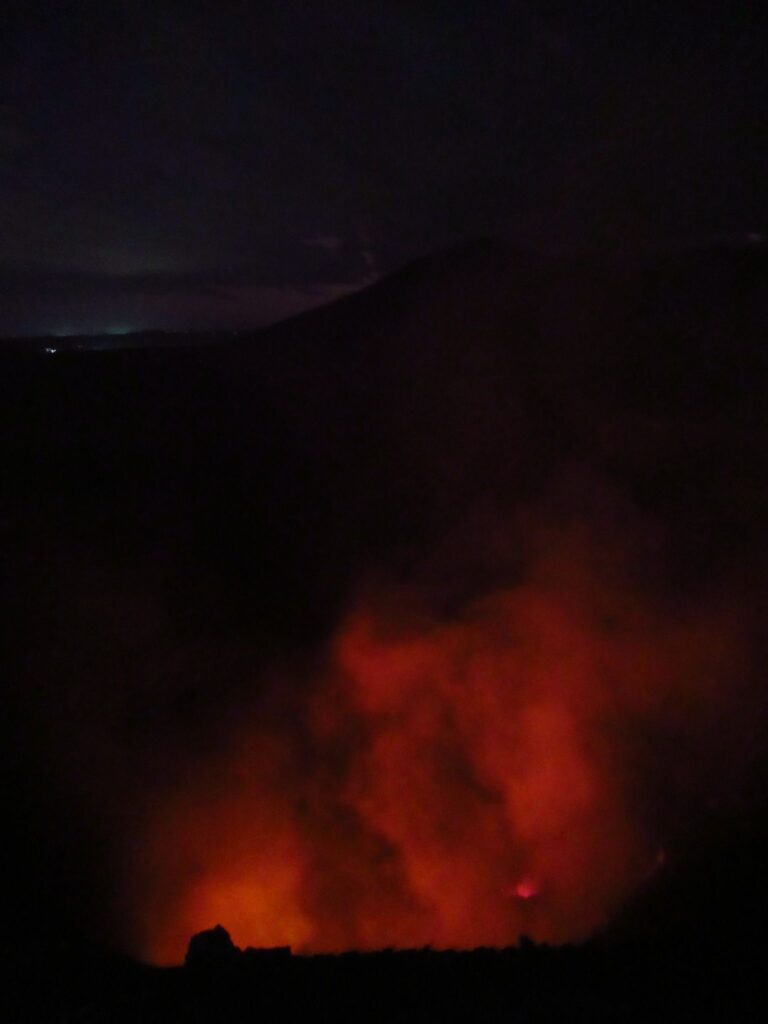
A drive up to the main event and what an experience standing on the edge of the crater looking down, seeing the glow and smelling the sulphur.
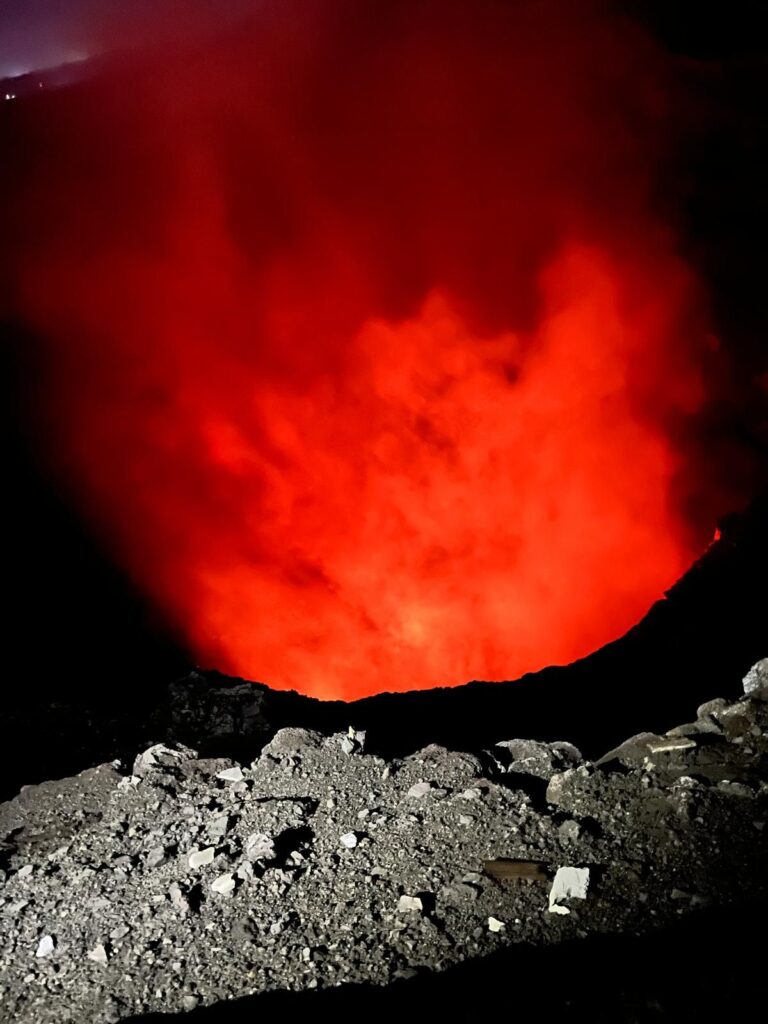
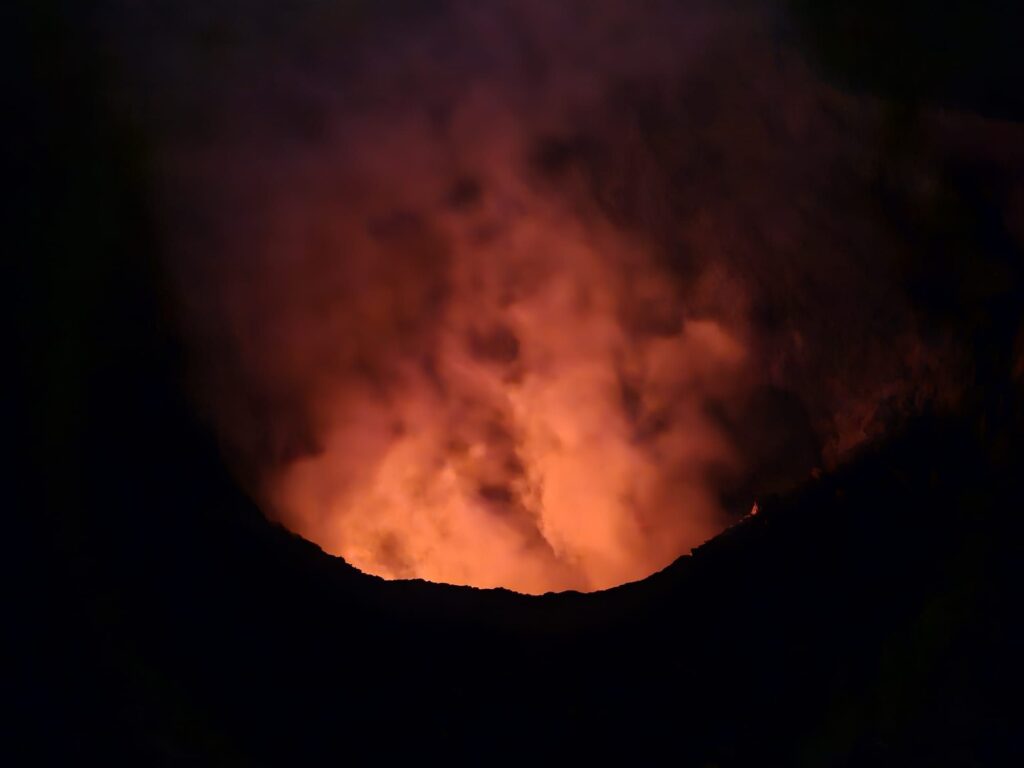
Thanks Helen for this amazing pictute

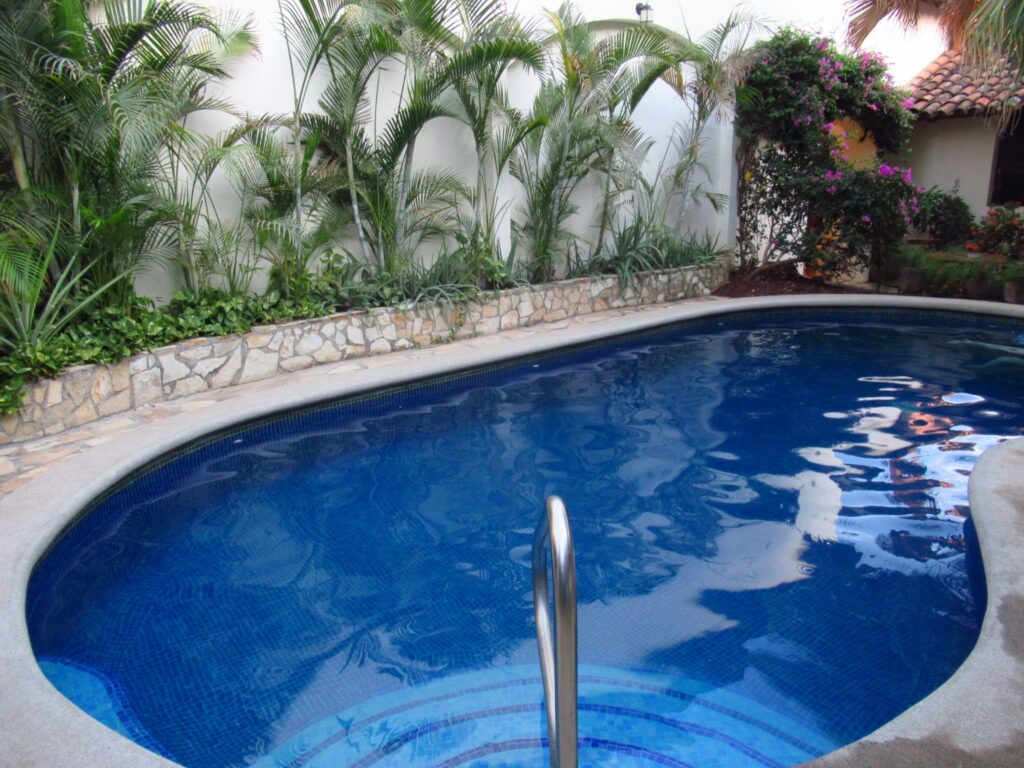
After a very tiring day back to the hotel and a couple of drinks round the pool

Monteverde to Granada, Nicaragua

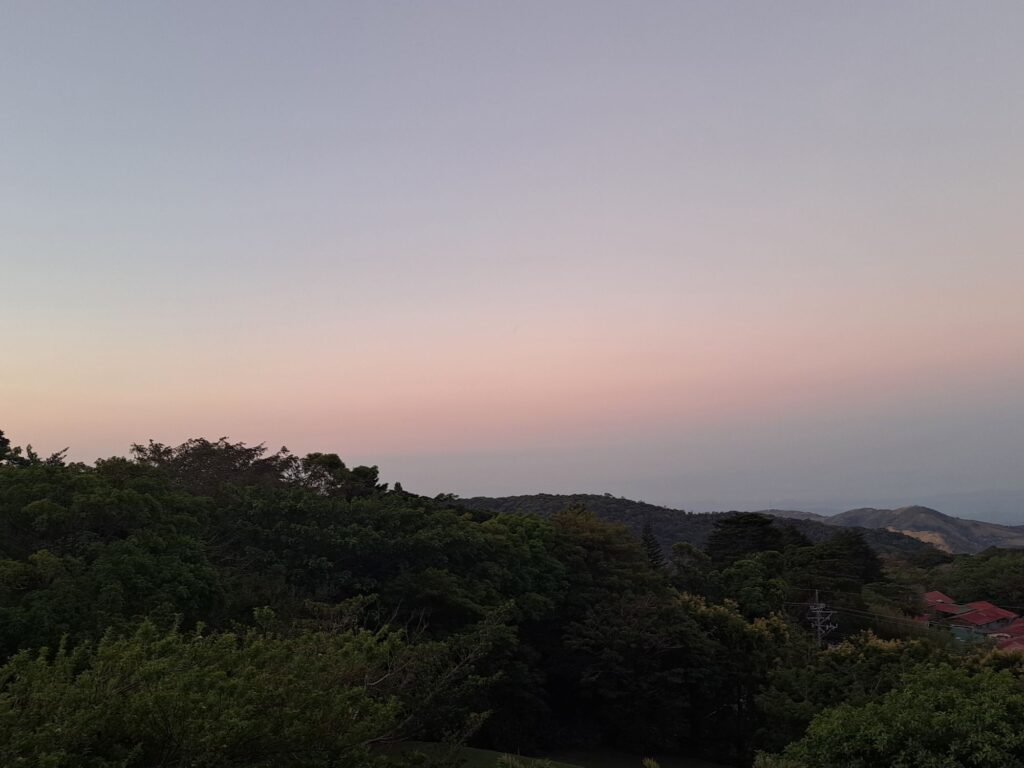
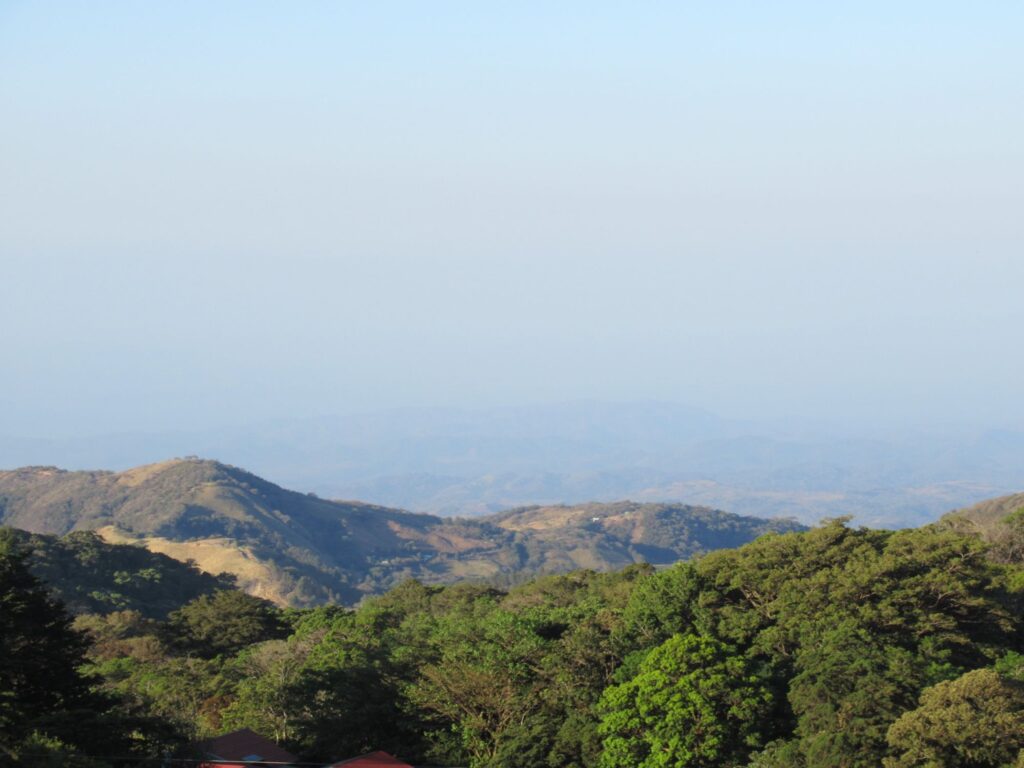
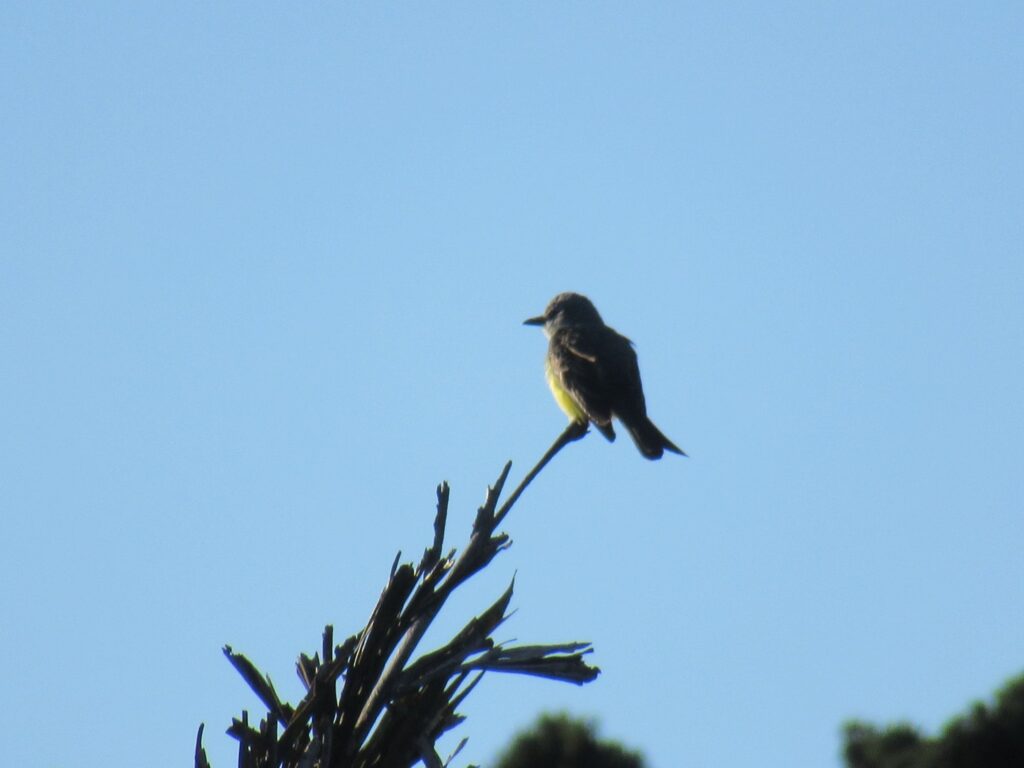
Left the hills and mountains towards Nicaragua. The beauty of Costa Rica was easy to see on the journey down though the hills but not before an early morning bird and animal count
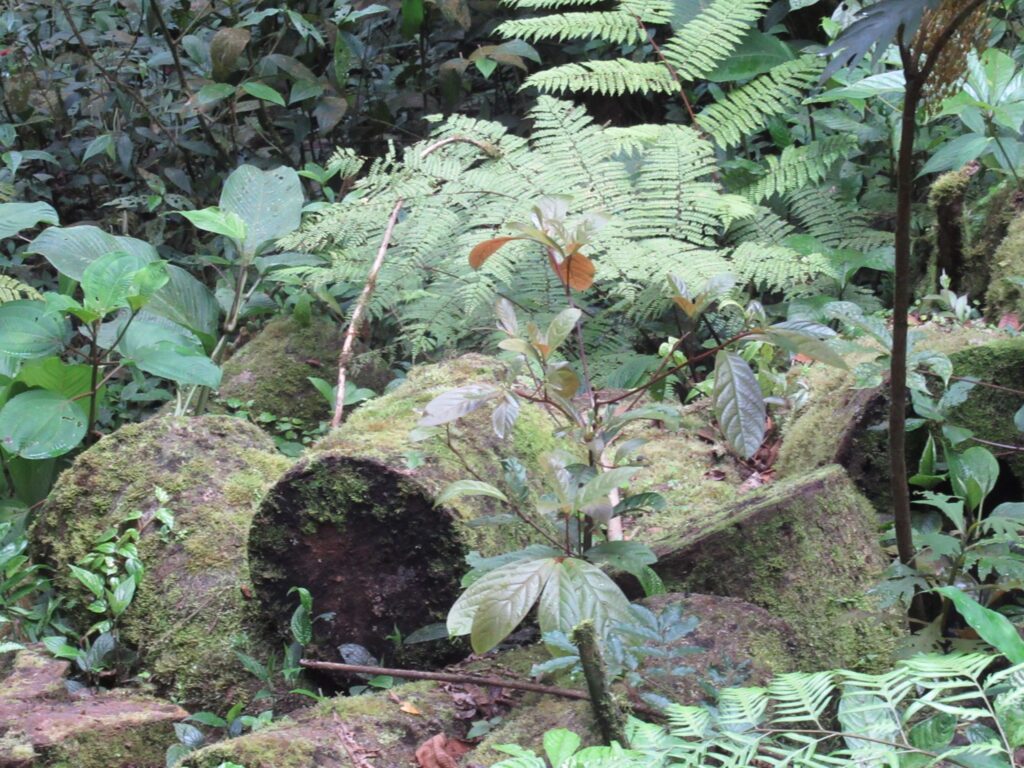
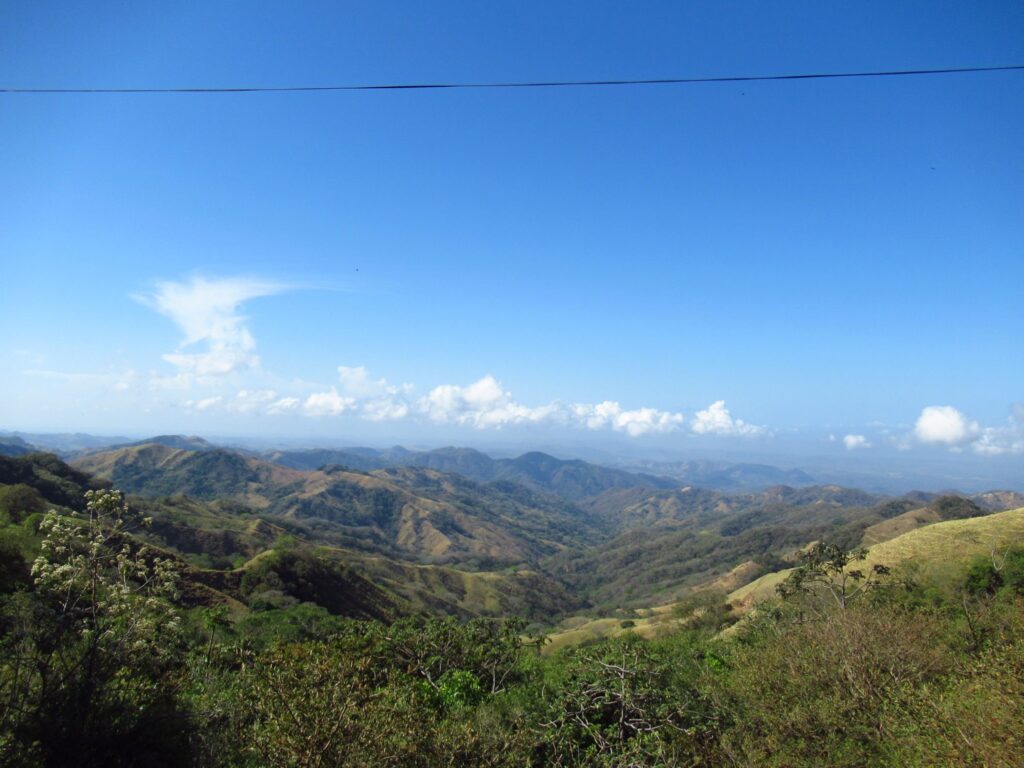
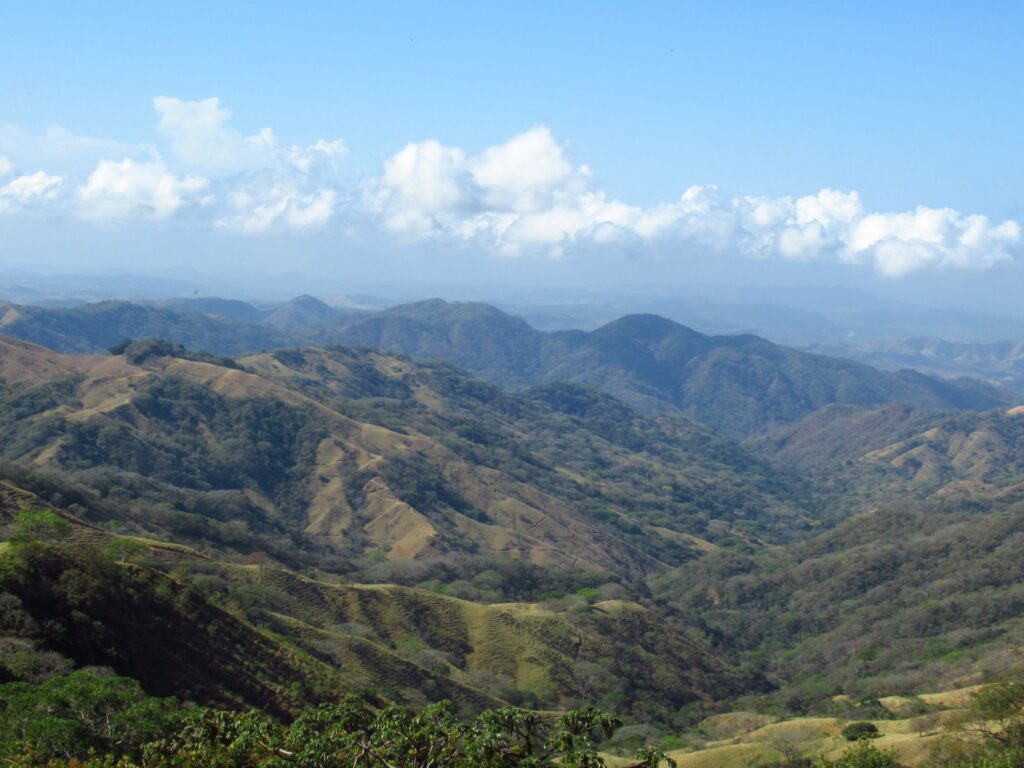
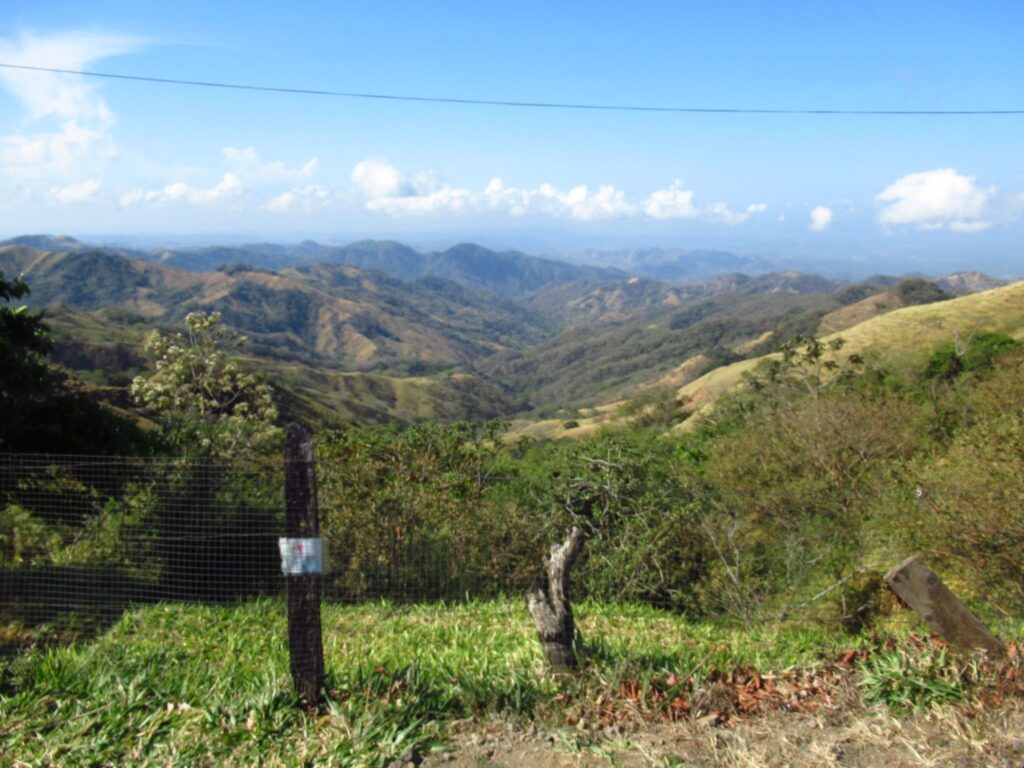
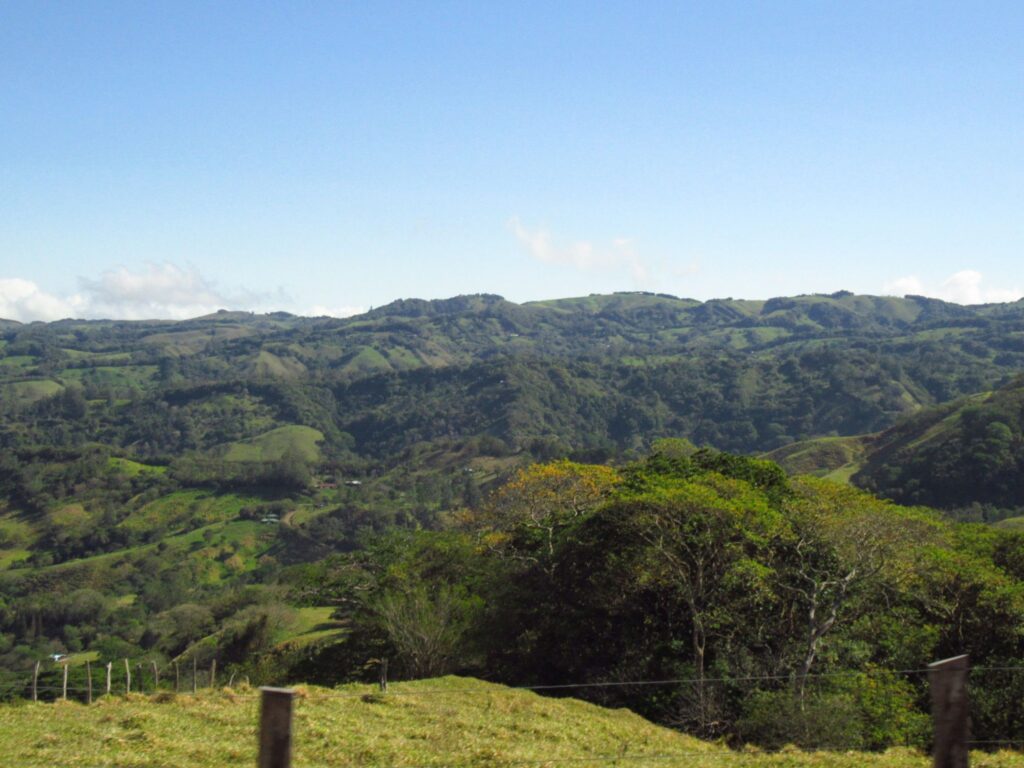
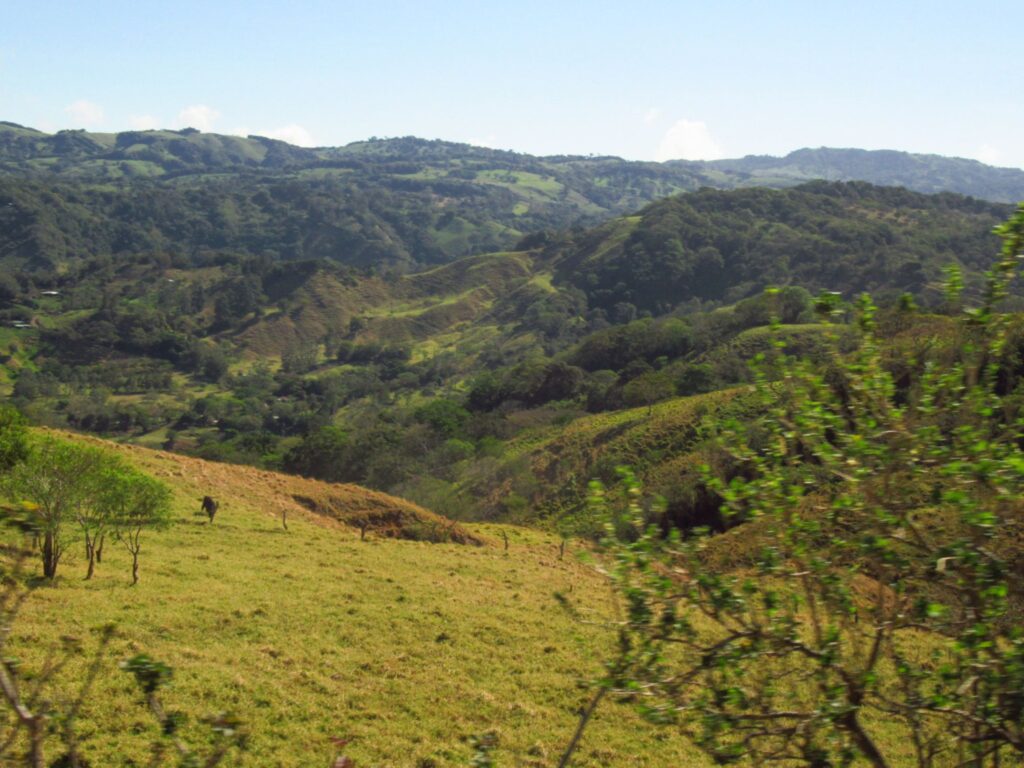
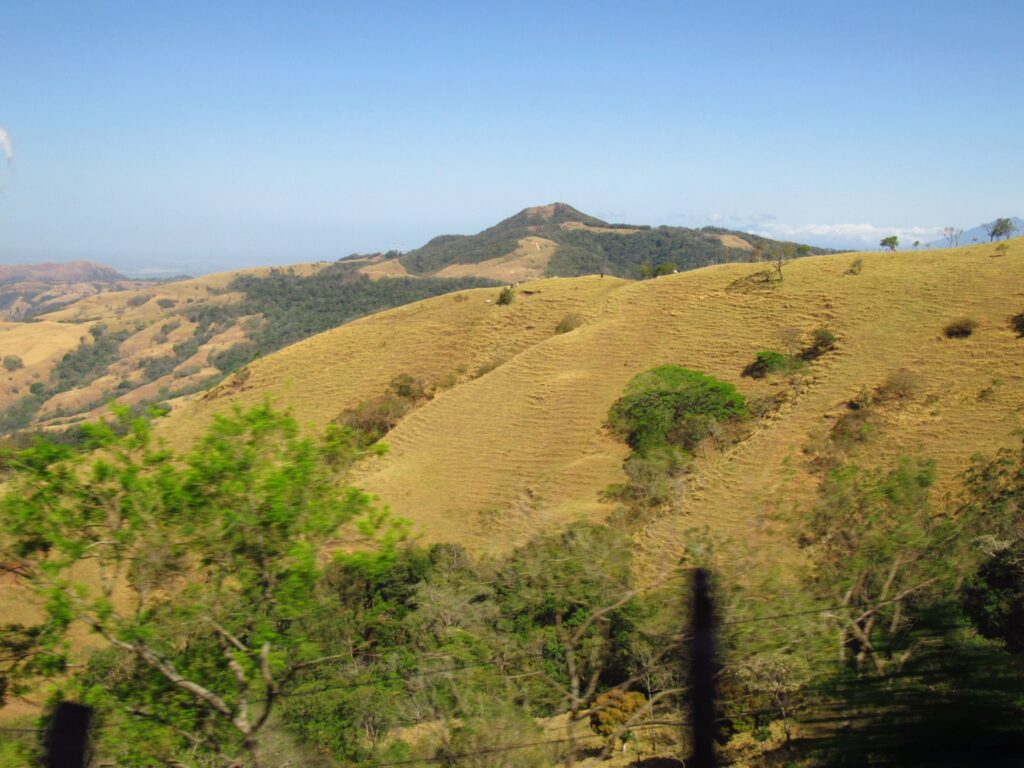
Some of the spectacular scenery

The Miravalles active volcano

At the border crossing into Nicaragua we said goodbye to Manuel and Rafa and hello to Minor.
Nicaragua a land of lakes and volcanoes. In fact it has 26 volcanoes many of which are active.

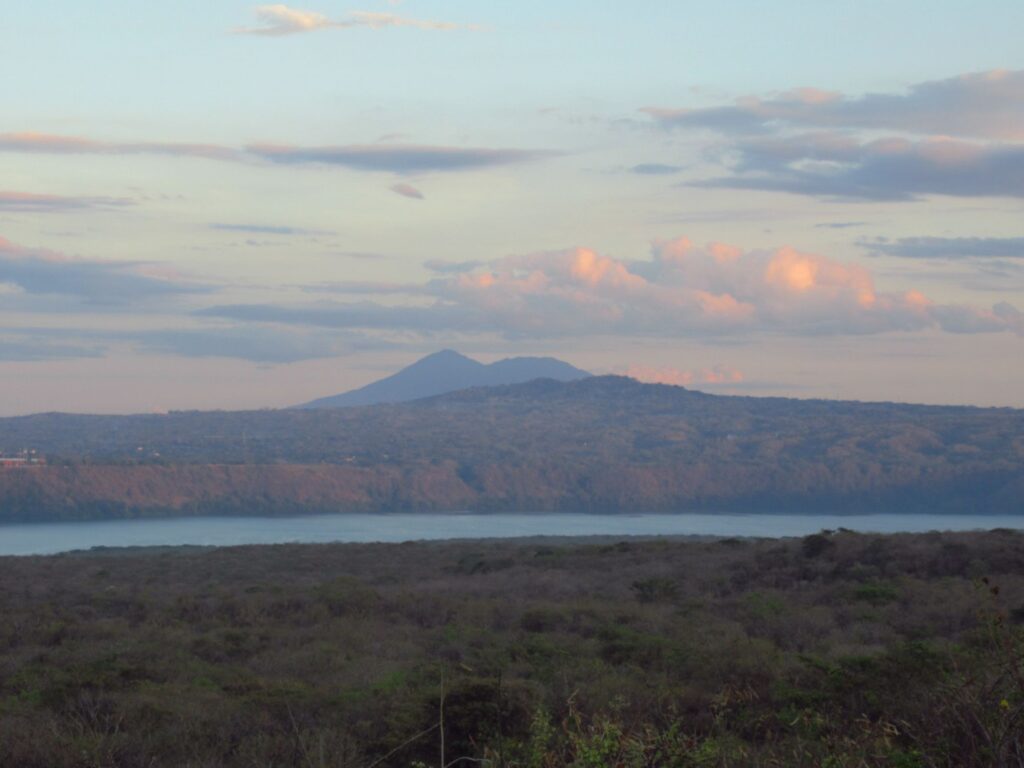
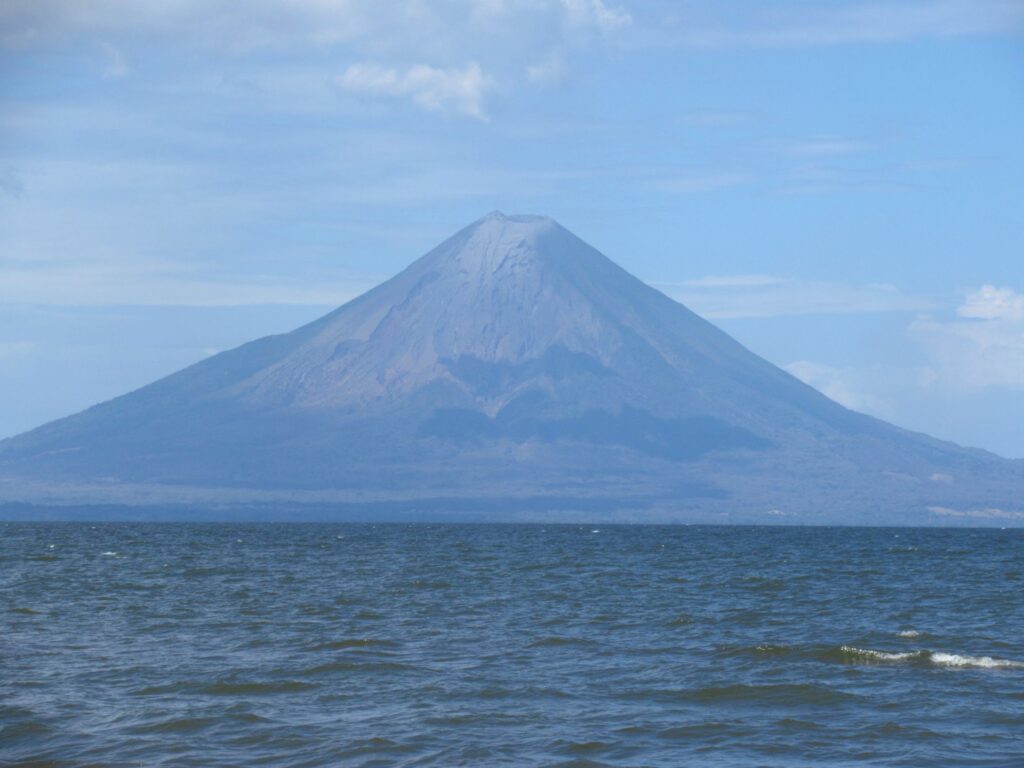
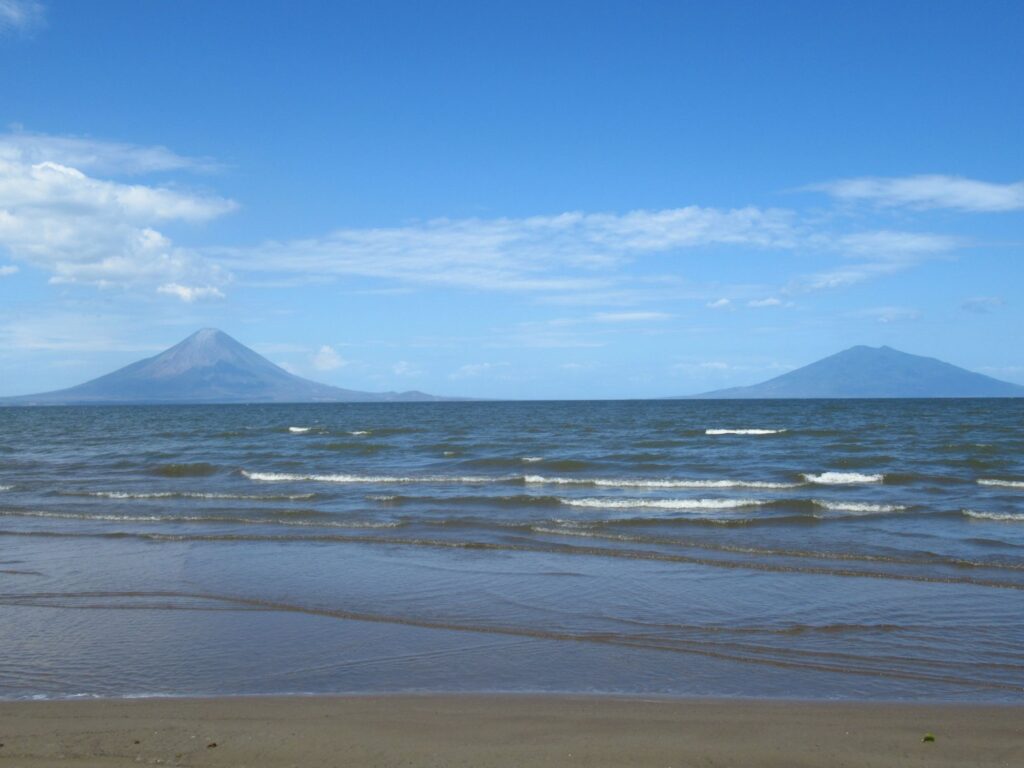
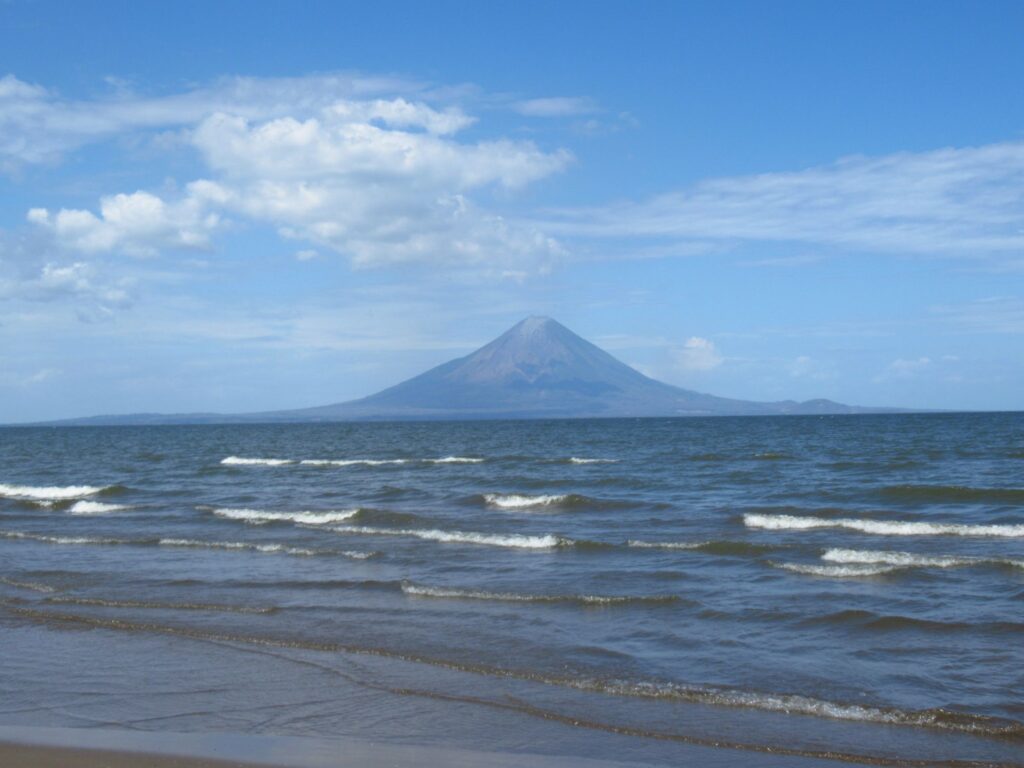
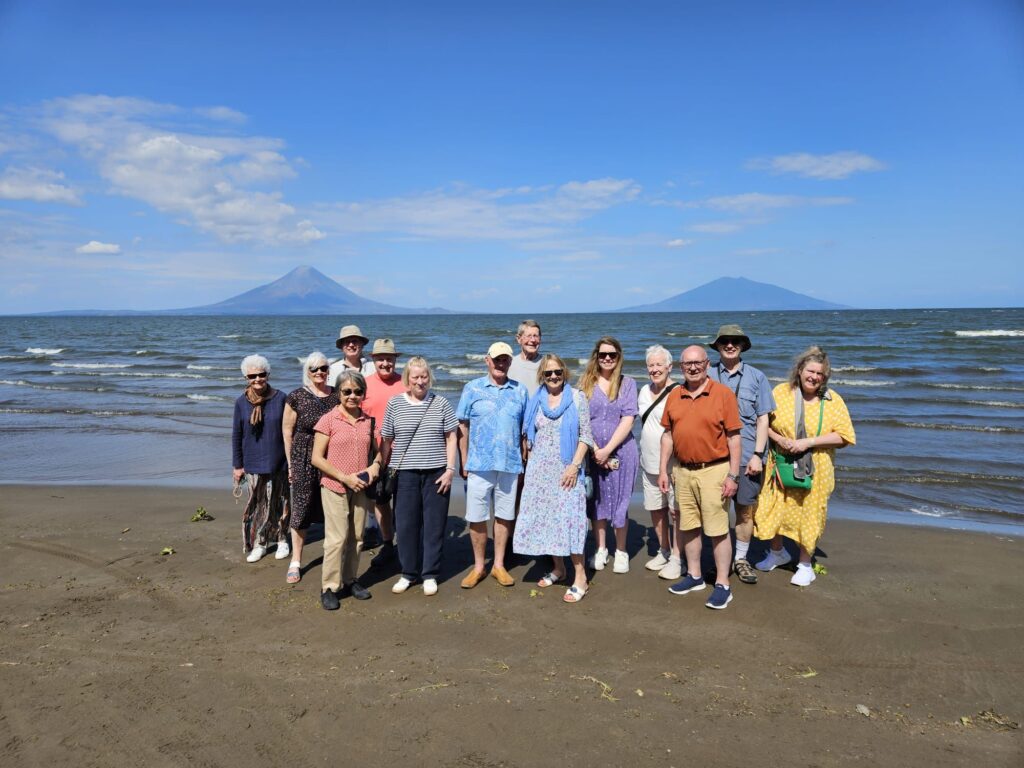
Our first stop was on the shores of Lake Nicaragua which is almost the same size as Lake Titicaca. From the shores can be seen the island of Ometepe made up of two volcanoes and a narrow strip of land between them.

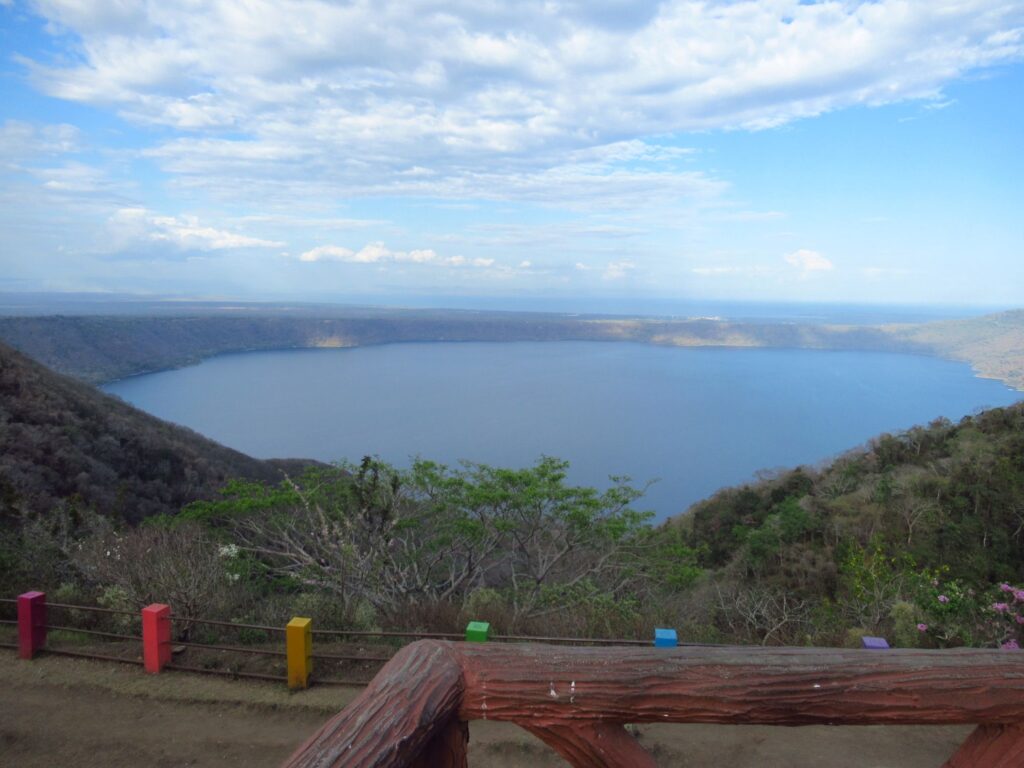
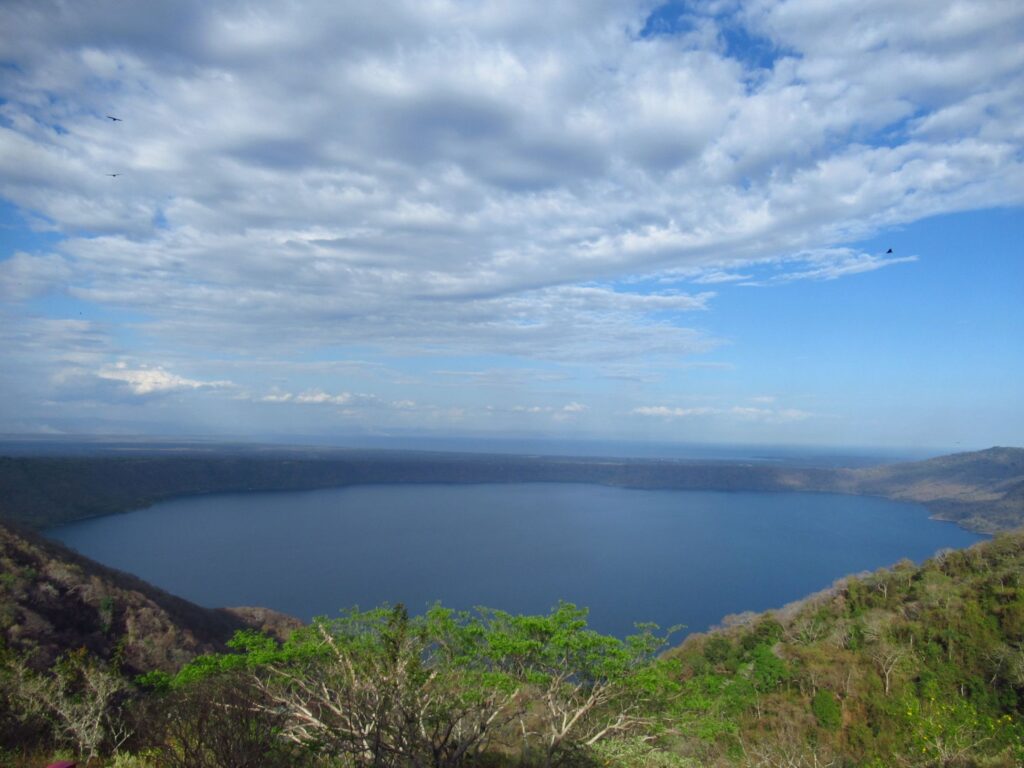
We also visited  Catarina and Laguna de Apoyo, a large volcanic lagoon. More than 200 meters deep and 6 km in diameter

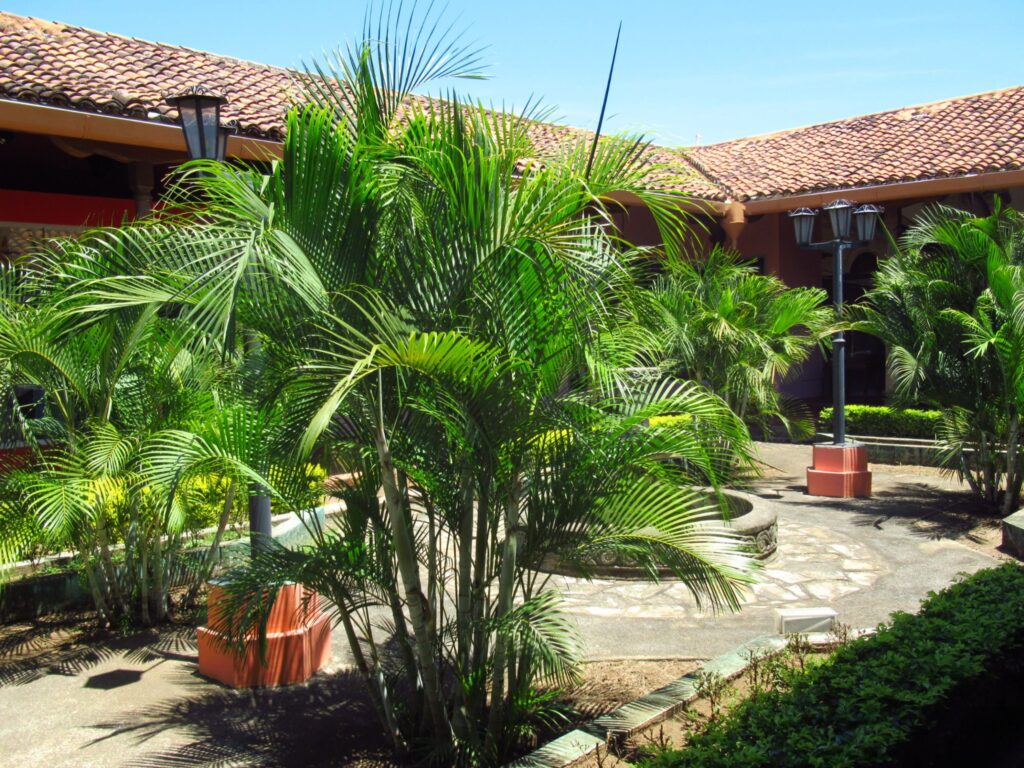
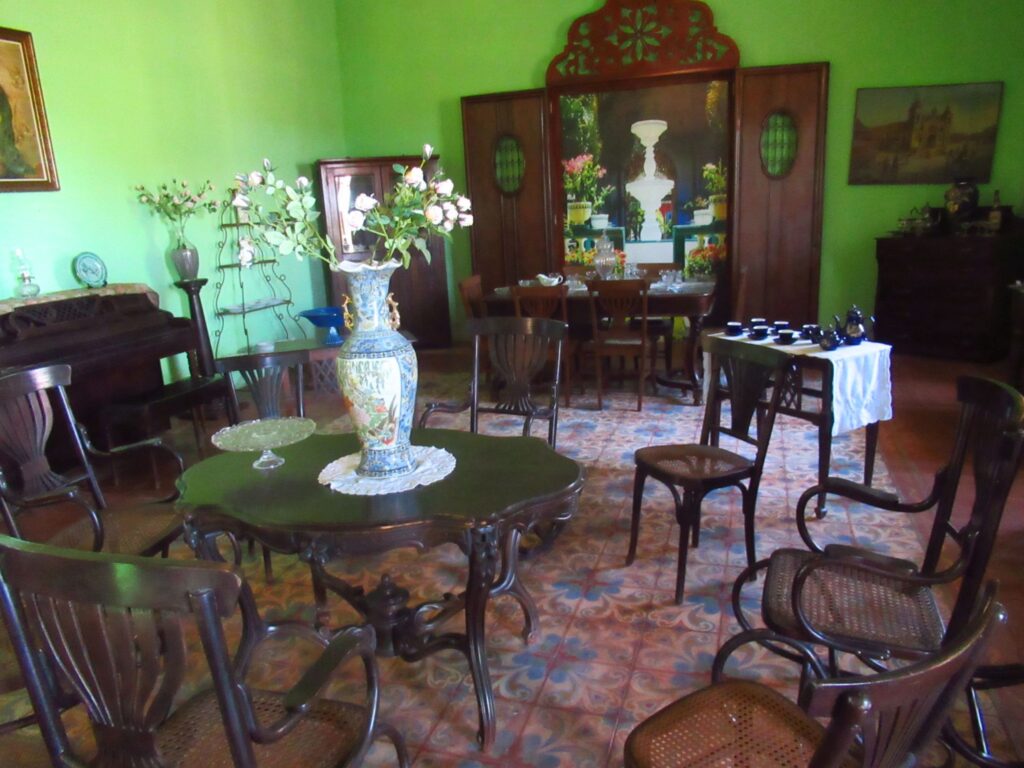
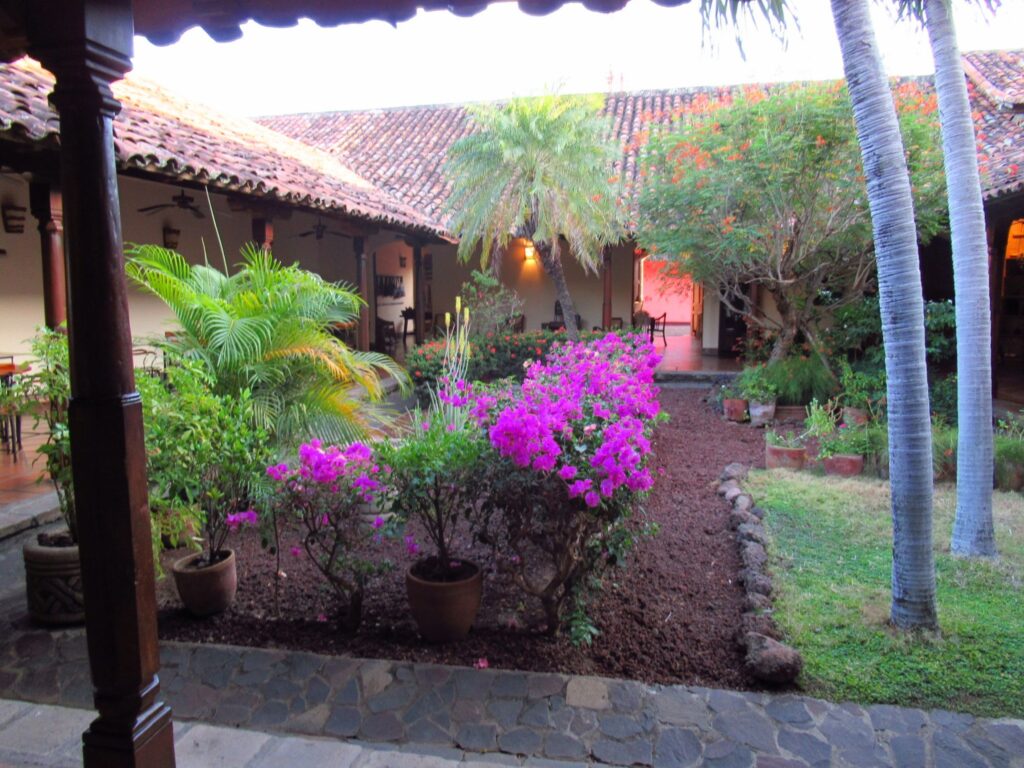
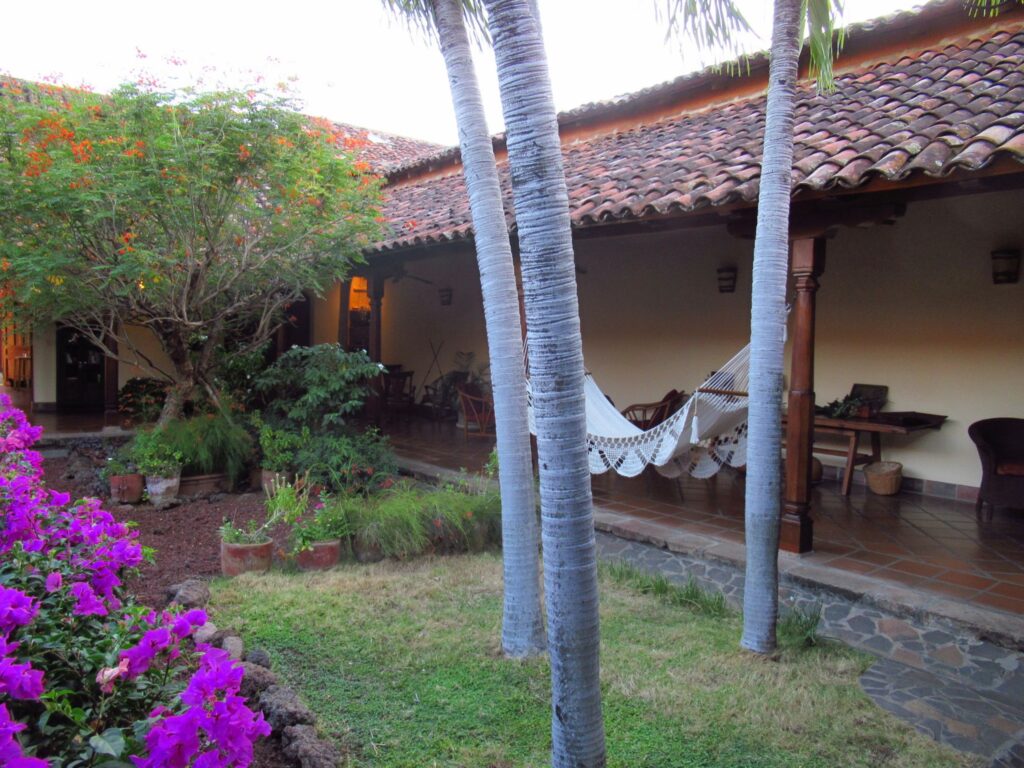
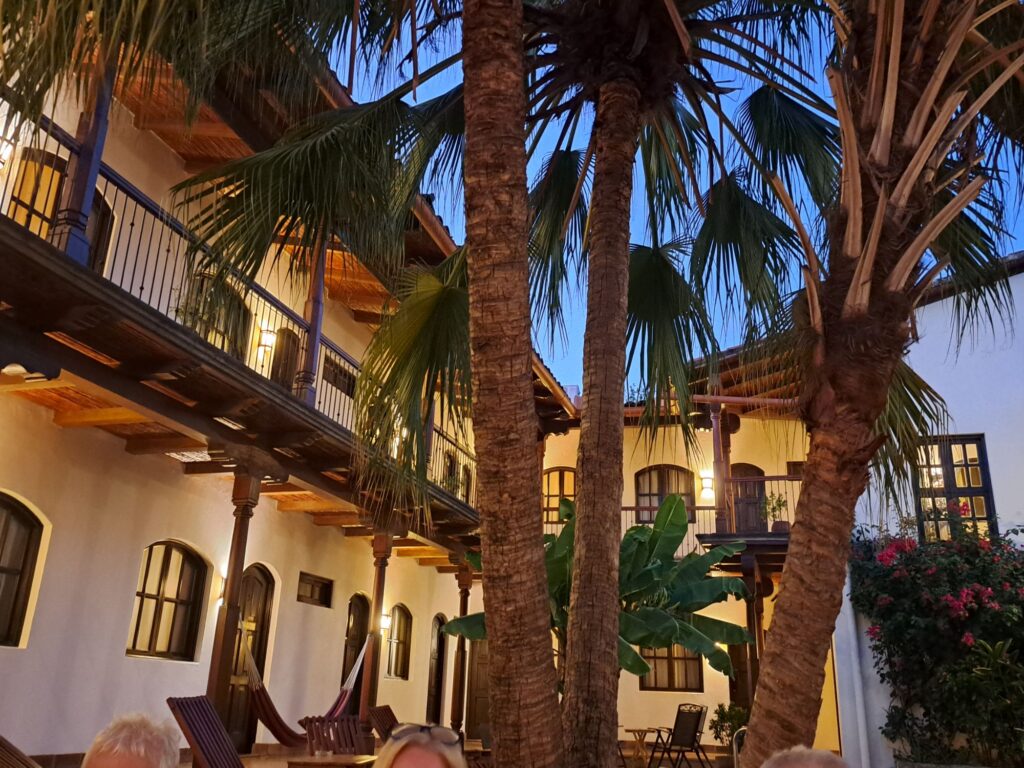
Then onto our hotel Patio del Malinche in Granada which is a restored colonial house in the very pretty town of Granada.

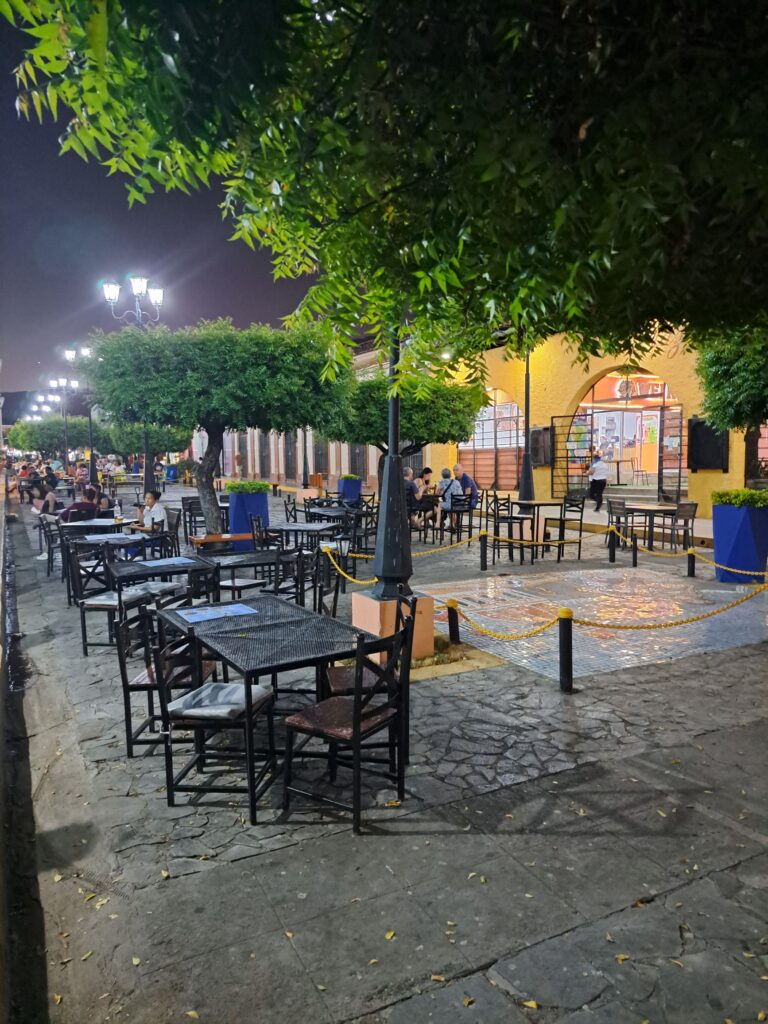
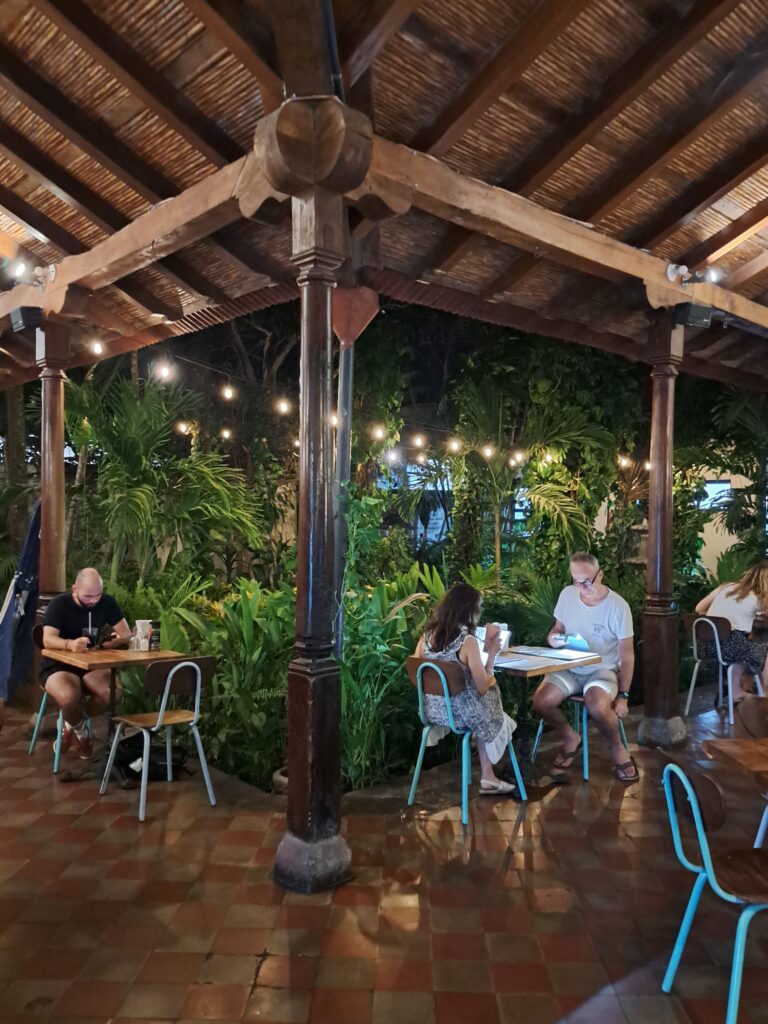
Then into Granada for some dinner

Monteverde

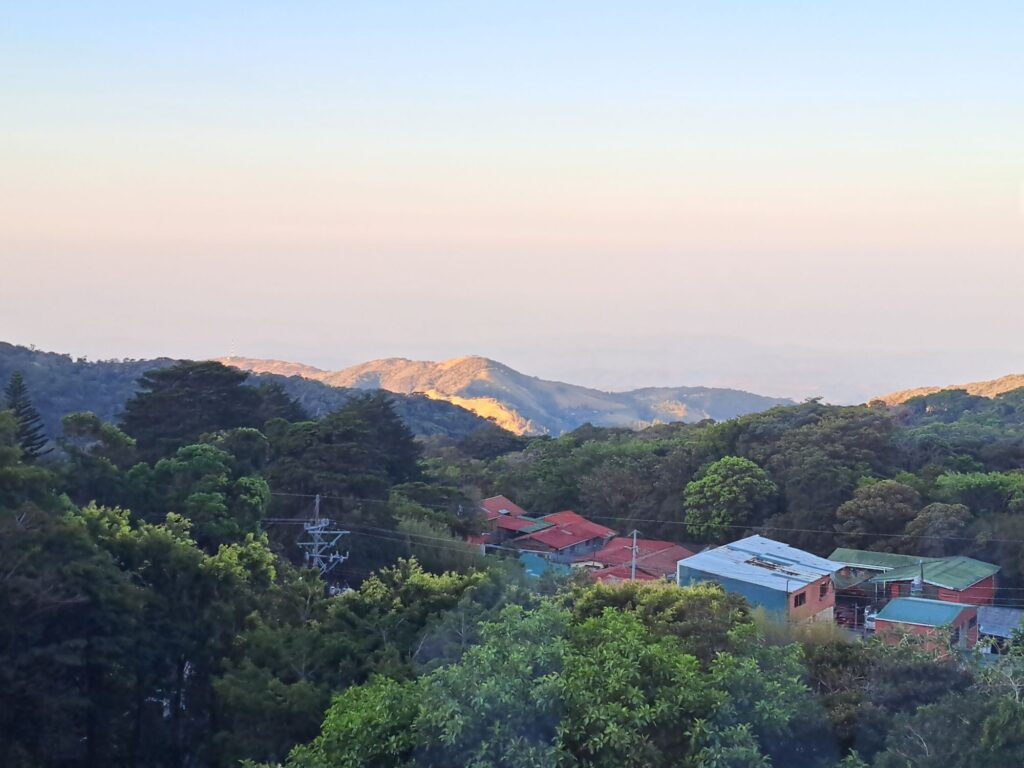
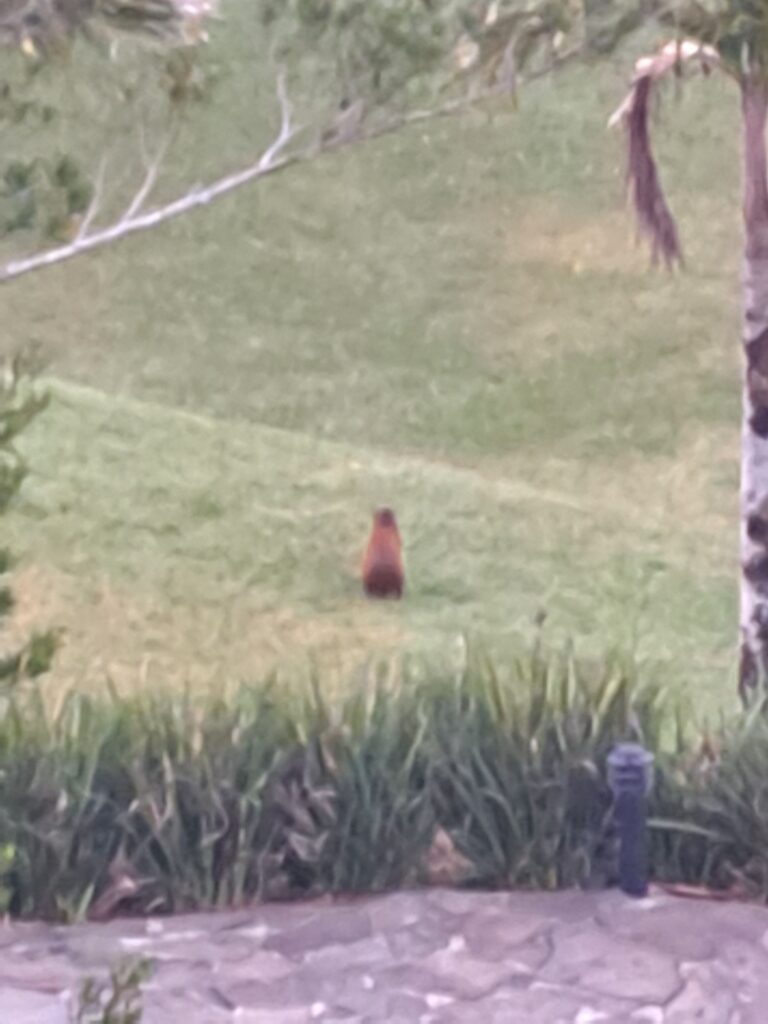
Woke to the dawn chorus and counted over 20 different birds. Not only birds but an agouti sat on the lawn. Early morning views from my balcony.

The agouti

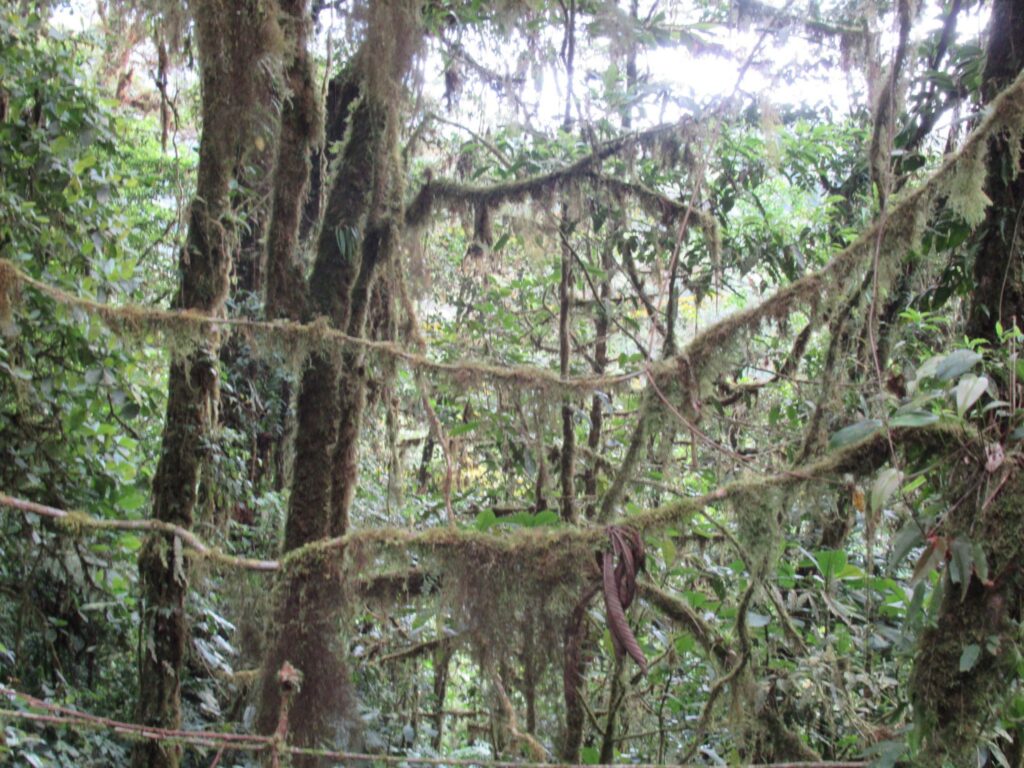
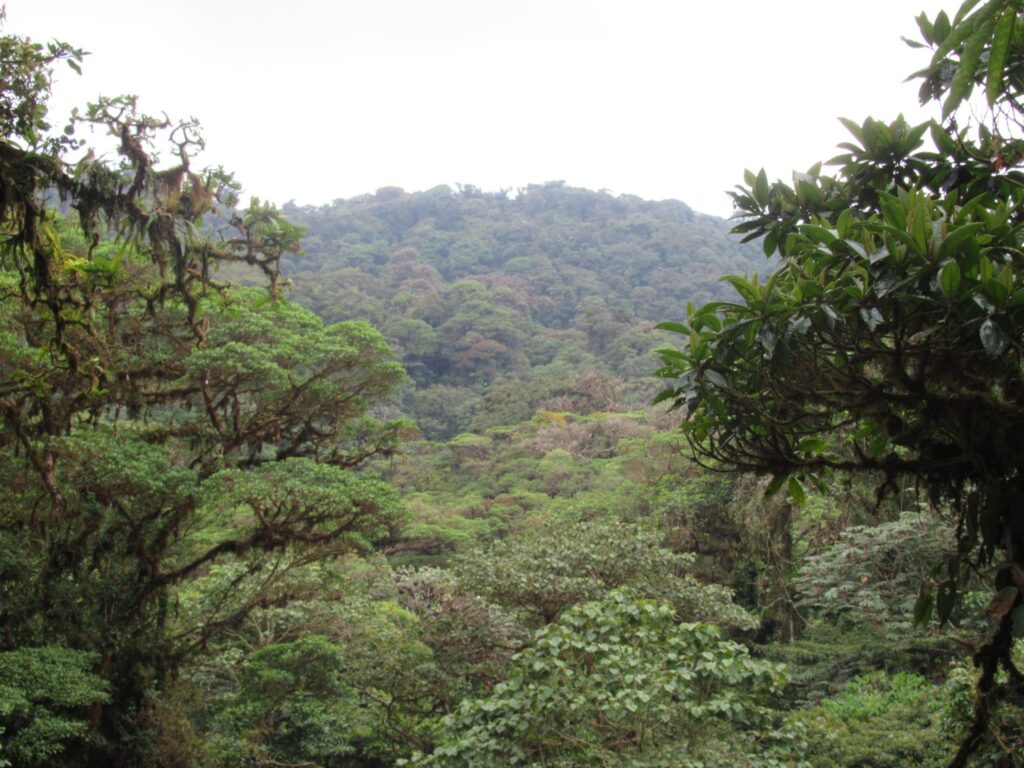
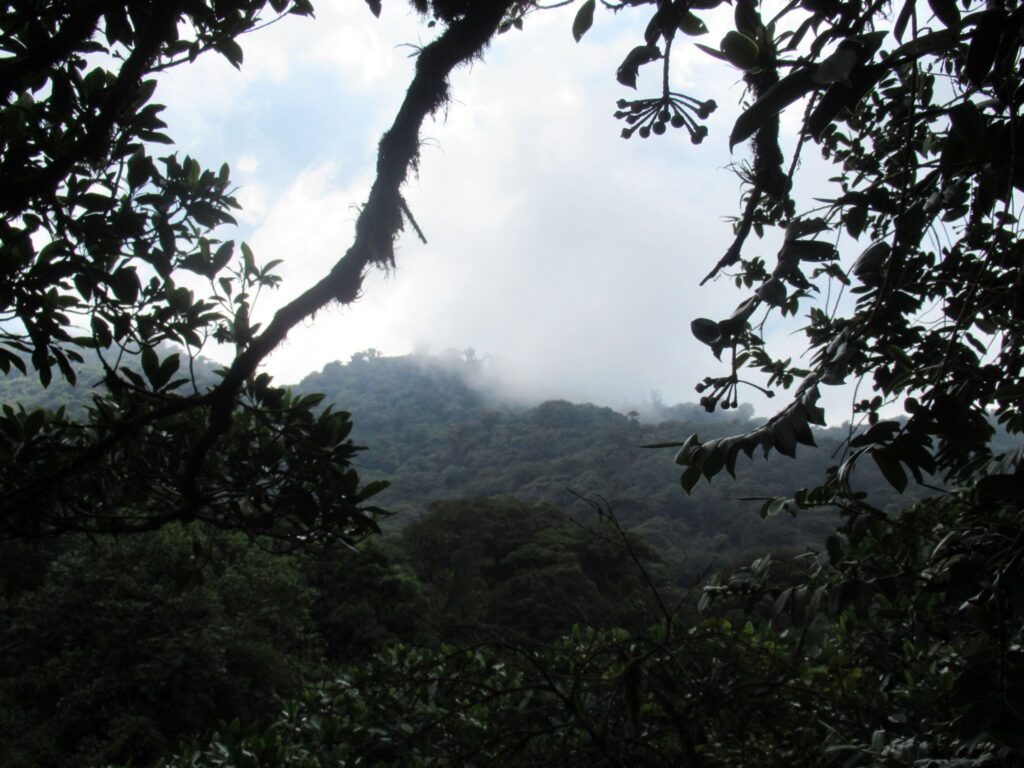
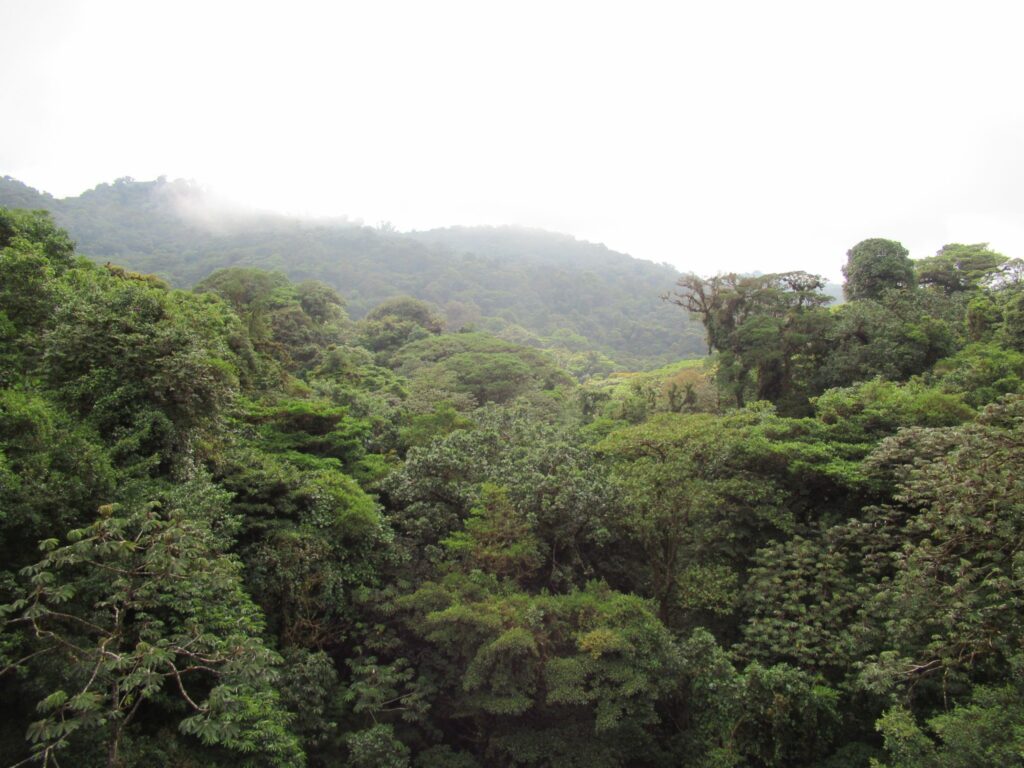
After breakfast we drove the short distance to the Monteverde Cloud Forest Reserve which covers 10,500 hectares and is a private reserve set up by the Quakers who settled in the area in the mid 20th century.

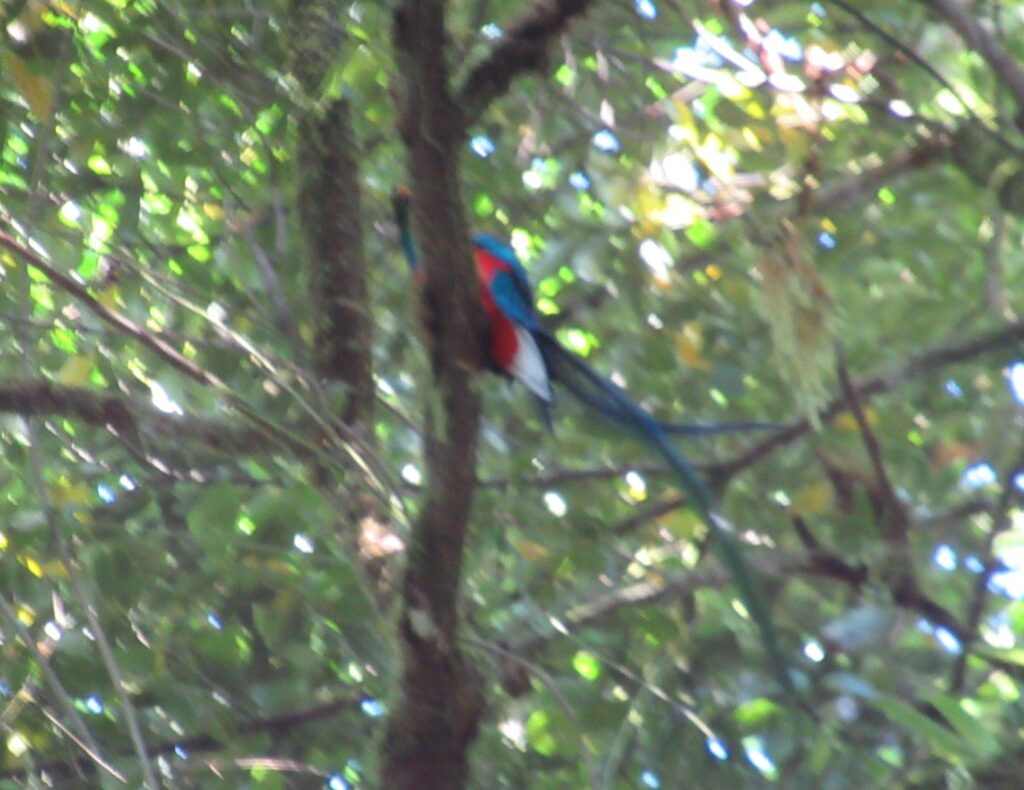
The quetzal is an elusive small, beautifully coloured bird with a long tail. It is highly honoured in Costa Rica and the rest of central America. It is on many bank notes and the Guatamalan currency is the quetzal.  Manuel heard the quetzal singing and after a while we spotted it, so everyone was very happy.

The quetzal

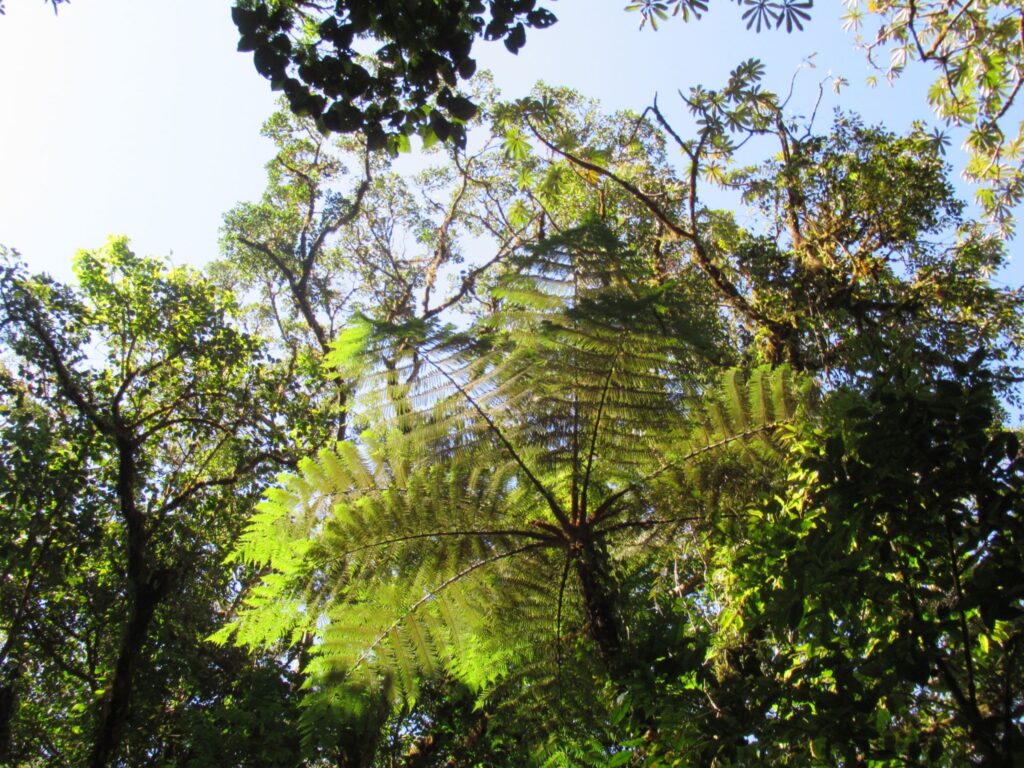
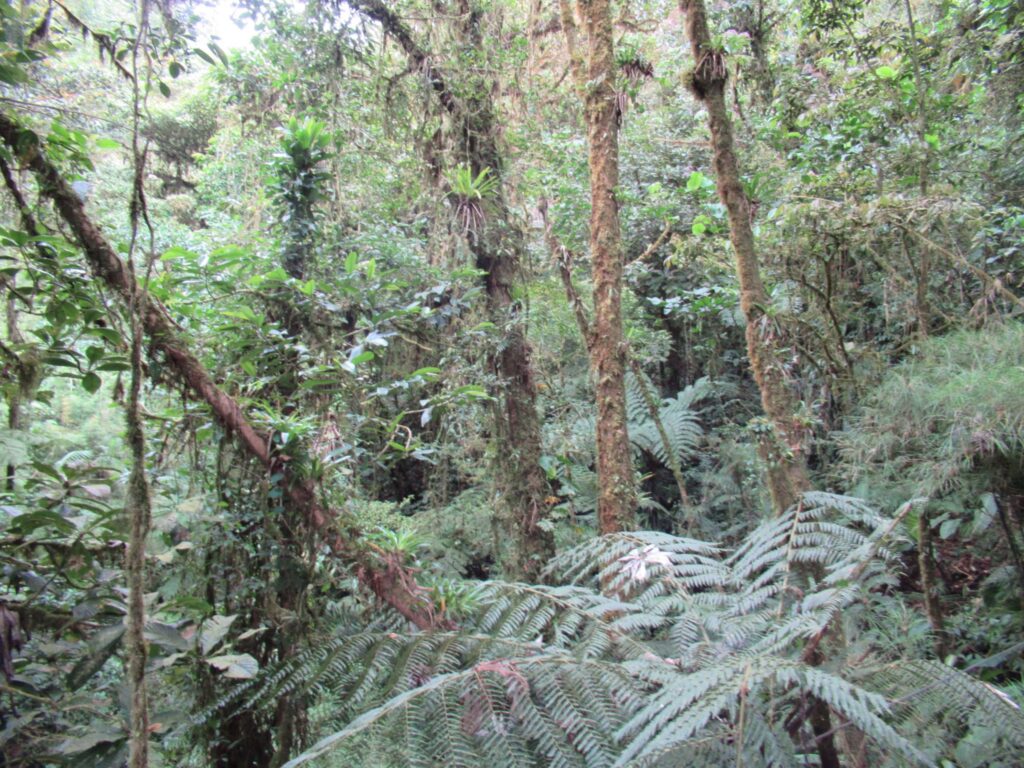
A long walk through the forest, hearing lots of birds and seeing lots of interesting plant life. Only one bridge to cross today

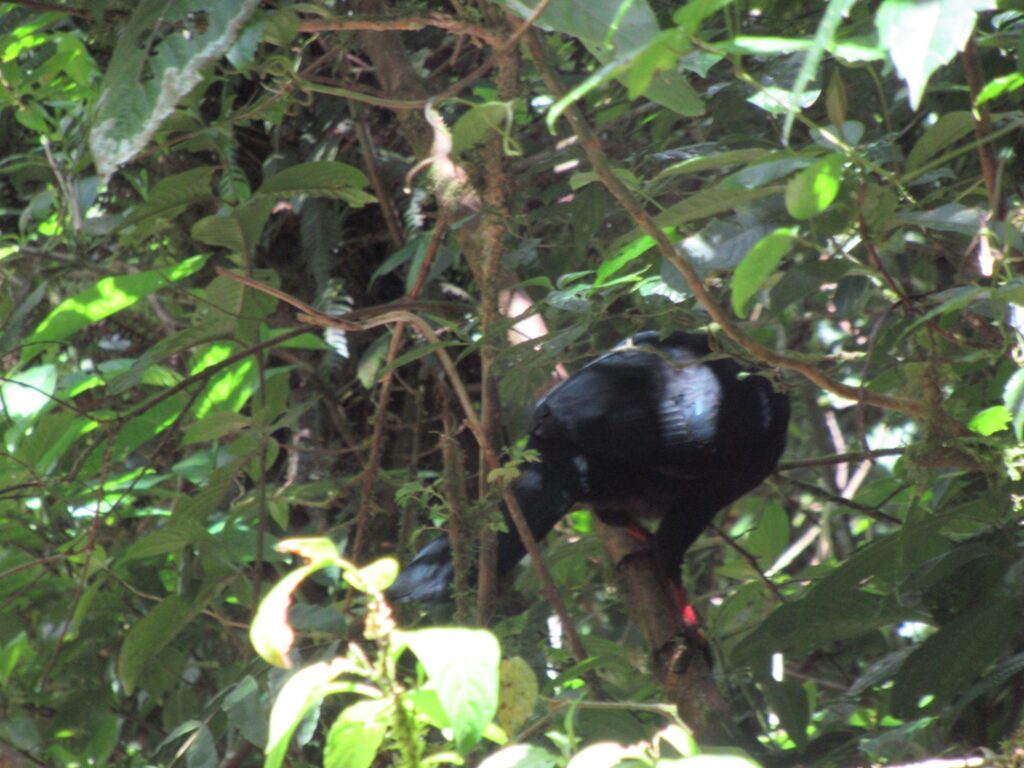
The black guan

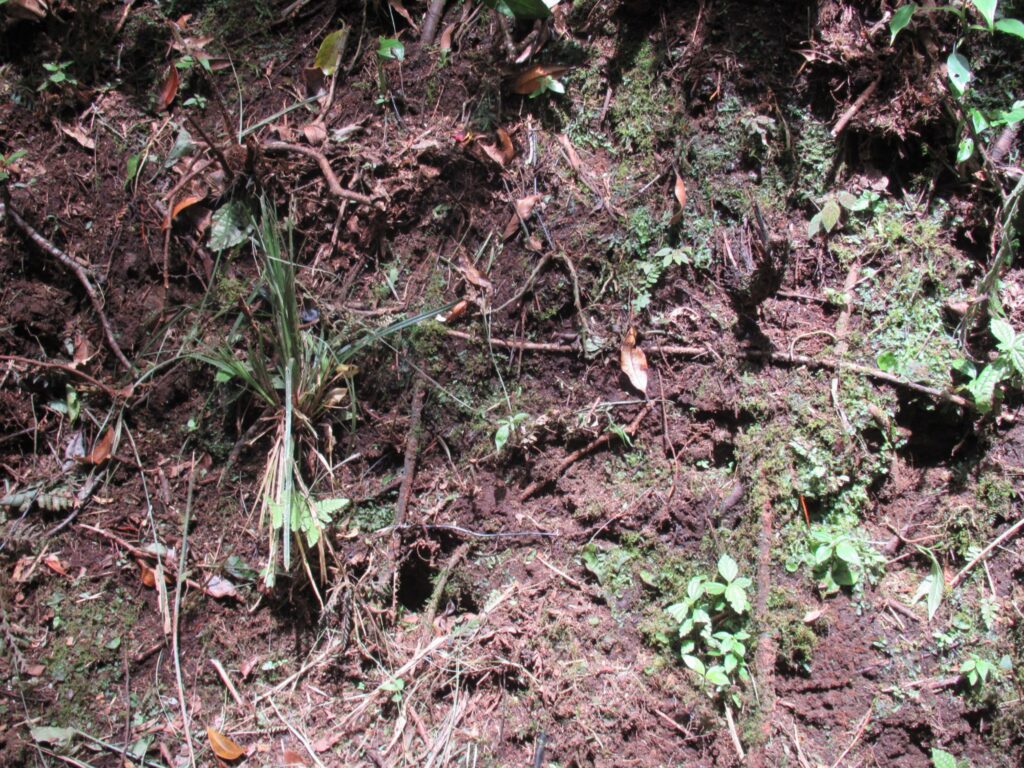
These holes are where the tarantulas live. Fortunately no one home at the time.

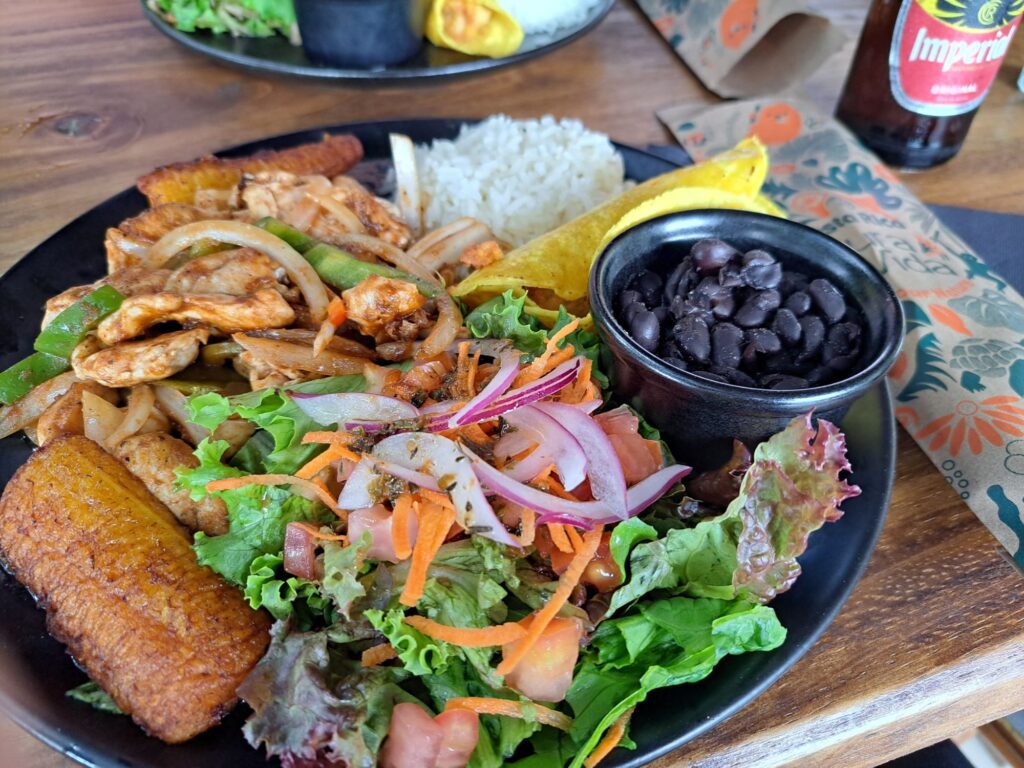
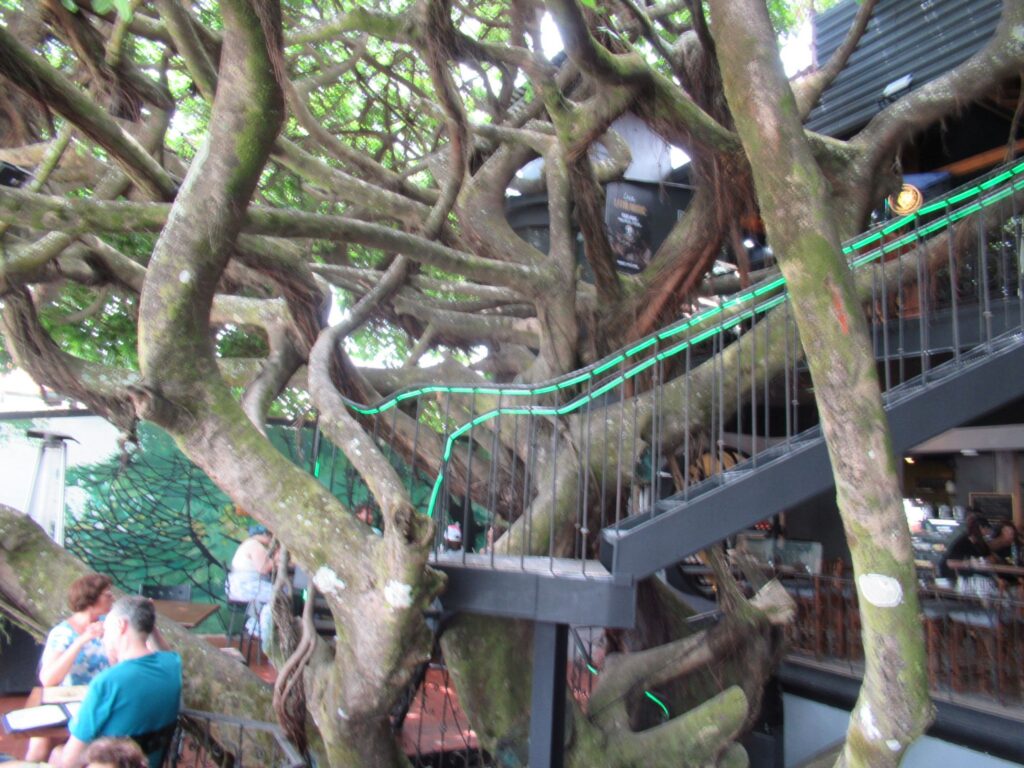
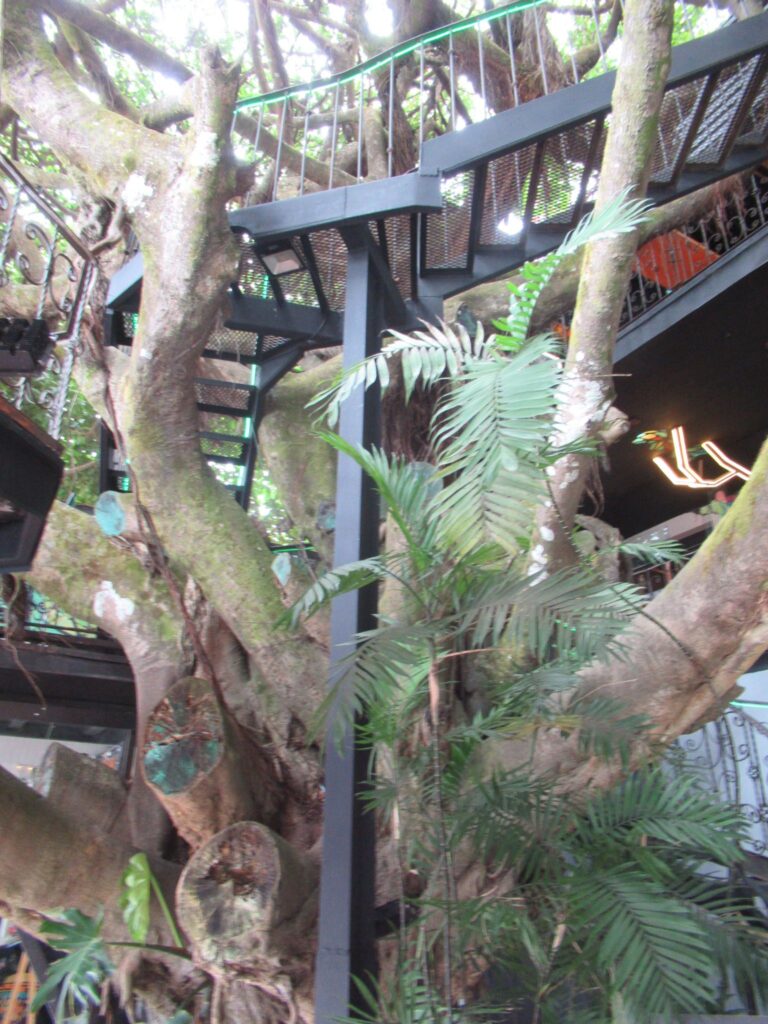
After our walk we went into the small mountain town of Santa Elena and had a typical Costa Rican meal of chicken, rice,  black beans, fried plantain and taco. The restaurant was the Tree House which has a tree growing through the centre.

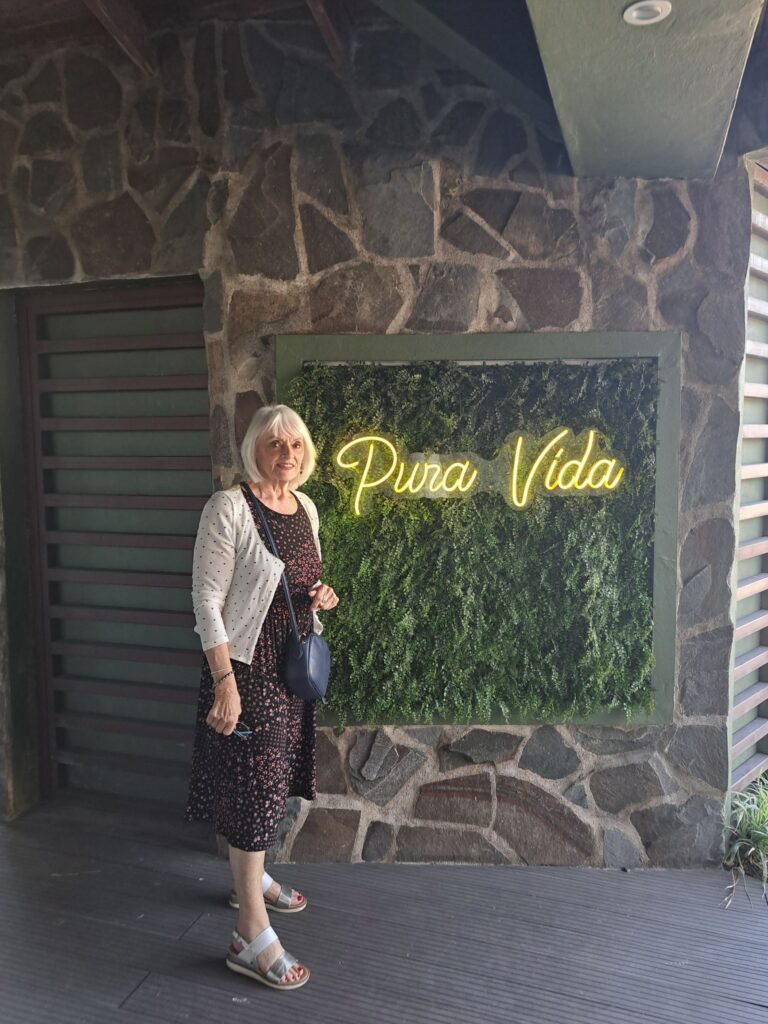
A favourite saying here is Pura Vida, which translates literally as “pure life”. Its used all the time –

Are you okay – pura vida

Saying thank you – pura vida

Saying hello or goodbye – pura vida

Saying everything is great, no worries – pura vida

In fact the response to everything!!!

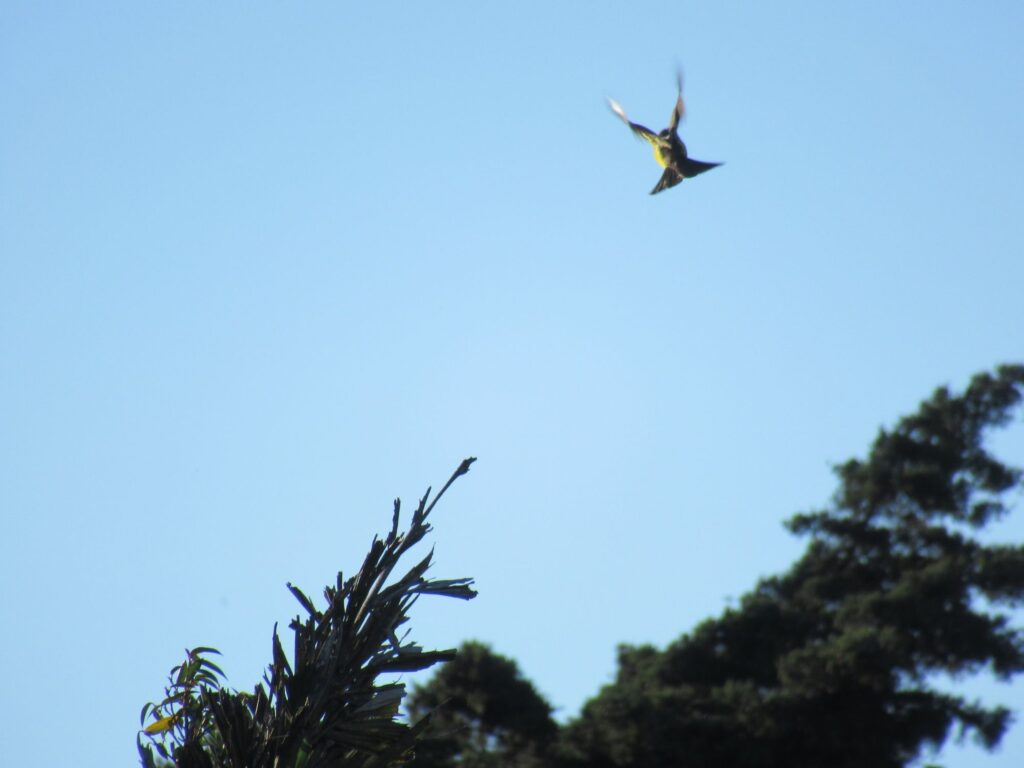
Sat on the balcony for an hour listening to the birds and trying to get some photos but they move so quickly especially the little humming birds.

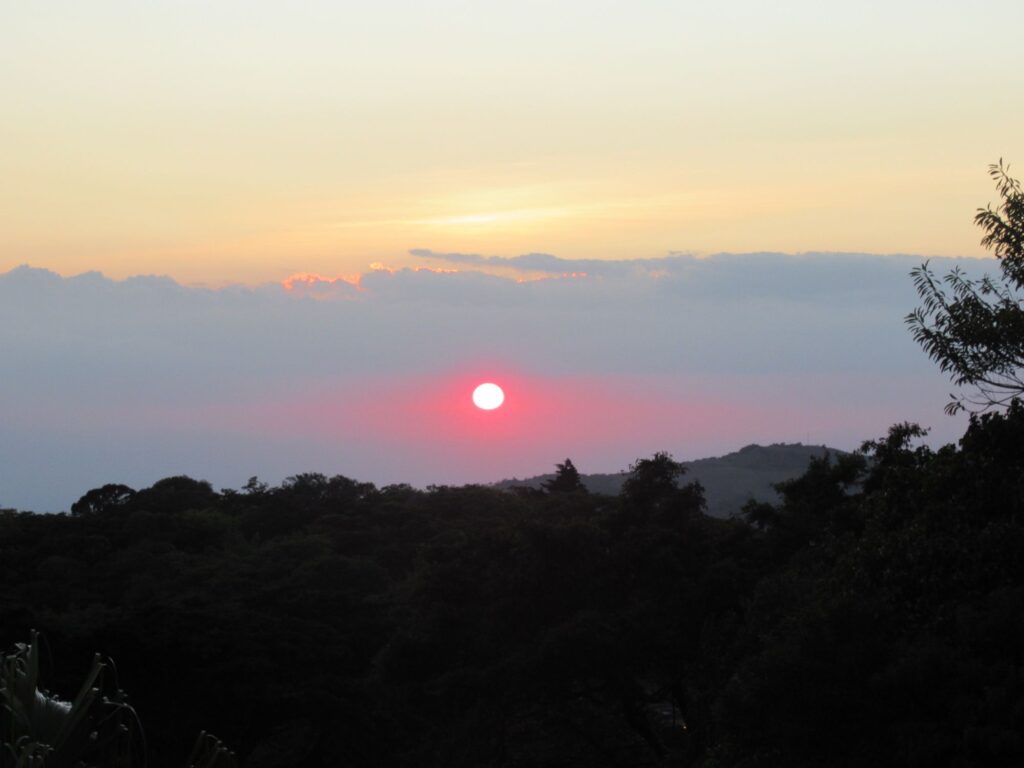
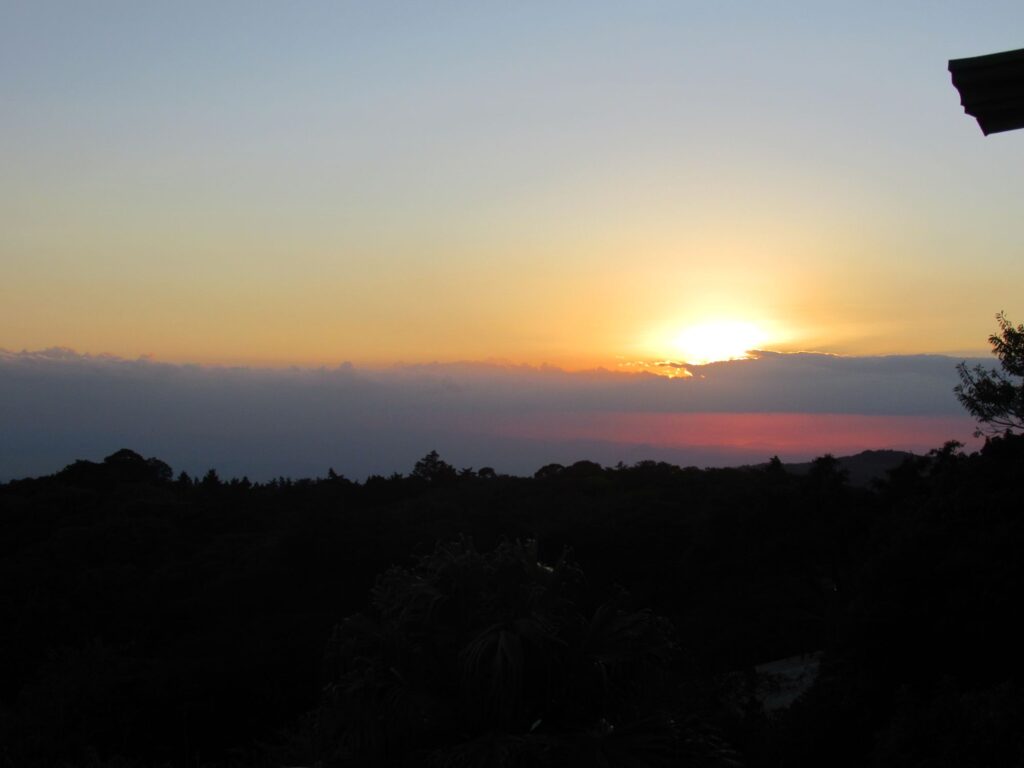
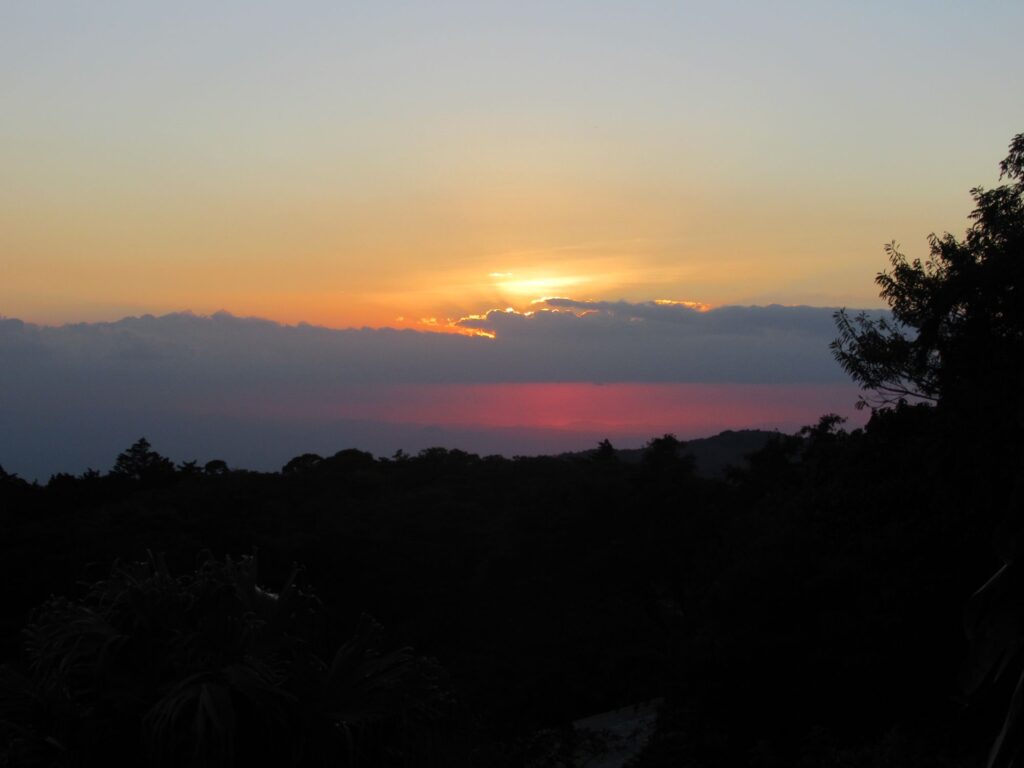
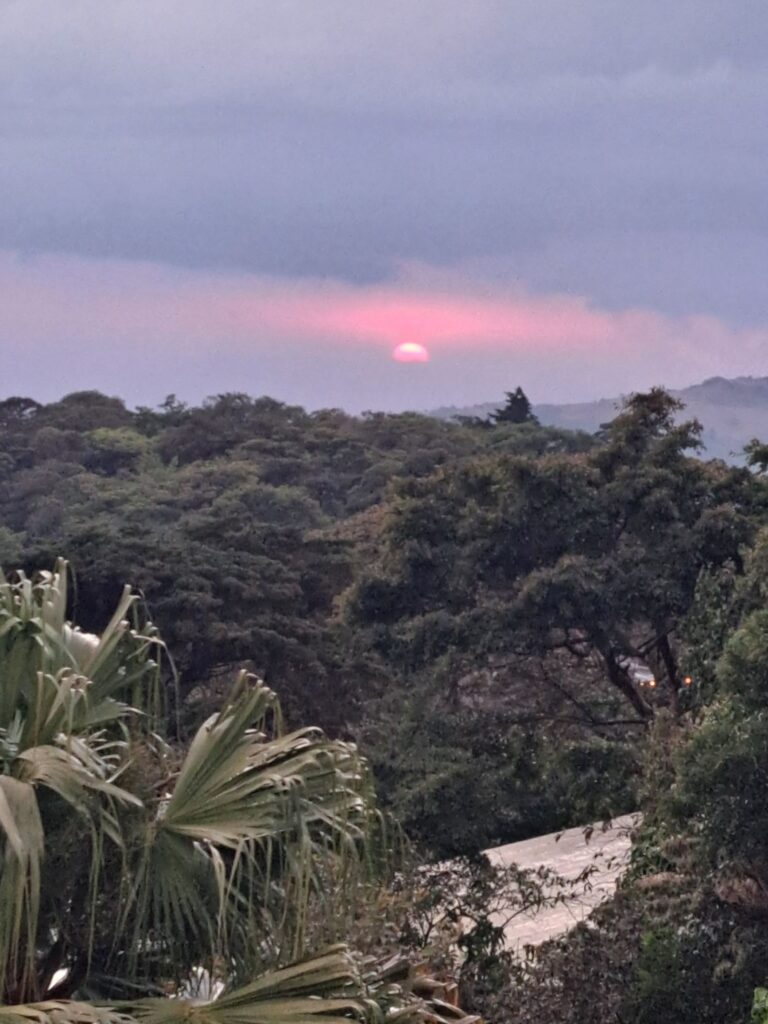
Then watched the sun going down

San Jose to Monteverde

Enjoying my coffee even more at breakfast knowing the hard work it has taken to make it. The coffee lady was very dismissive of decaffeinated which apparently has to be steamed to take out the caffeine. They then have to add flavour and the caffeine is sold to the pharmaceutical companies and Coca Cola!

We left San Jose this morning and drove through some beautiful landscapes, through Puntarenes on the Pacific Ocean and into the hills to Monteverde. The journey helped along by our driver Raffa and guide Manuel, a most amusing double act.

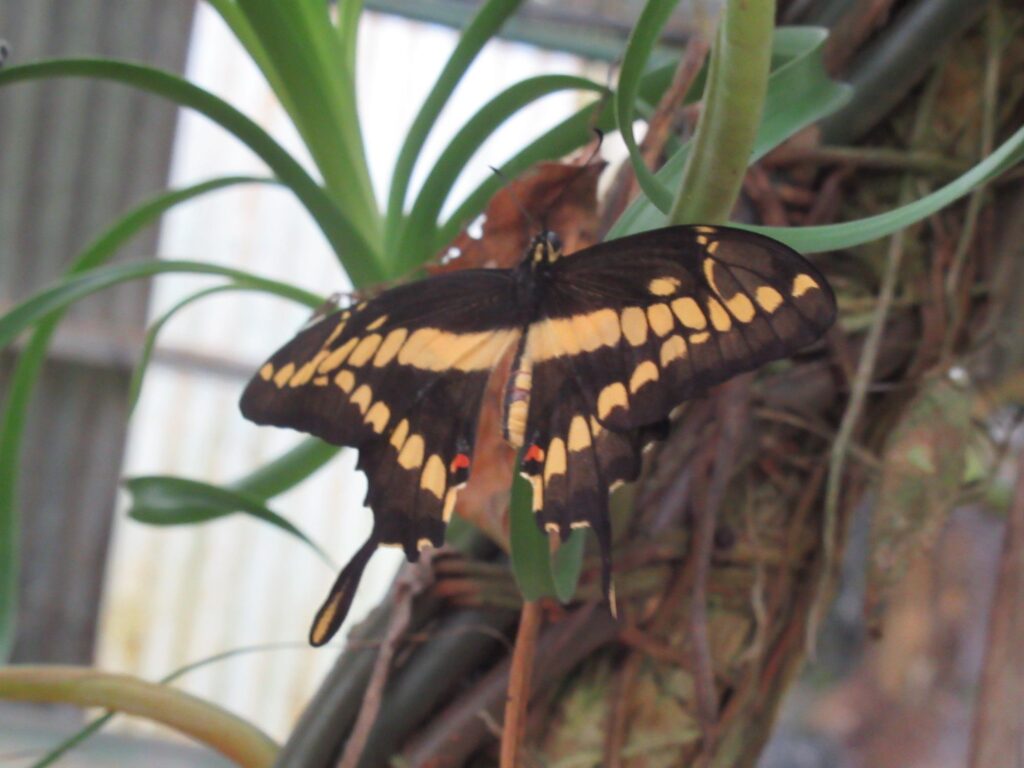
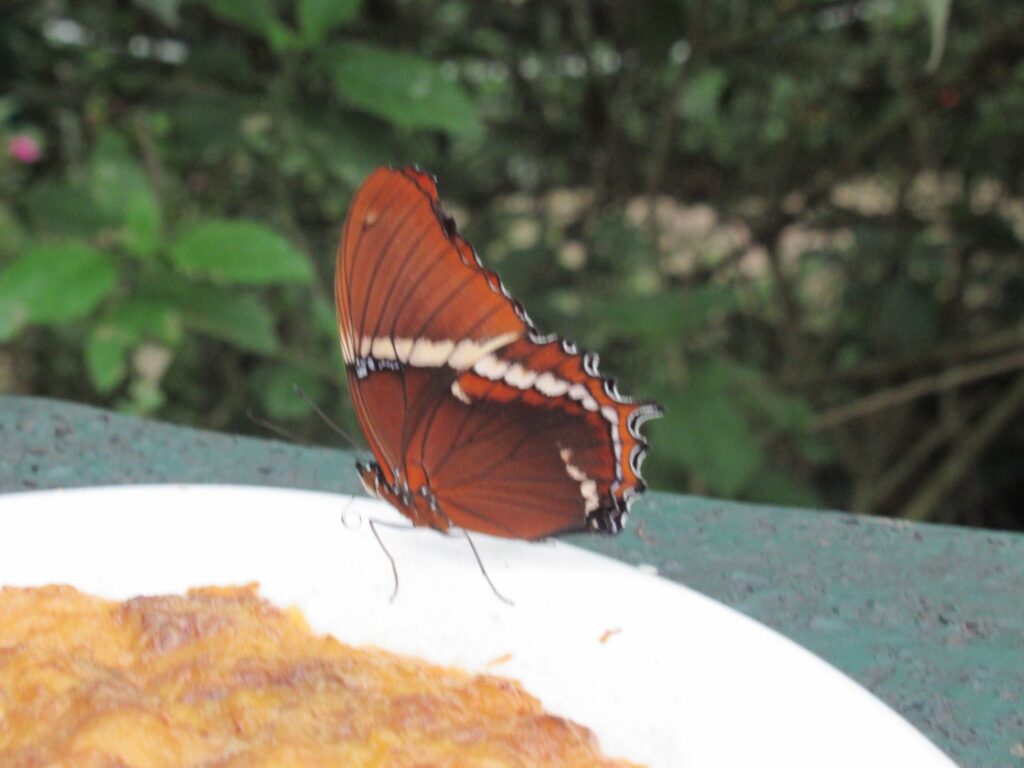
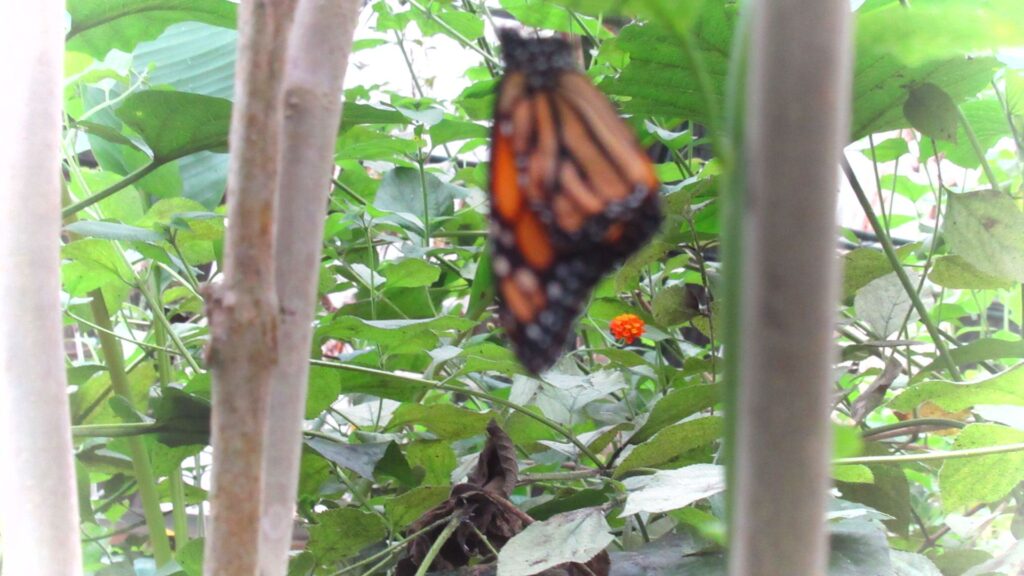
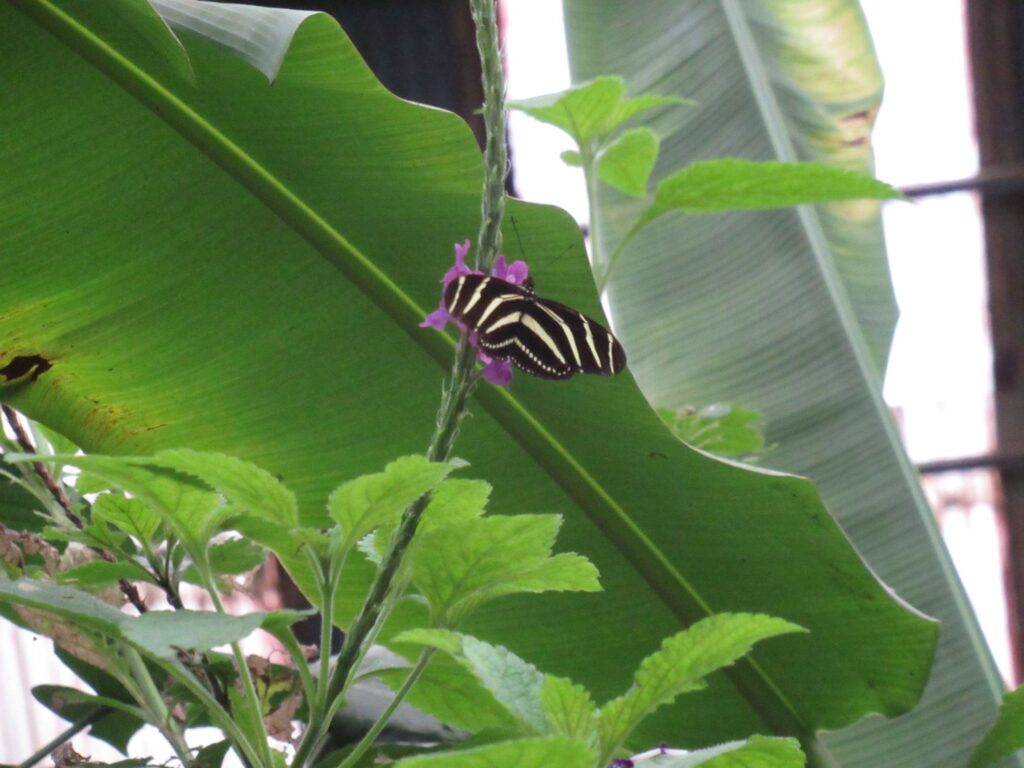
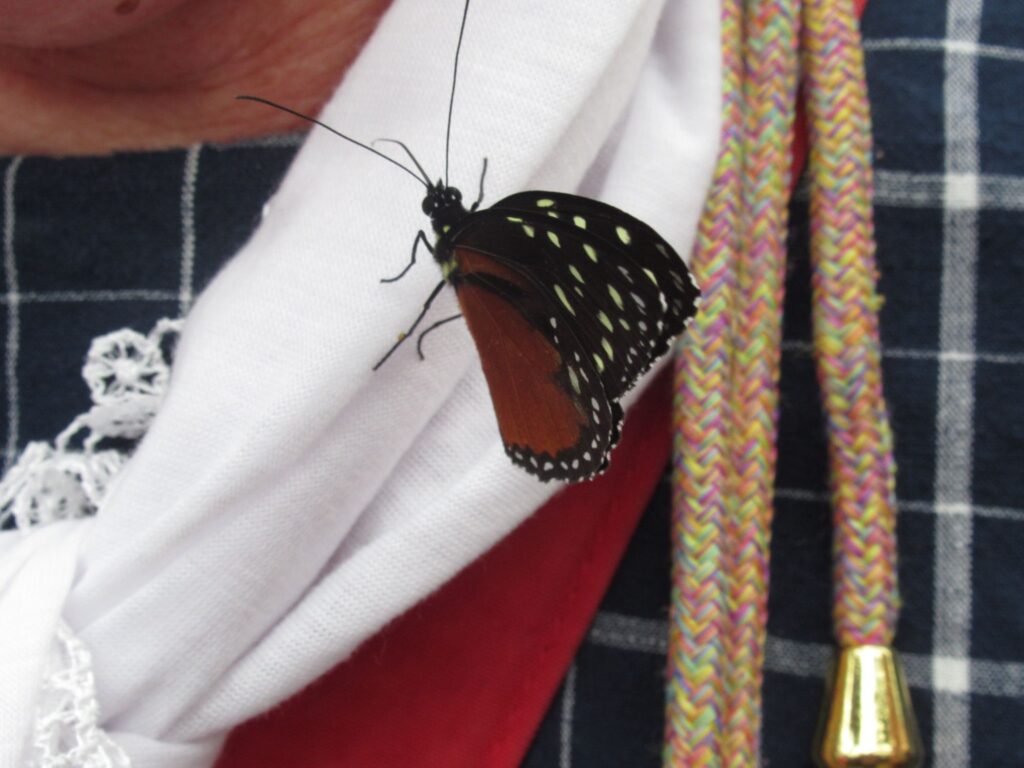
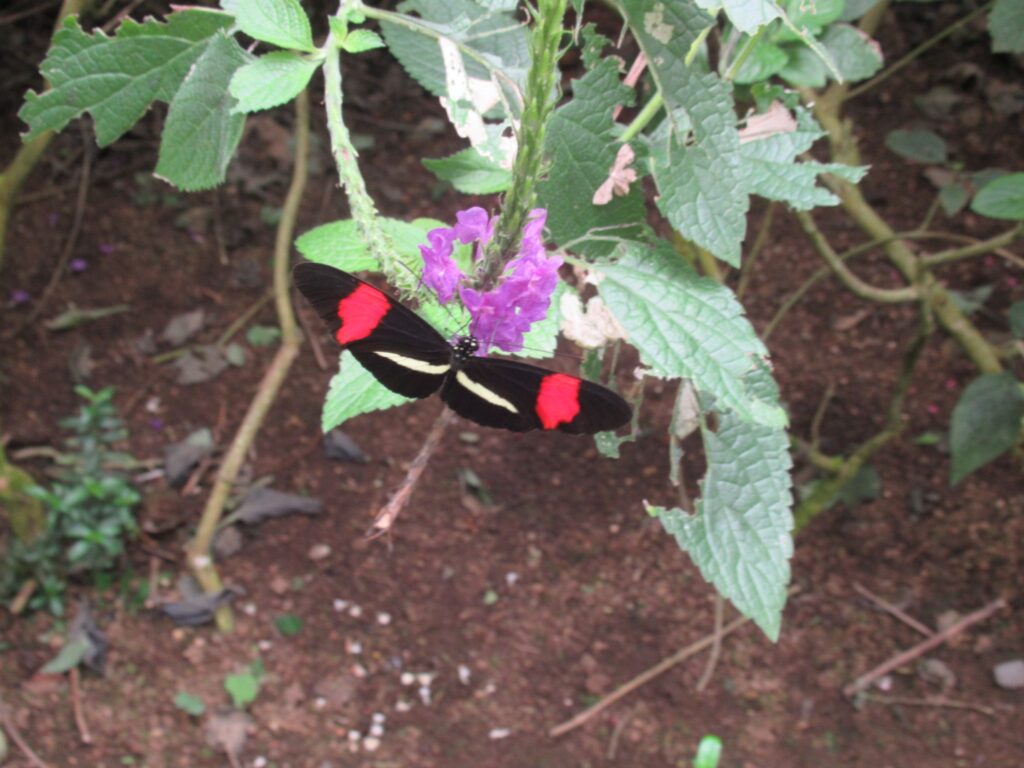
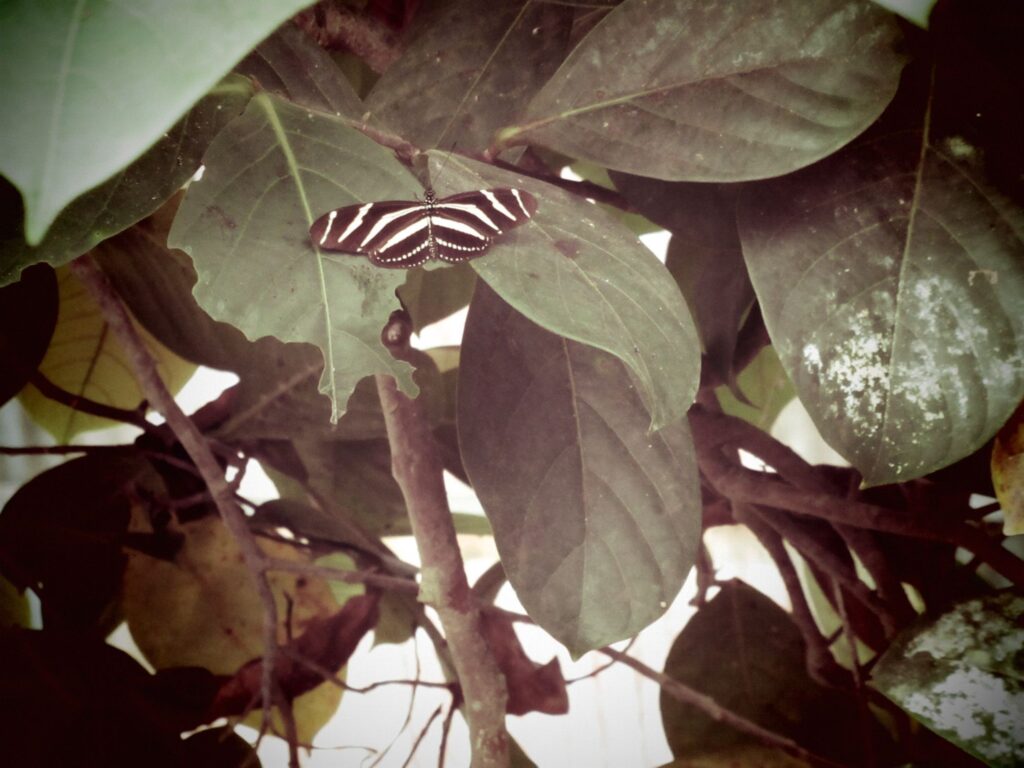
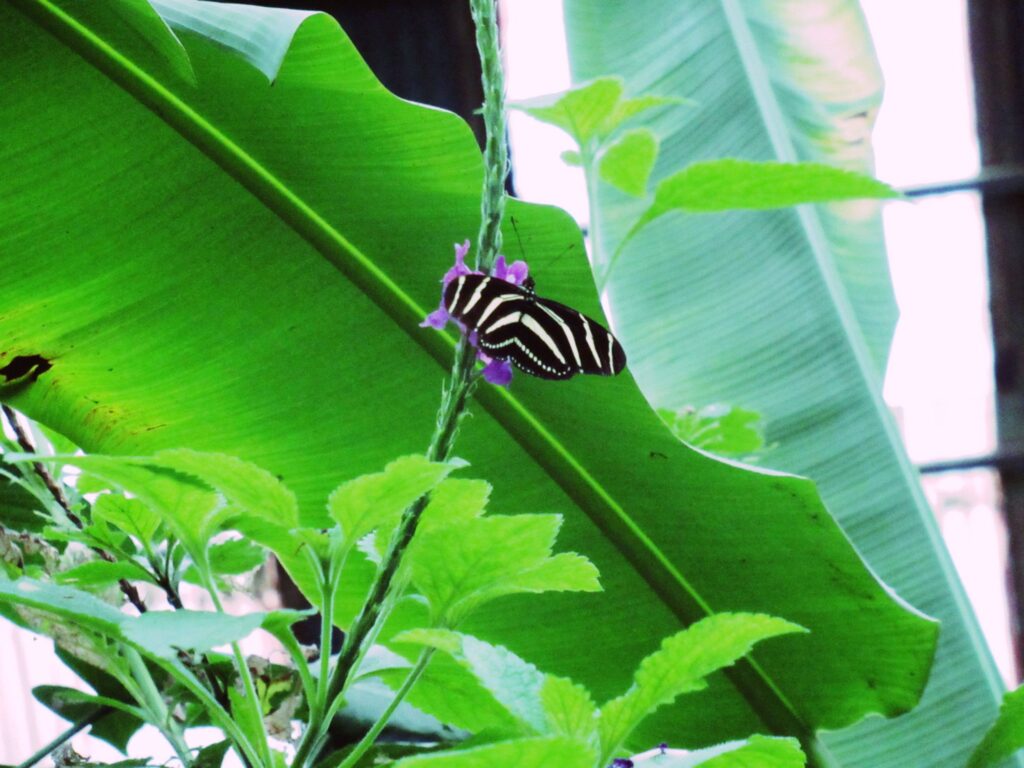
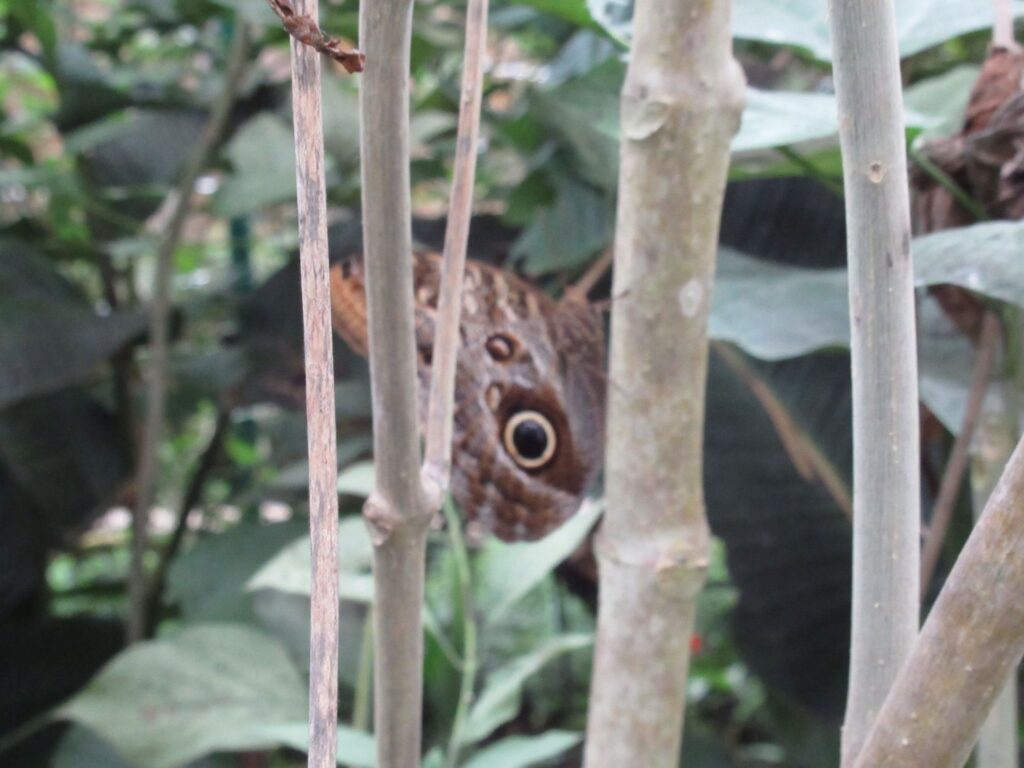
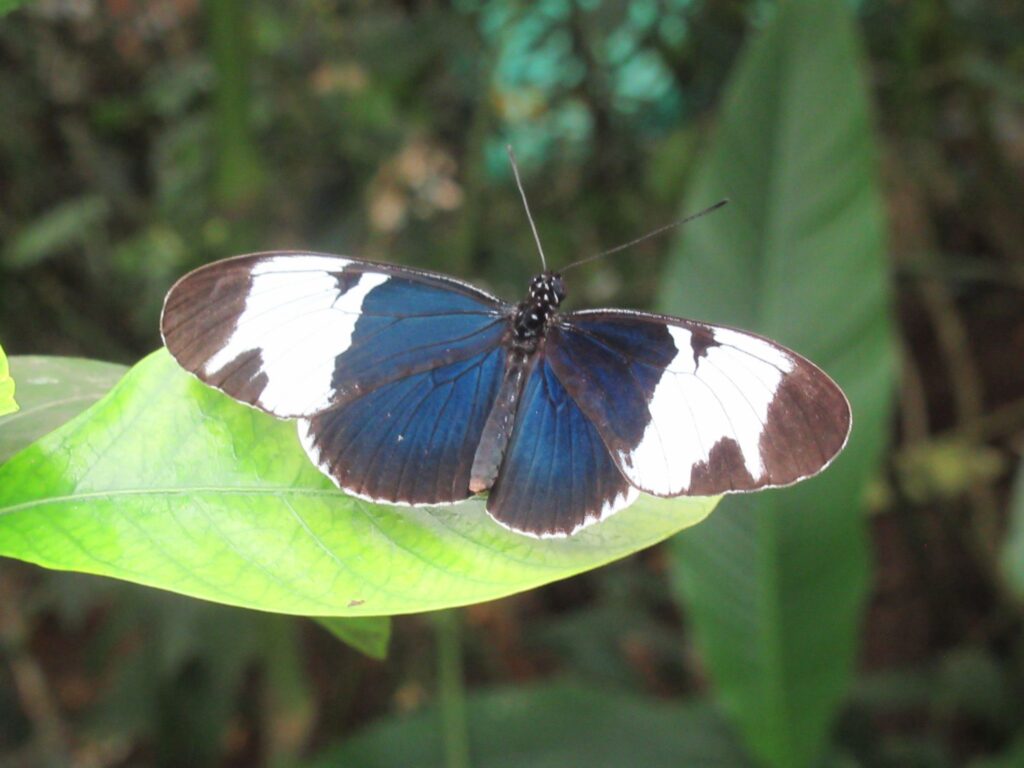
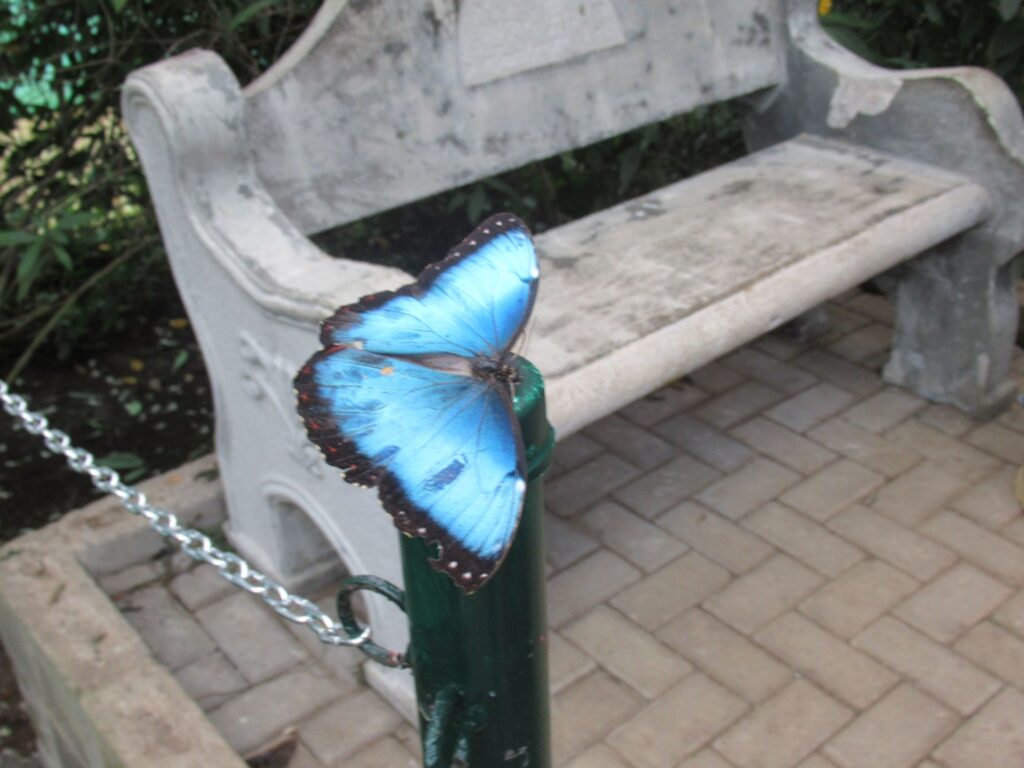
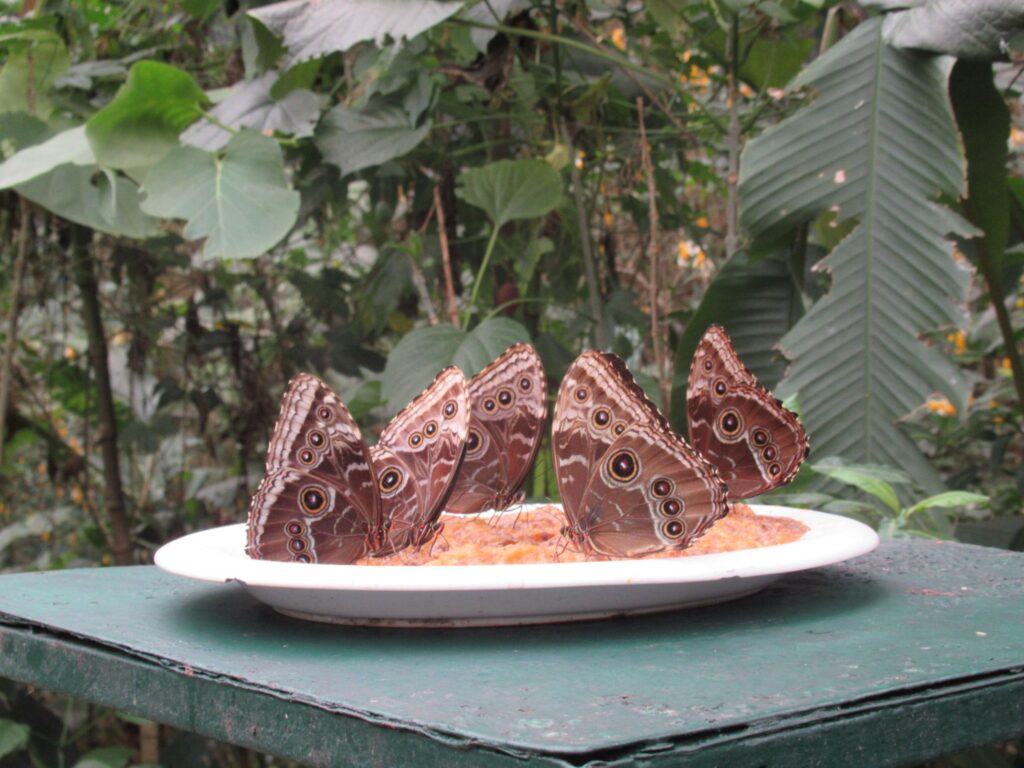
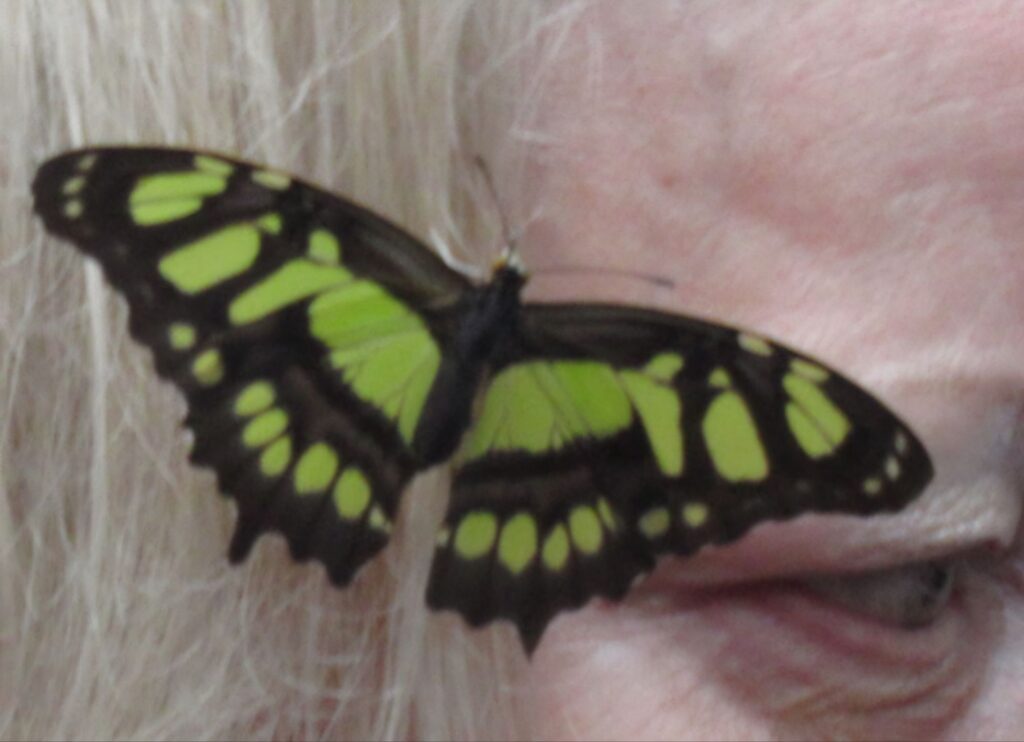
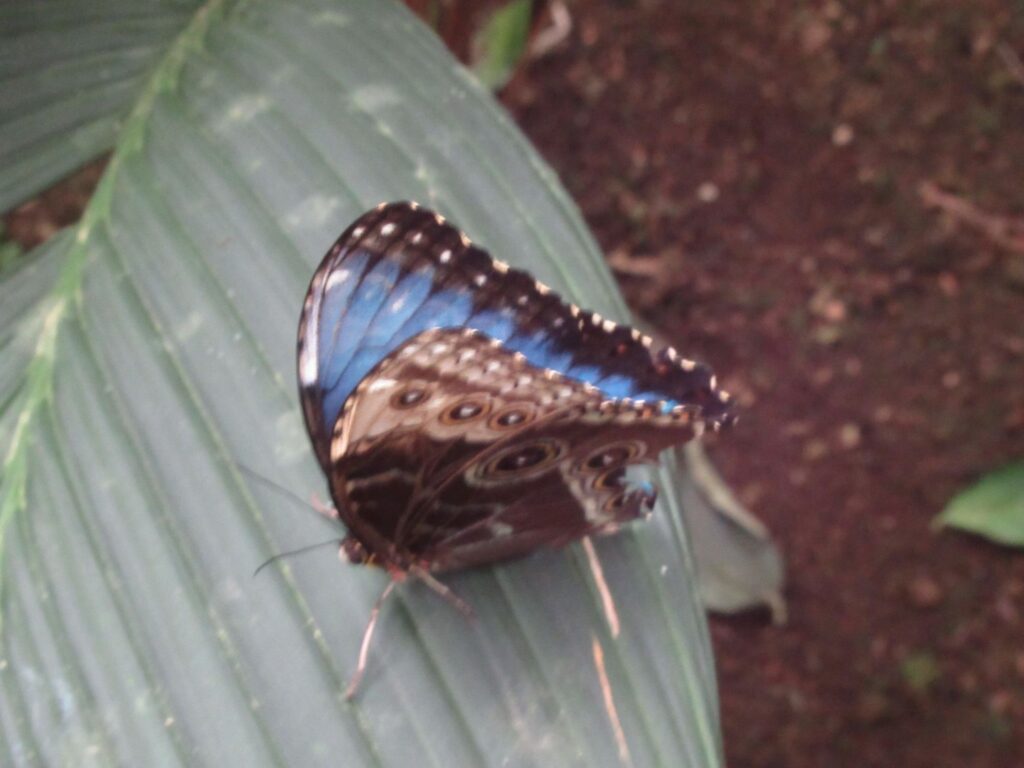
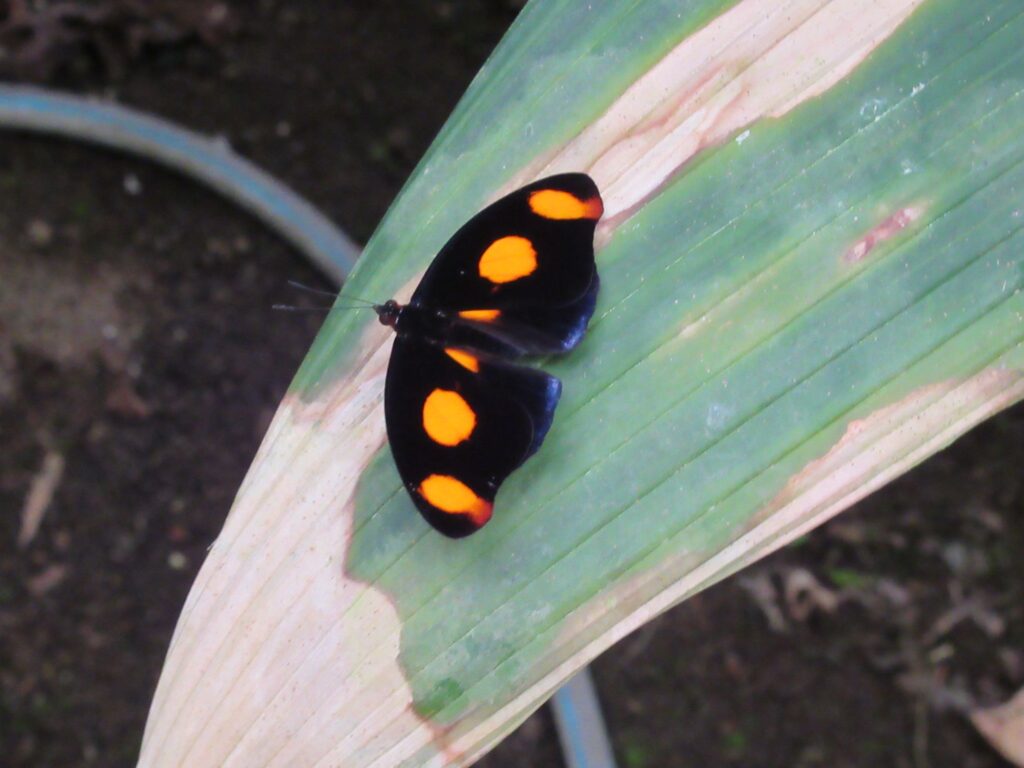
We arrived at the Selvatura Walkways, Monteverde  and firstly visited the butterfly house

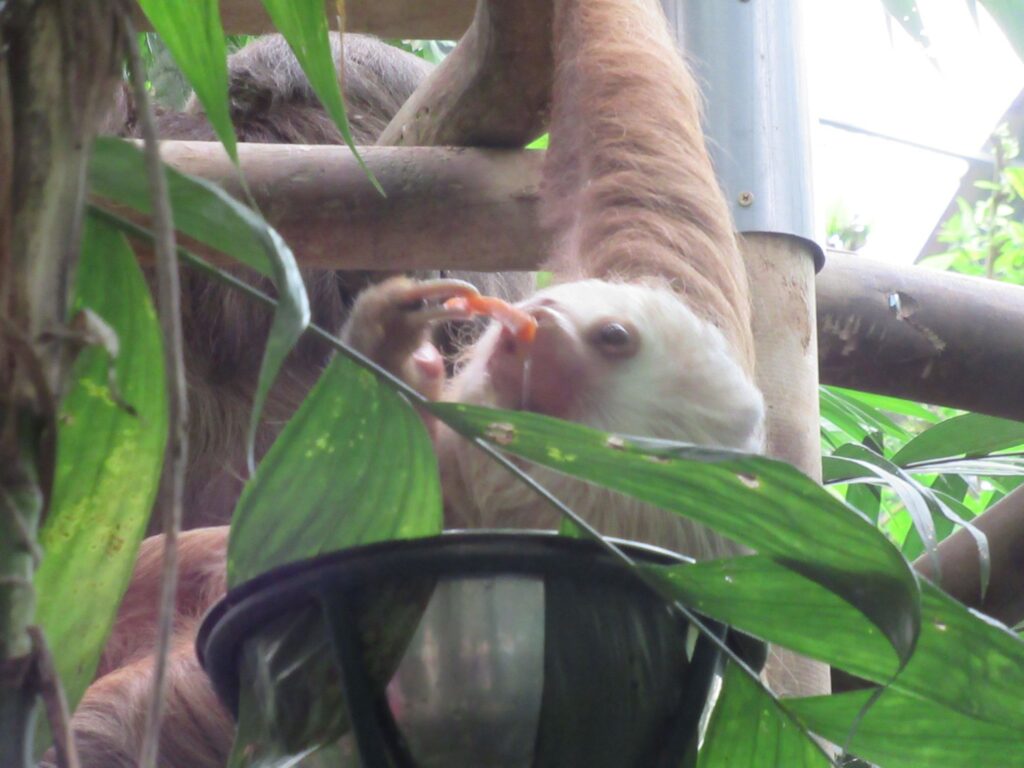
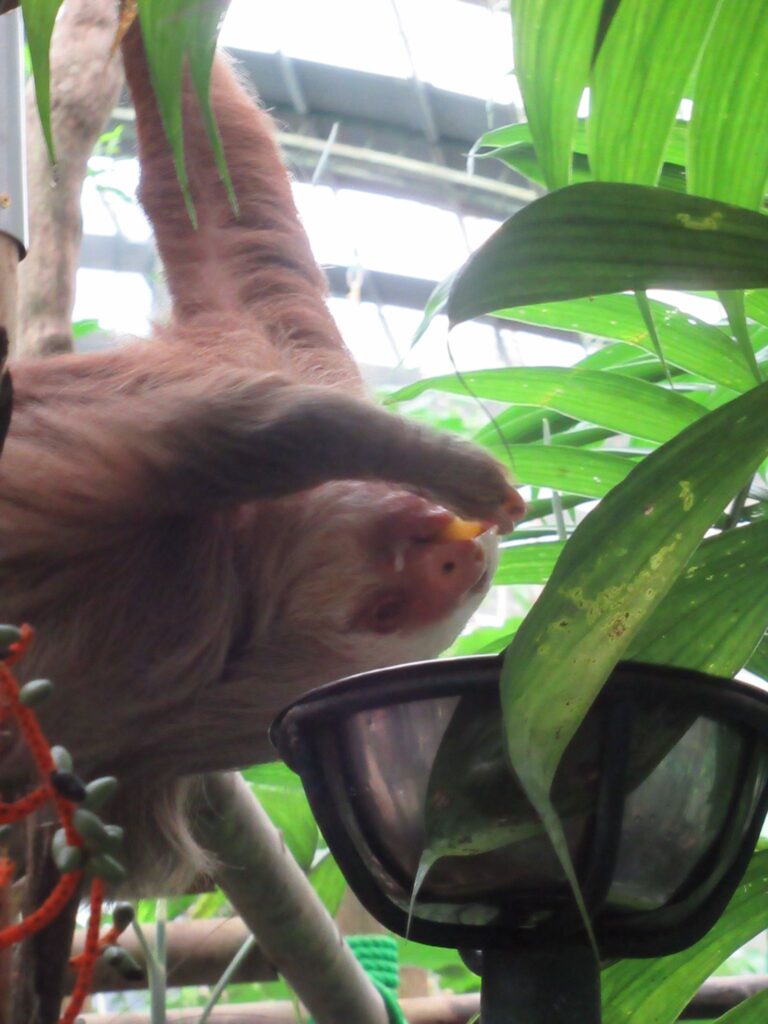
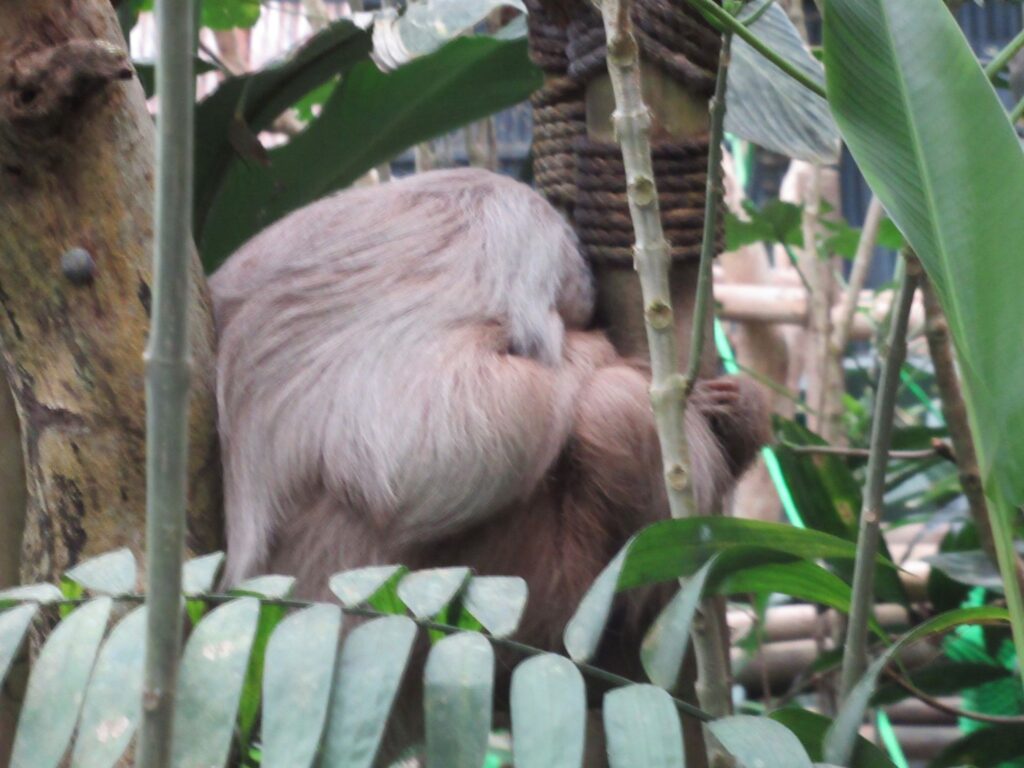
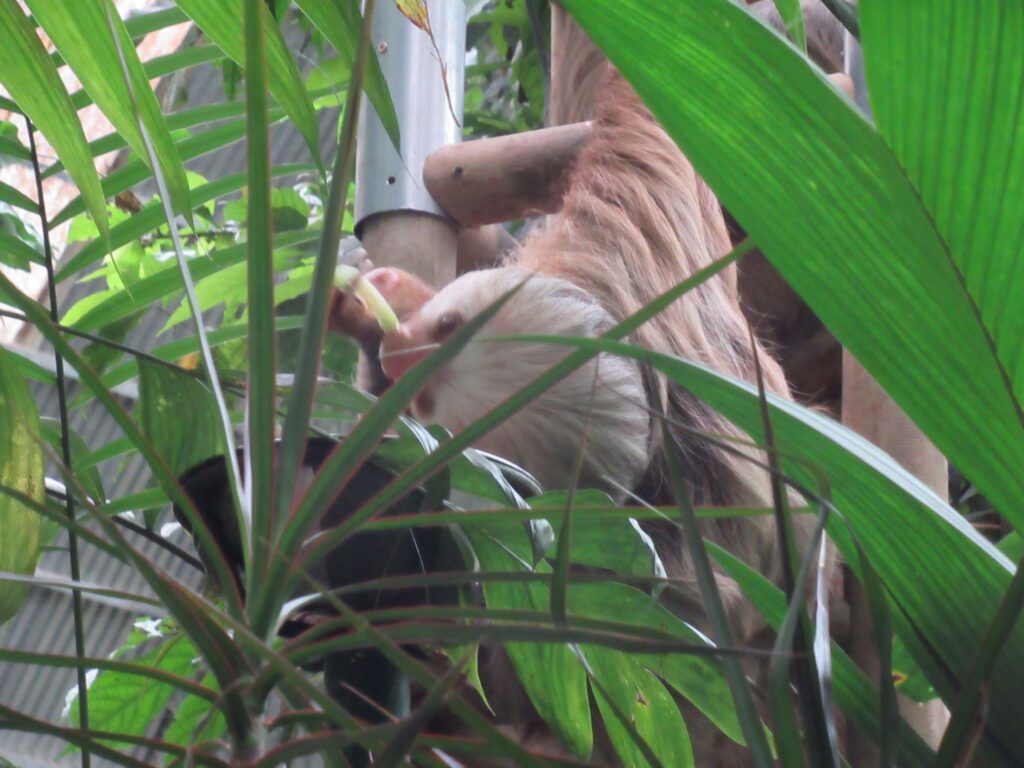
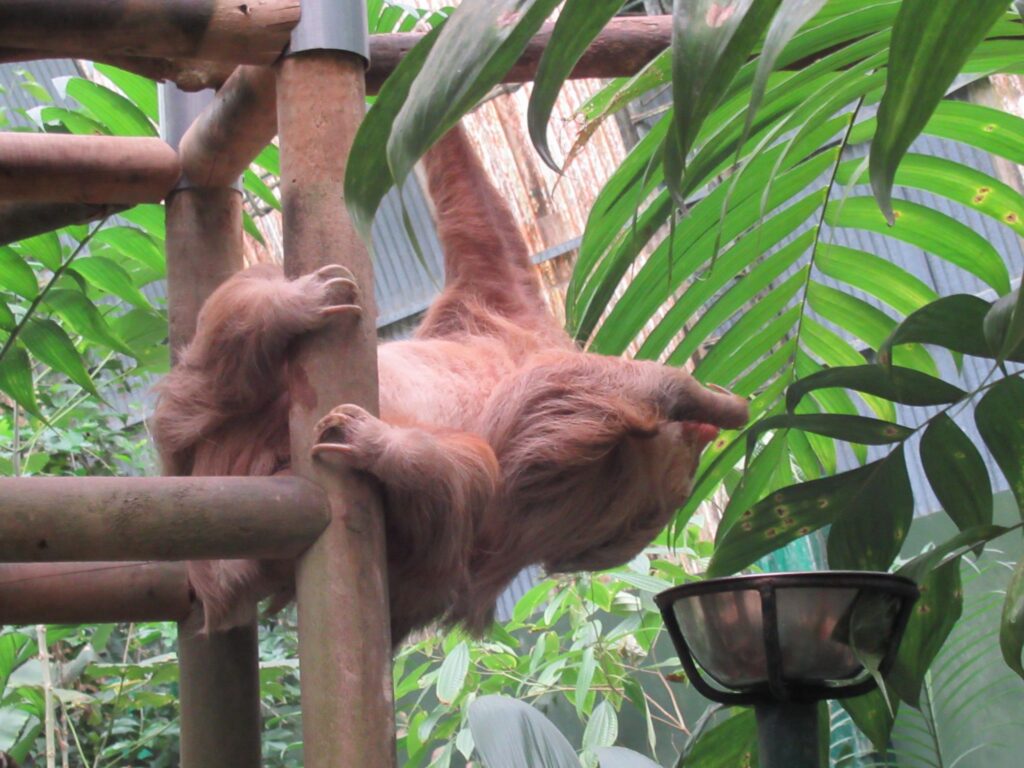
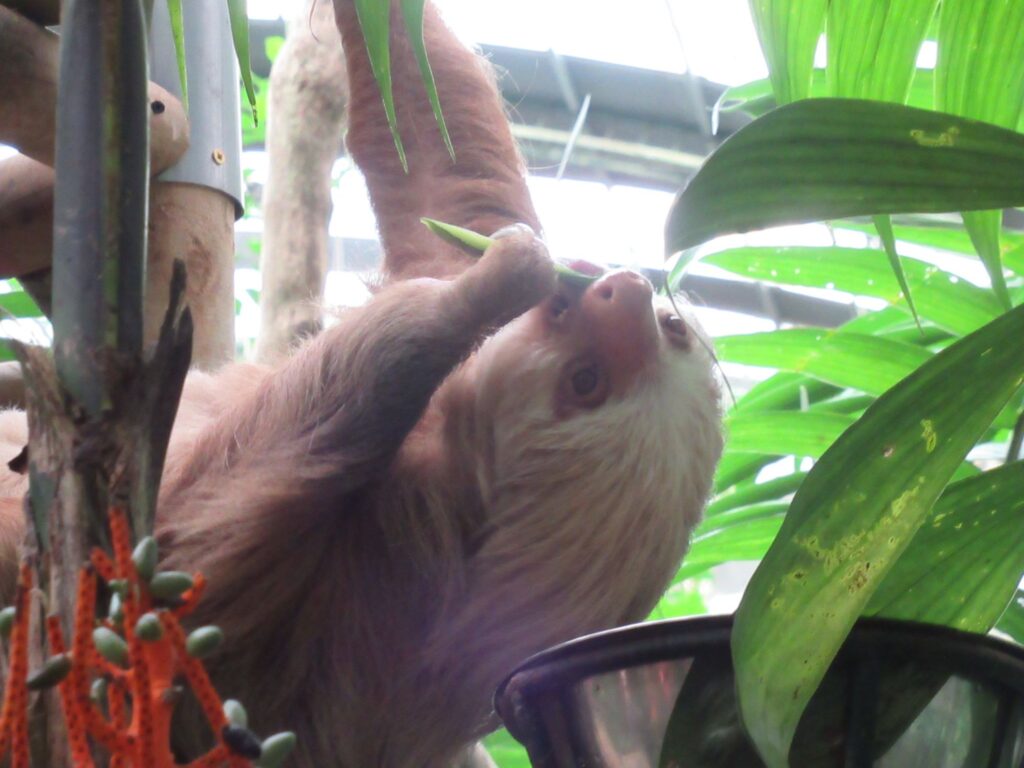
After the butterflies we visited the sloth sanctuary. All the sloths have been rescued from poachers, habitat destruction, disease or accidents

Some interesting facts about Costa Rica:

It hasn’t had an army since it was disbanded in 1948. It was hoped that after civil unrest this would bring peace and it seems to be working.

51% of the country is protected land, either national parks or privately owned.

It is the youngest country in the Americas and was formed 15-25 million years ago through intense tectonic activity.

The first Jurassic Park film was made in Costa Rica which is amusing as it was not formed when the dinosaurs roamed

The main industry is tourism

There are more types of birds in Costa Rica than the United States and Canada put together.

There are approximately 280 volcanoes in the country and six or seven tremors every day.

90% of its power is hydro electricity, the rest made up of geothermic and wind power.

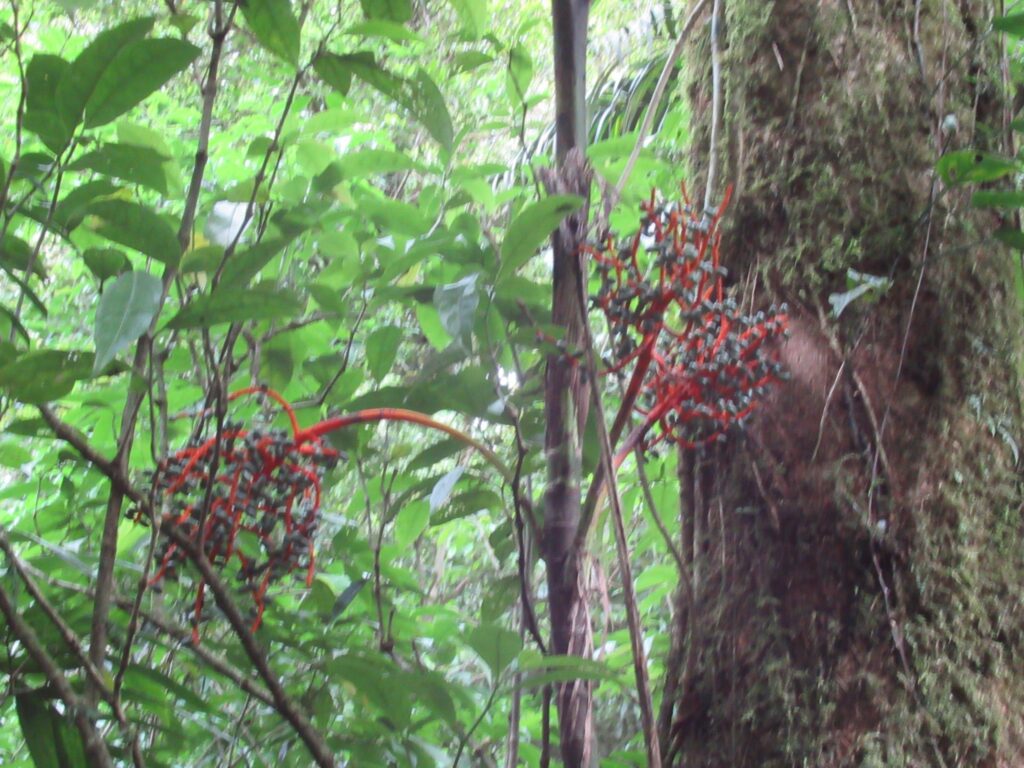
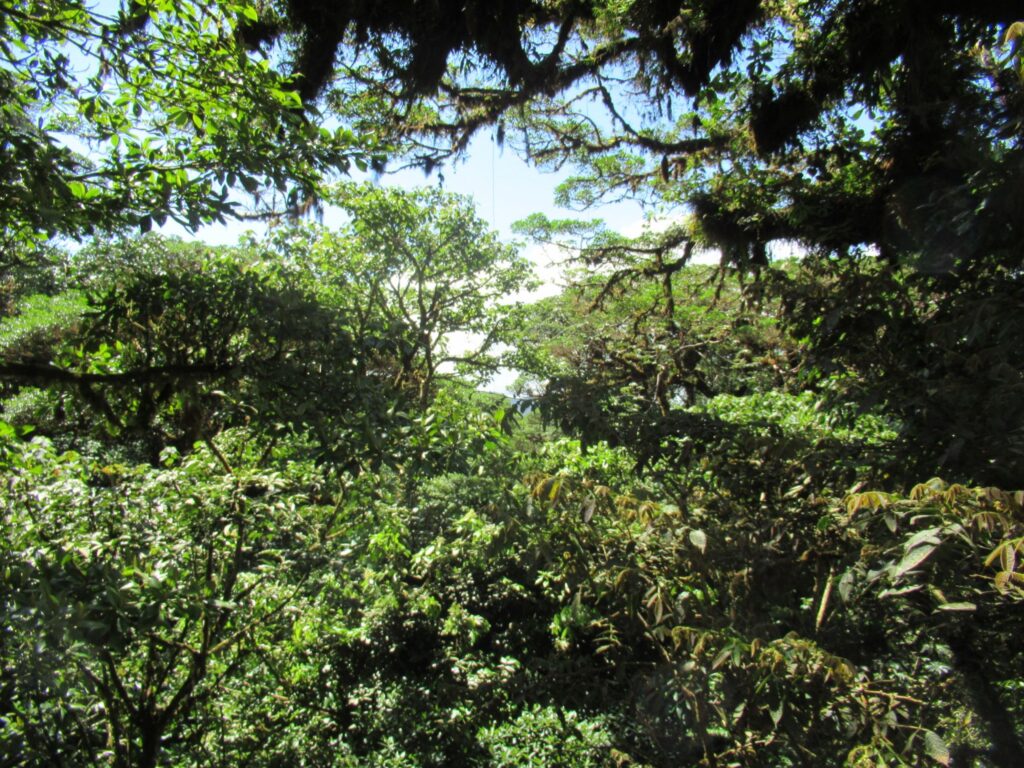
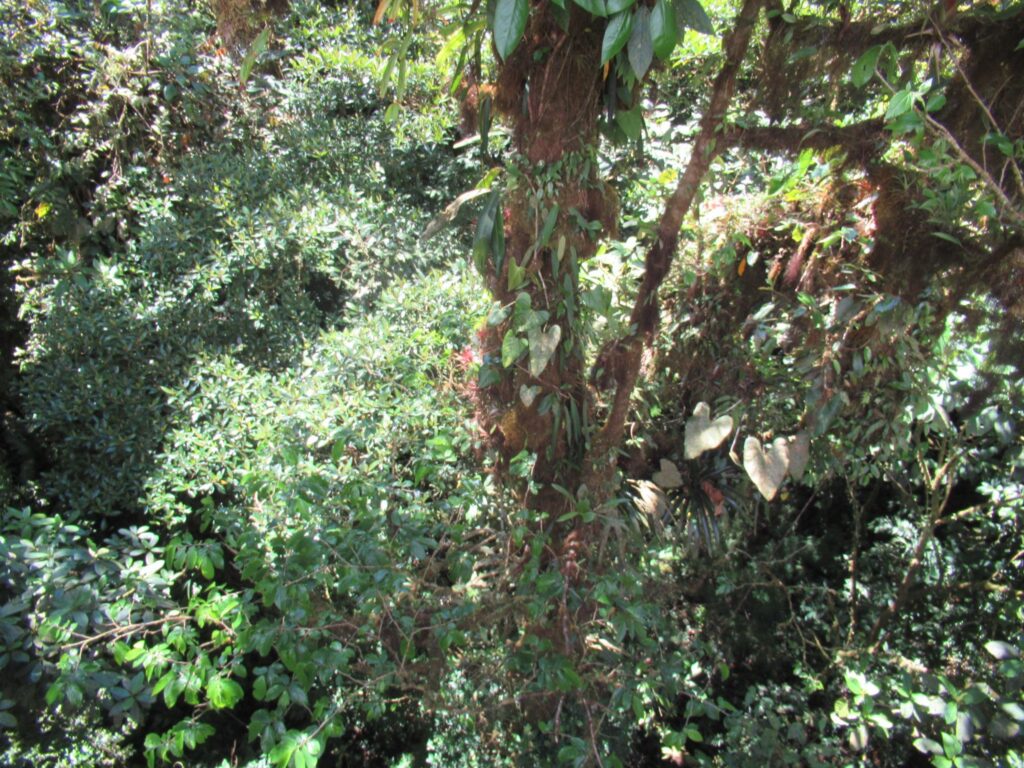
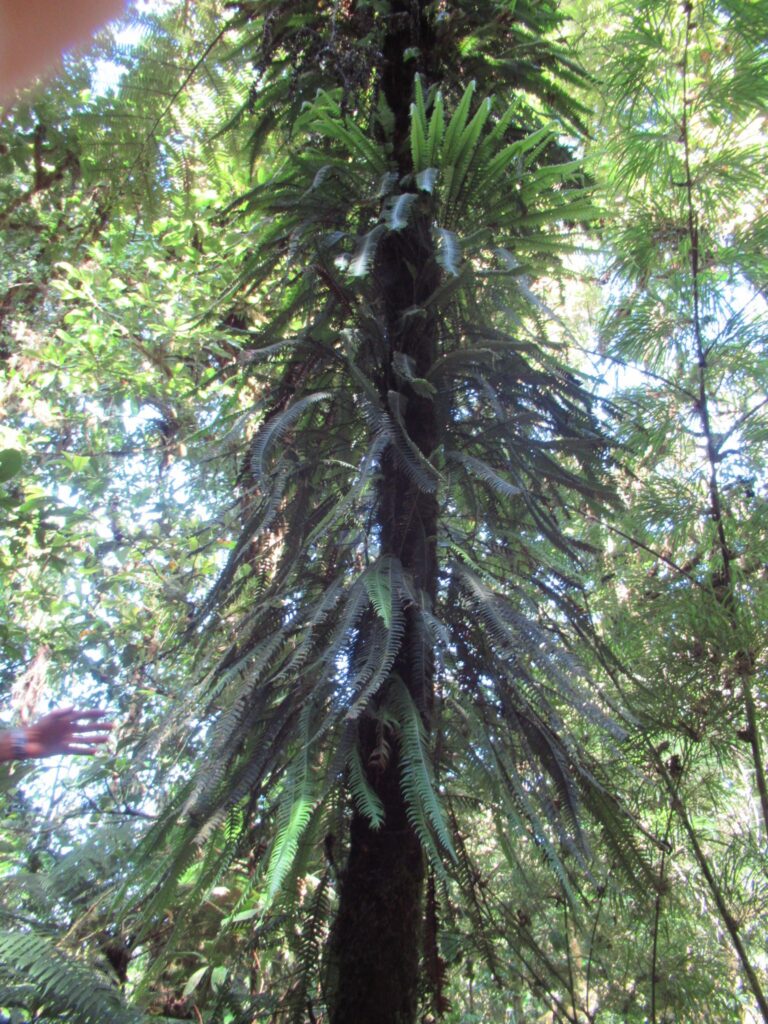
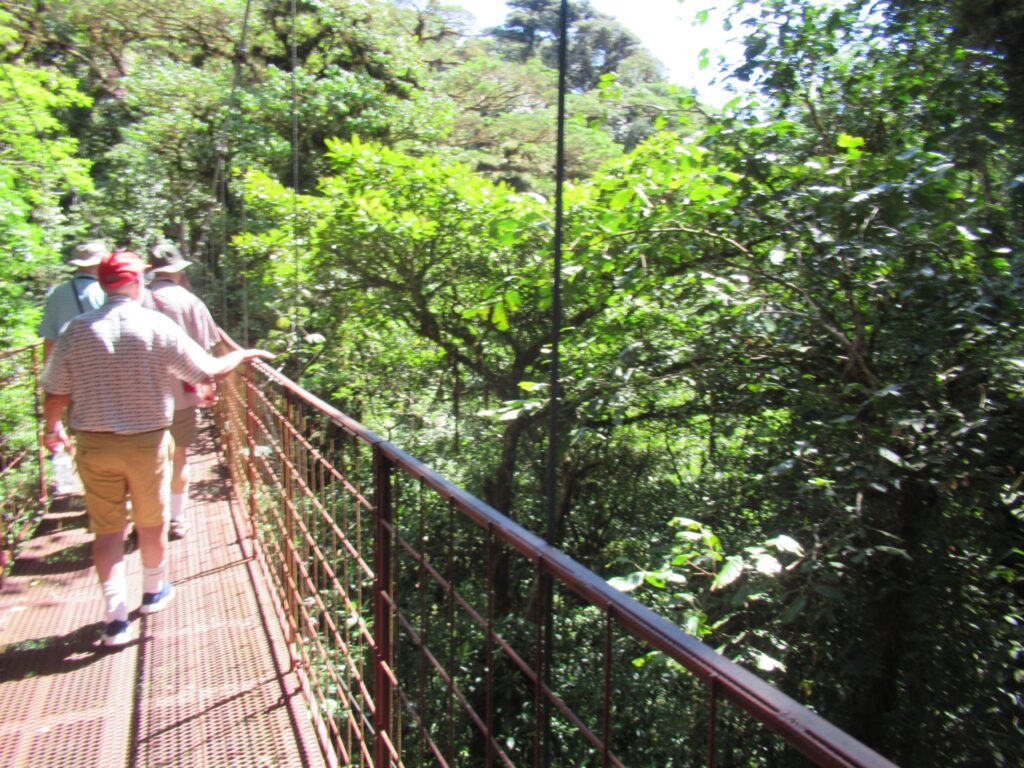
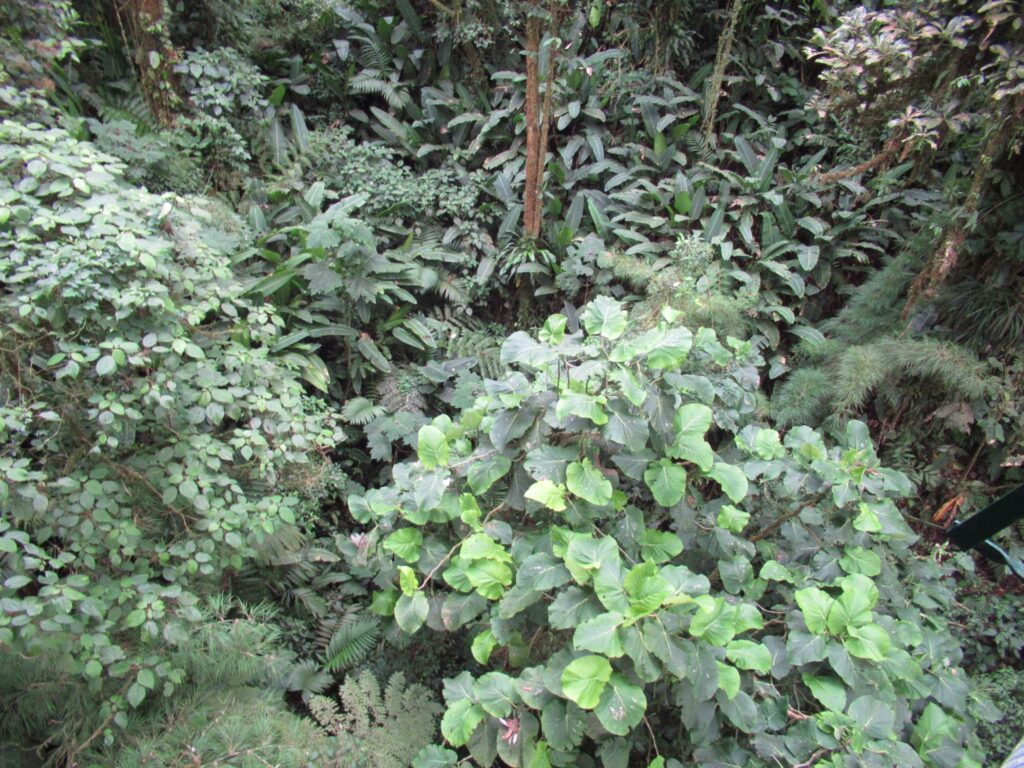
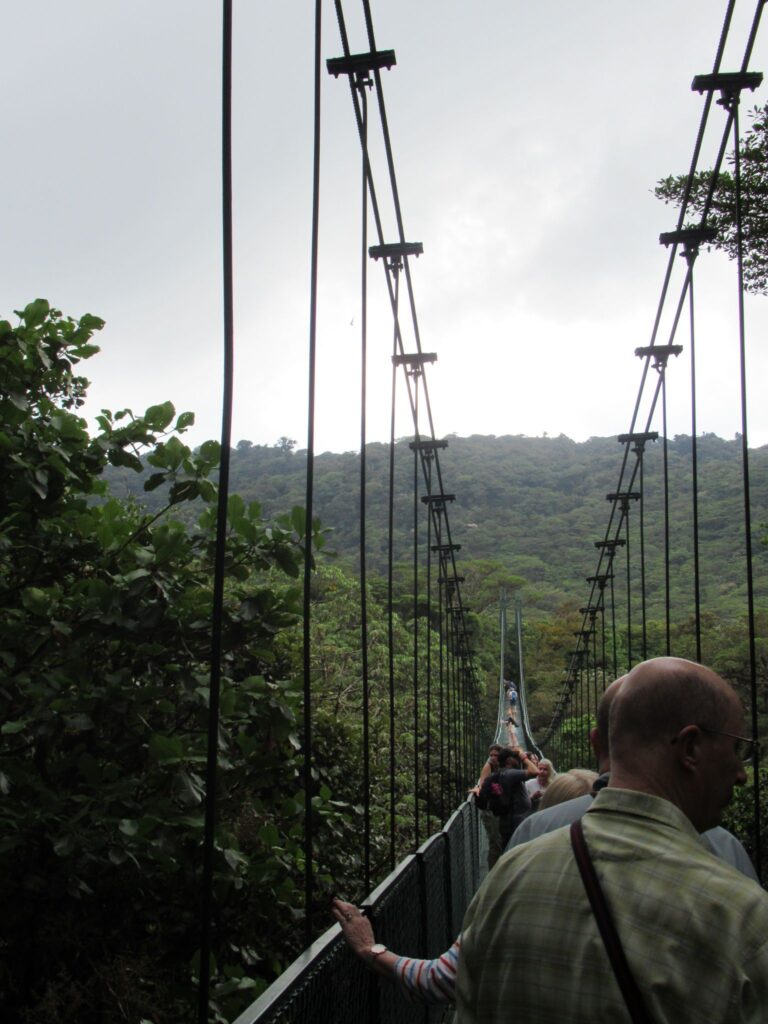
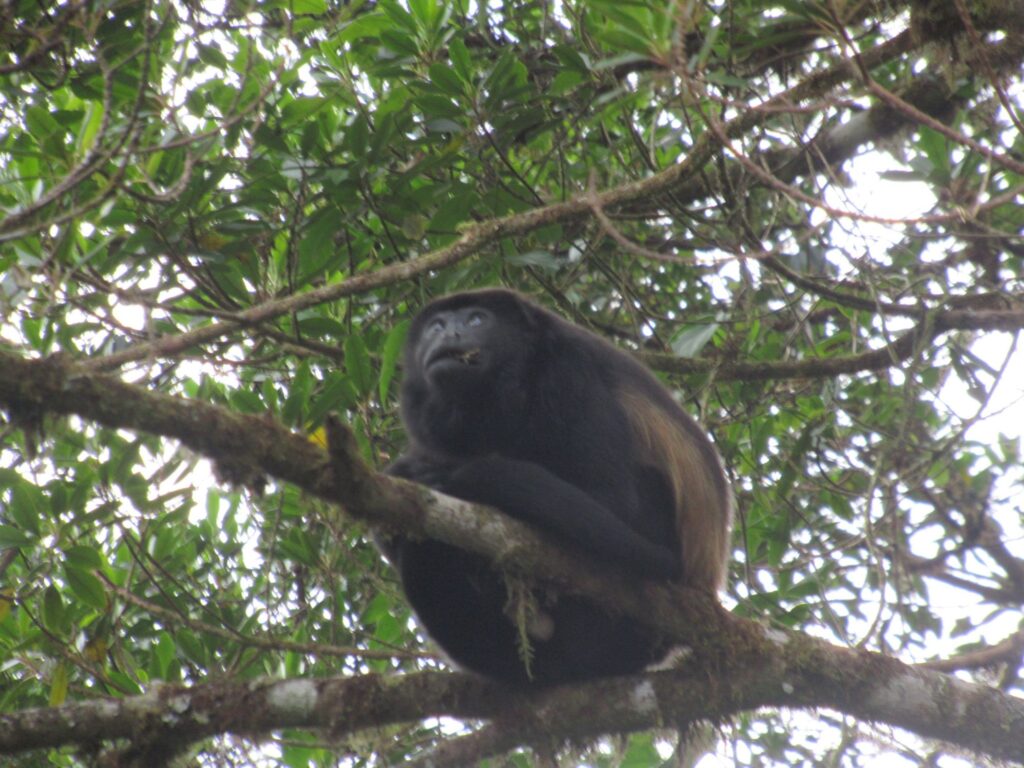
After lunch we walked through the cloud forest traversing eight walkways making up to 2,400 feet in total with heights of up to 240 feet. A fantastic experience and we heard lots of birds, saw a howler monkey and coati. The trees, plants, ferns and flowers were amazing

The longest of the walkways

Manuel telling us about the plants

The howler monkey

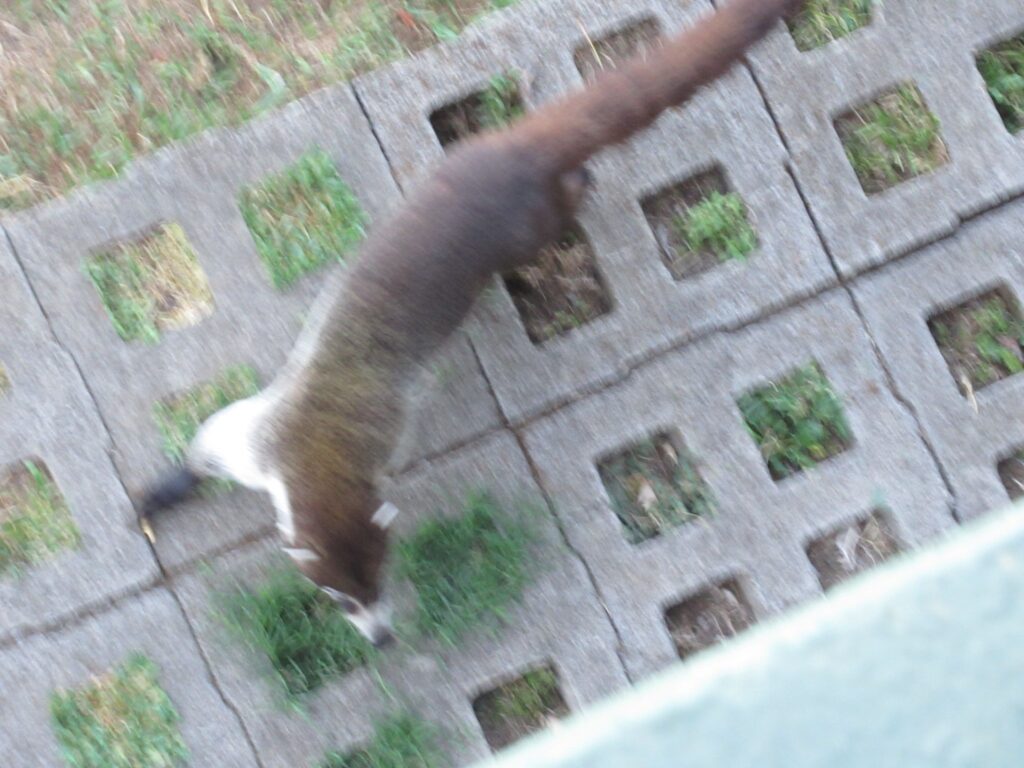
The coati

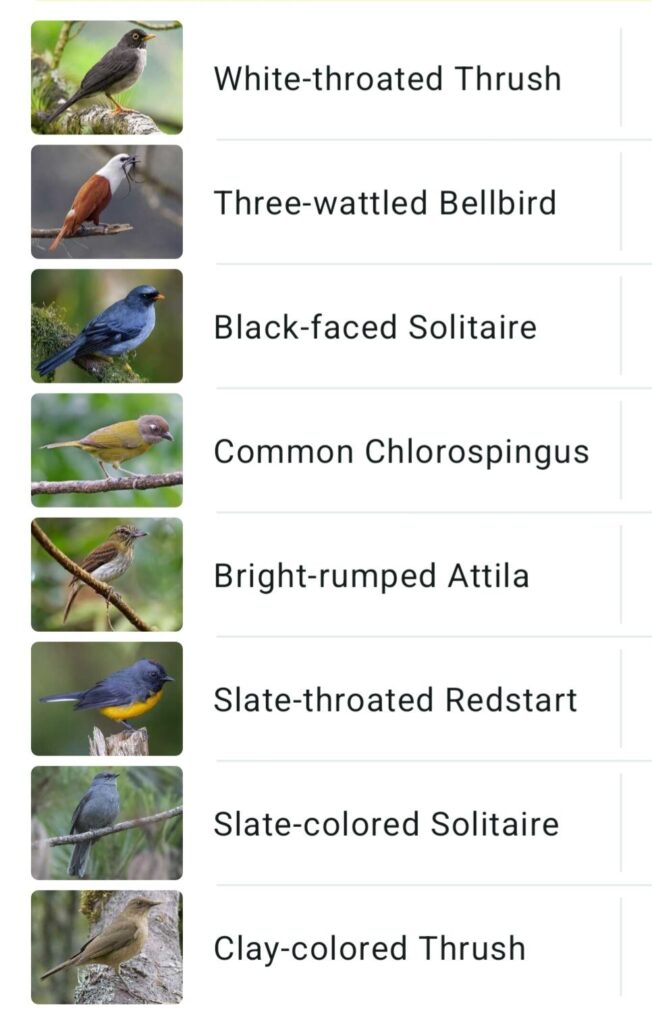
Some of the birds we heard

Monteverde is a cloud forest reserve and covers 26,000 acres, 2,500 species of plants, 400 species of birds and 100 species of mammals.

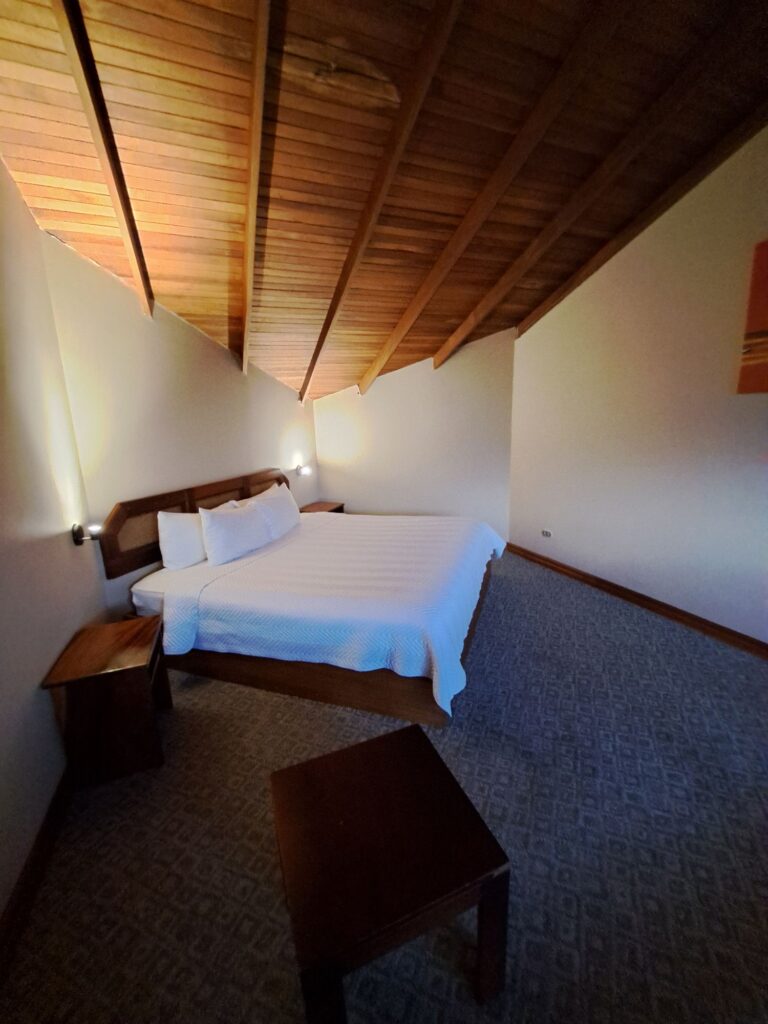
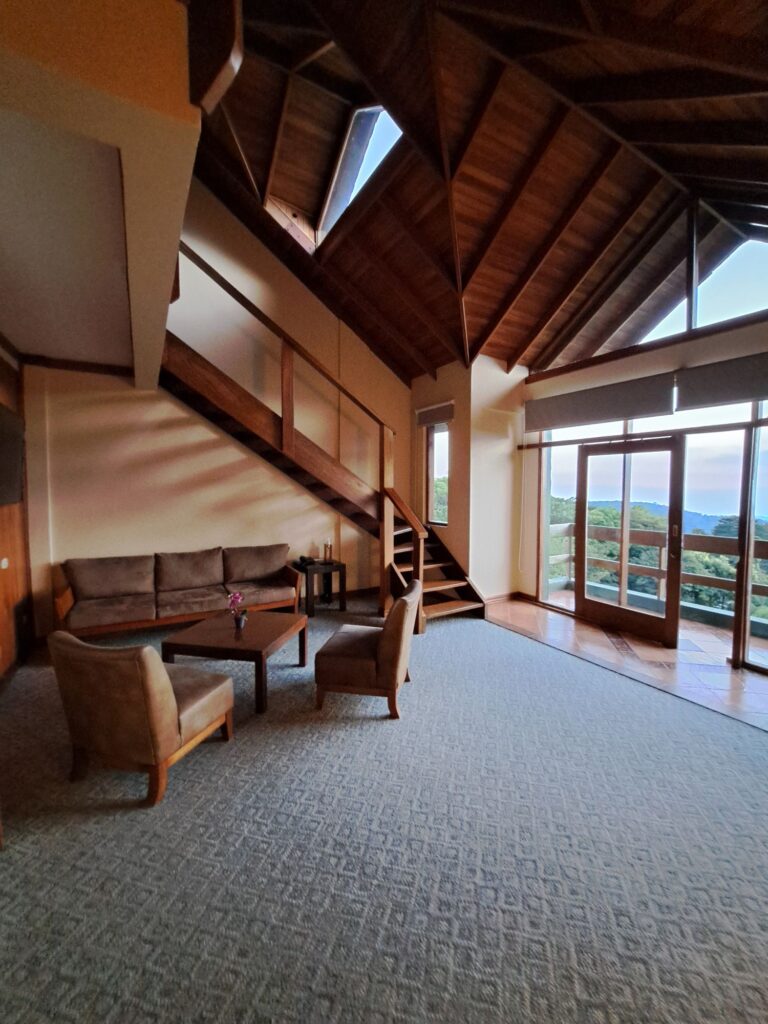
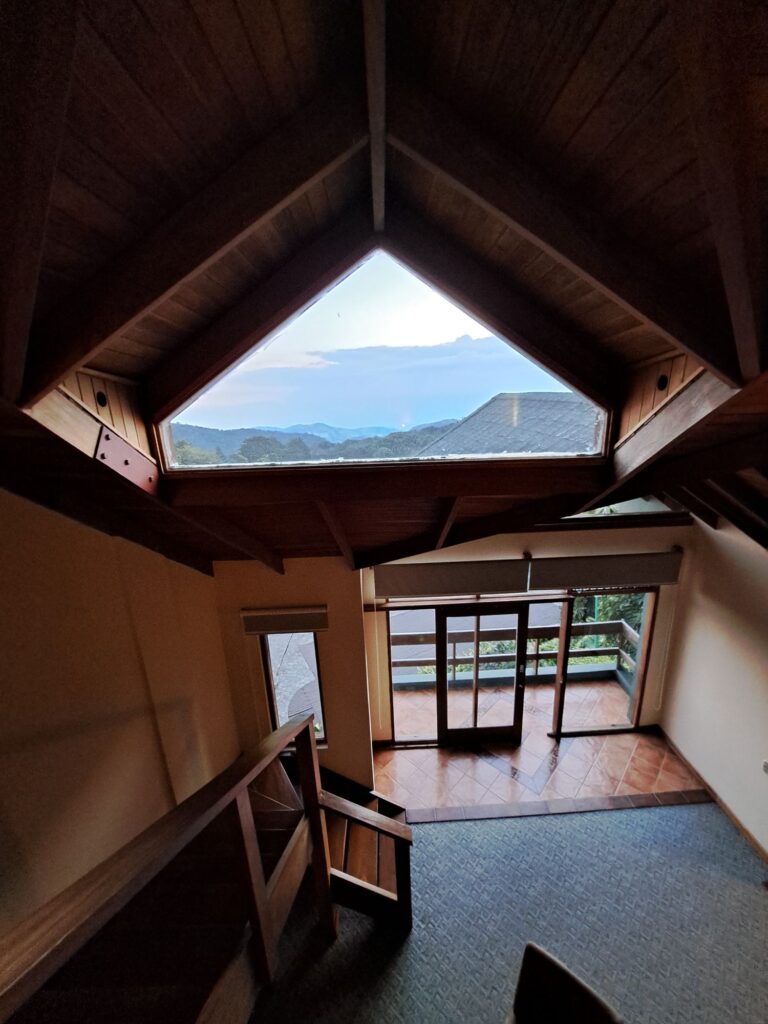
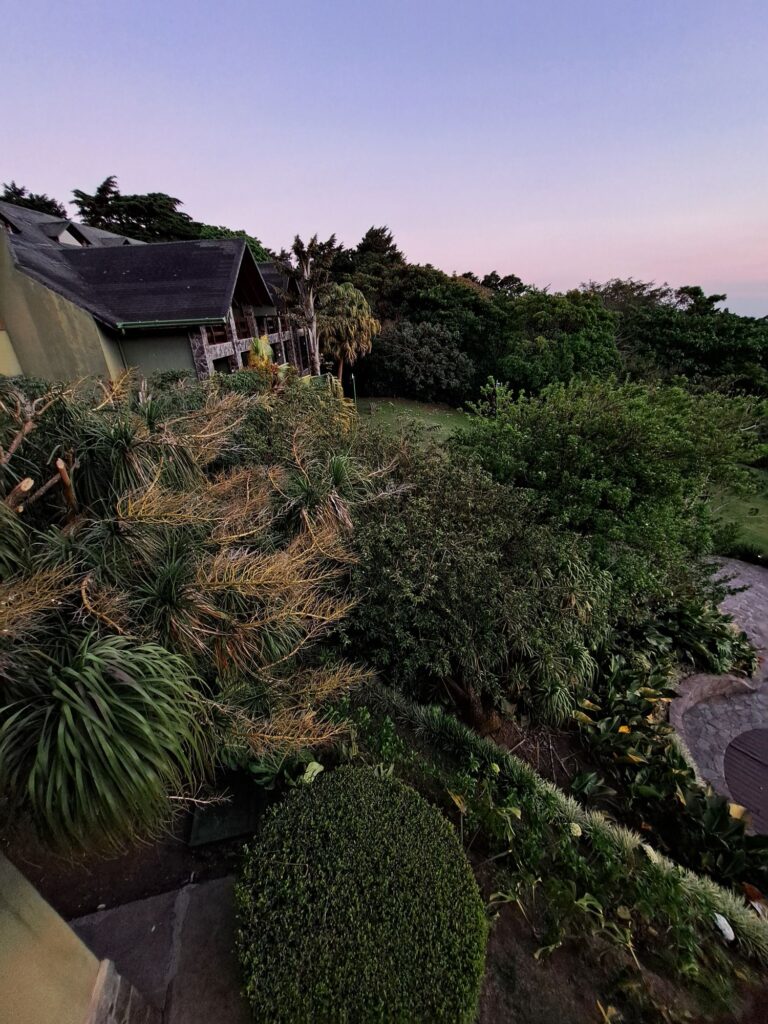
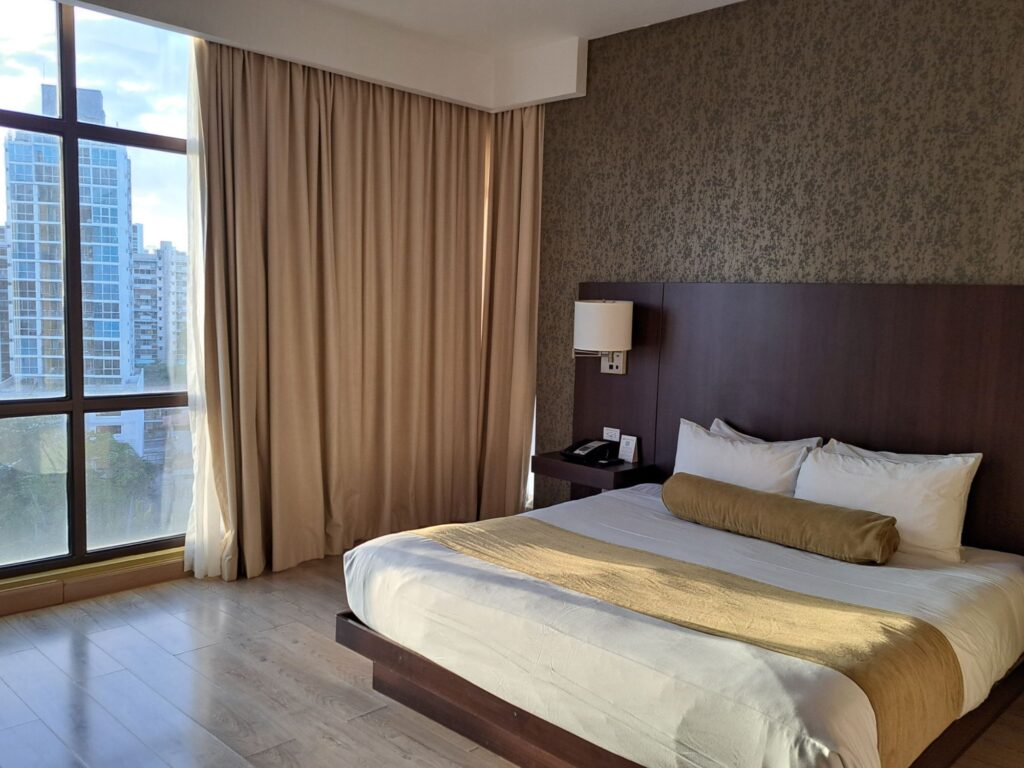
Arrived at our hotel just as the sun was setting. A two tier room with a pretty decent view from the balcony.

Panama to San Jose, Costa Rica

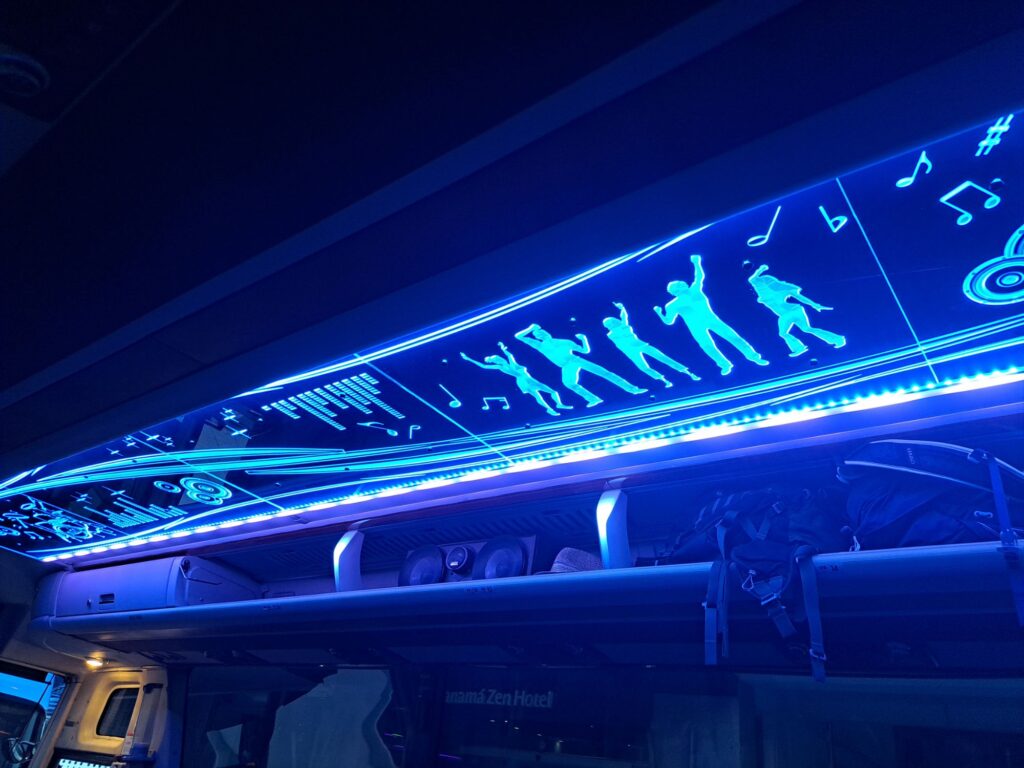
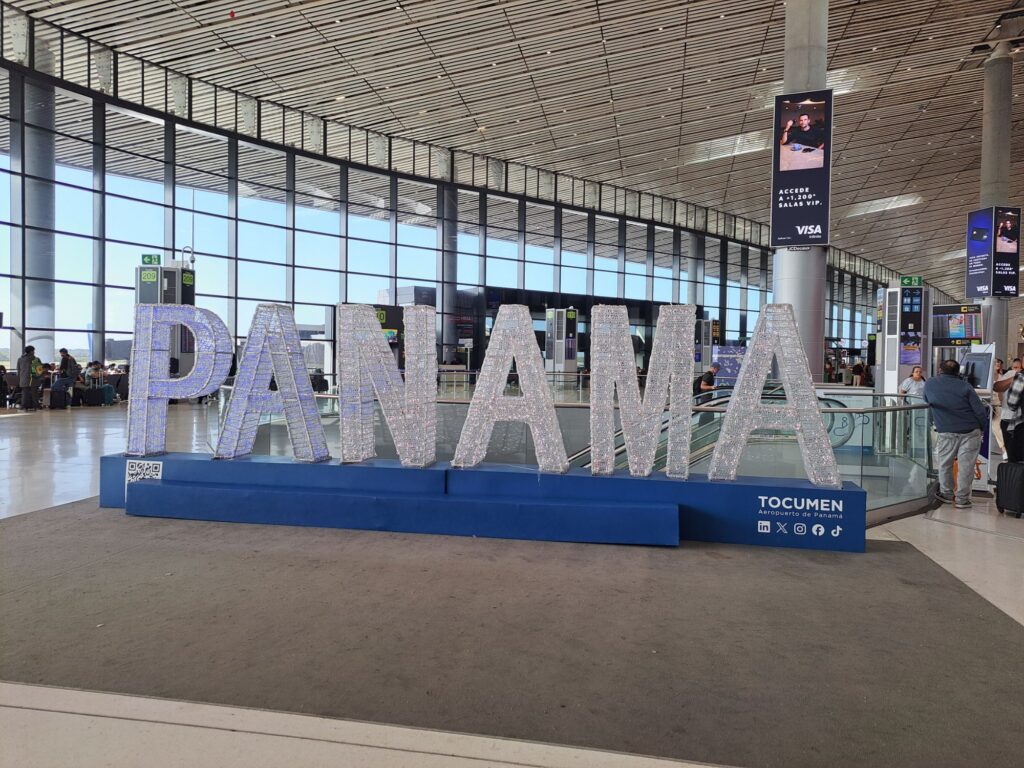
Farewell to Panama City, its been an interesting visit.  At the airport for the short flight to San Jose, the capital of Costa Rica. I think we got the party bus back to the airport!

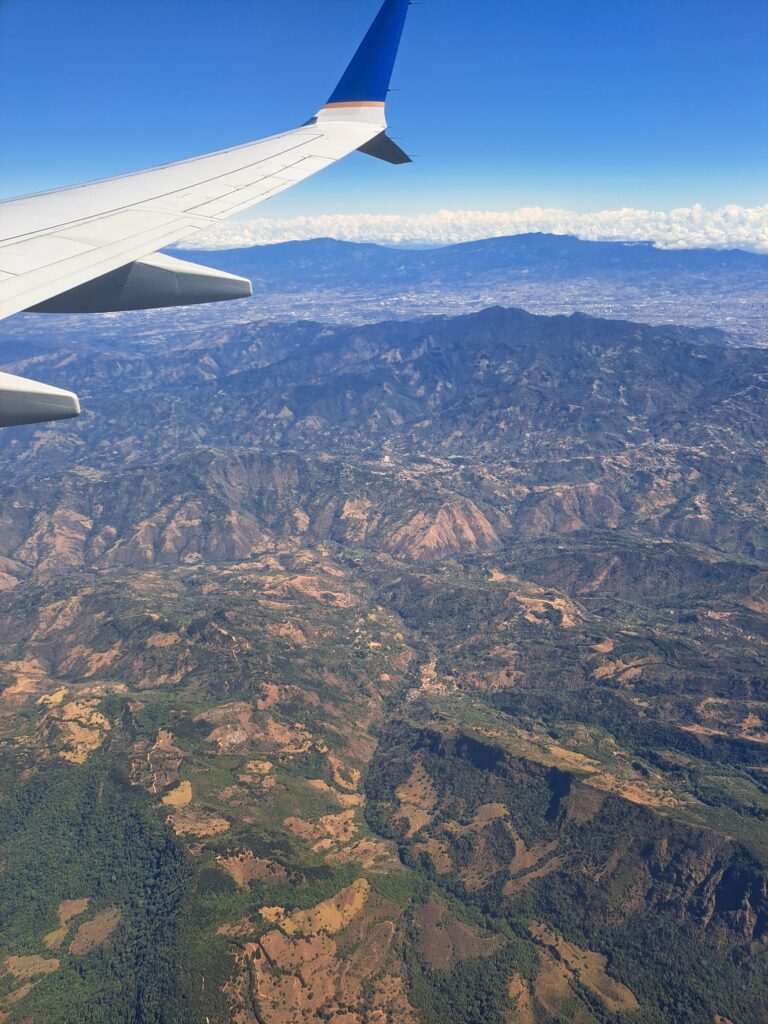
Flying into Costa Rica it was easy to see how mountainous it is

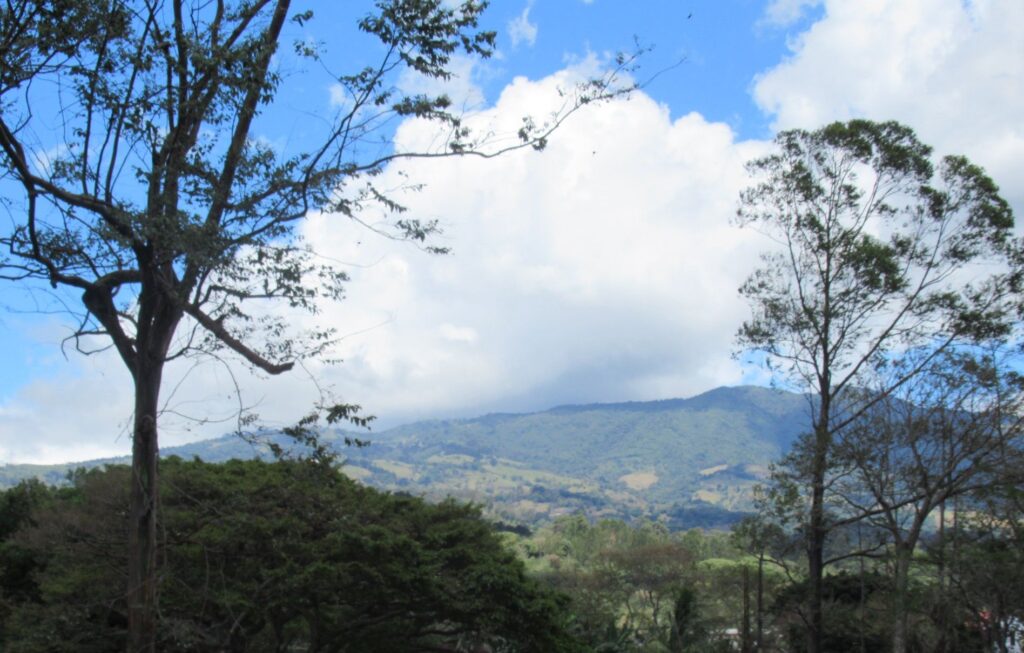
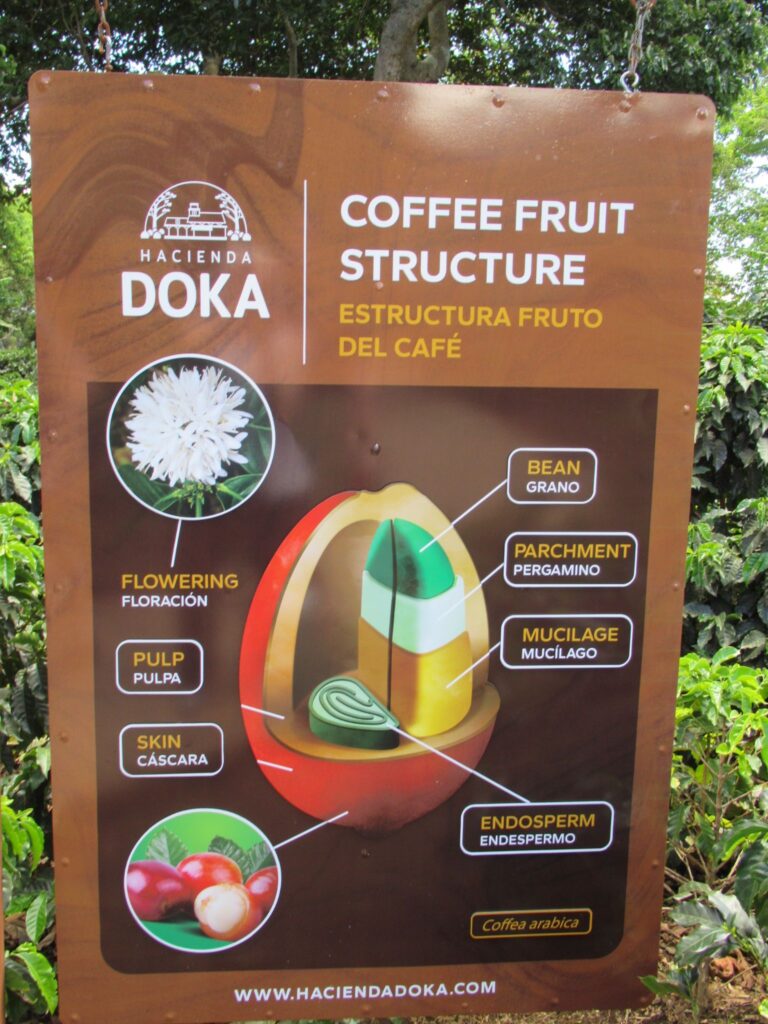
Before checking into the hotel we had a trip into the hills to the Doka Estate coffee plantation where we learned the cultivation of the plants, harvesting and roasting.  The estate lies on the slopes of the Poas Volcano making the soil especially good.

The Poas volcano emitting smoke

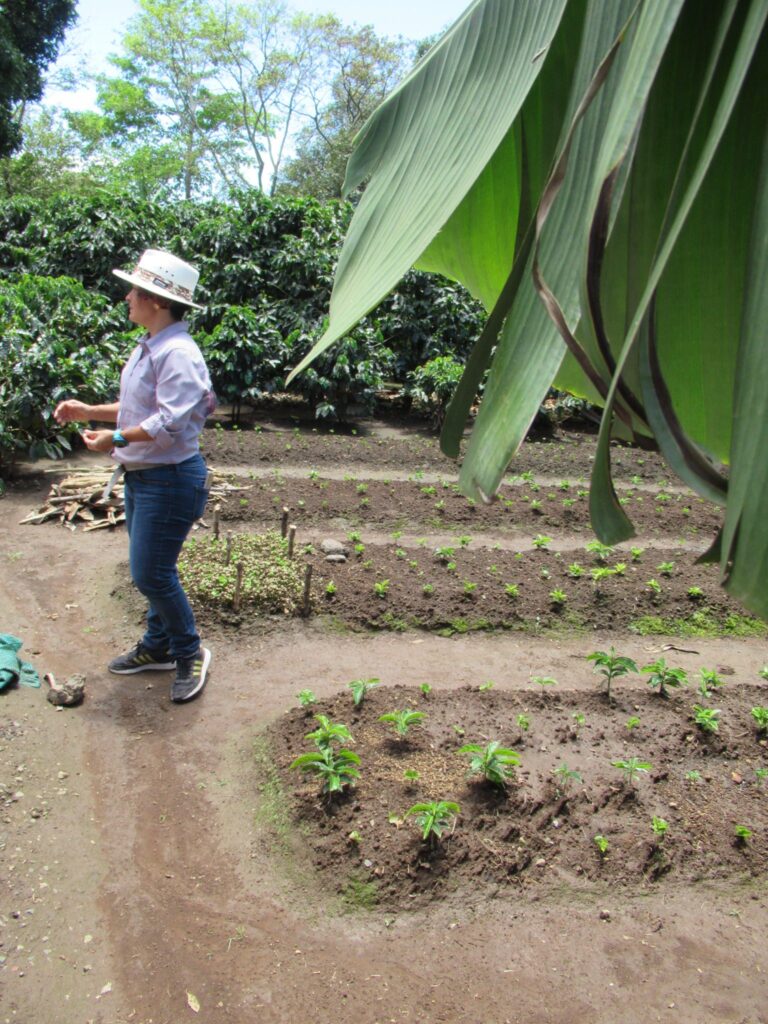
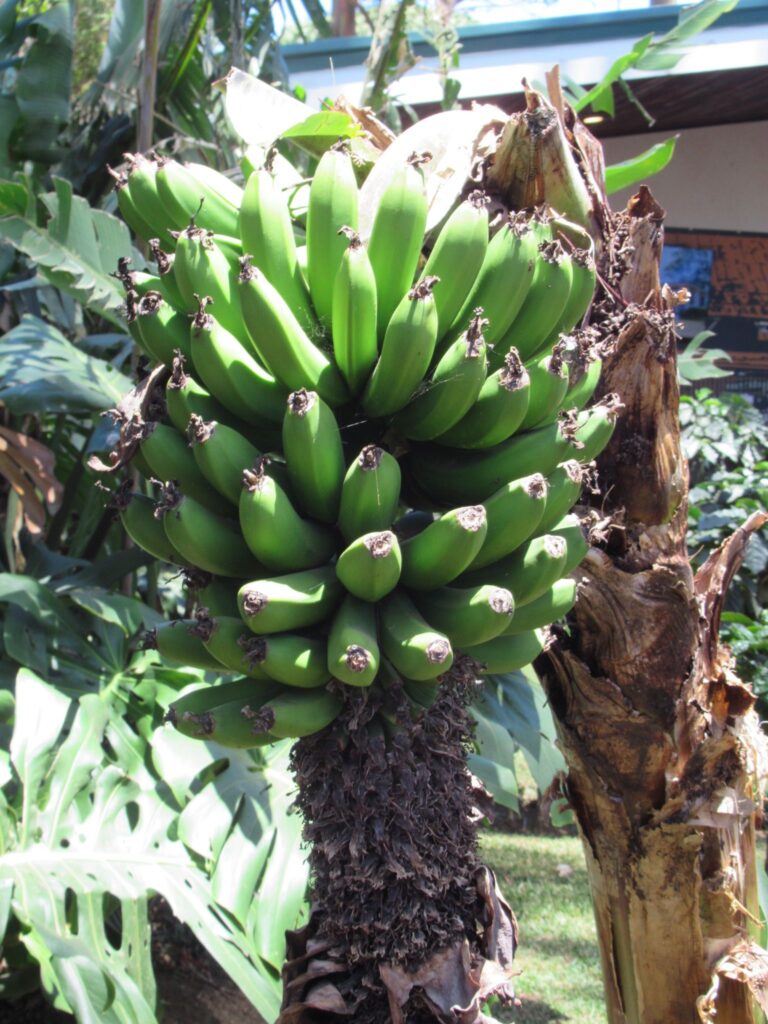
The coffee plants take a year to be big enough to be planted in rows on the estate then another three years before they yield flowers which become beans, when the beans are ripe they turn red/orange and are called cherries.

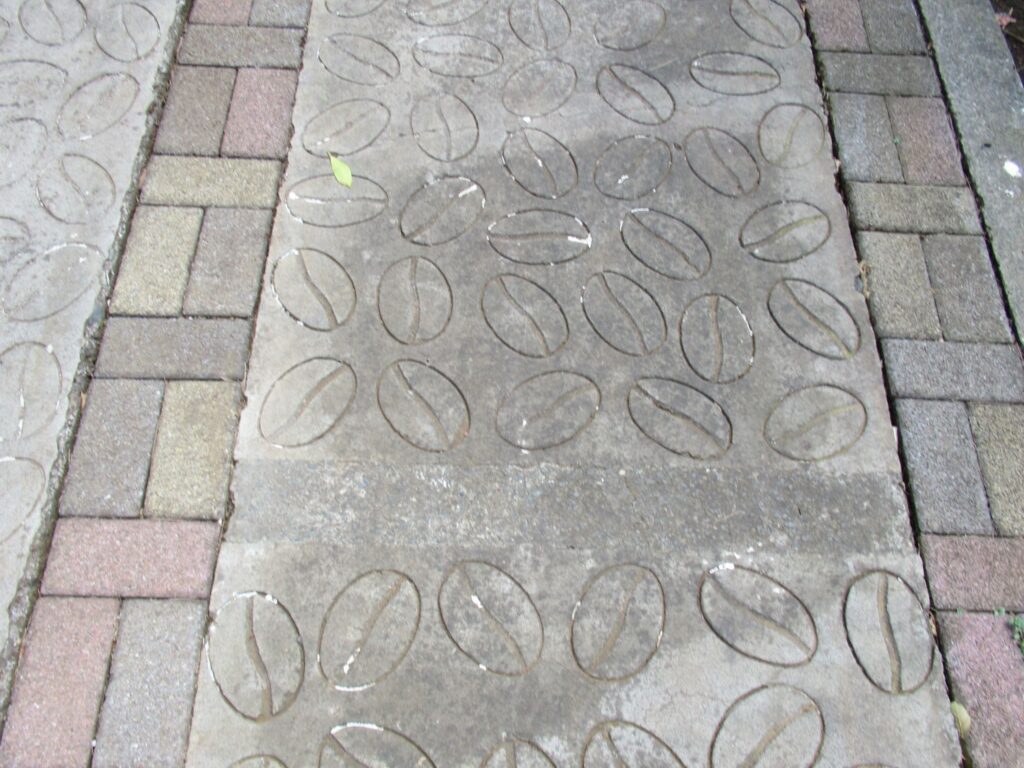
The paths on the estate

The plants in the nursery

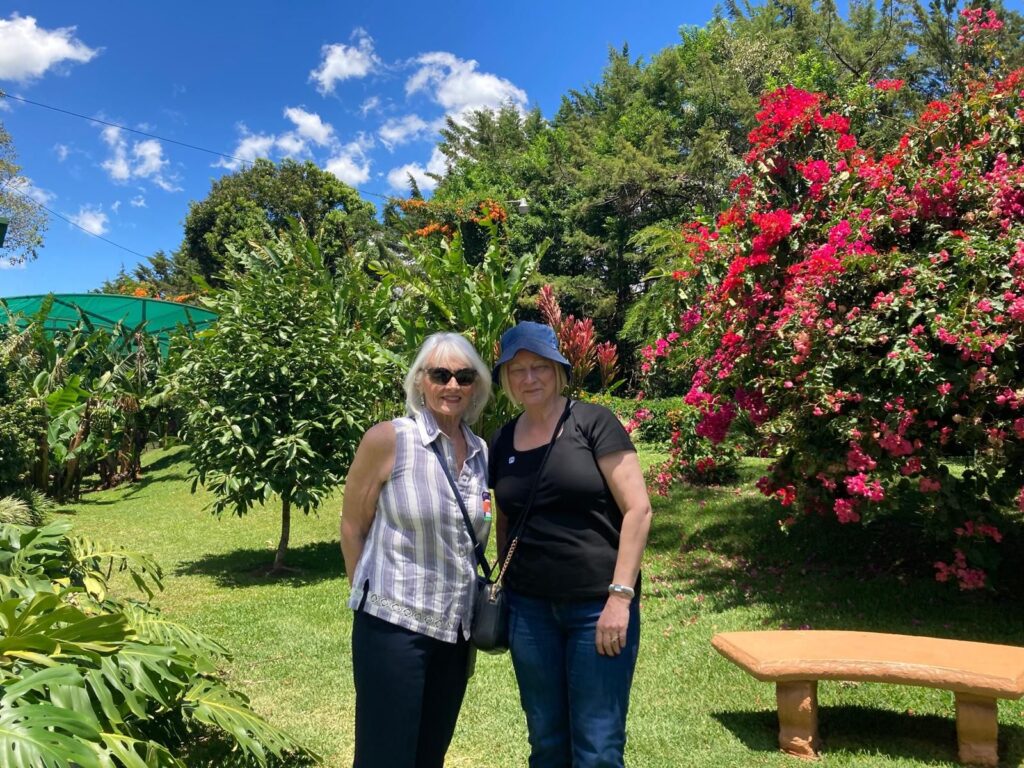
Two Yorkshire lasses

The coffee bean is multi layered and from harvesting goes through many processes.

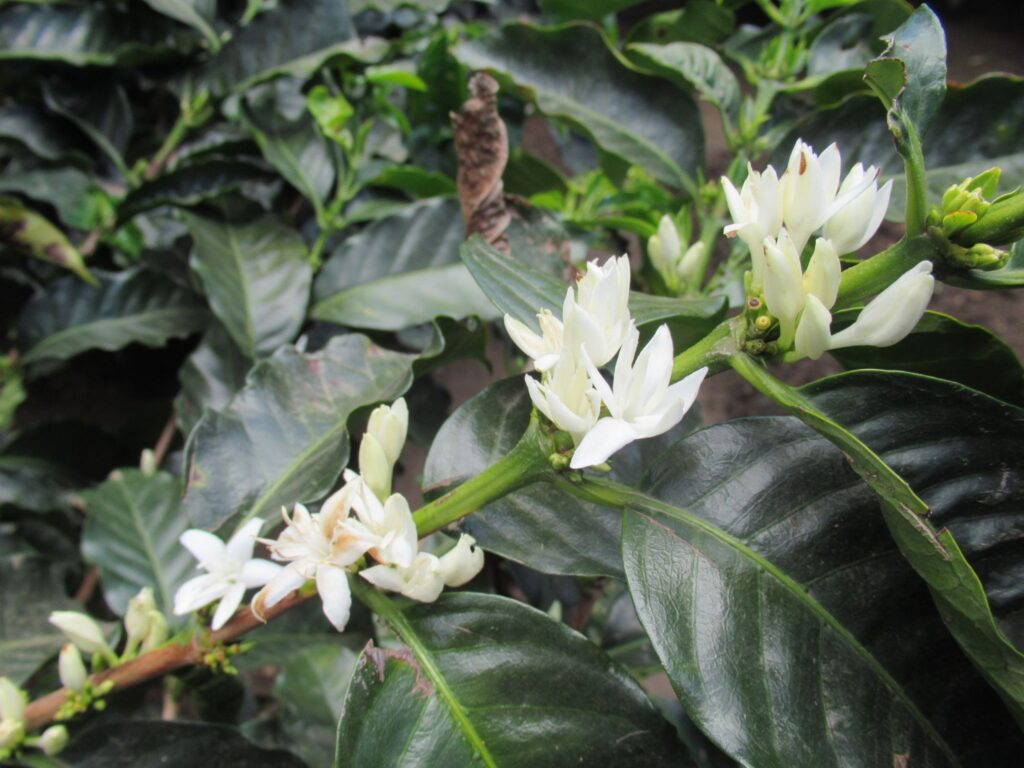
The flowers of the coffee bush

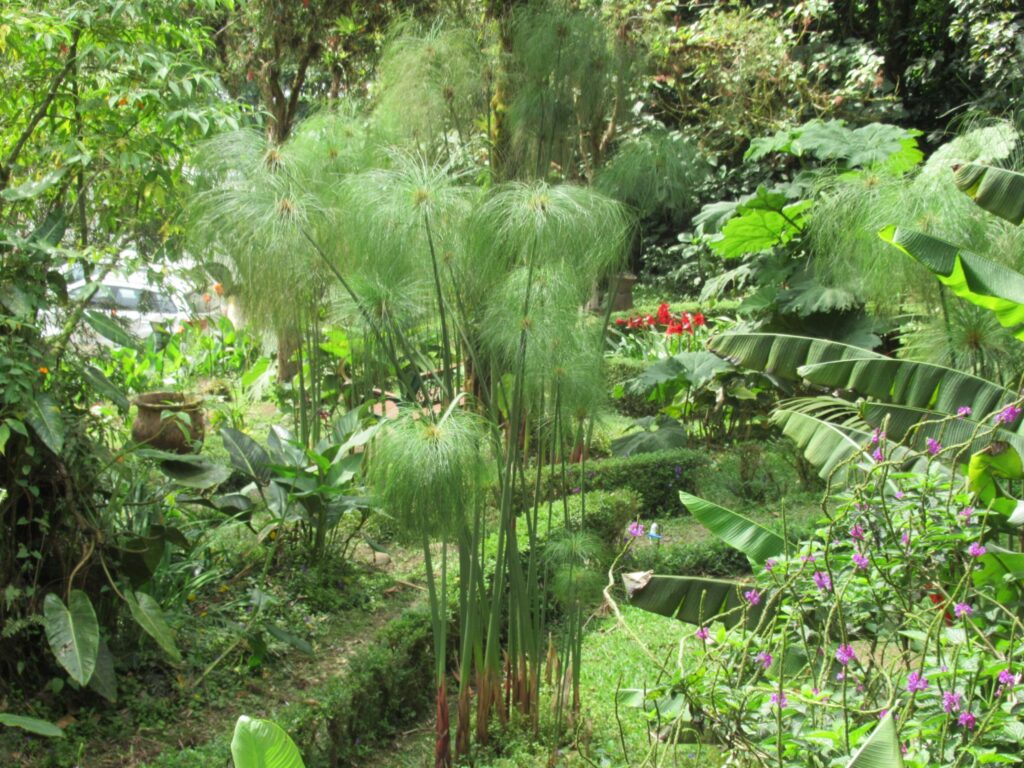
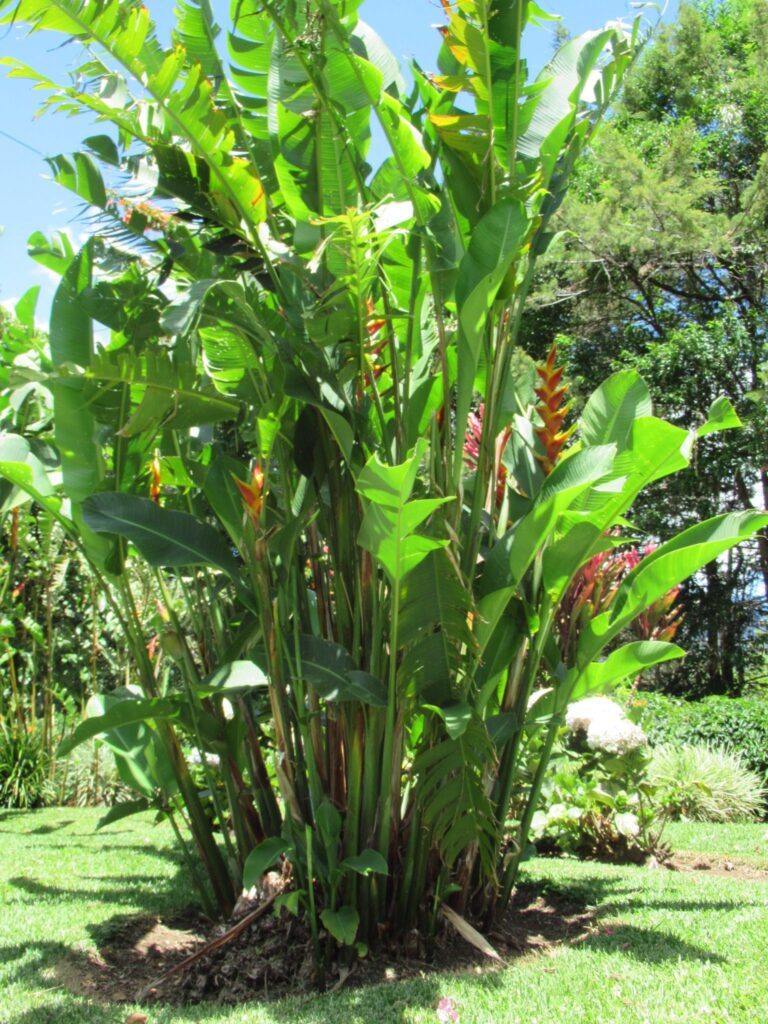
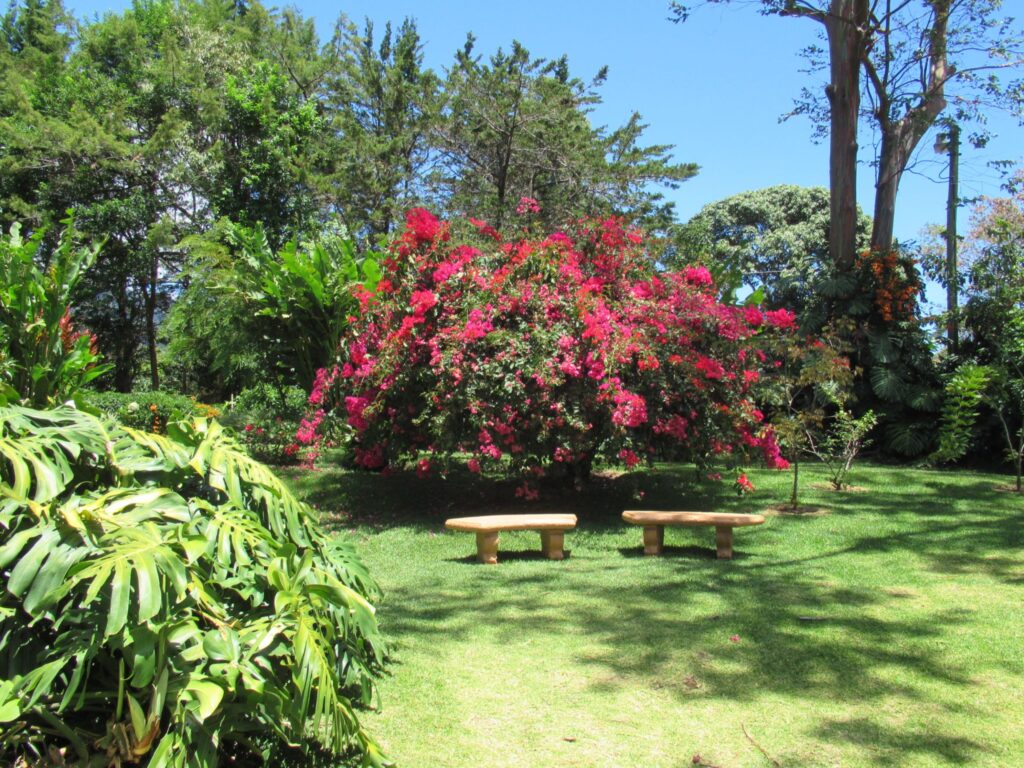
The estate is set in lush gardens with the sounds of many different birds

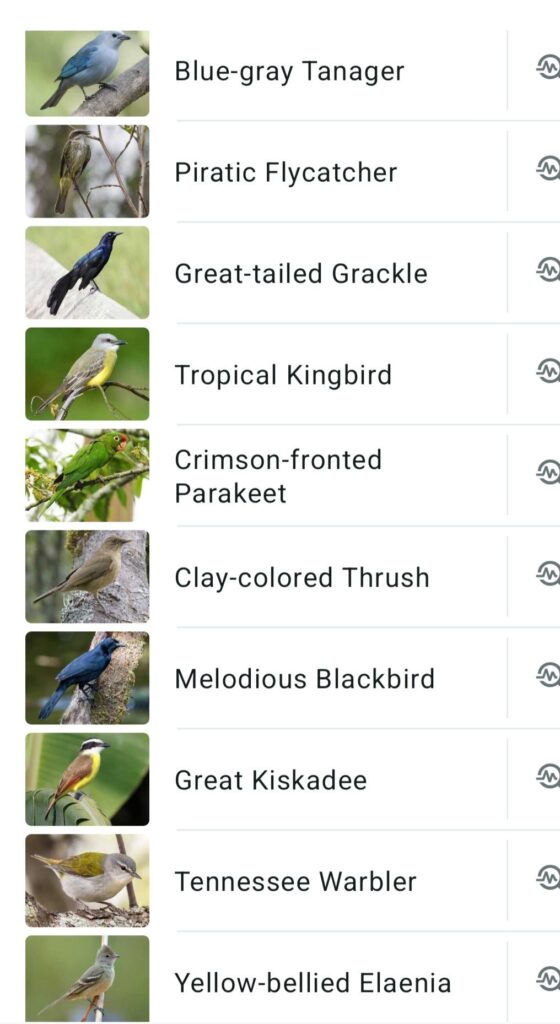
These are just some of the birds we heard

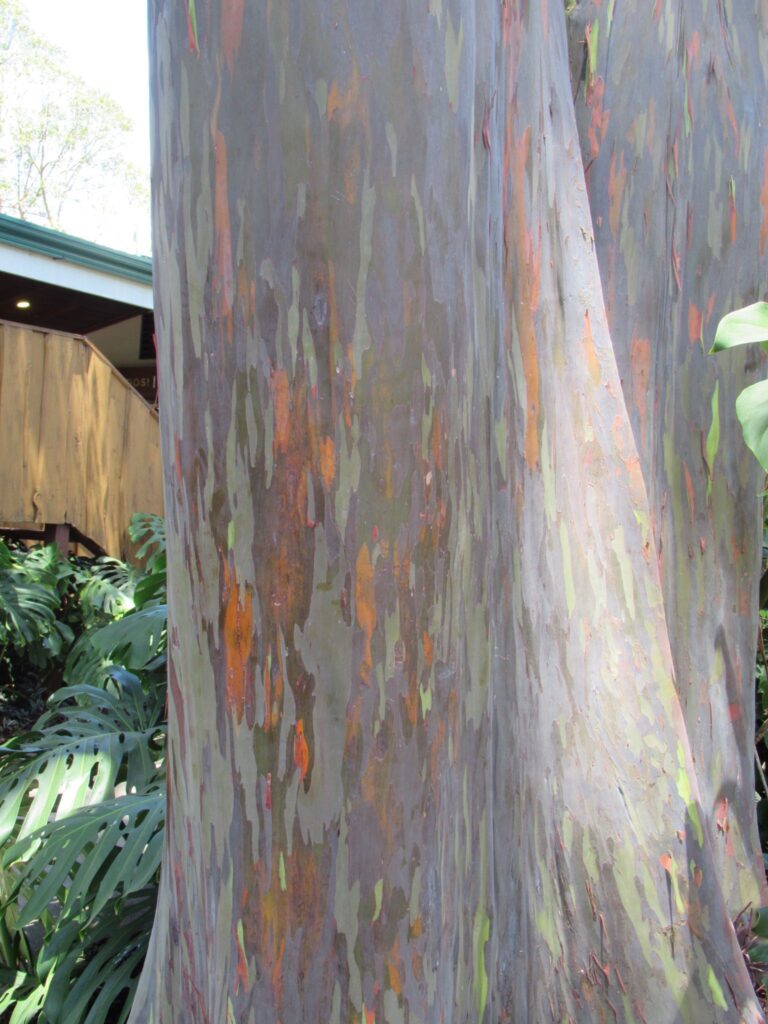
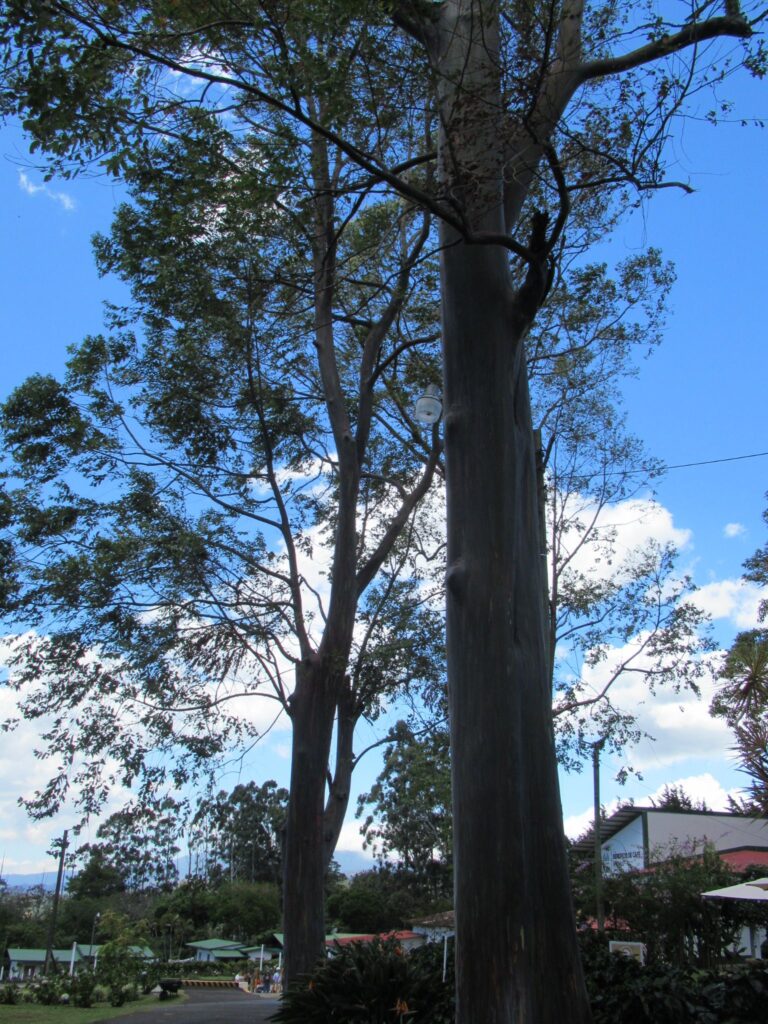
The bark of the rainbow eucalyptus

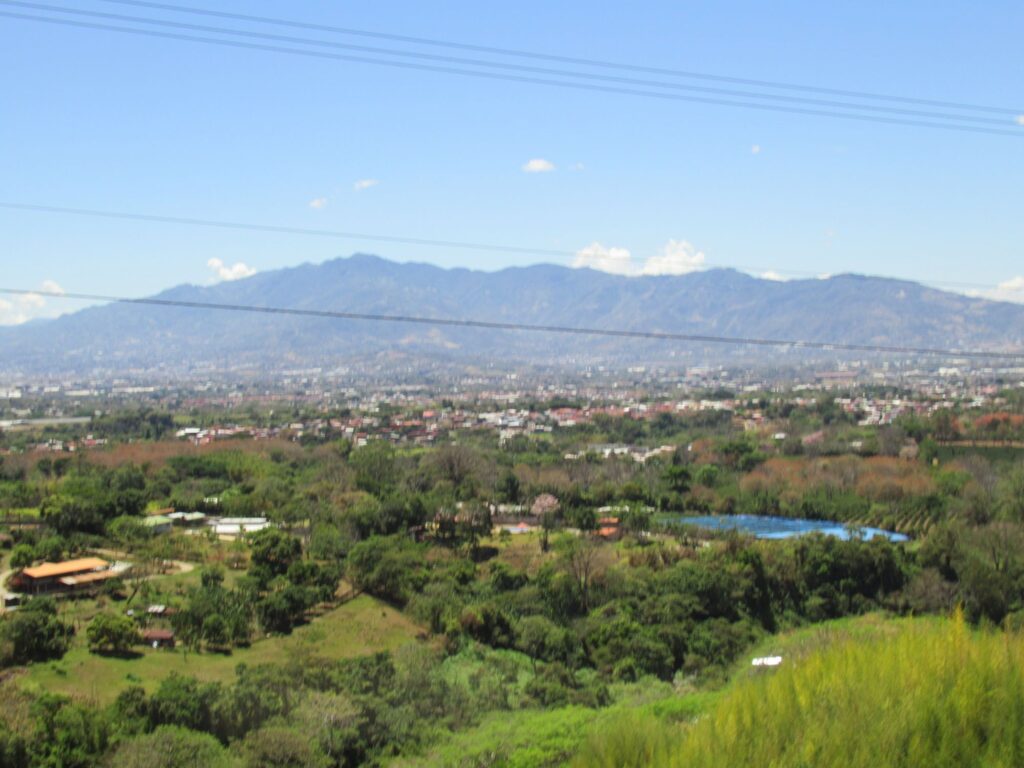
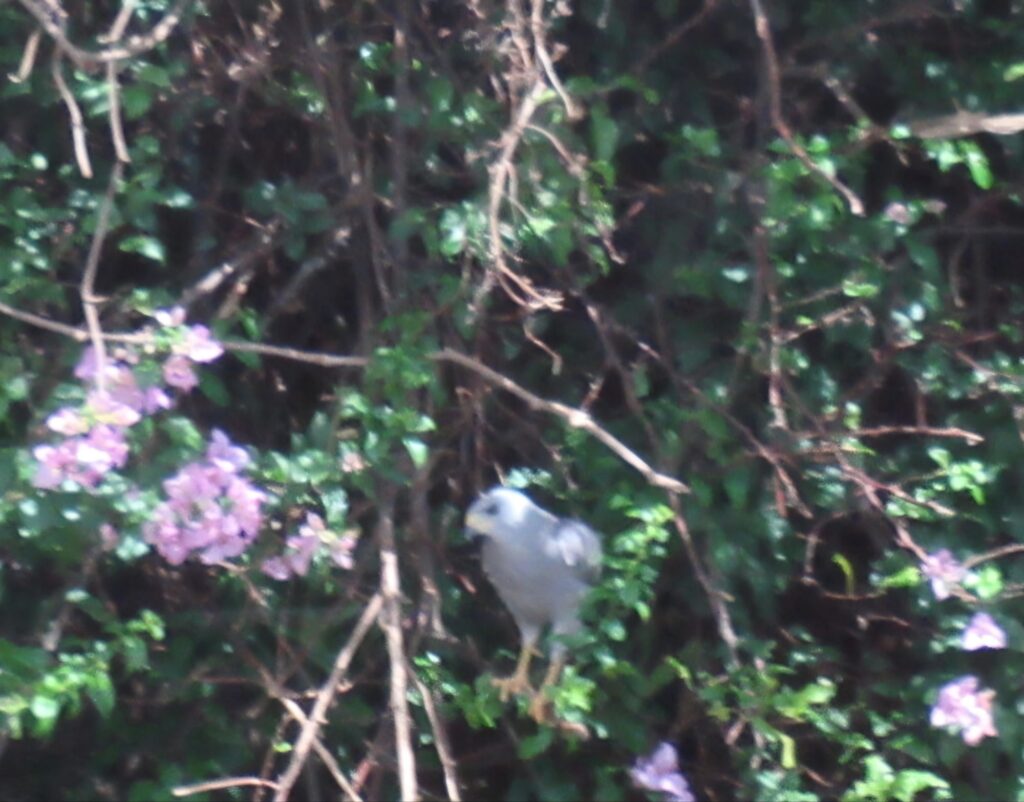
The view over the valley was pretty good and on the way back our driver spotted a grey falcon in the bush

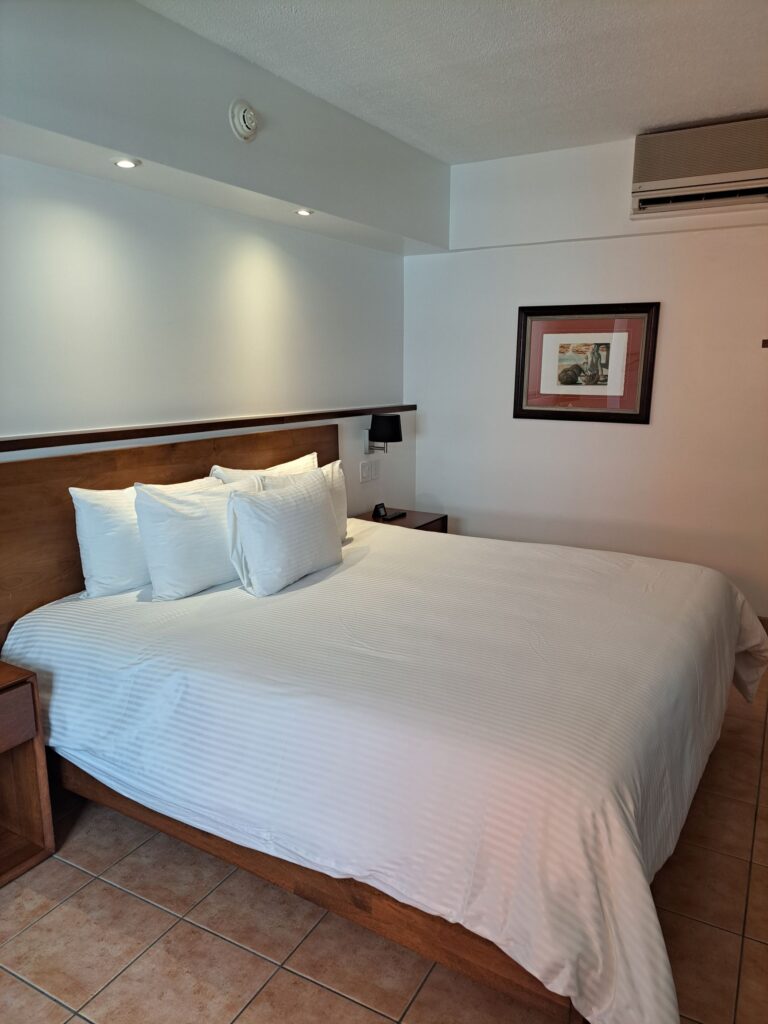
Then onto San Jose for just one night,  Hotel Presidente a charming boutique hotel in the centre of town

Around San Jose

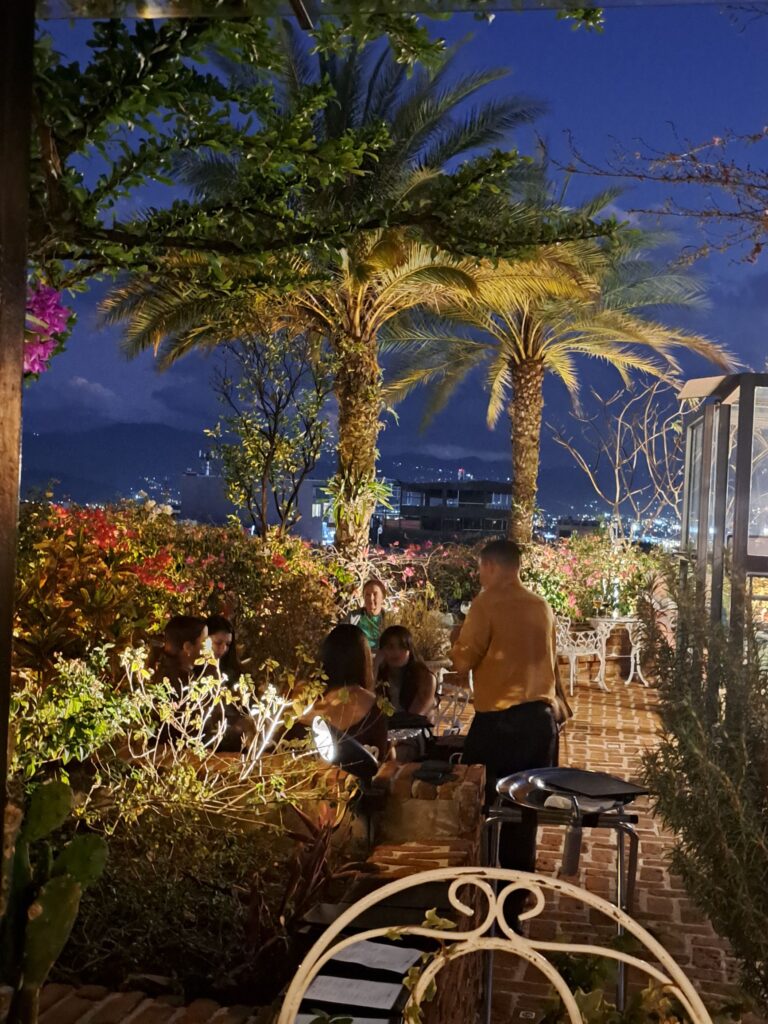
Not particularly impressed with San Jose but the hotel’s restaurant and bar was a little oasis.

Panama Canal

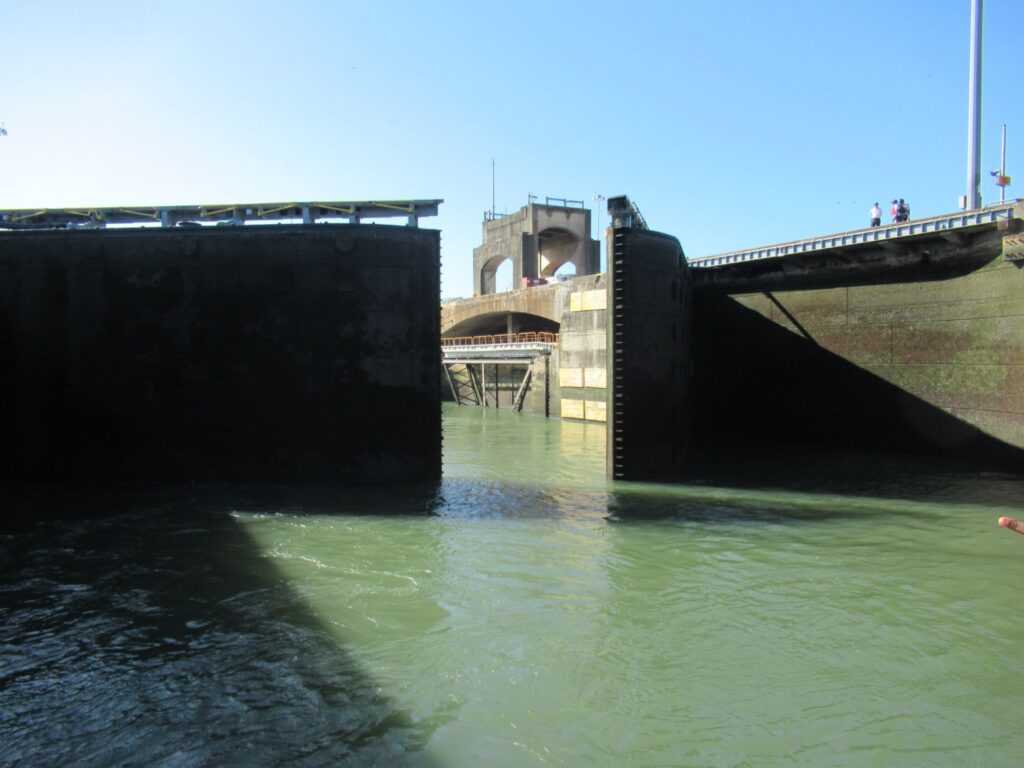
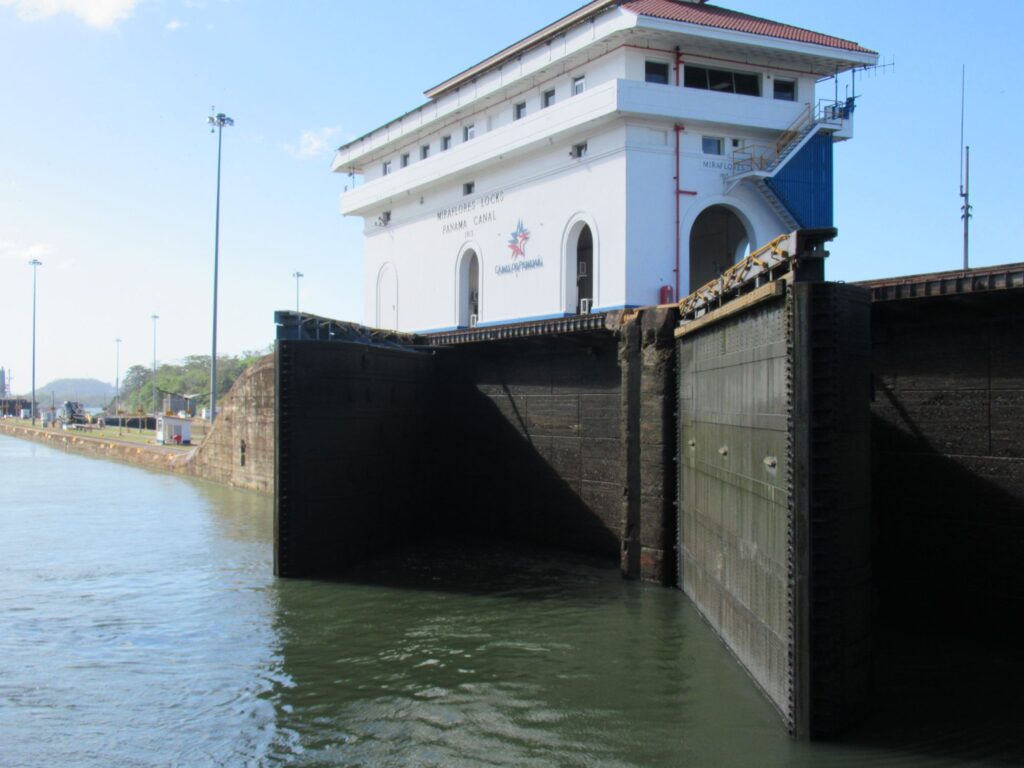
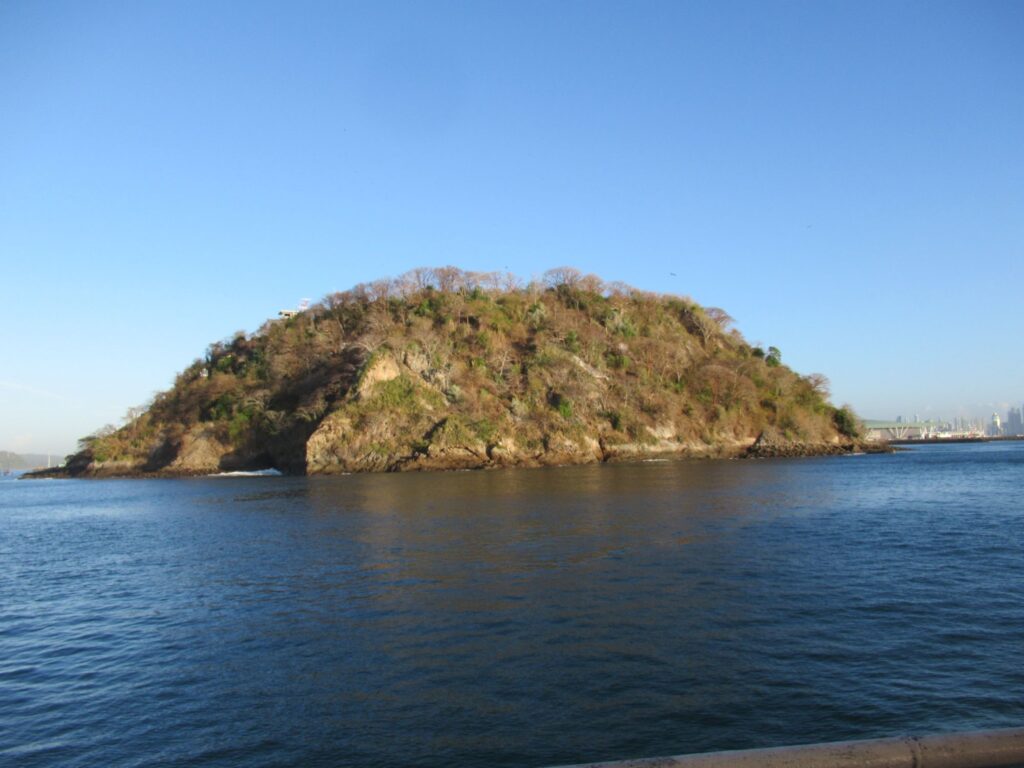
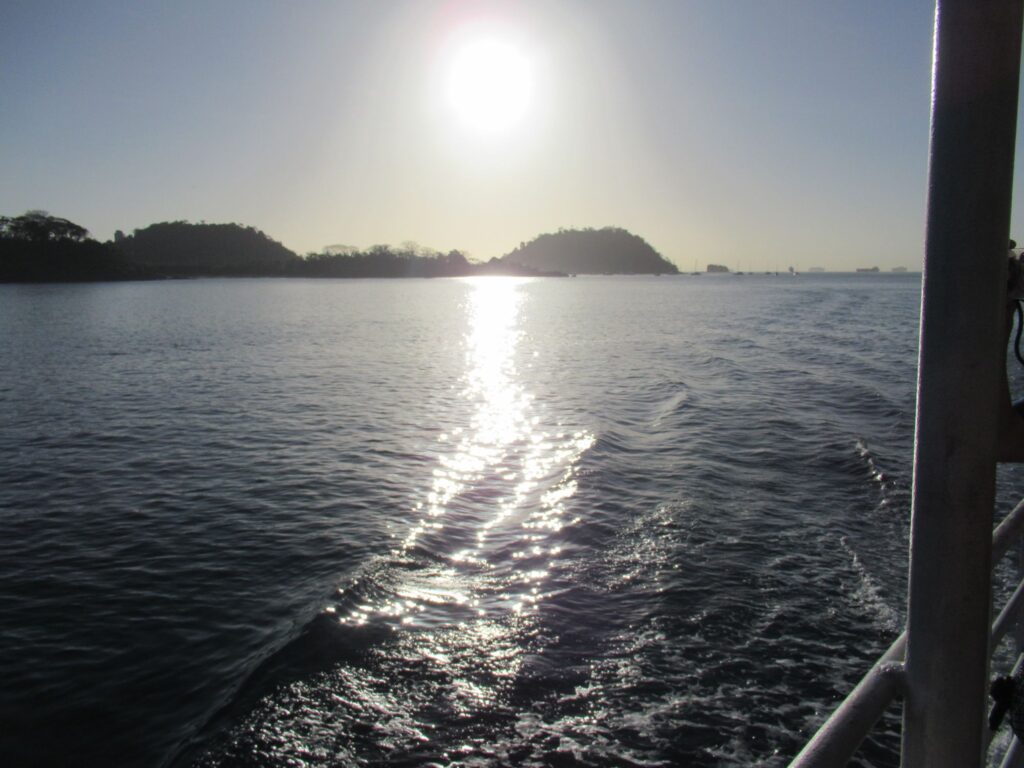
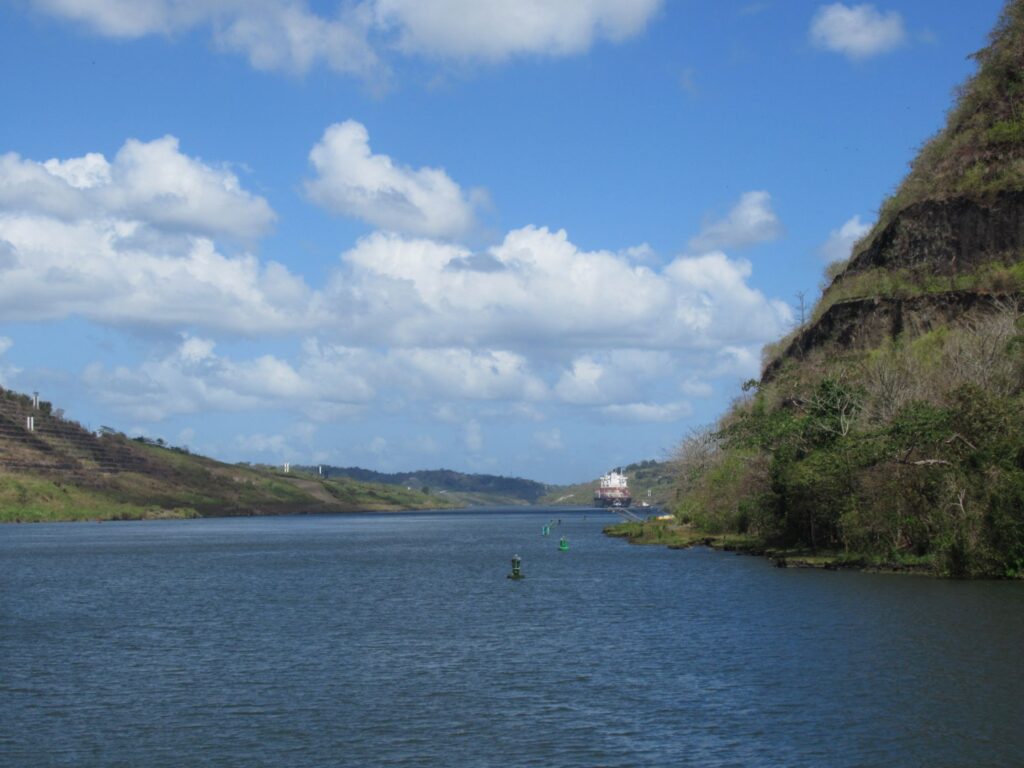
Today we had an early morning partial transit of the Panama Canal which took about four hours and took us through three locks

Extending 51 miles from Panama City to Port of Colon, it connects the Pacific Ocean with the Caribbean Sea and is the world’s most strategic waterway.

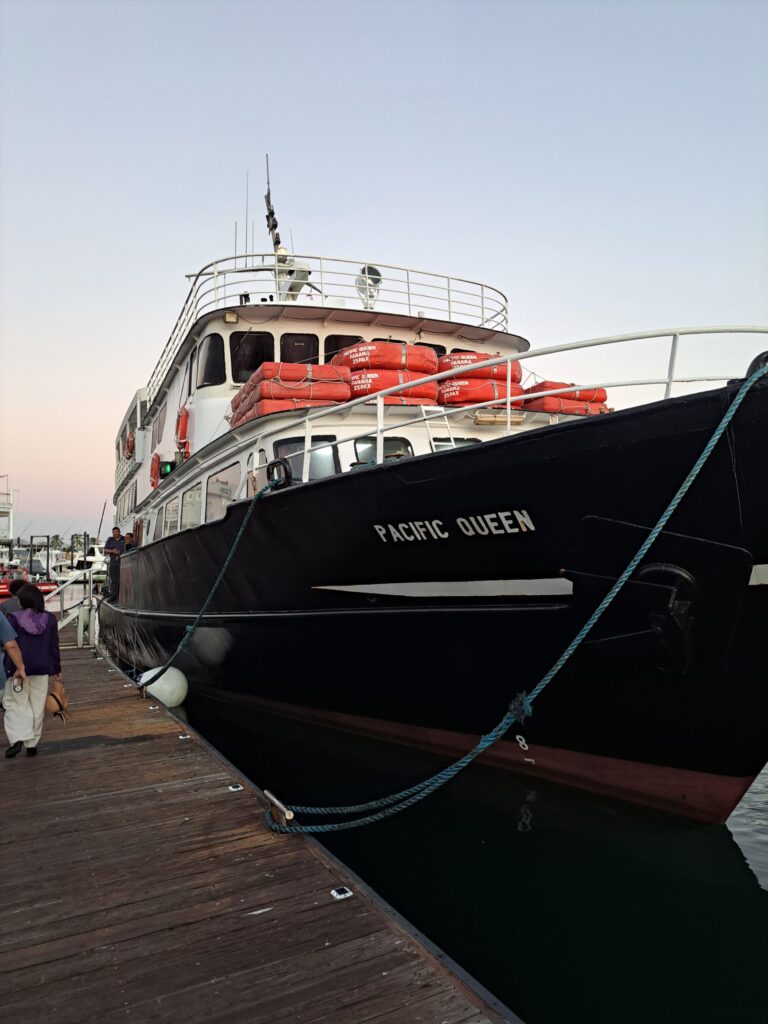
Our ship for the transit. The Pacific Queen.

Some interesting facts:

Each lock gate weighs 700 tons

The locks lift boats 26 meters to Lake Gatun.

There are no pumps, the locks work on gravity

92 nationalities we’re involved in its construction

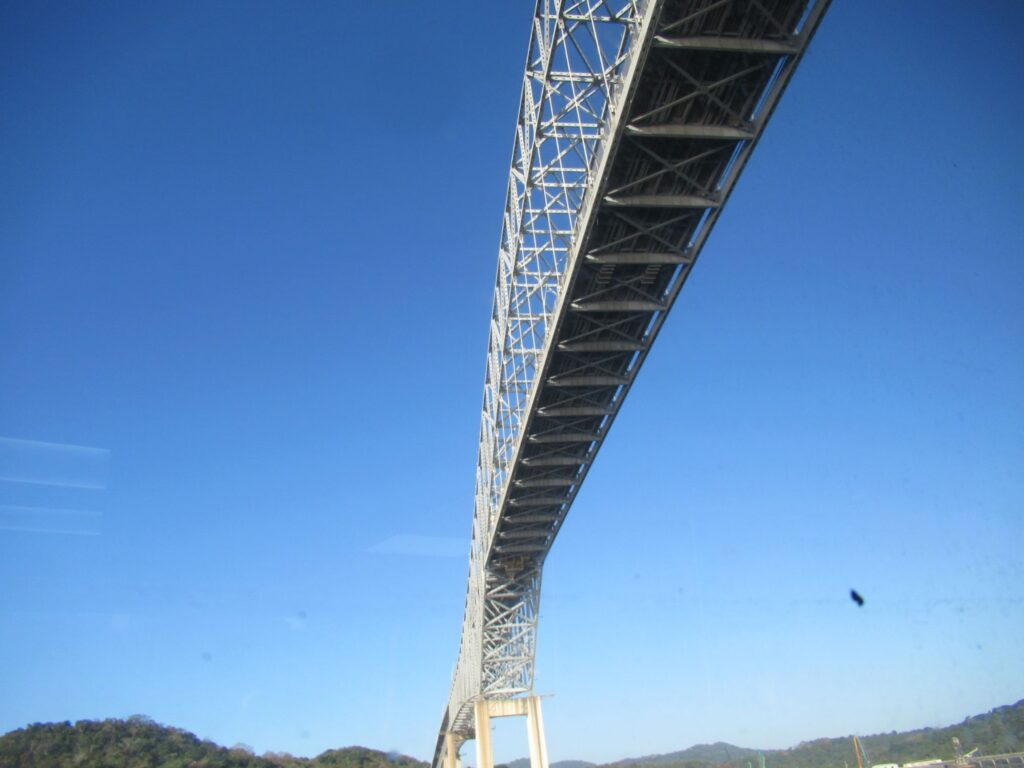
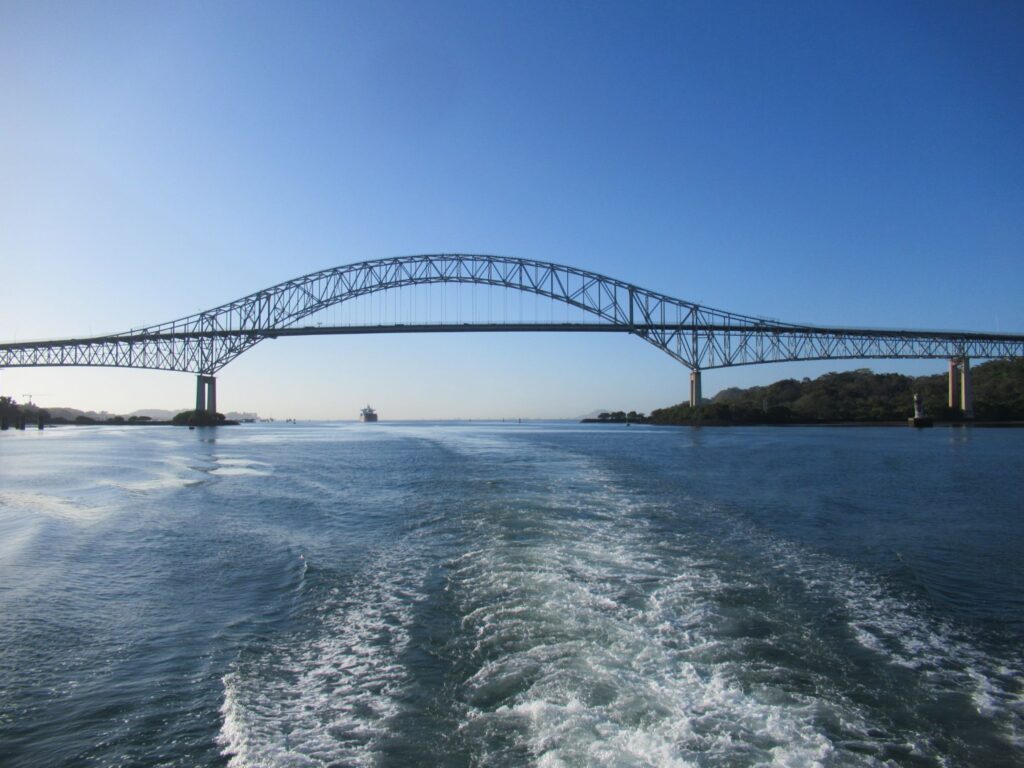
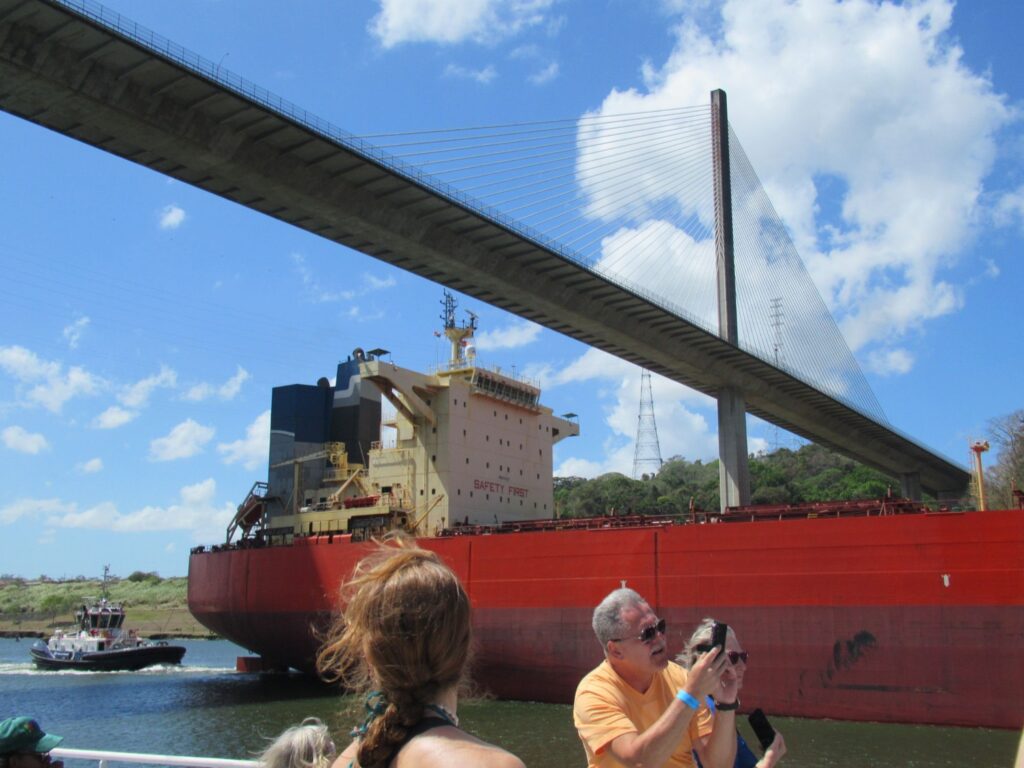
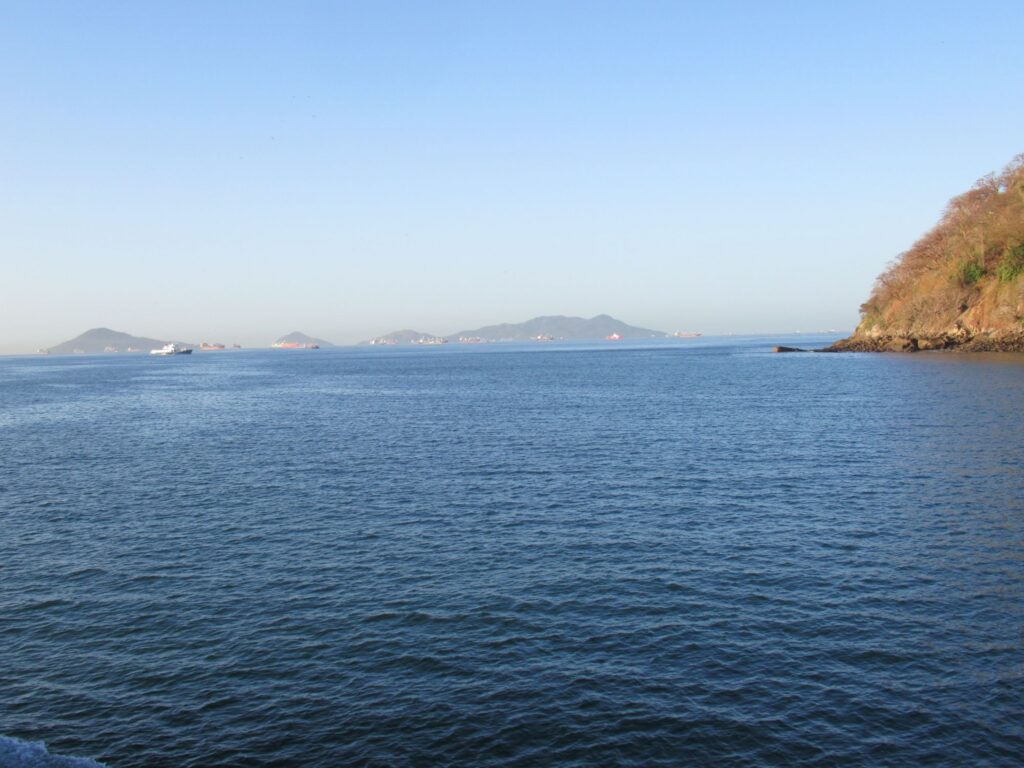
Sailing under the Bridge of the Americas

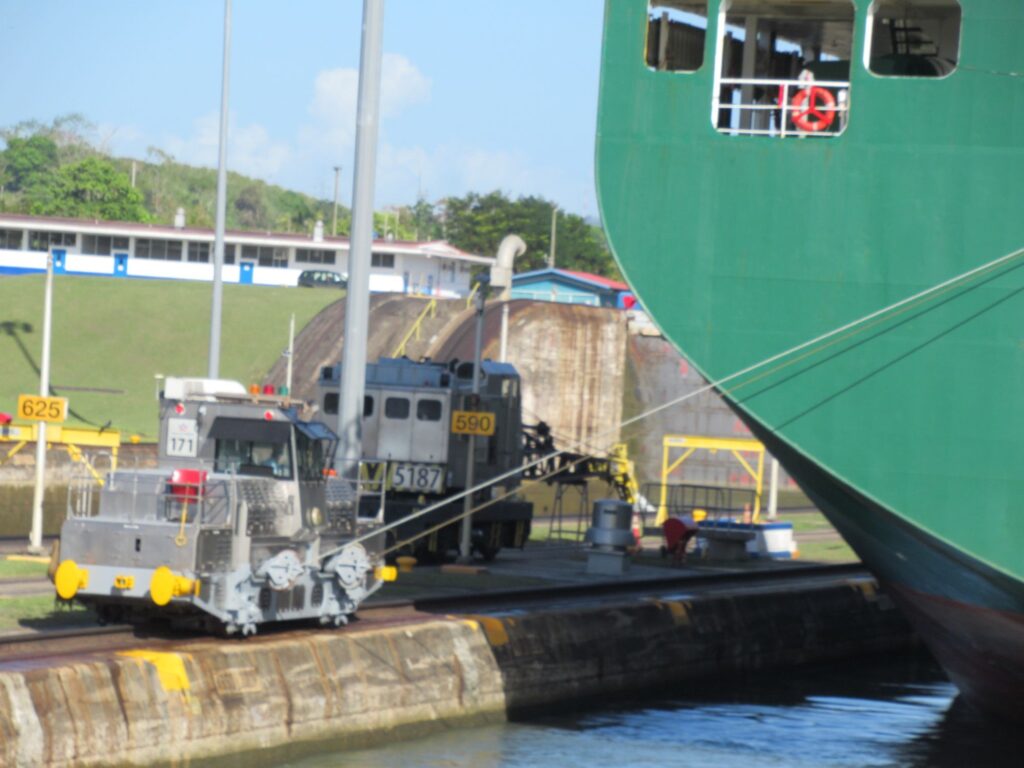
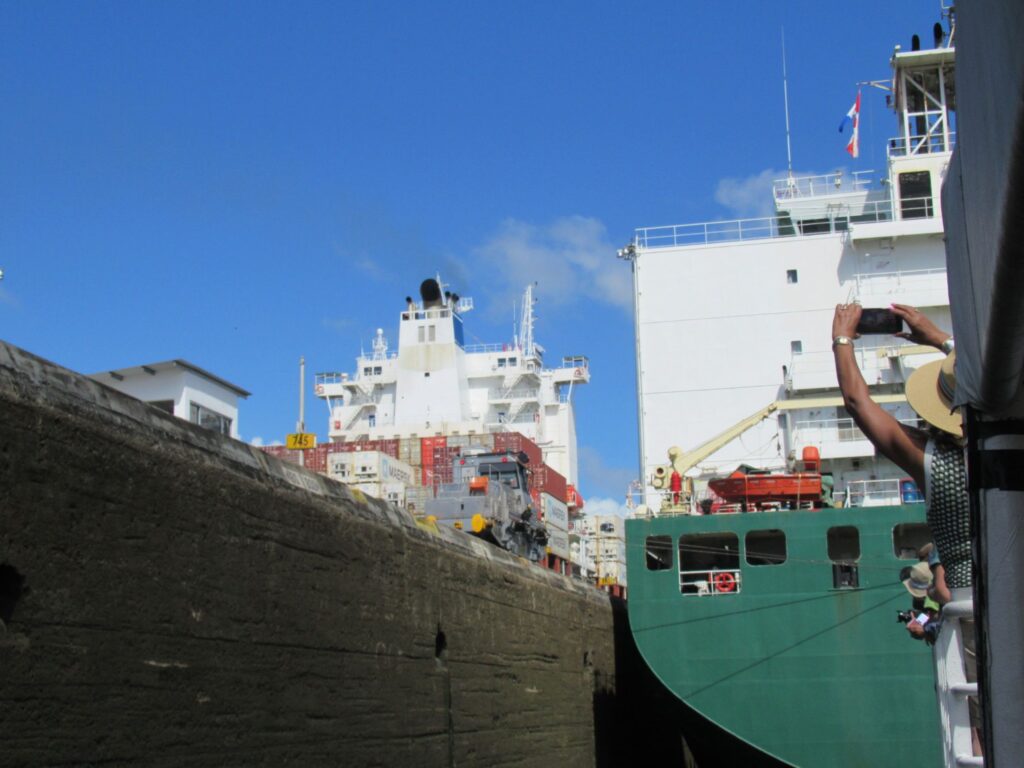
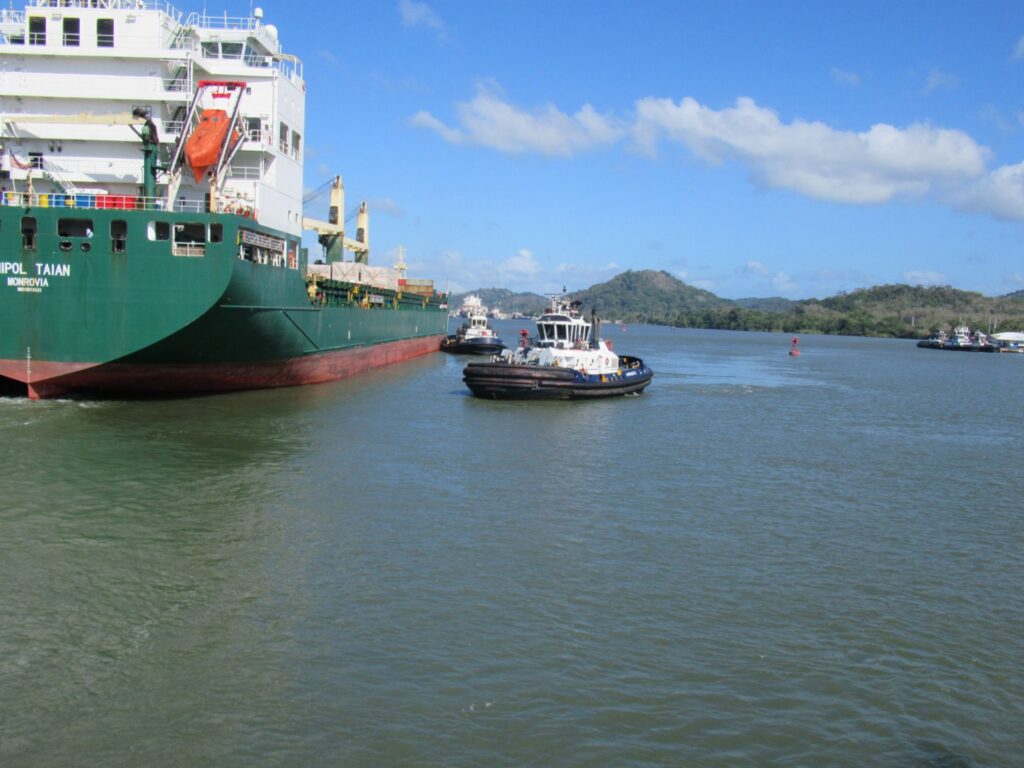
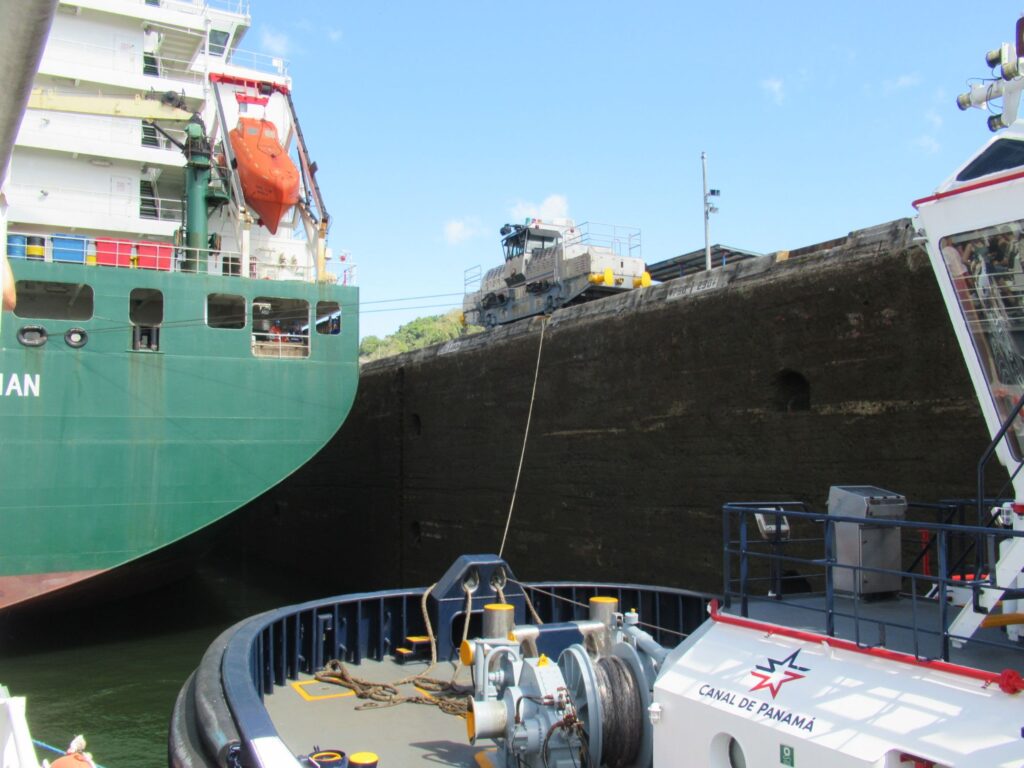
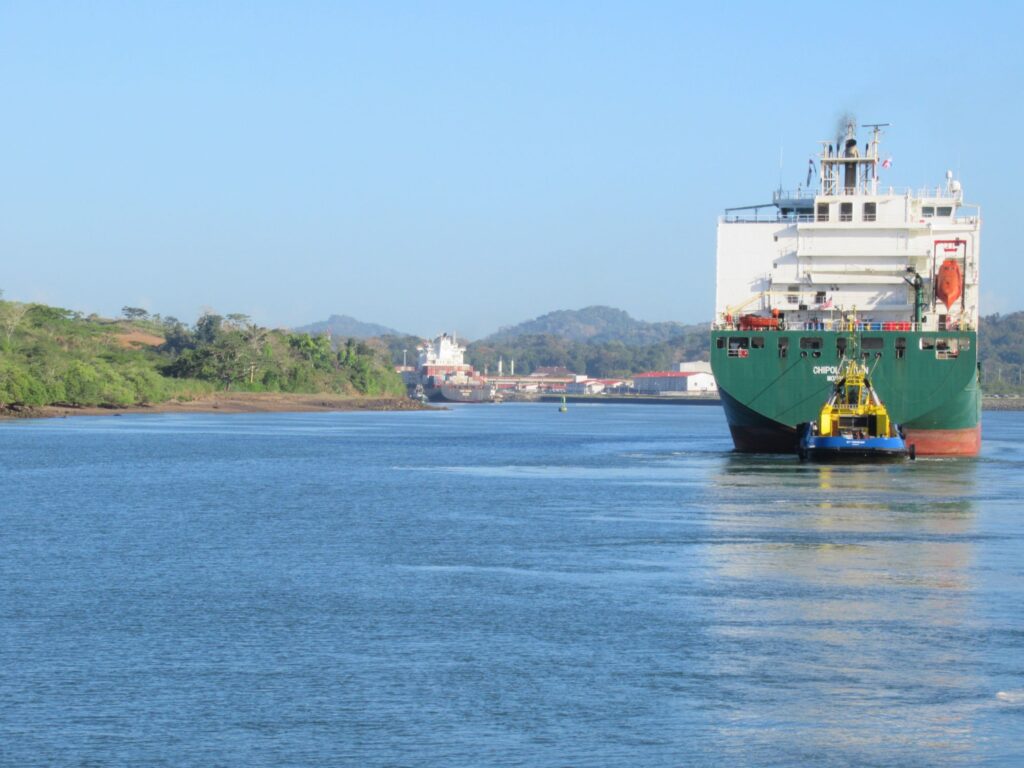
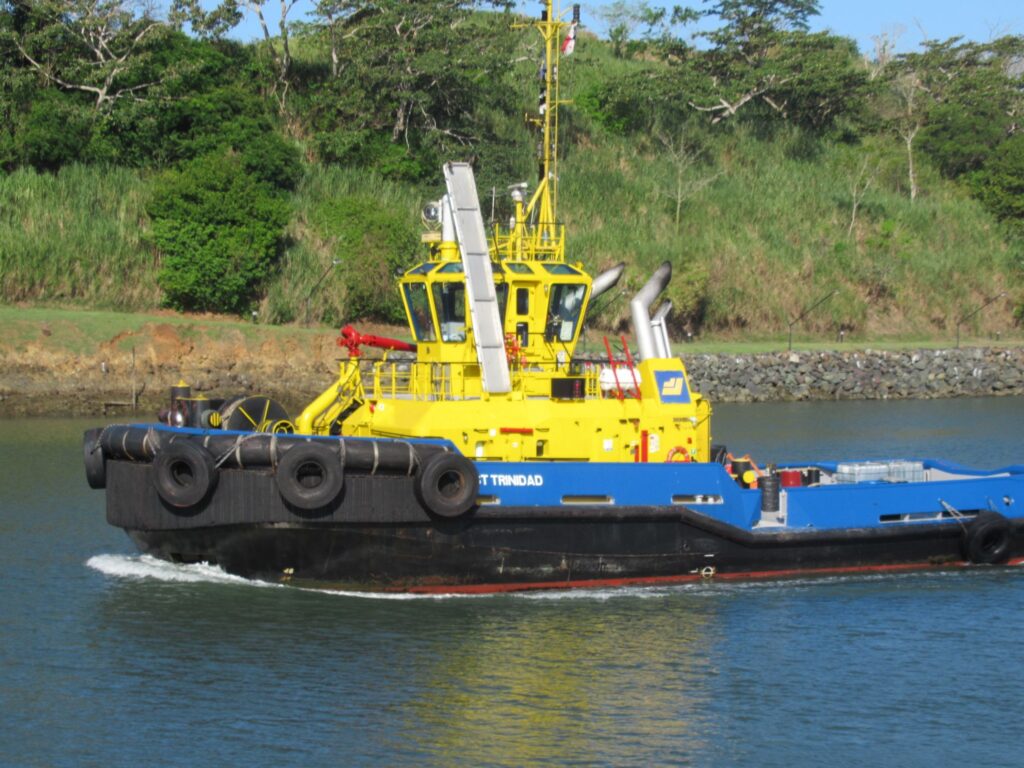
Tug boats and “mules” (small vehicles running on rails alongside) assist the larger boats attaching cables to pull them along. The boat in front of us needed the help of six mules.

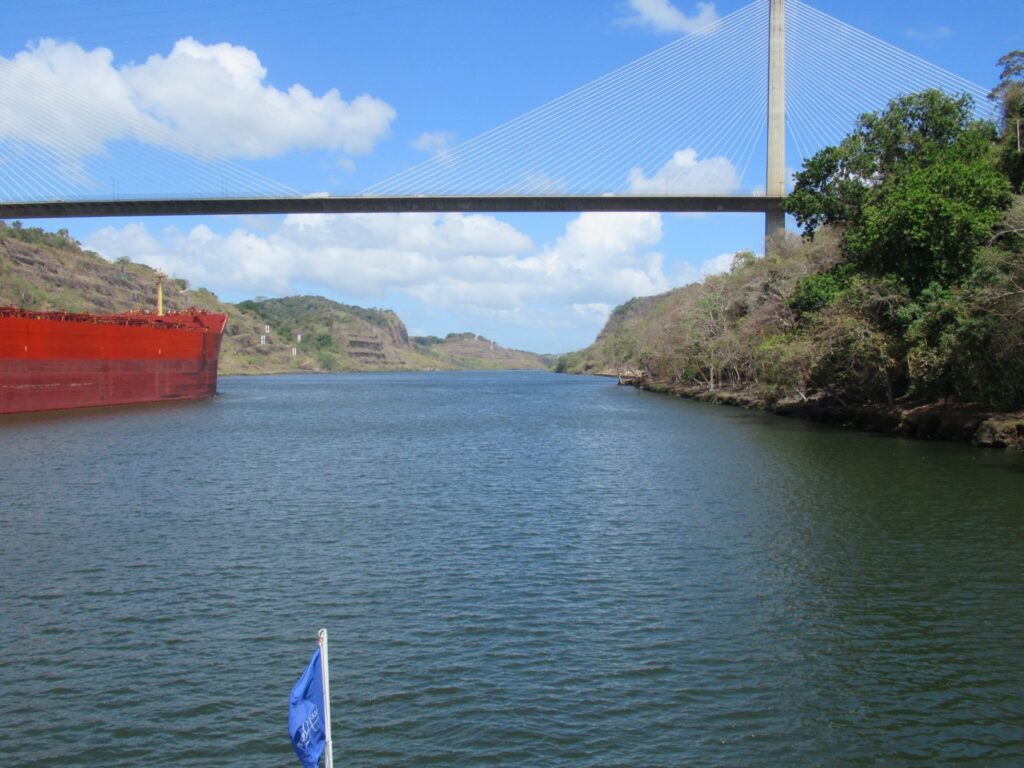
Atlantic Bridge

We were a little worried this ship wasn’t going to make it and if there had been a lot of rain it wouldn’t have!

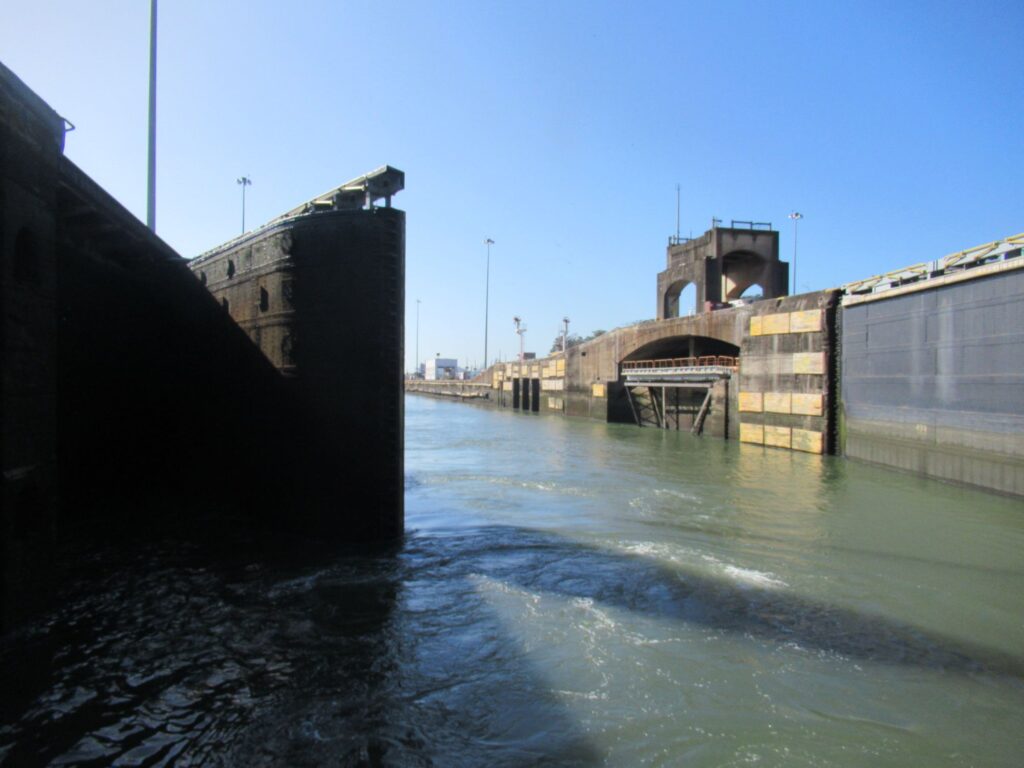
In Miriflores lock waiting for the huge gates to shut

The canal was originally built in 1904 and completed in 1914.  In the 1990’s the size of the canal was becoming outdated as ships grew bigger and bigger so to avoid it becoming obsolete in 2007 the Panama Canal Authority began an expansion programme which was completed in 2016. This added an entirely new lane doubling its capacity.

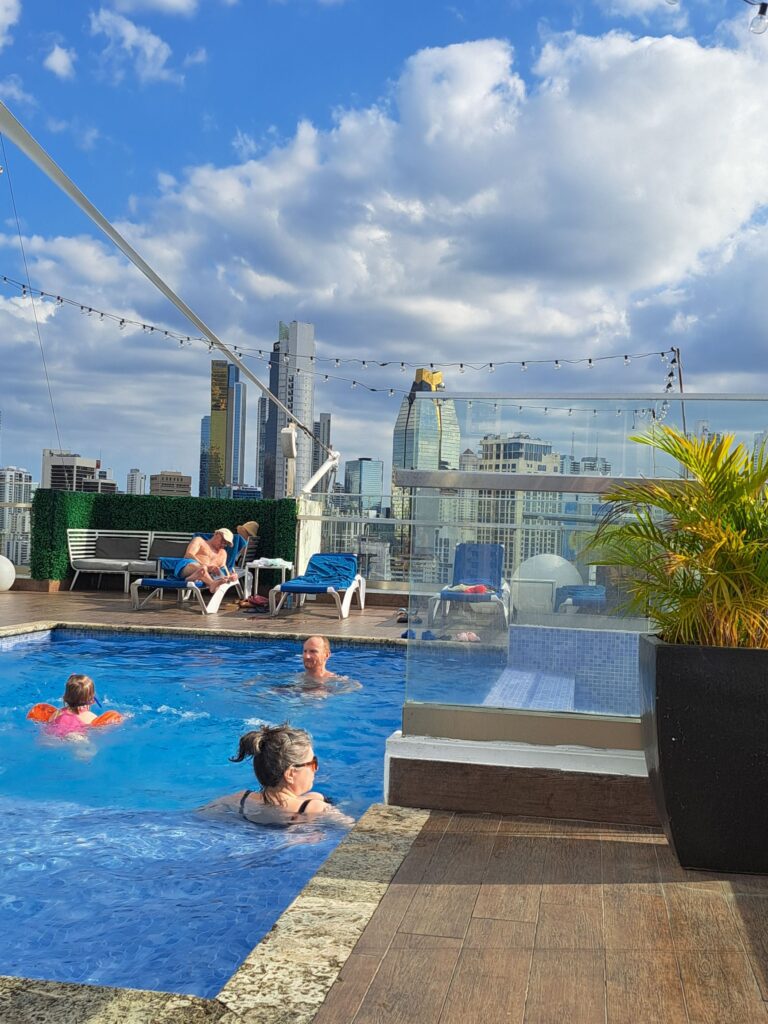
Time for a couple of hours by the rooftop pool!

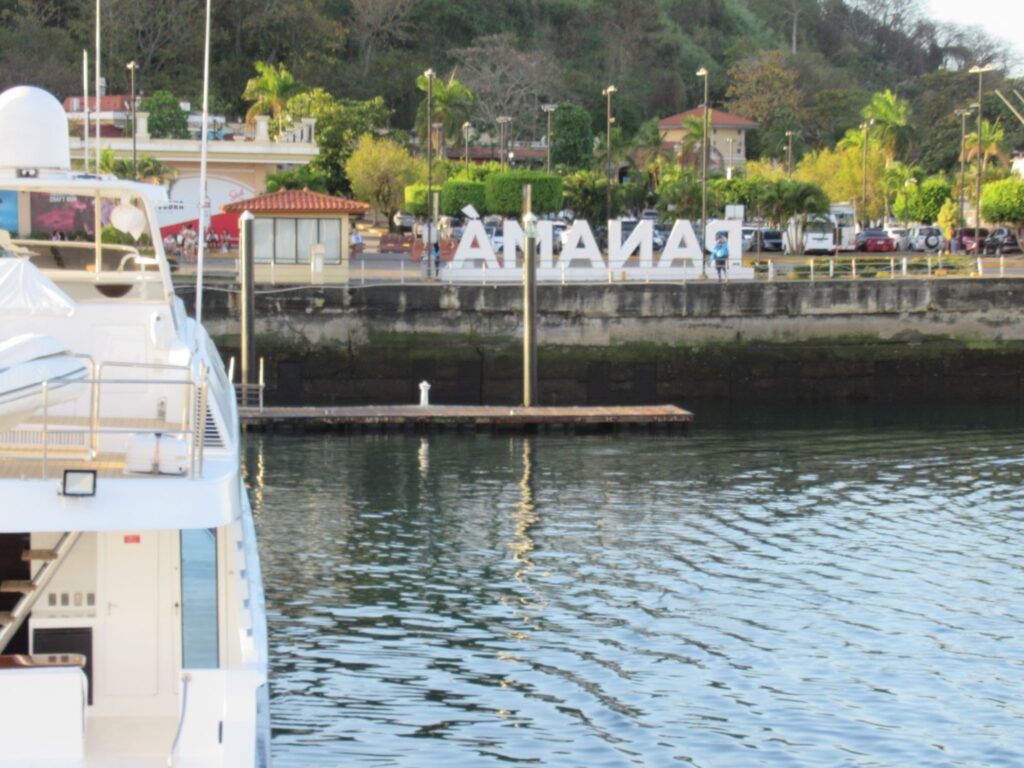
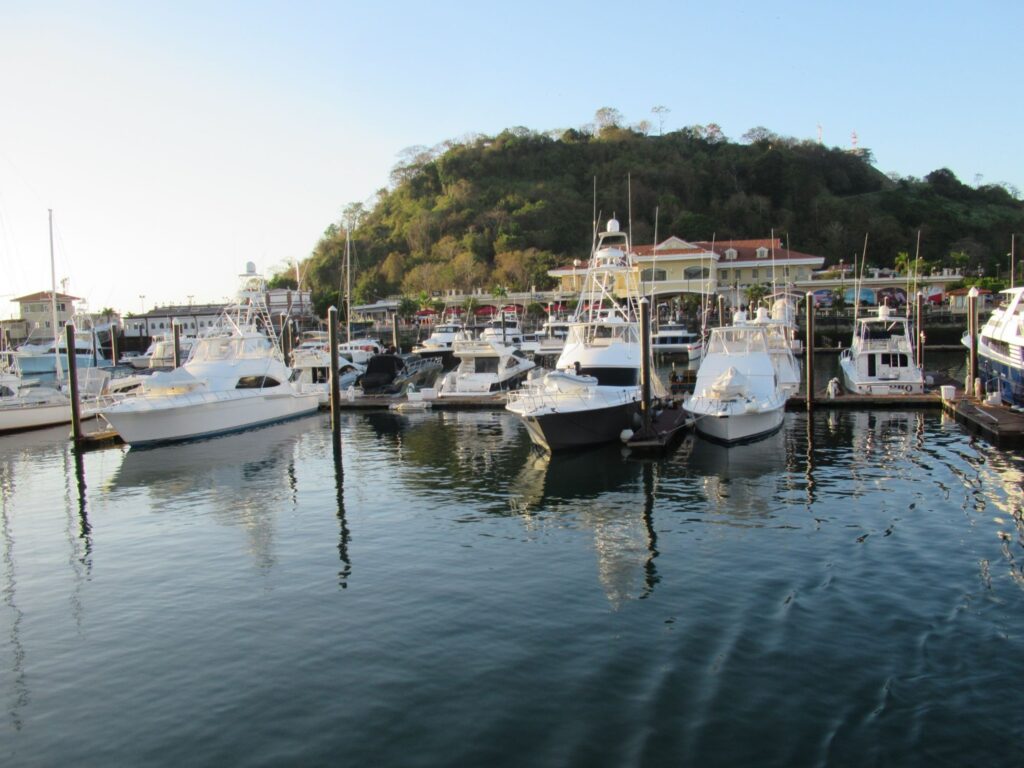
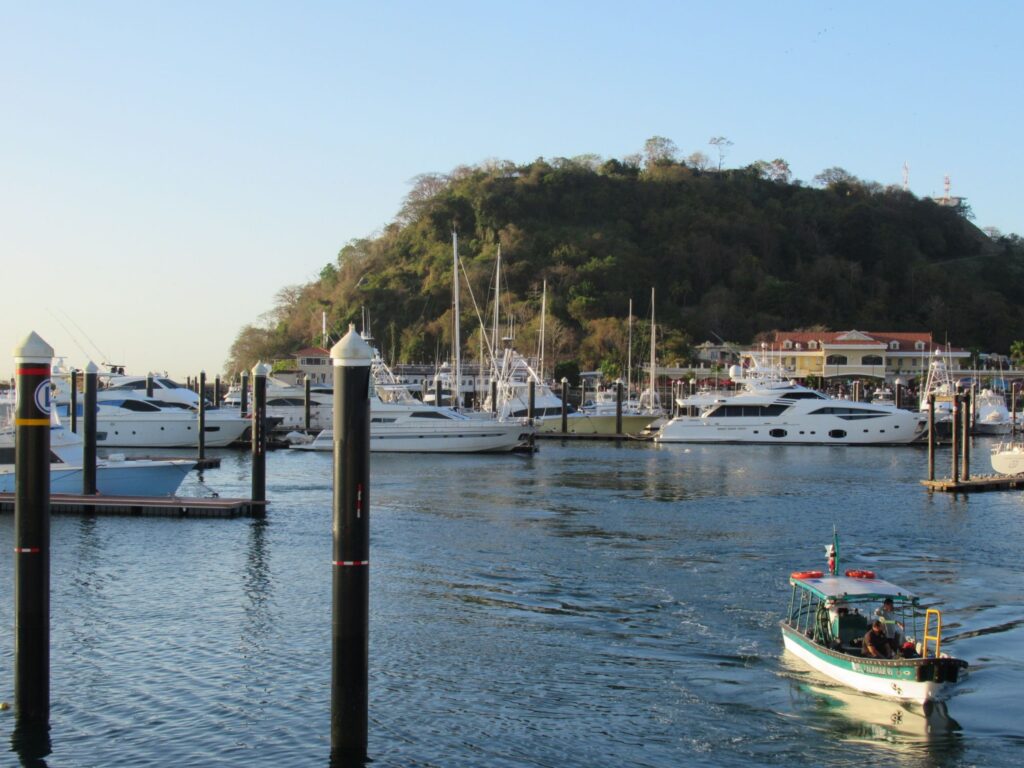
Panama City

Panama City, one of the first cities of the Americas in the 1500’s and the launching point for the exploration and conquest of Peru and a transit point for gold and silver headed back to Spain.

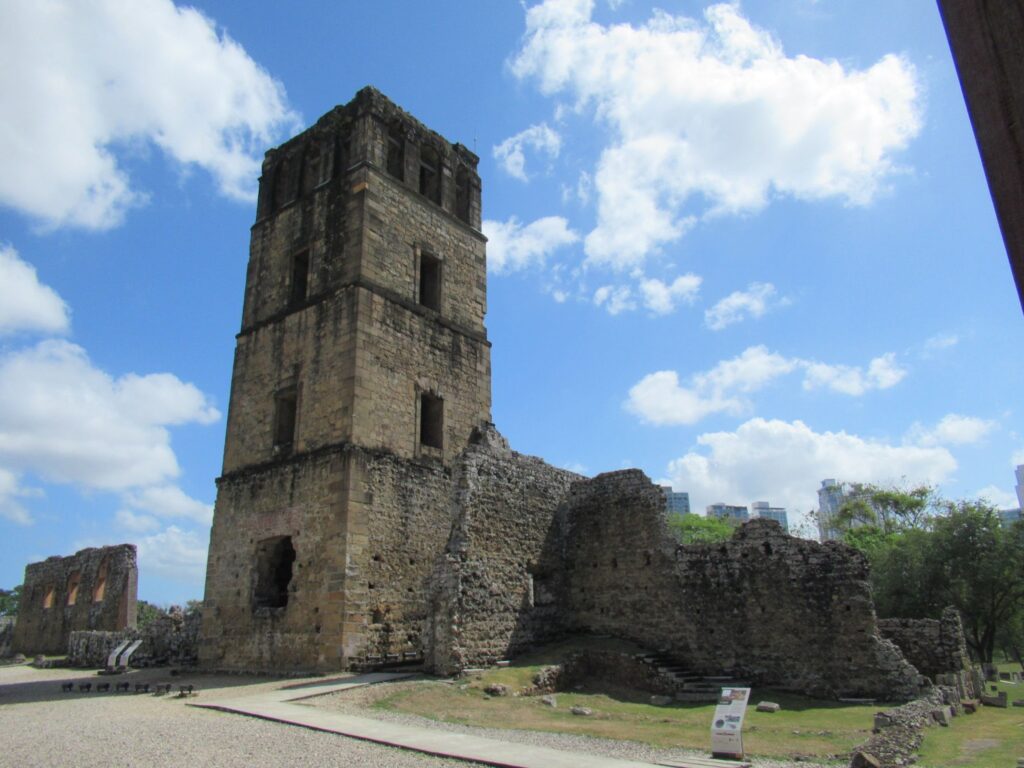
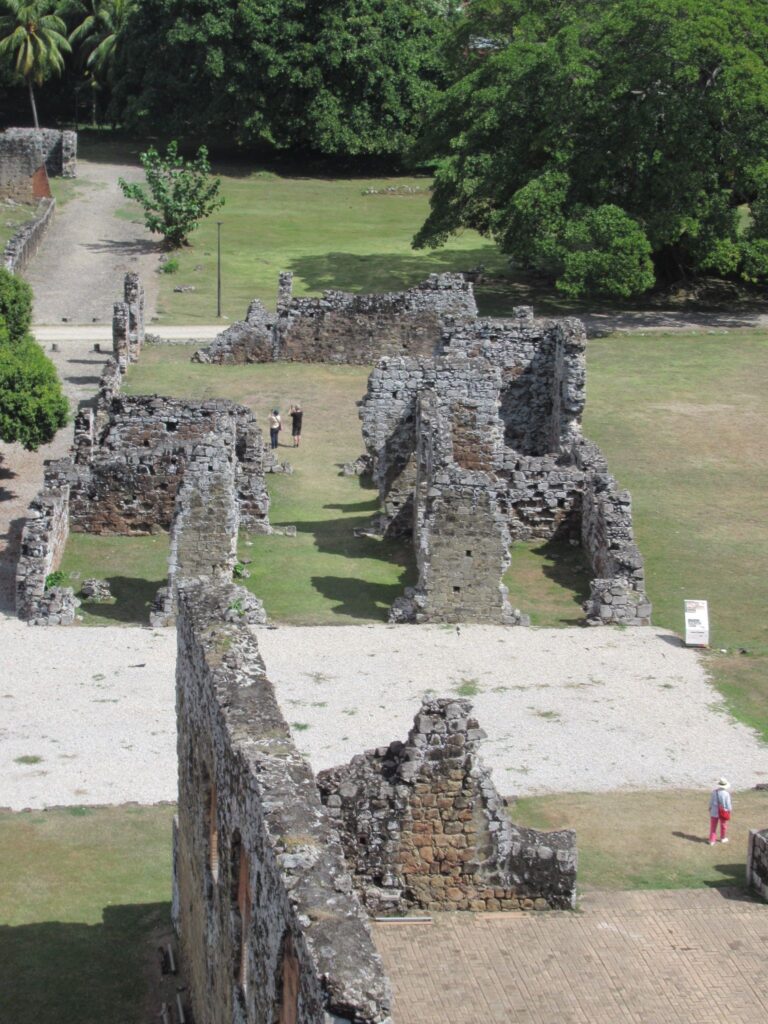
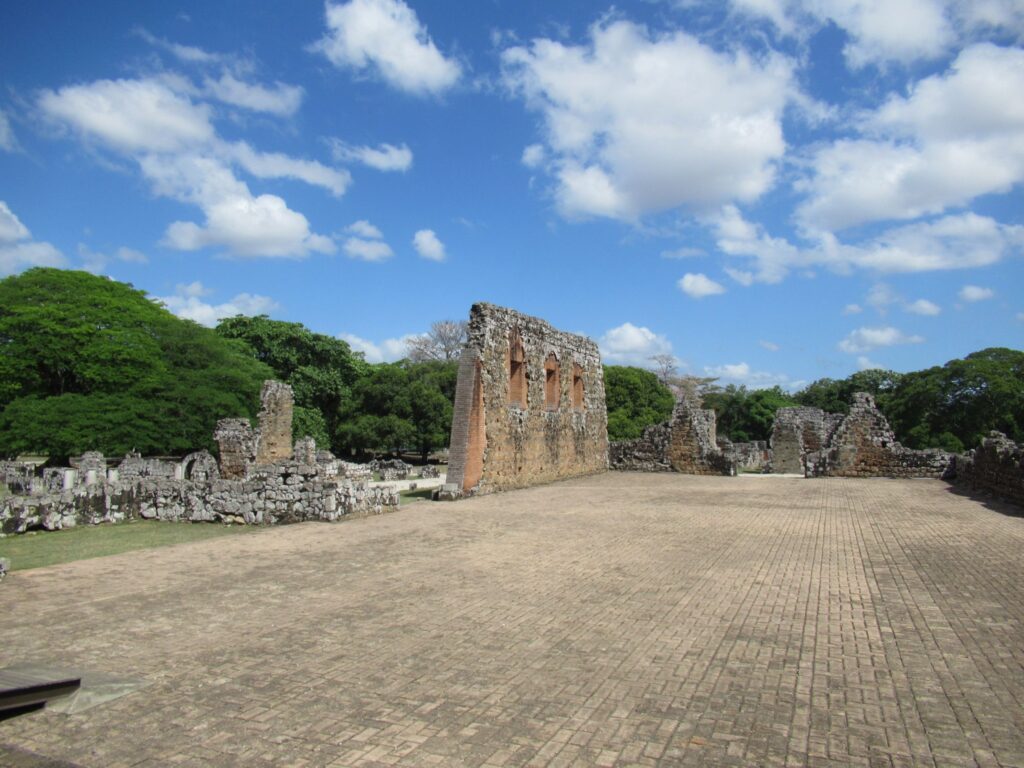
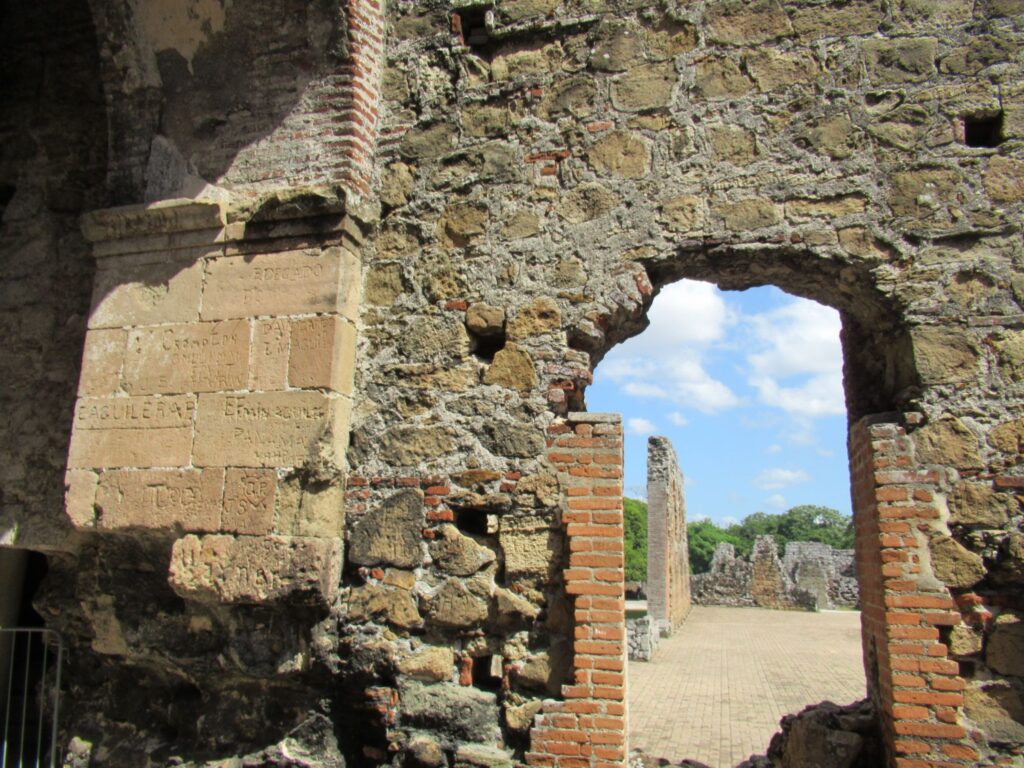
We started our day at the ruins of Panama Viejo, the original settlement of the city founded in 1519 but burned down by the Welsh pirate Captain Henry Morgan in 1671. (He of the rum fame). The bell tower was from Panama’s original cathedral.

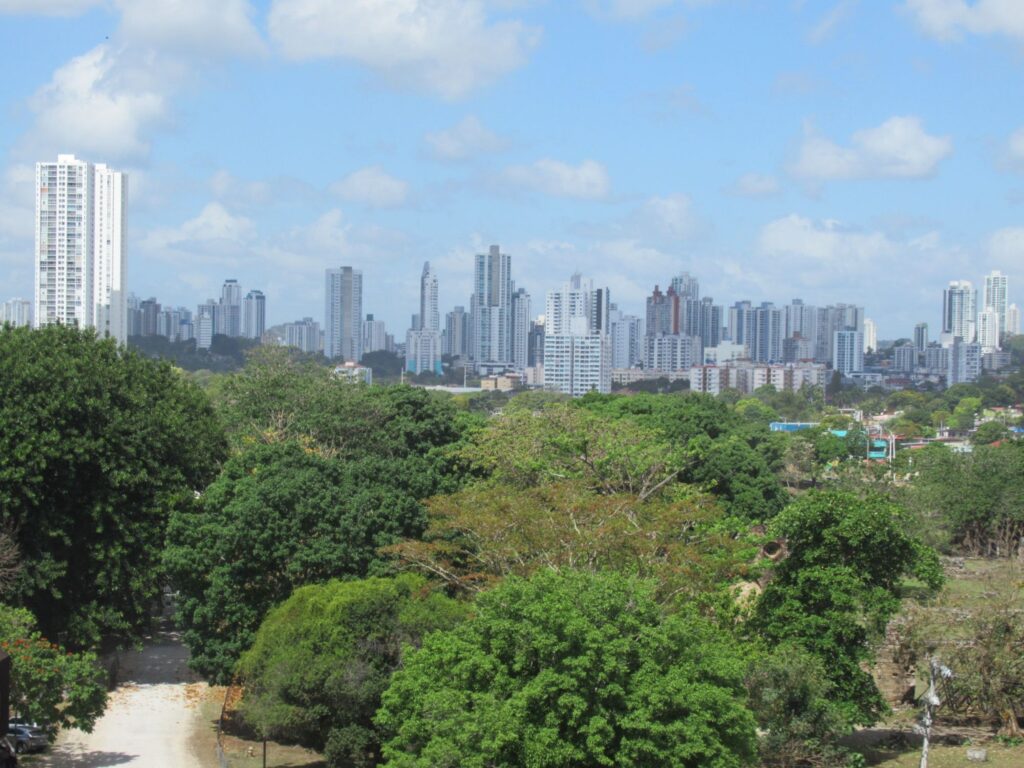
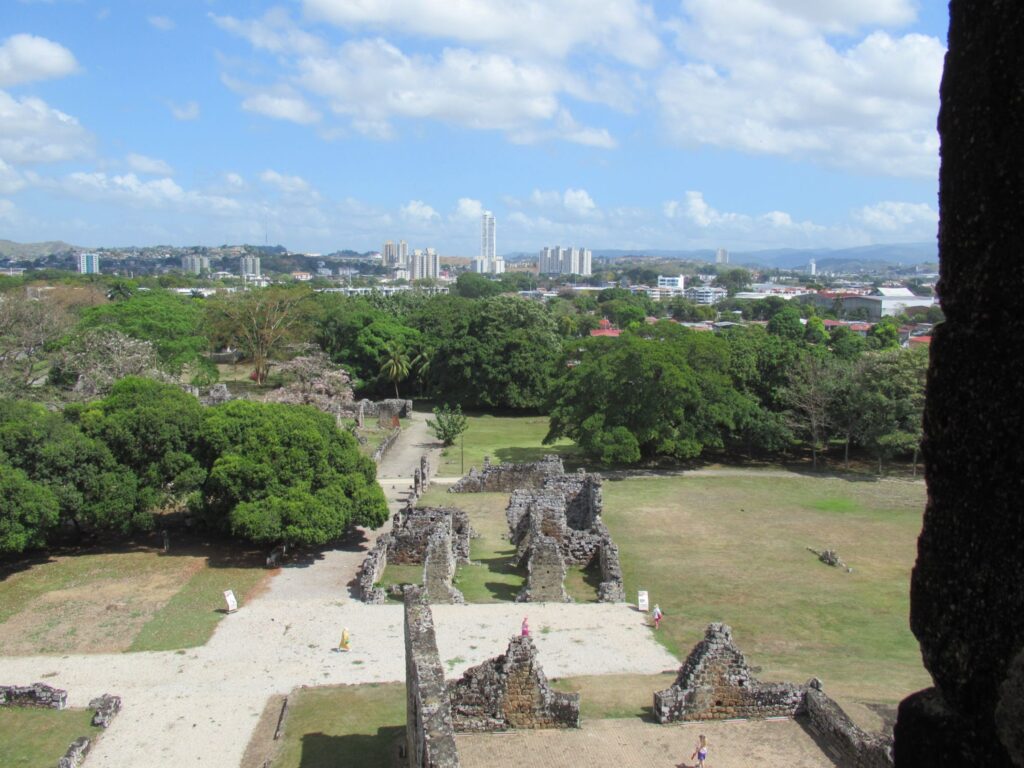
There were some great views of the new modern city from the top of the tower.

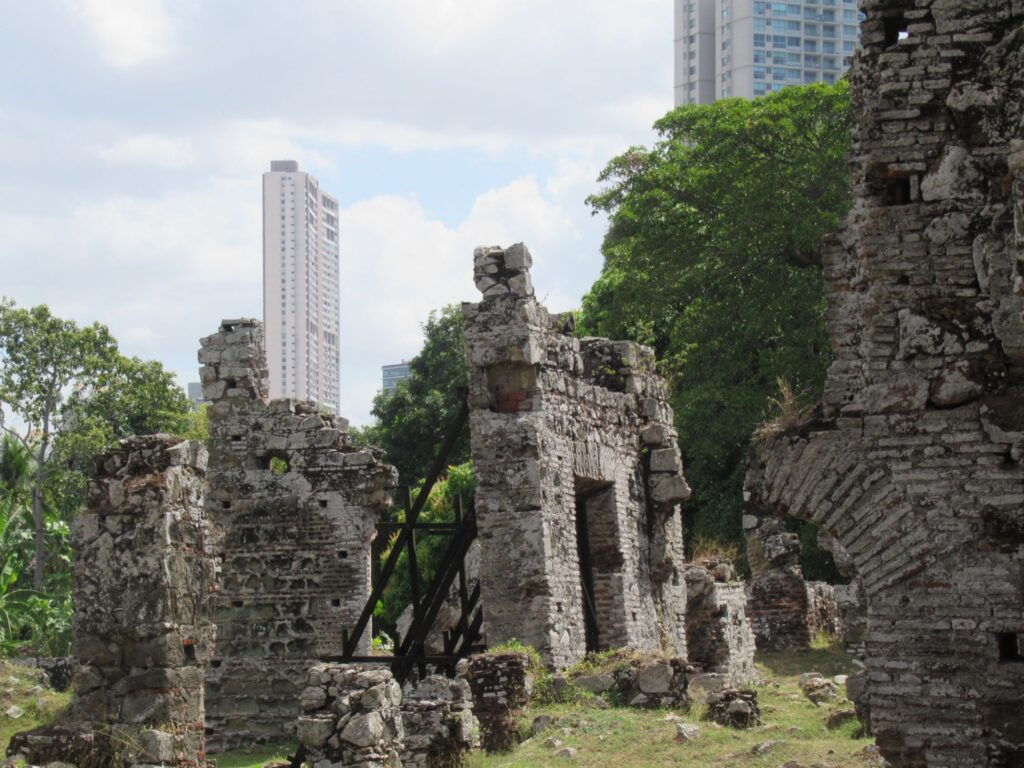
Lots of ruins around the complex and archaeologists are still working on site.

The site resounds to the sound of the birds in the trees.

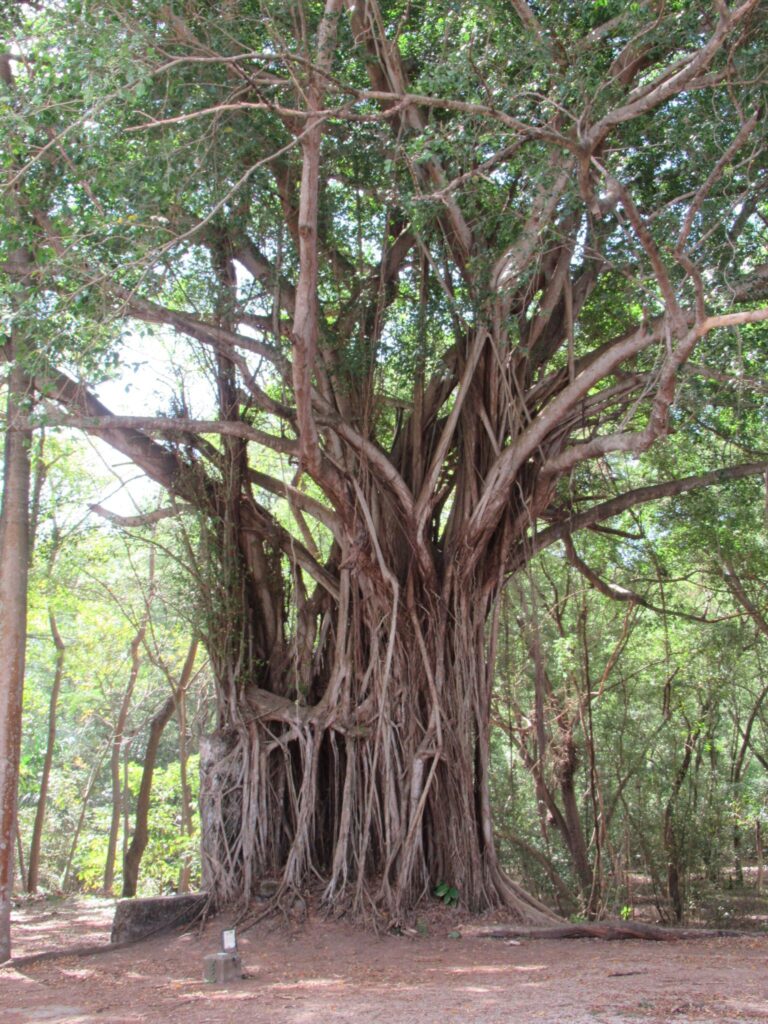
A large rubber plant with its roots growing from the branches, once they reach the ground they take root and form another branch.

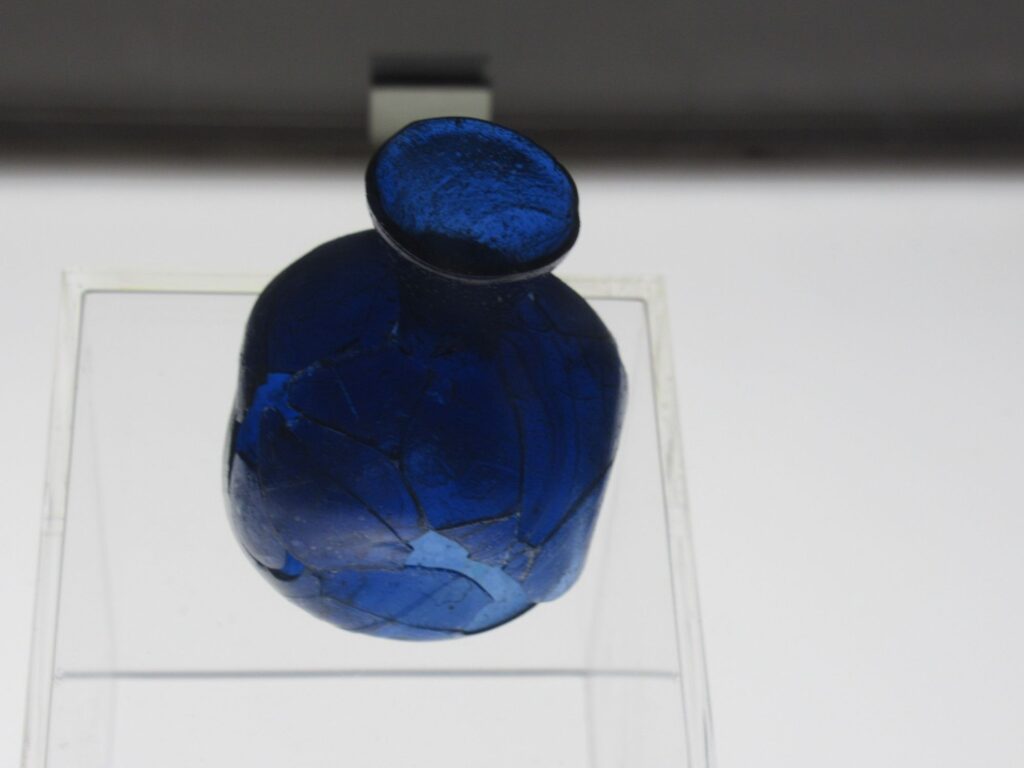
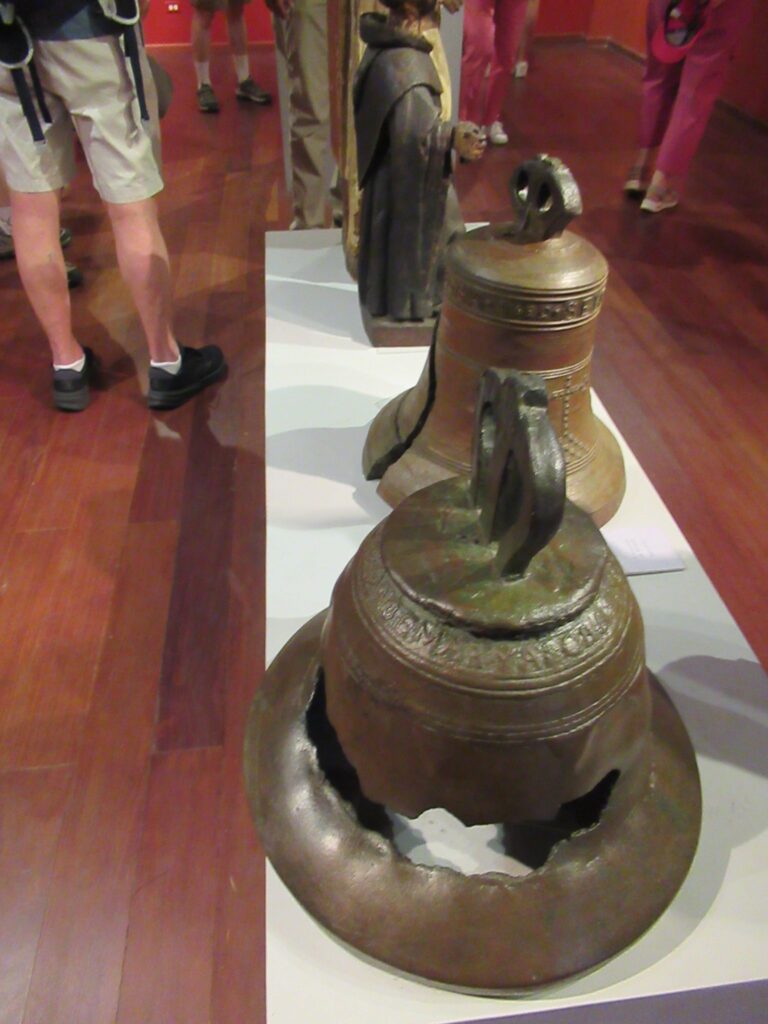
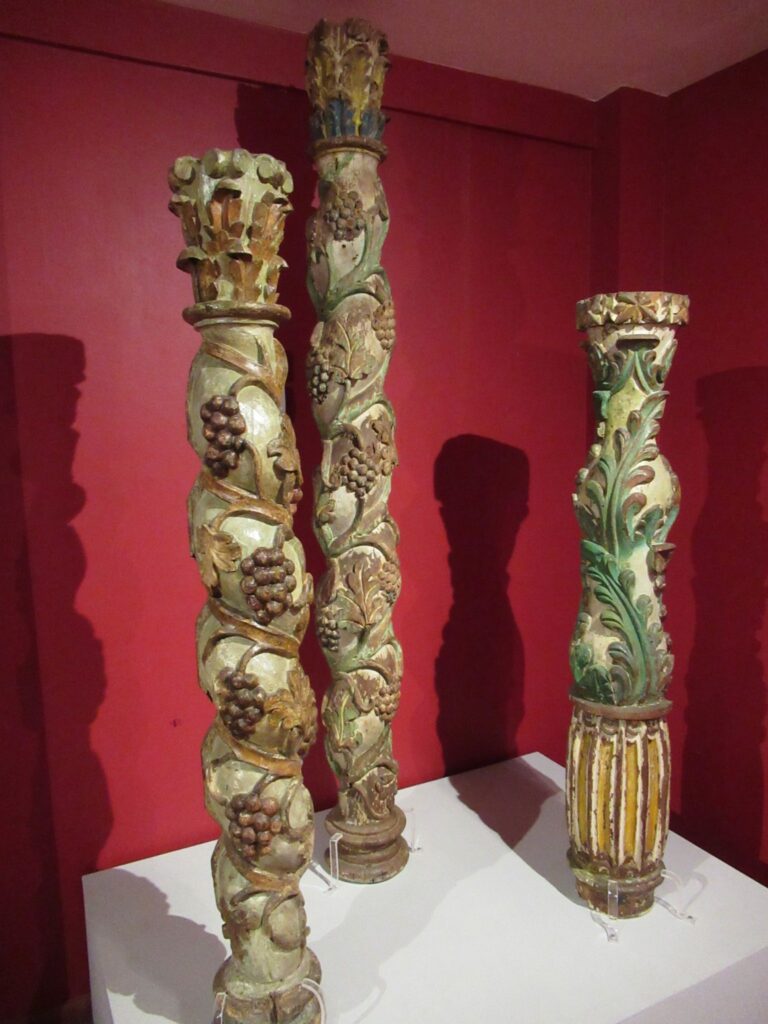
The little museum is full of interesting artefacts found on site

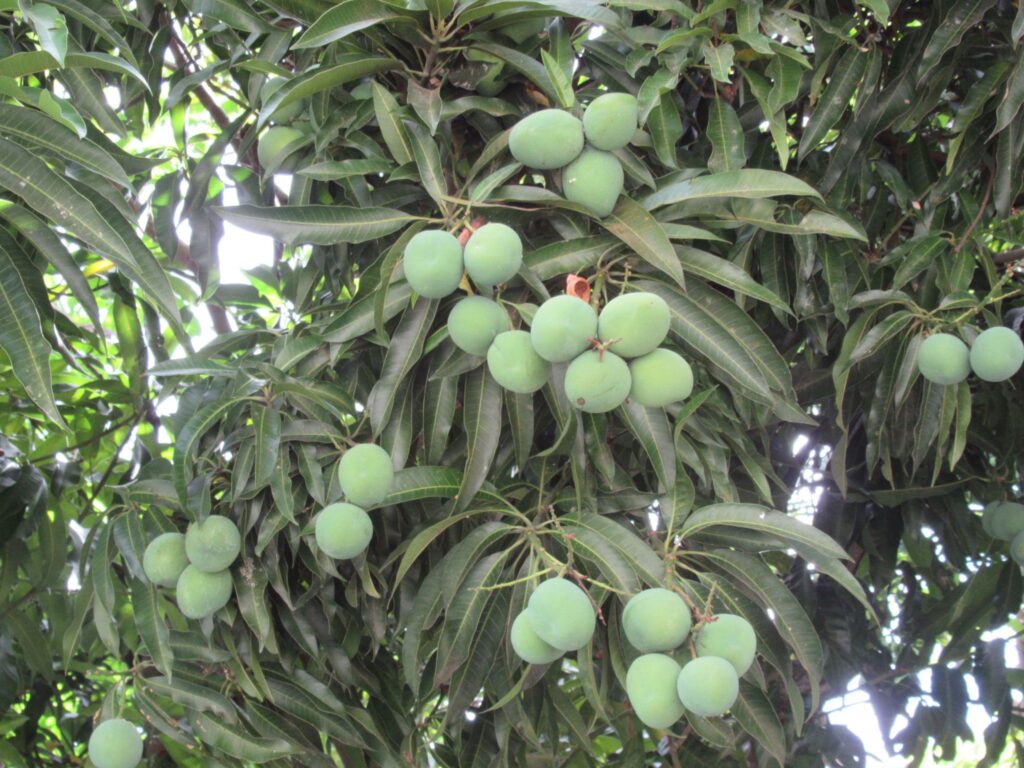
A mango tree – unfortunately not quite ready to eat!

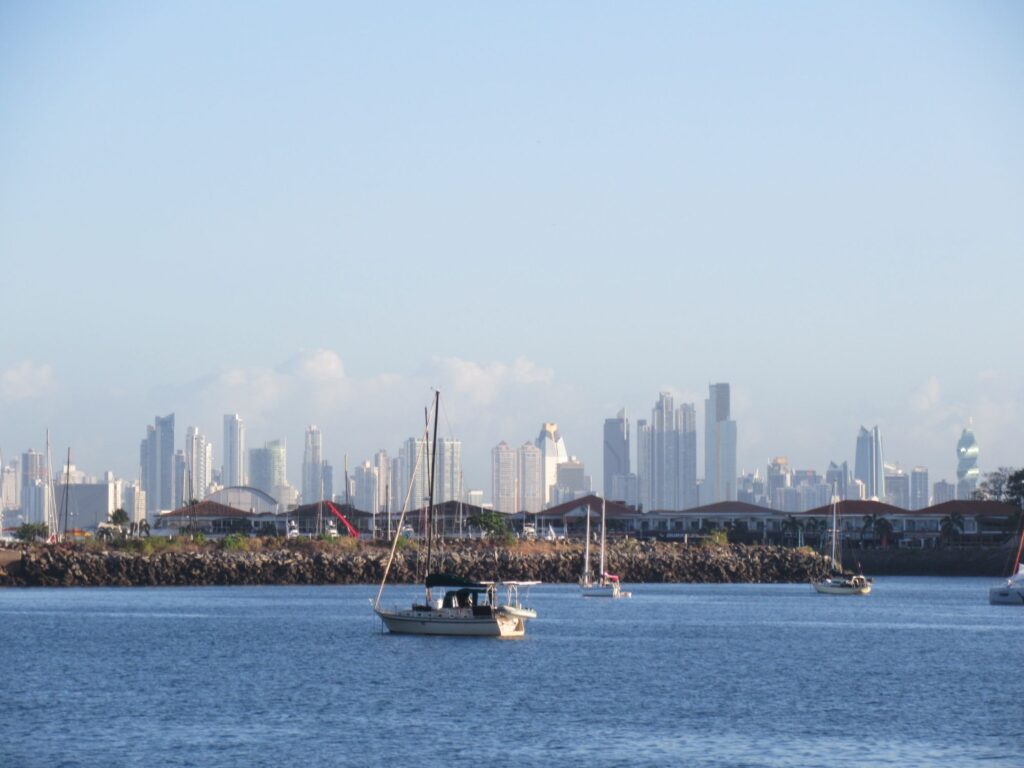
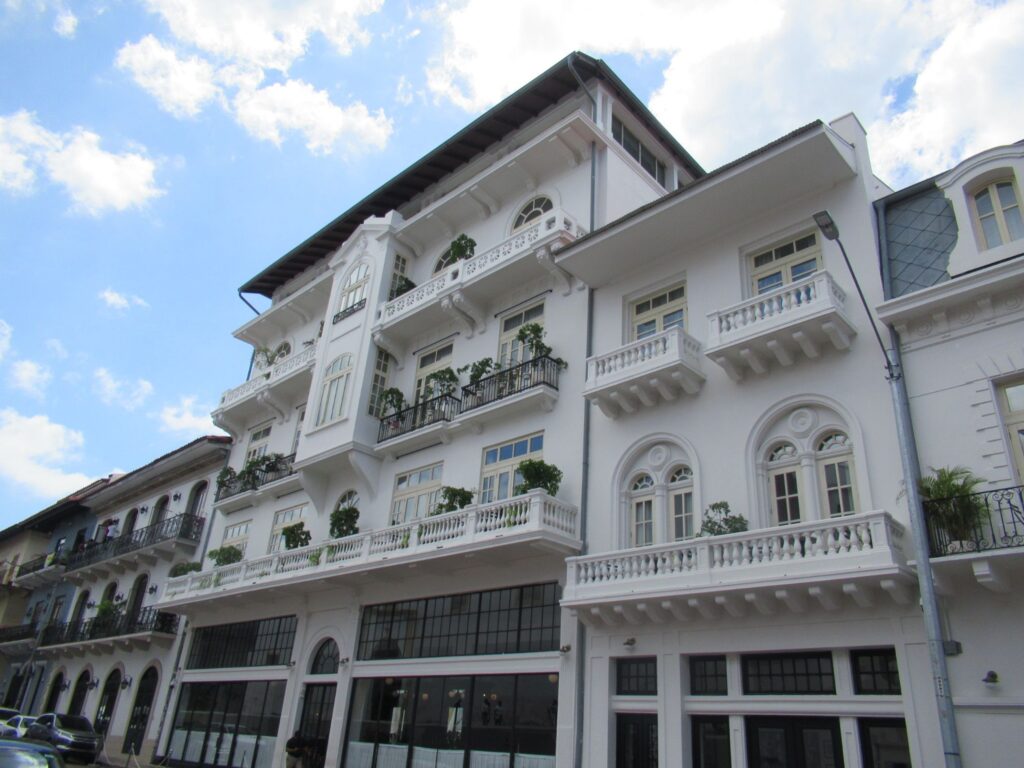
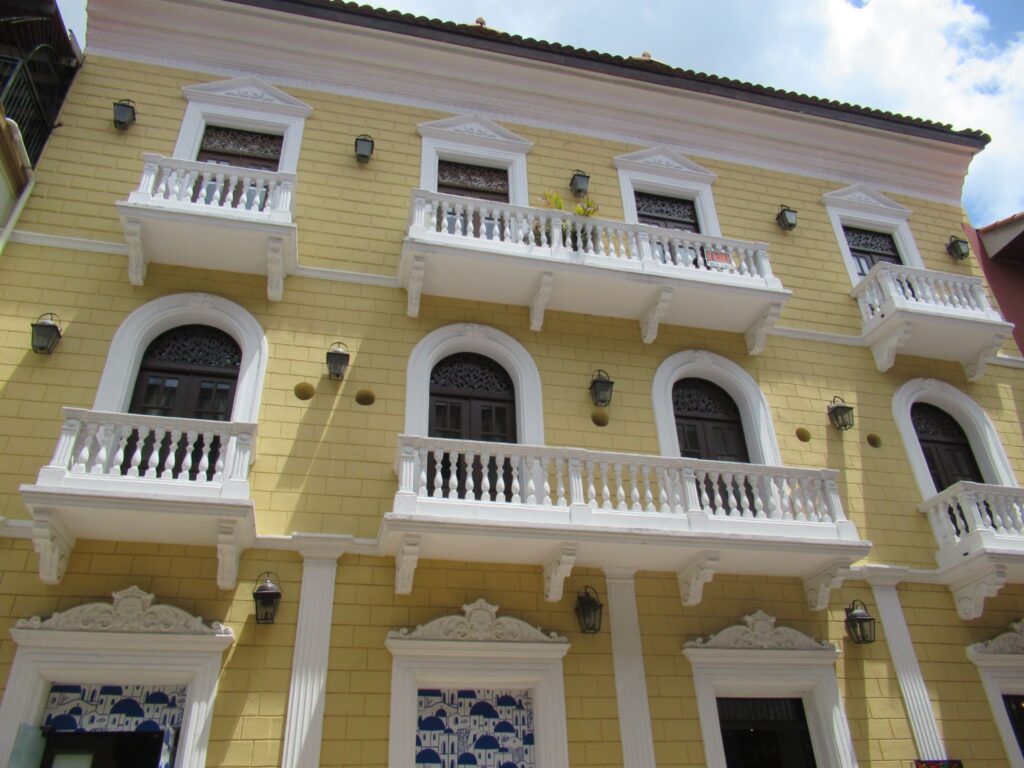
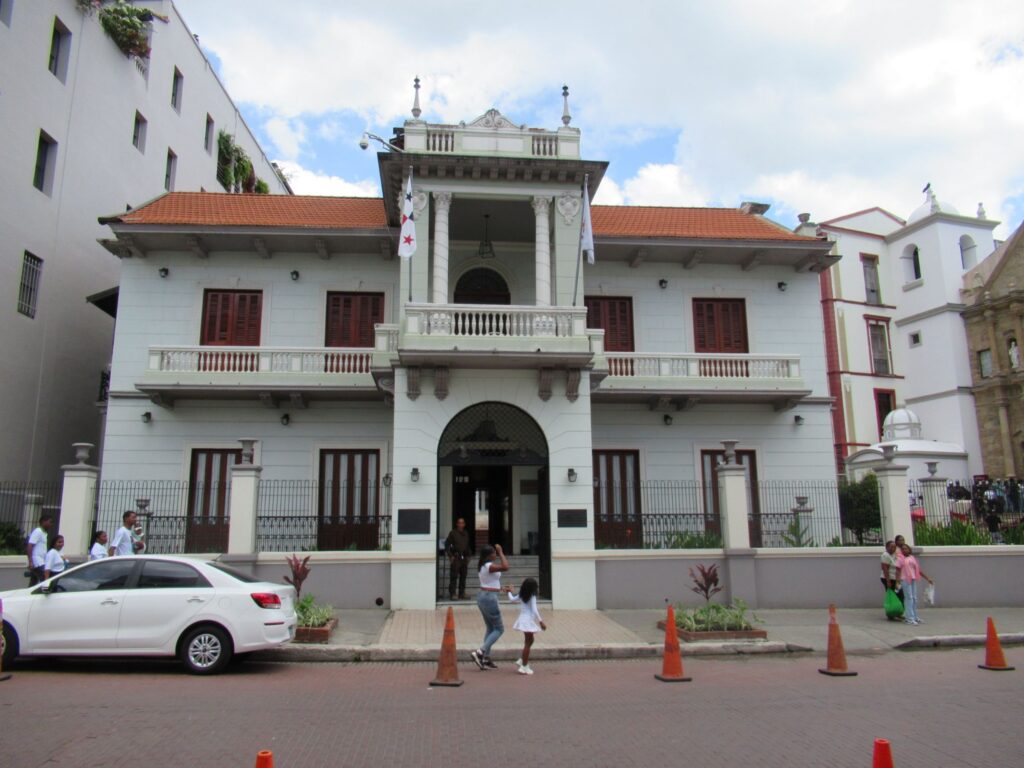
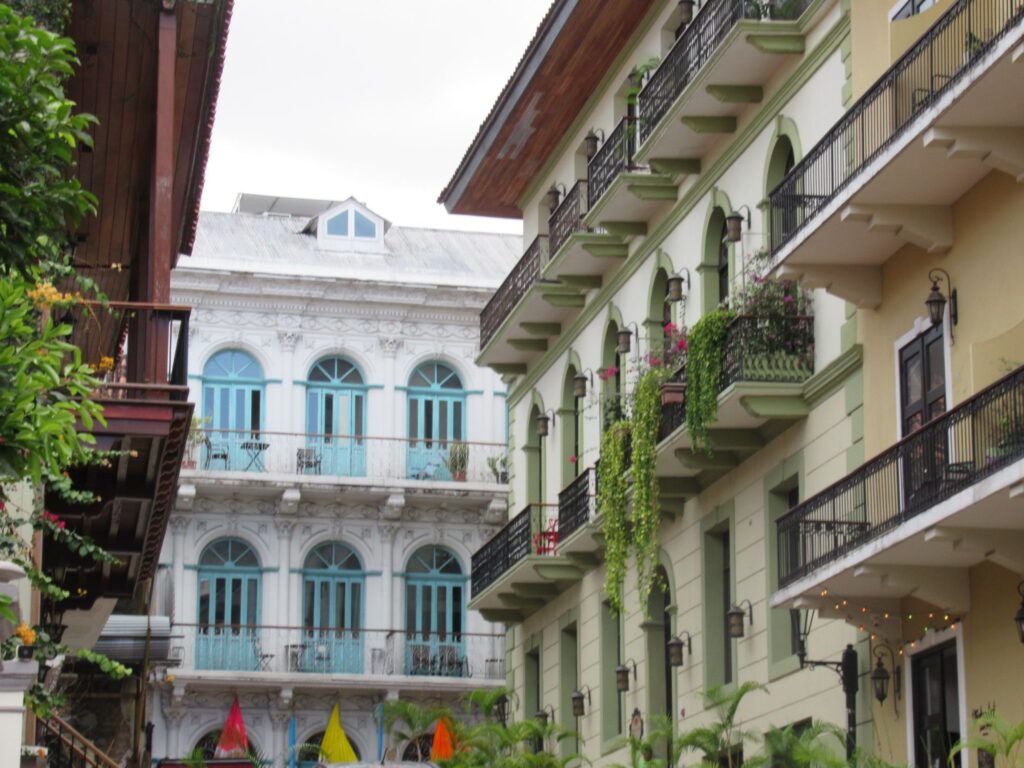
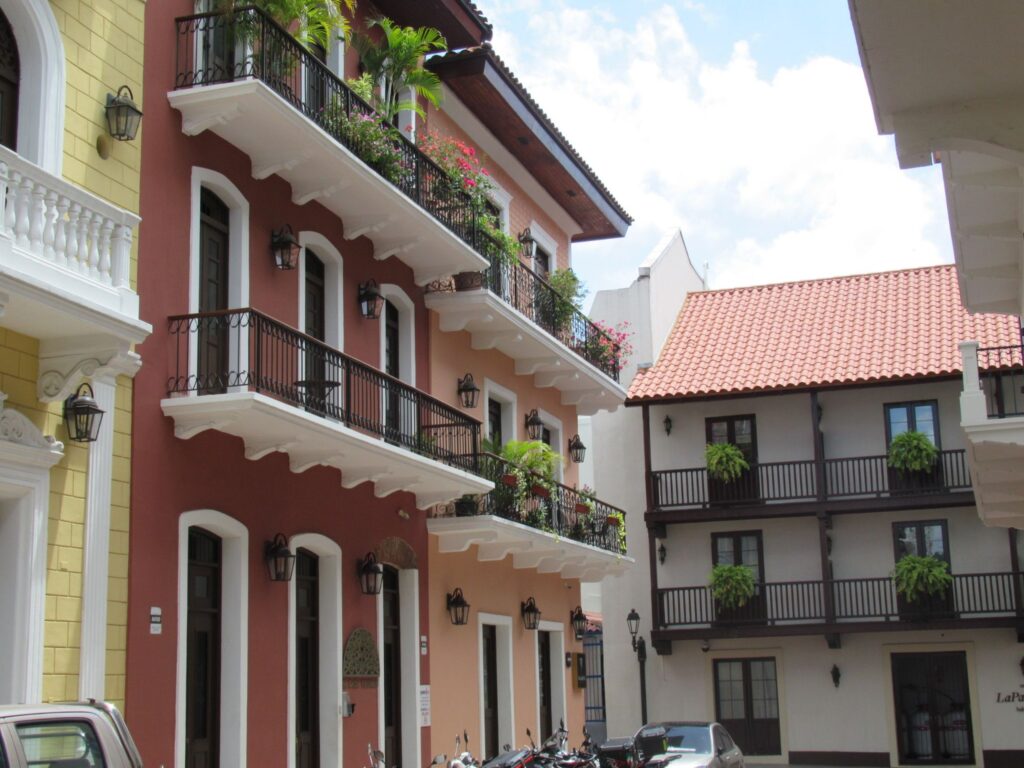
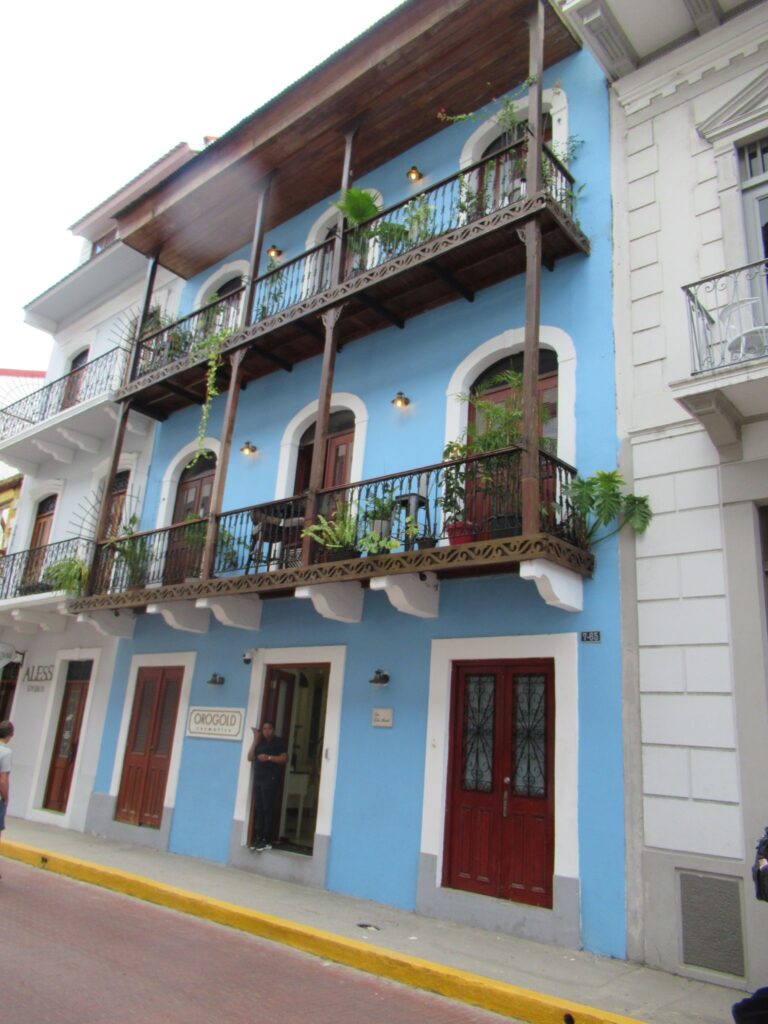
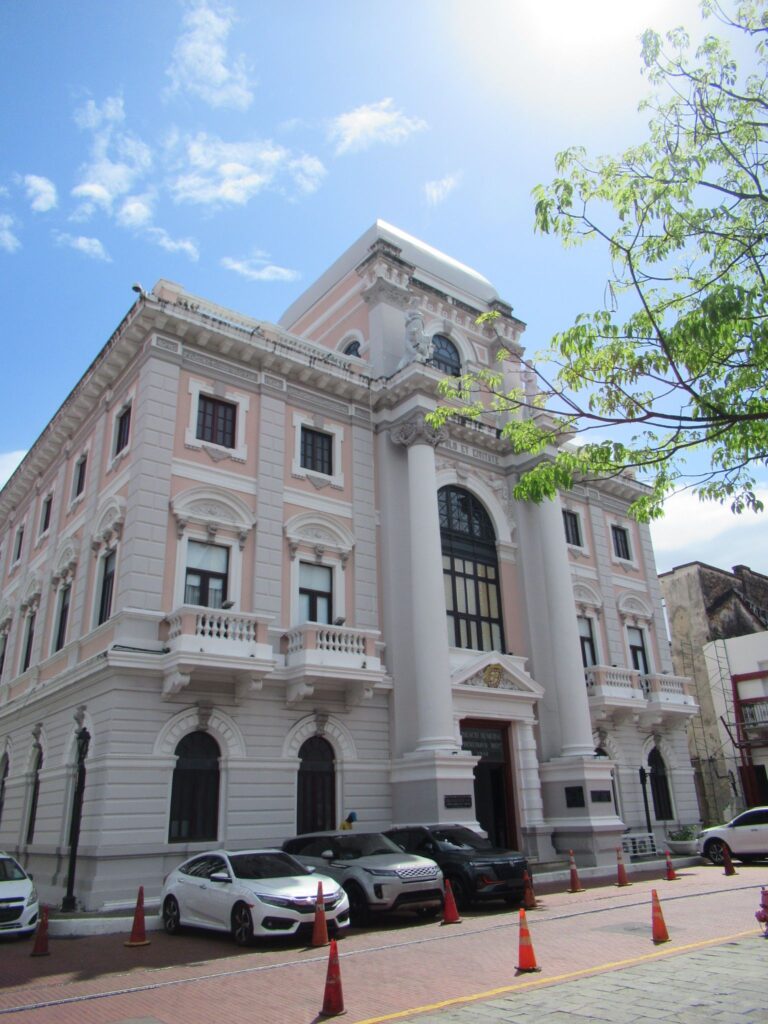
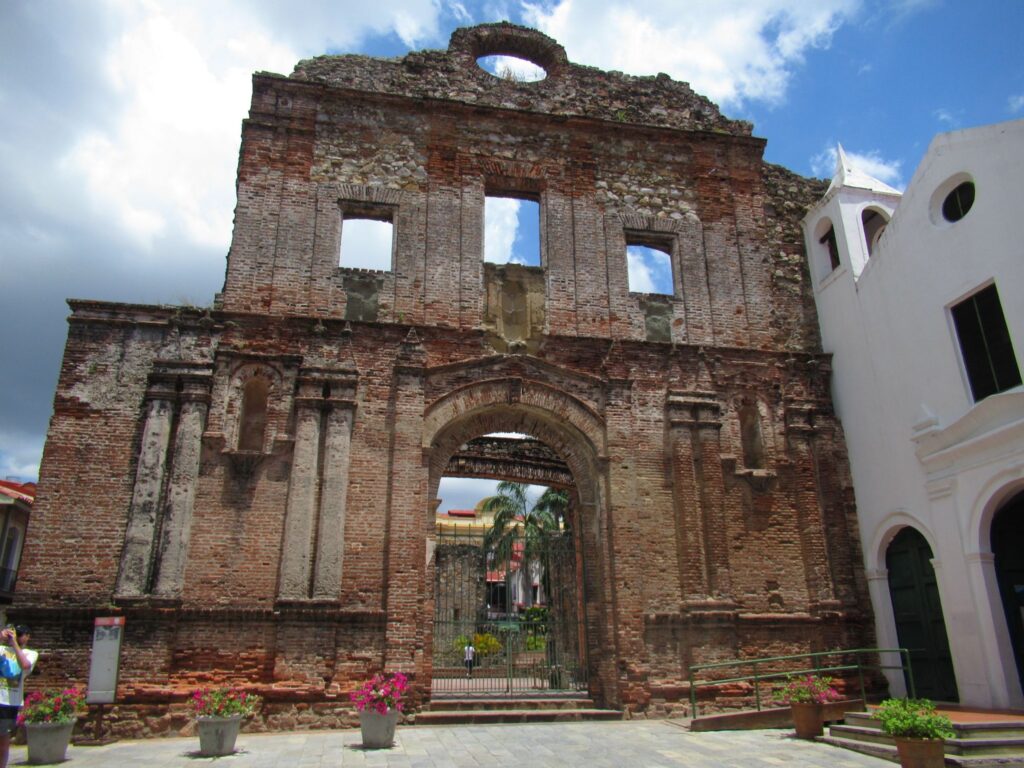
Panama City is certainly a city of two halves, the skyscrapers of downtown juxtaposed with the colonial buildings of Casco Viejo. The Spanish, French and Italian influences are clearly seen and work continues to gradually restore the buildings which have fallen into disrepair.

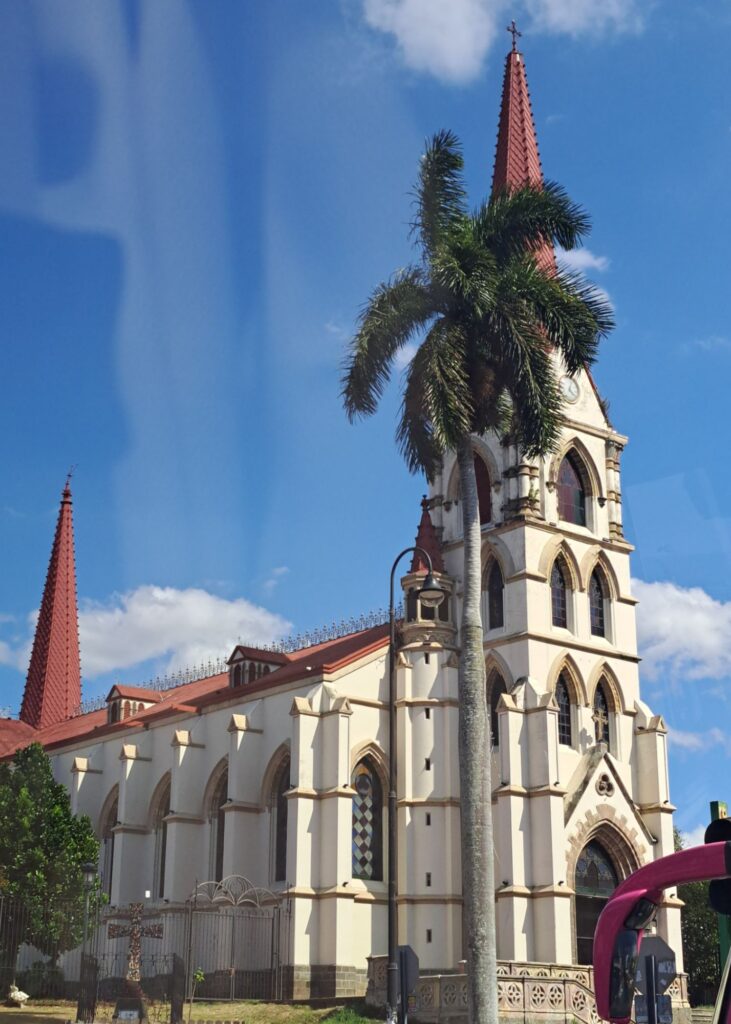
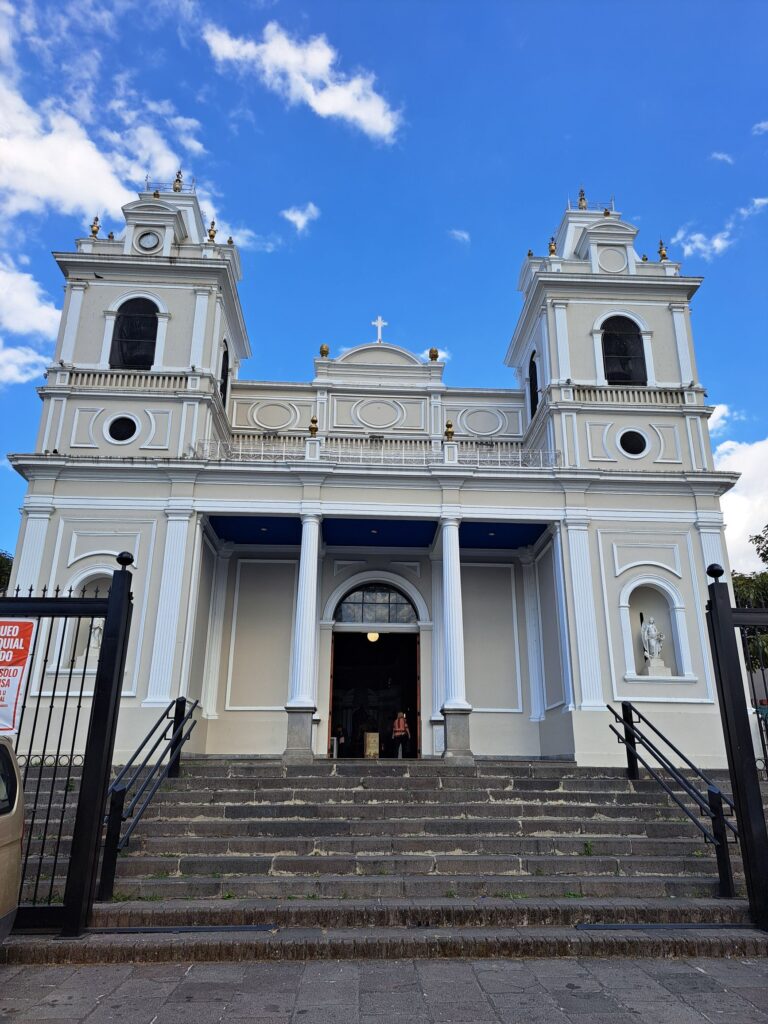
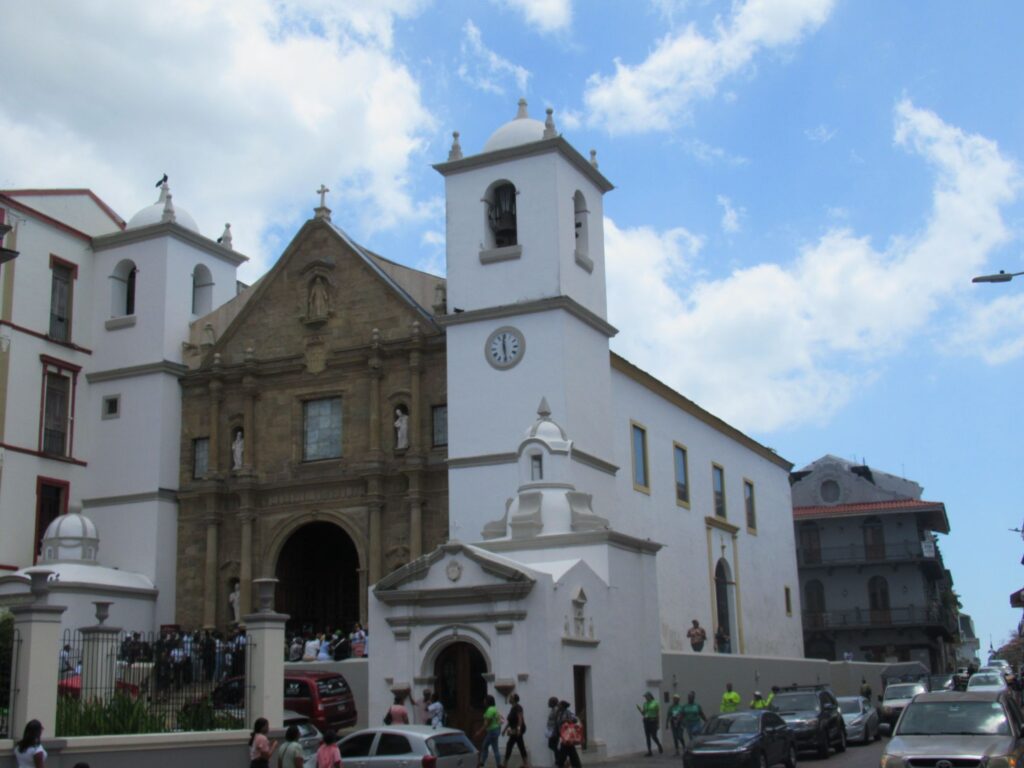
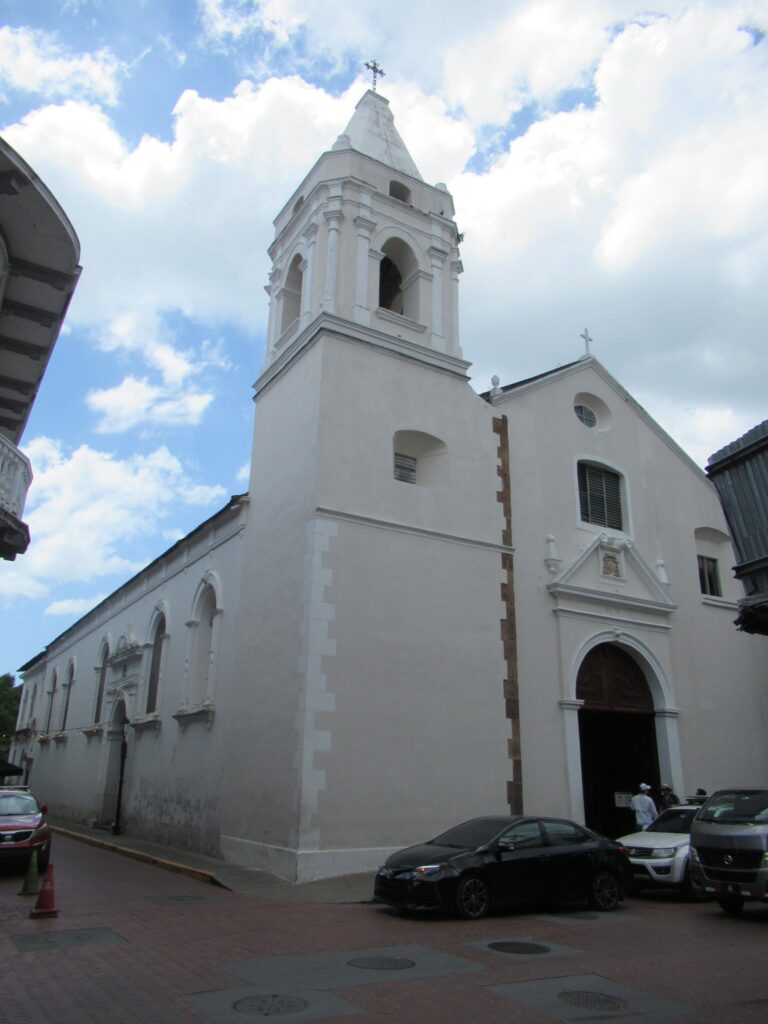
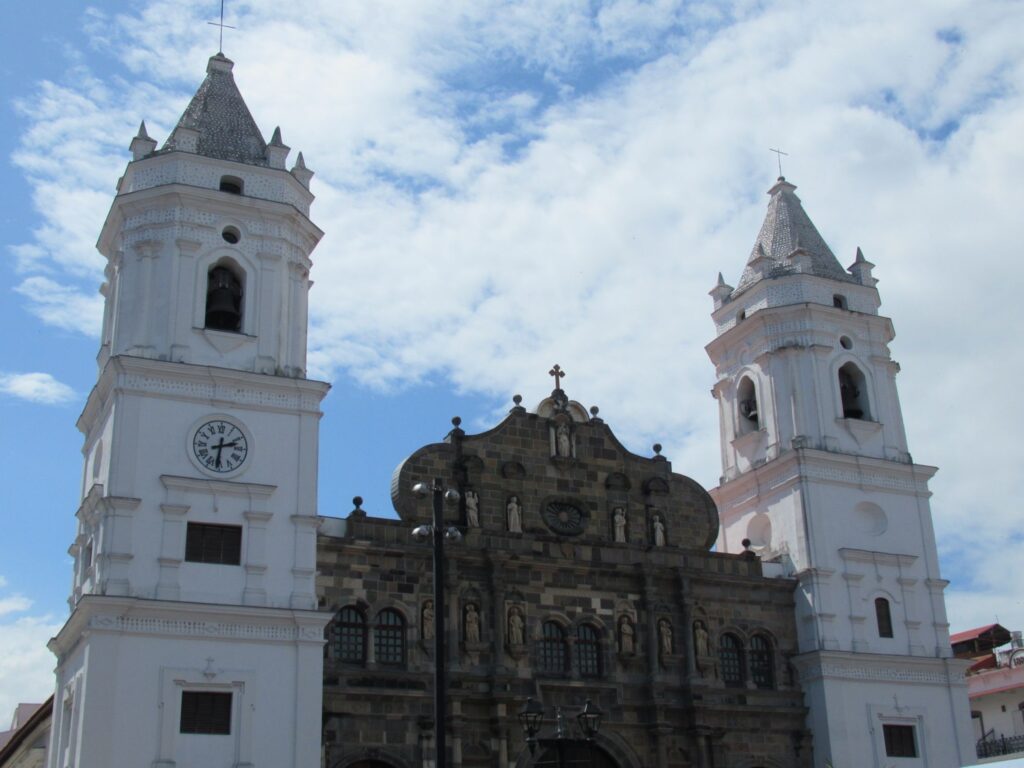
Some pretty churches too

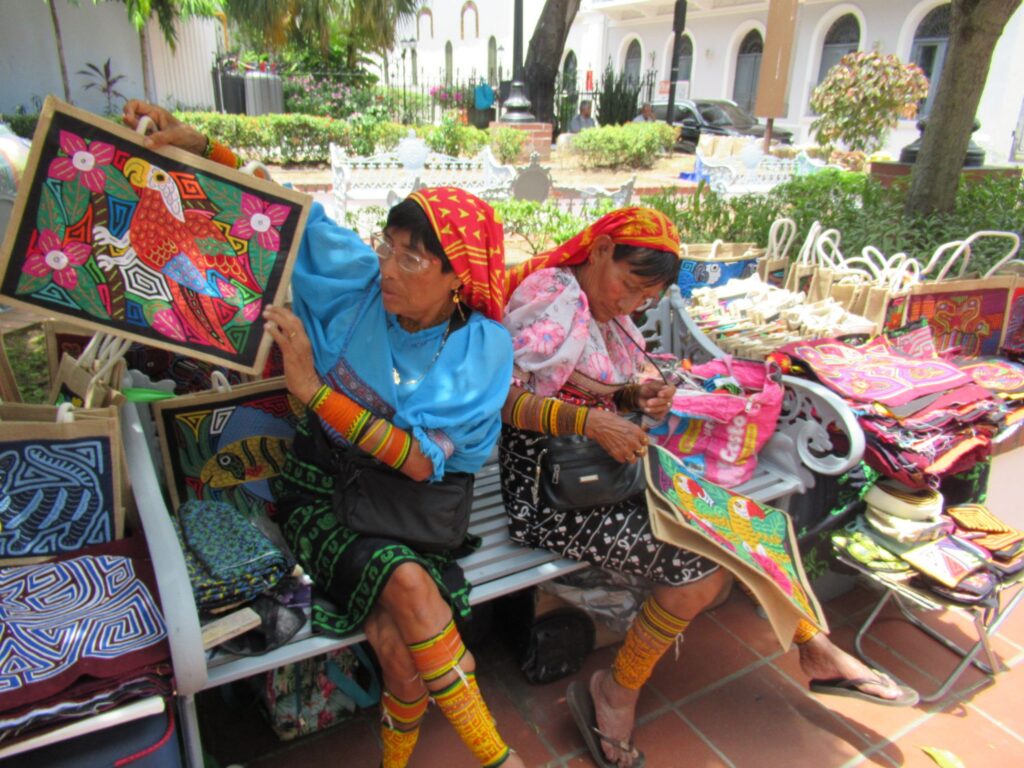
Some local ladies stitching bags for the tourists

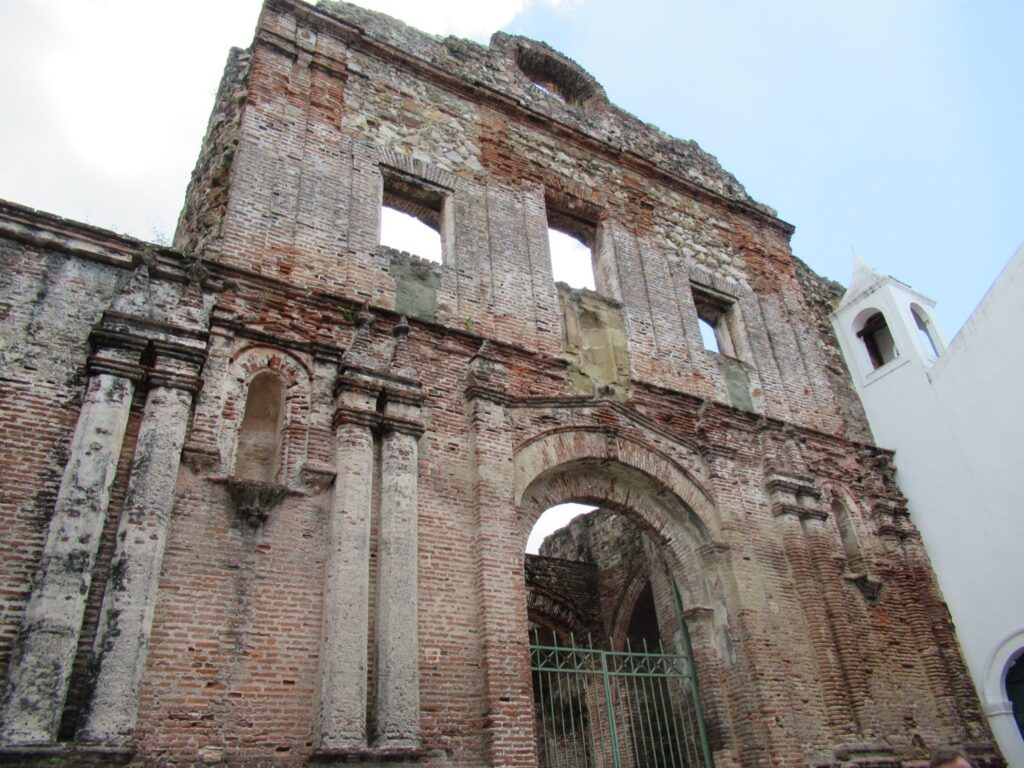
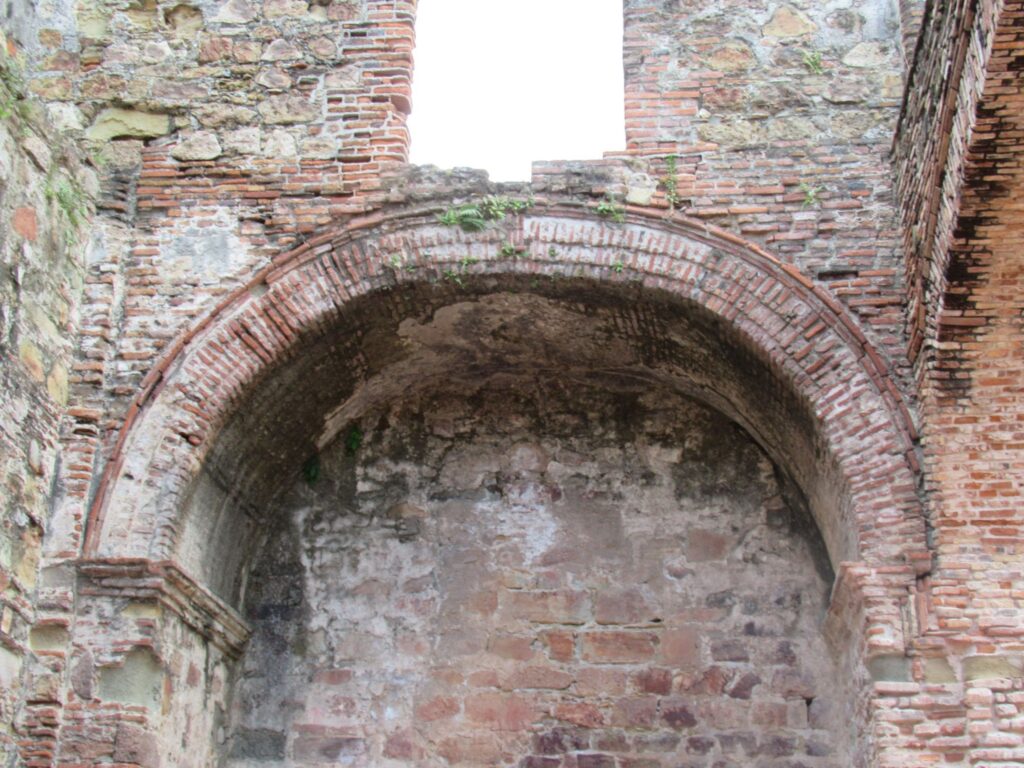
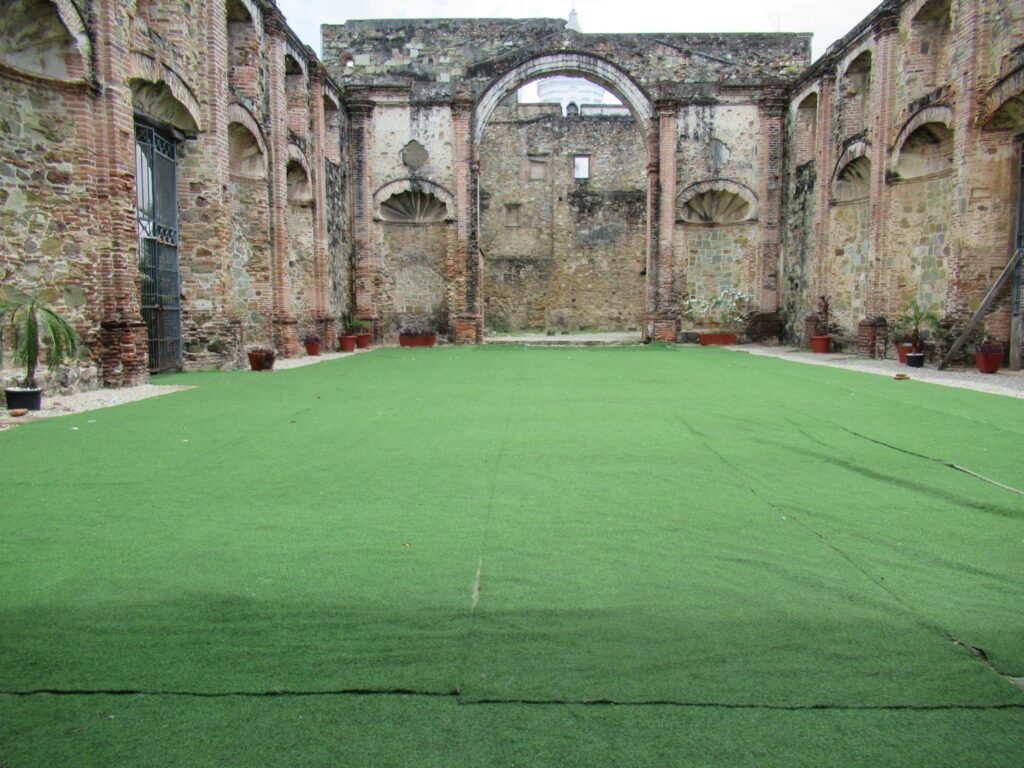
Old ruined cathedral

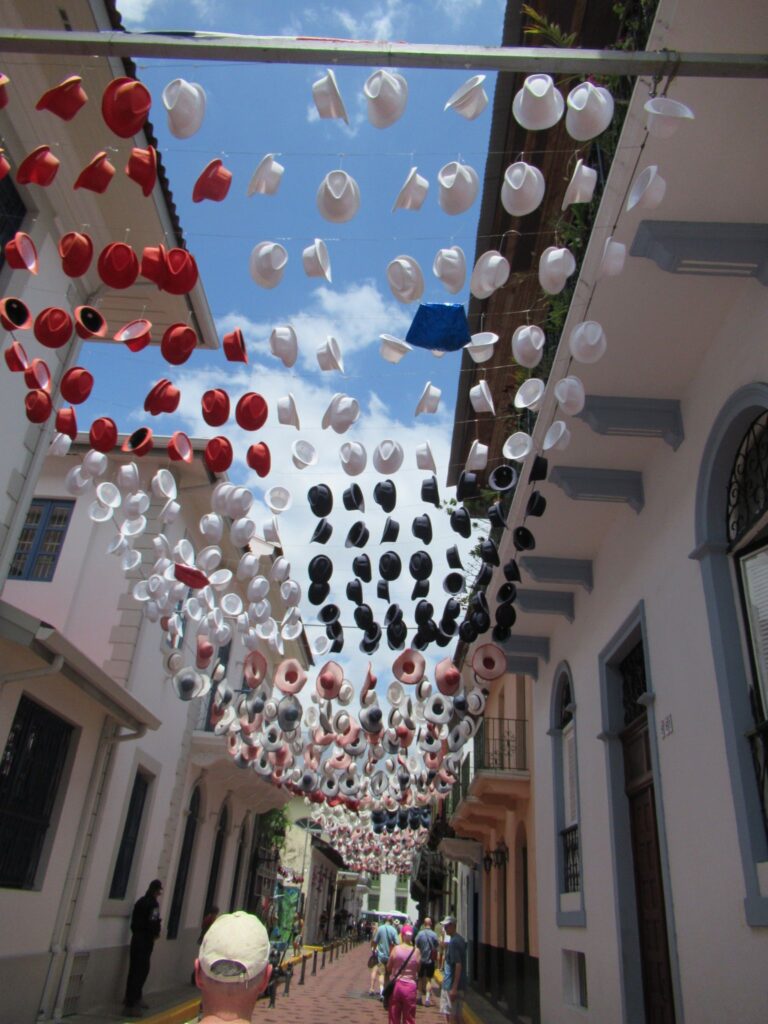
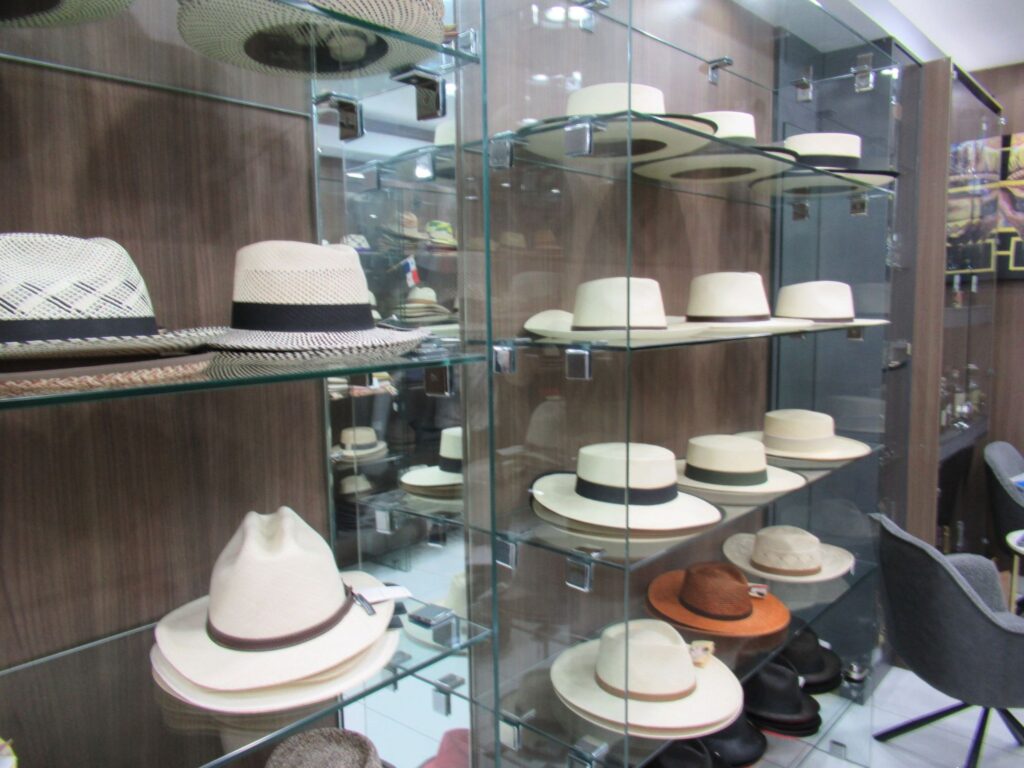
This is Calle de Sombreros (Hat Street) where you can buy a genuine Panama hat.

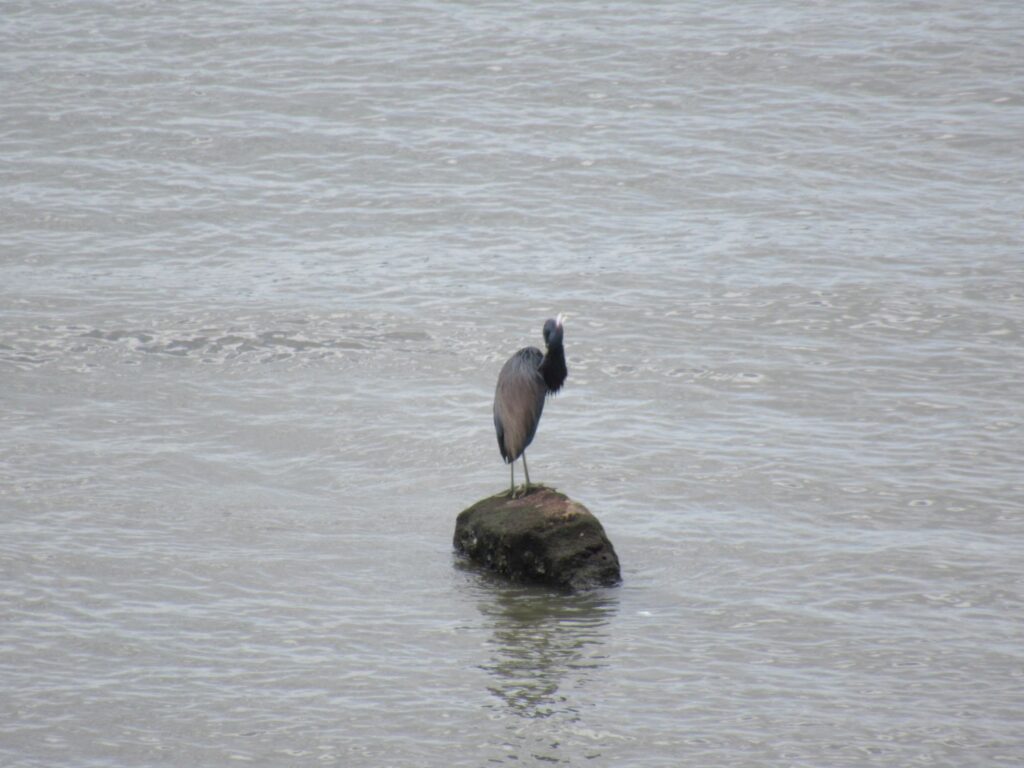
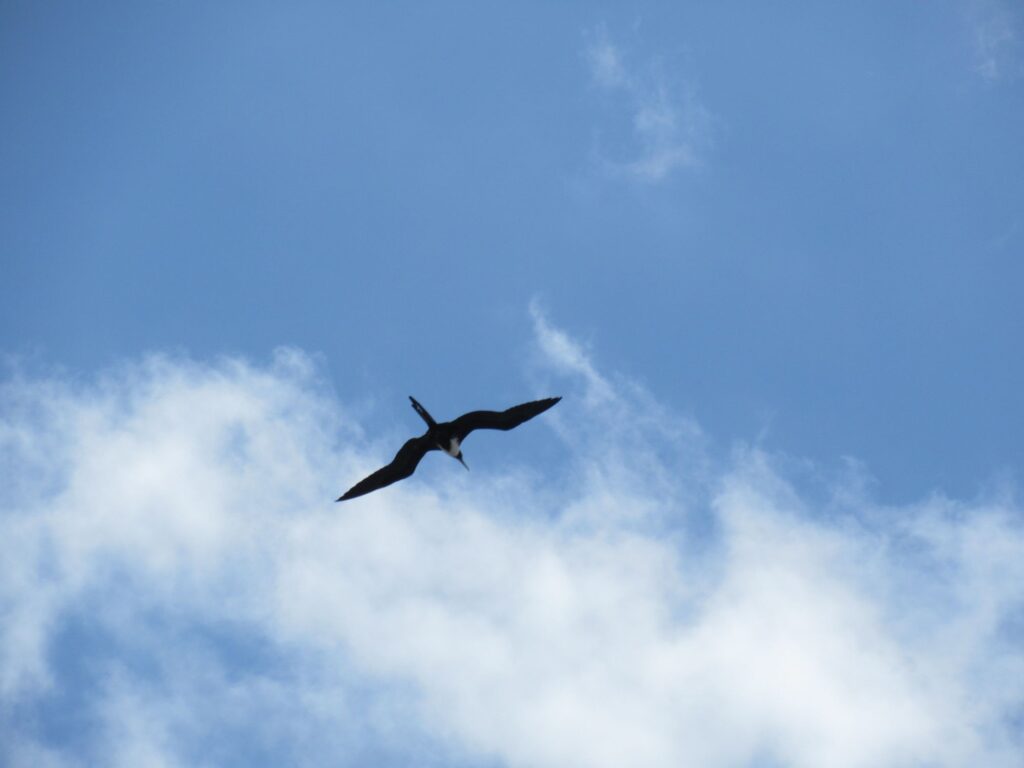
Lots of different birds around – black vultures, storks, egrets, pelicans

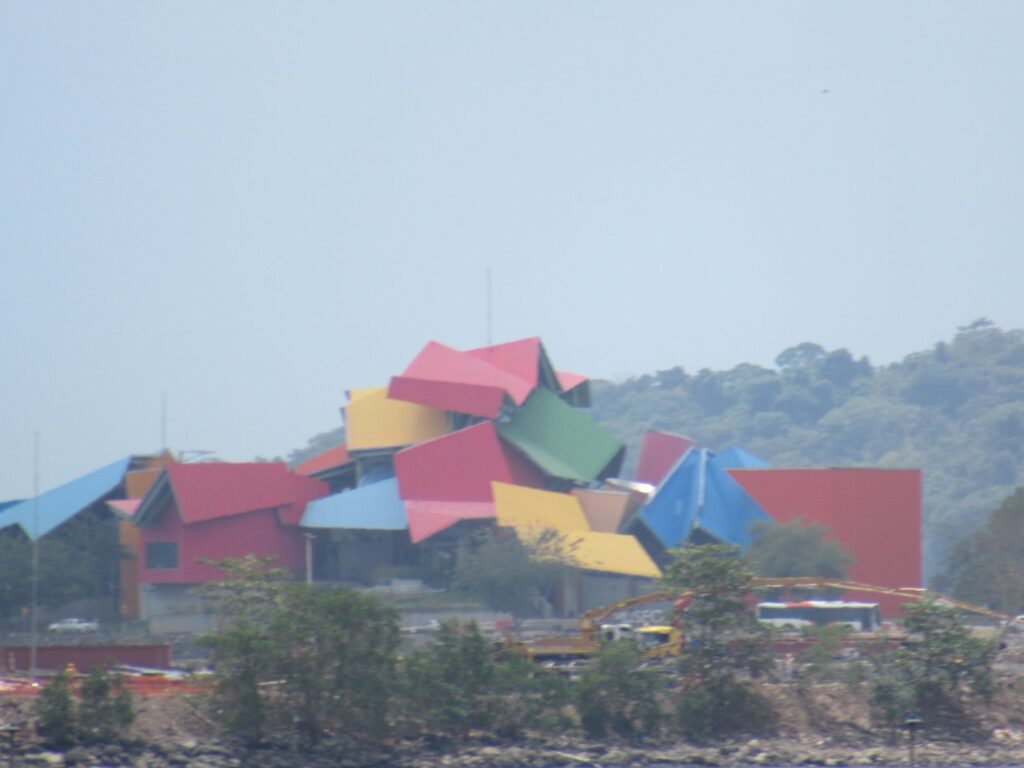
The Biosphere Museum designed by Frank Gehry

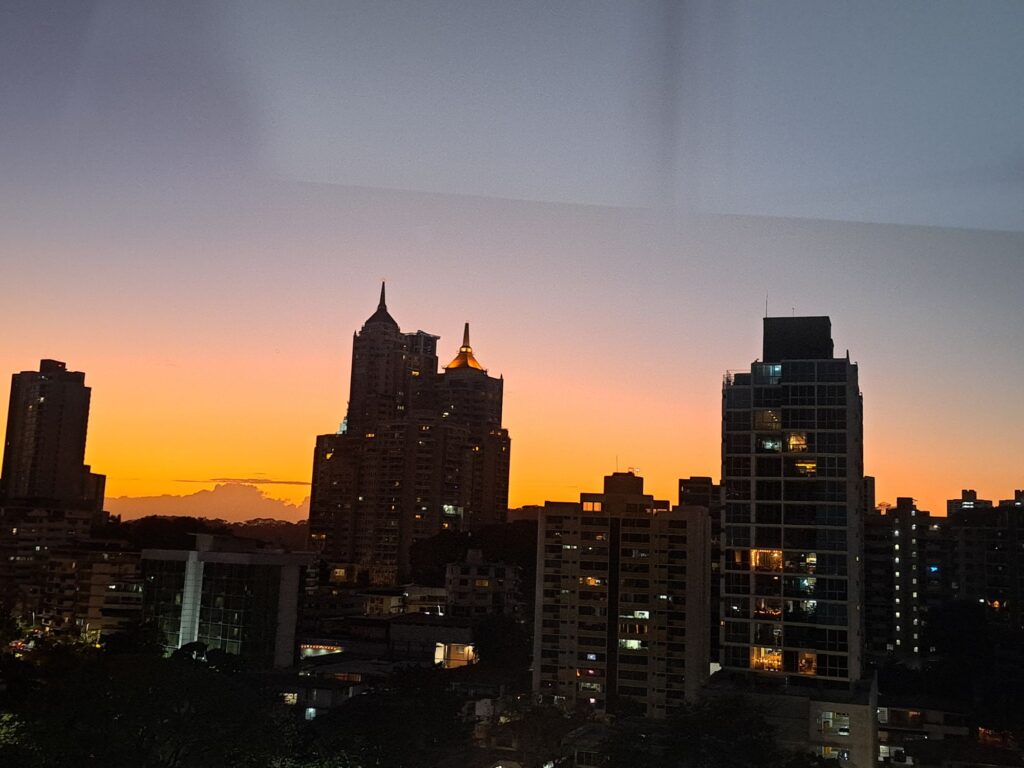
Sunset behind the skyscrapers