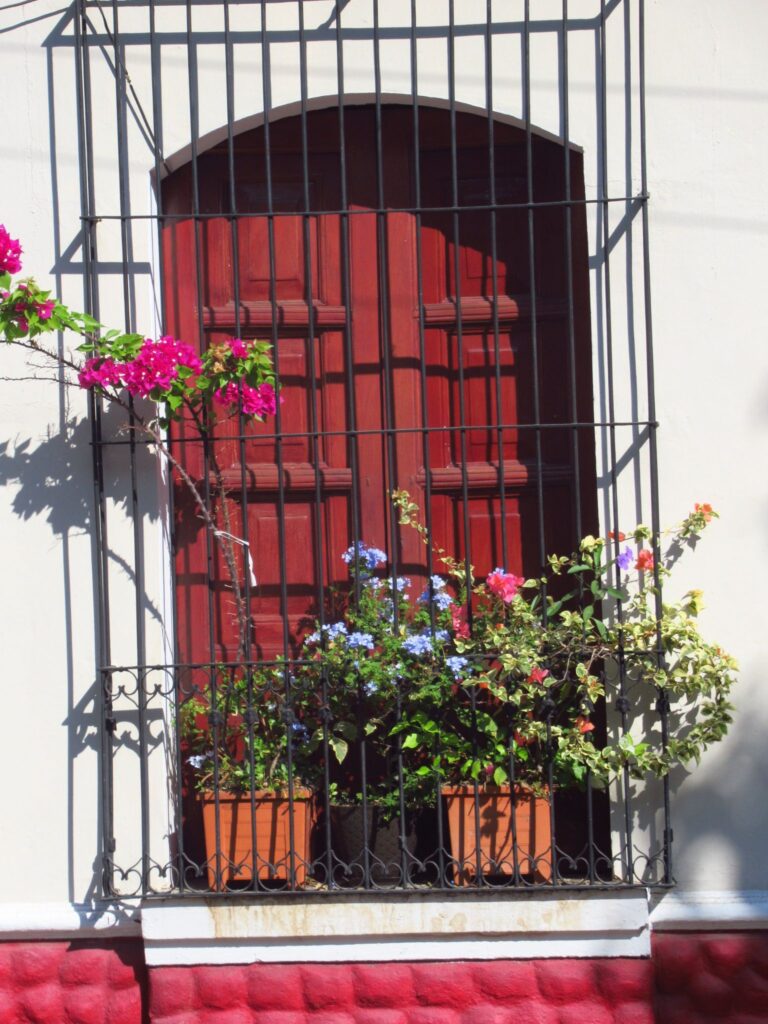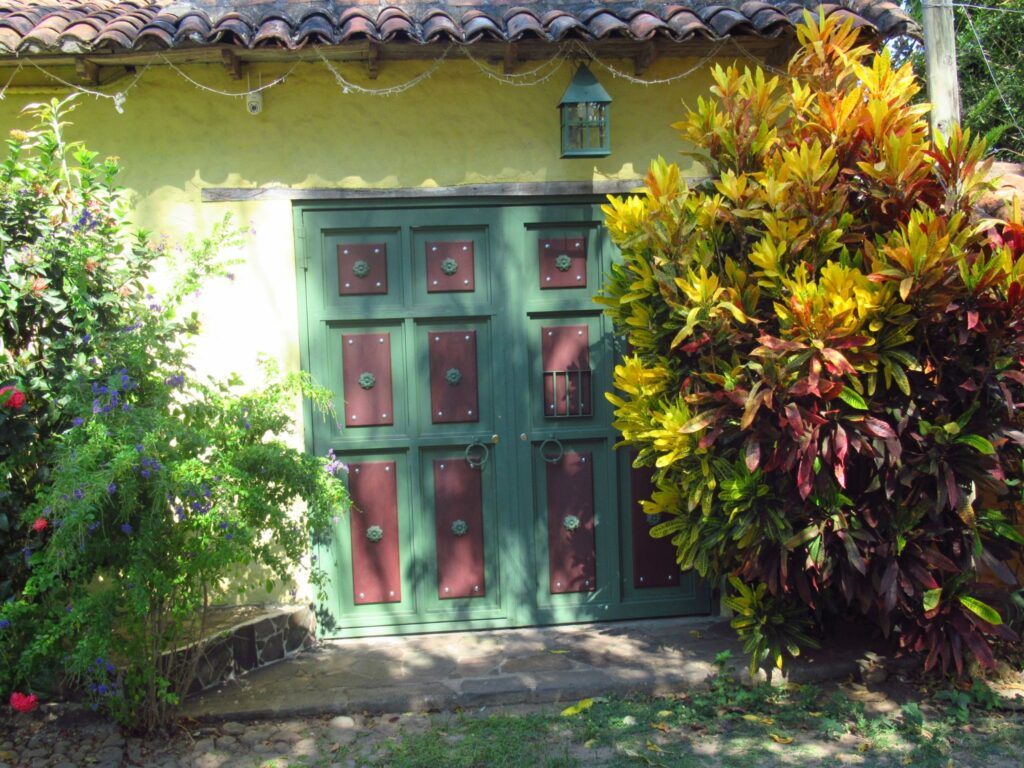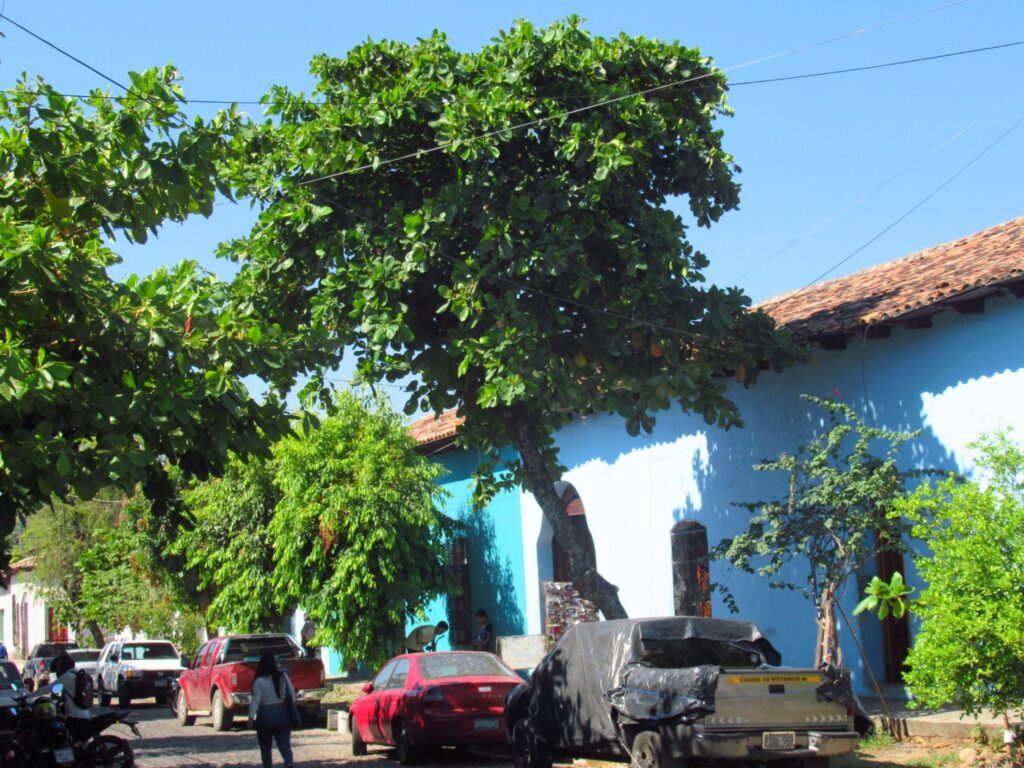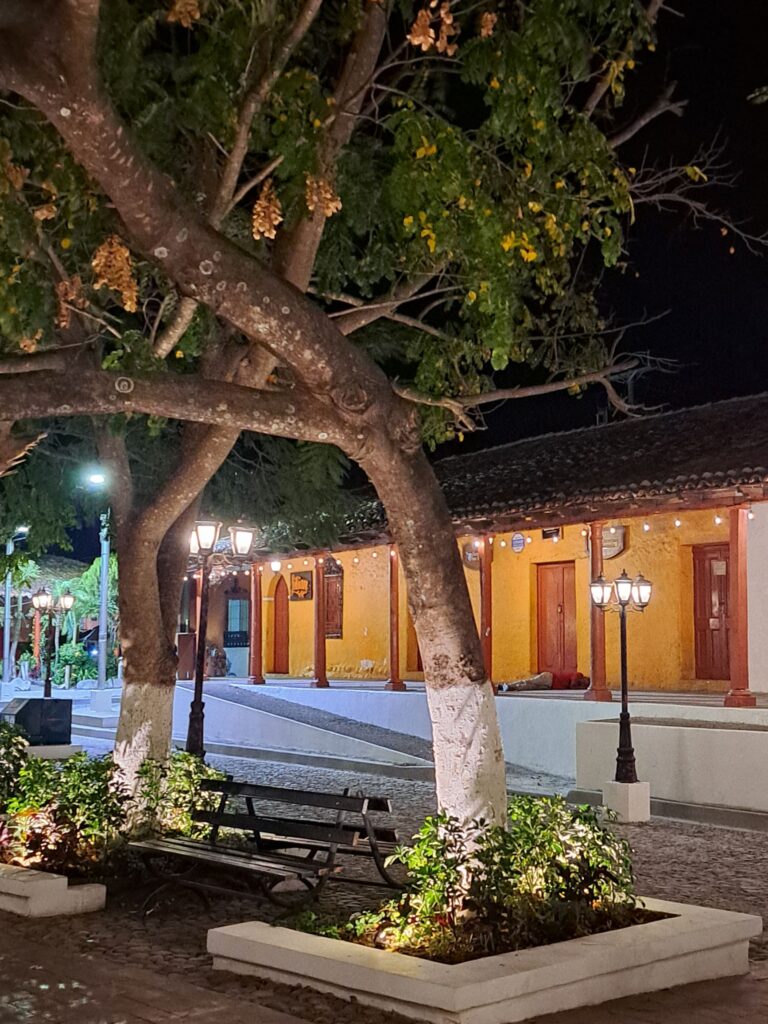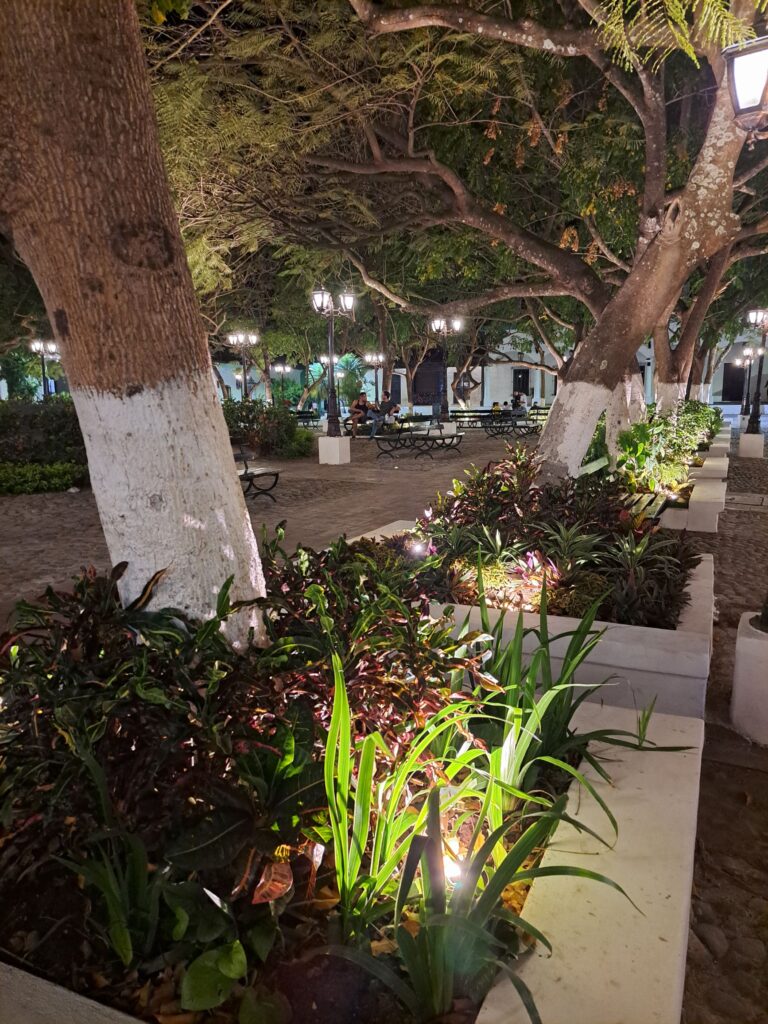
Antigua to home

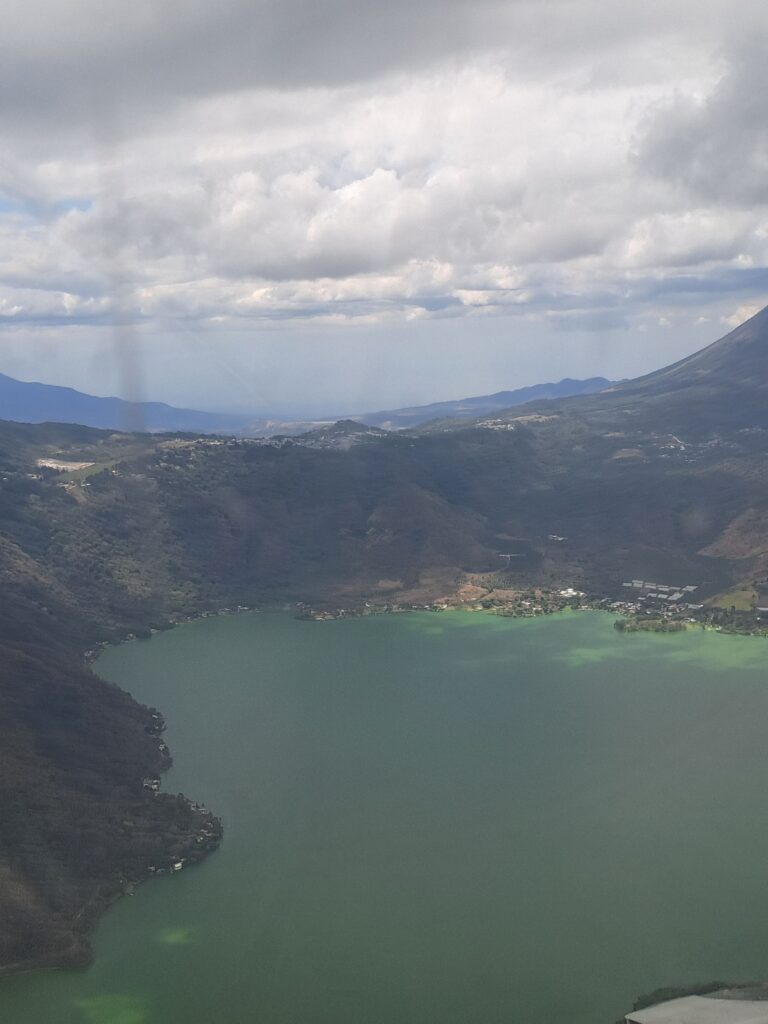
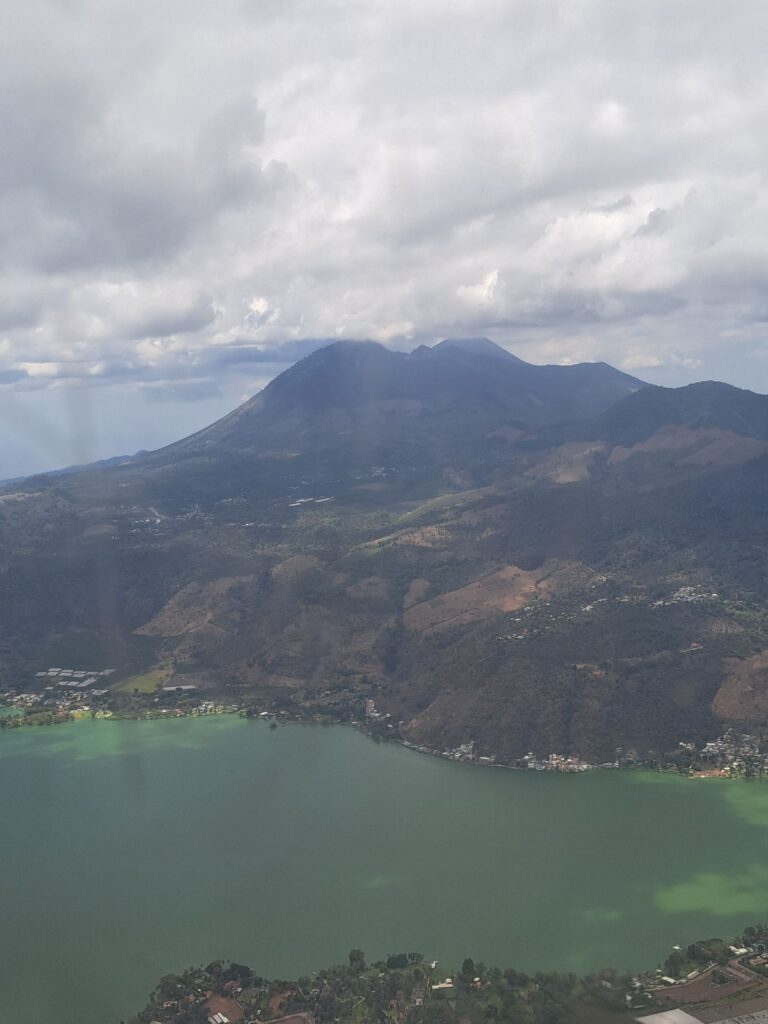
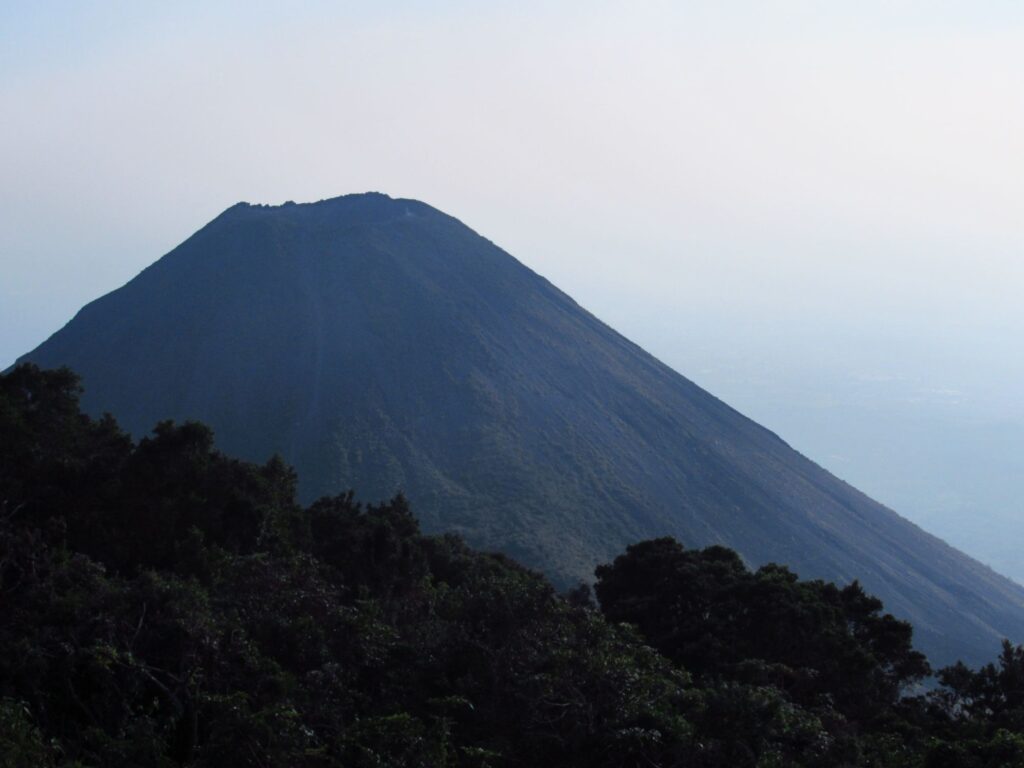
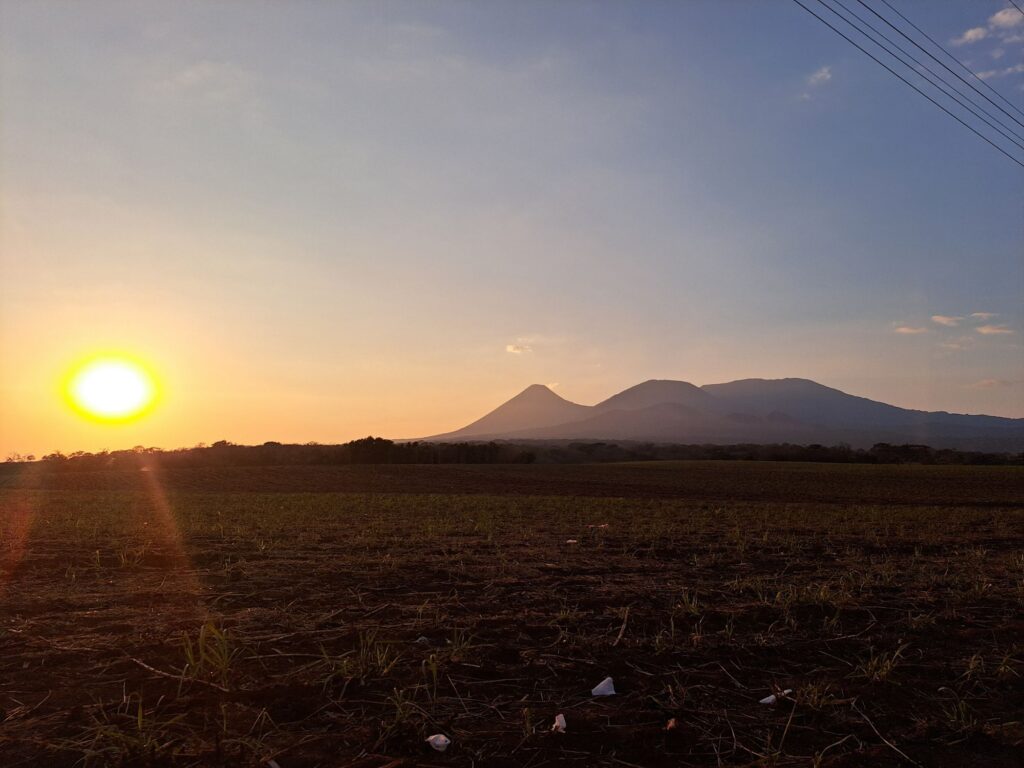
The skies were clear this morning for a shot of the volcanoes.
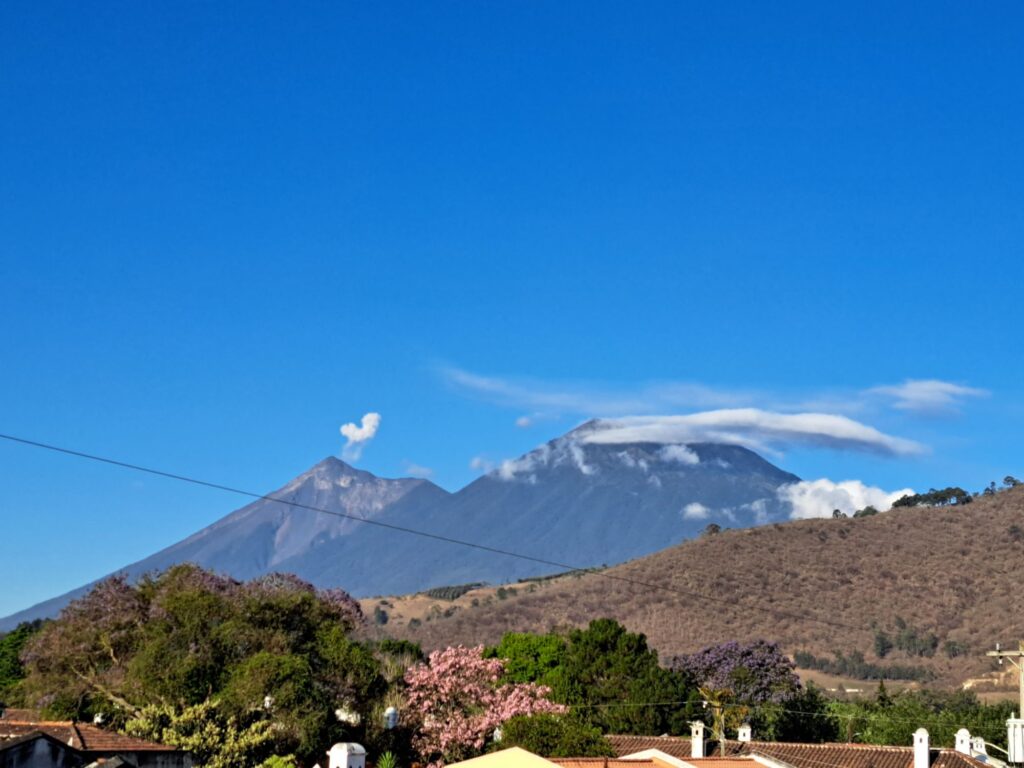
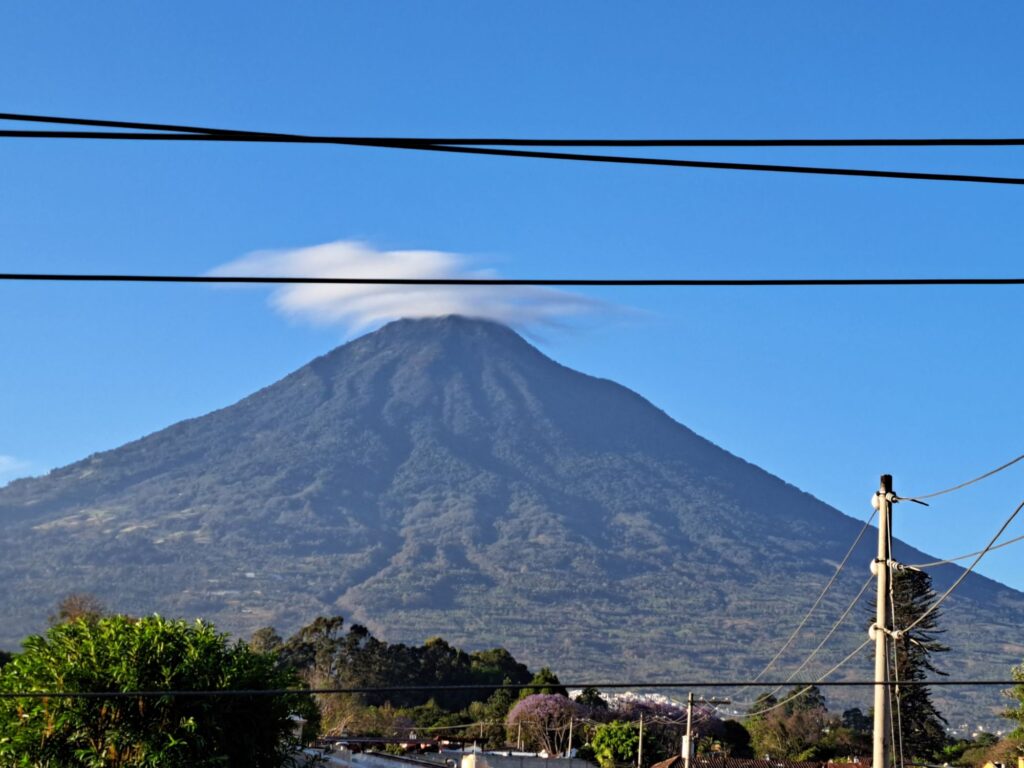
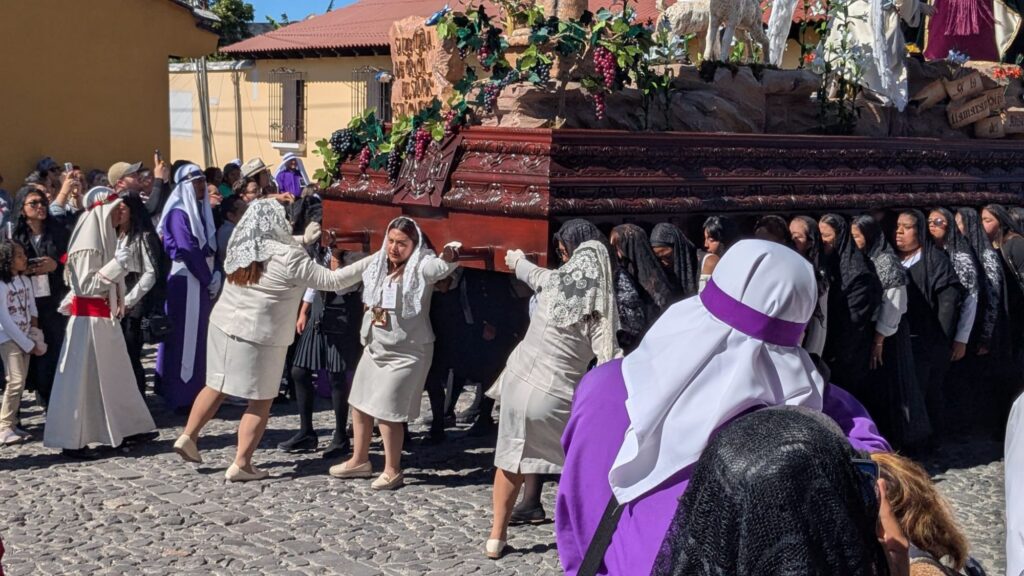
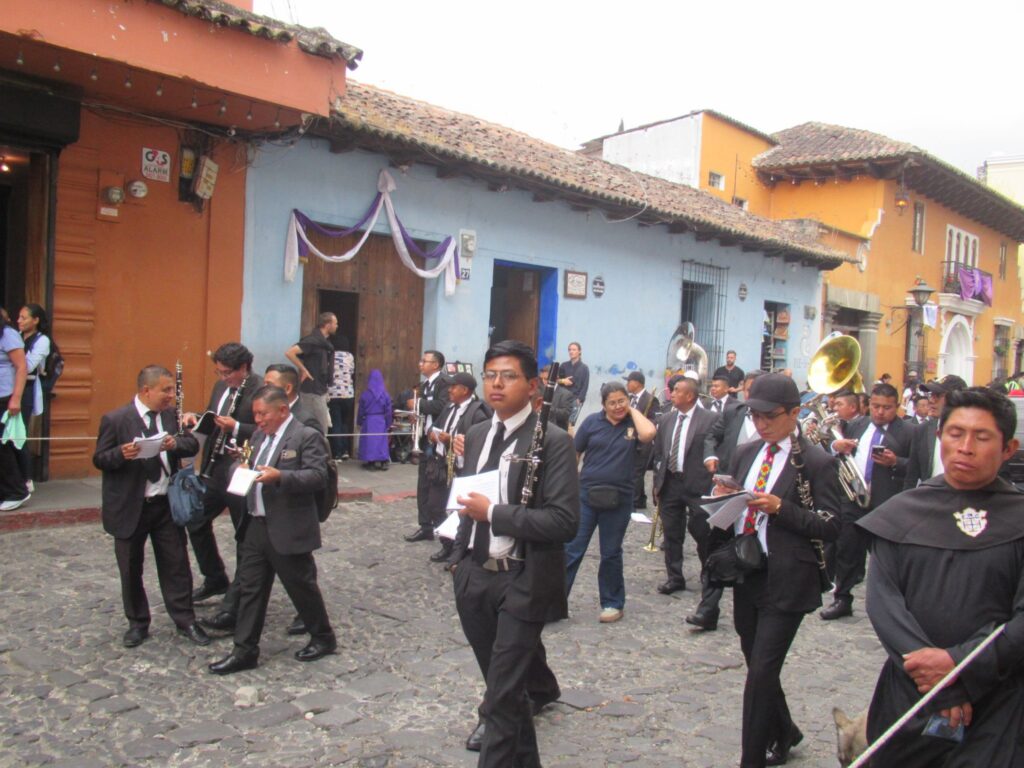
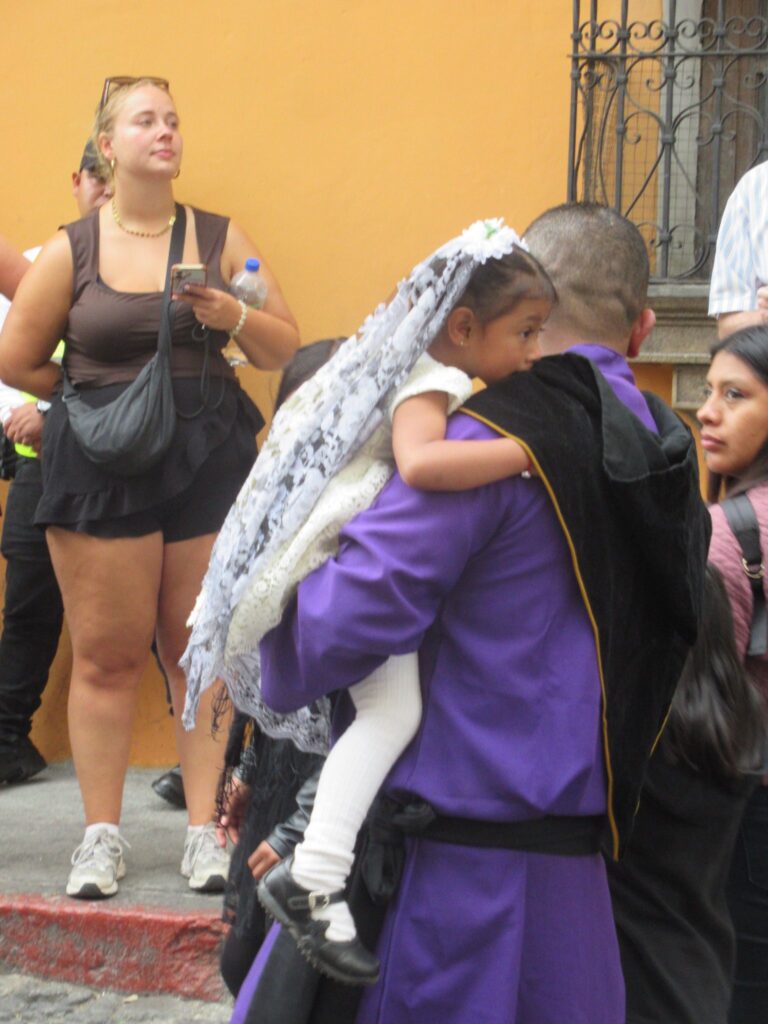
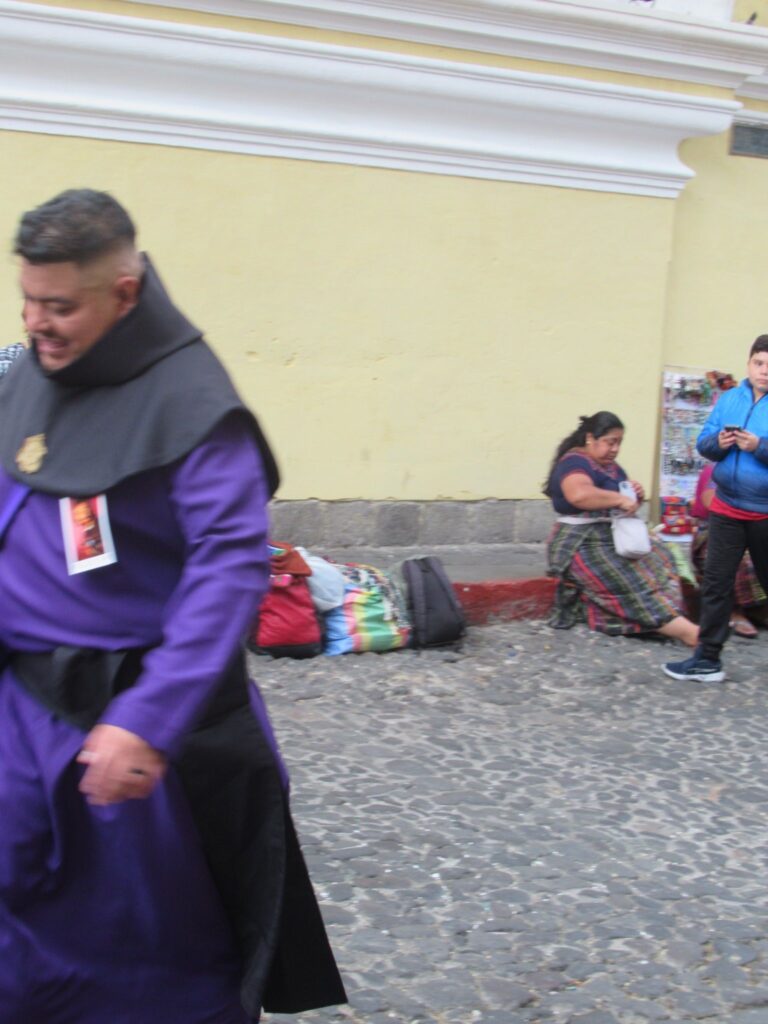
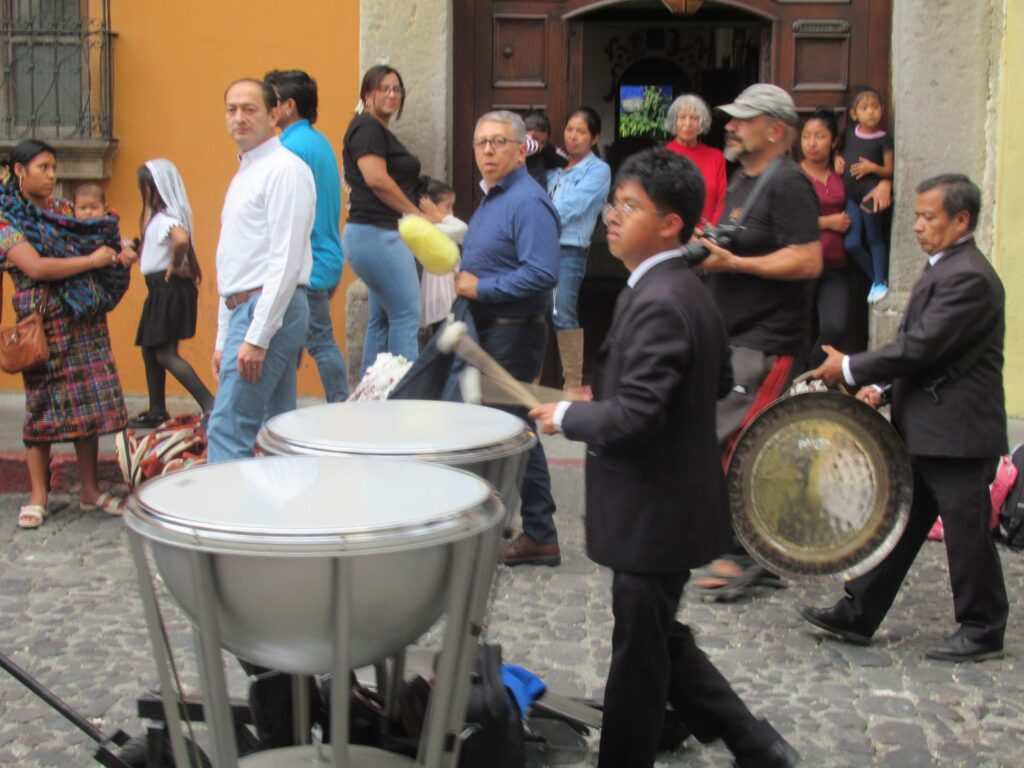
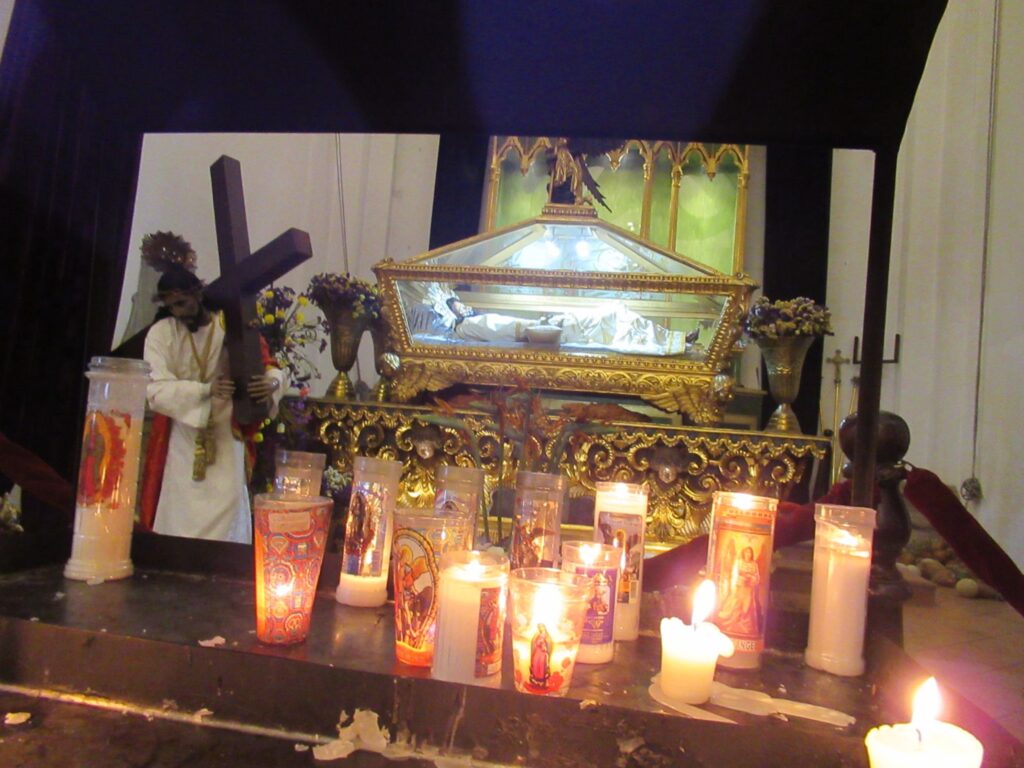
Just managed to get out of the town before the processions started. Thanks Keith for these photos
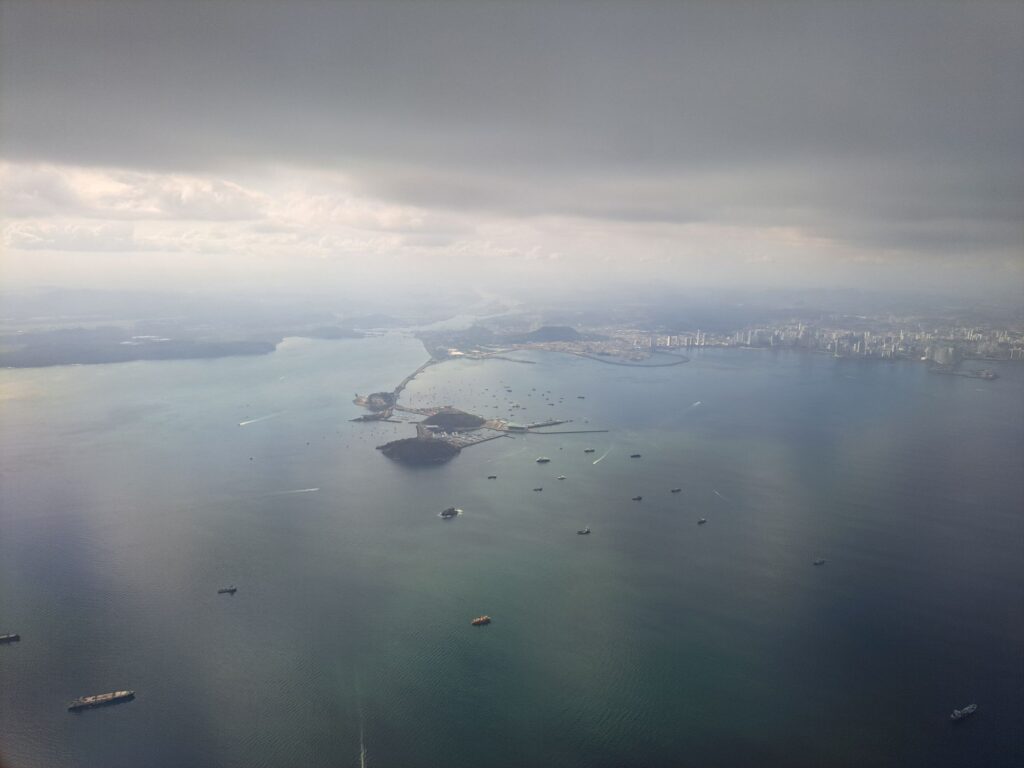
Flying into Panama, boats lined up to transit the canal
Sitting in the airport waiting to get the first of three flights home after another adventure. A holiday of many highlights –  transit through the Panama Canal, walking through the cloud forest, the sloths, birds and animals, Lake Nicaragua, the fluorescent lava of Masaya Volcano and the ruins of Copan and Tikal.

Six countries, all very different but all the people were friendly and smiling (with the exception of the charming ladies at the Nicaraguan border control) and cars even stopped to let you cross the road! All the countries have their political issues, not to be criticised out loud for fear of being overheard.

I have learnt that a woodpecker has an exceptionally long tongue which wraps around its brain to act as a shock absorber. Also you can’t count the rings of a tree stump to ascertain its age because the continent only has two seasons (wet and dry), its only in countries with four seasons that the rings appear. Not a lot of people know that.

So many volcanoes with daily tremors but the people seem to take it in their stride and worry if they don’t happen because that means its building up to be something bigger and sitting between two tectonic plates means anything could happen at any time.

Wasn’t too keen on getting soaked in the rainforest and the resultant bites and could have bypassed San Jose, but who can forget the lovely town of Granada and the frozen mochaccino or having afogato for breakfast.

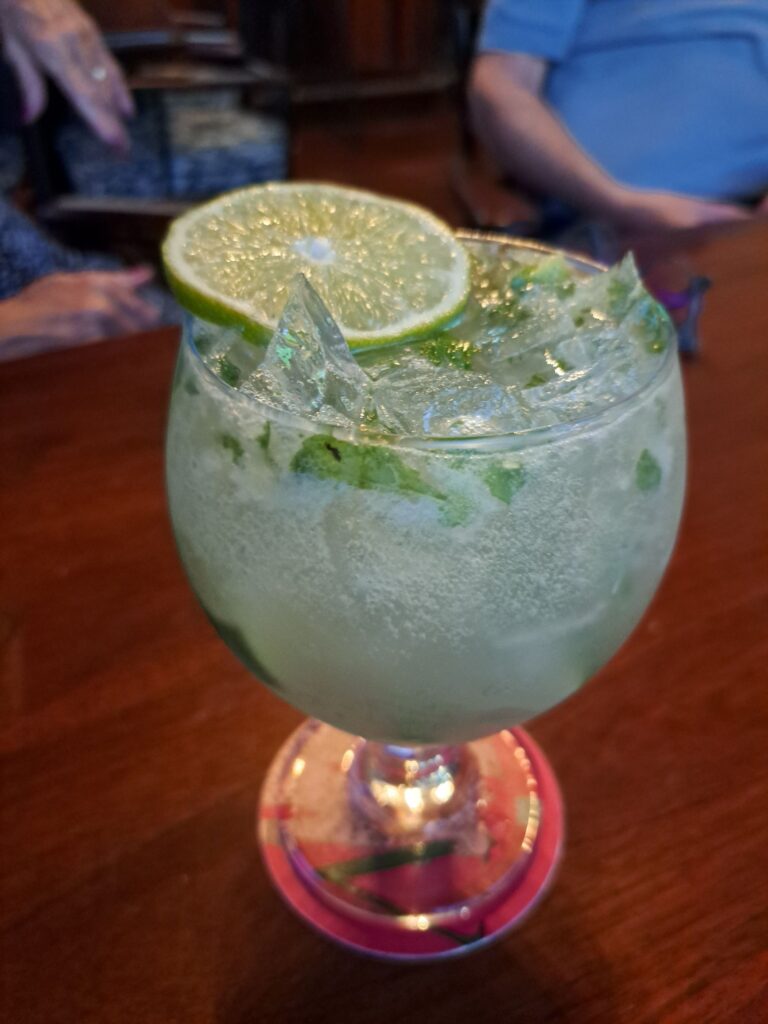
A great group of people with lots of happy memories.  Anyone for a mojito??

Quote from Anthony Bourdain
“Travel changes you. As you move through this life and this world you change things slightly, you leave marks behind, however small. And in return, life — and travel — leaves marks on you.”

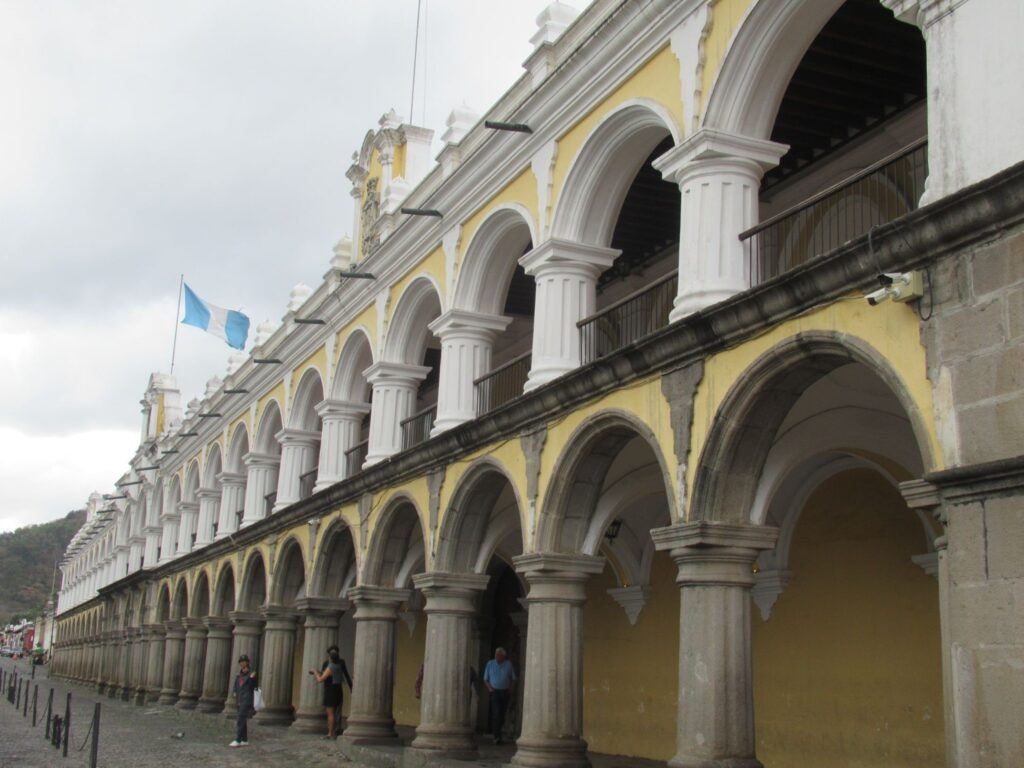
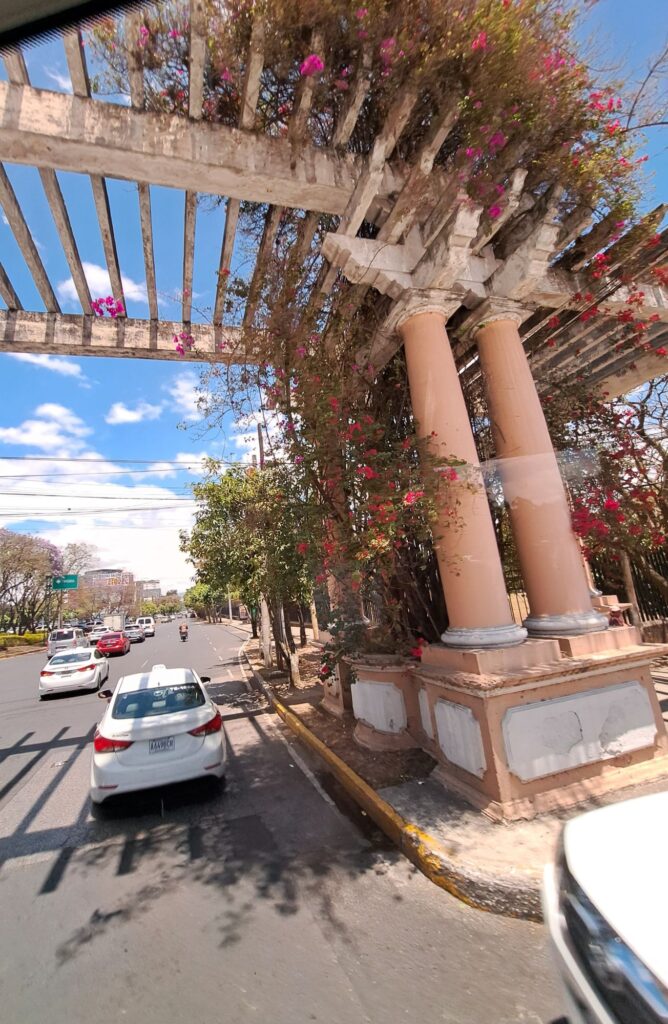
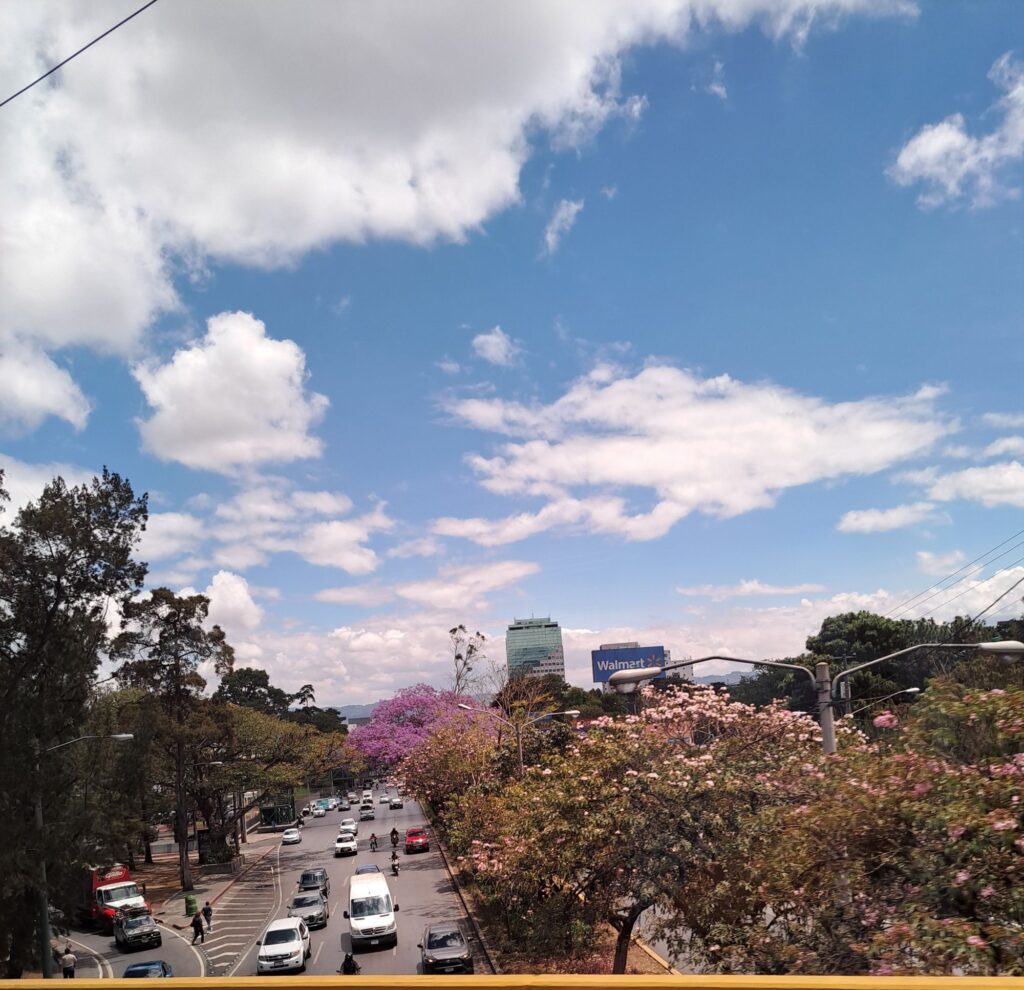
Antigua, Guatamala

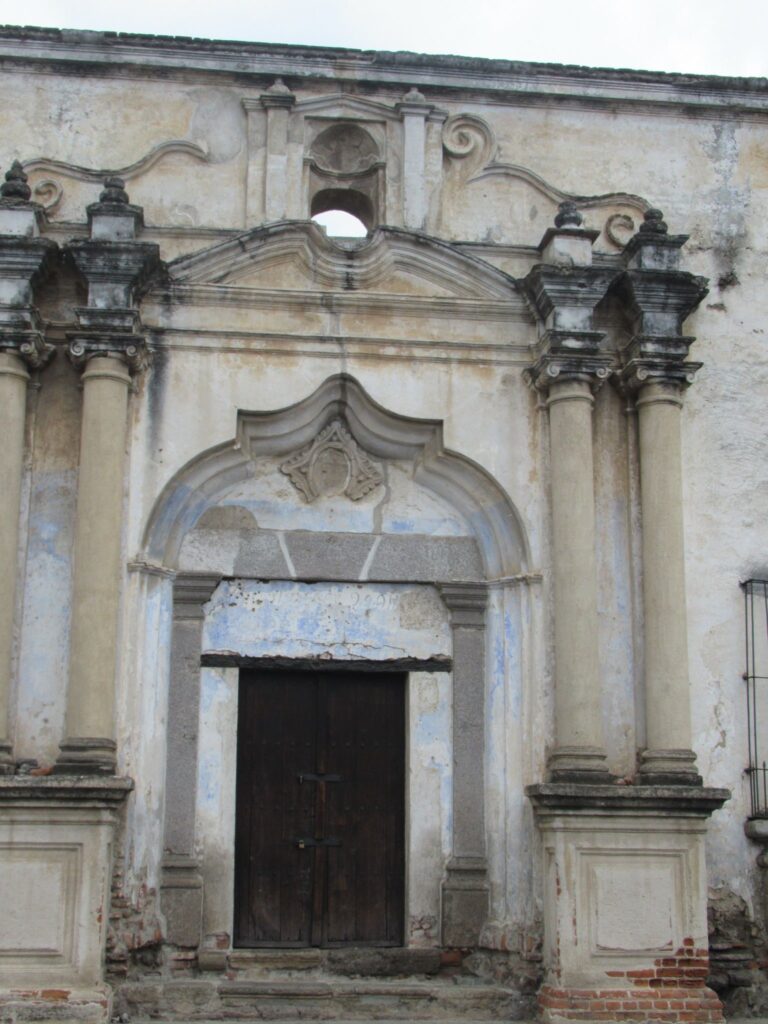
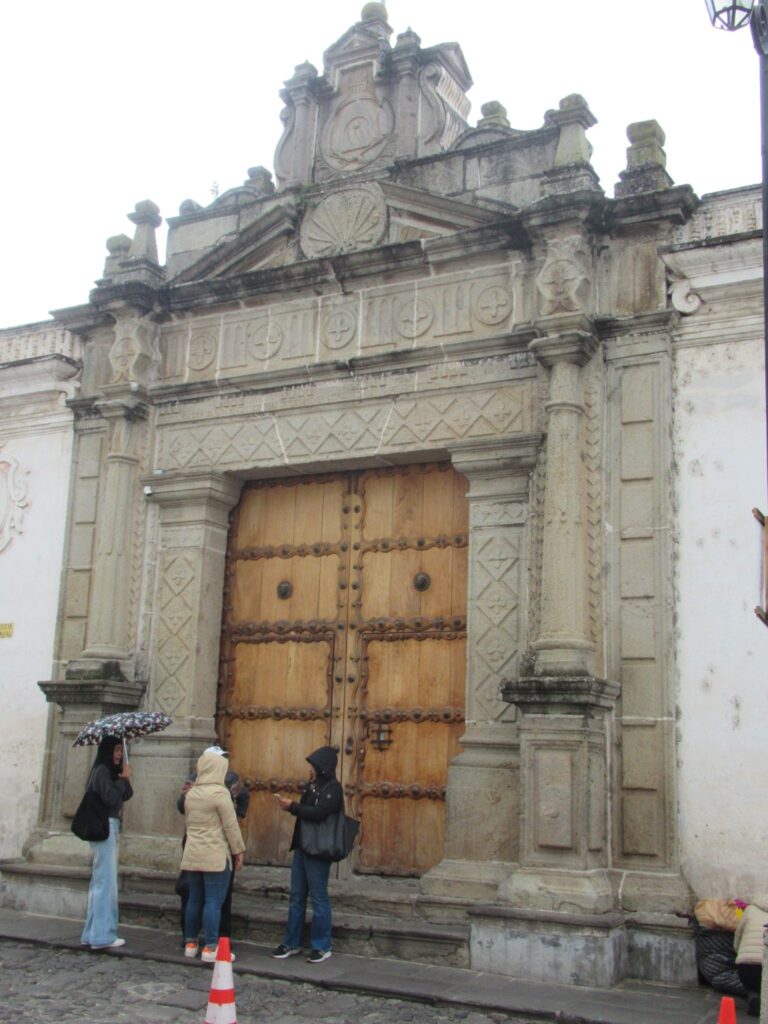
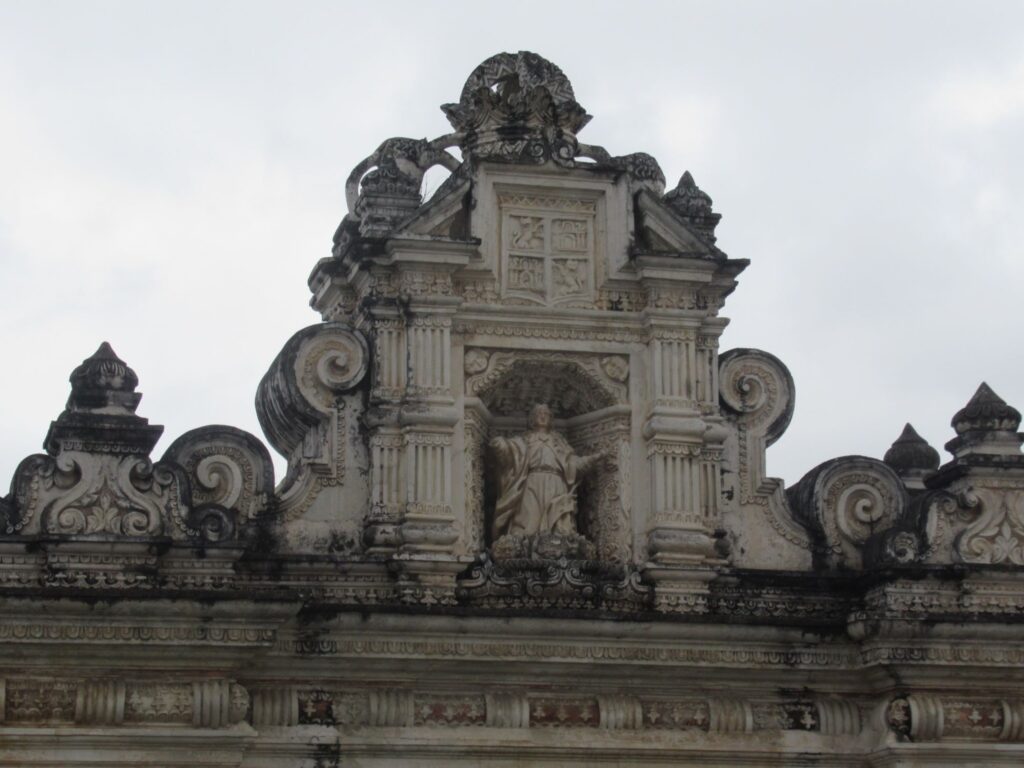
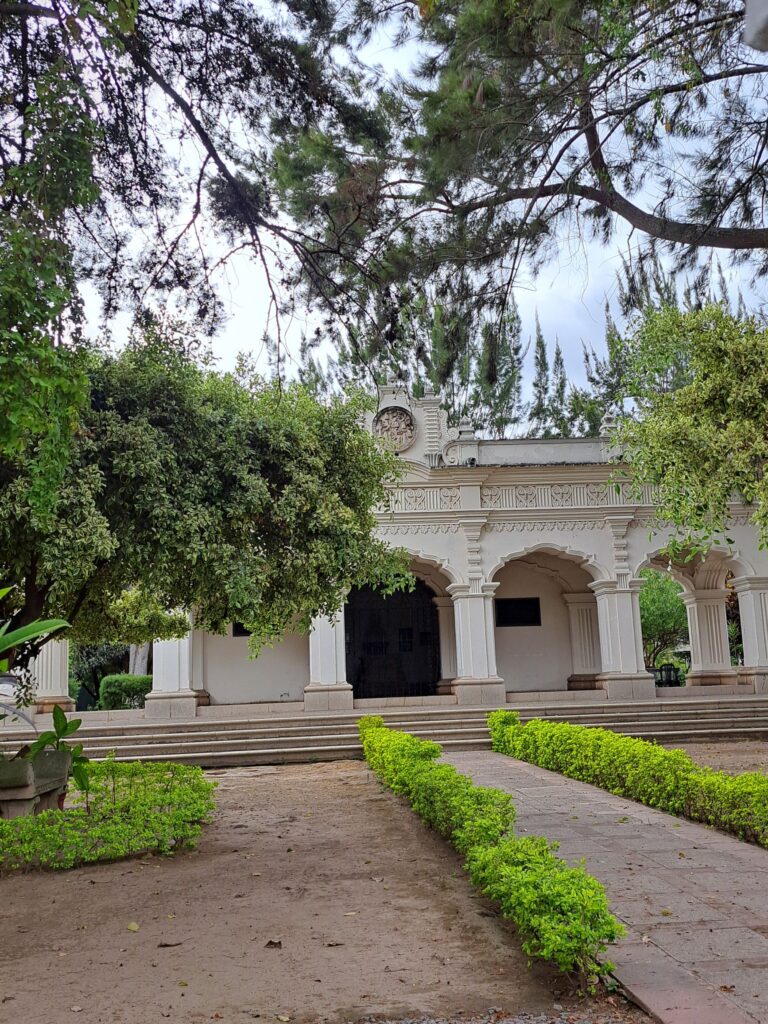
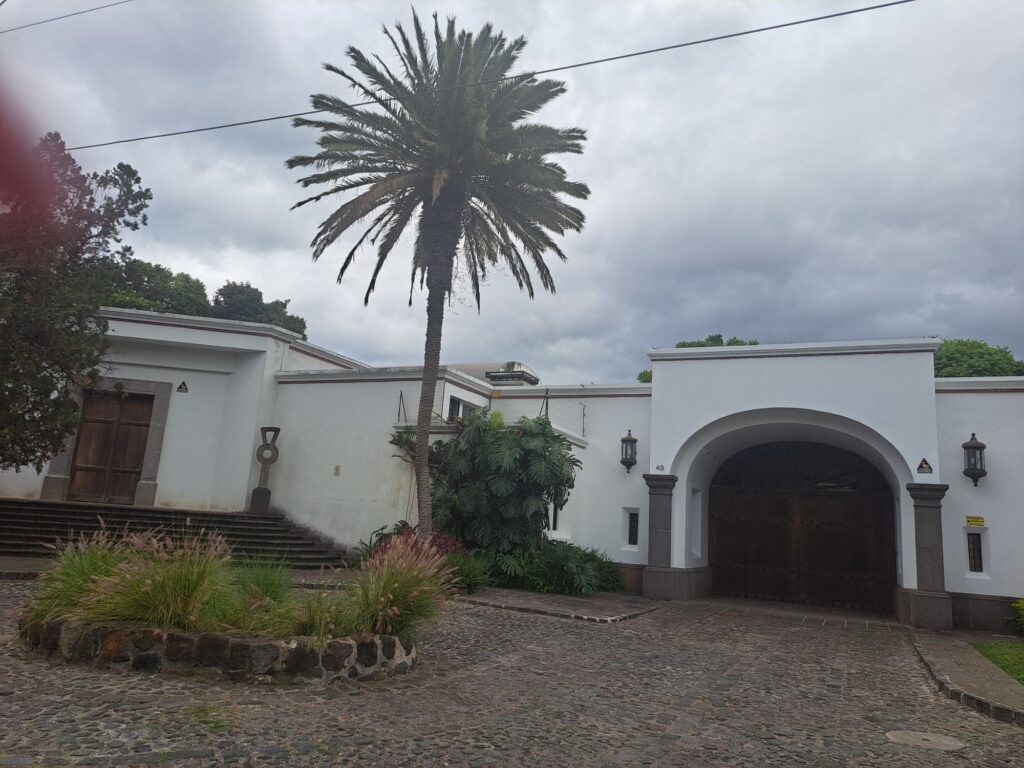
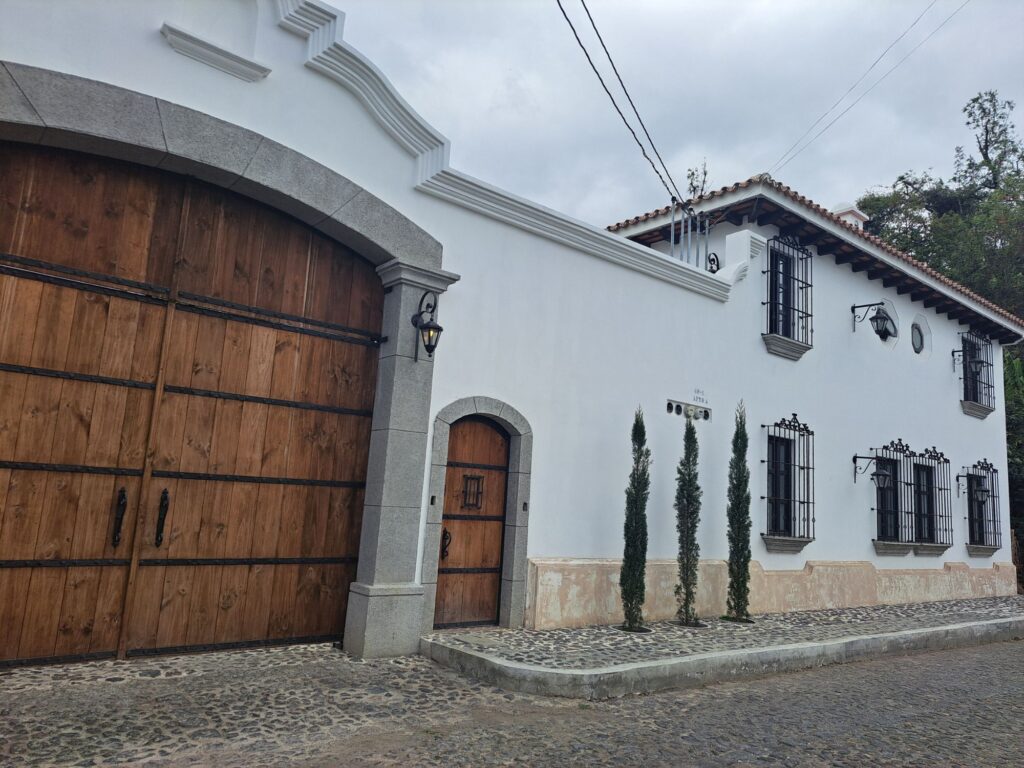
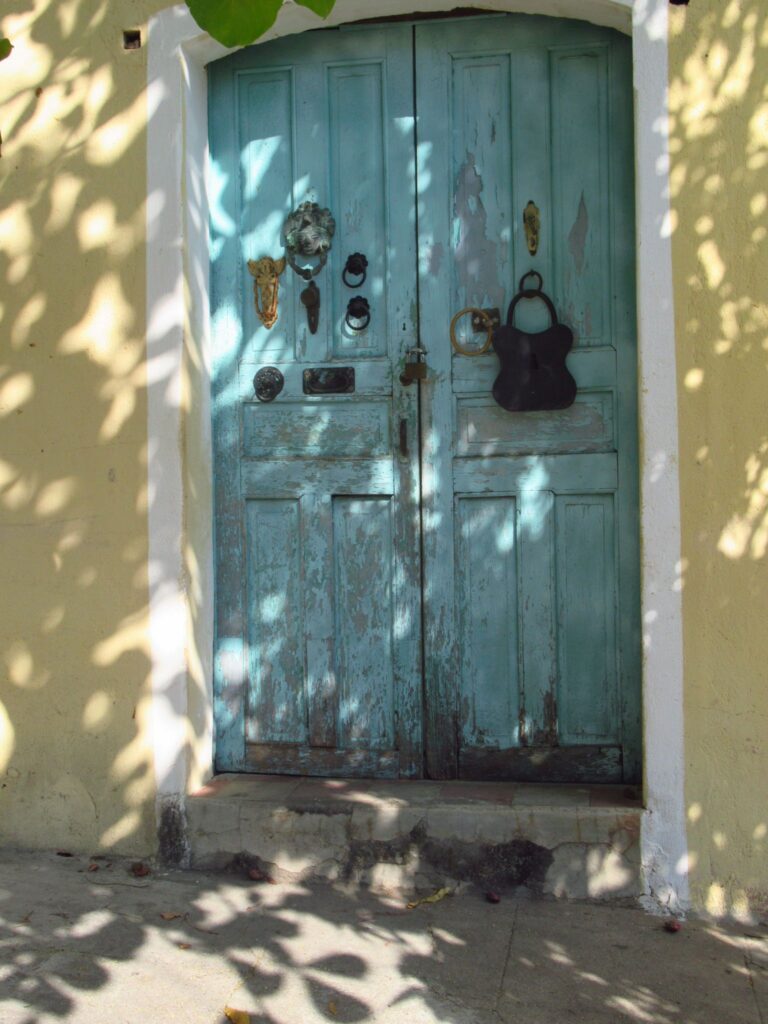
Free day today so a walk around enjoying the atmosphere and the beautiful old buildings

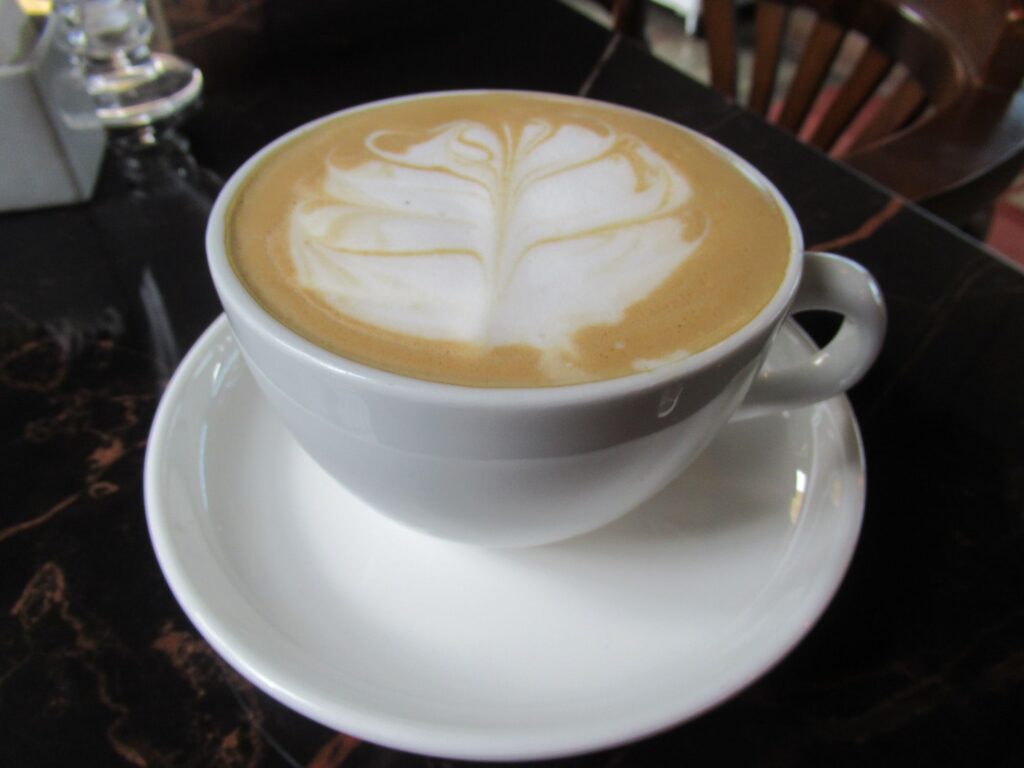
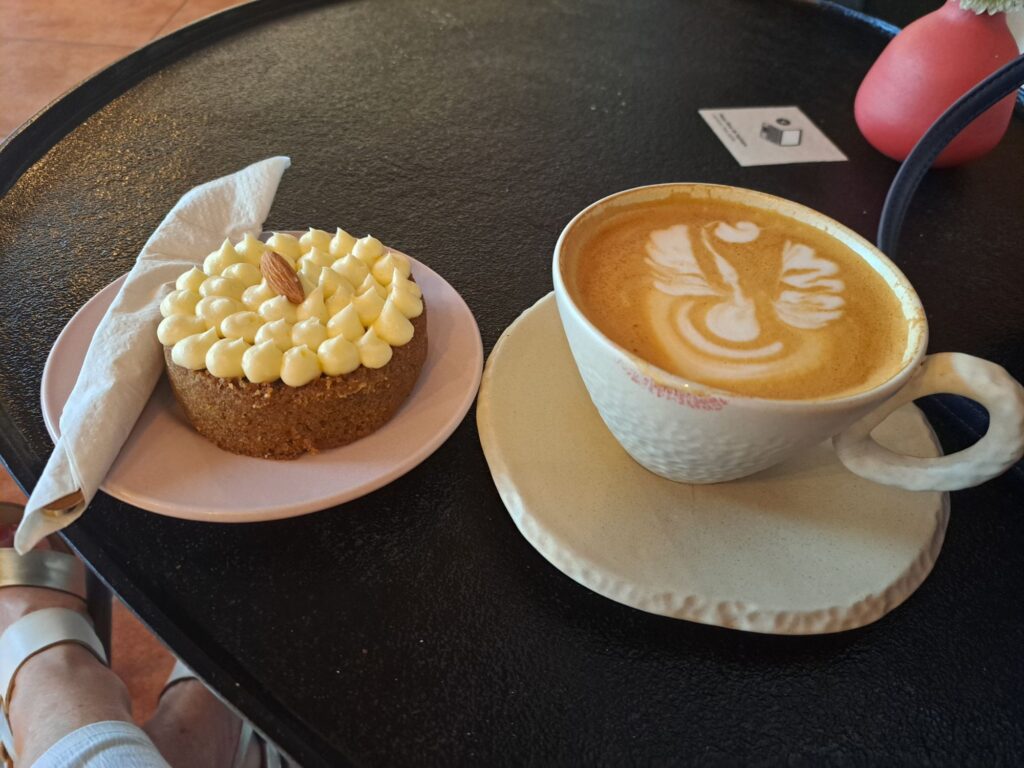
Cappuccino the same the world over

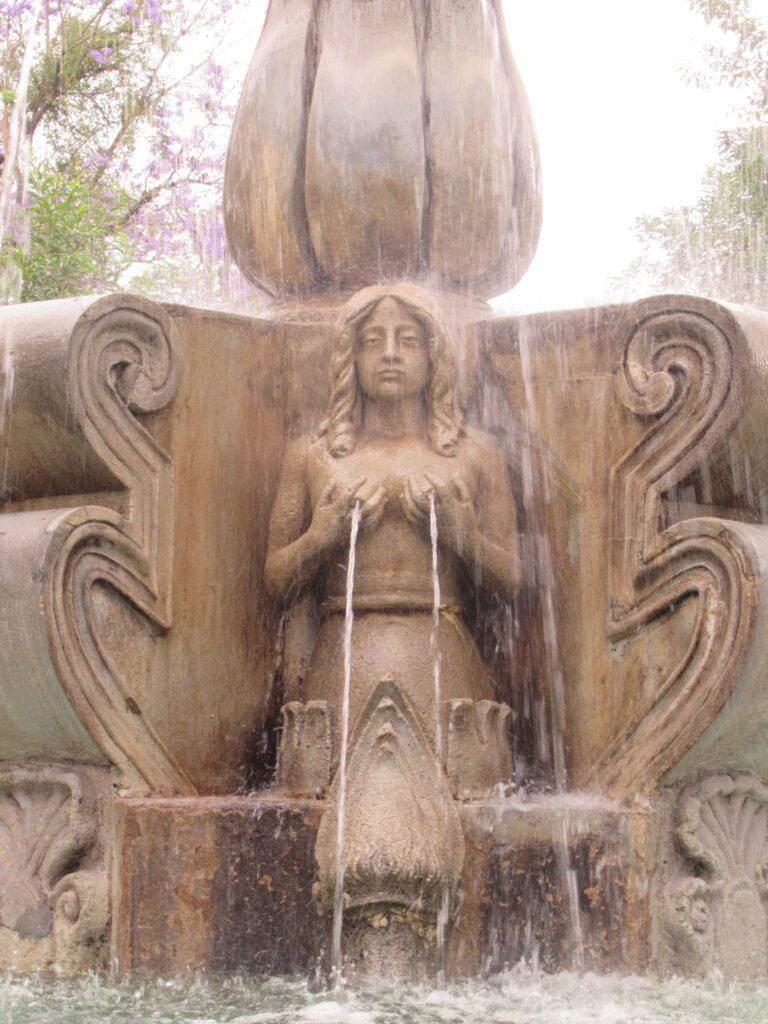
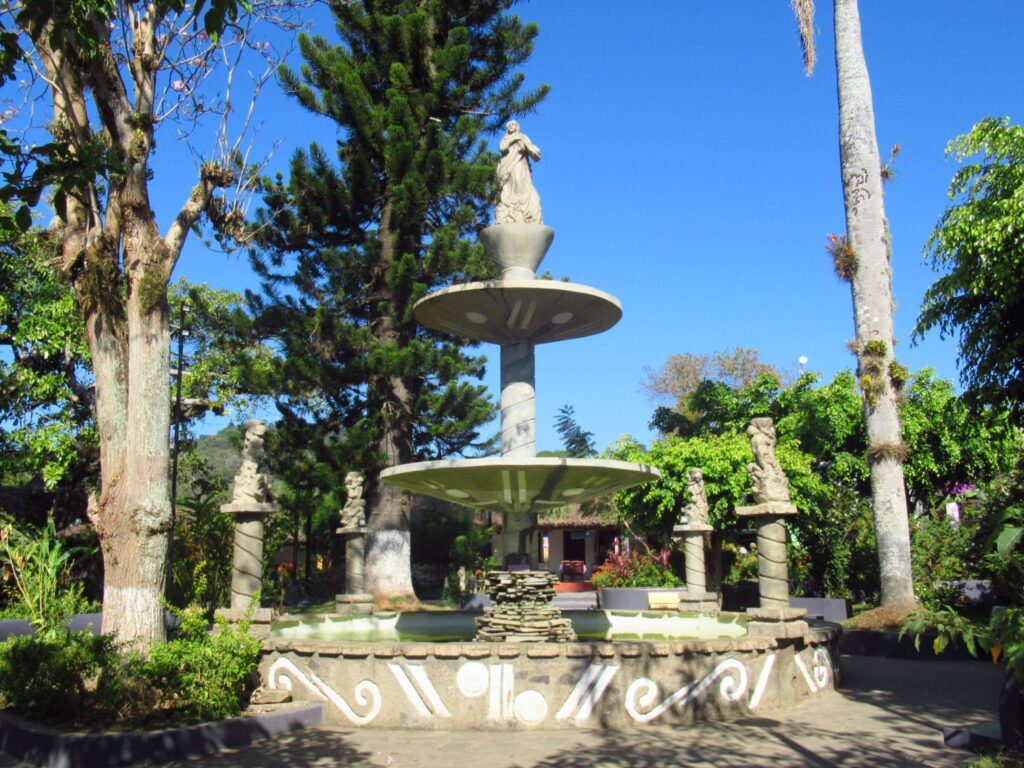
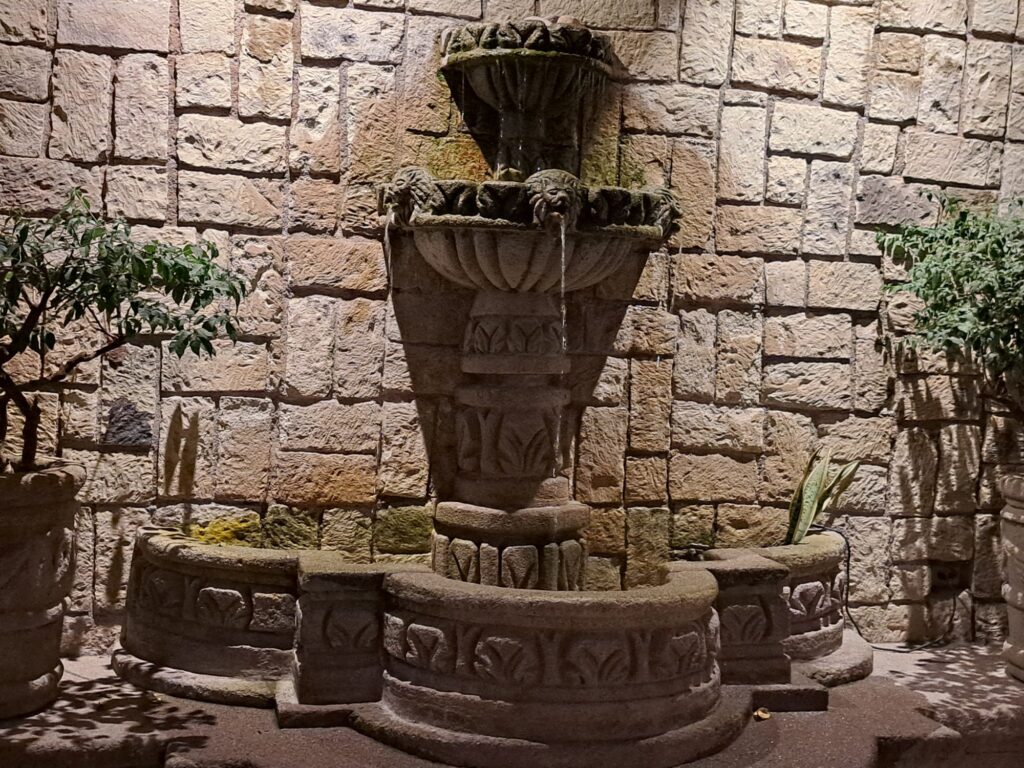
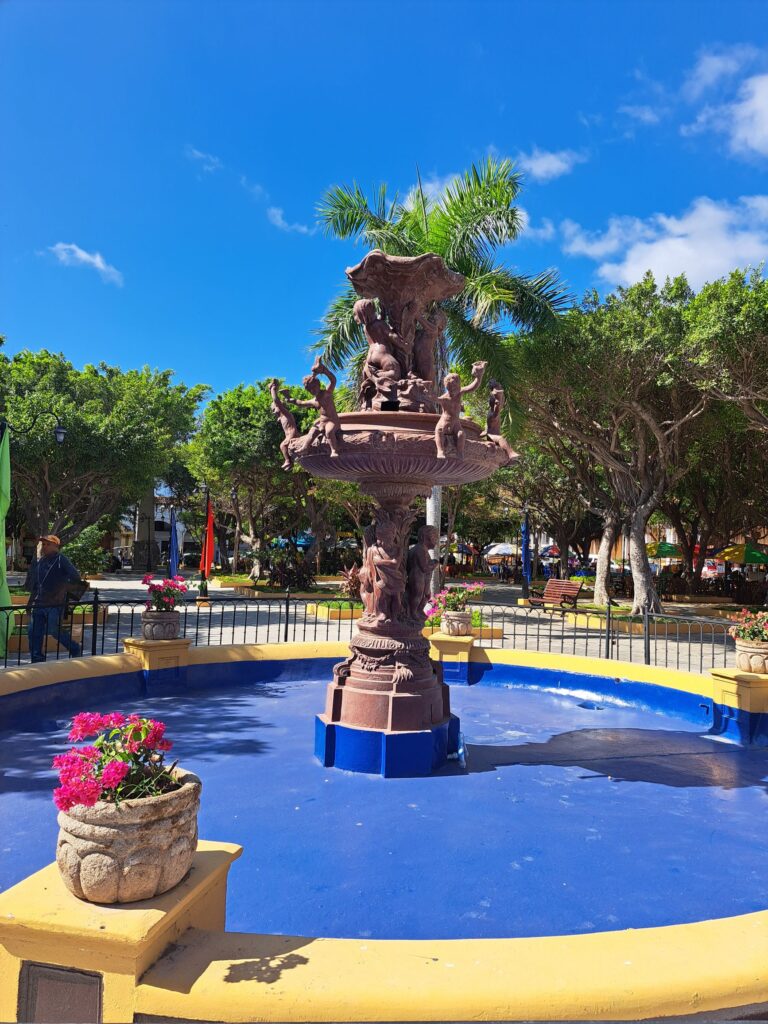
The fountain in Parque Central!!

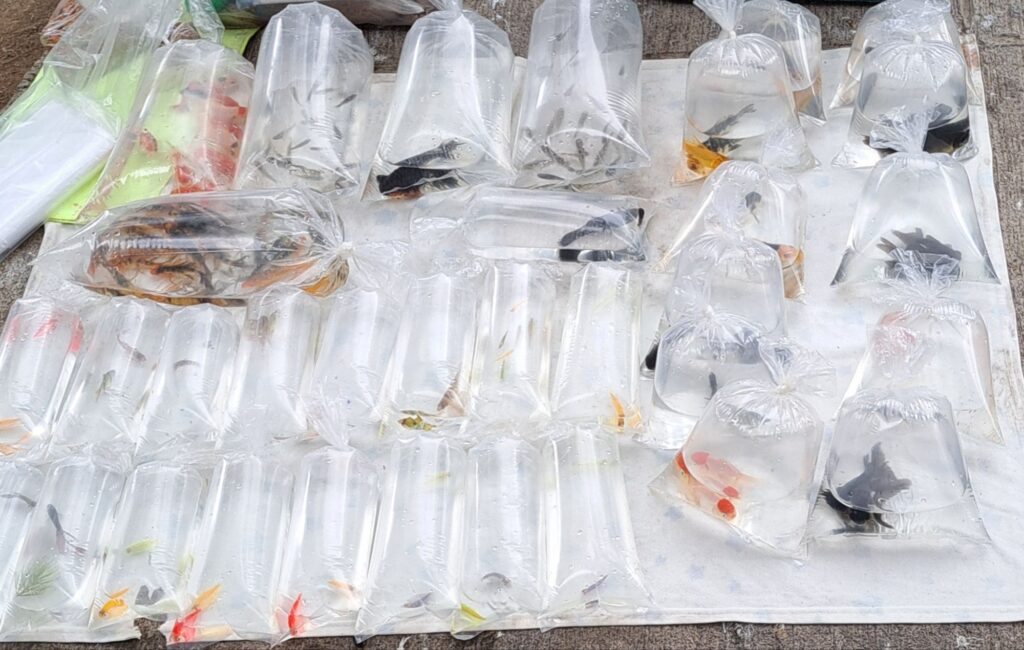
Fish for sale in the Market but not to eat!

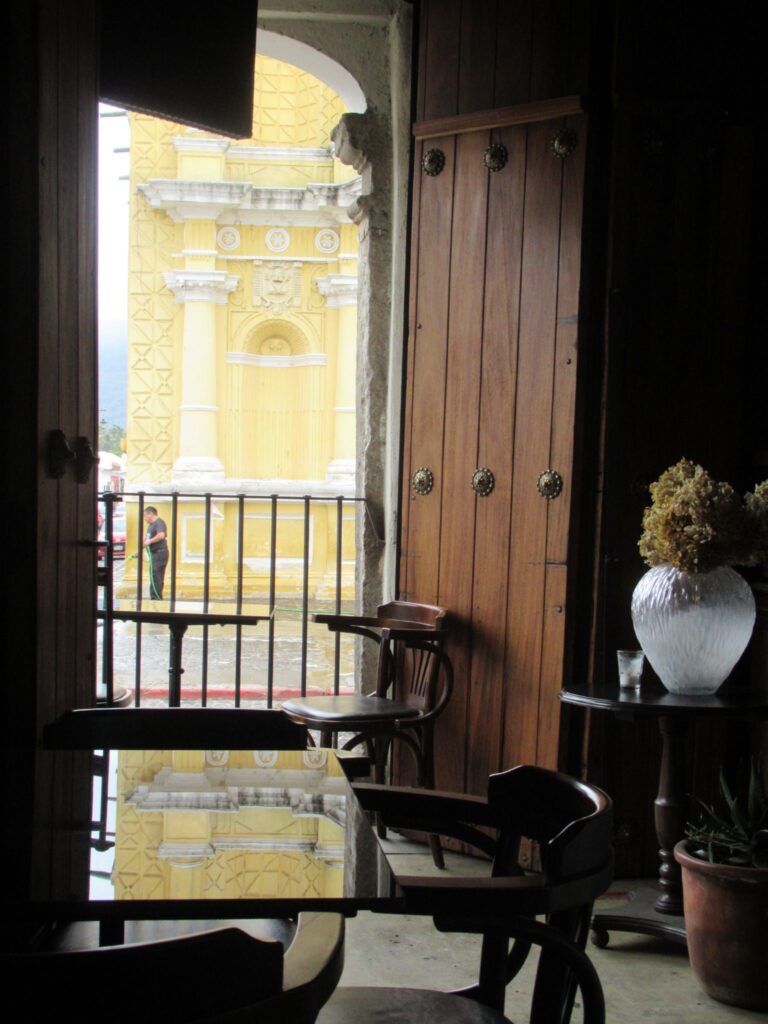
Afternoon walk around the town and another cappuccino but this time someone added carrot cake???

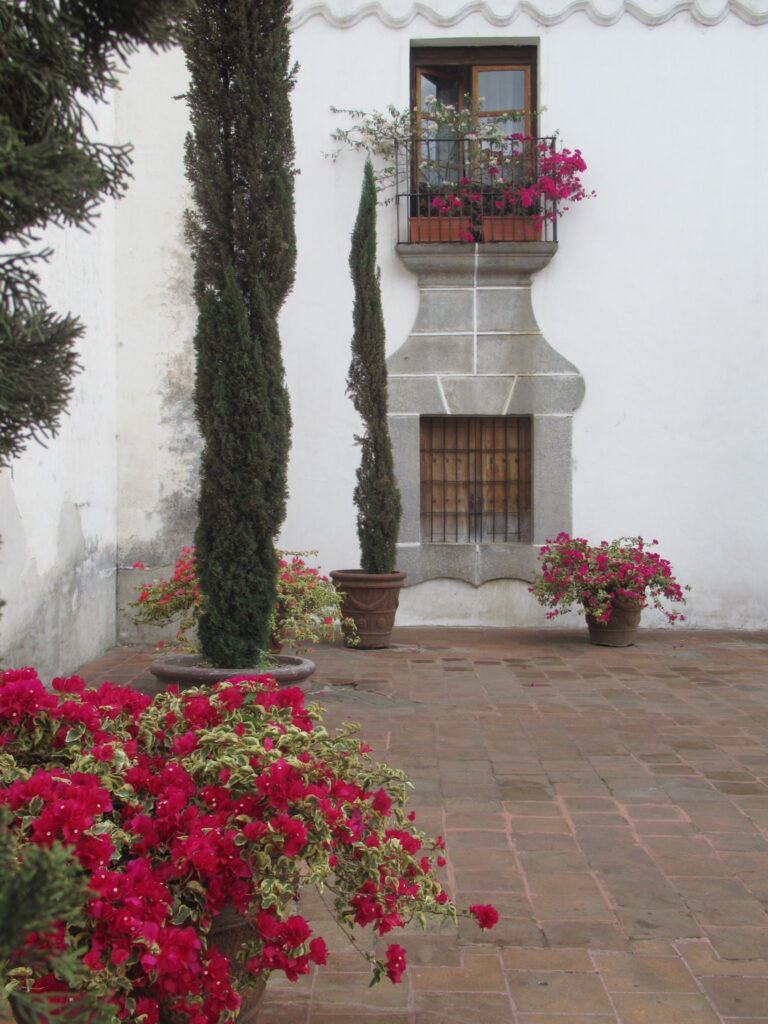
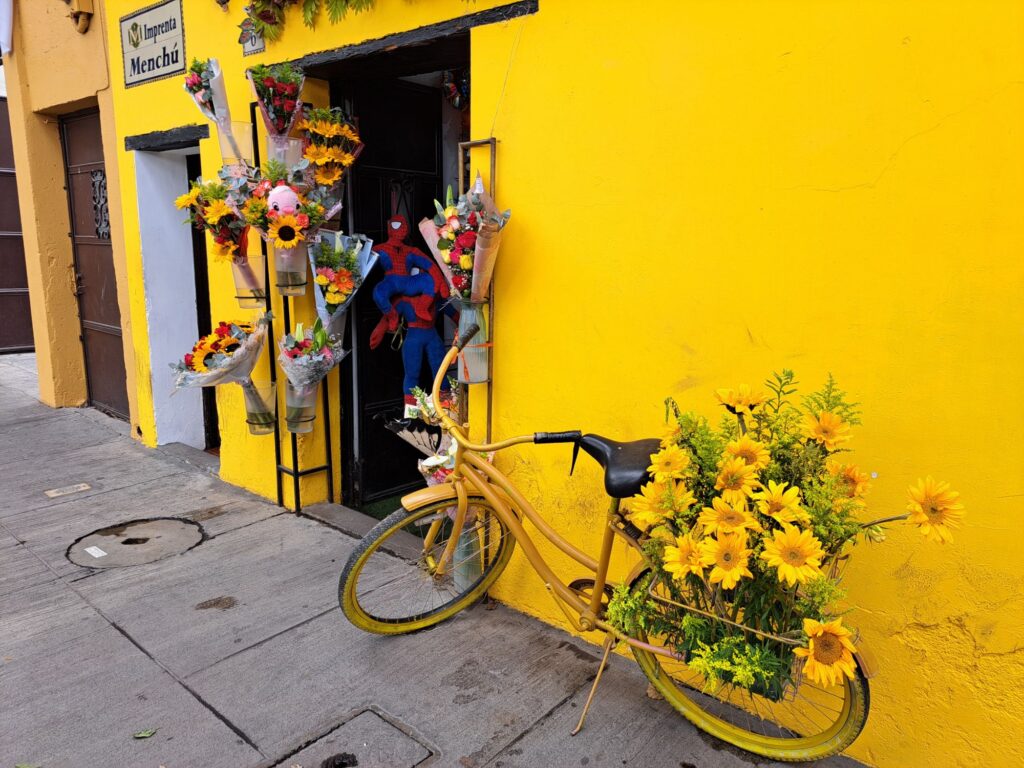
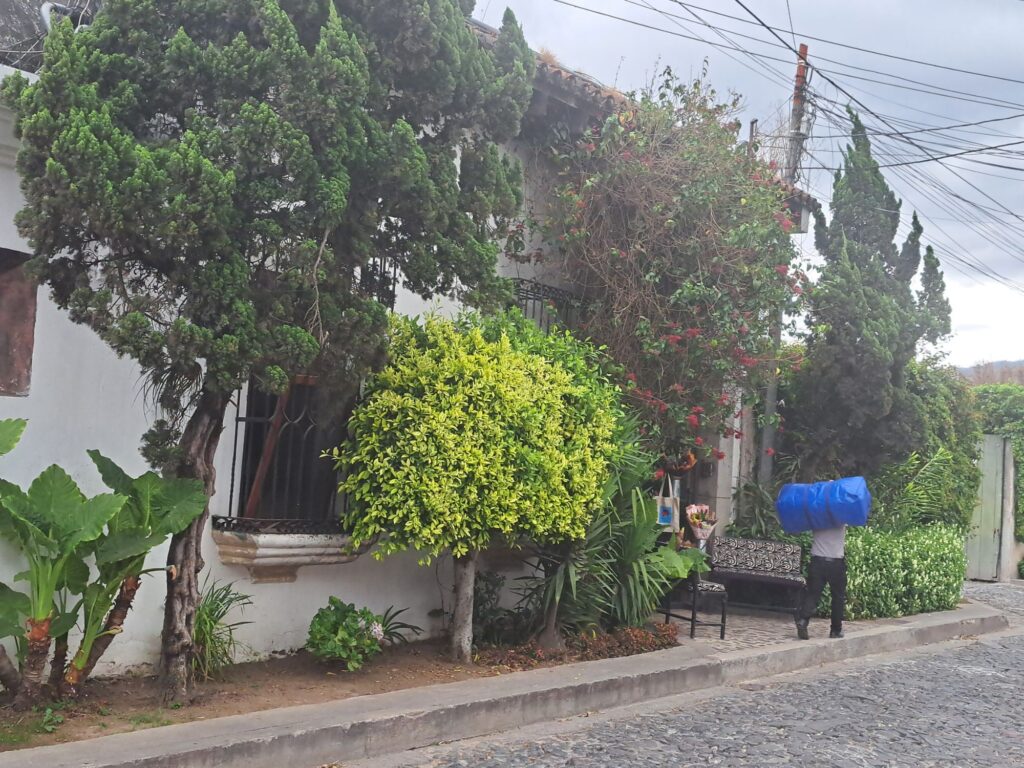
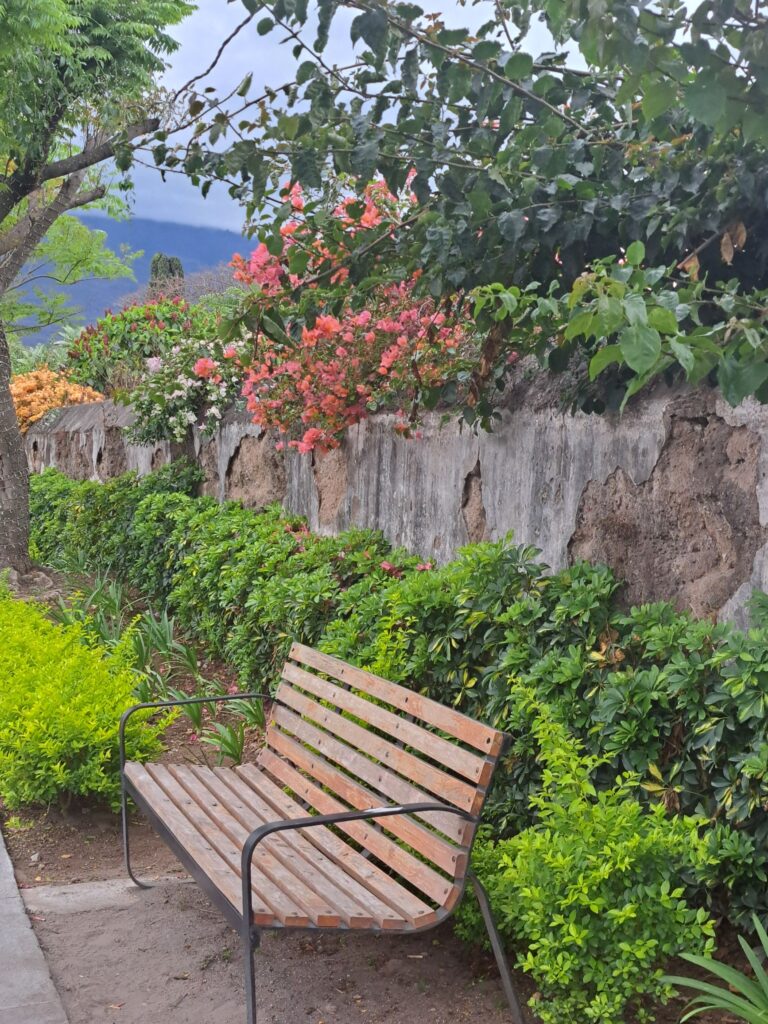
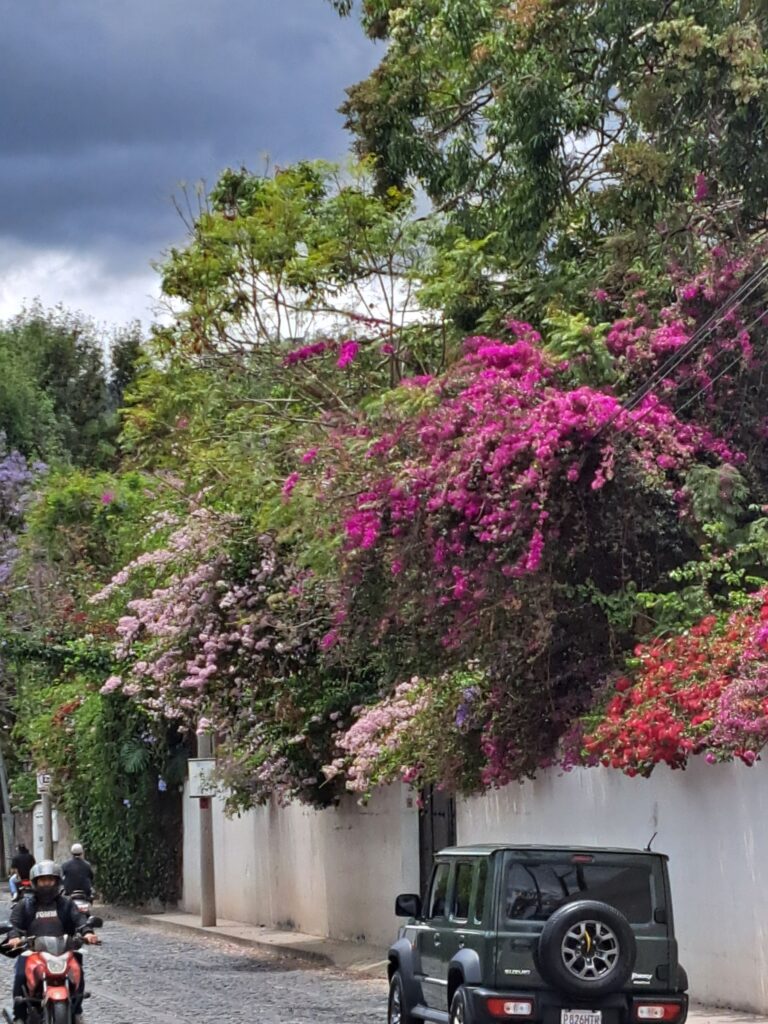
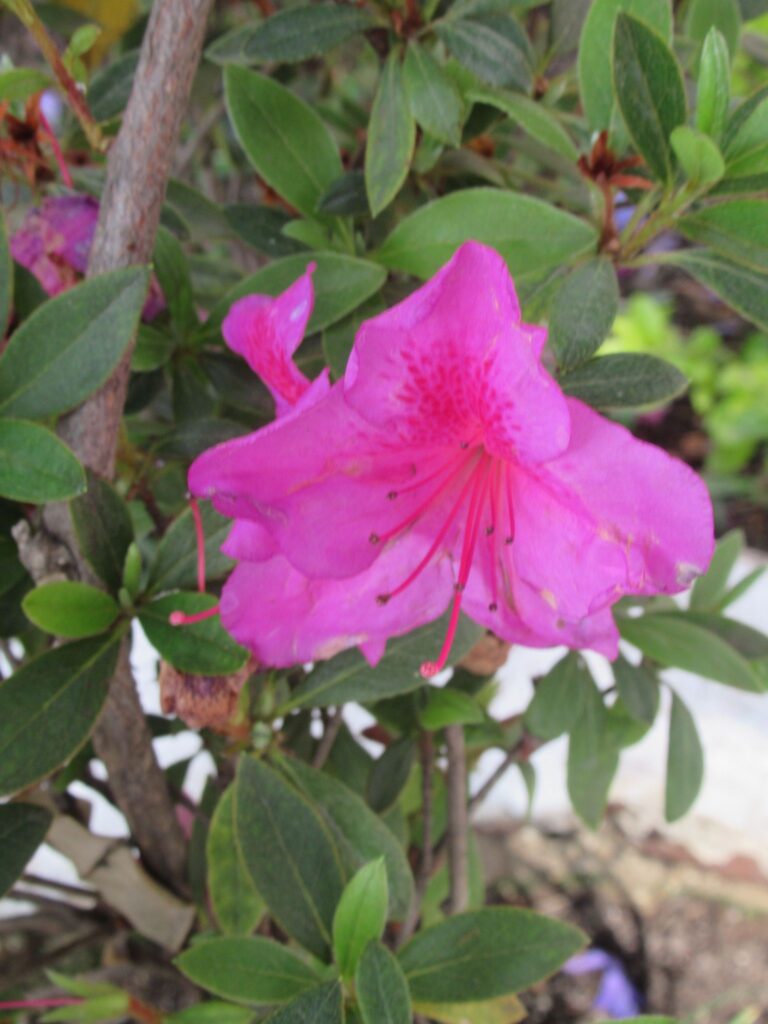
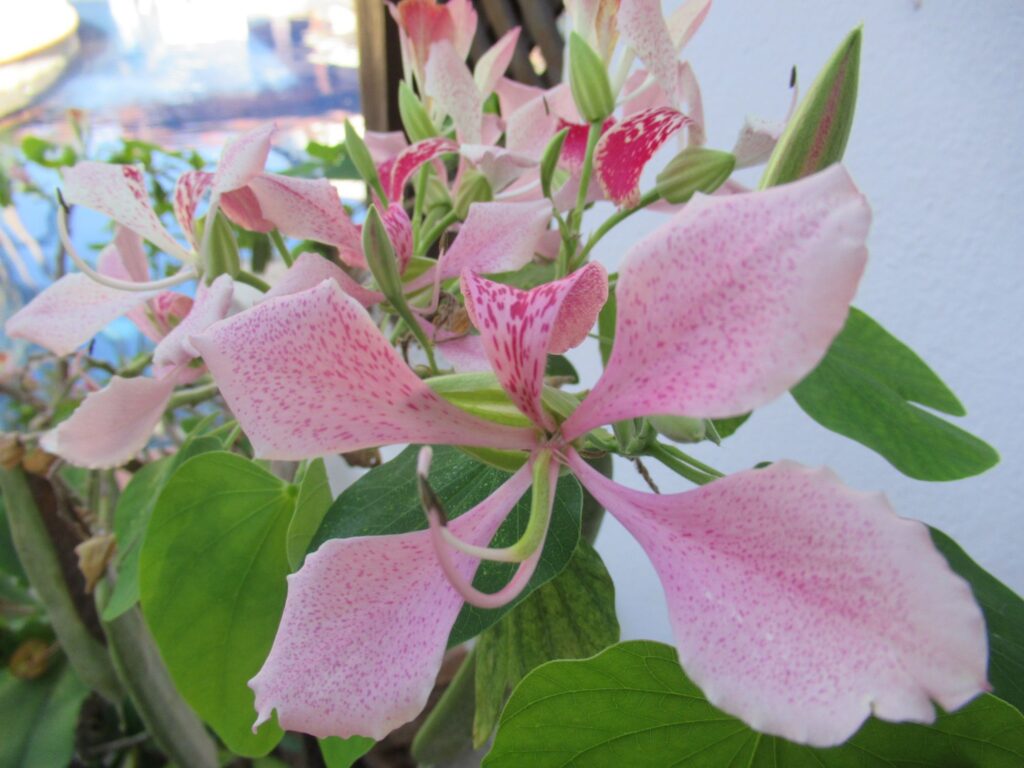
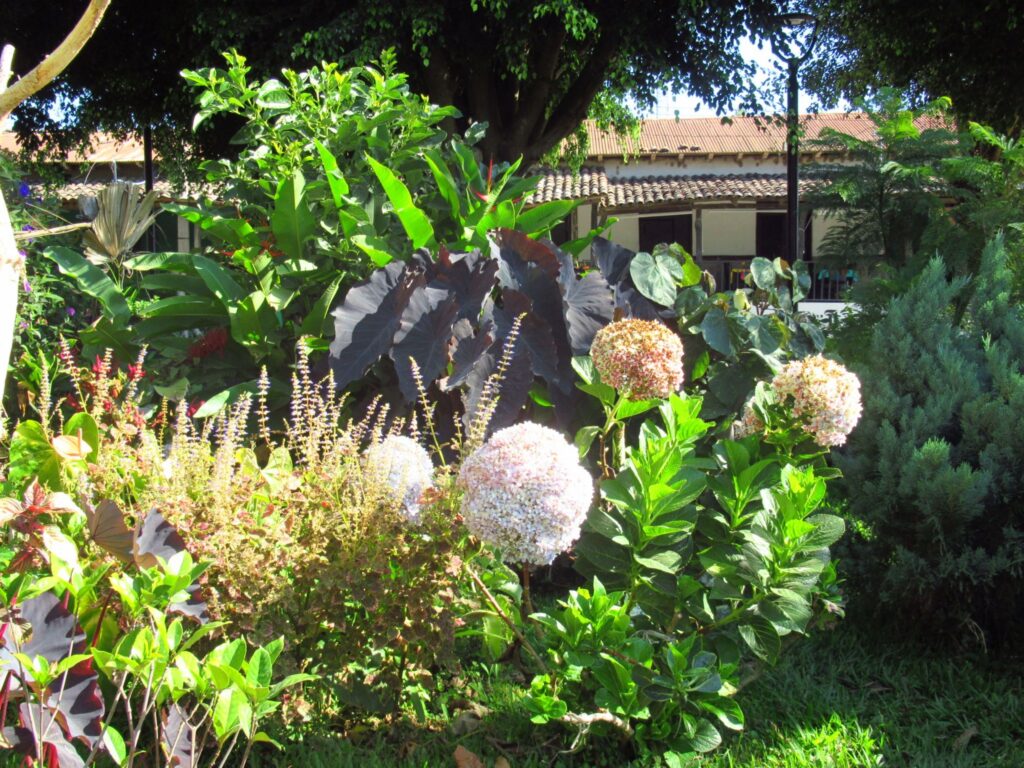
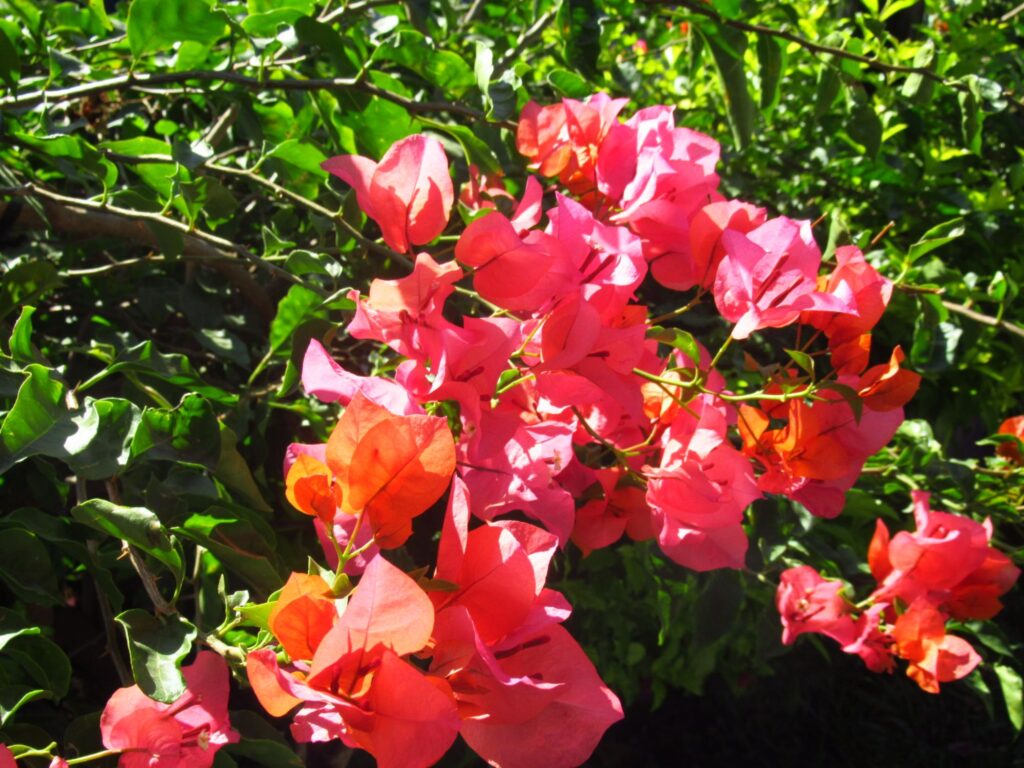
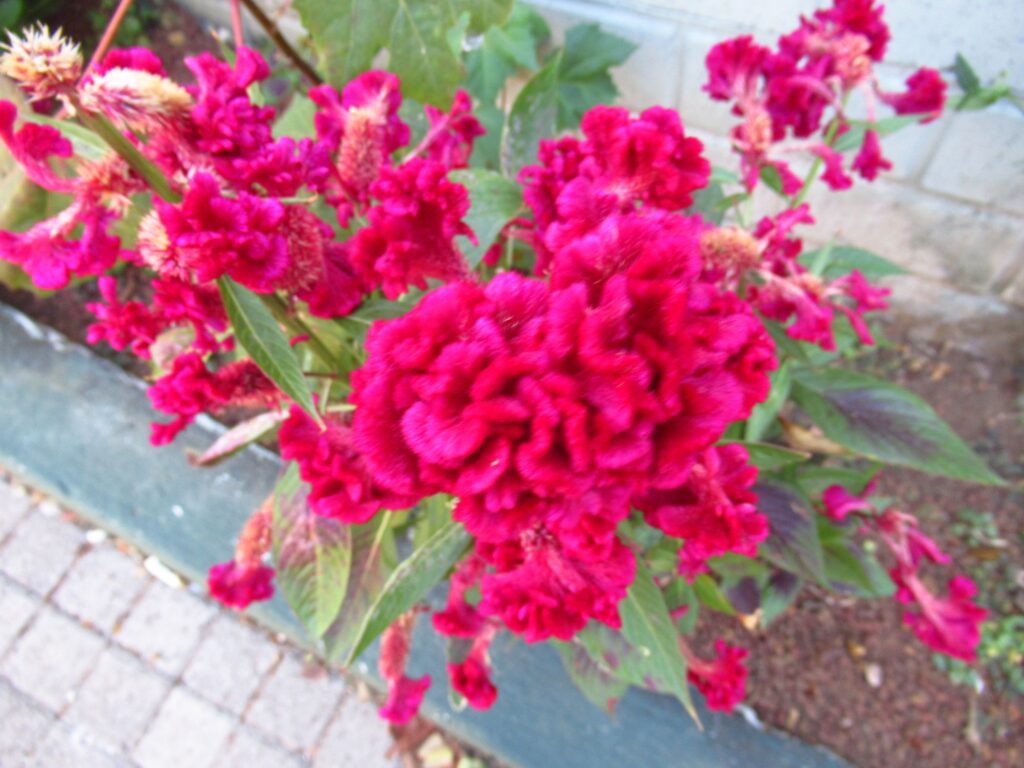
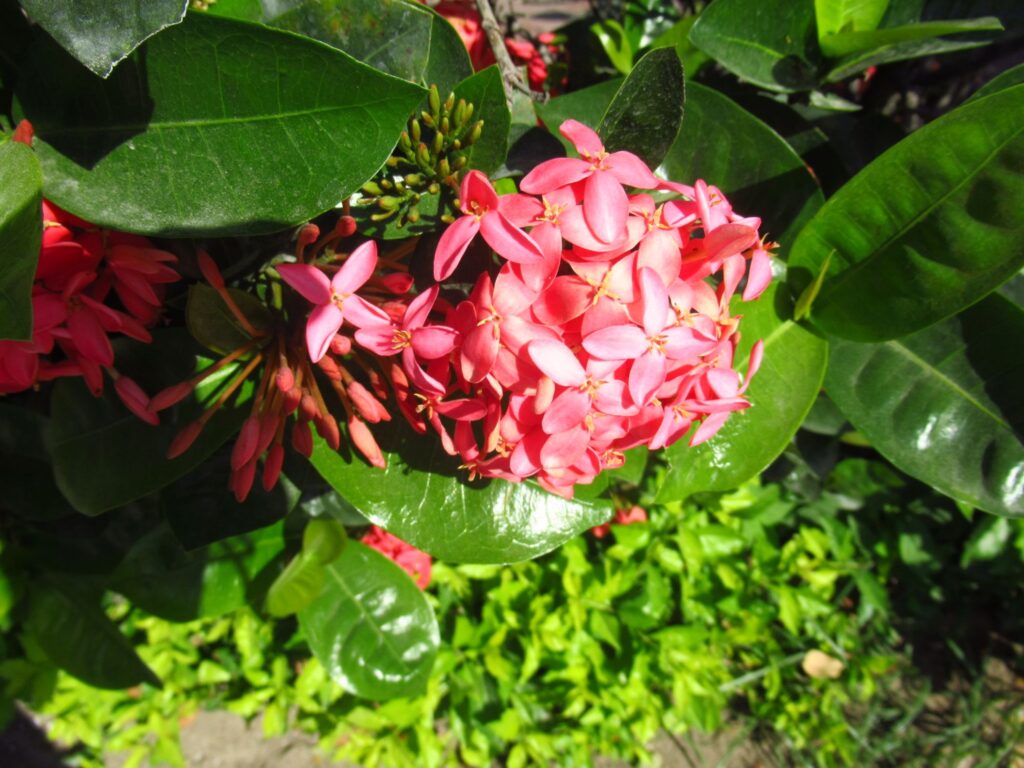
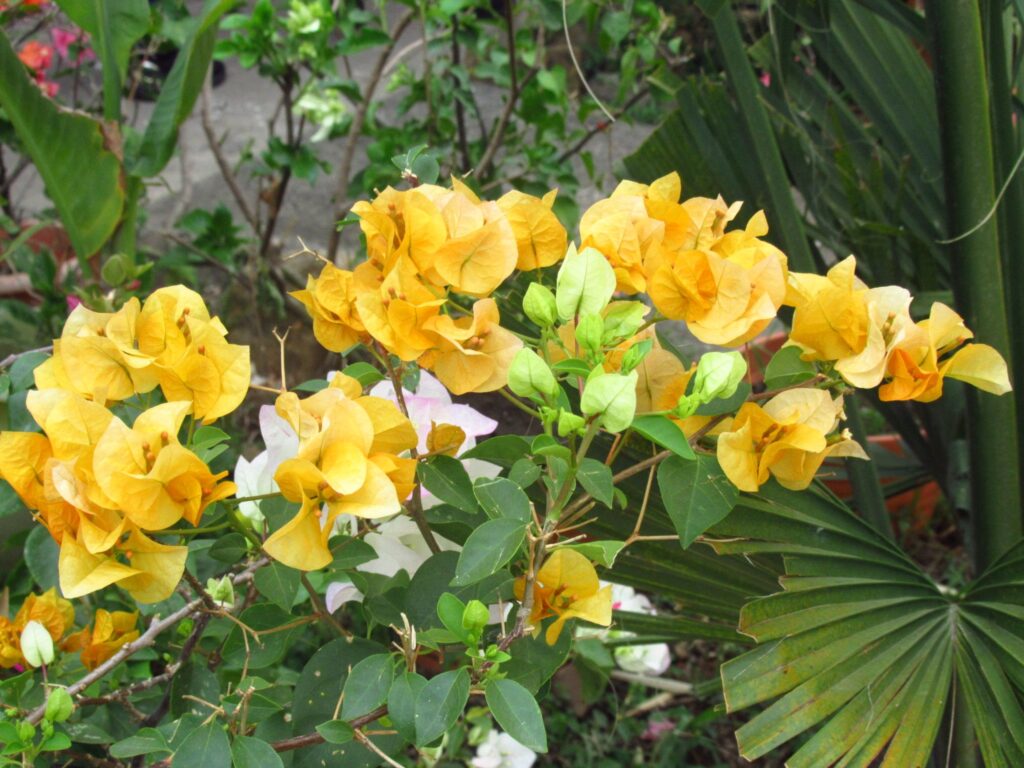
More lovely buildings and flowers

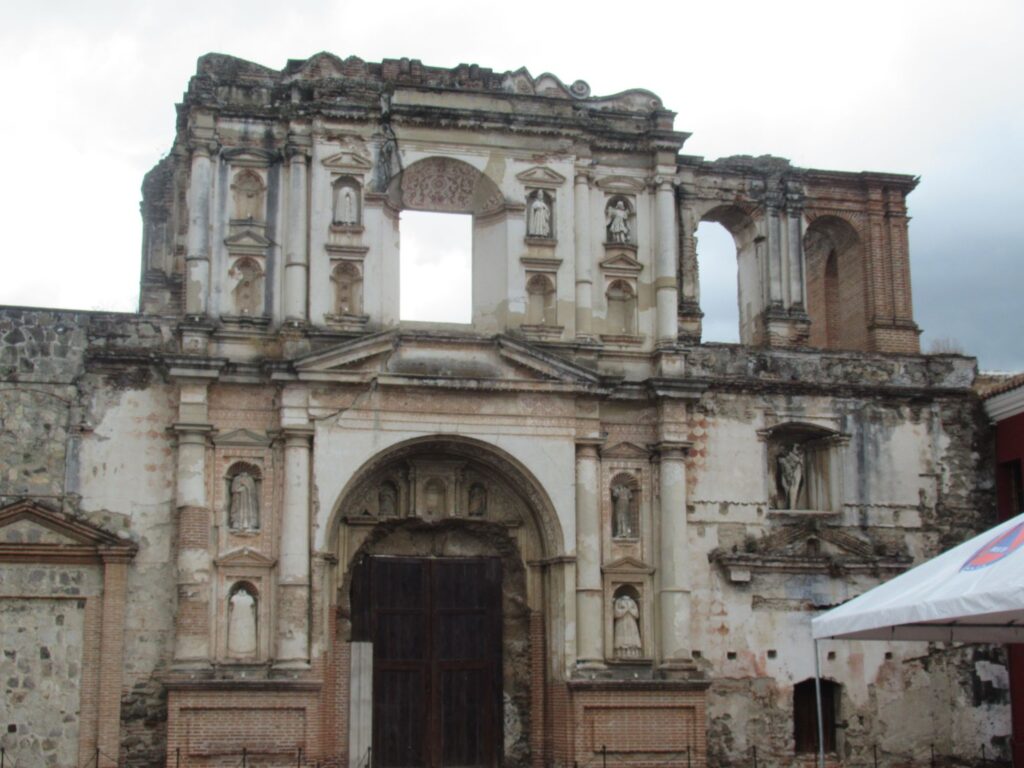
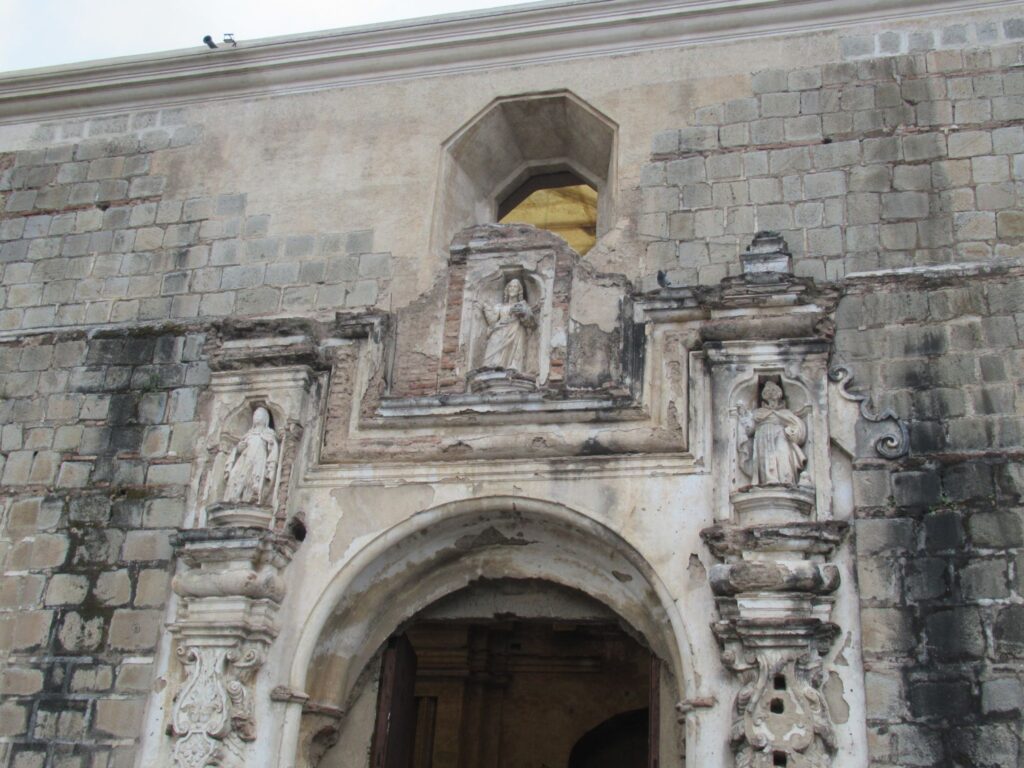
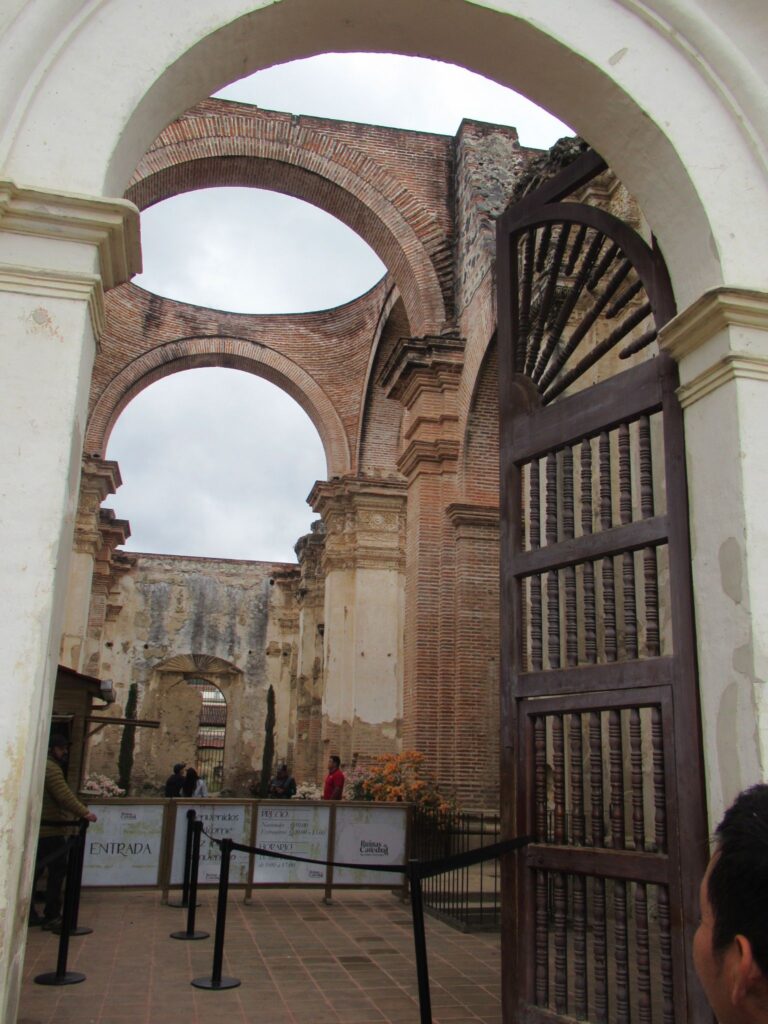
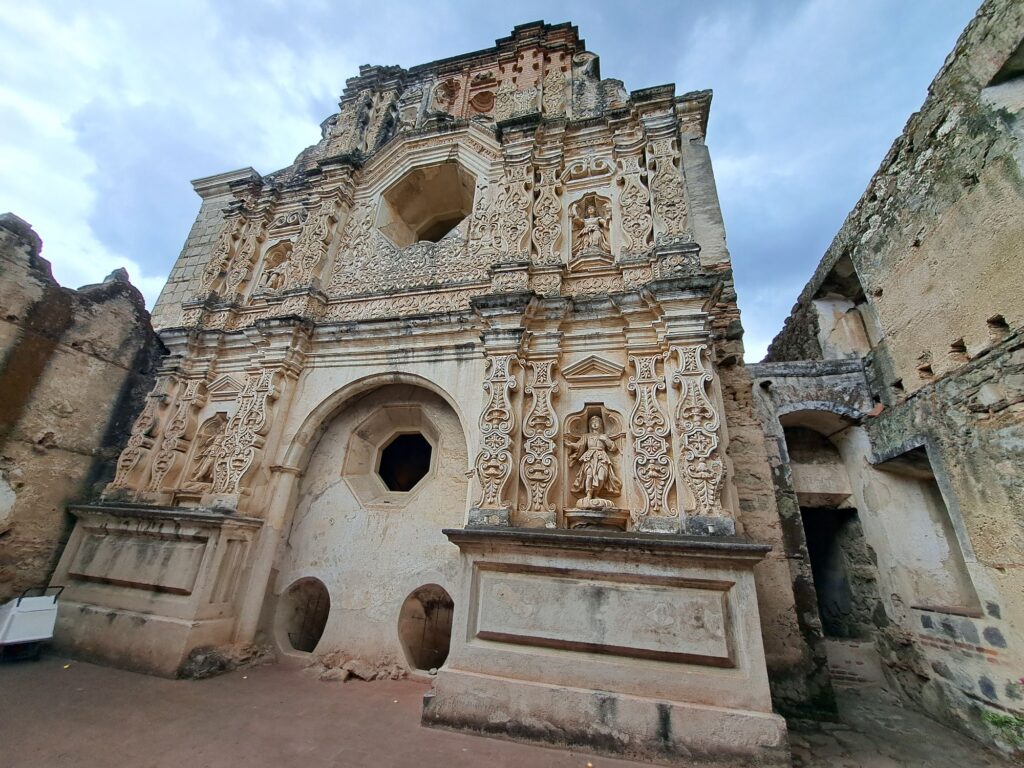
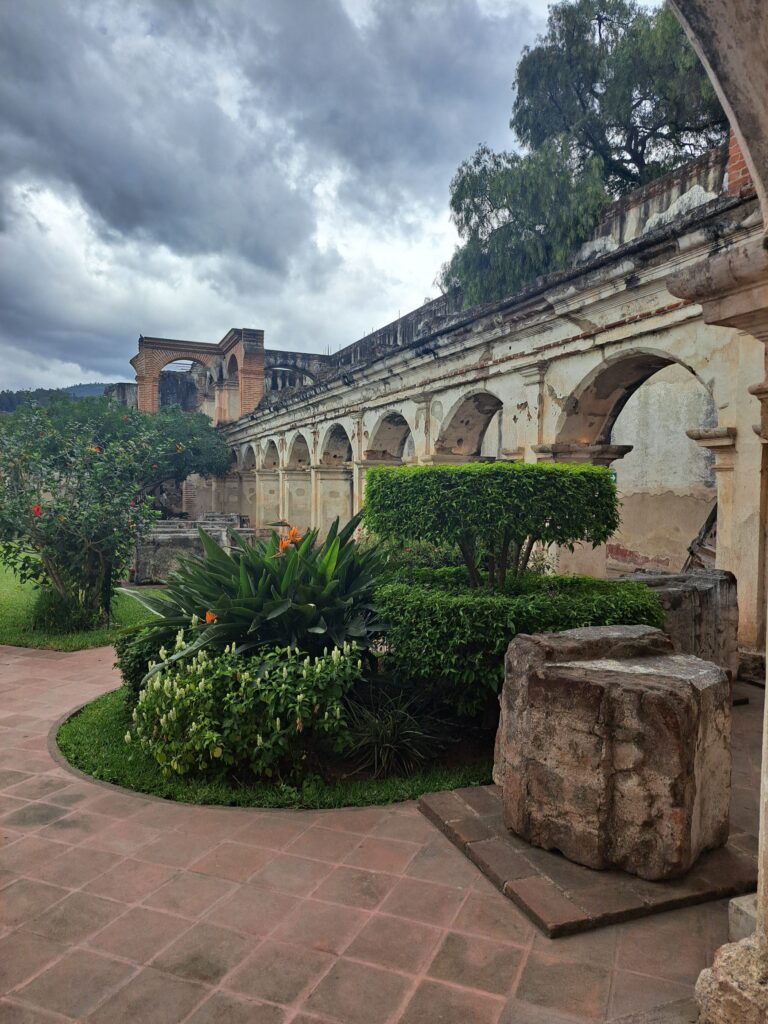
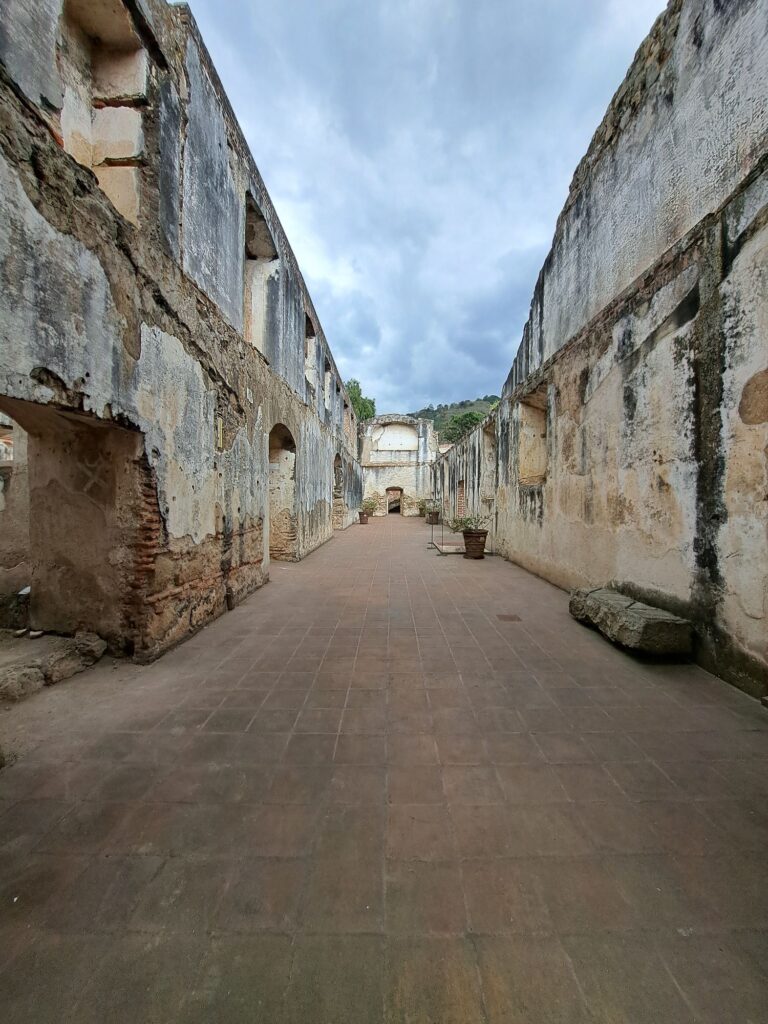
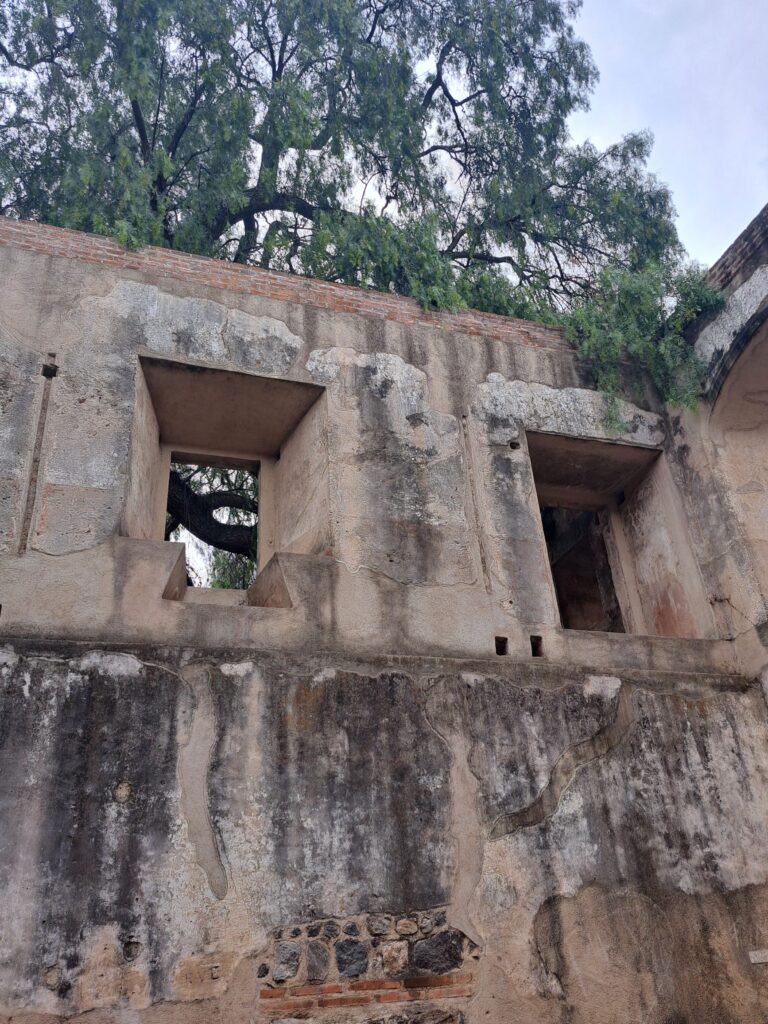
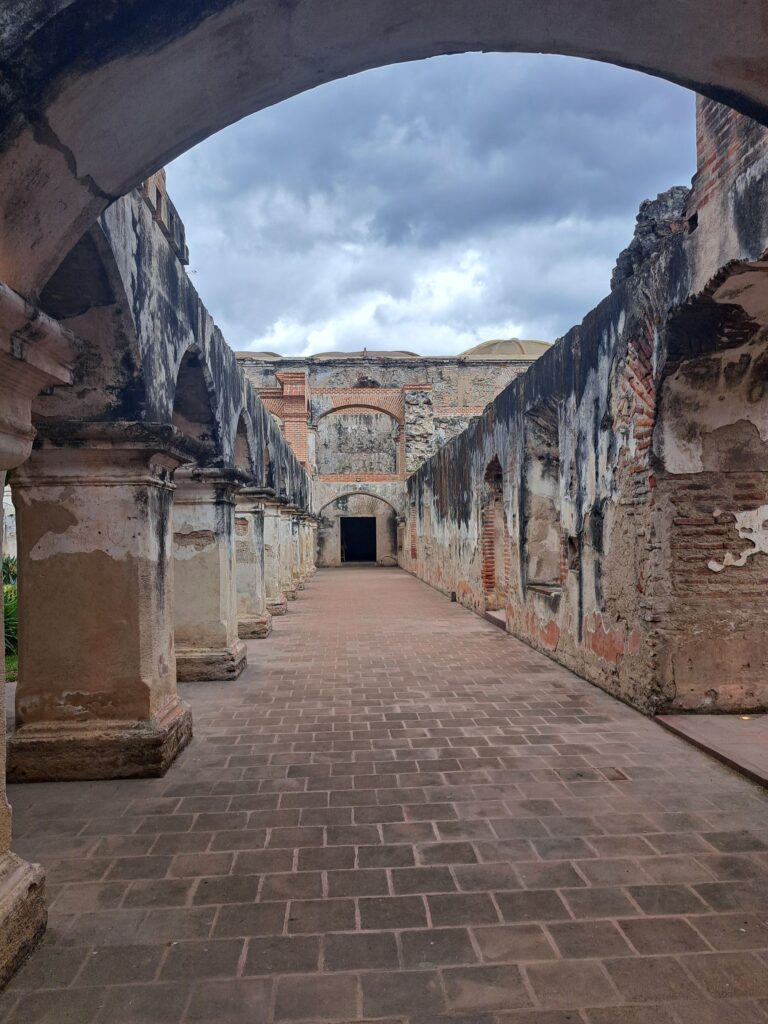
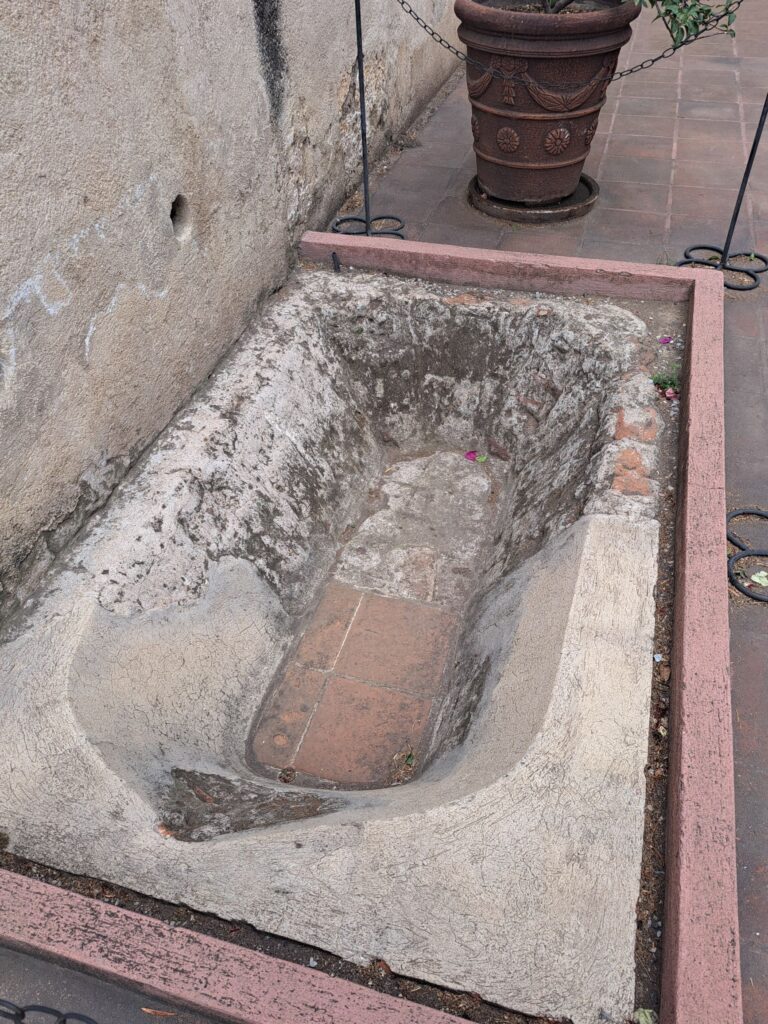
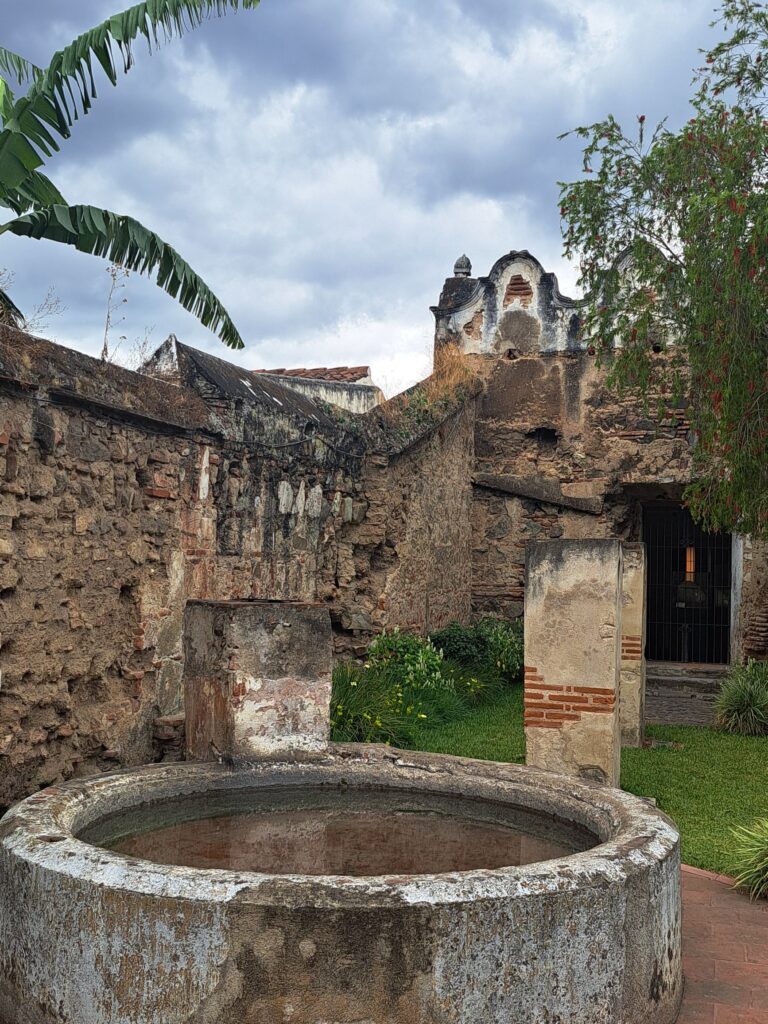
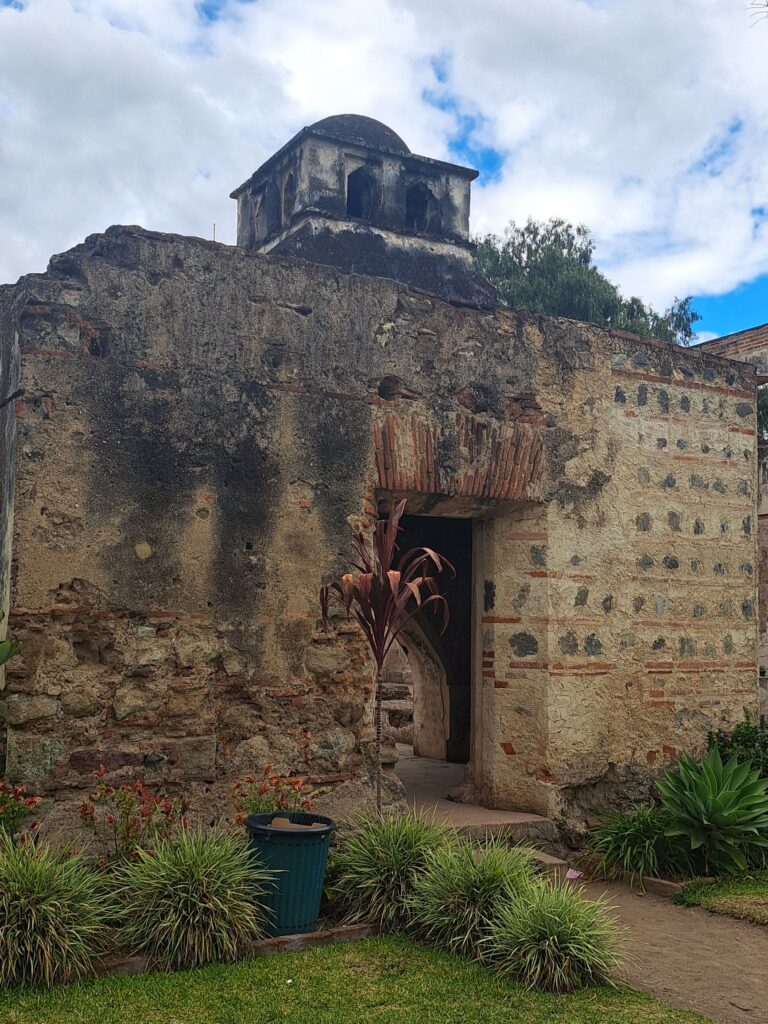
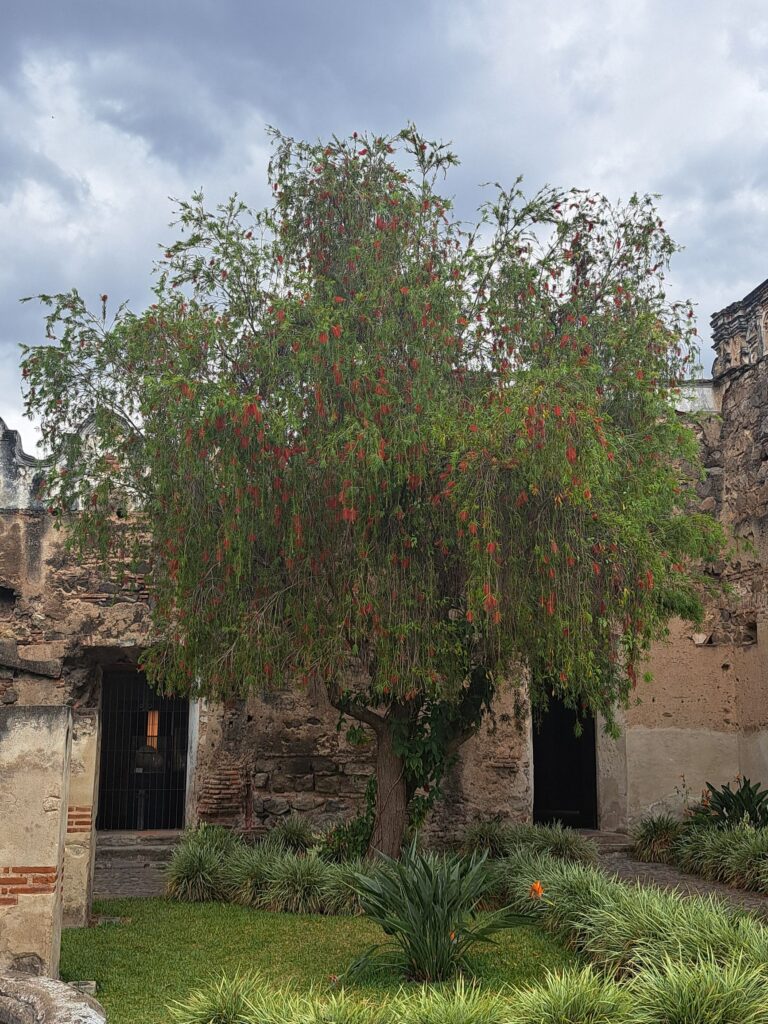
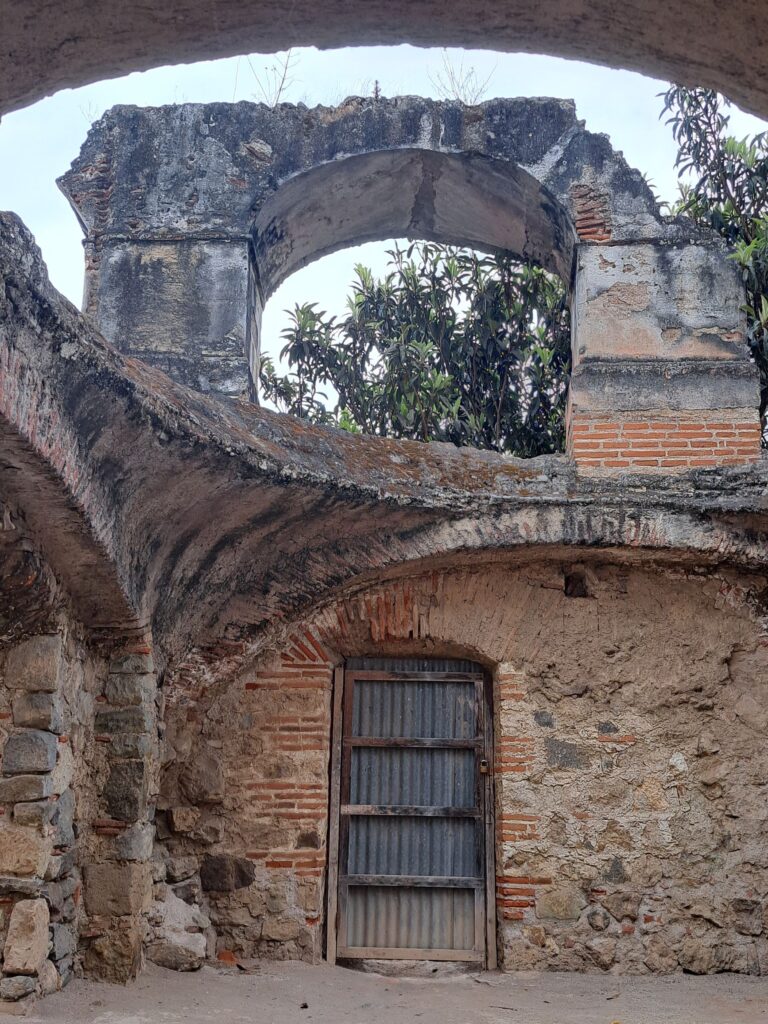
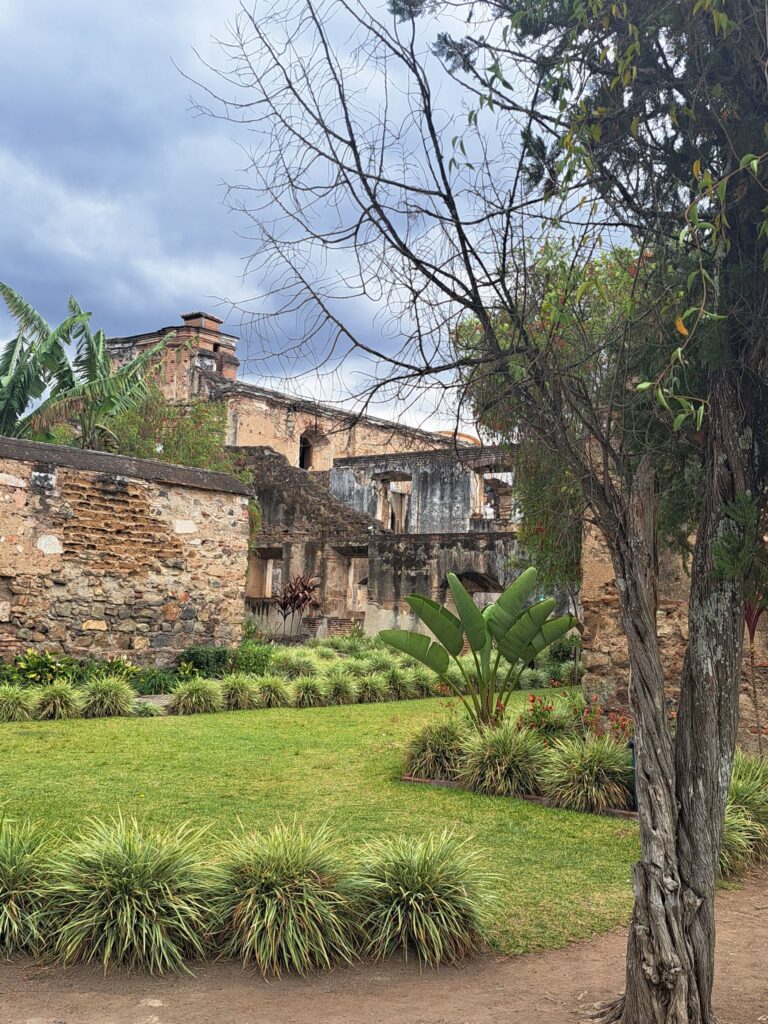
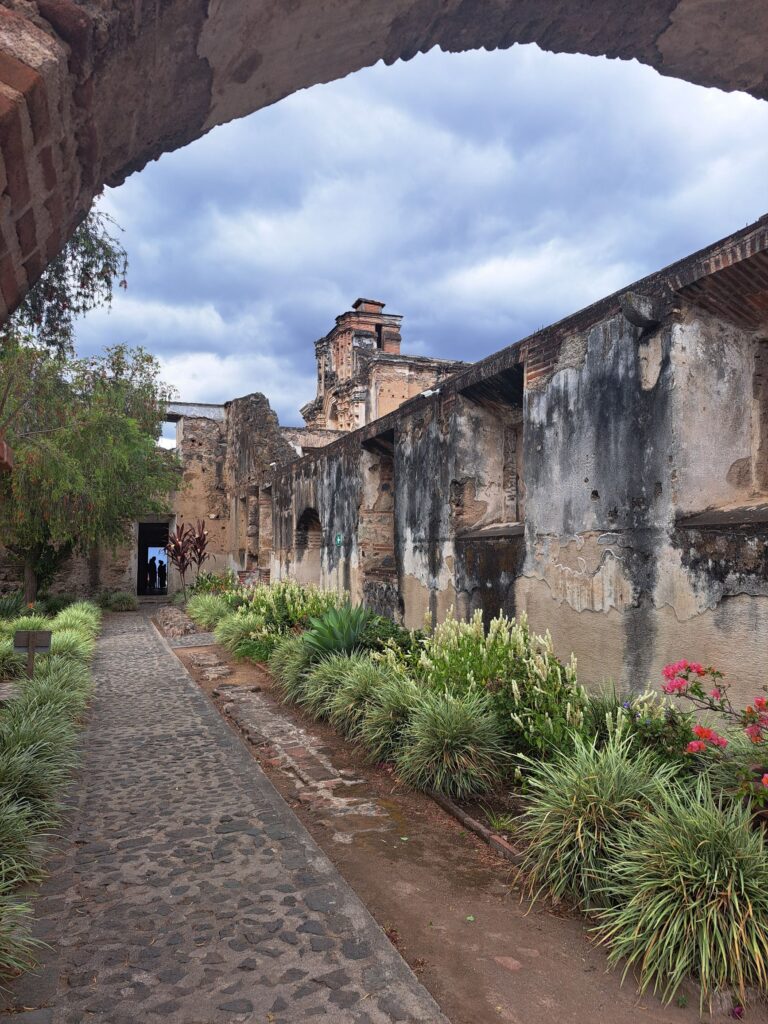
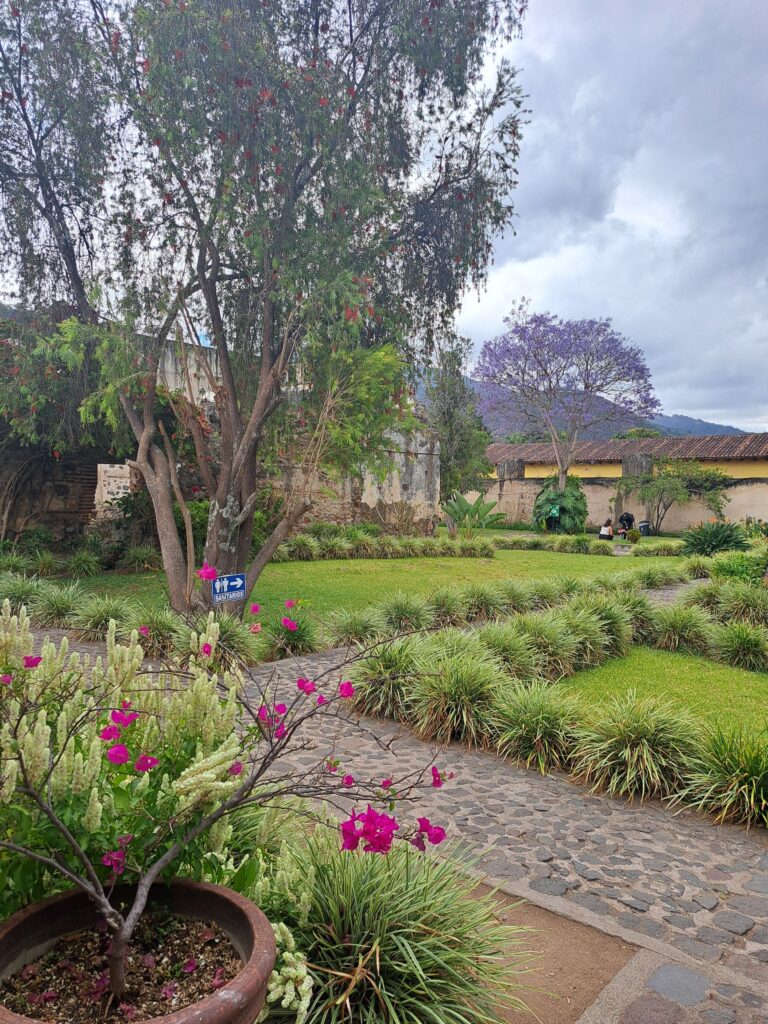
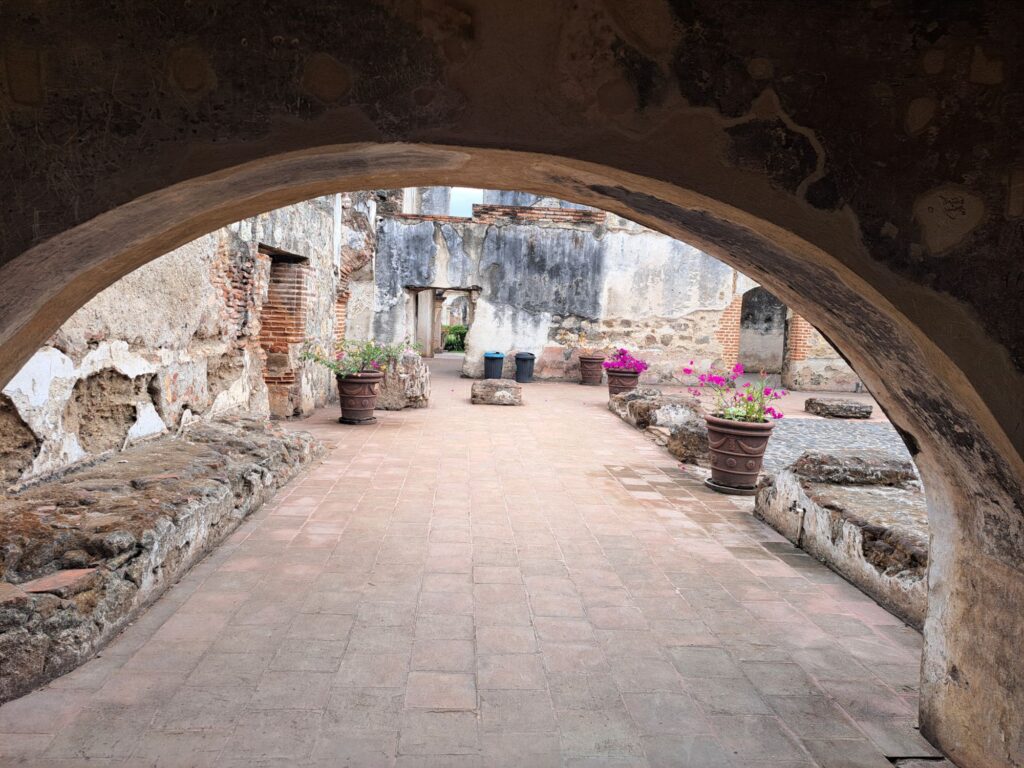
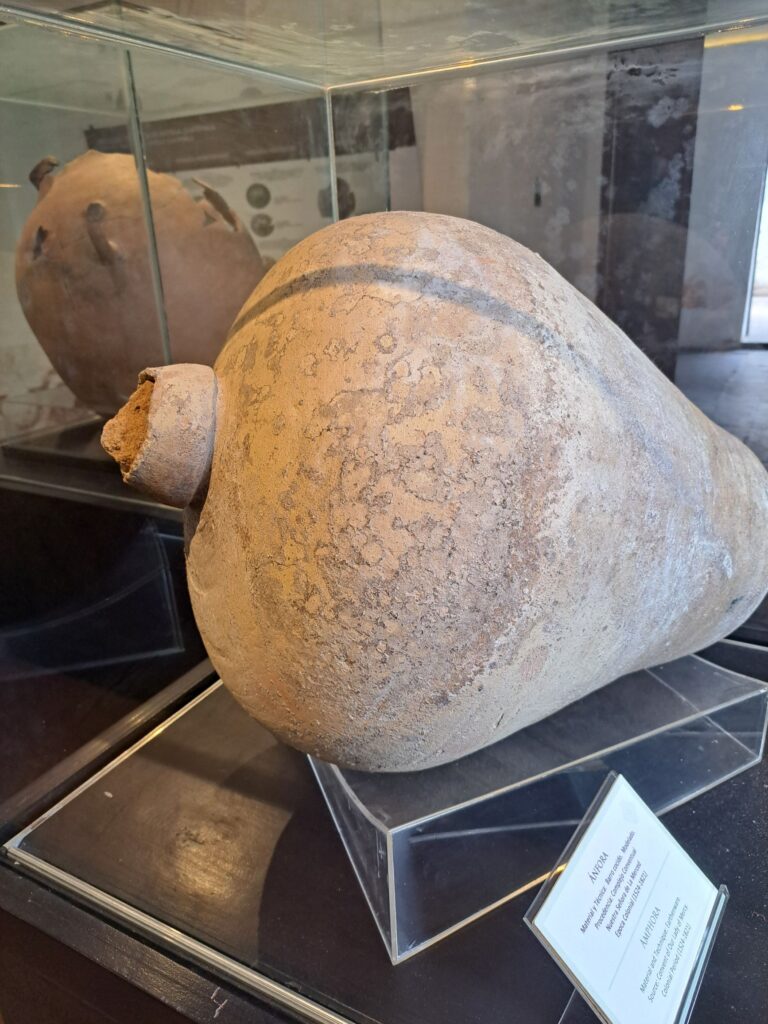
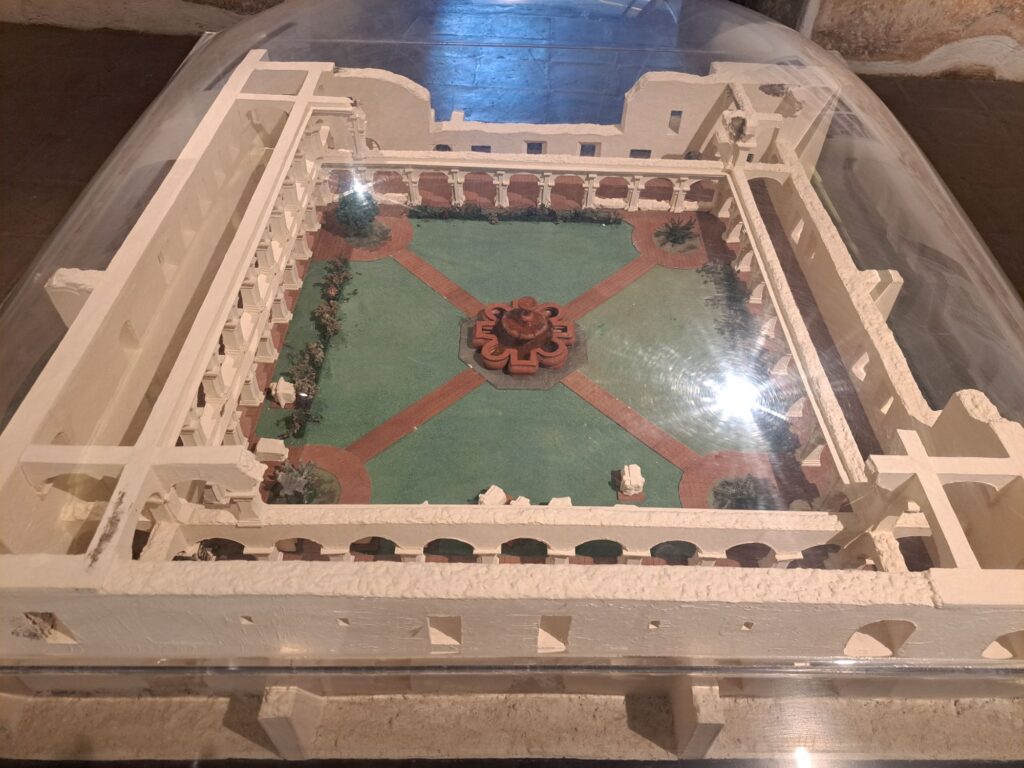
Visited Convento Santa Clara, a ruined site due to the devastation of the many earthquakes.  The construction of the convent began in 1703 and consisted of two floors, an infirmary, porticos and fountains.

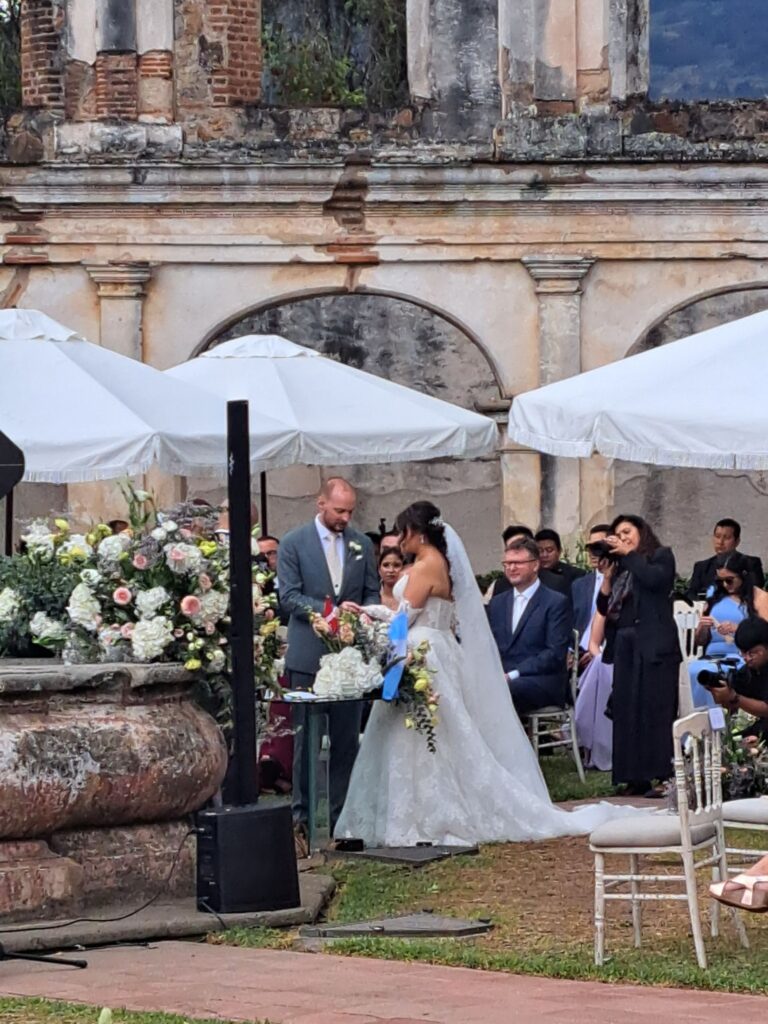
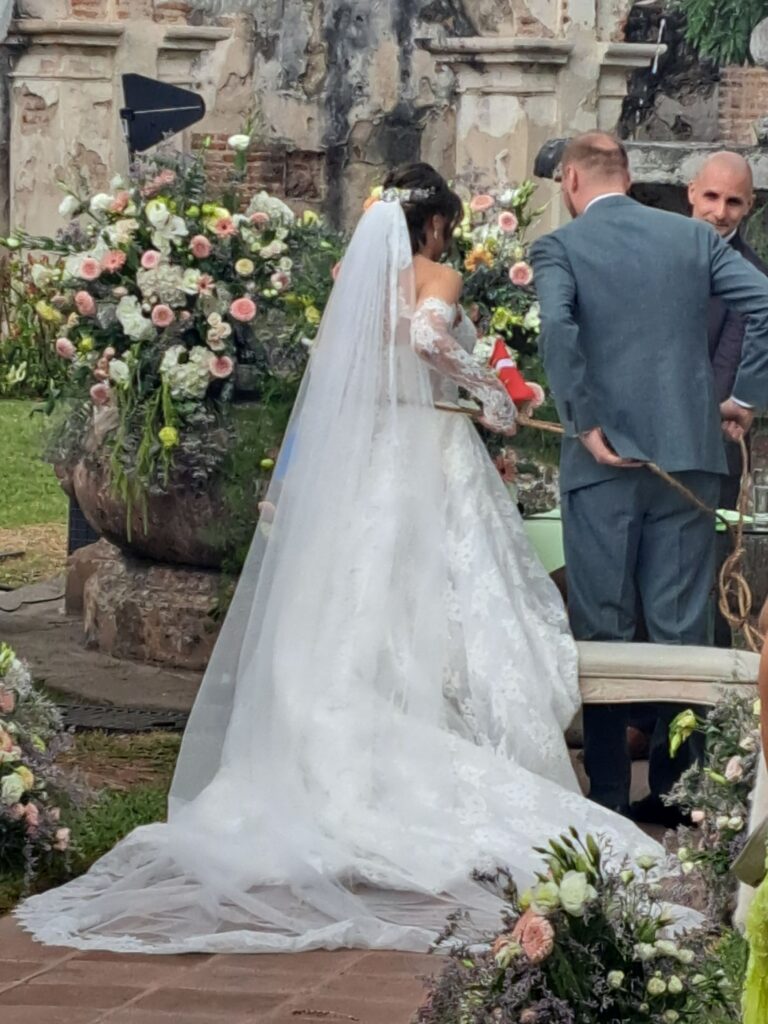
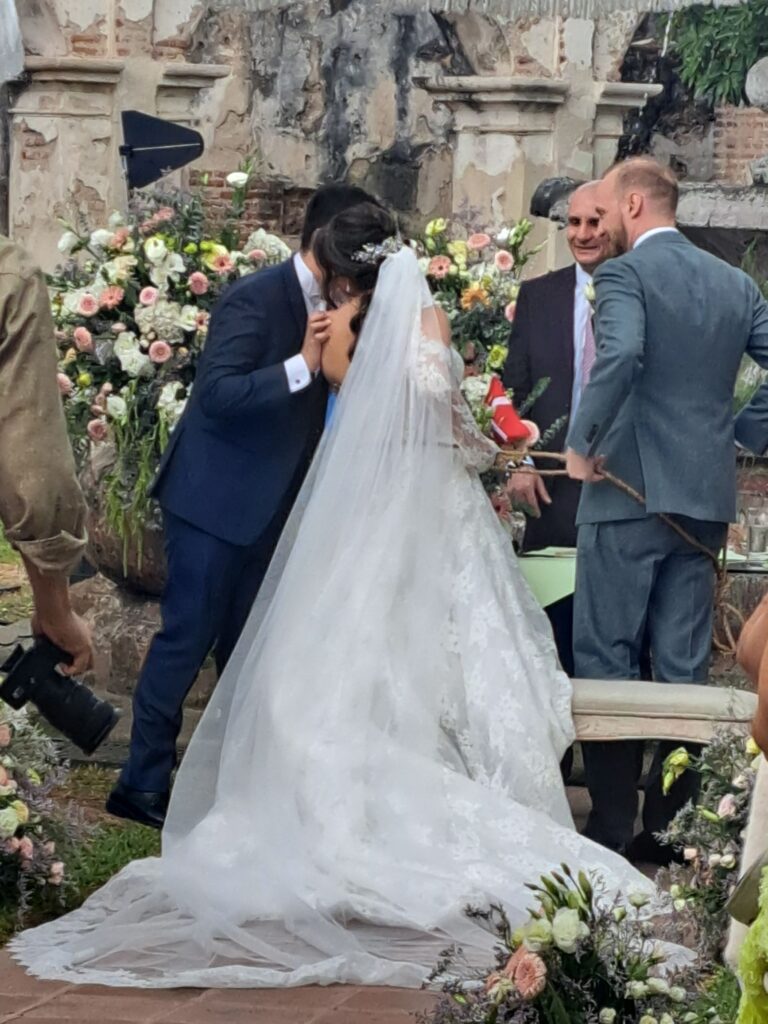
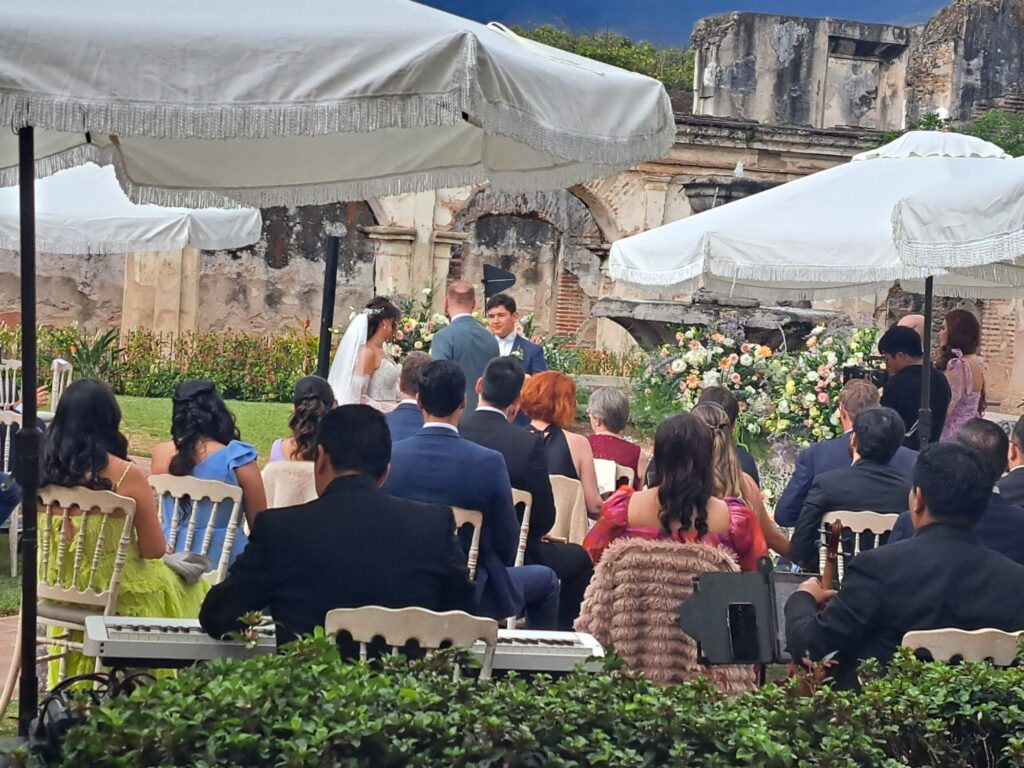
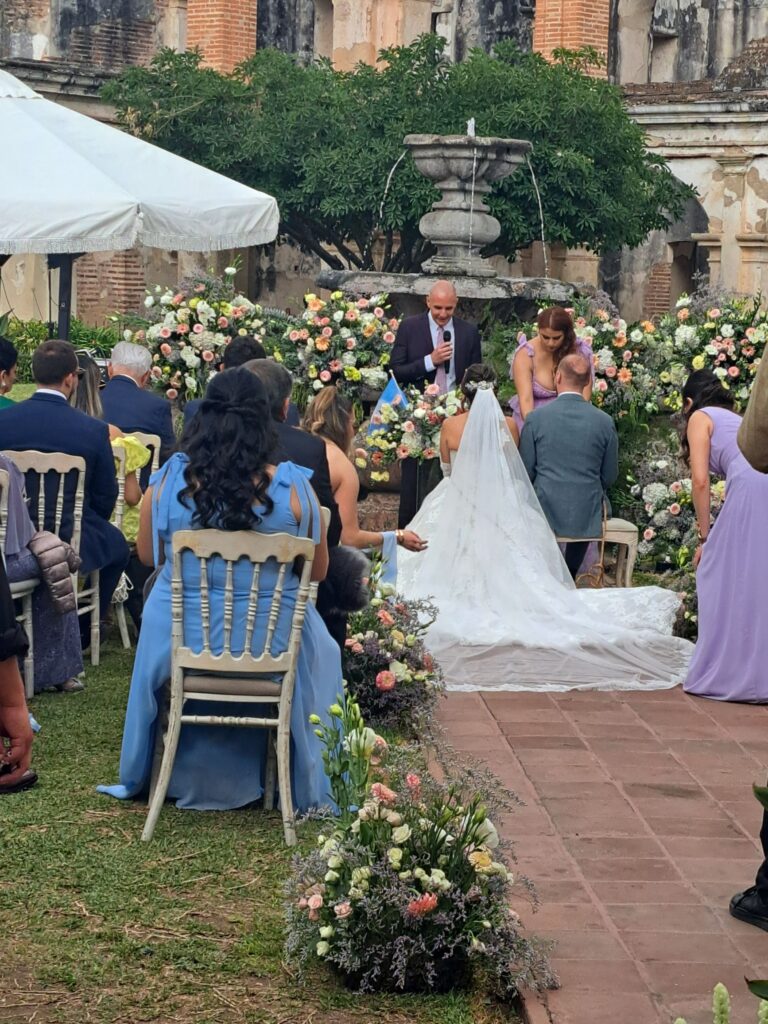
In the courtyard area a wedding was being held. The bride was Guatamalan and the groom Danish, the service was in English and their vows were very moving.

Flores to Antigua Guatamala

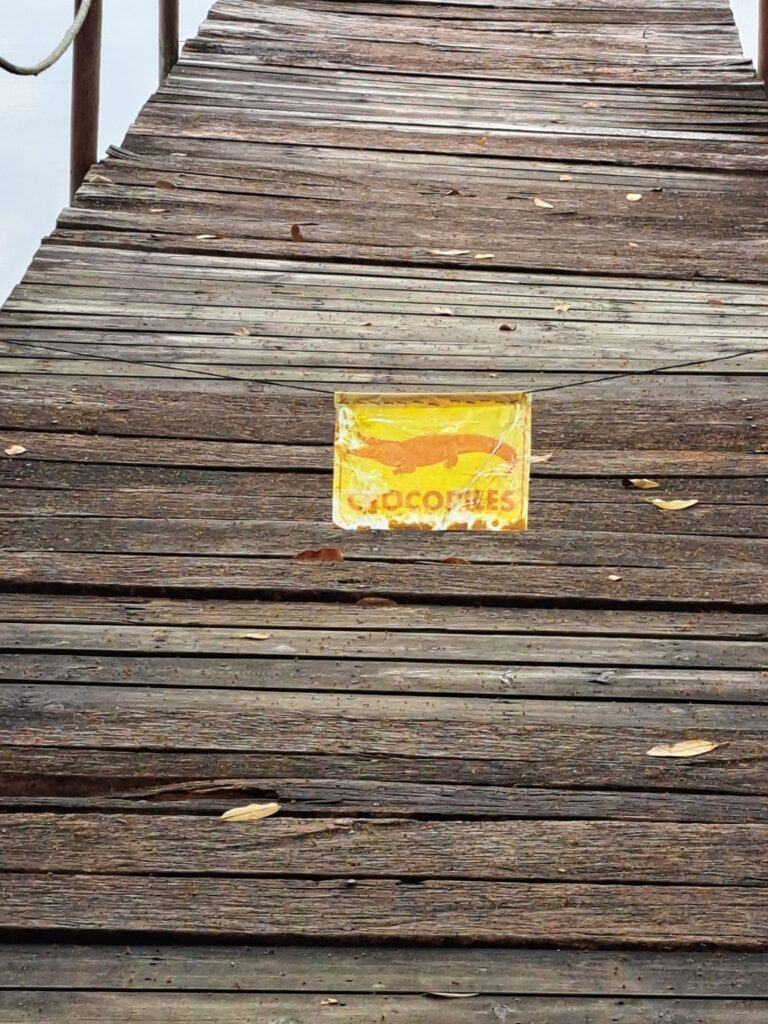
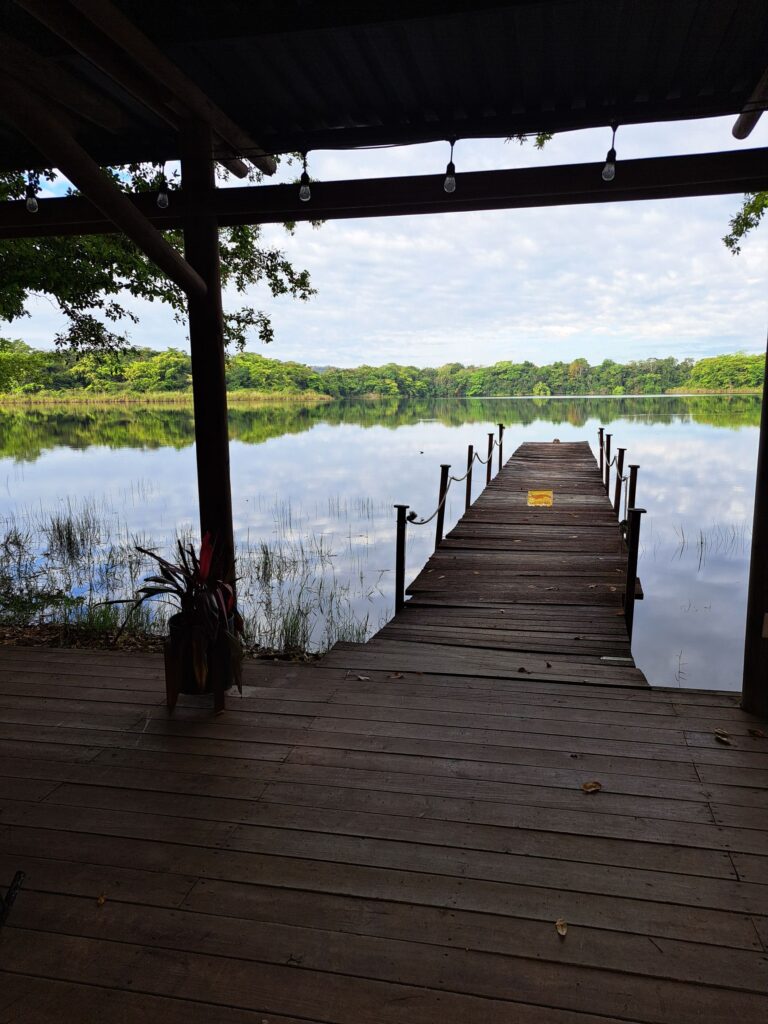
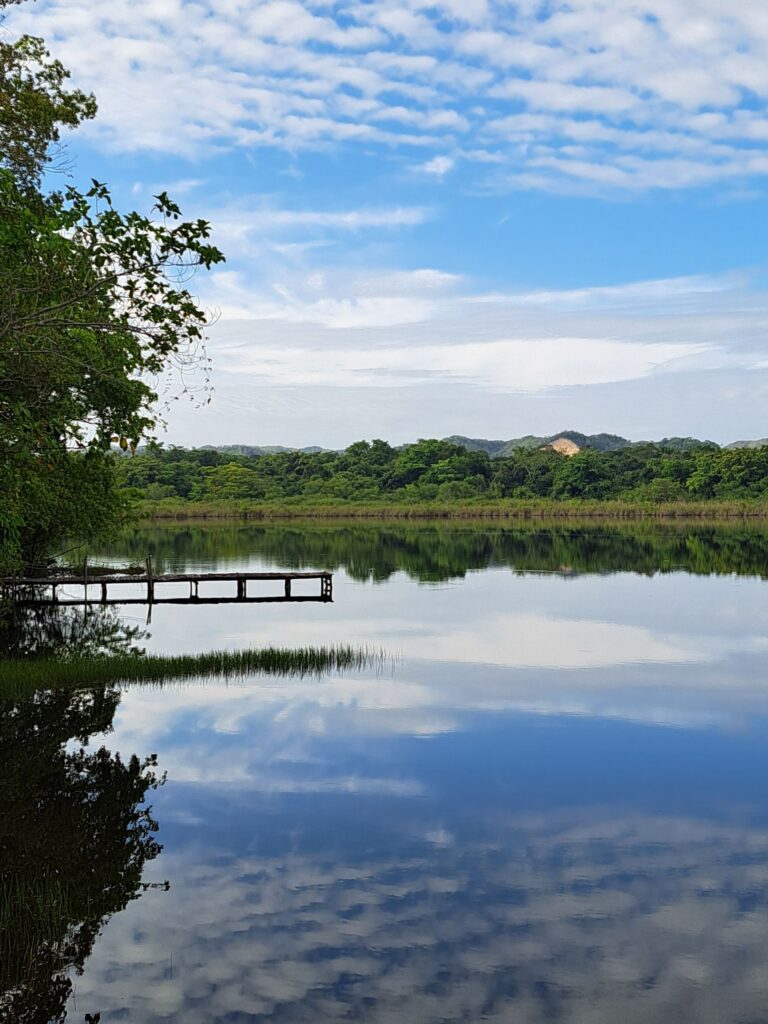
Left the hotel after breakfast listening to the sound of the howler monkeys and a last look for the crocs and terrapins.

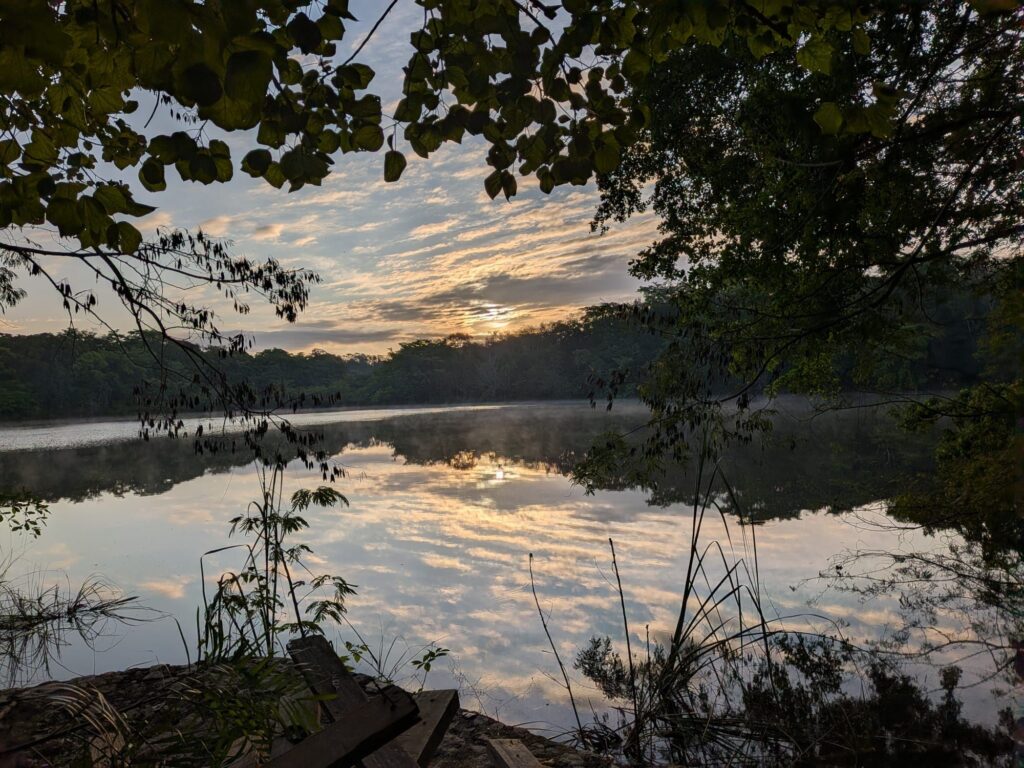
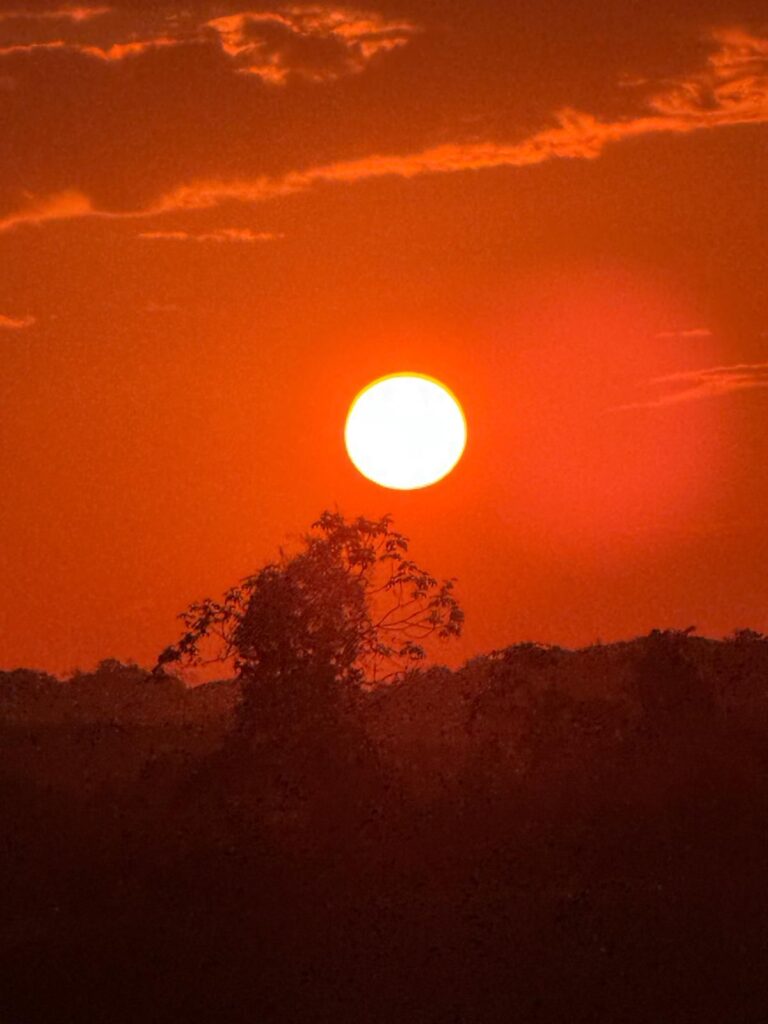
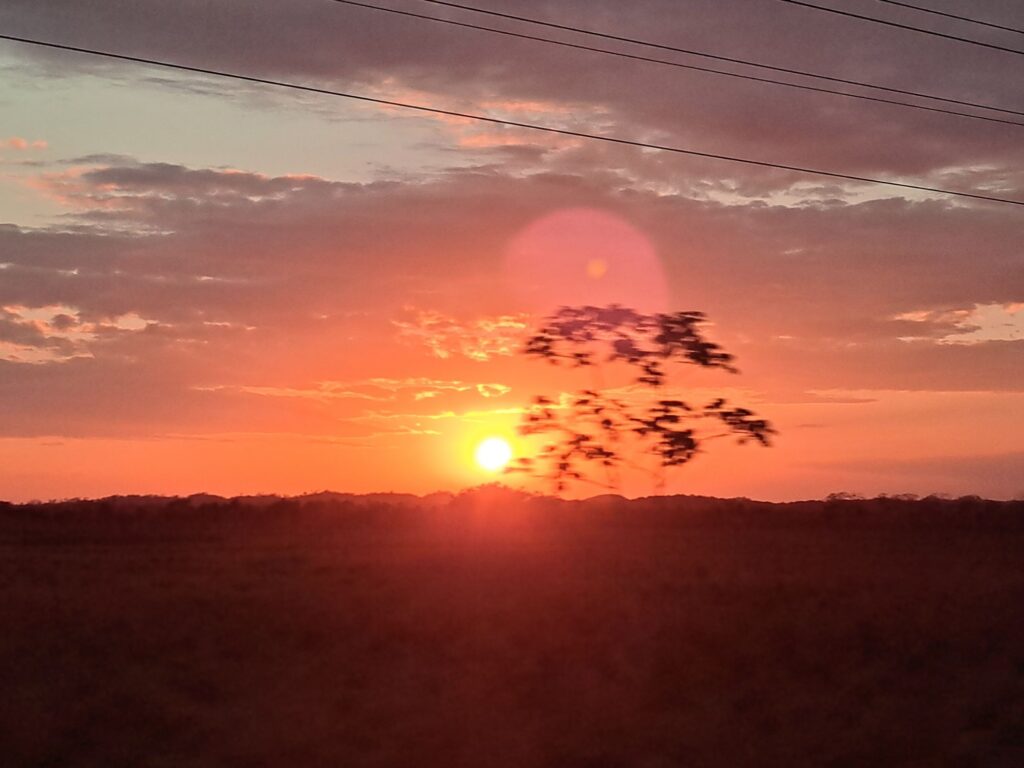
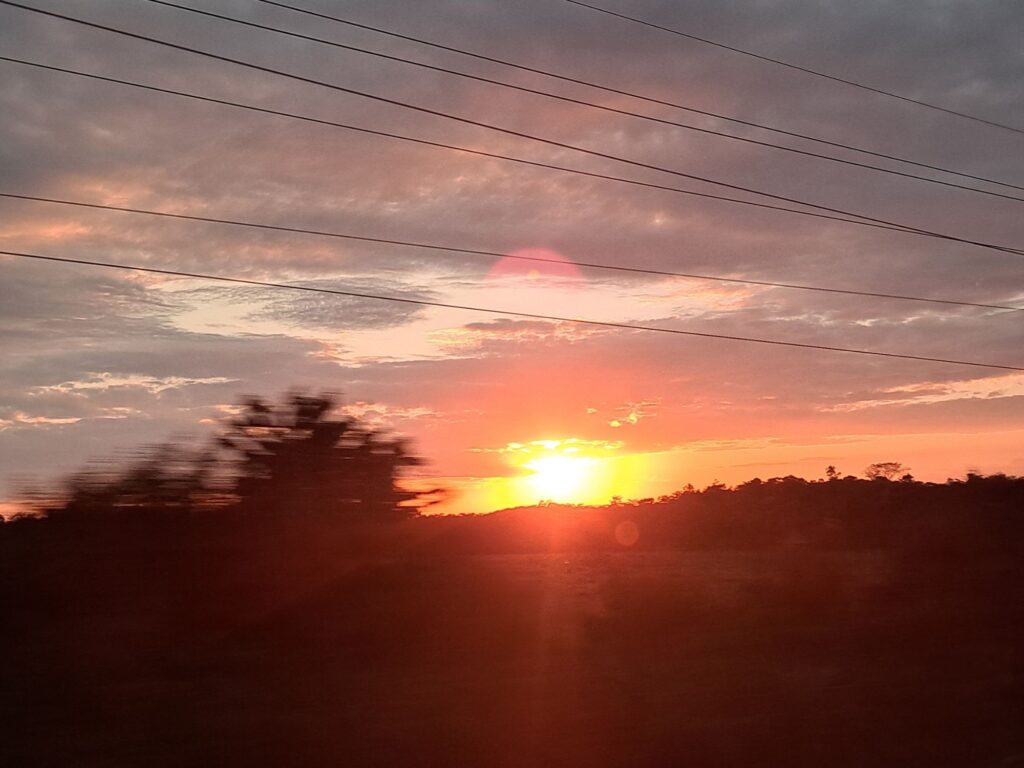
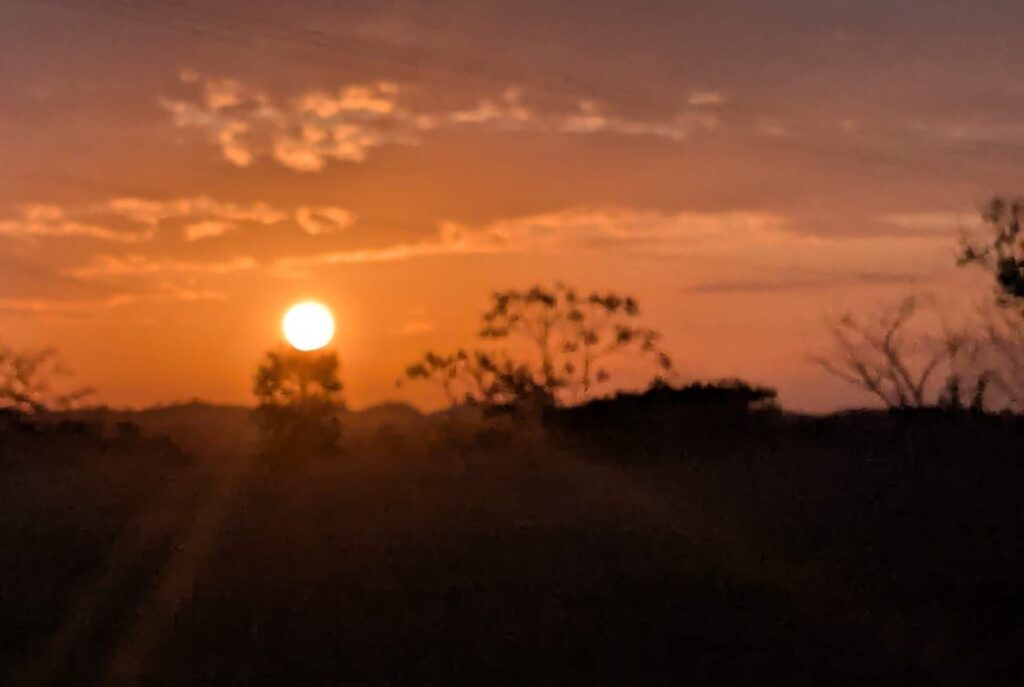
Sunrise – thanks Lena

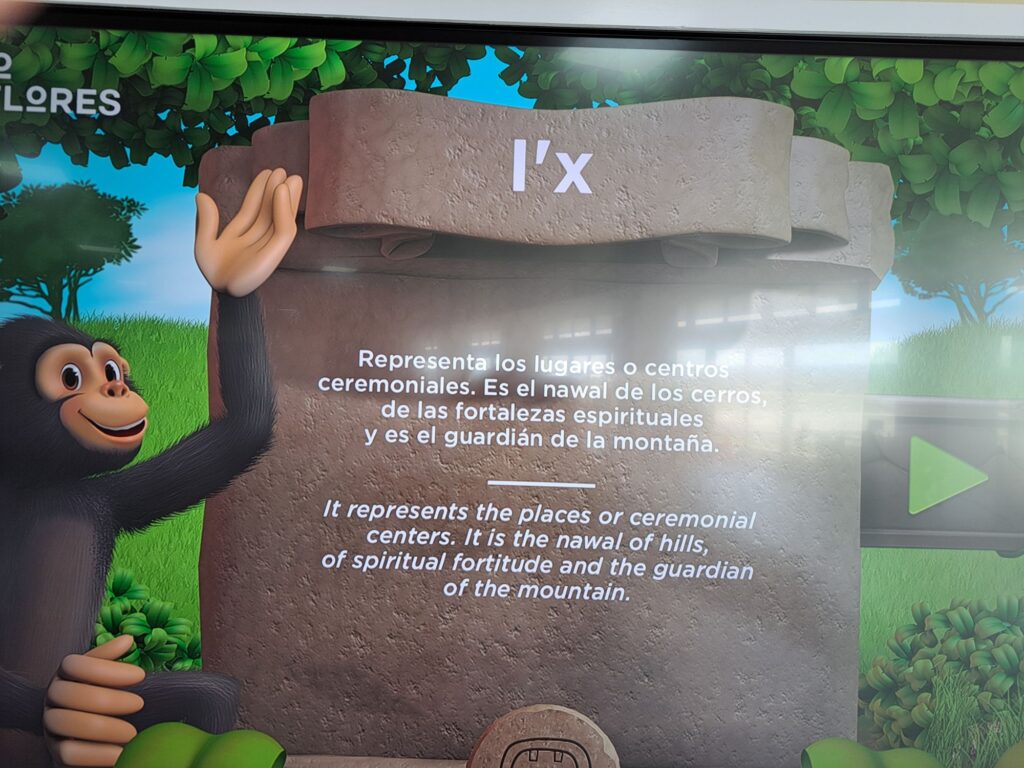
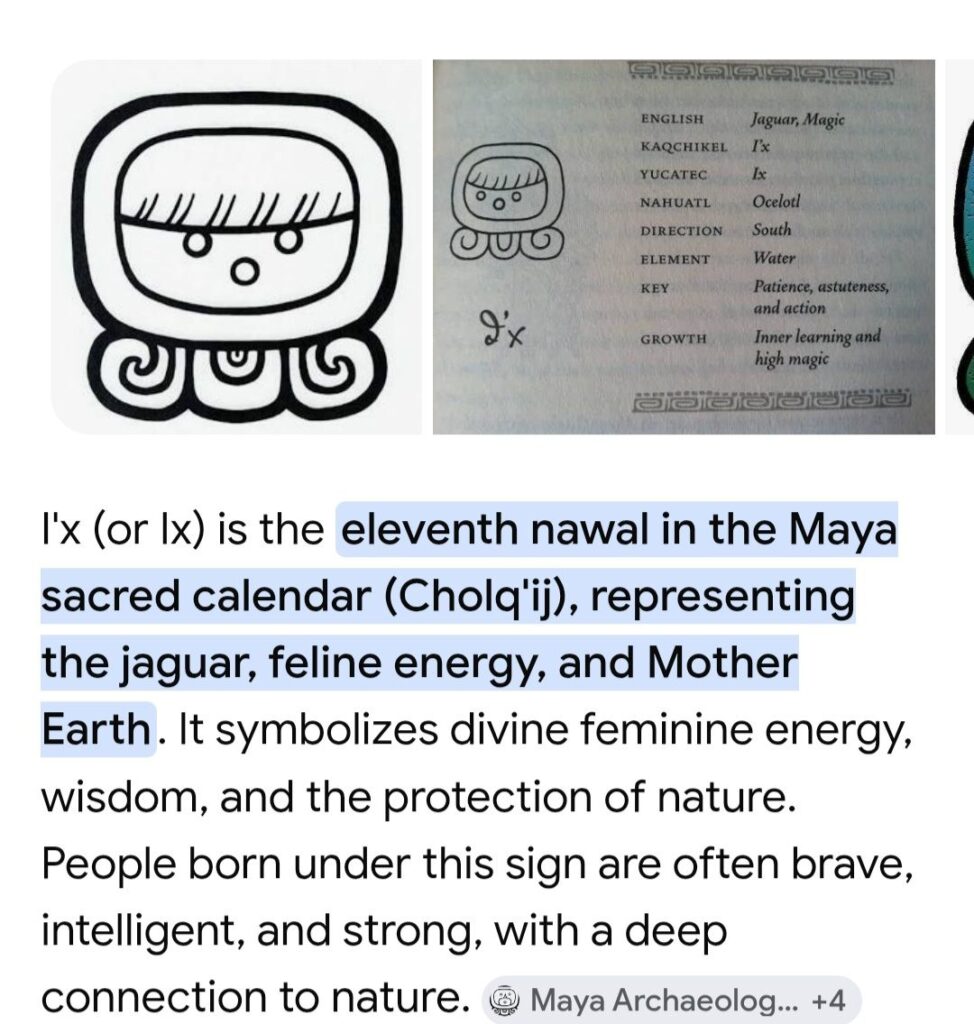
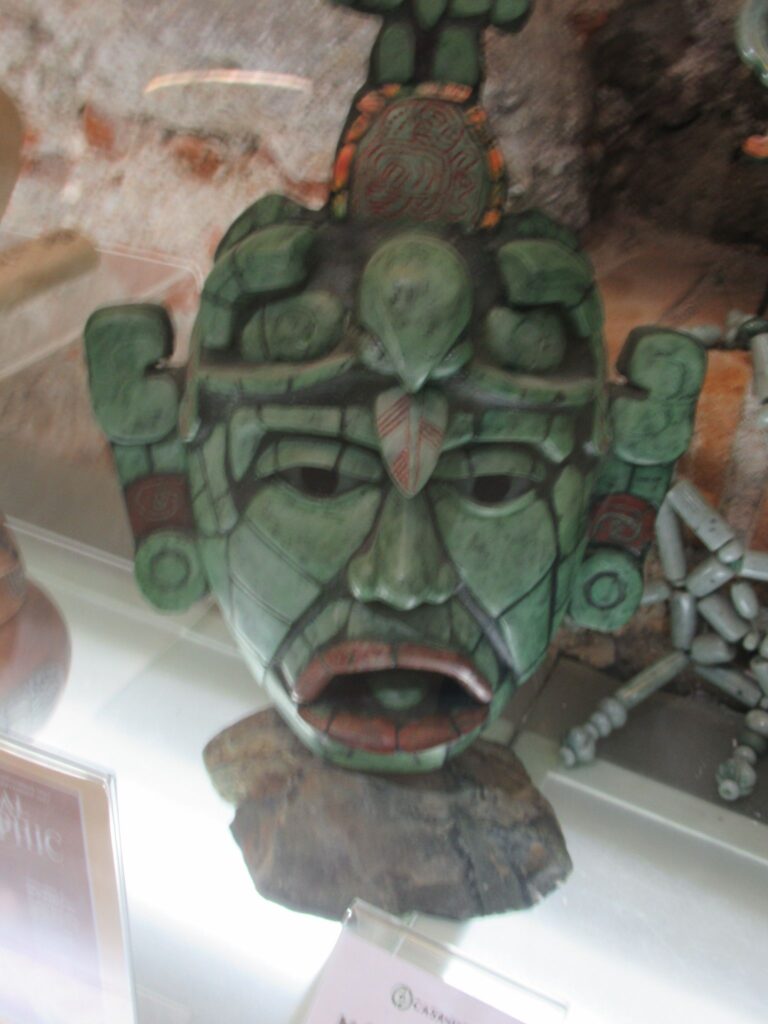
My Maya symbol

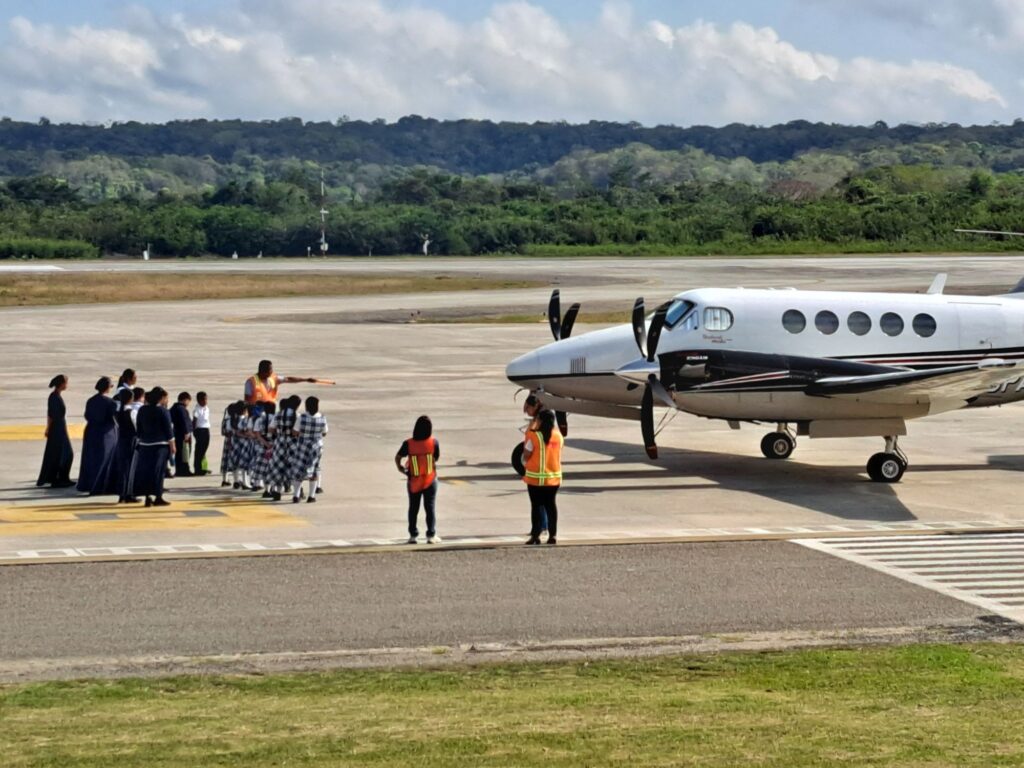
I never did school trips like this!

Short plane ride to Guatamala City airport.

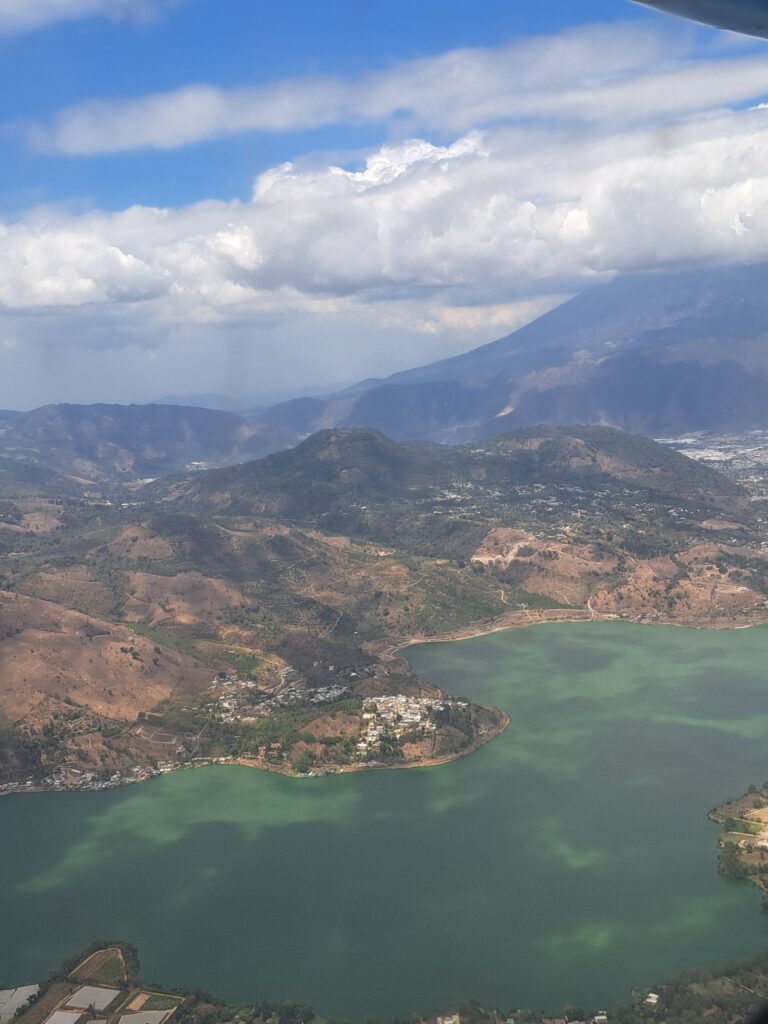
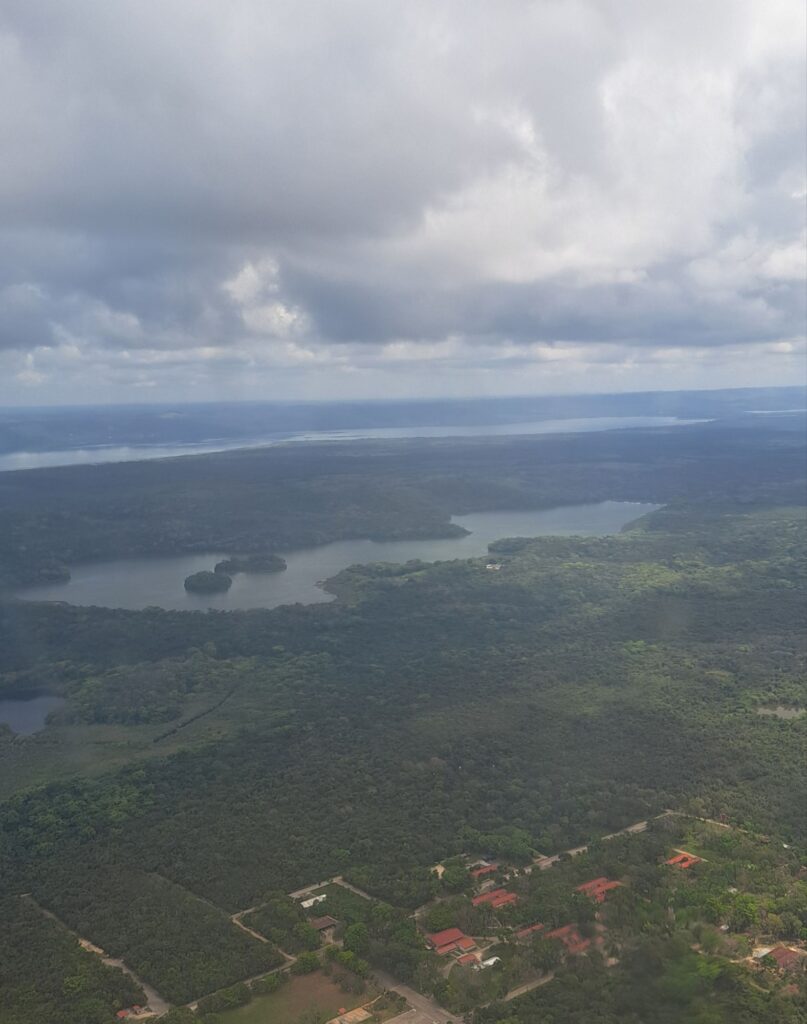
Some shots from the plane

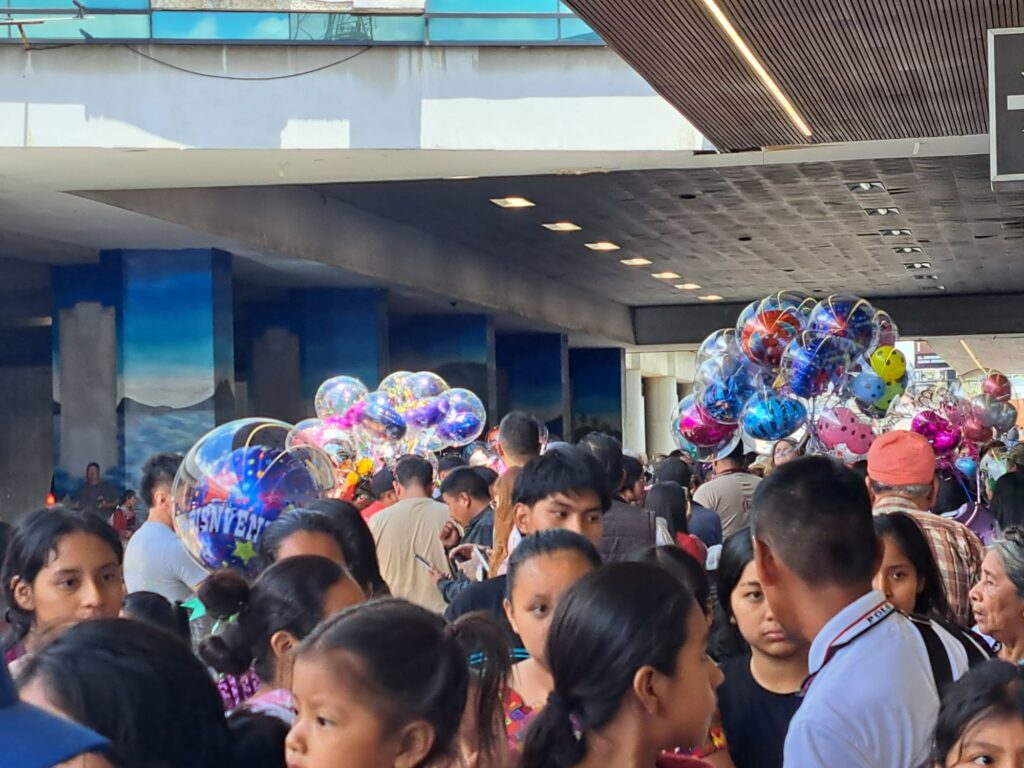
The airport was very busy with lots of people with balloons.

Then drove to Antigua, a colonial city set amidst volcanic peaks. From 1543 to 1773 it was the former capital city with colonial buildings and cobblestone streets. Throughout the 18th century a series of earthquakes struck finally resulting in the decision to relocate the capital to Guatamala City. It is surrounded by three volcanic peaks.

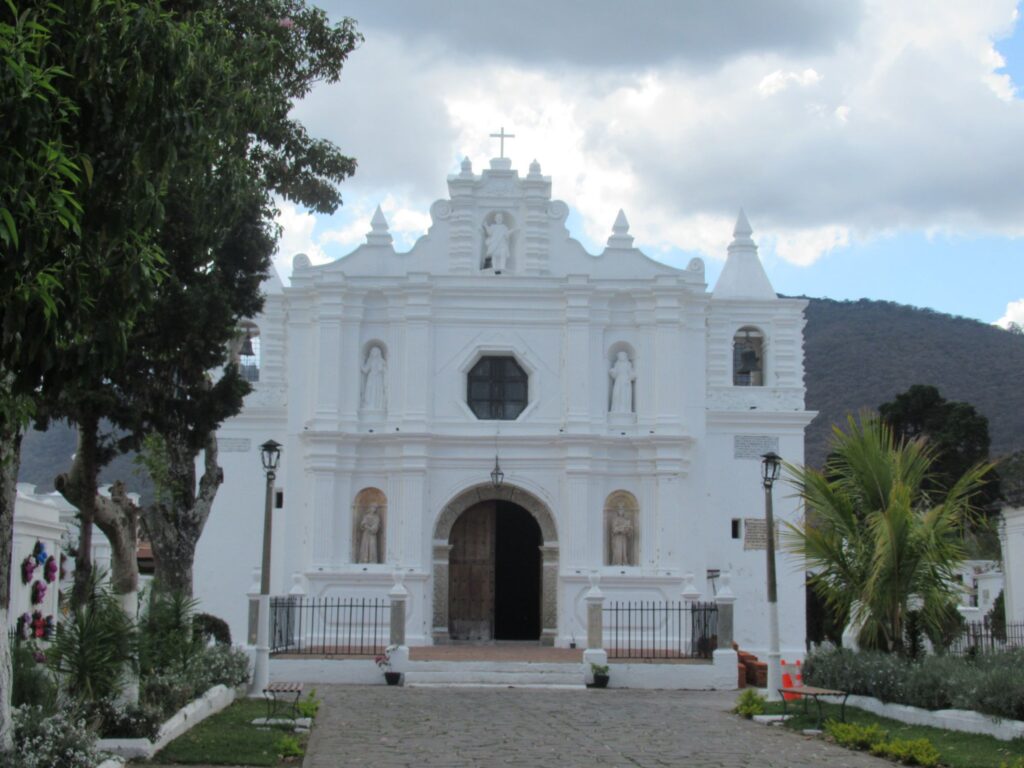
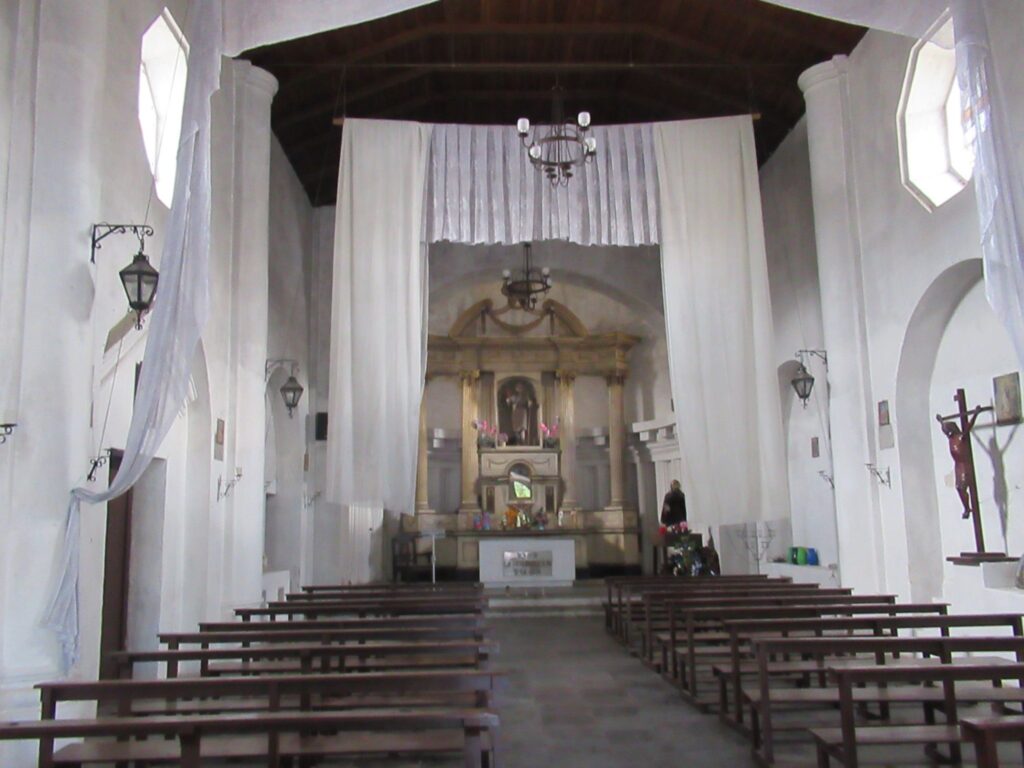
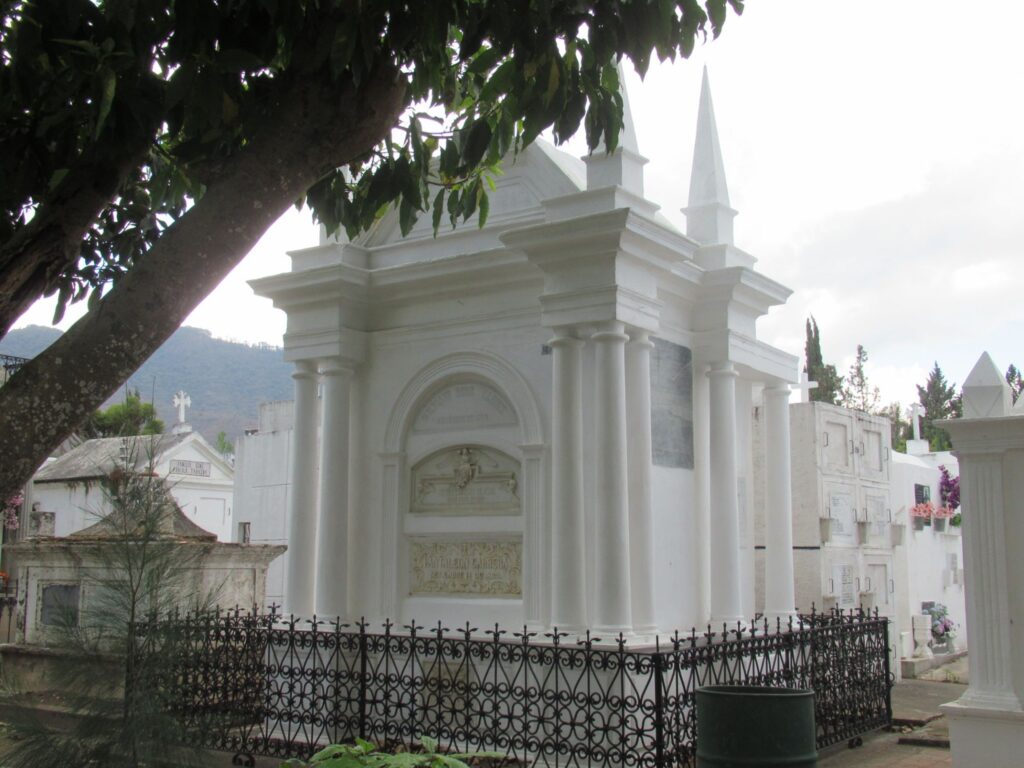
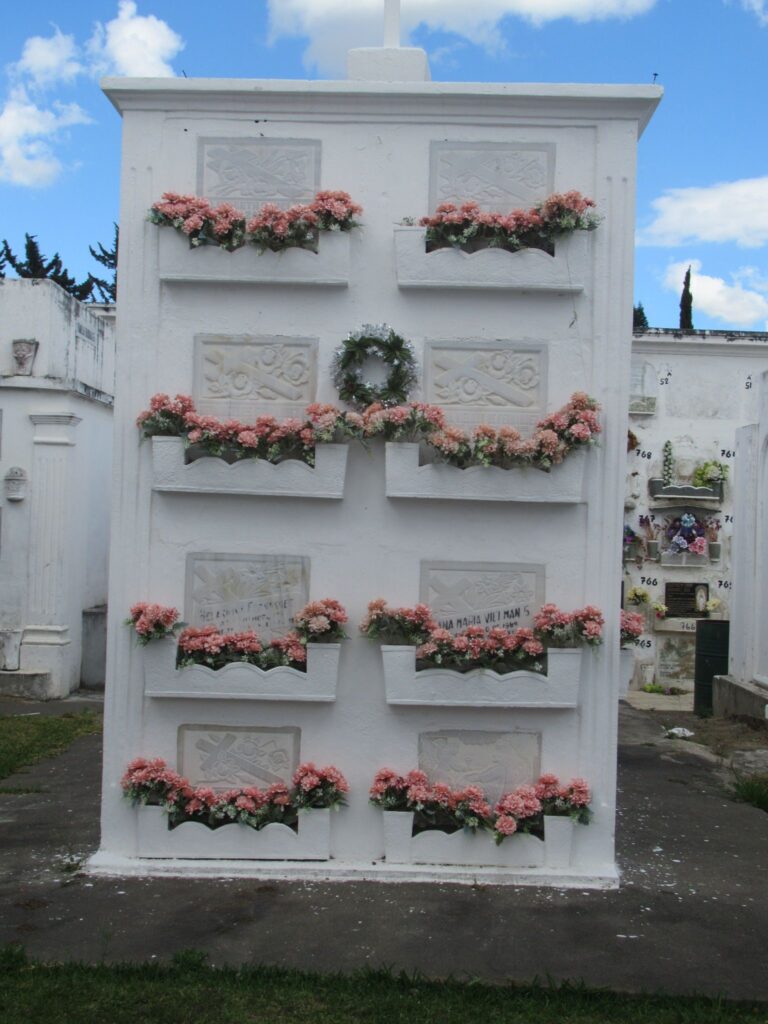
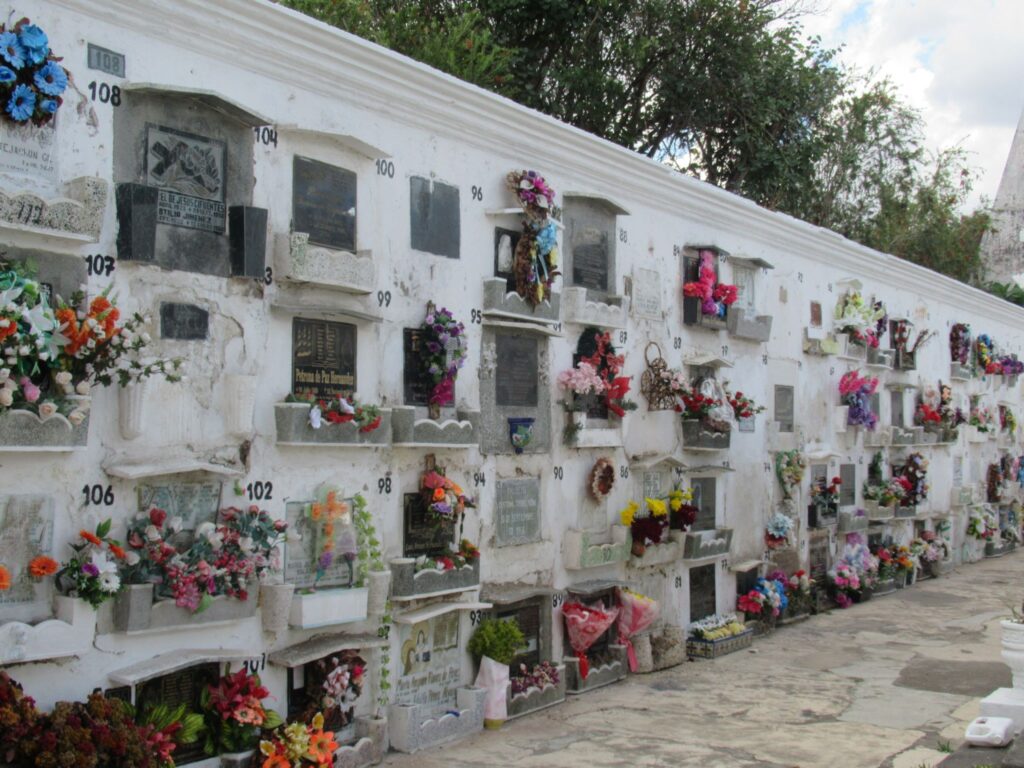
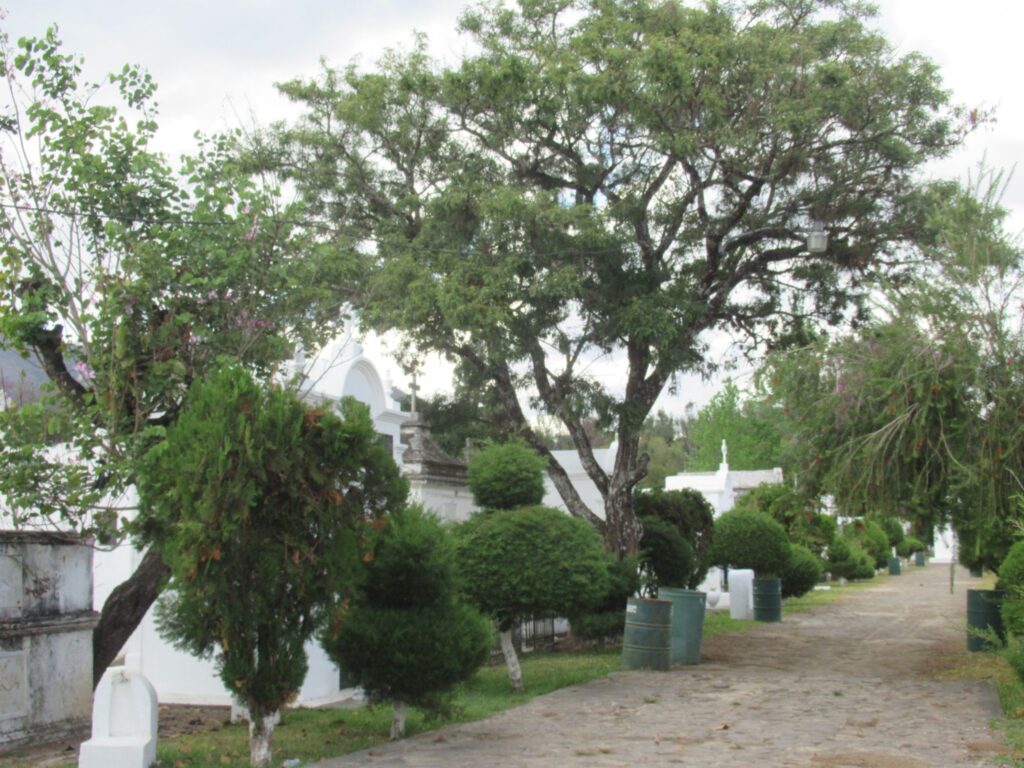
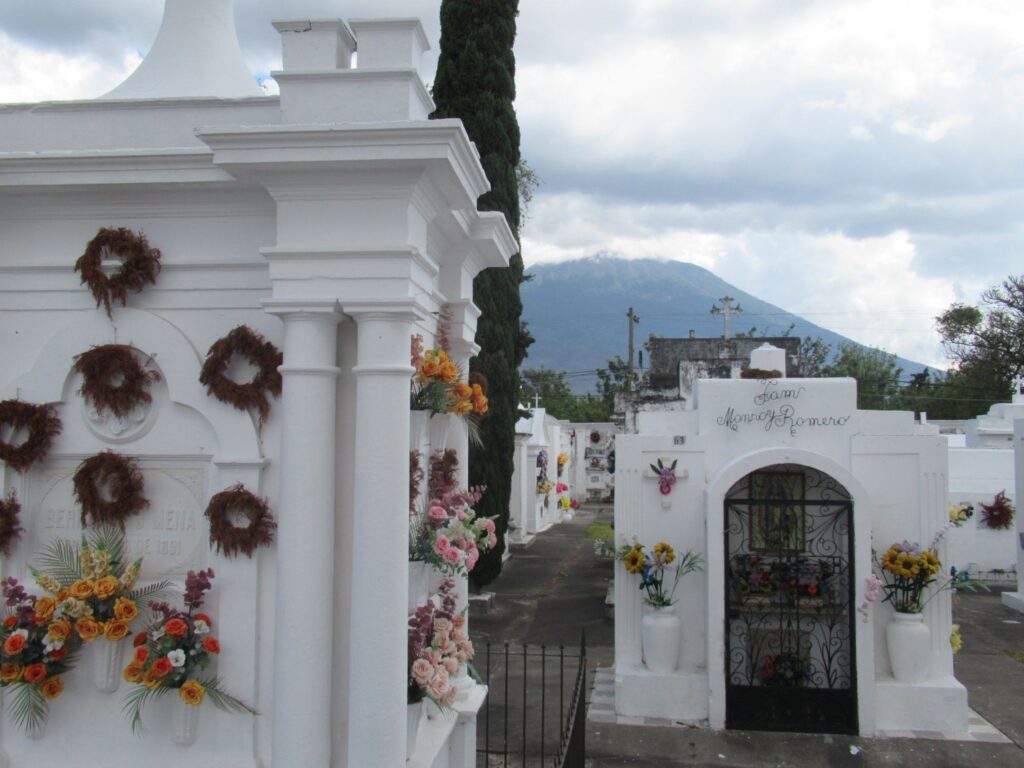
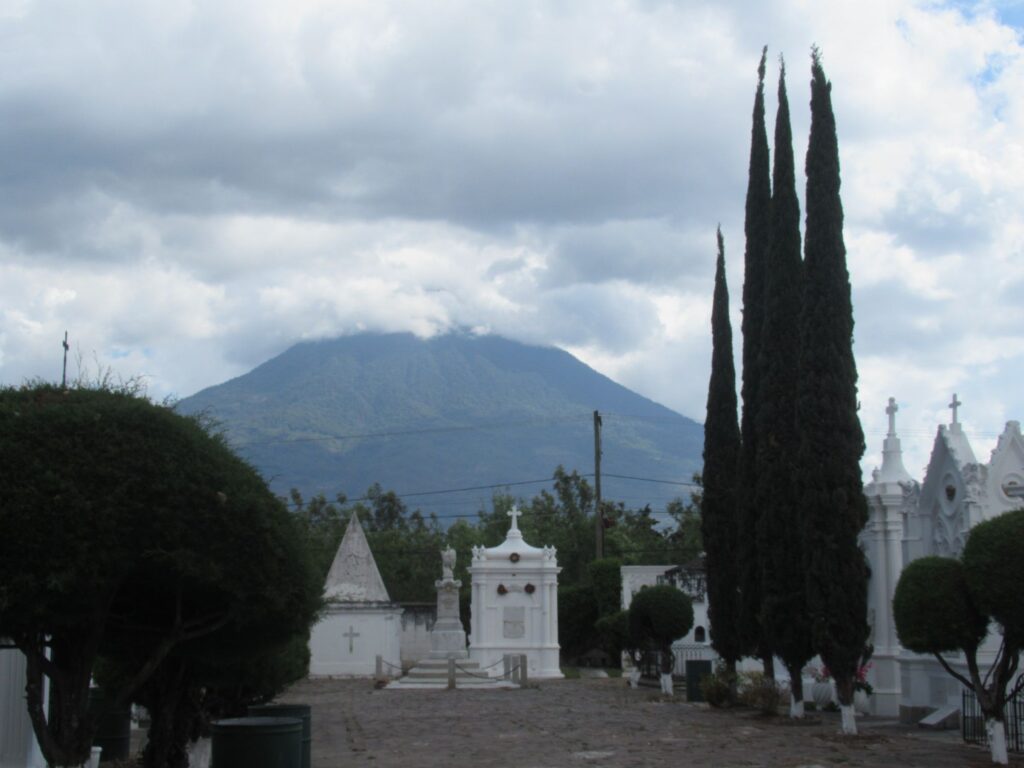
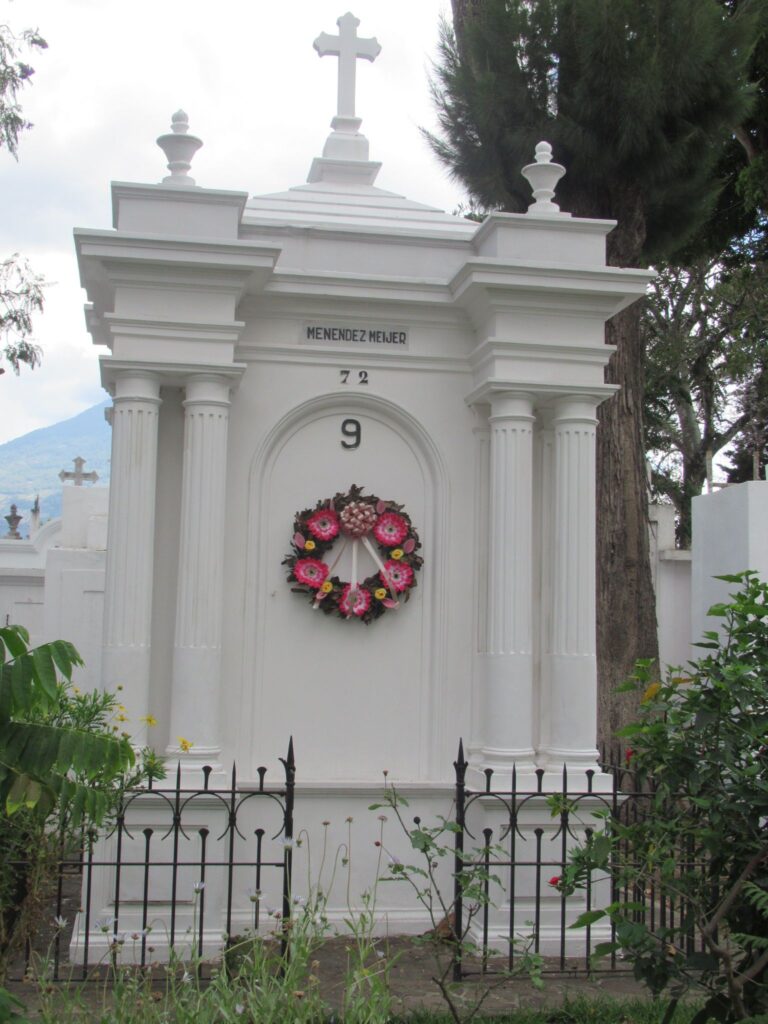
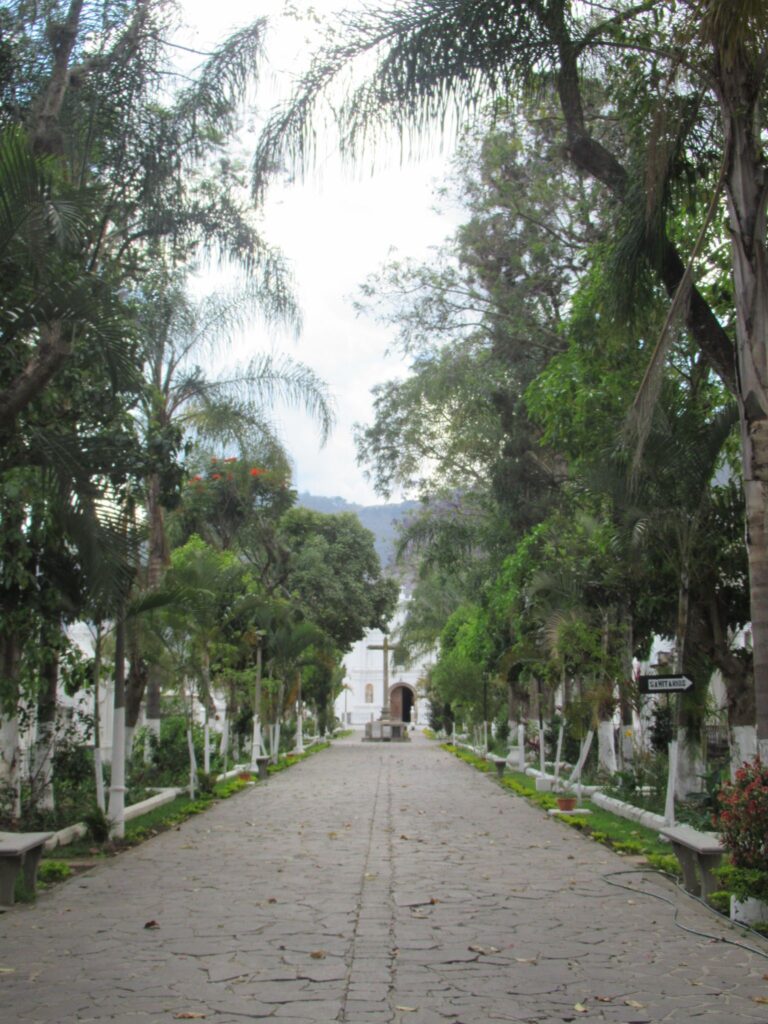
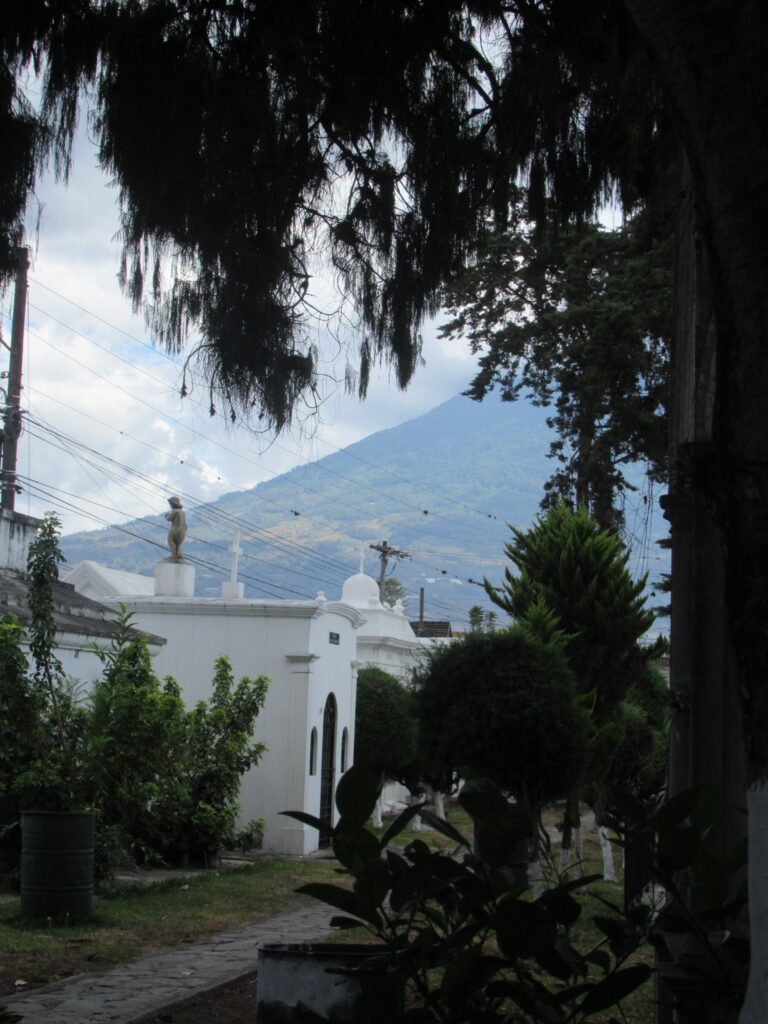
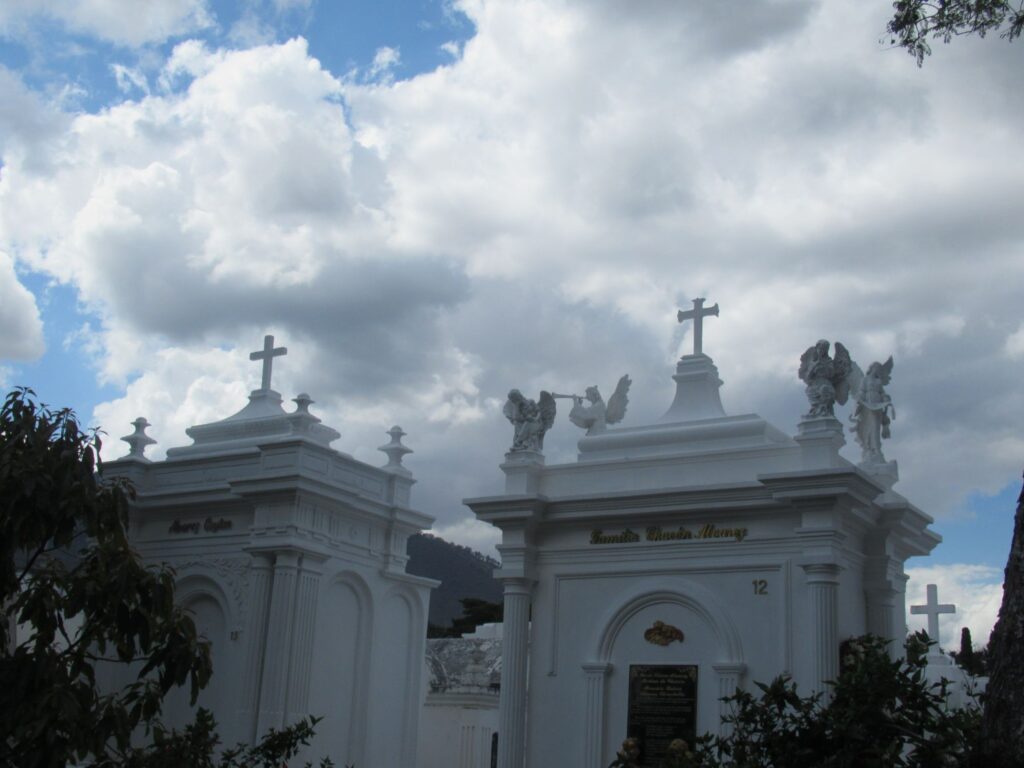
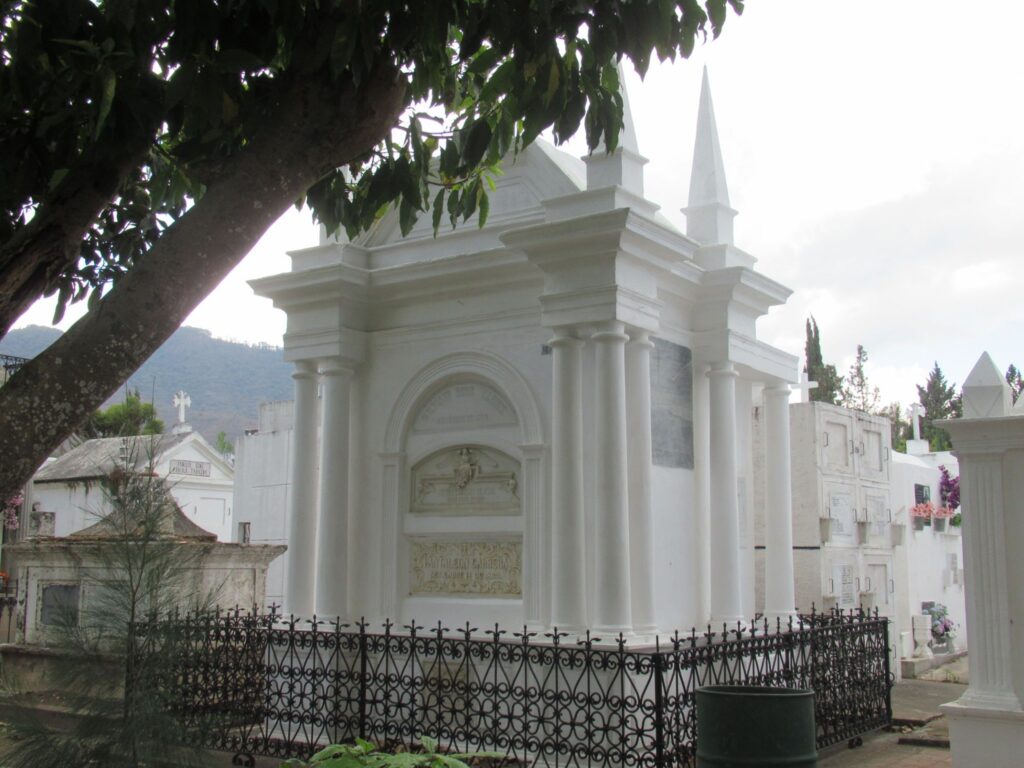
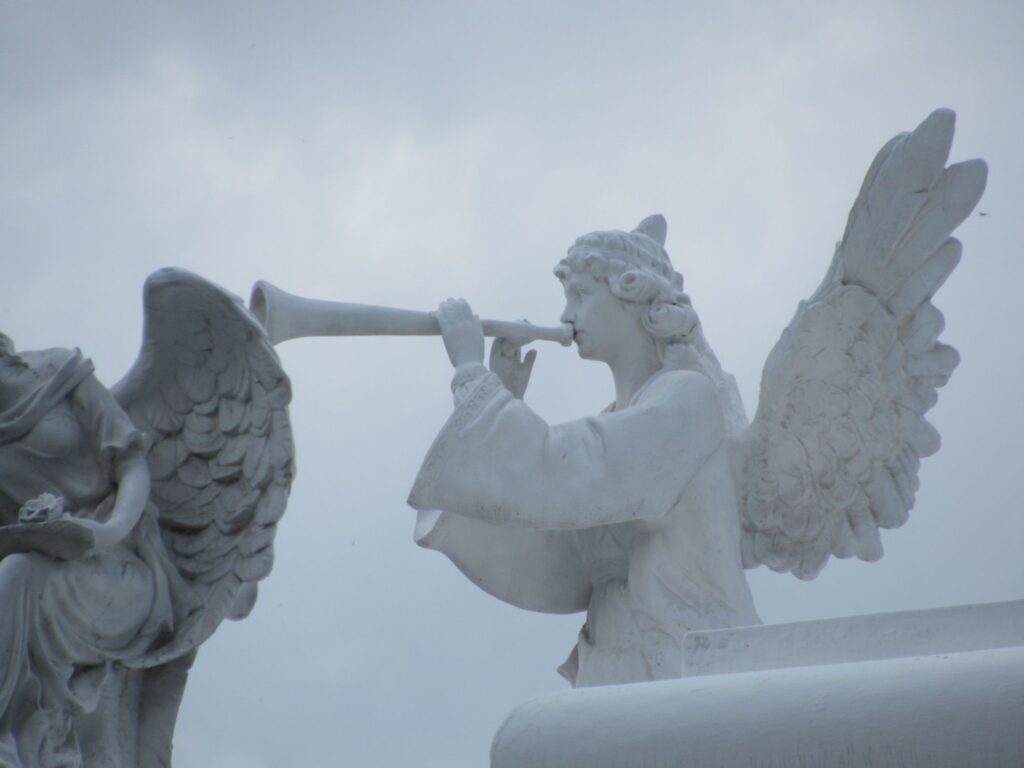
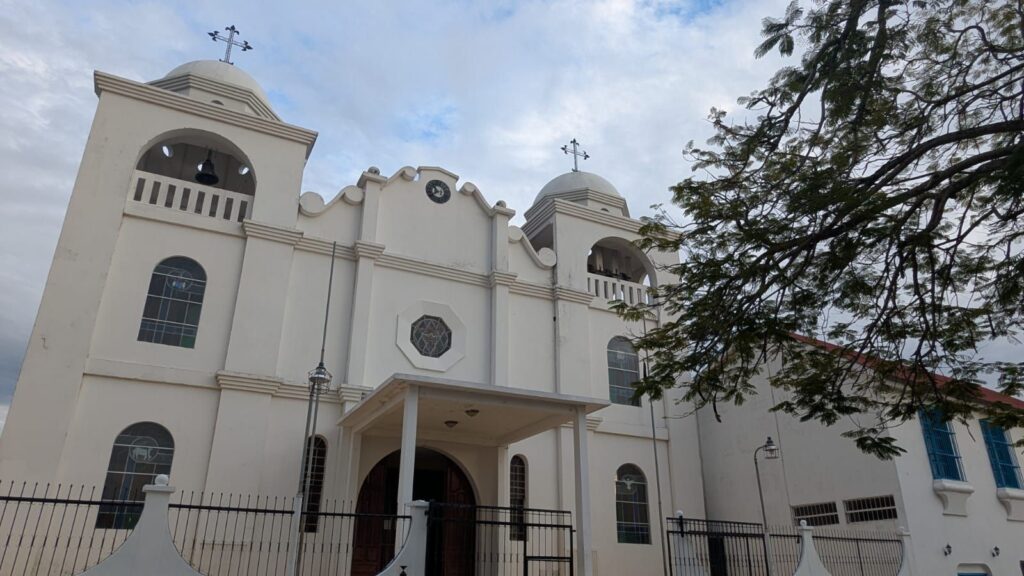
Before checking into the hotel we visited San Lazaro Cemetery located in the grounds of a former leprosy center. The cemetery is all white as is its church.

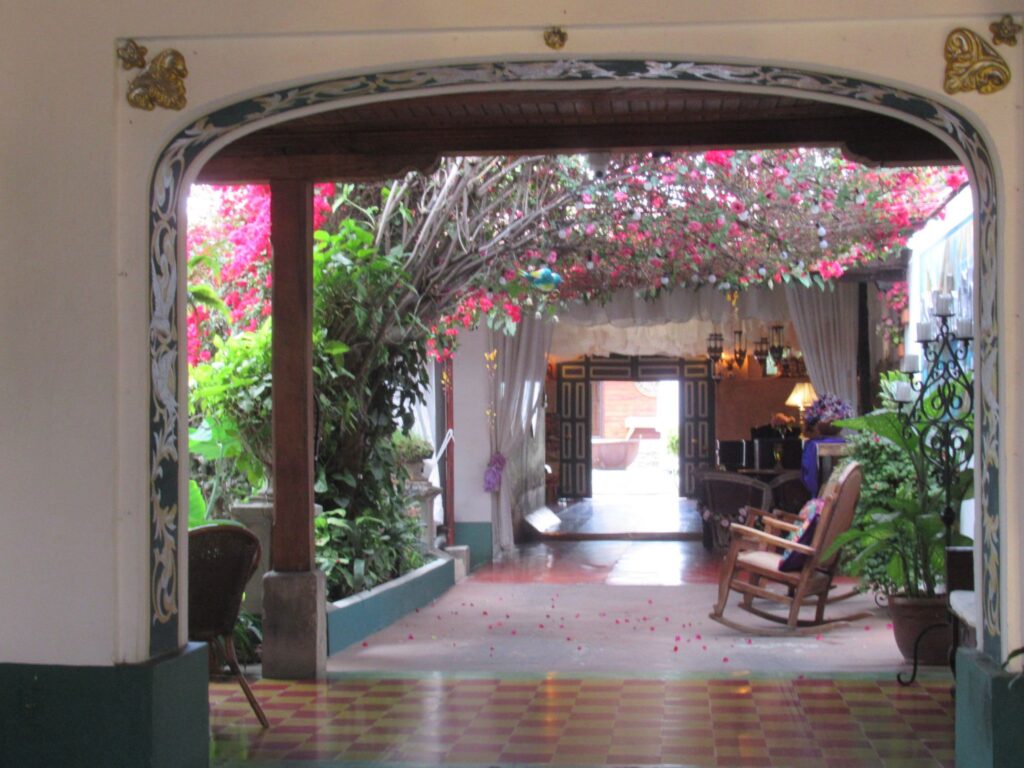
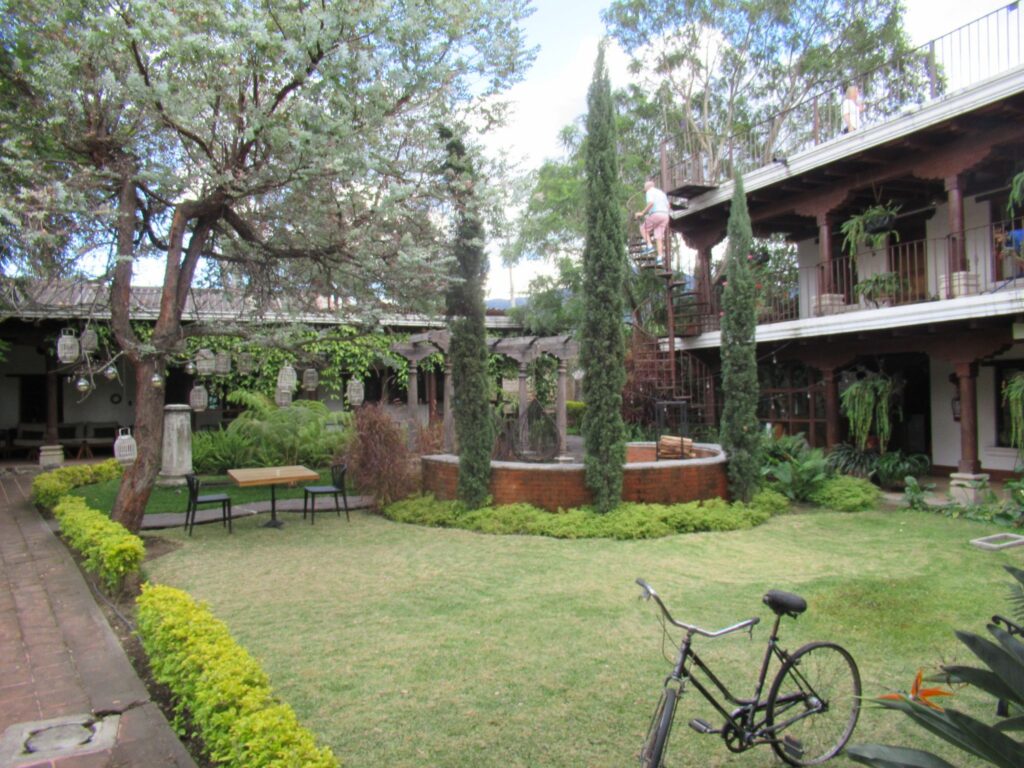
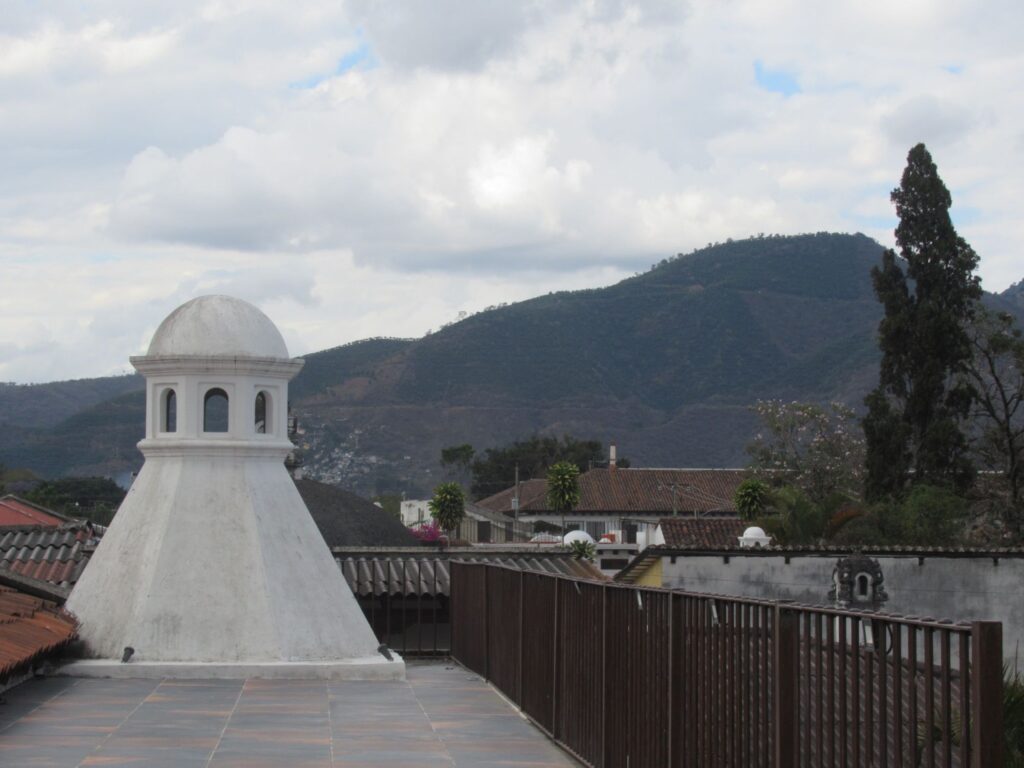
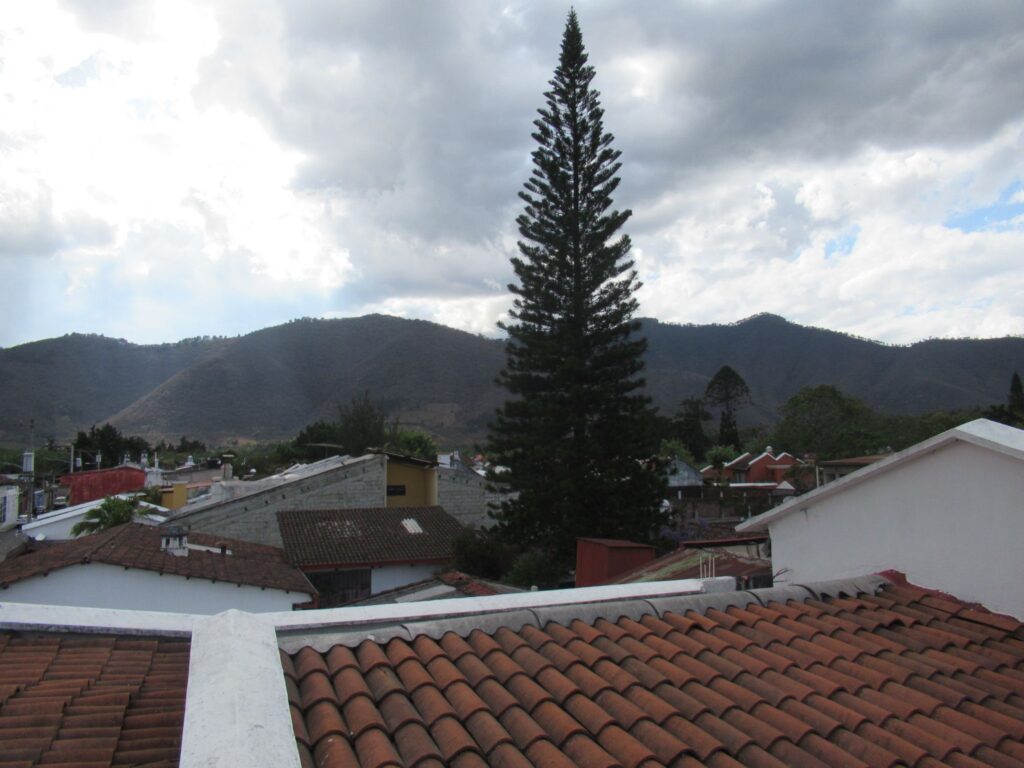
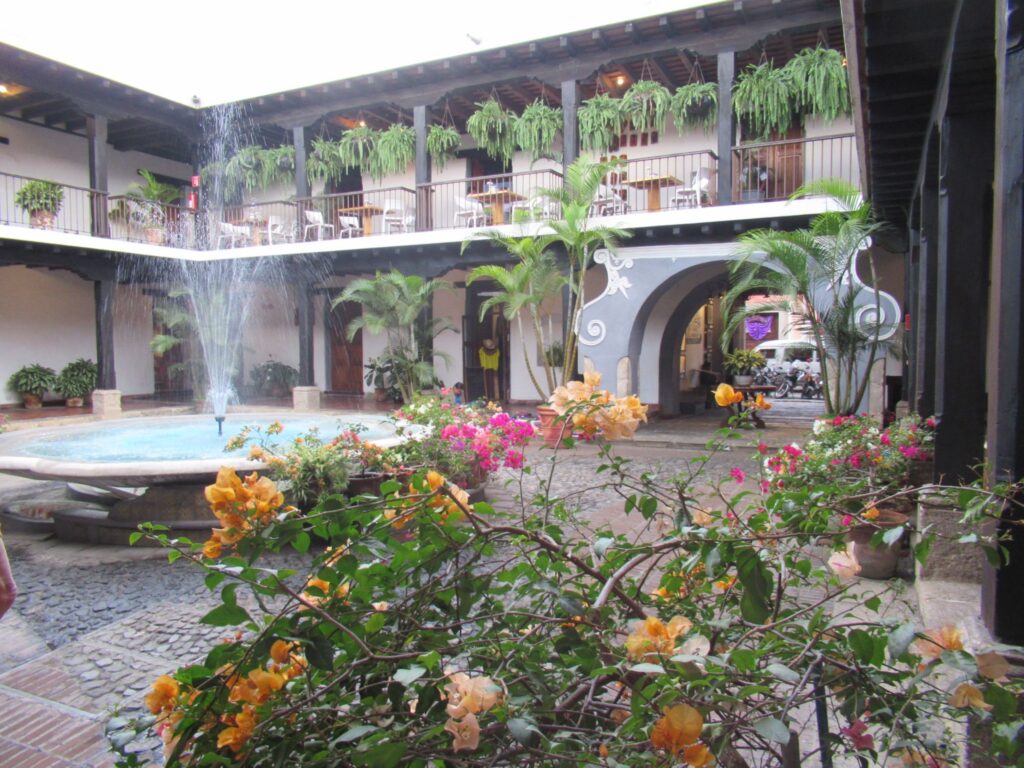
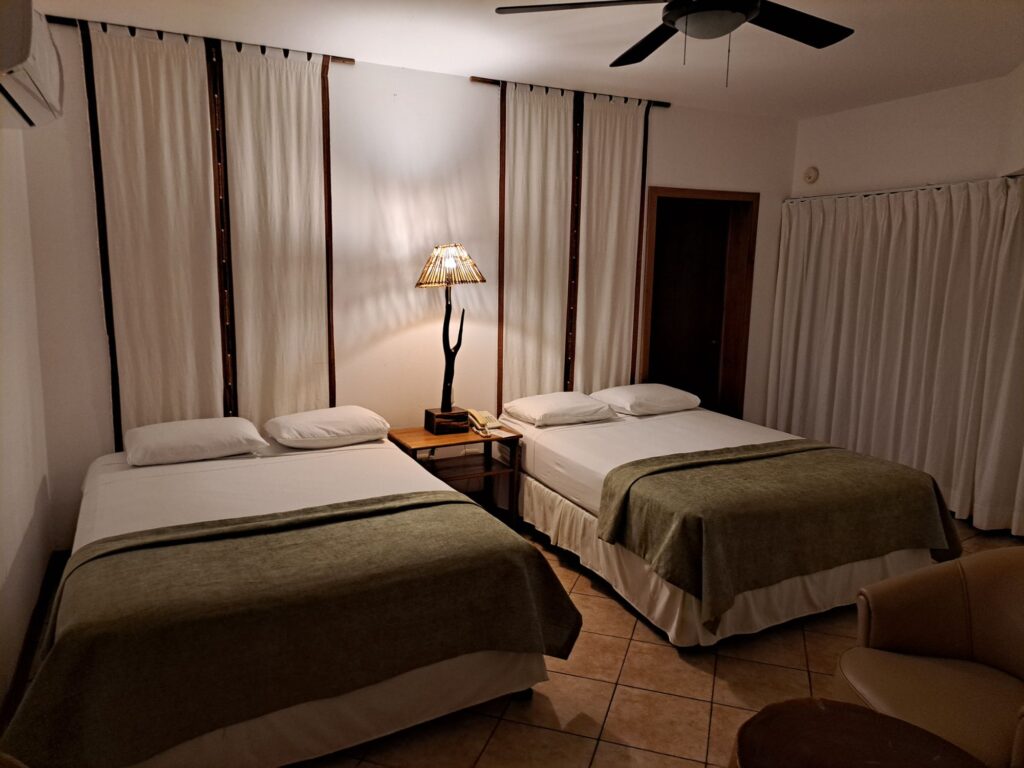
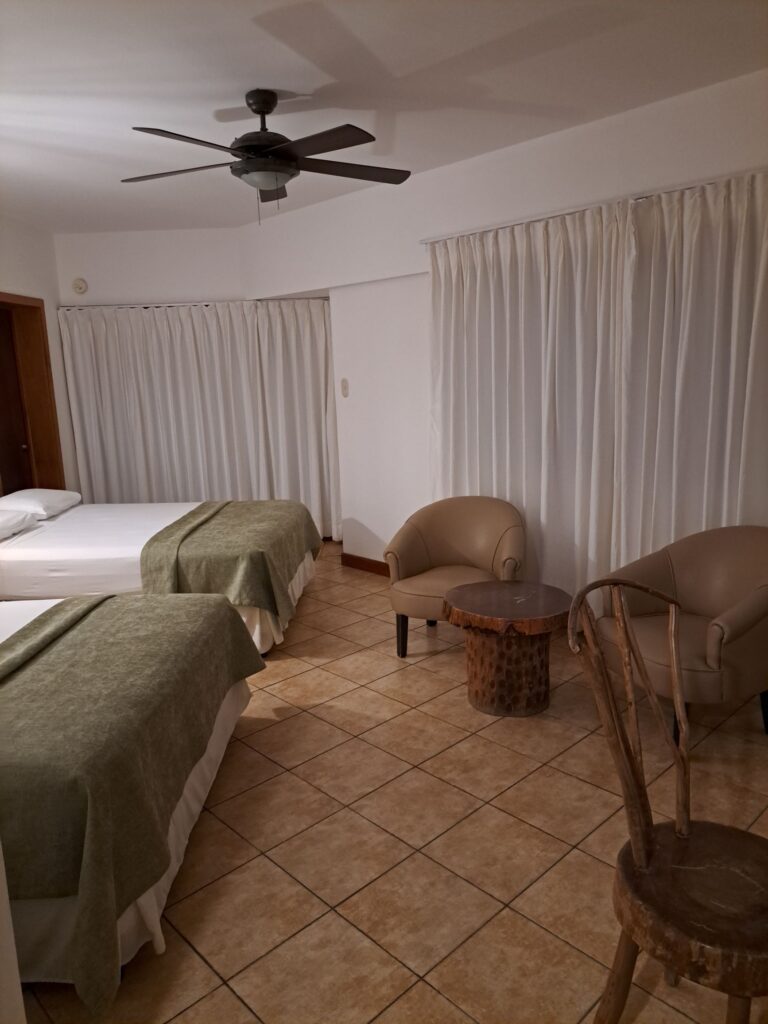
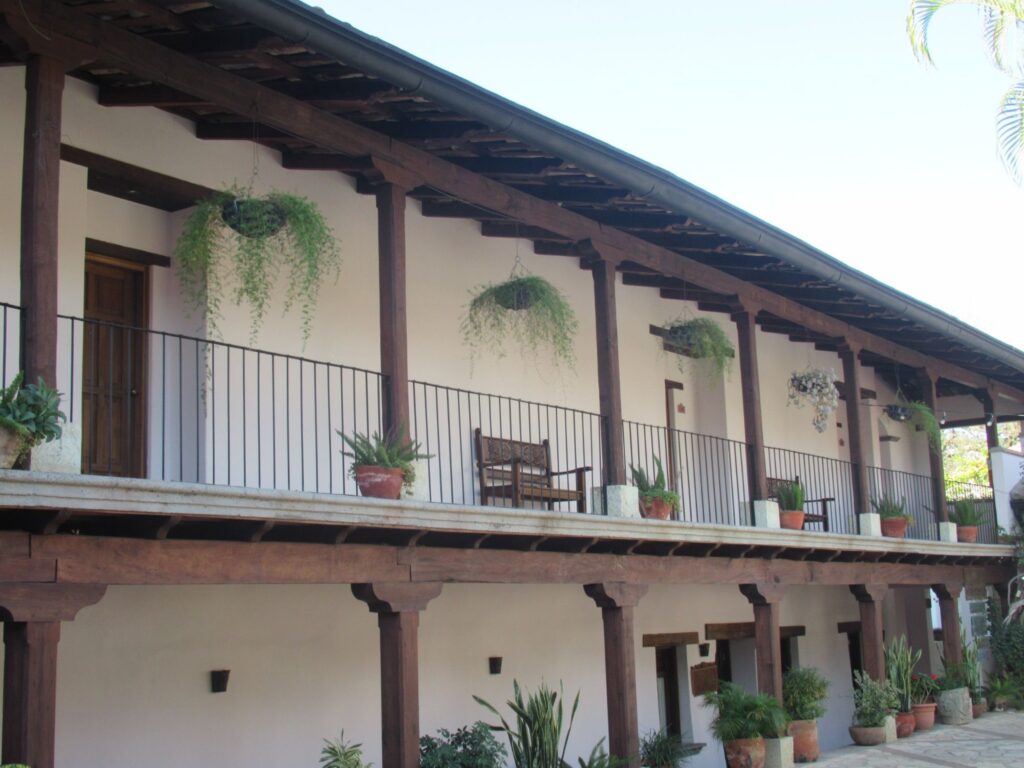
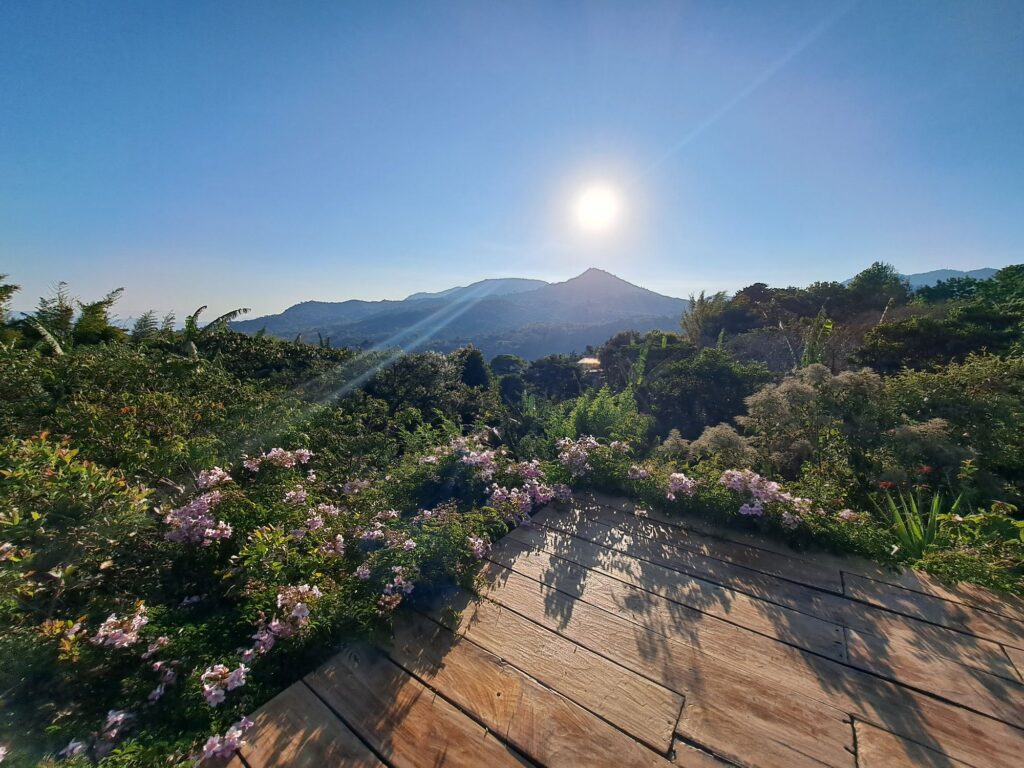
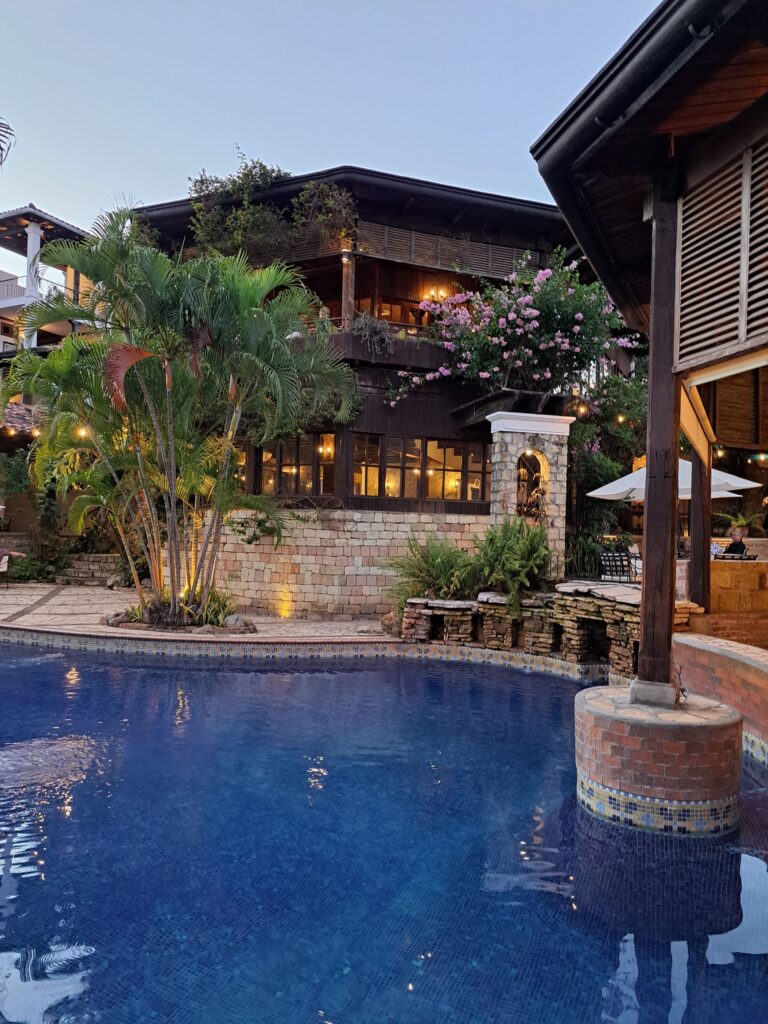
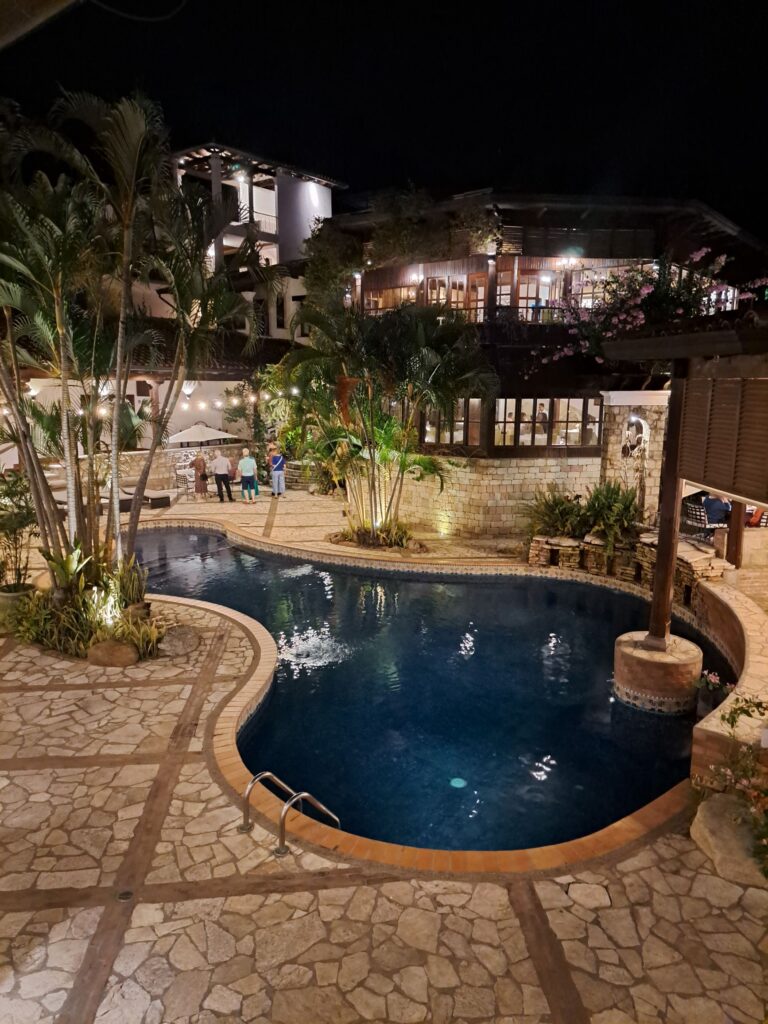
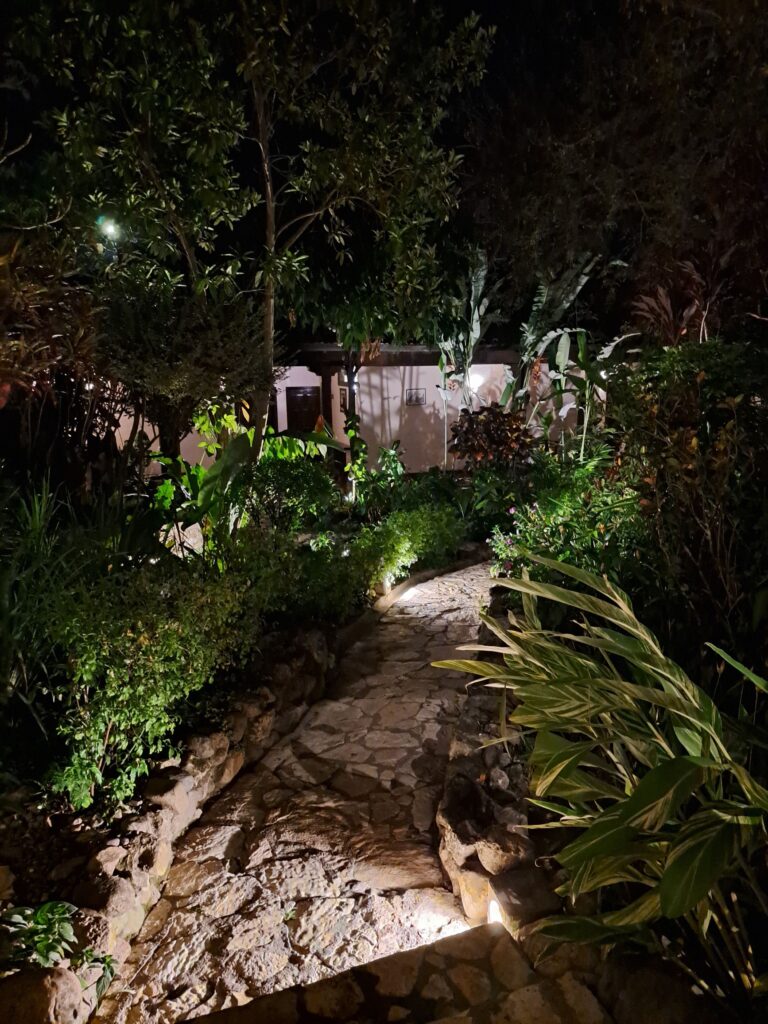
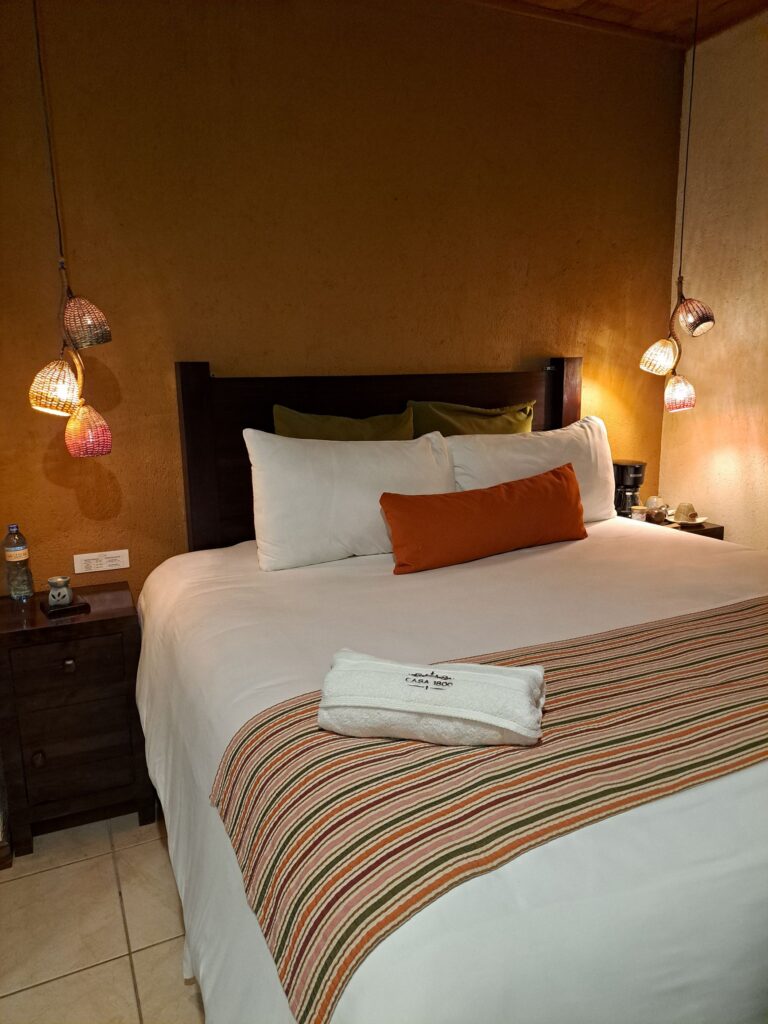
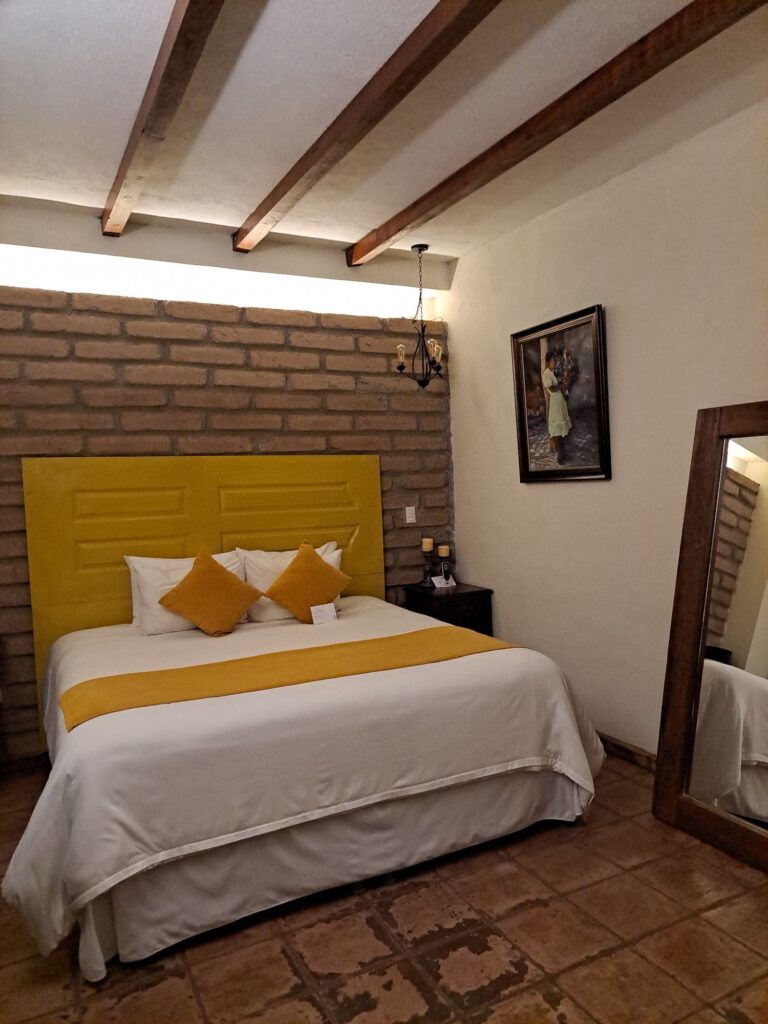
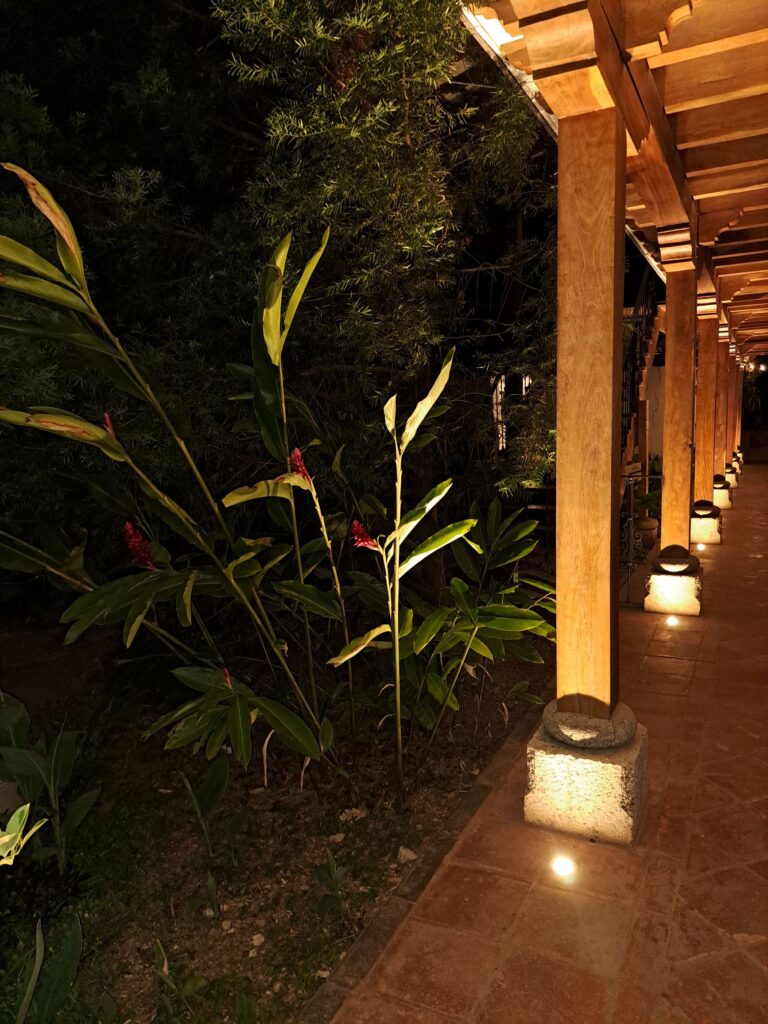
Checked into the hotel, an old colonial style with a courtyard garden and a rooftop terrace with view of Volcan de Agua’s cone.

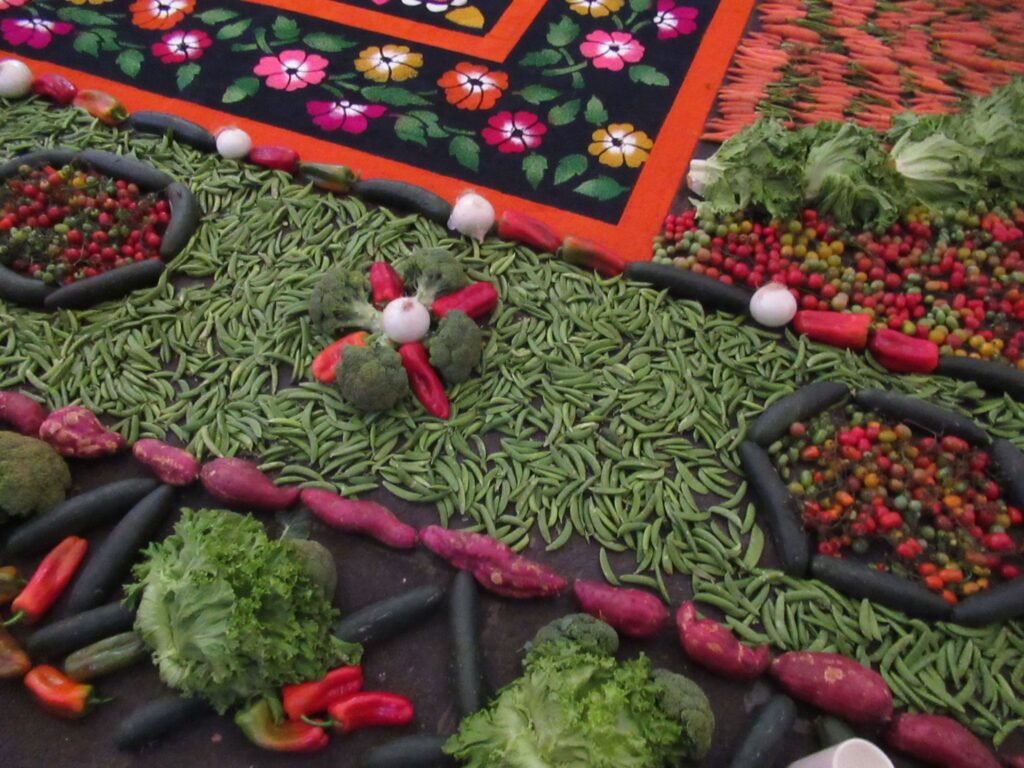
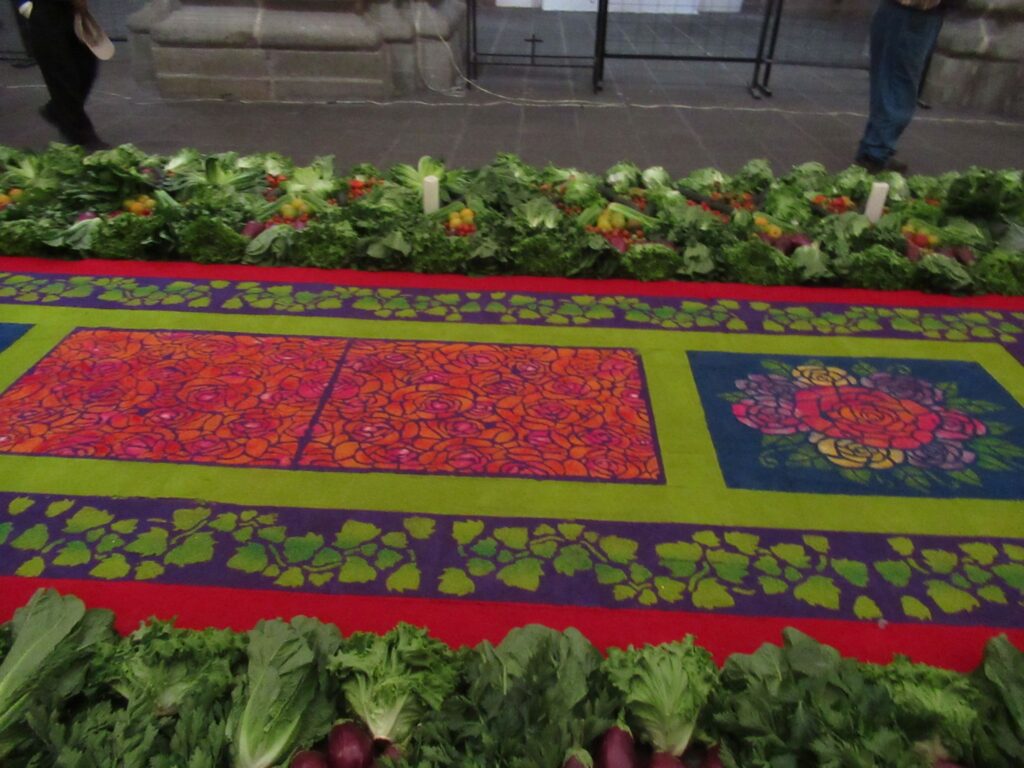
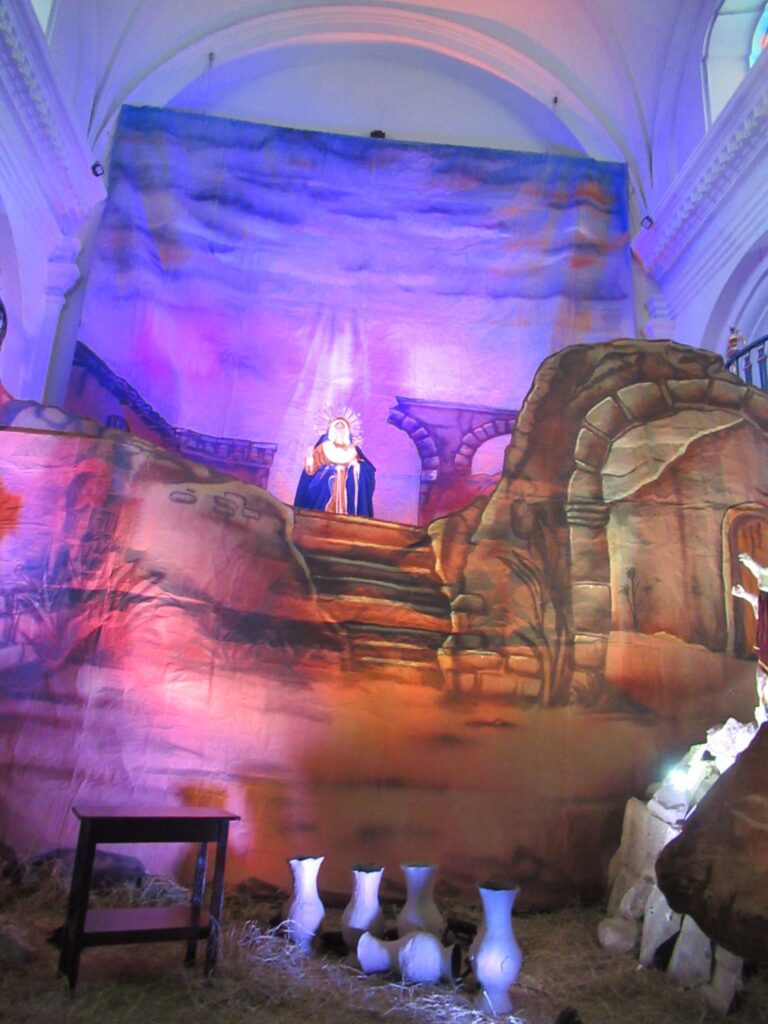
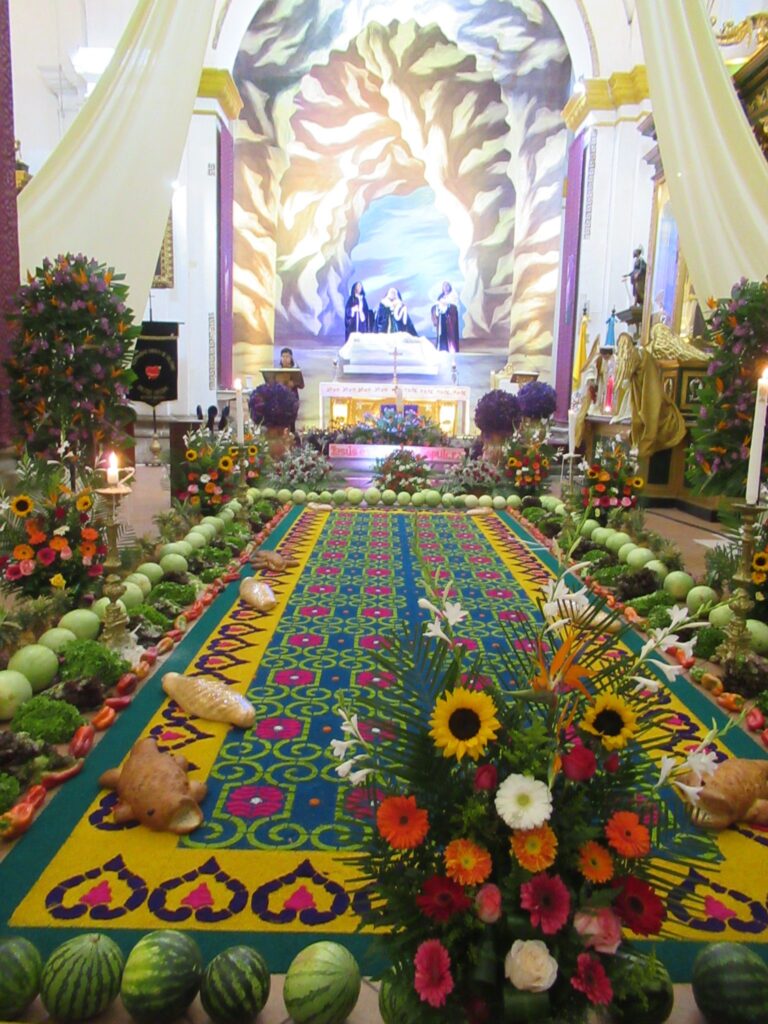
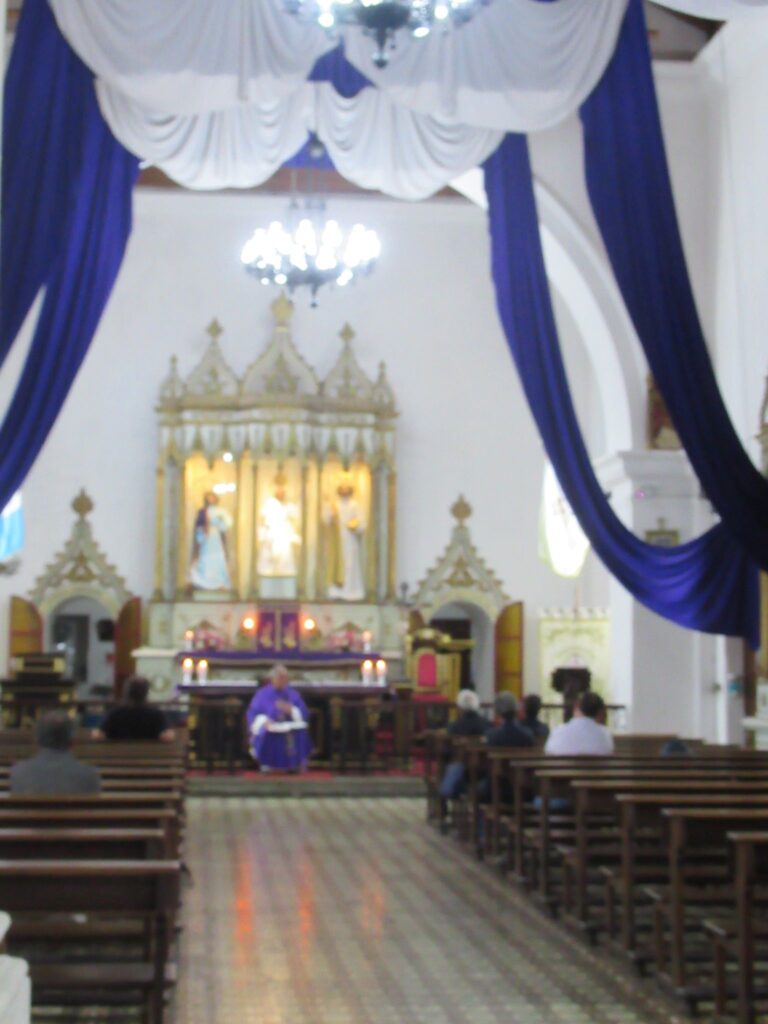
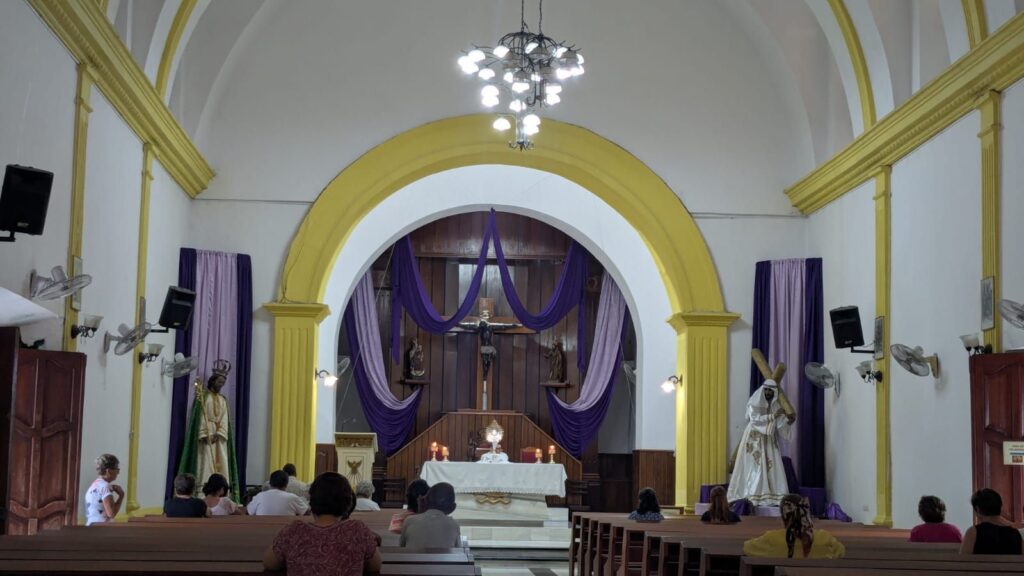
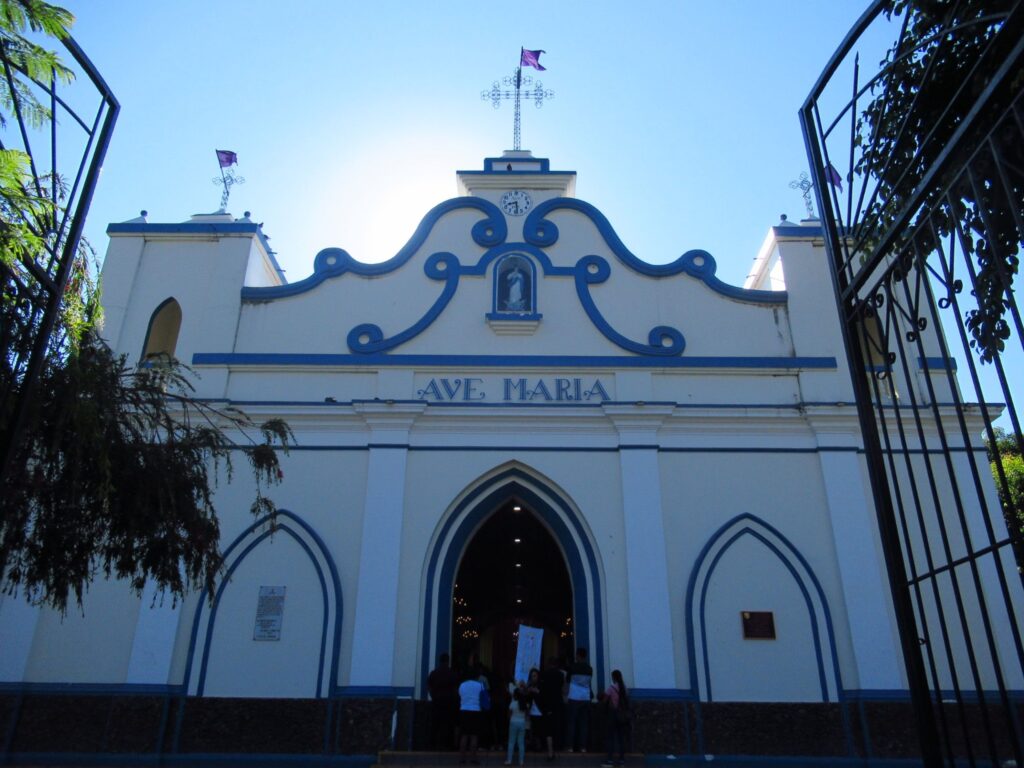
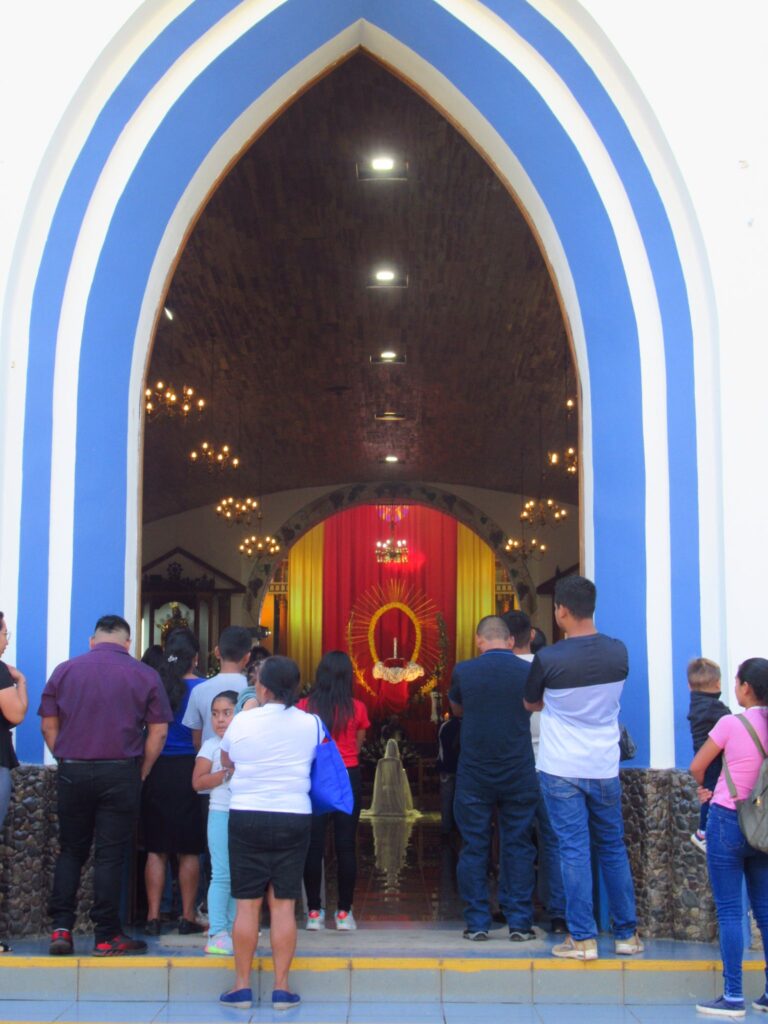
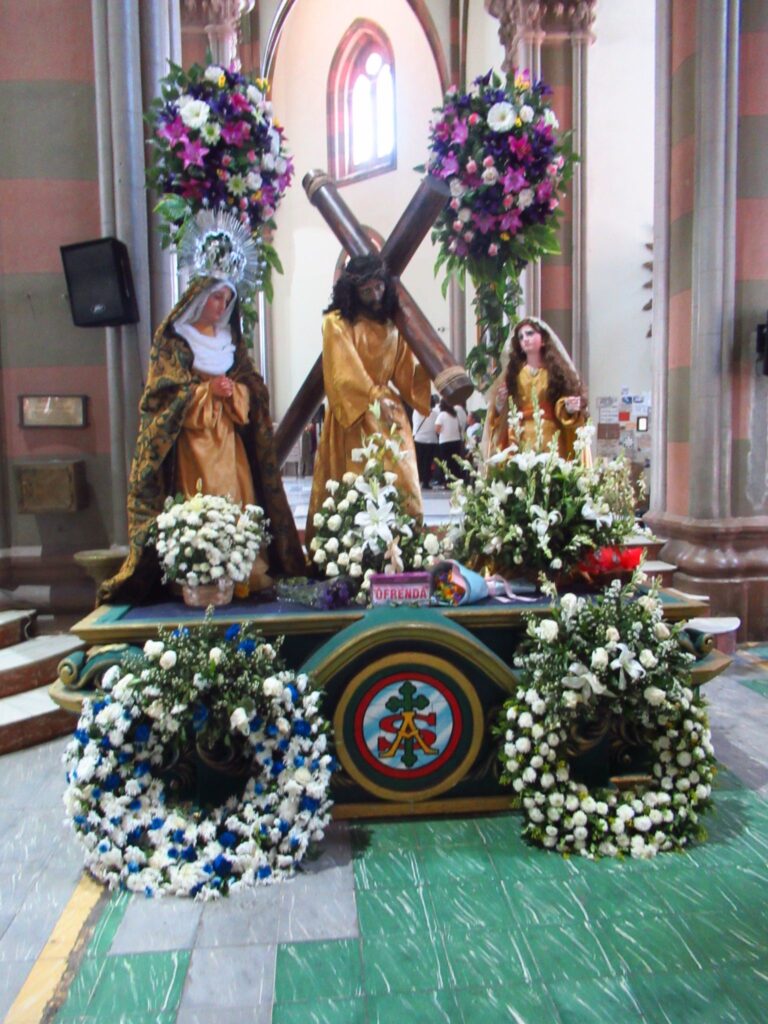
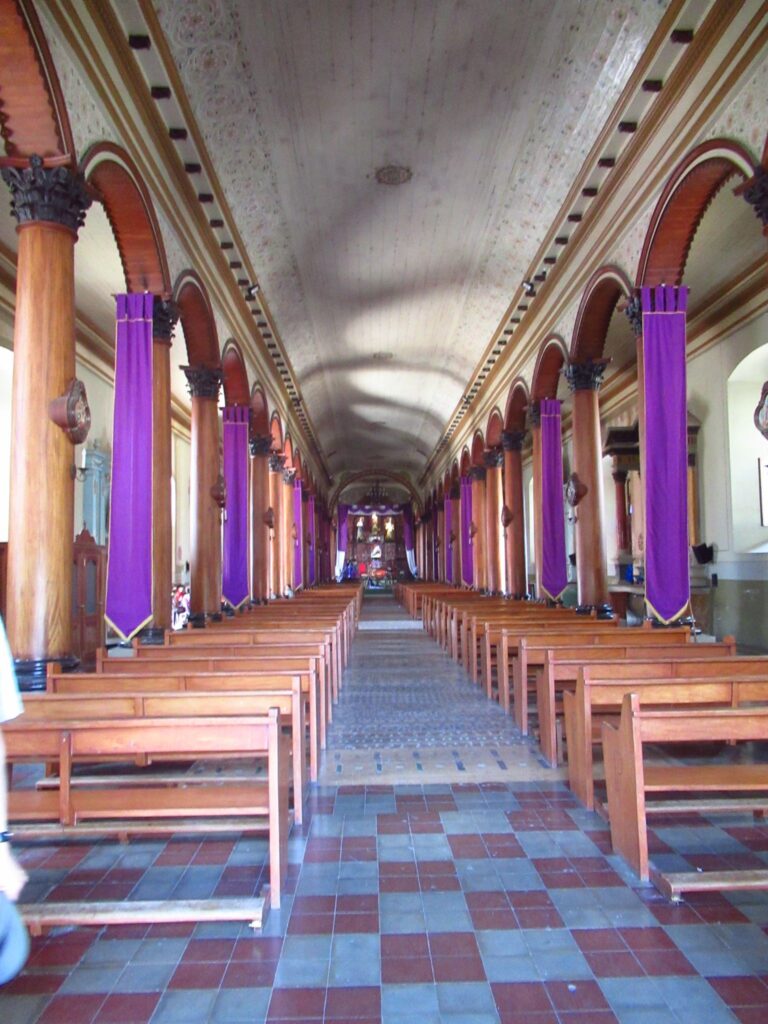
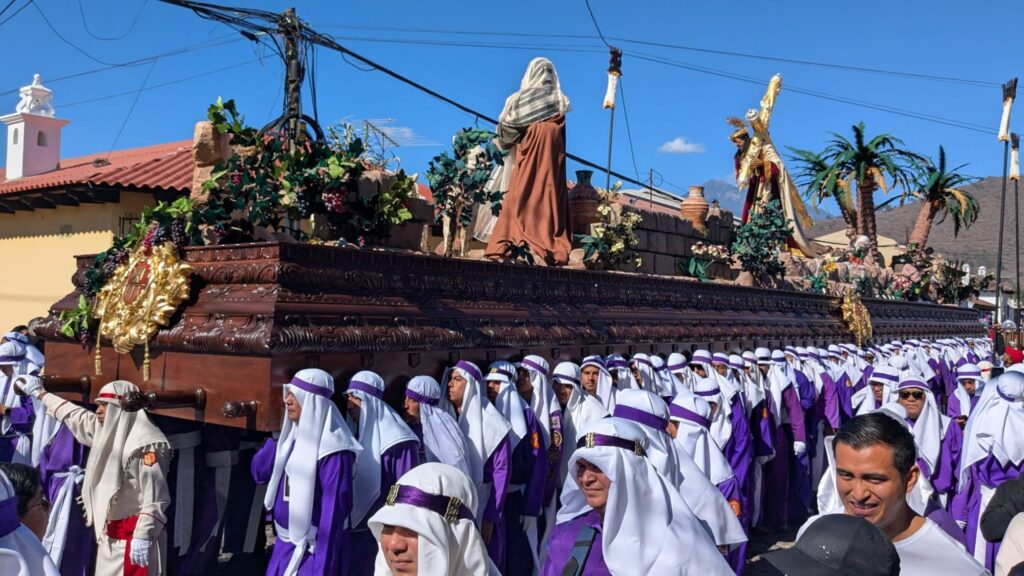
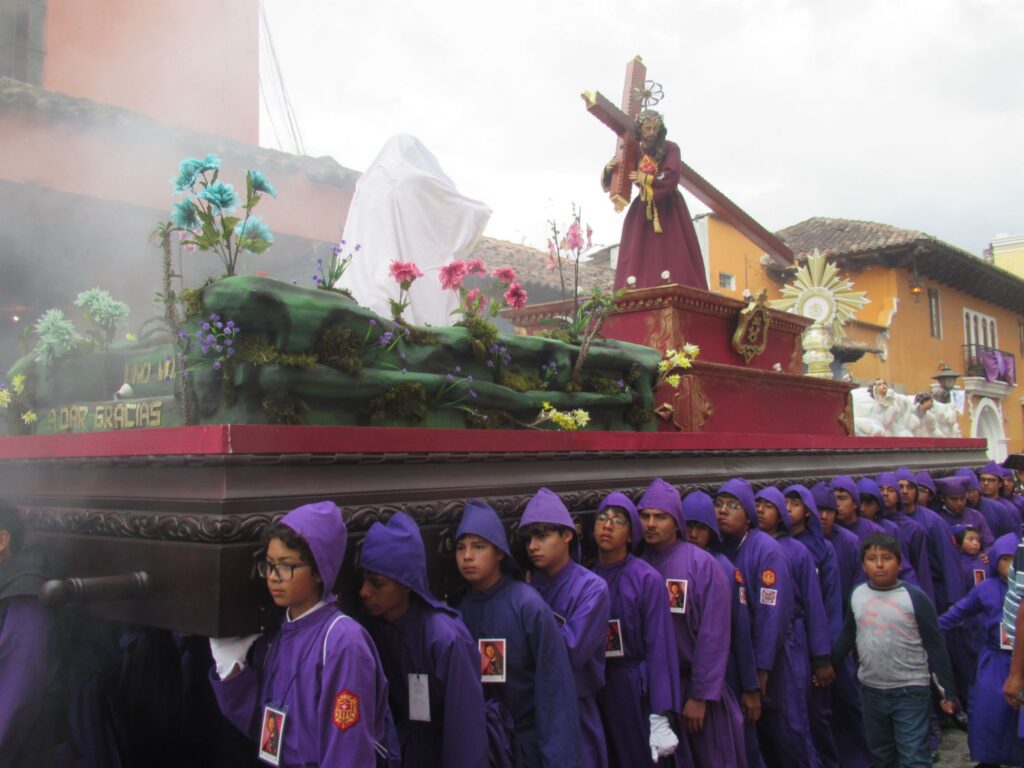
During a walking tour of the town we visited a number of churches all decorated beautifully for the start of holy week with a fusion of Catholic and Maya traditions. With coloured sawdust carpets and fruit and vegetable pictures.

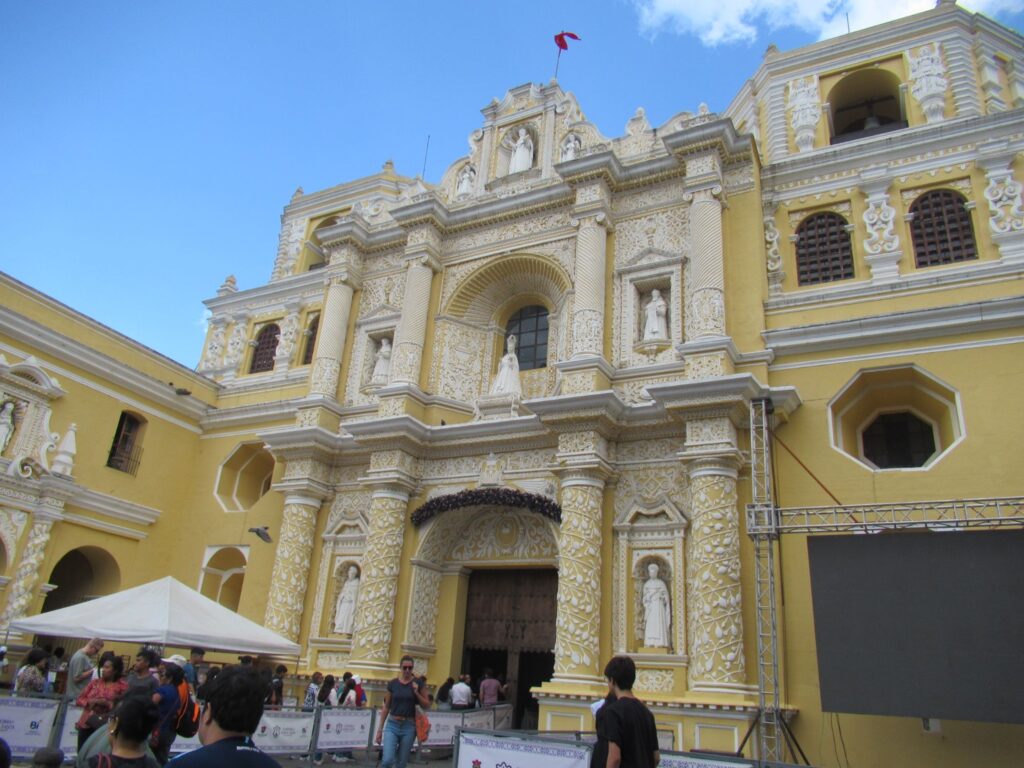
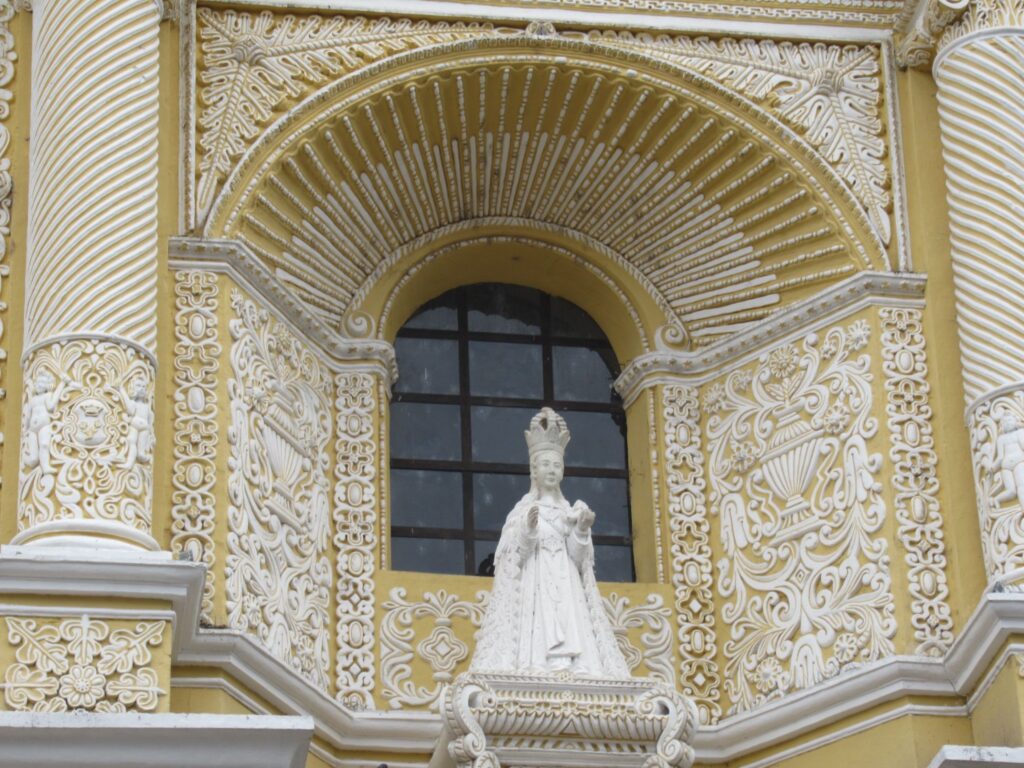
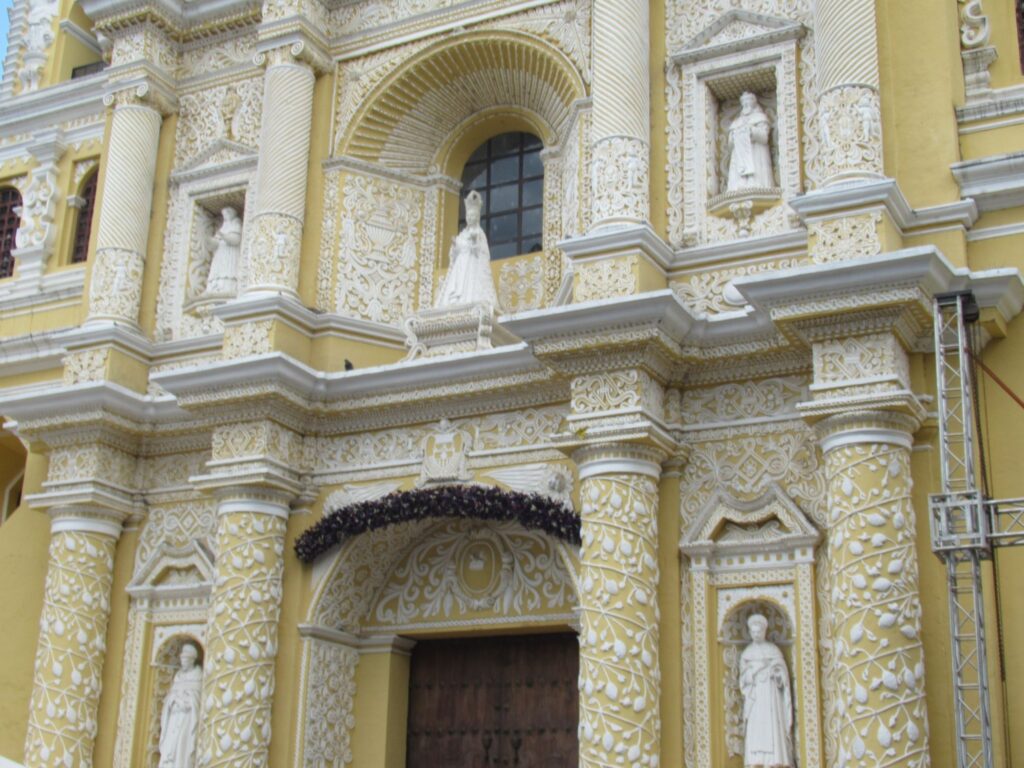
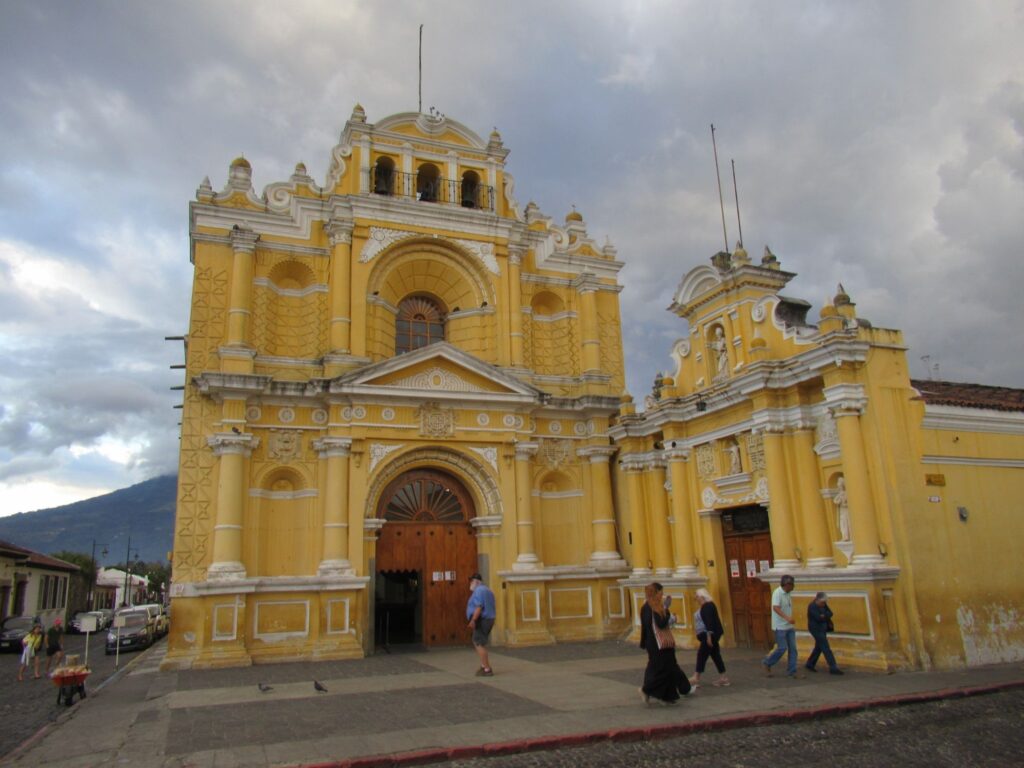
The first visit was to La Merced. A fully restored church painted yellow with white detail.

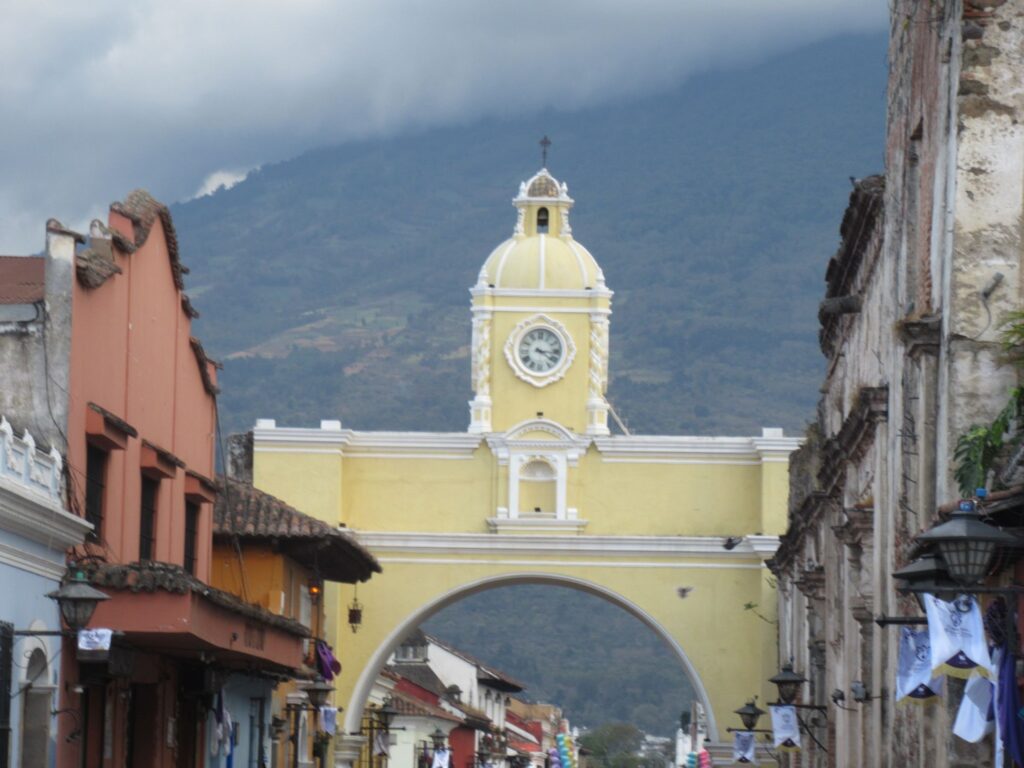
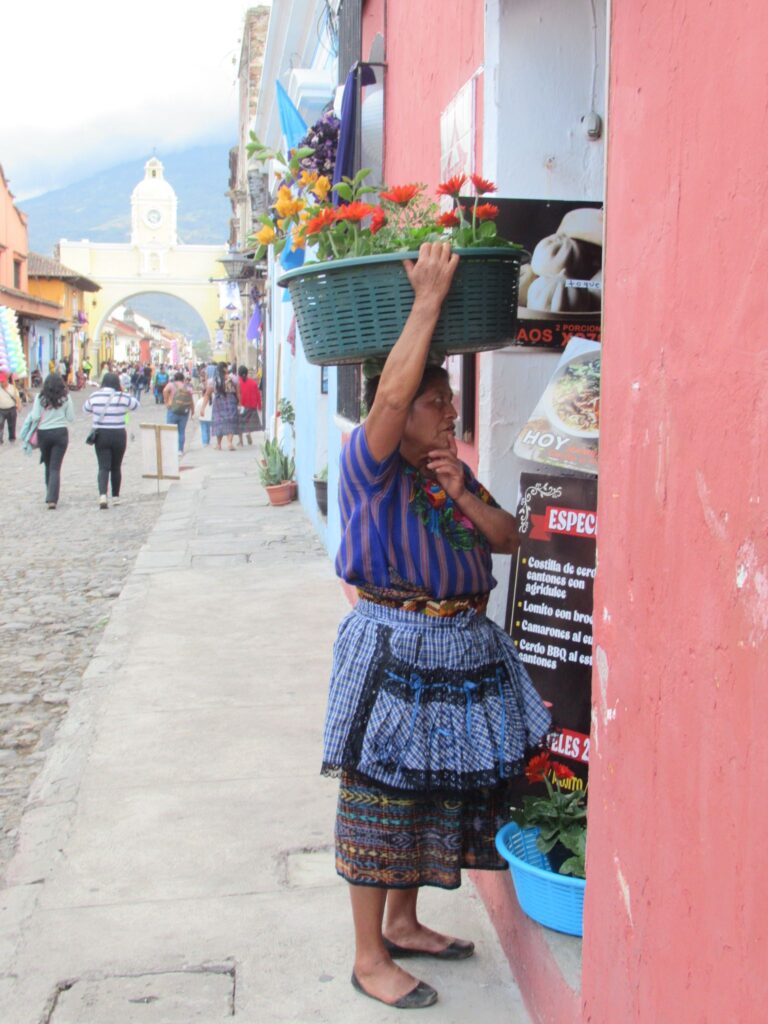
The Arco de Santa Catalina, a famous landmark was built in 1693 to connect the convent to orchards and gardens on the other side so the nuns could cross the street without fear of contamination

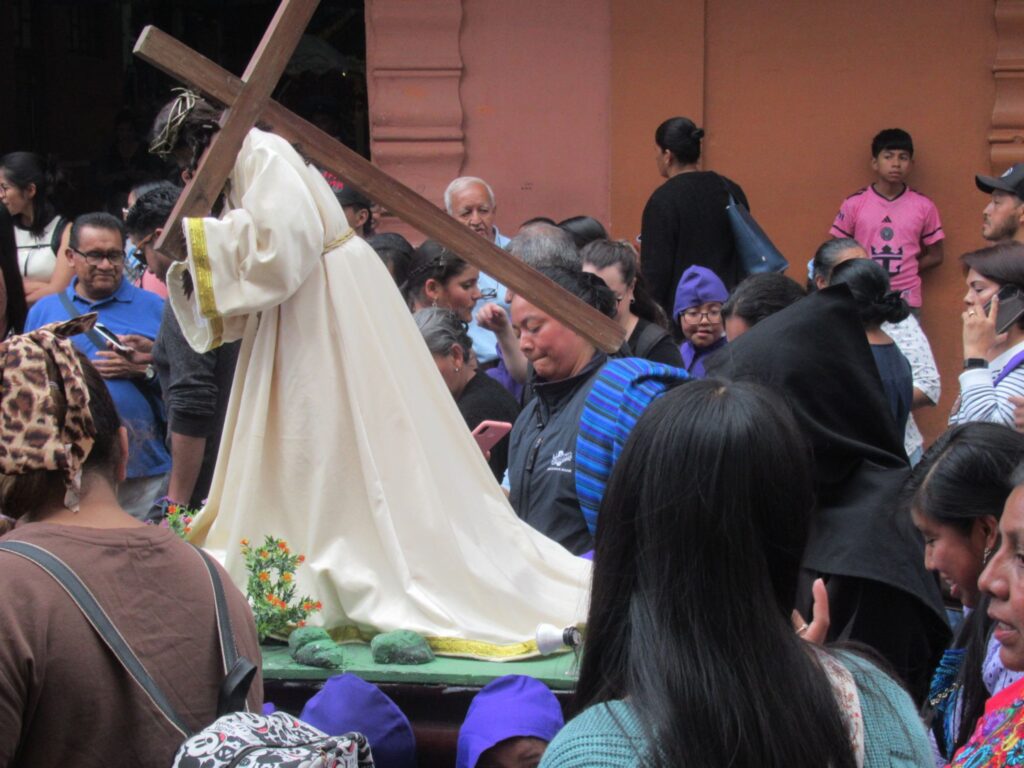
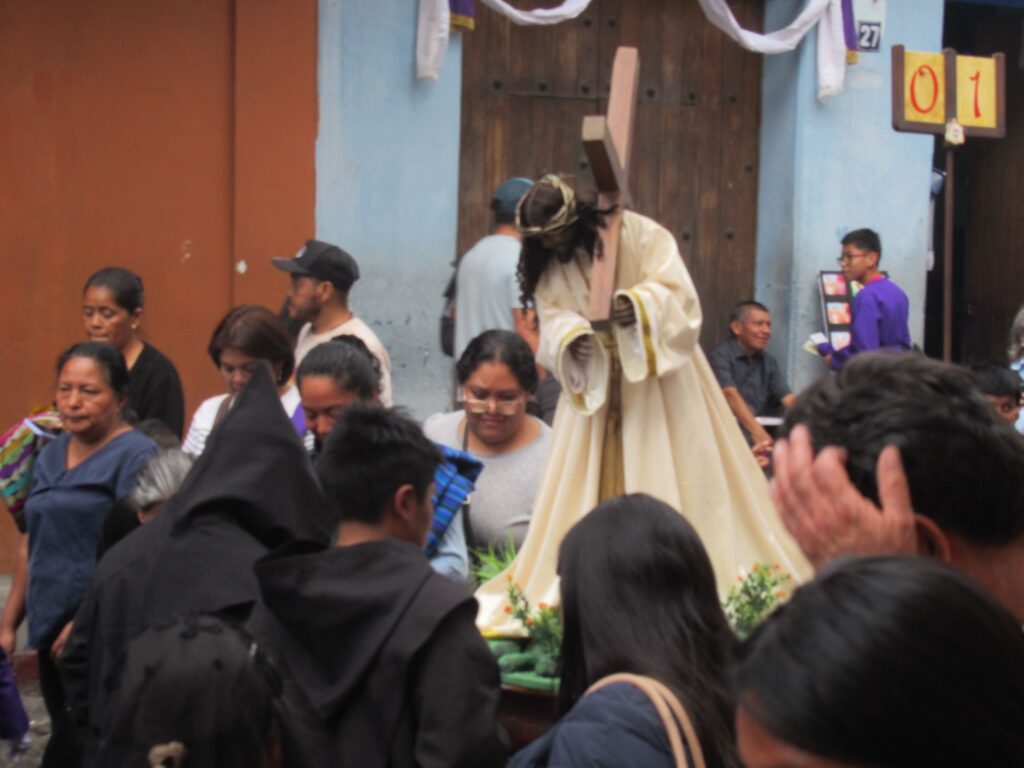
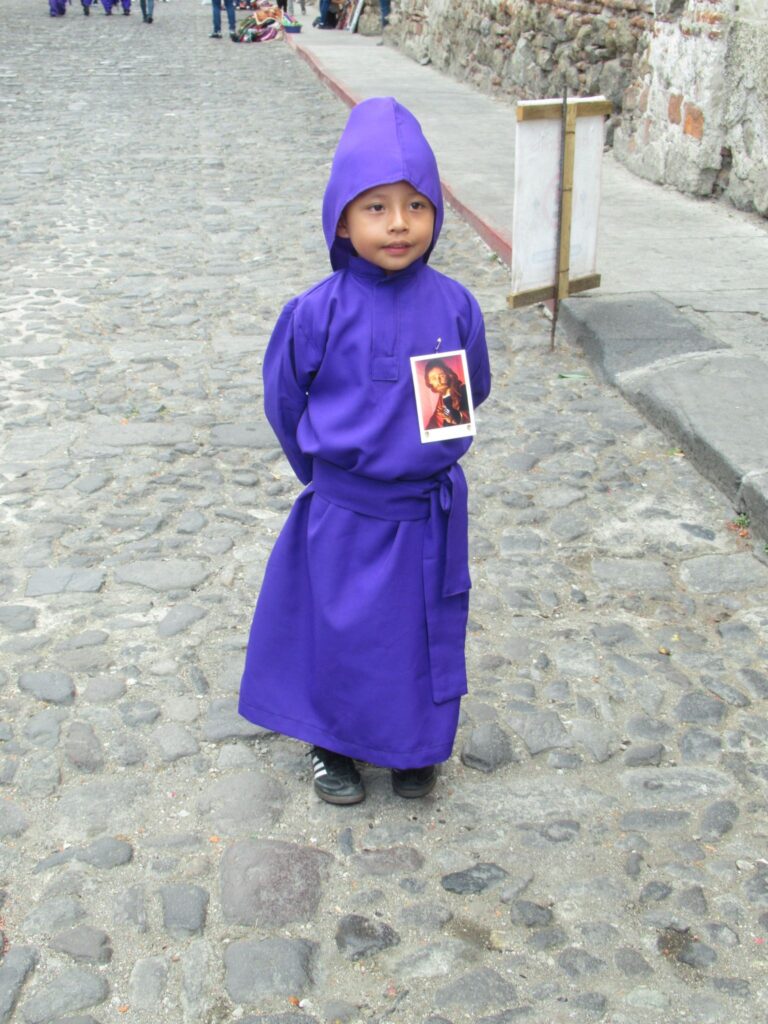
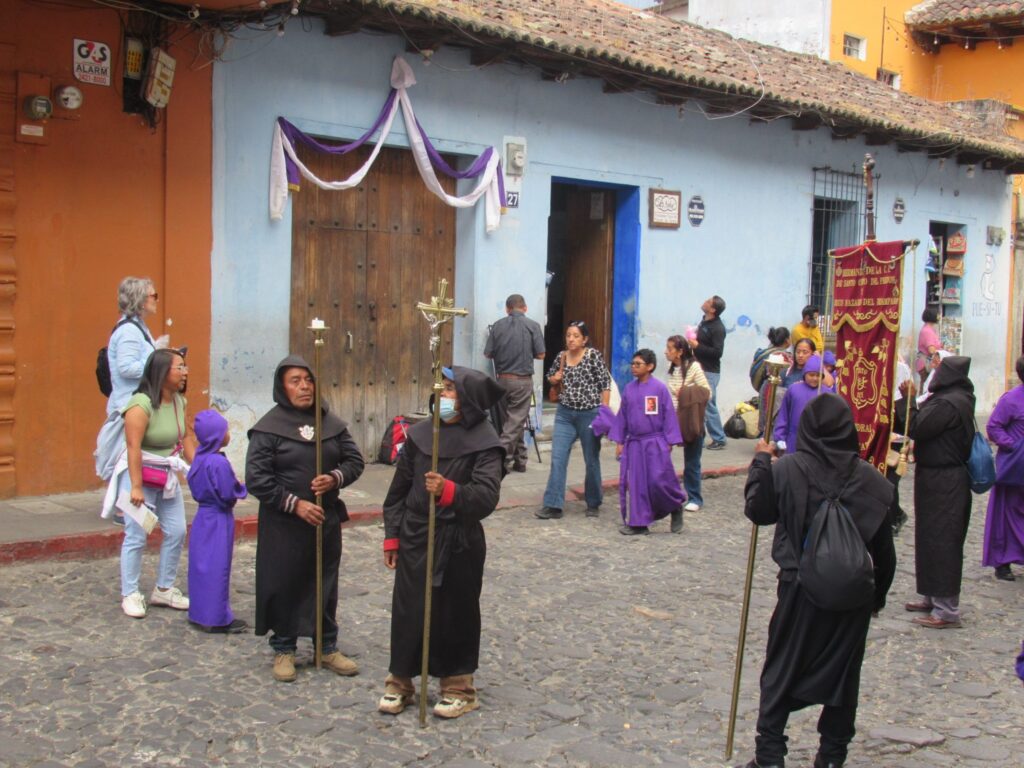
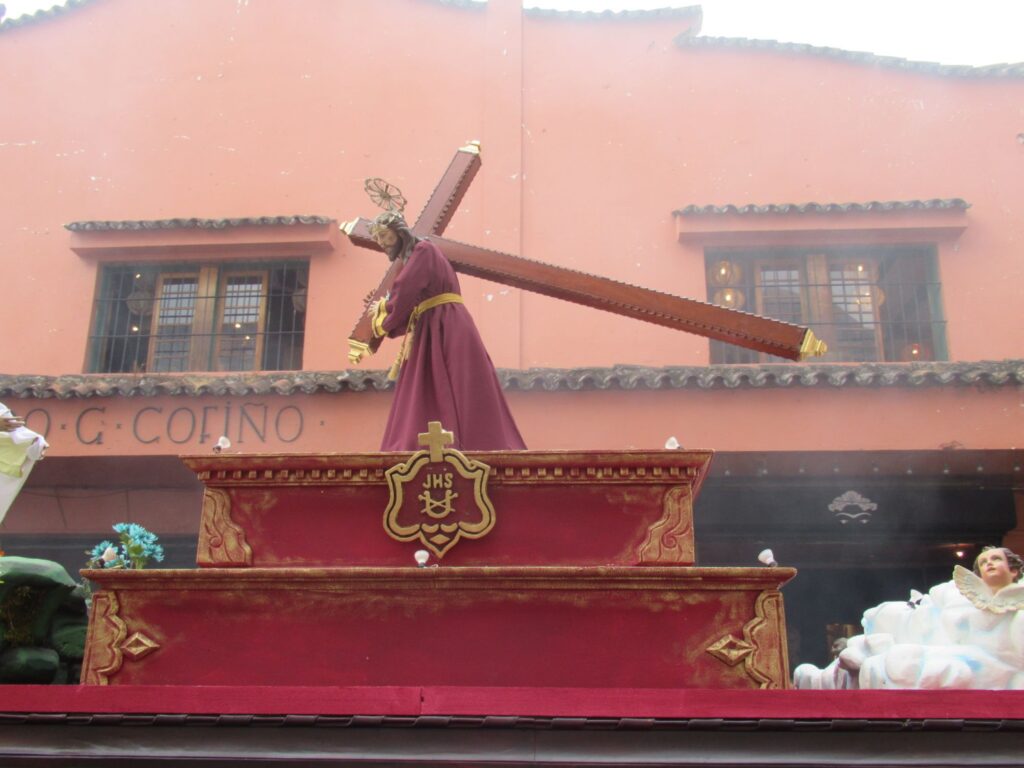
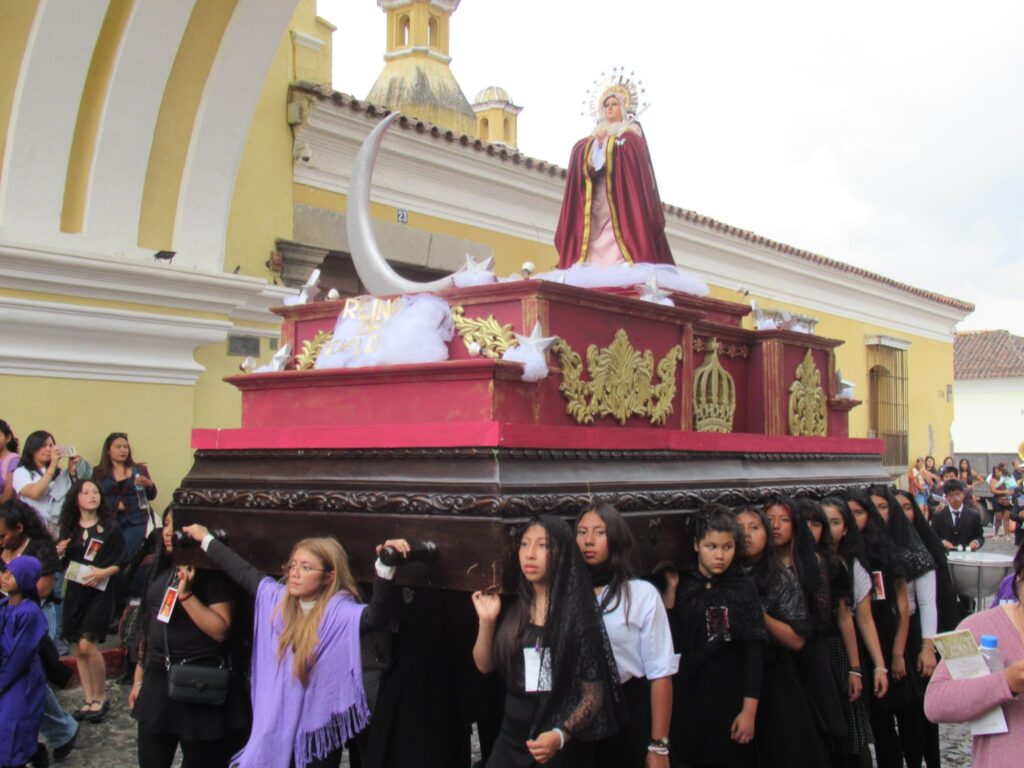
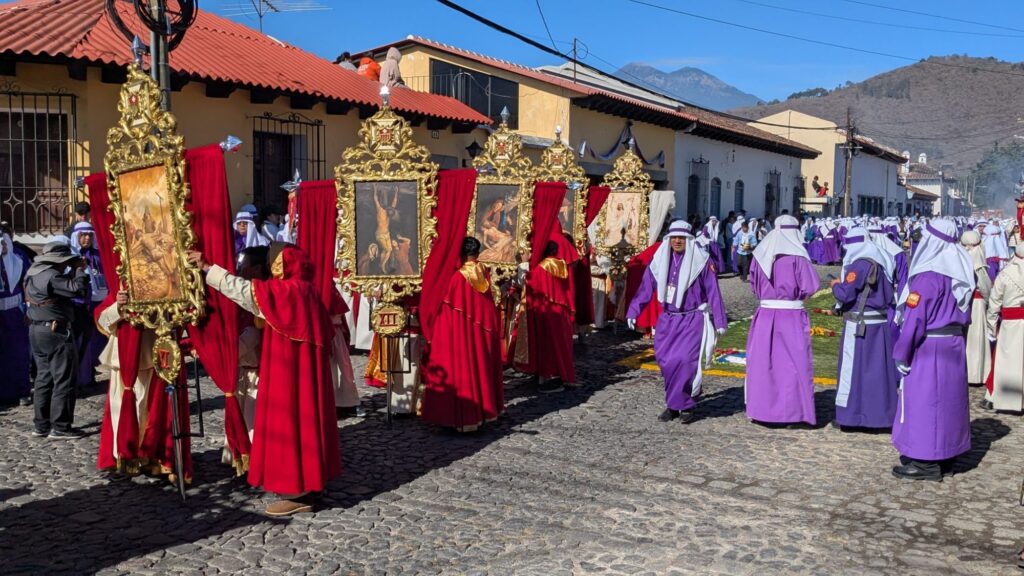
We stayed by the arch to watch one of the processions with purple clad devotees carrying very heavy floats, incense carriers and brass bands.

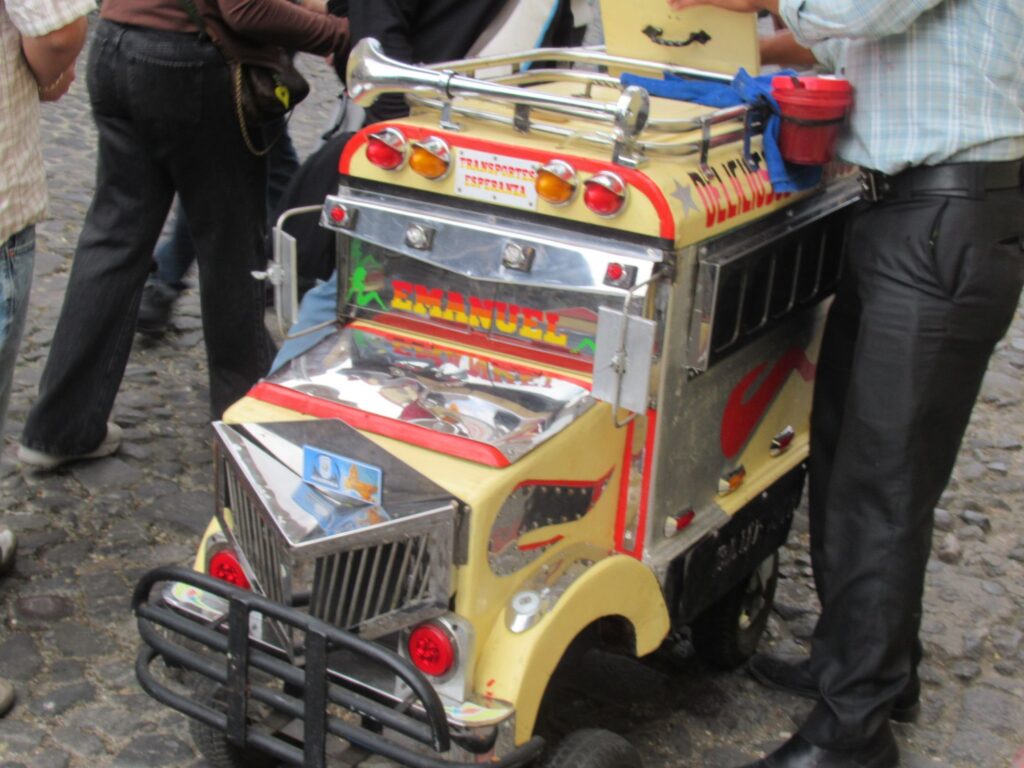
In case you get peckish try an ice cream from this ice cream van

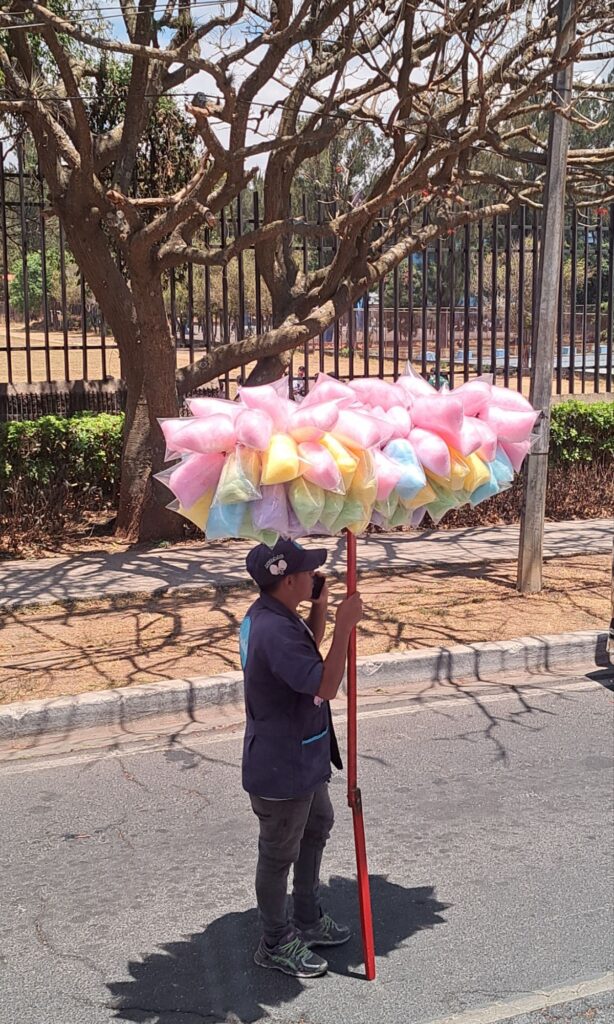
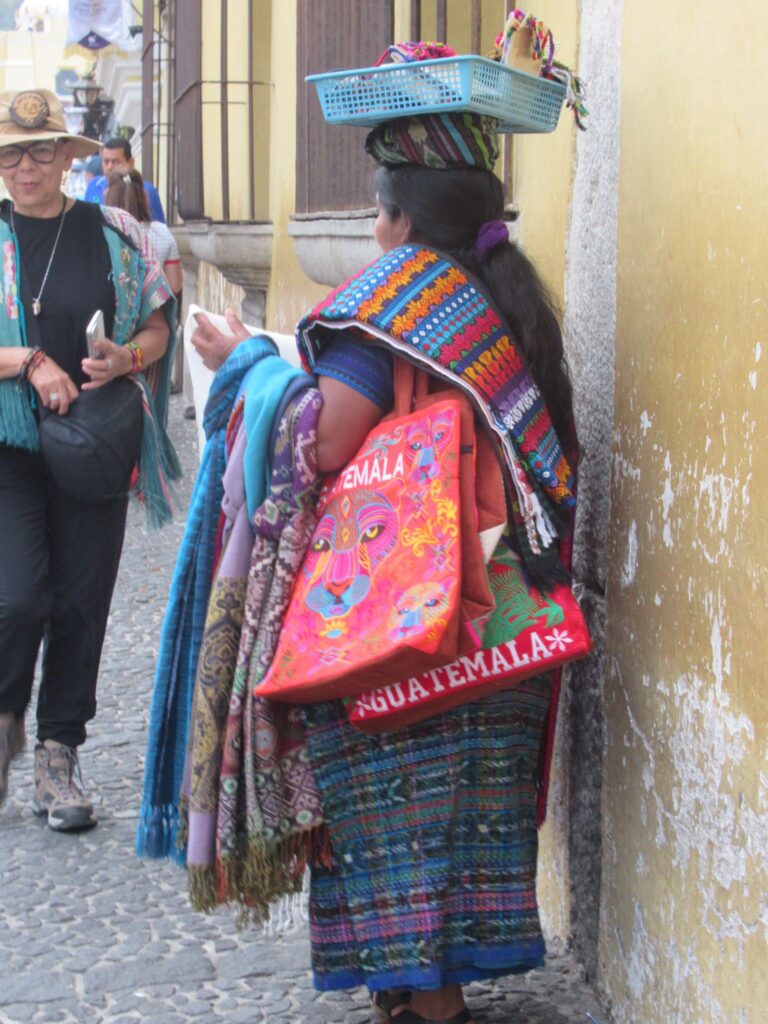
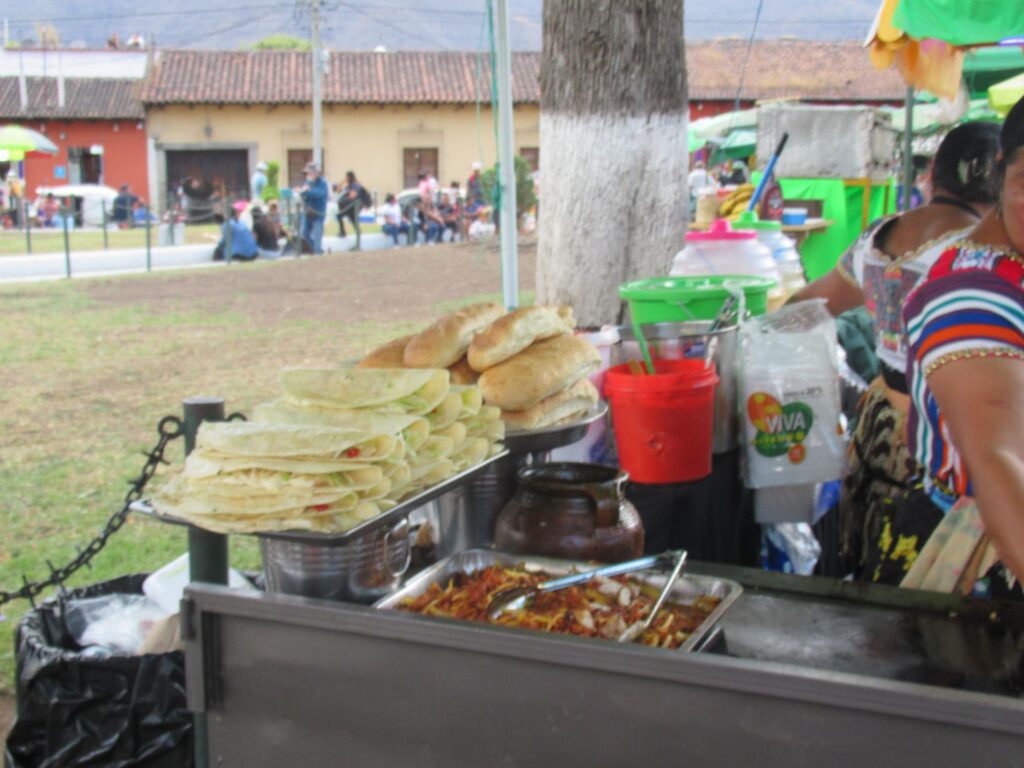
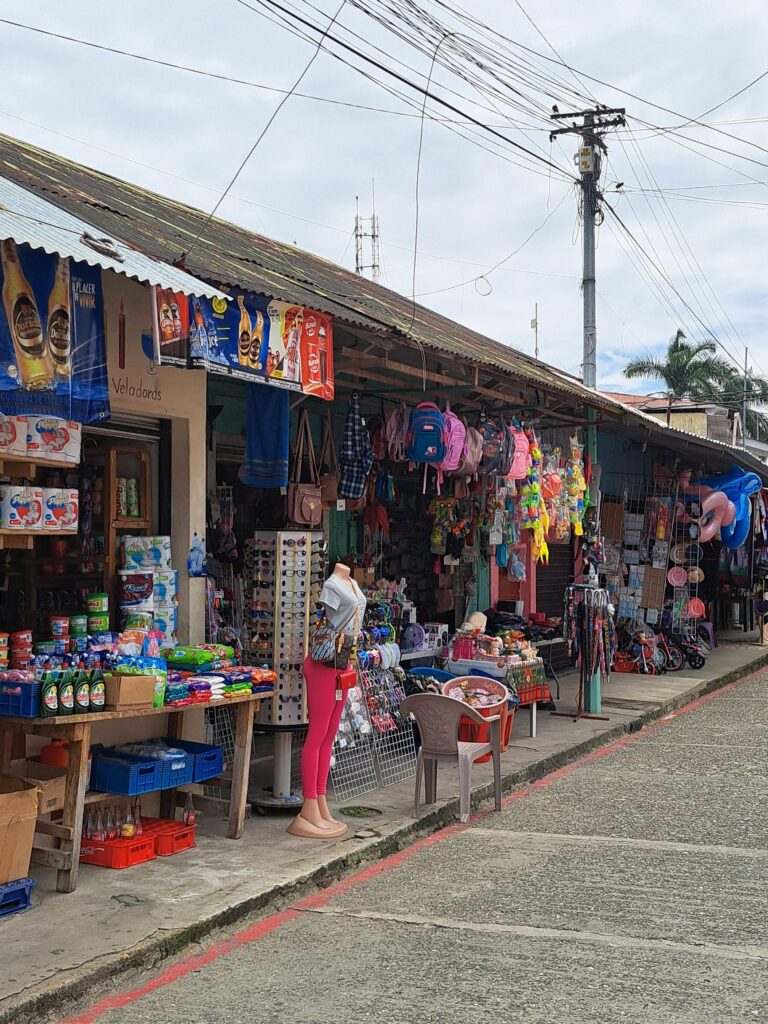
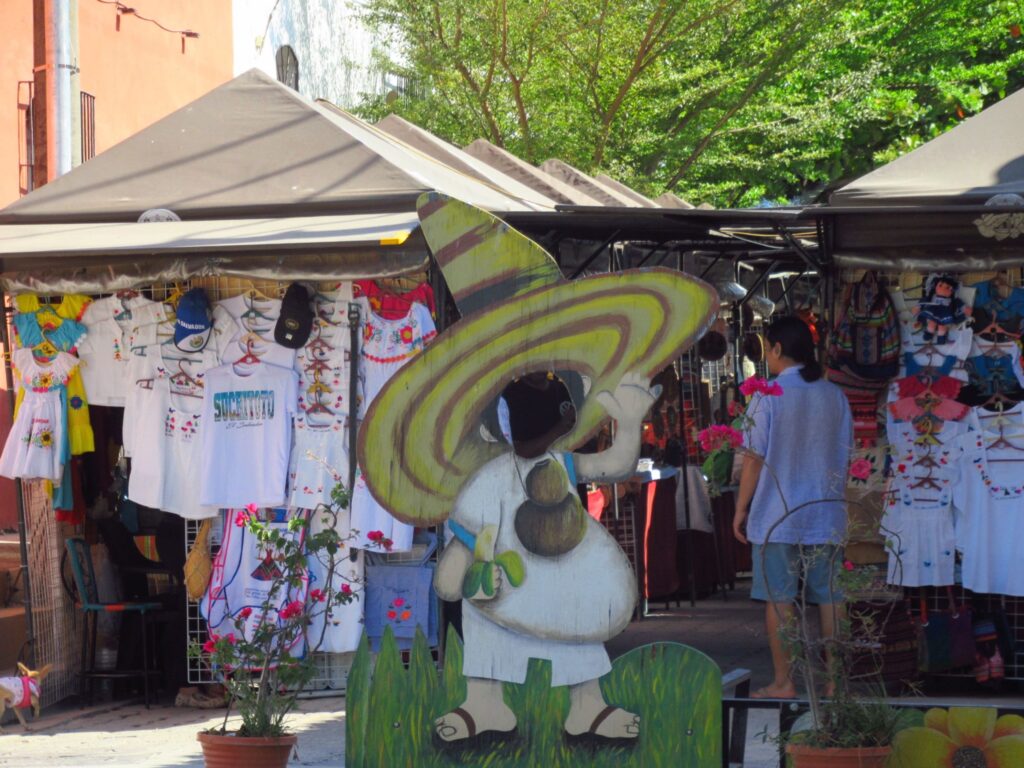
Lots of people around selling a variety of goods

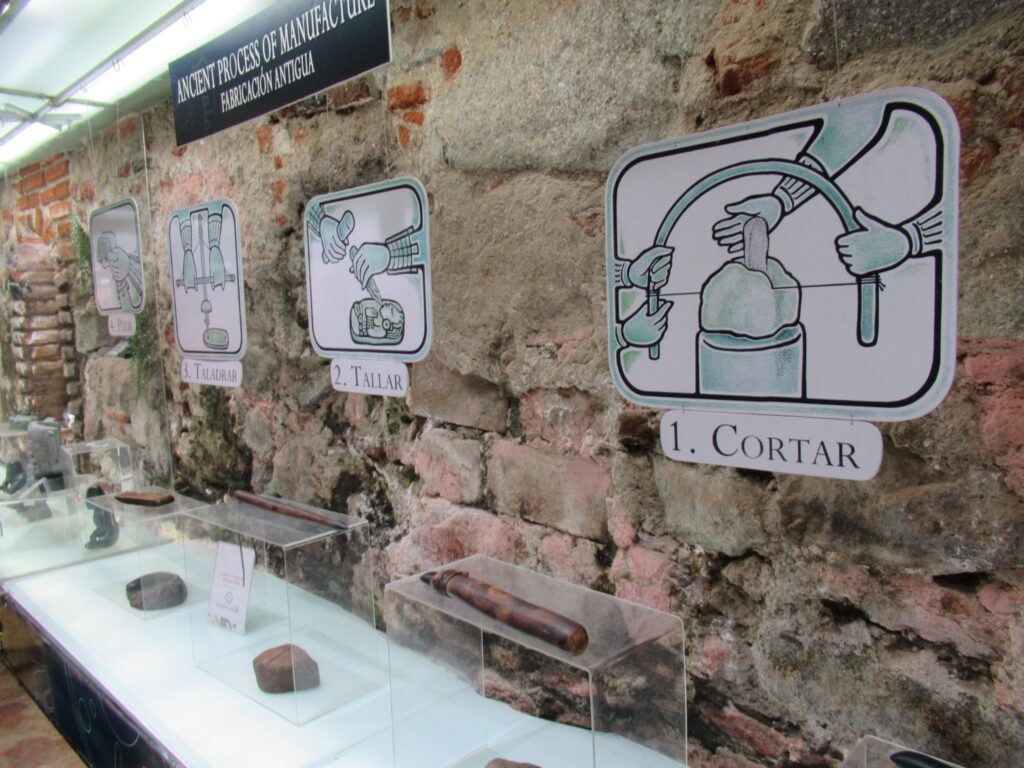
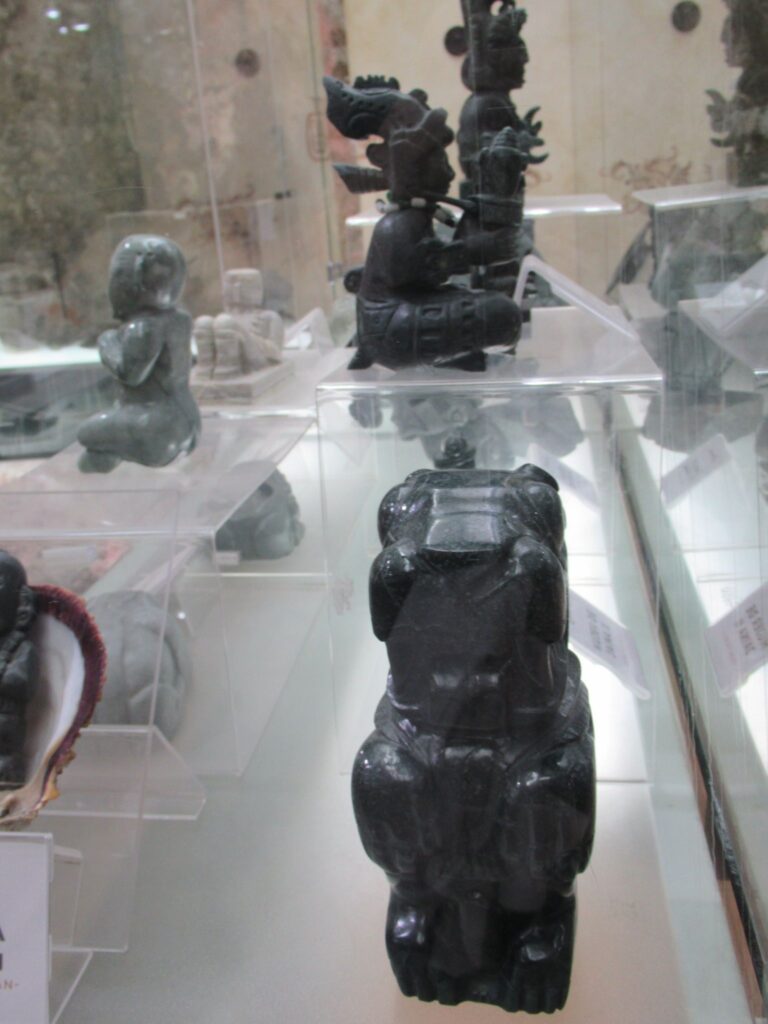
A visit to the jade factory where we were shown the different colours of jade, some of which are specific to Guatamala

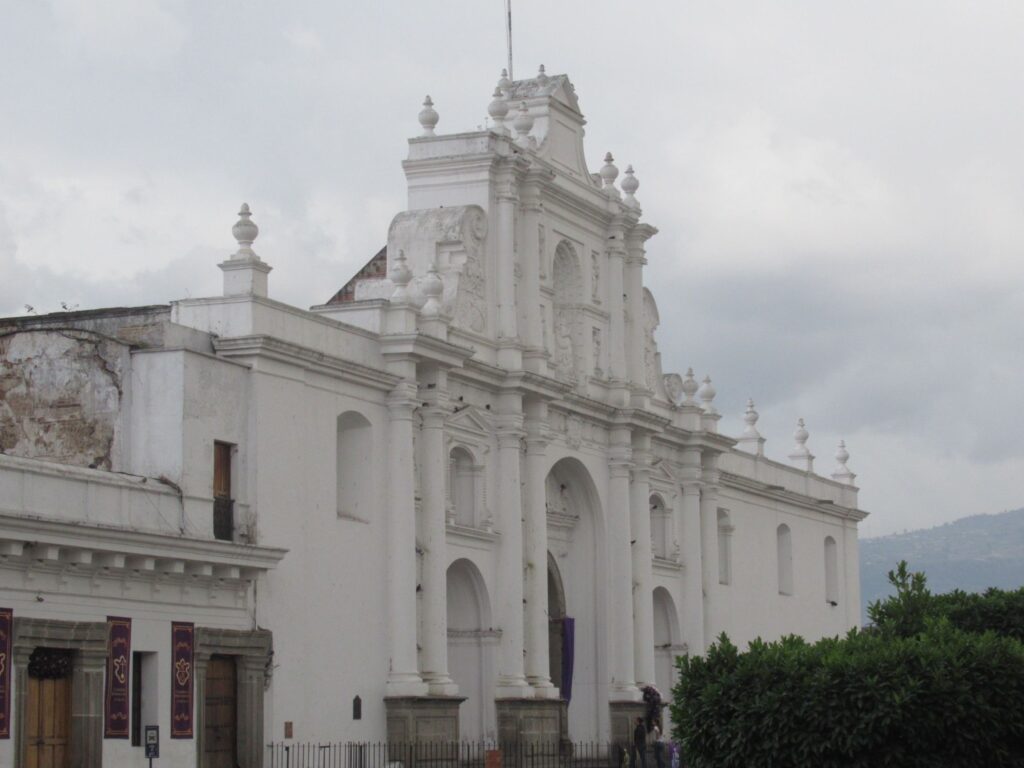
Just round the corner was the cathedral, again decorated for the holy week.

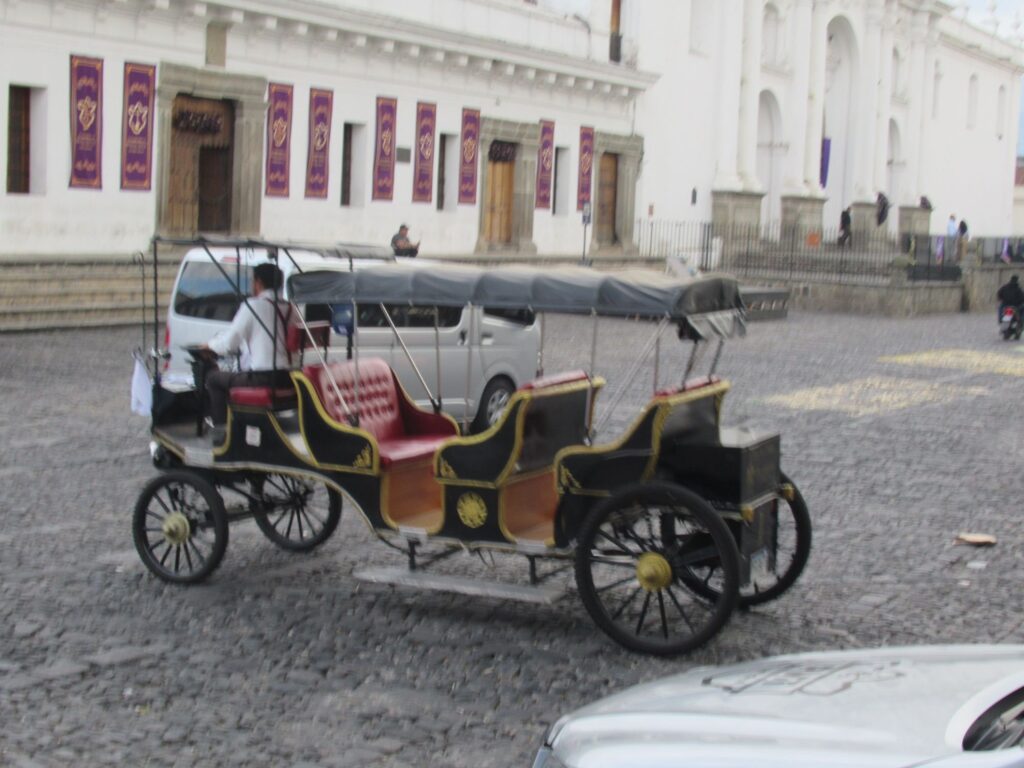
Local transport

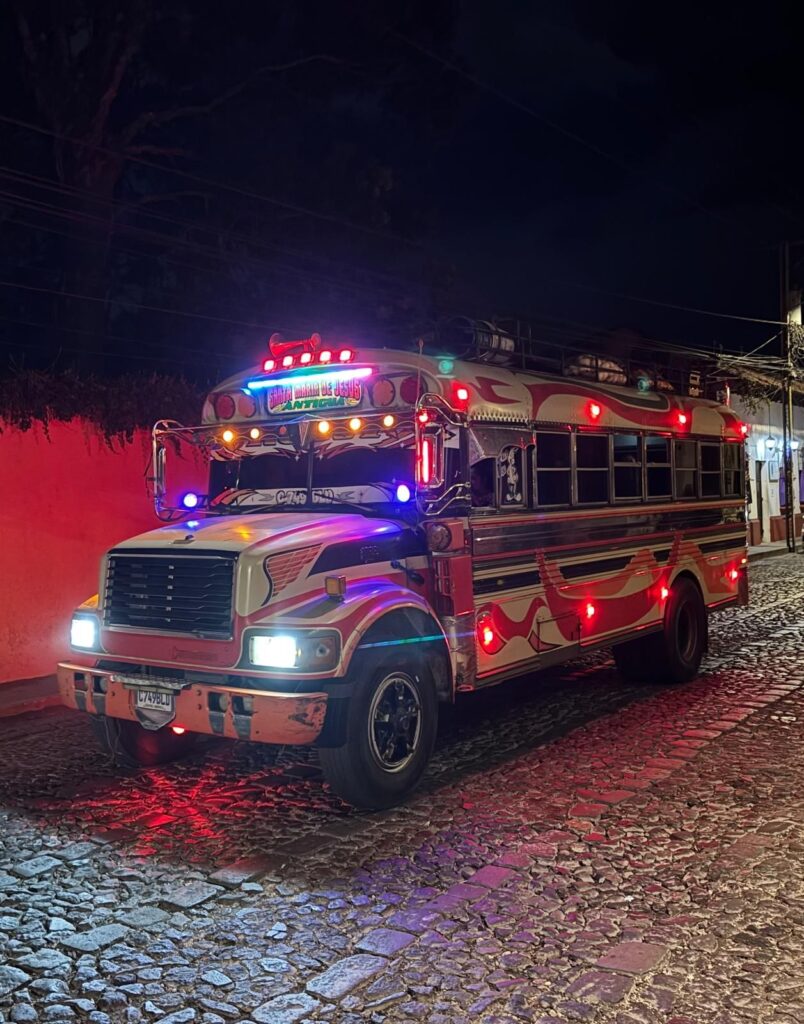
Another form of transport, the chicken bus. Old school buses  converted by the town to carry passengers and so called because they usually carry a woman with a chicken!

Our final church was Inglesia Santo Hermano Pedro which is attached to a hospital for the poor

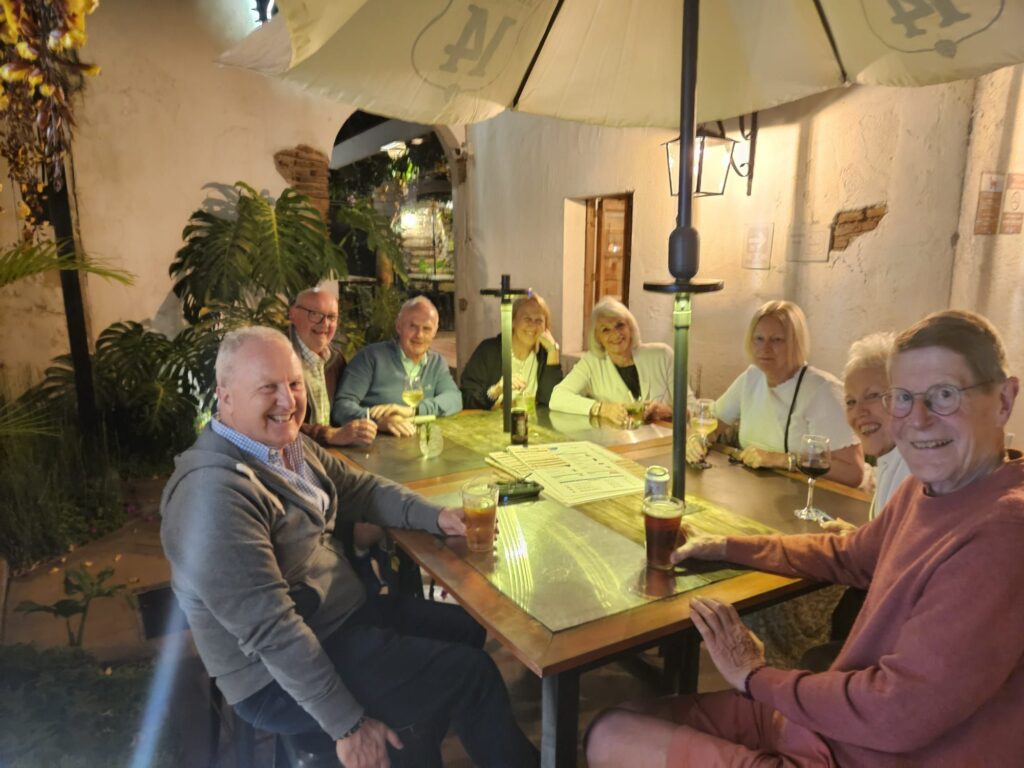
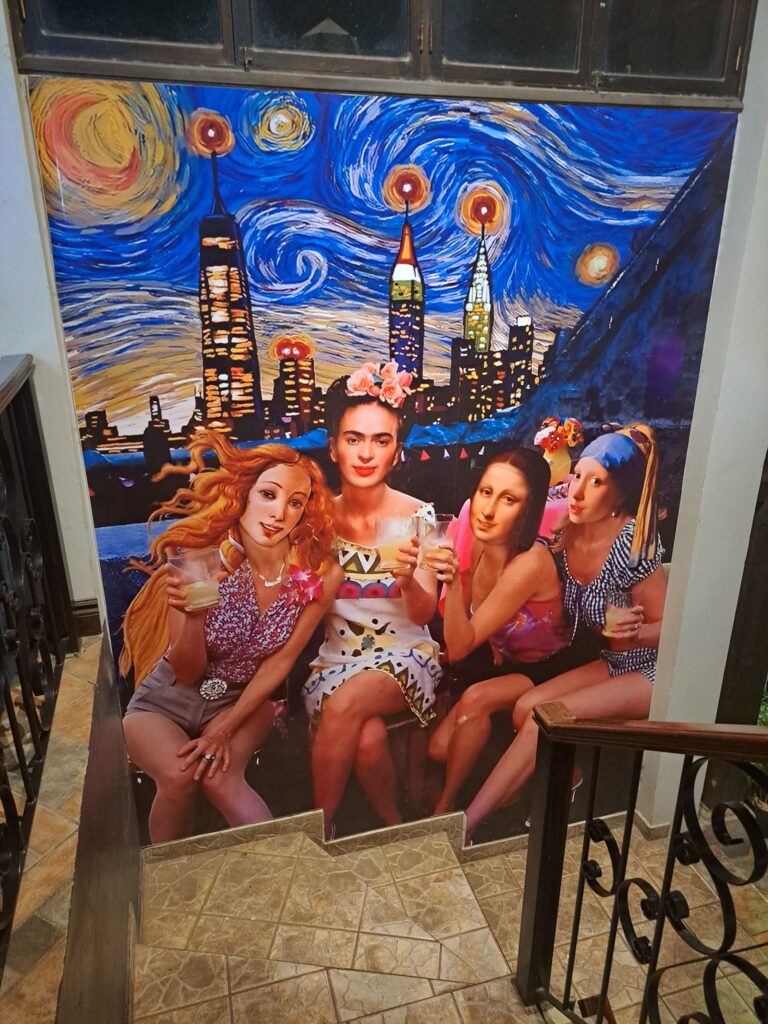
Onto dinner in a local restaurant followed by cocktails in a bar where we were by far the oldest customers

Tikal and Flores

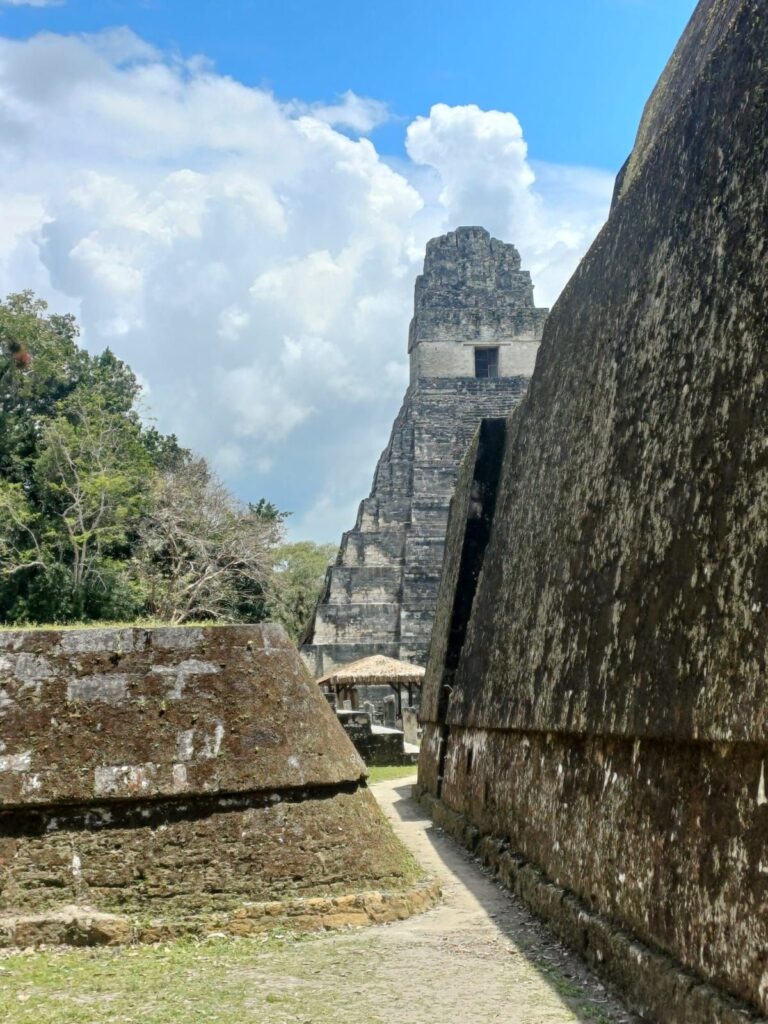
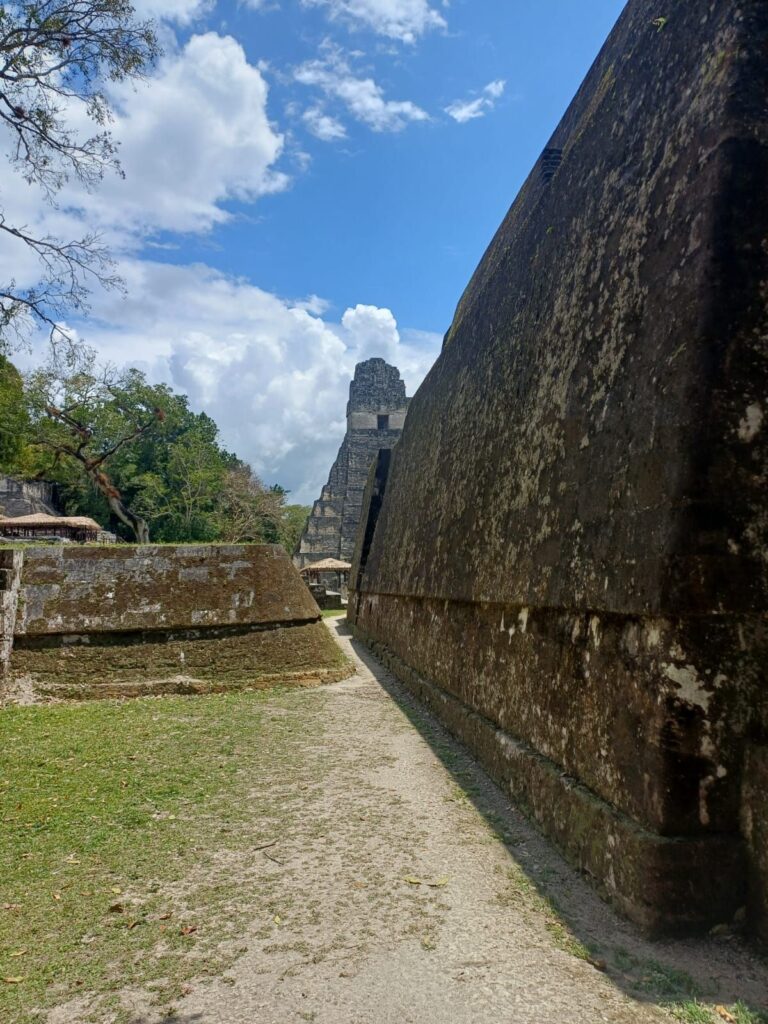
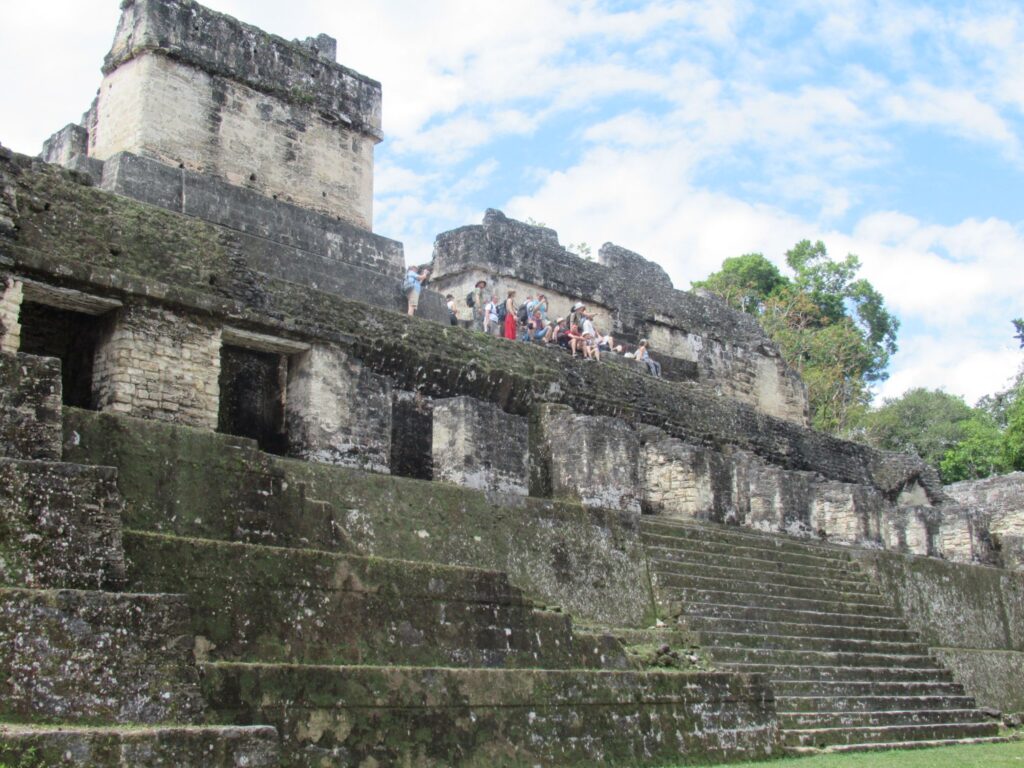
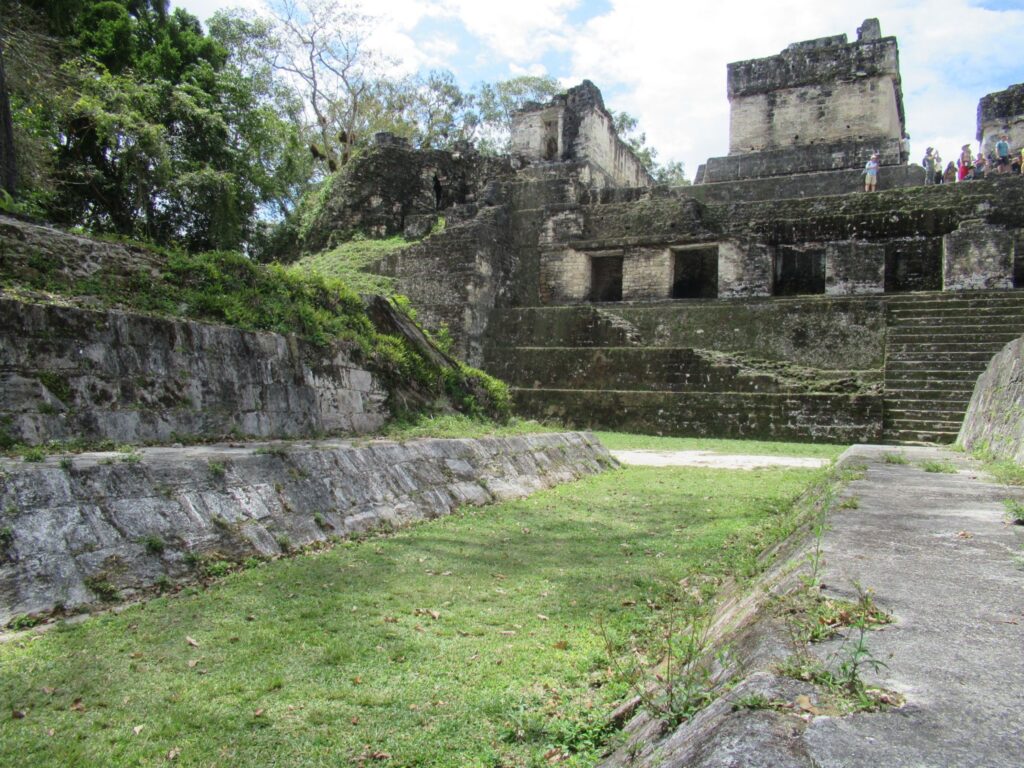
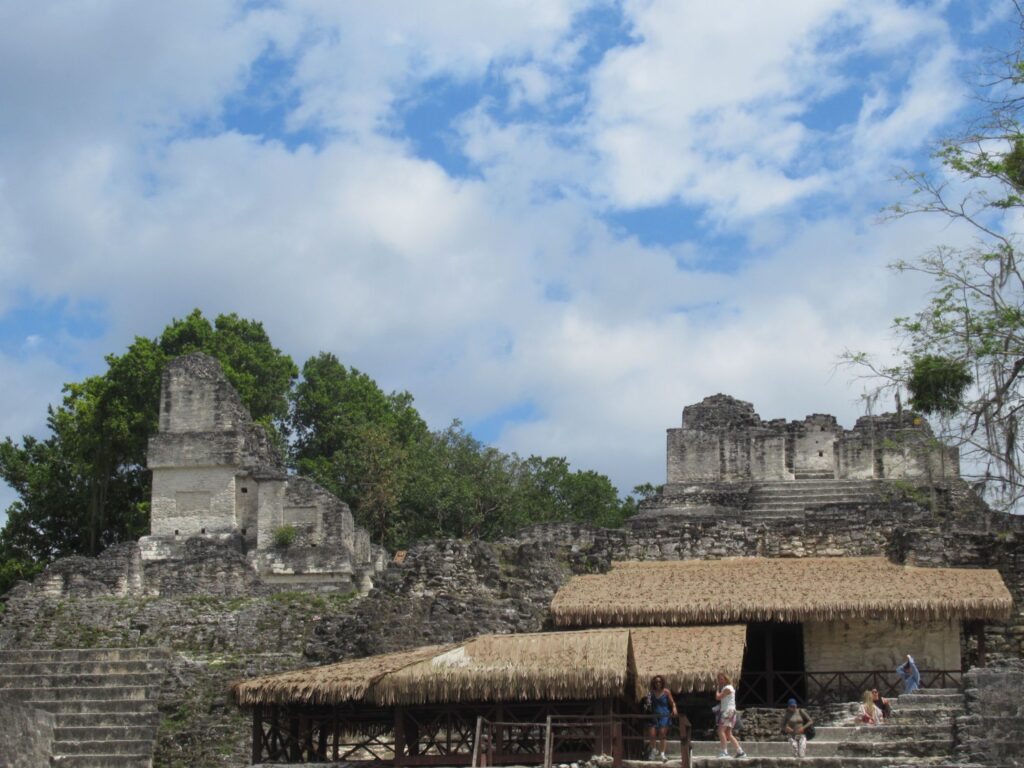
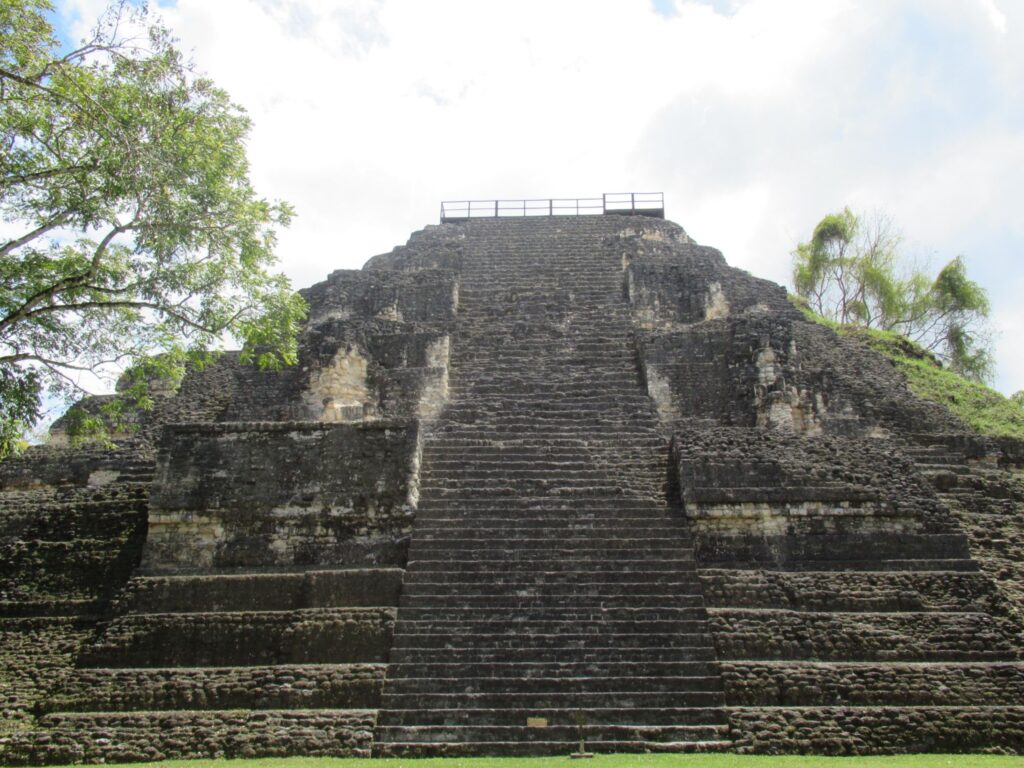
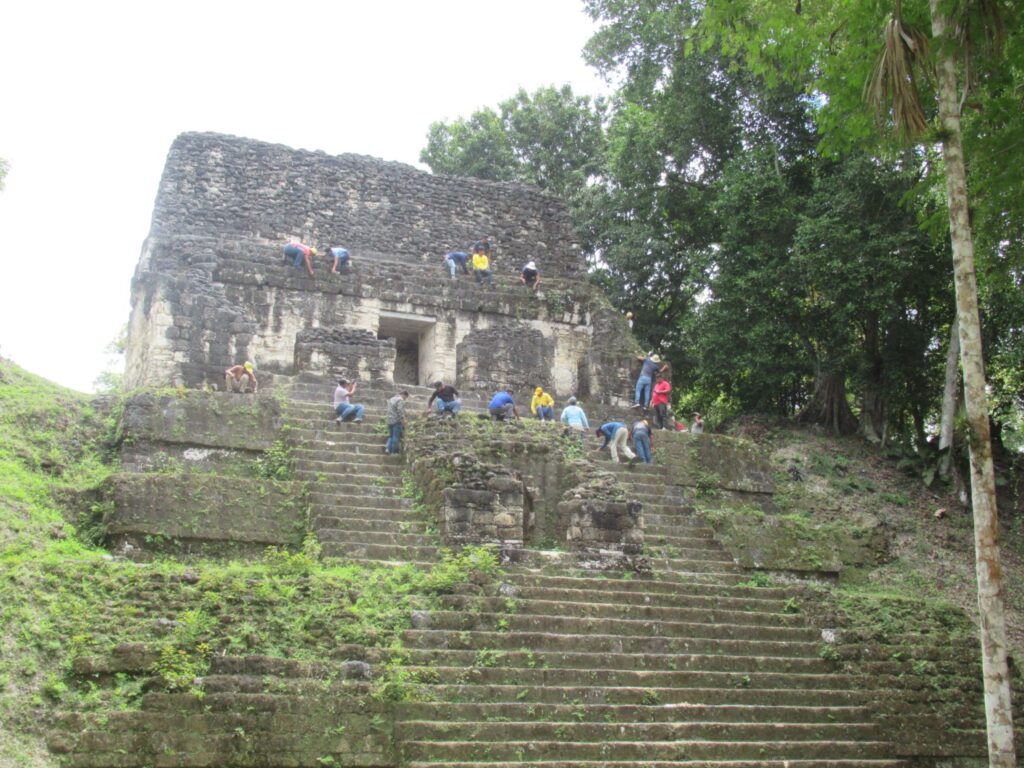
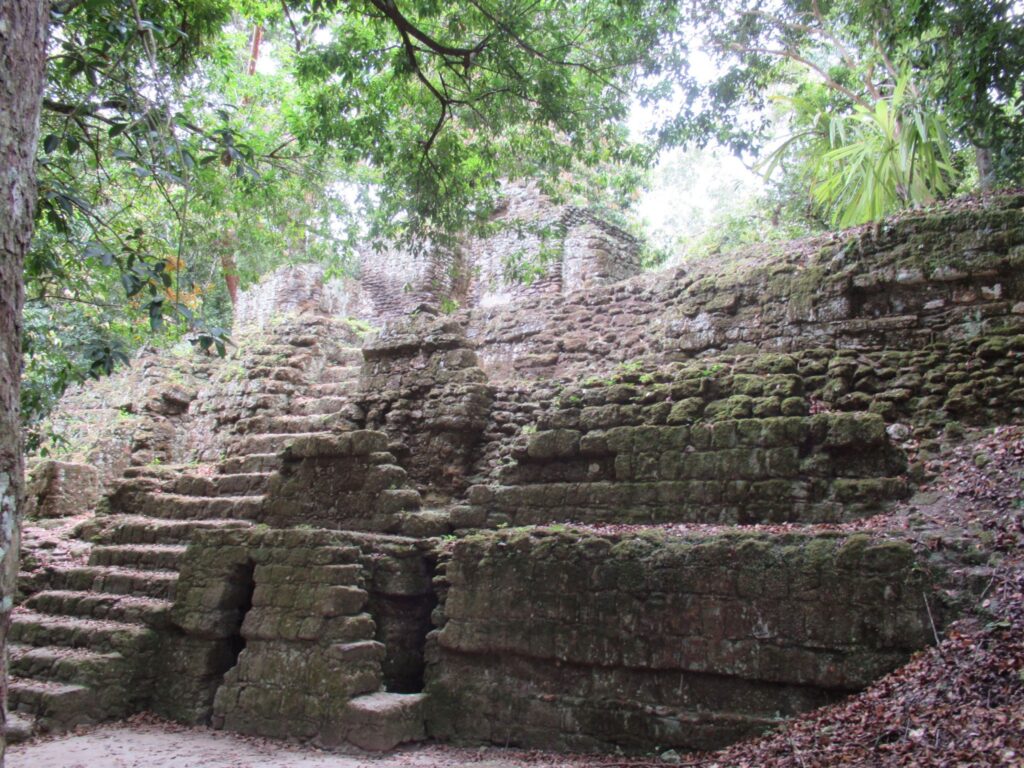
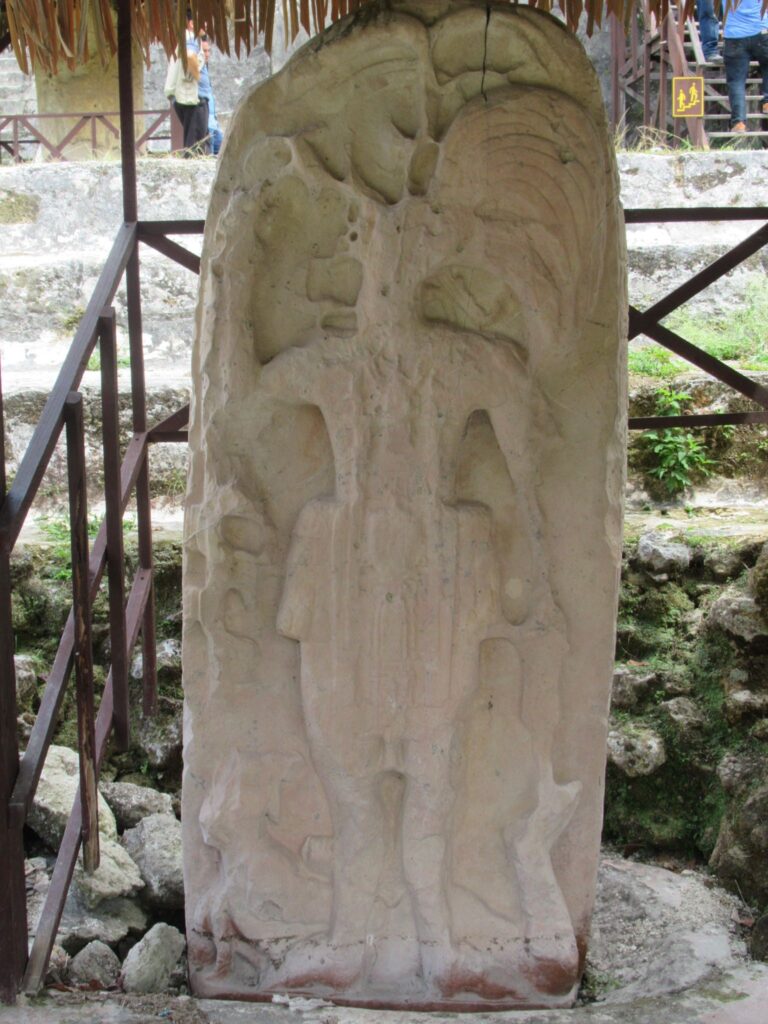
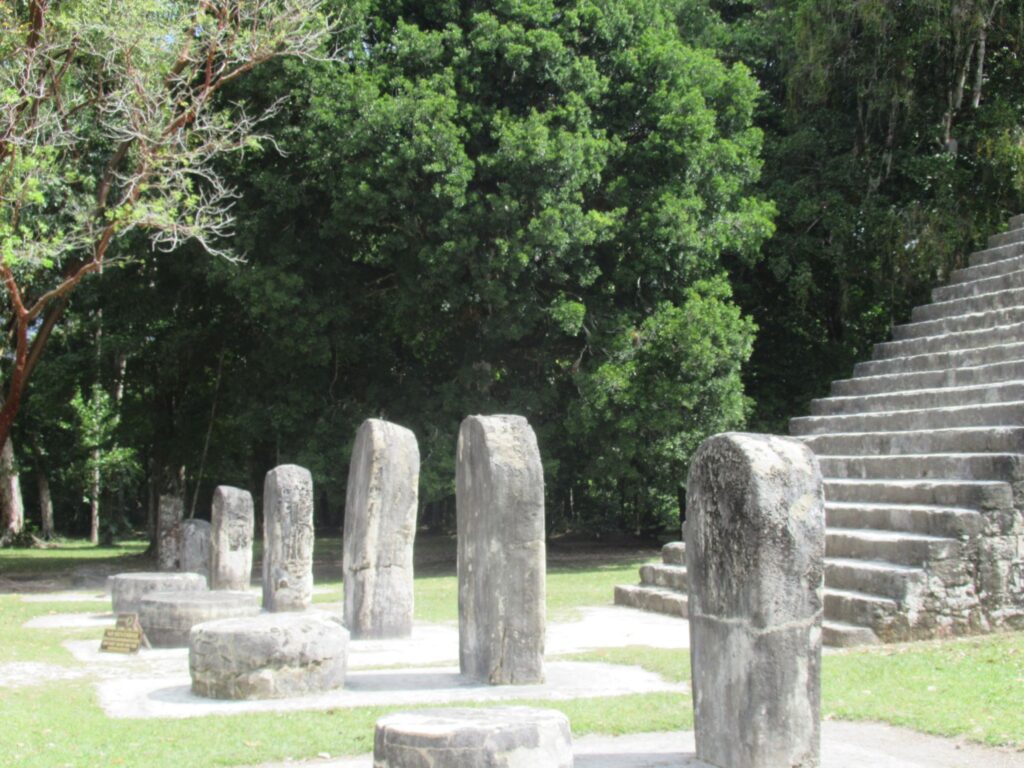
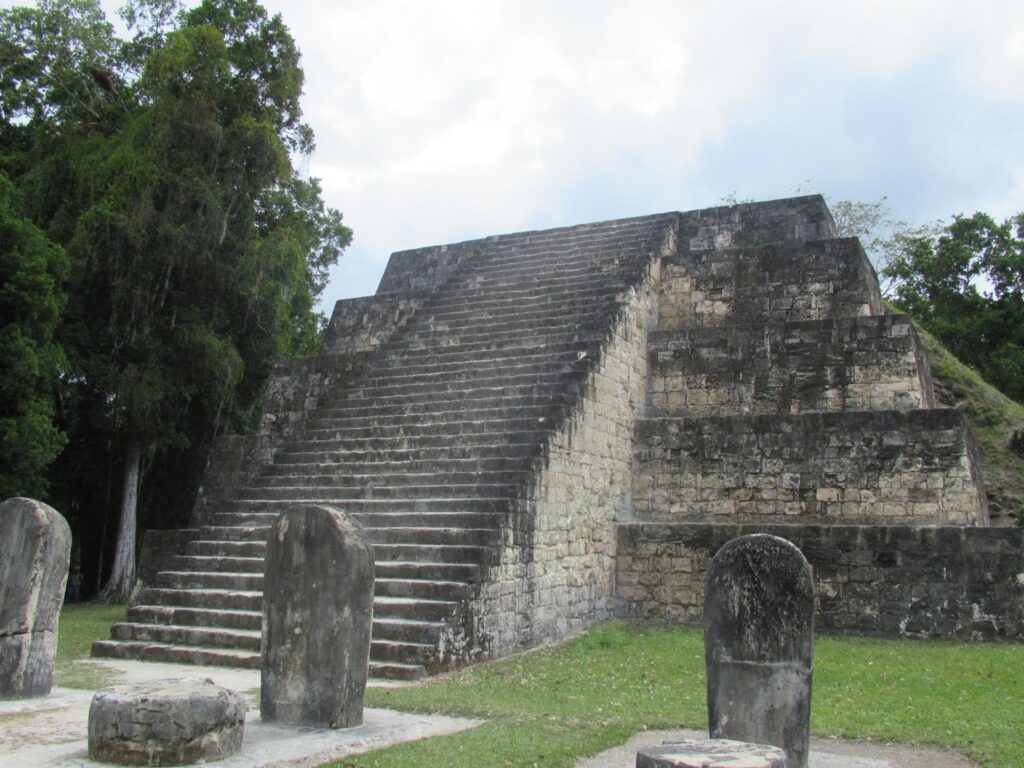
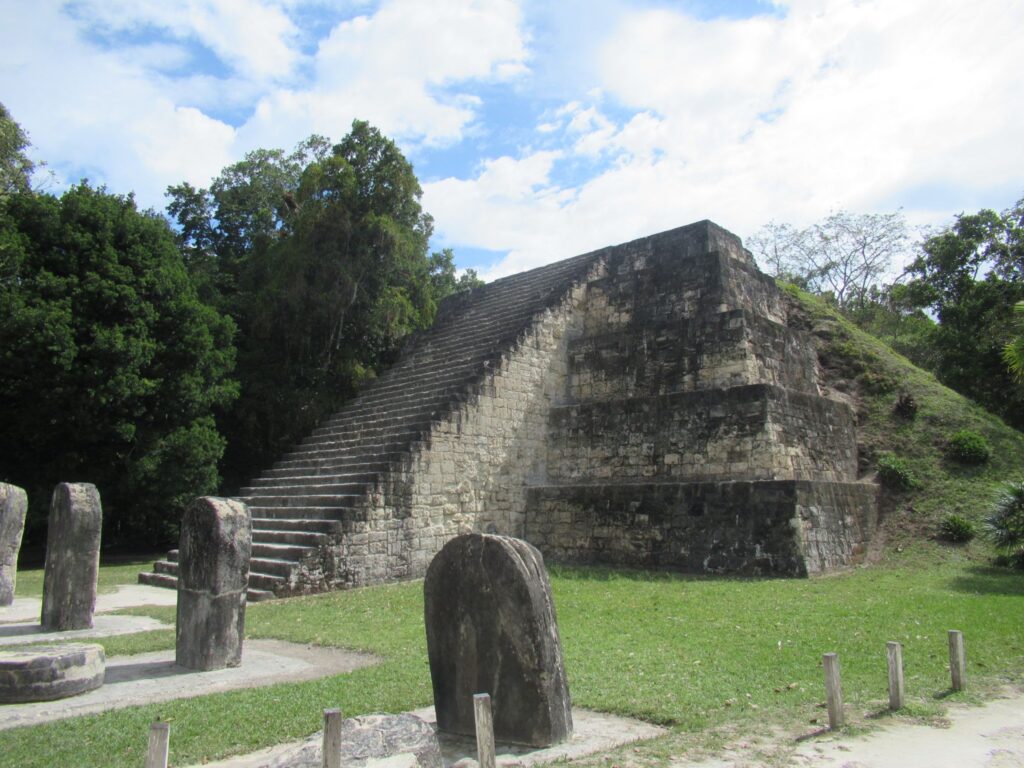
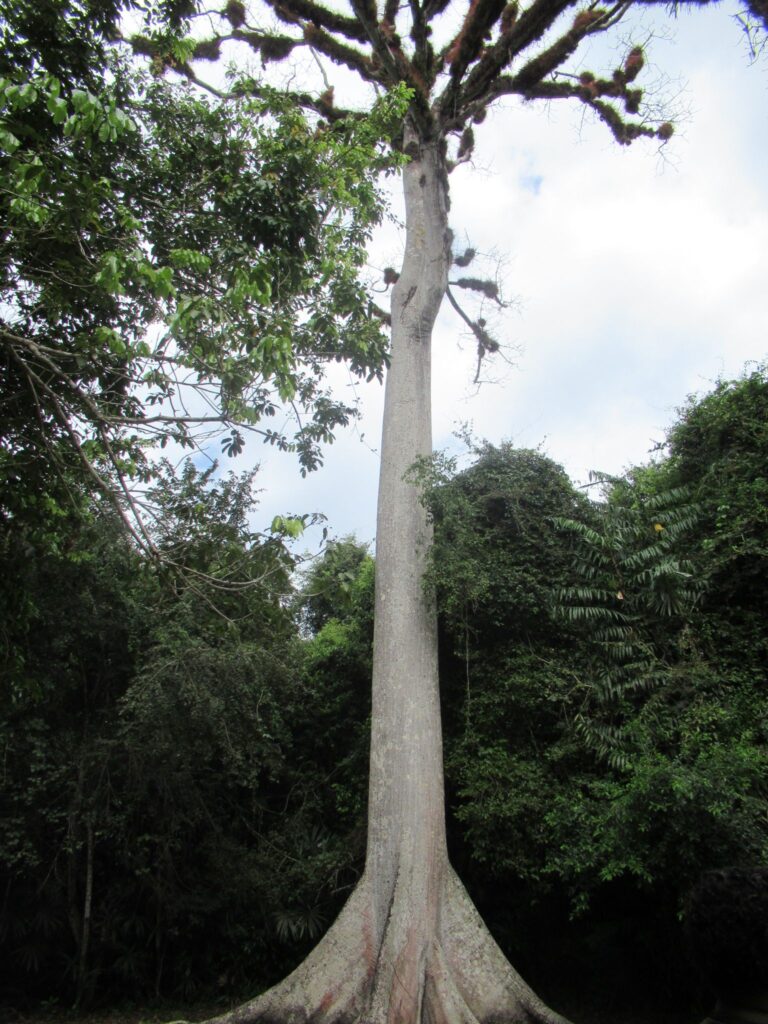
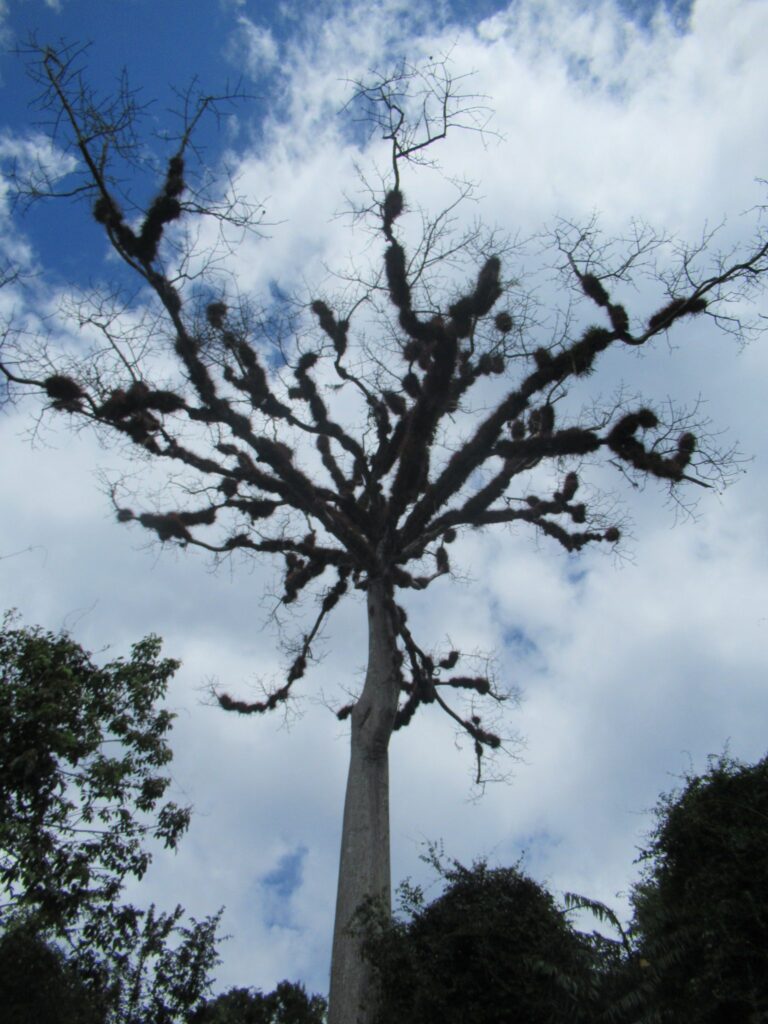
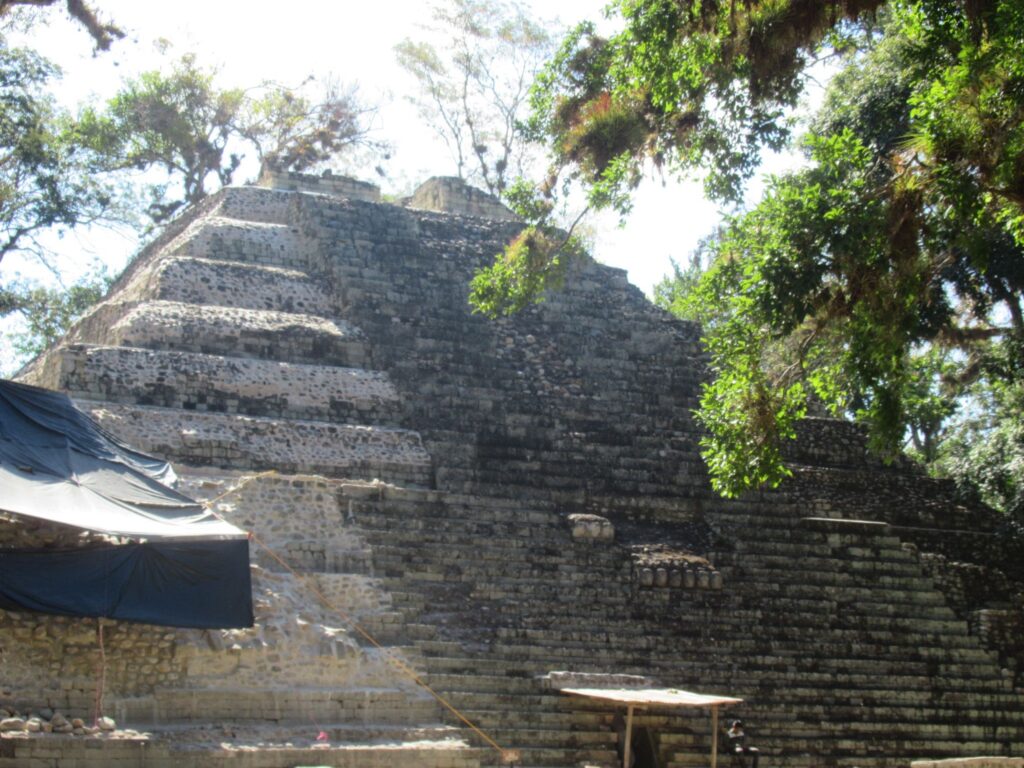
Today we visited Tikal, one of the oldest Maya sites set in a dense subtropical forest environment. The earliest evidence of human habitation is around 700 BC. The first simple structures were built around 500 BC and the first of the substantial structures around 200 BC.

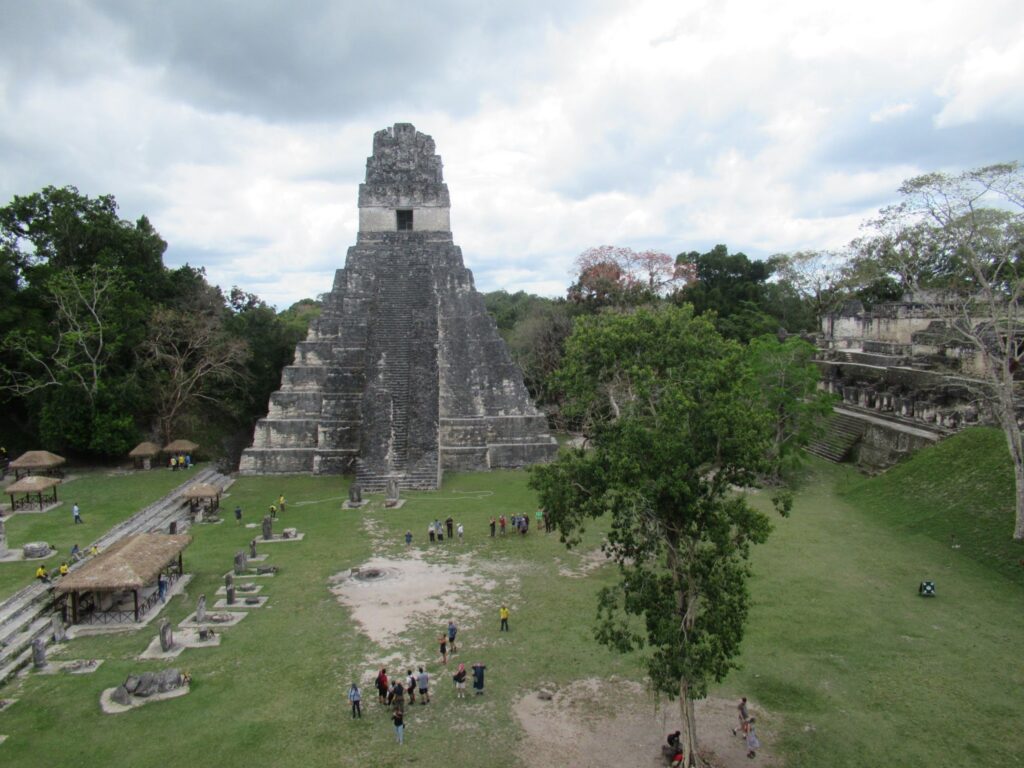
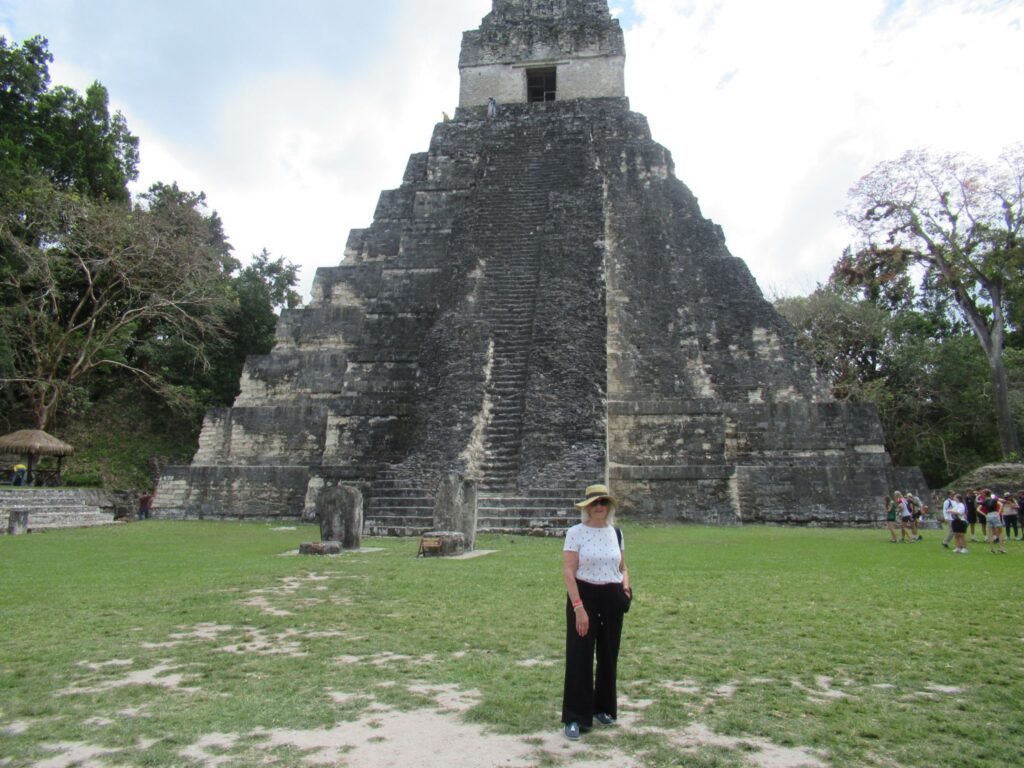
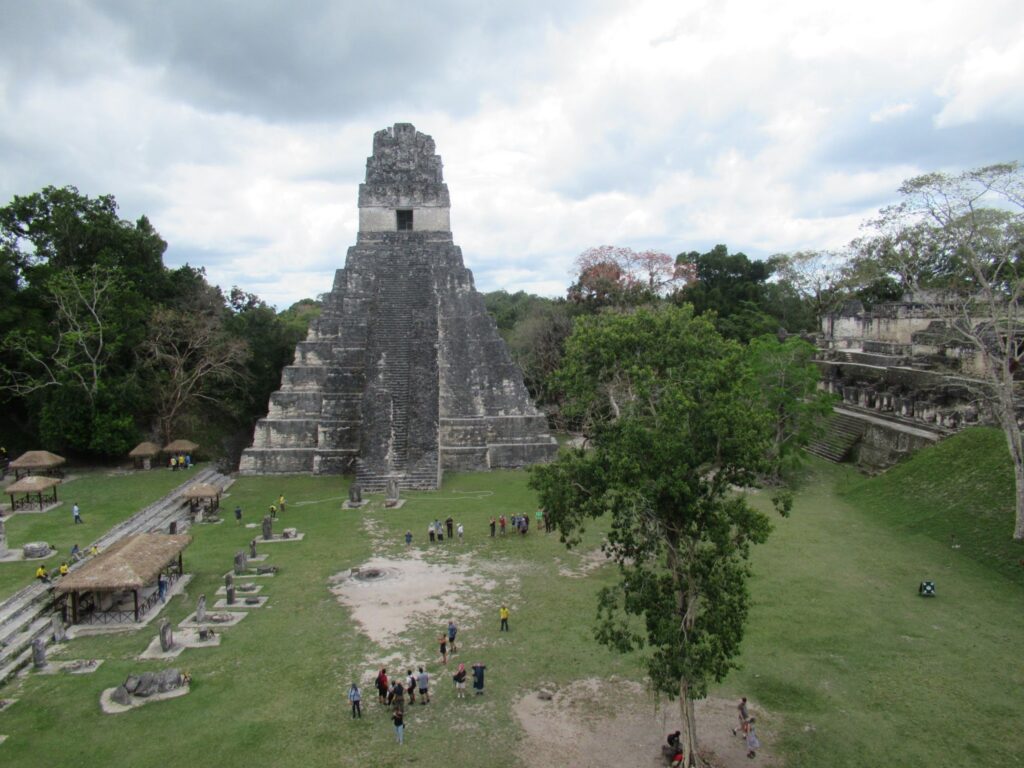
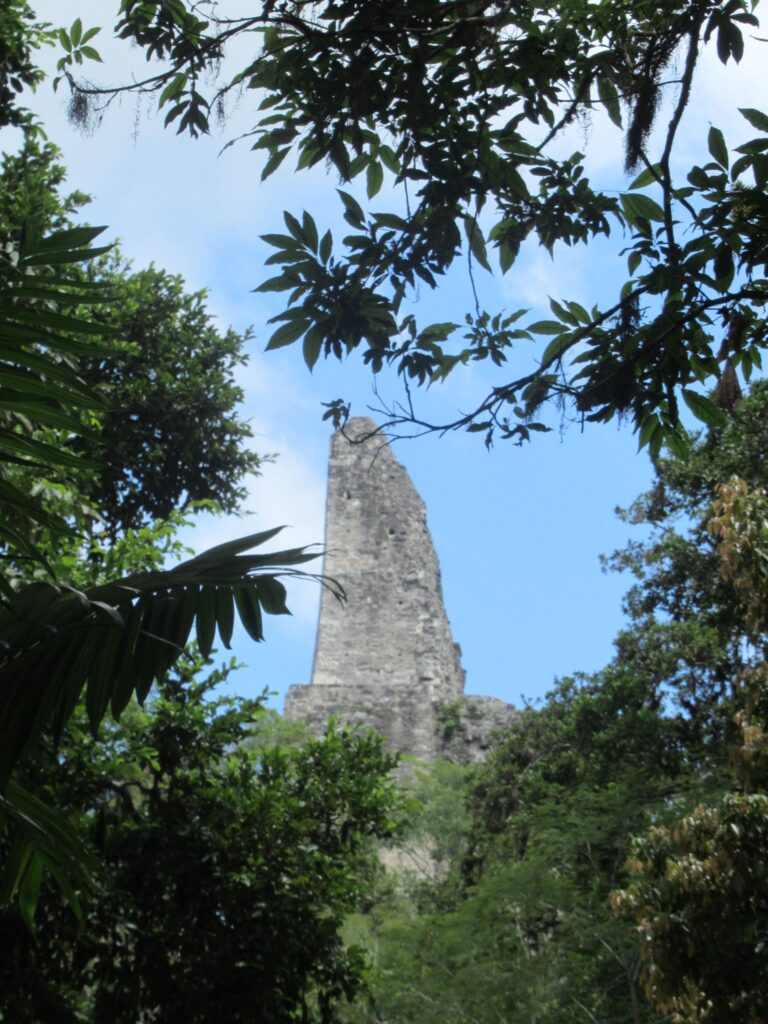
Temple 1

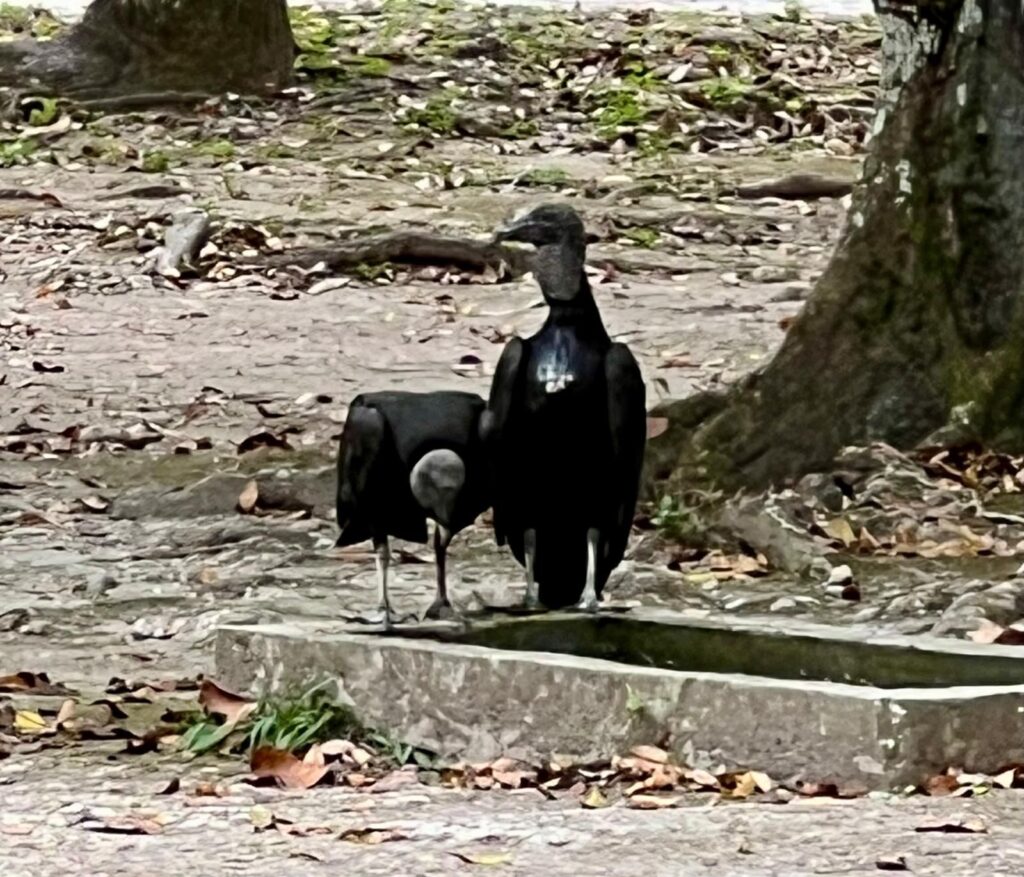
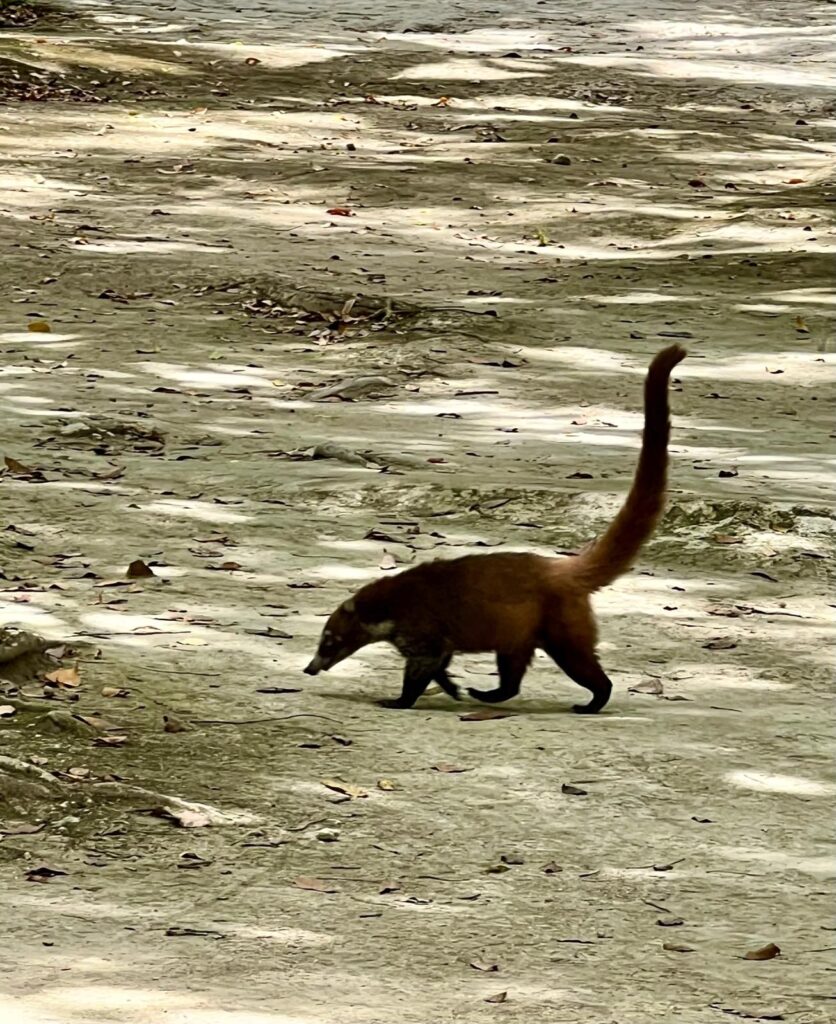
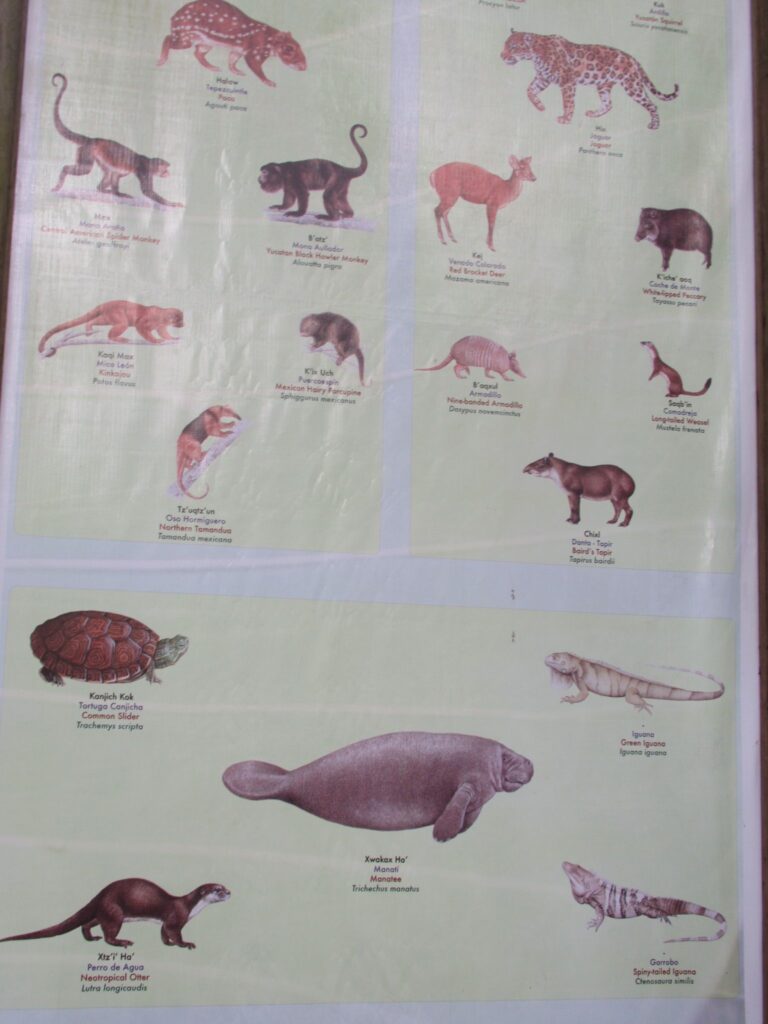
Some local wildlife

Tikal means “the place of voices” a reference to the constant noise from the forest especially the howler monkeys.
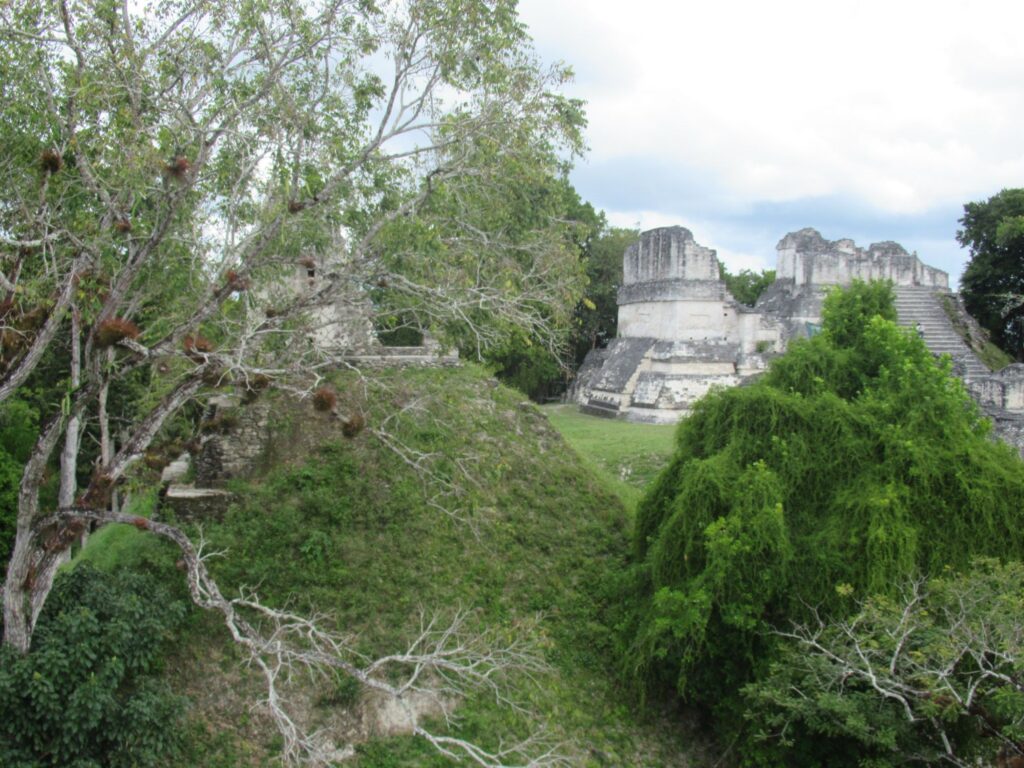
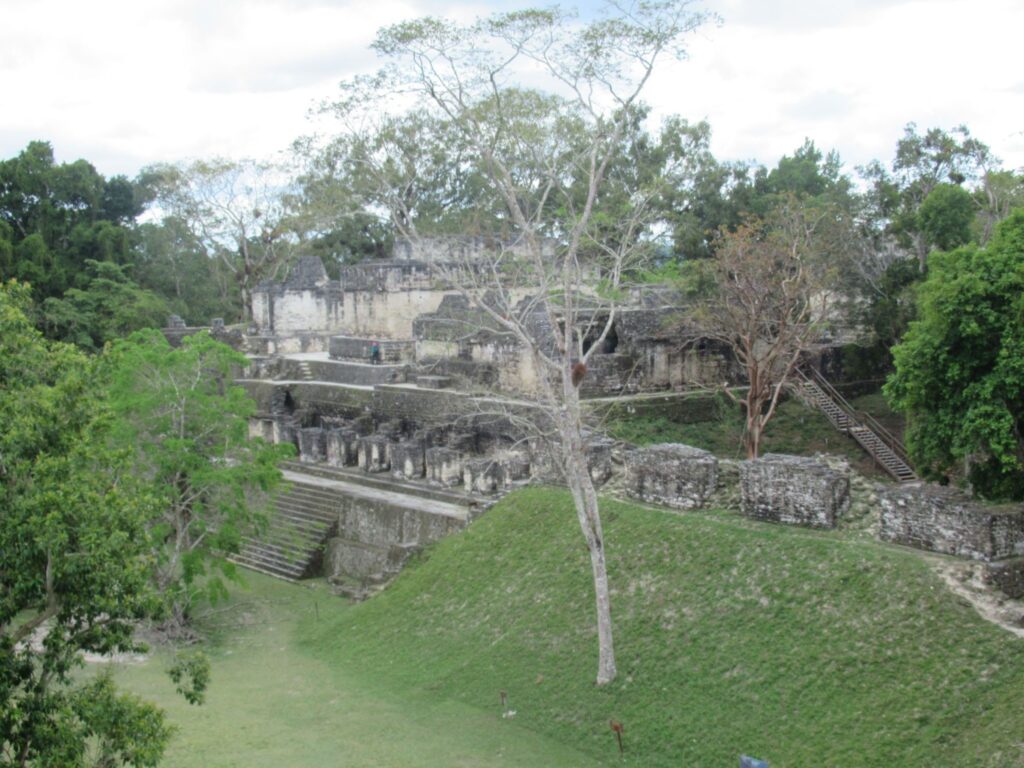
Only 5% of the site has been reclaimed from the jungle which seems amazing when you see what there is already.

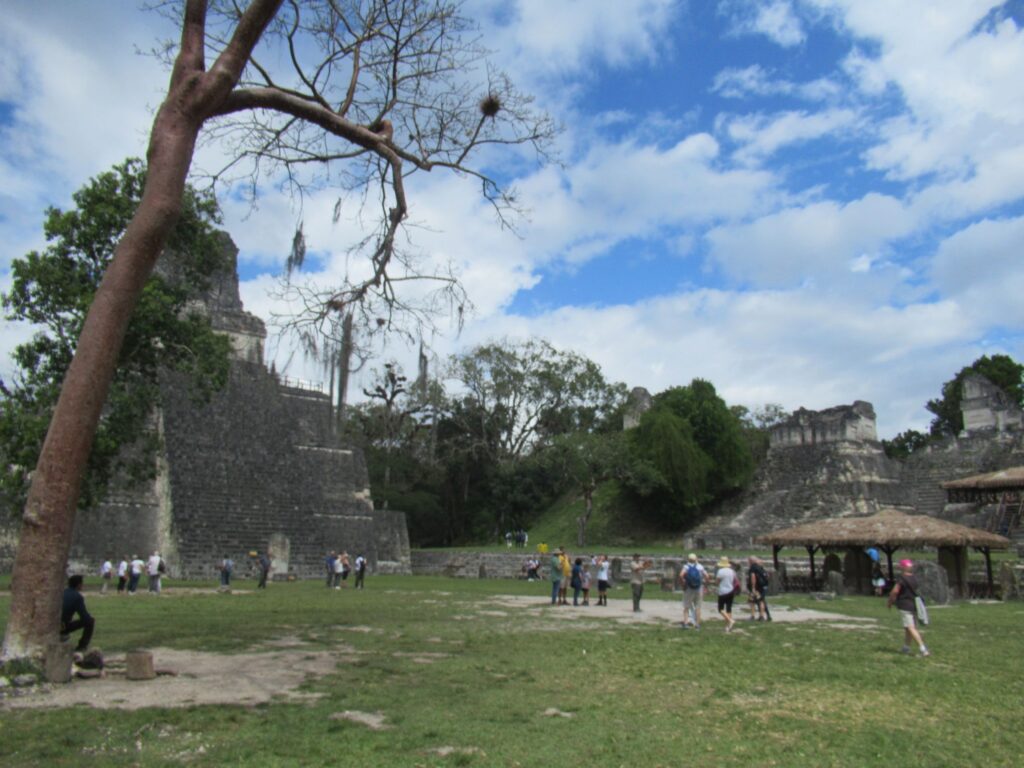
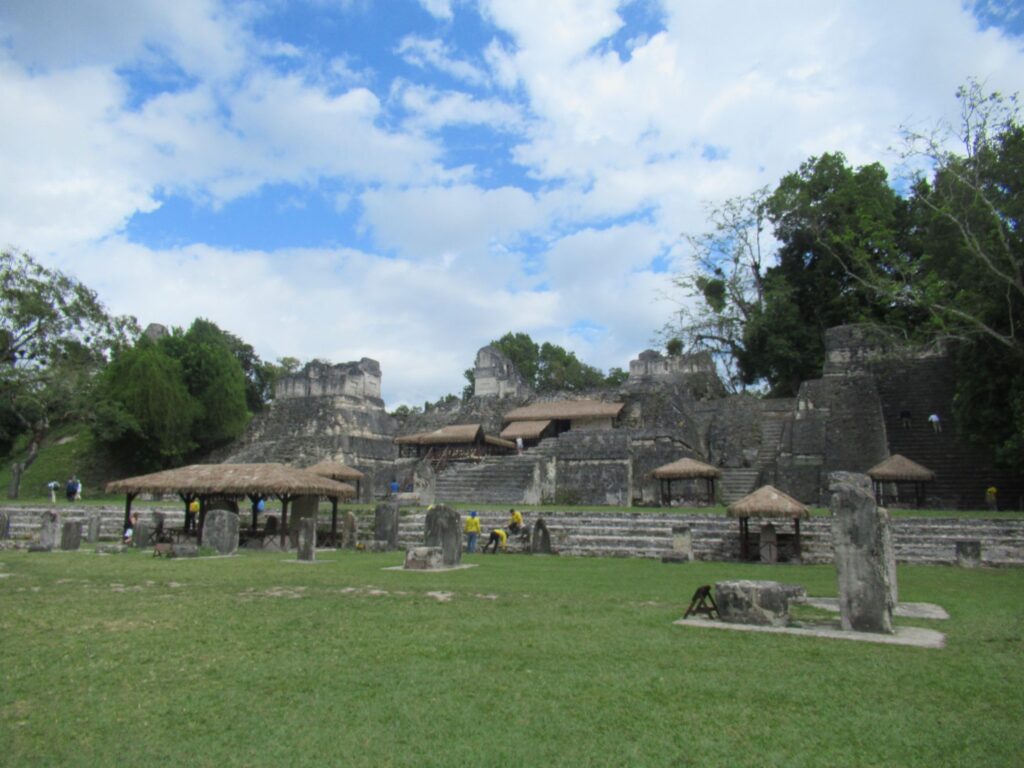
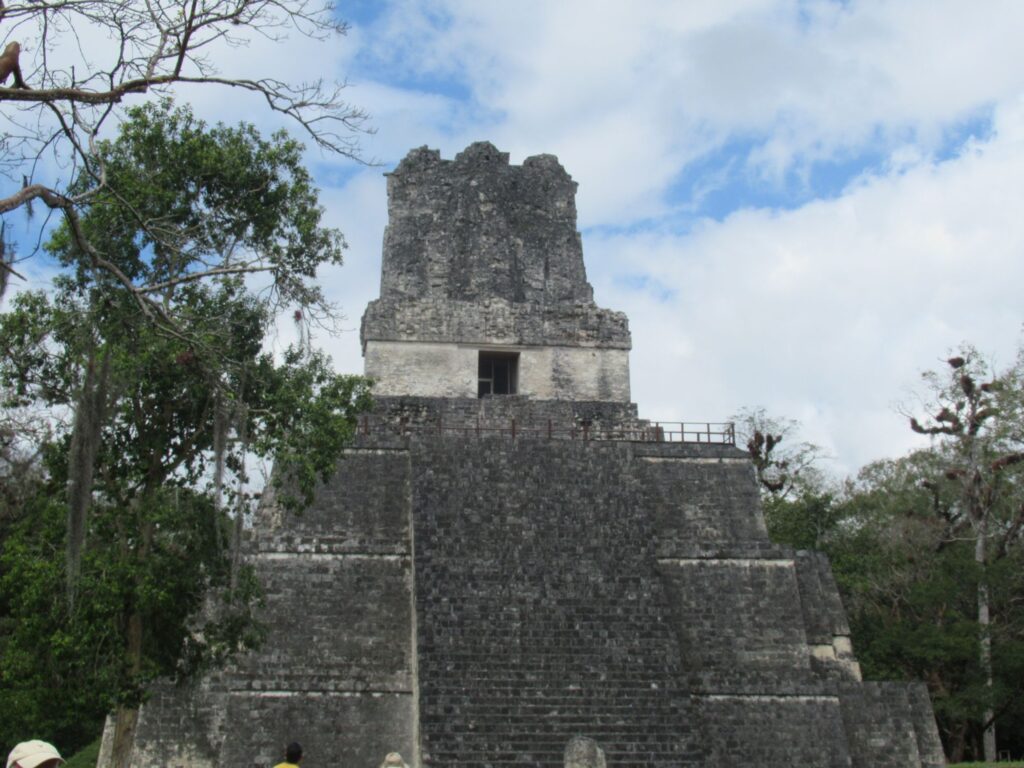
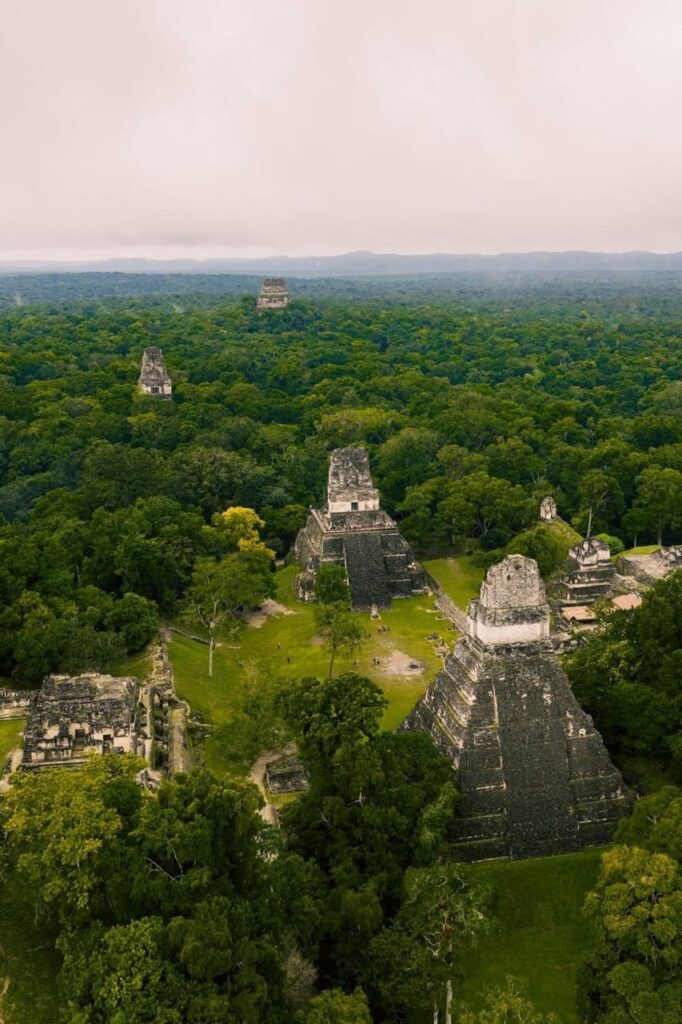
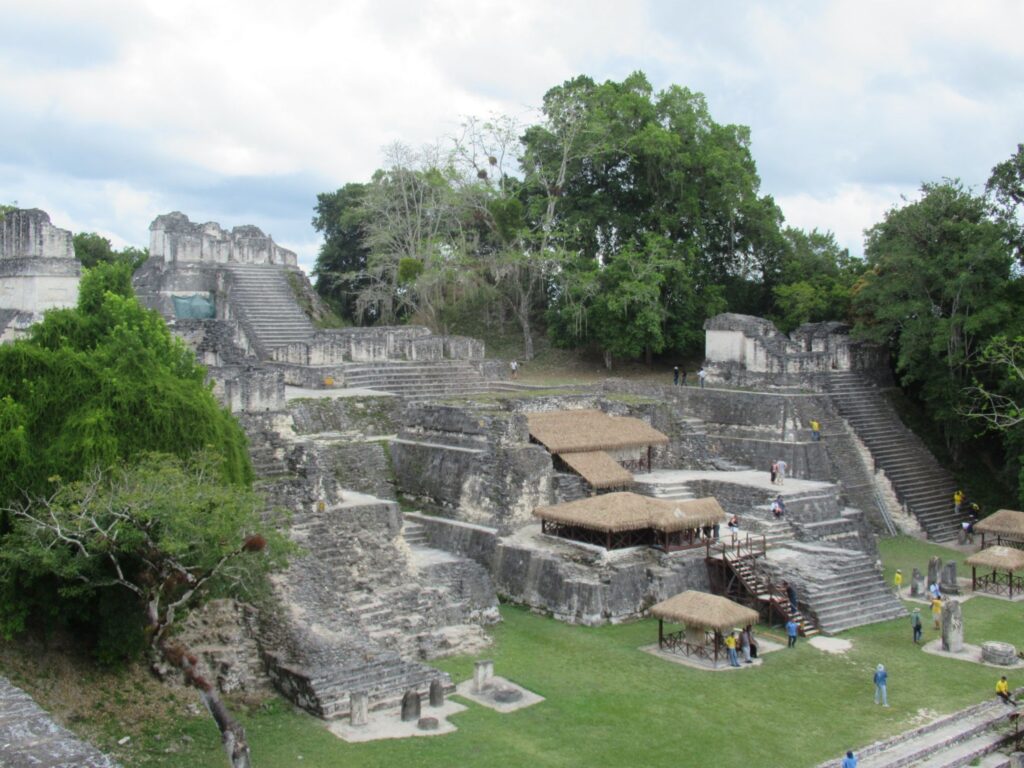
The Great Plaza, framed by Temples 1 and 2 to the east and west, the north Acropolis and the Central Acropolis to the south

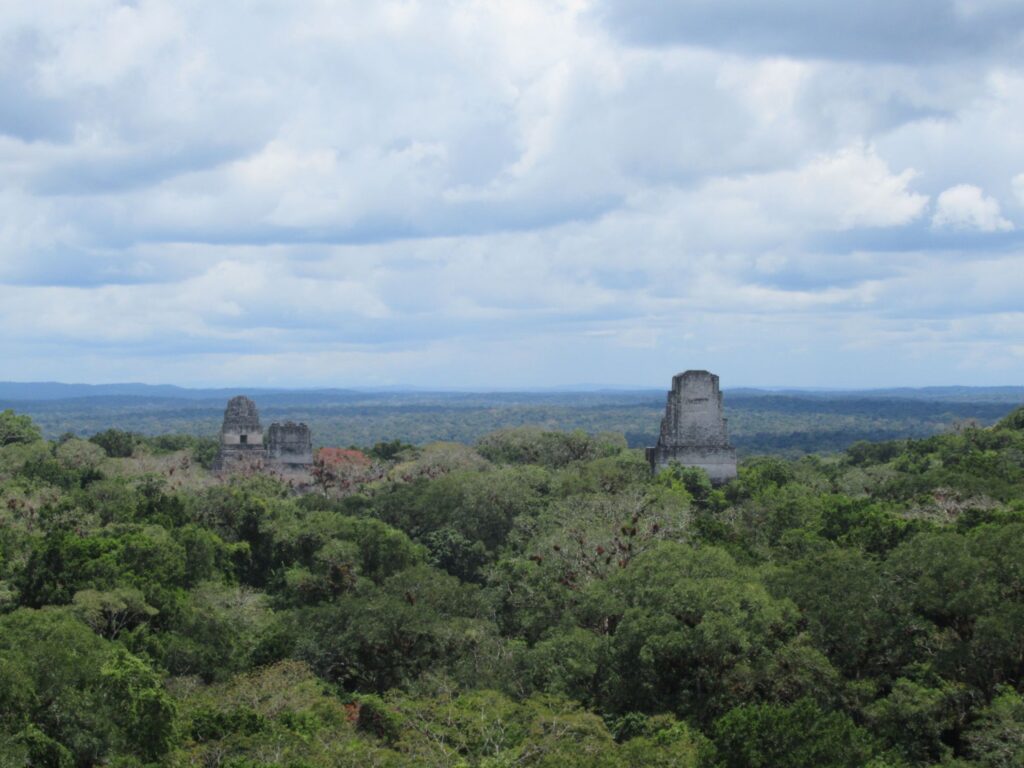
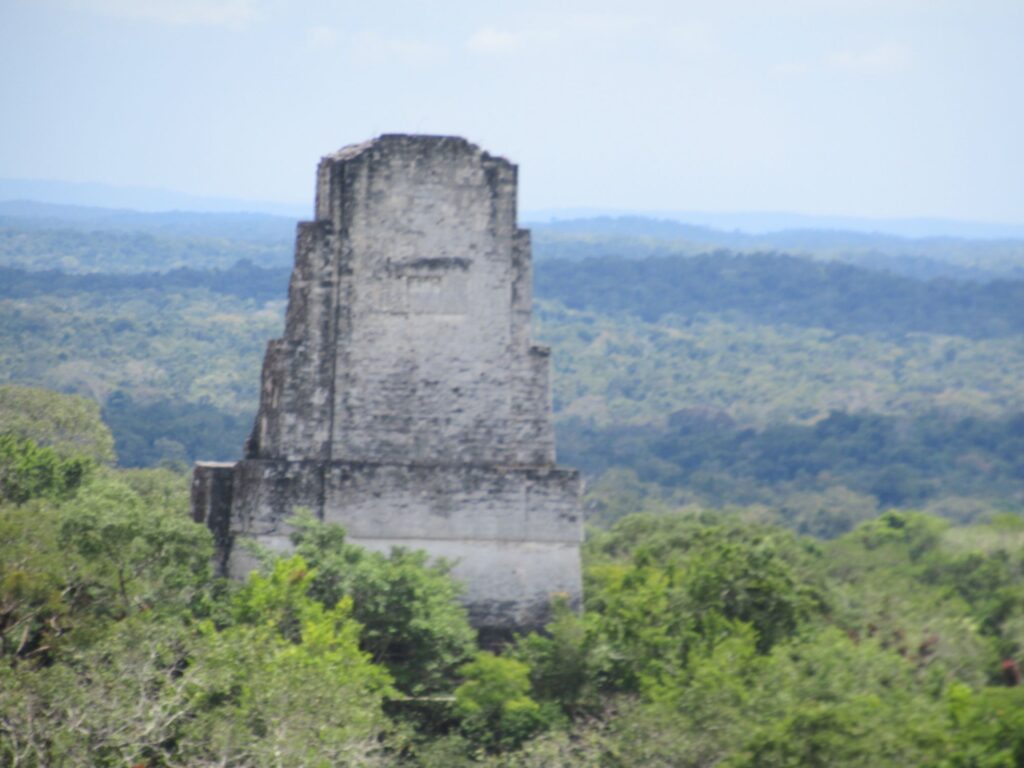
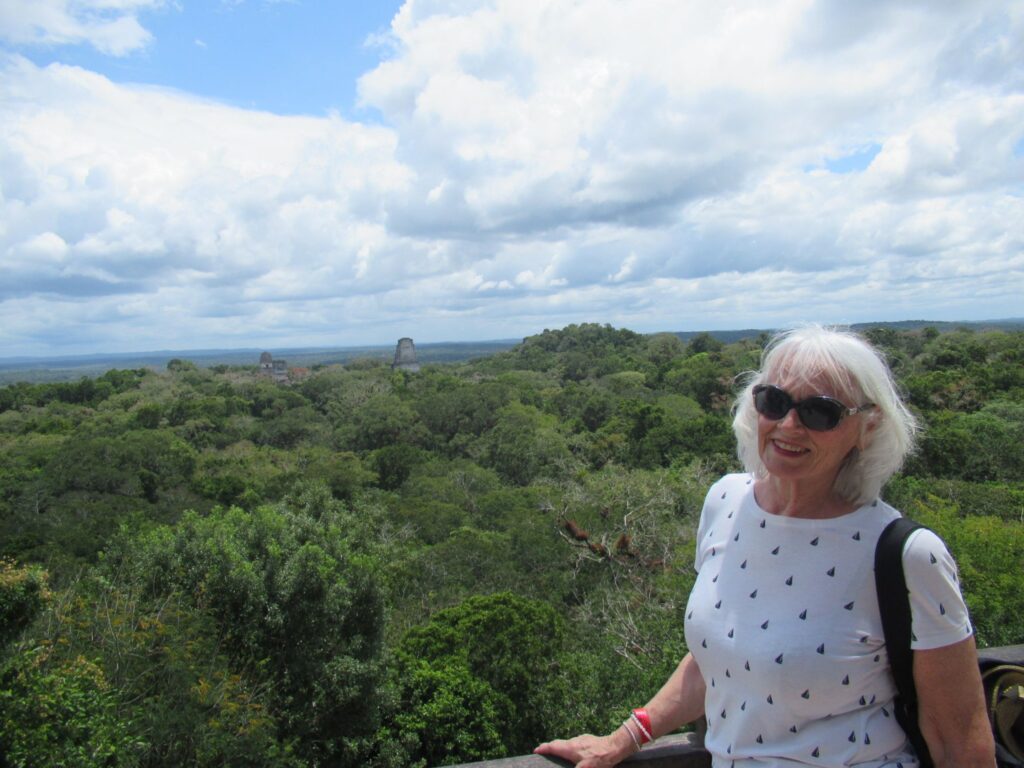
Temple 4 is 228 feet high

View over the Great Plaza

Climbed 200 steps to get this picture

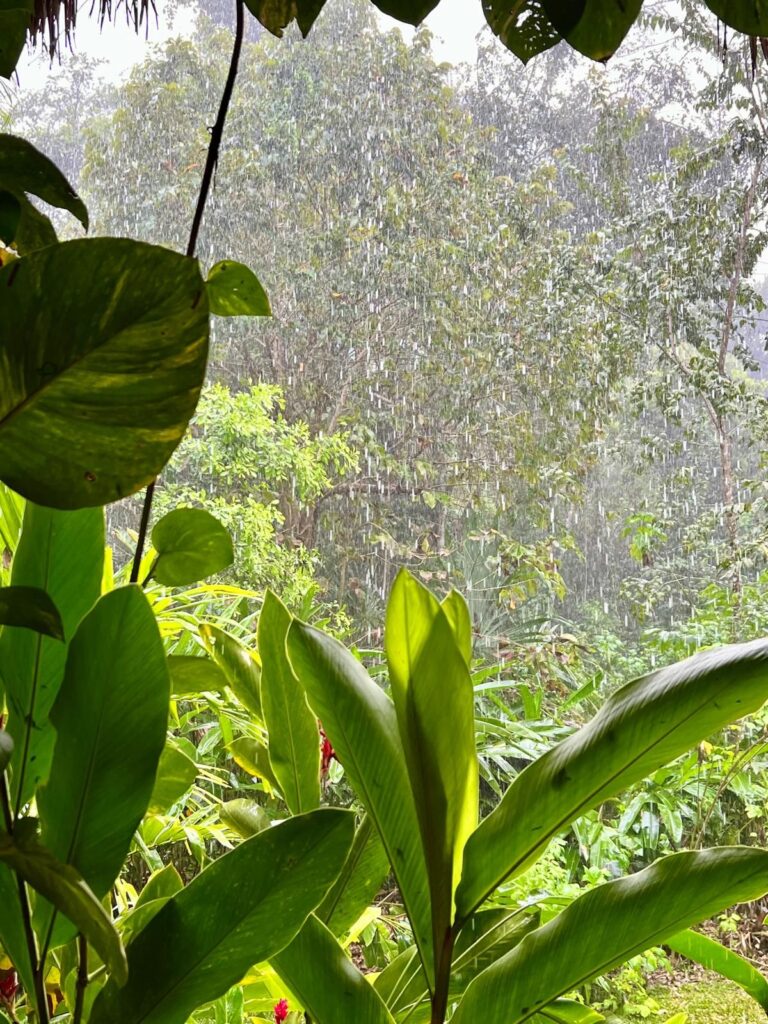
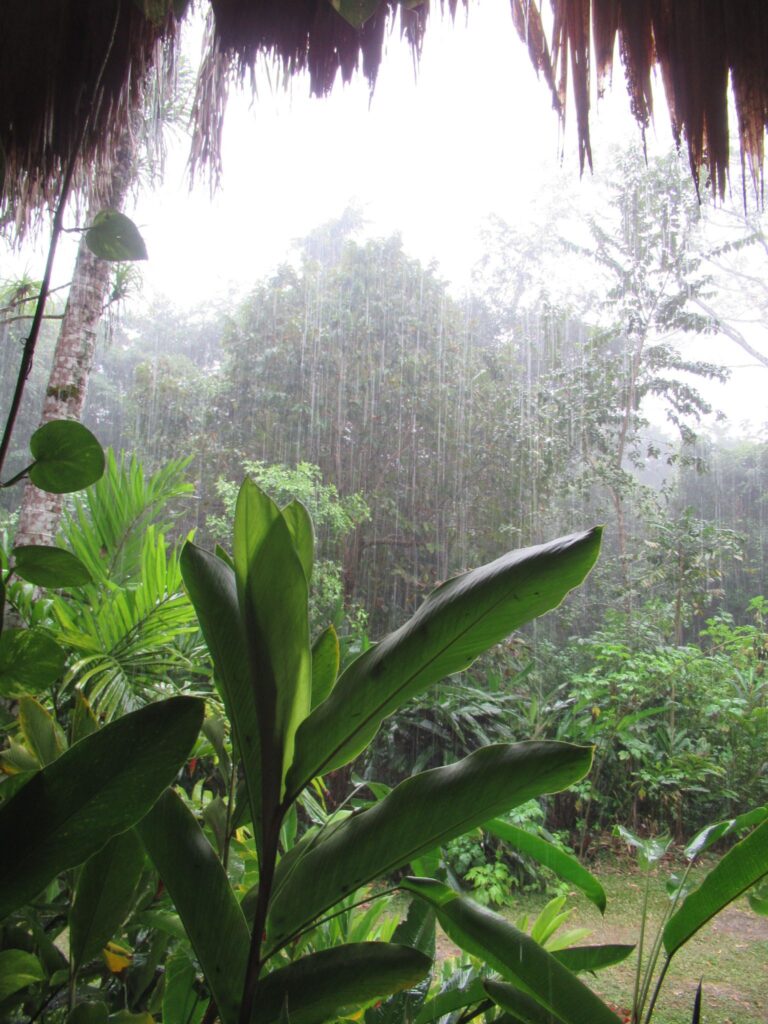
Just as we finished our tour the rainforest lived up to its name and the heavens opened.

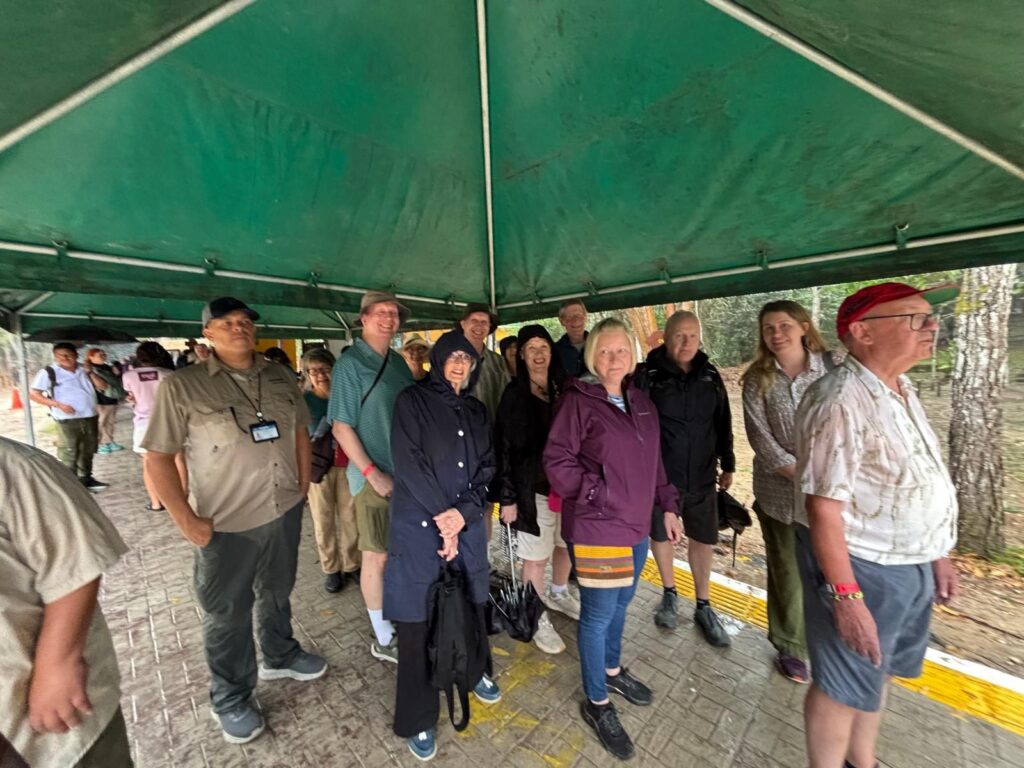
Very wet waiting for the bus

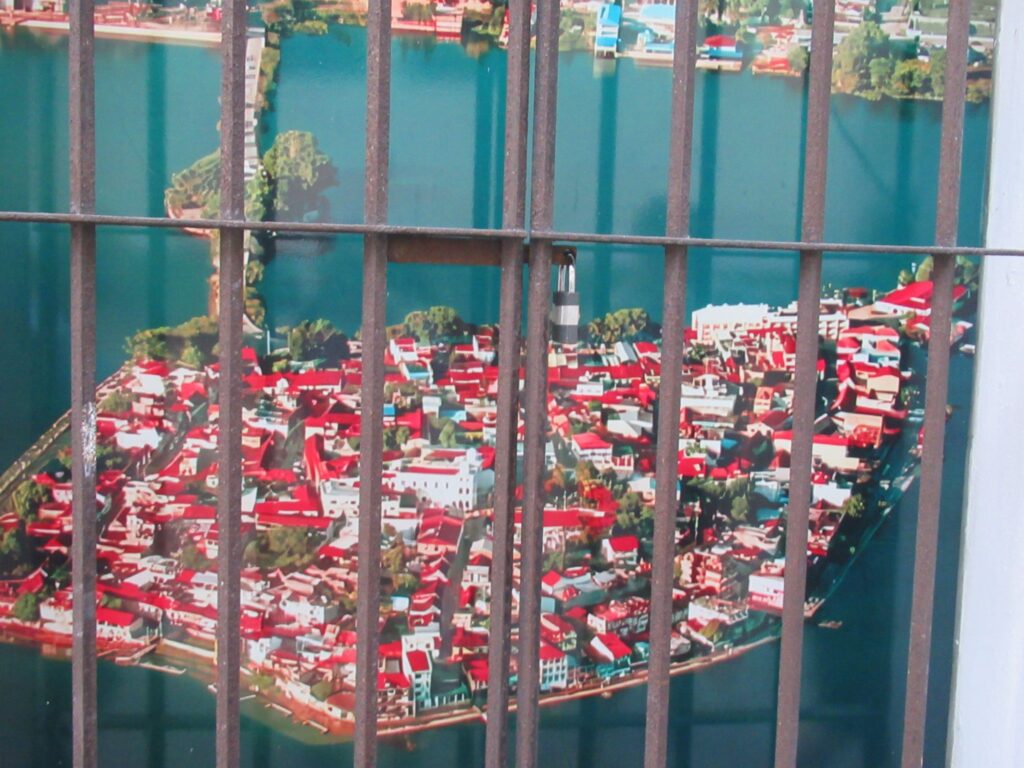
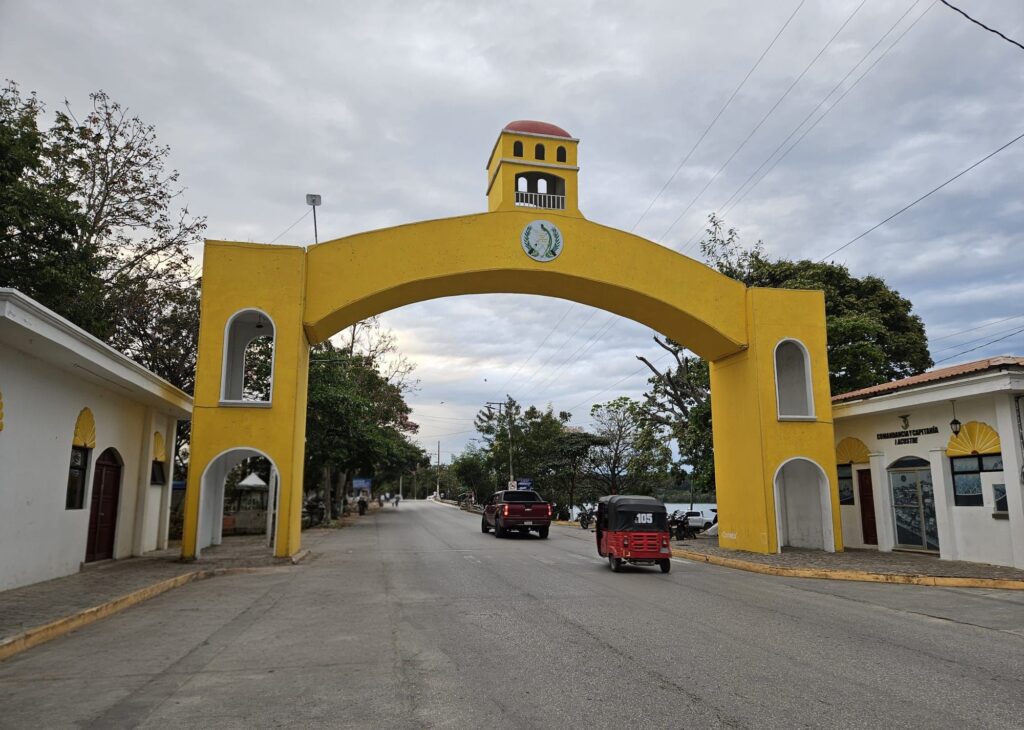
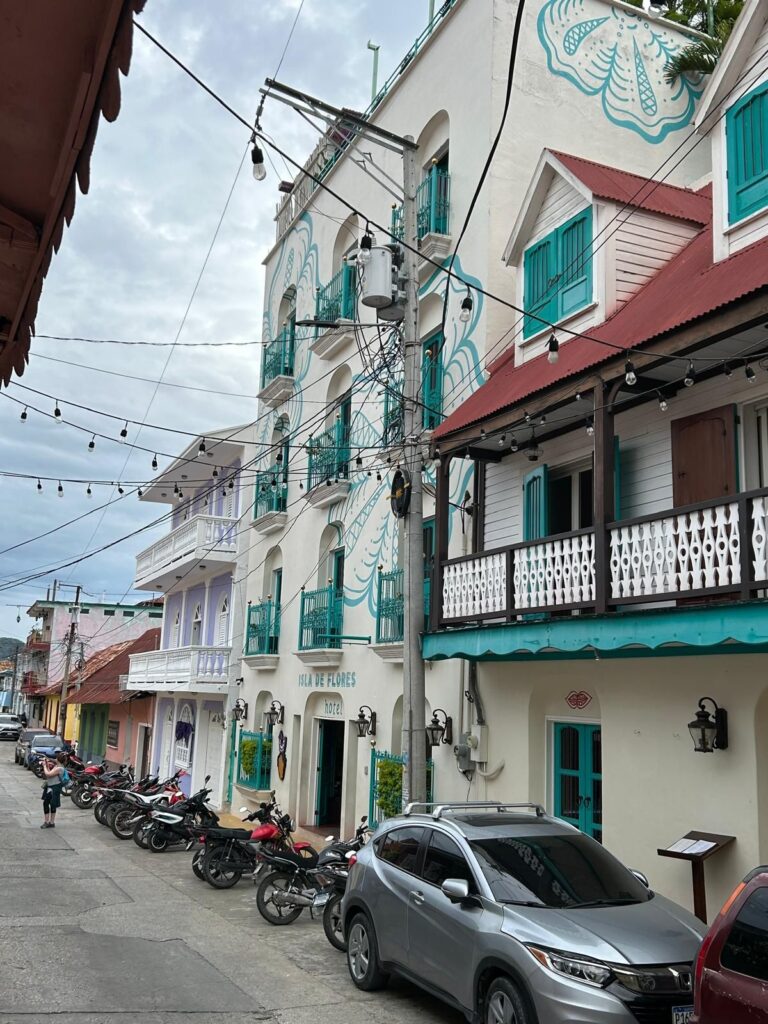
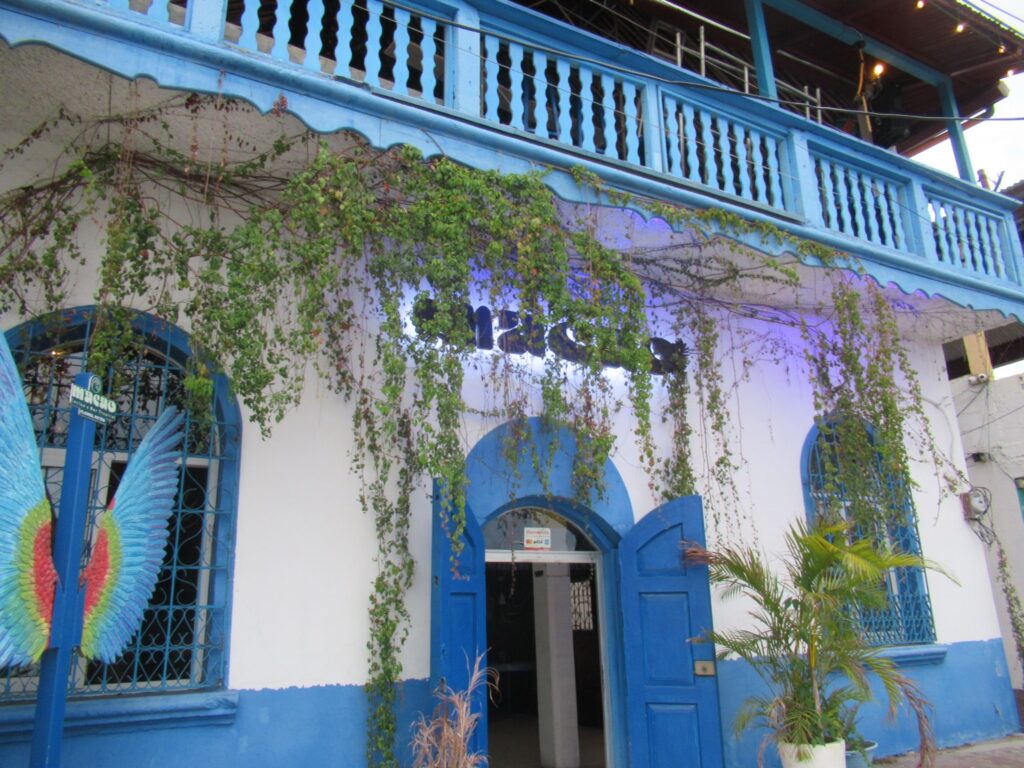
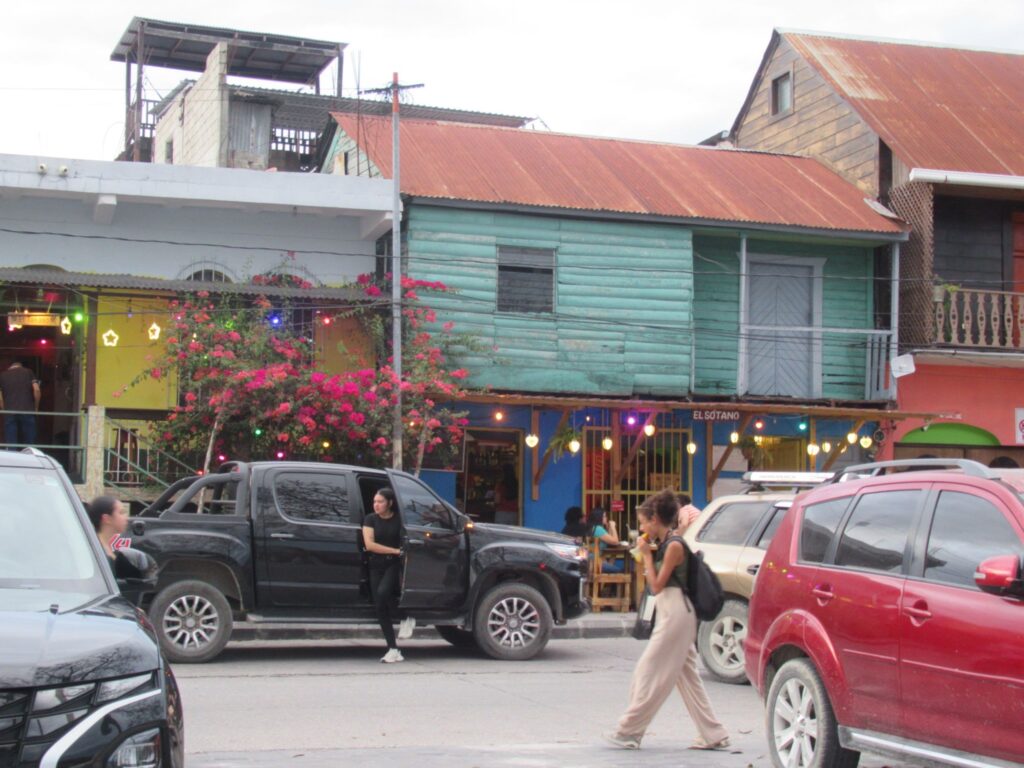
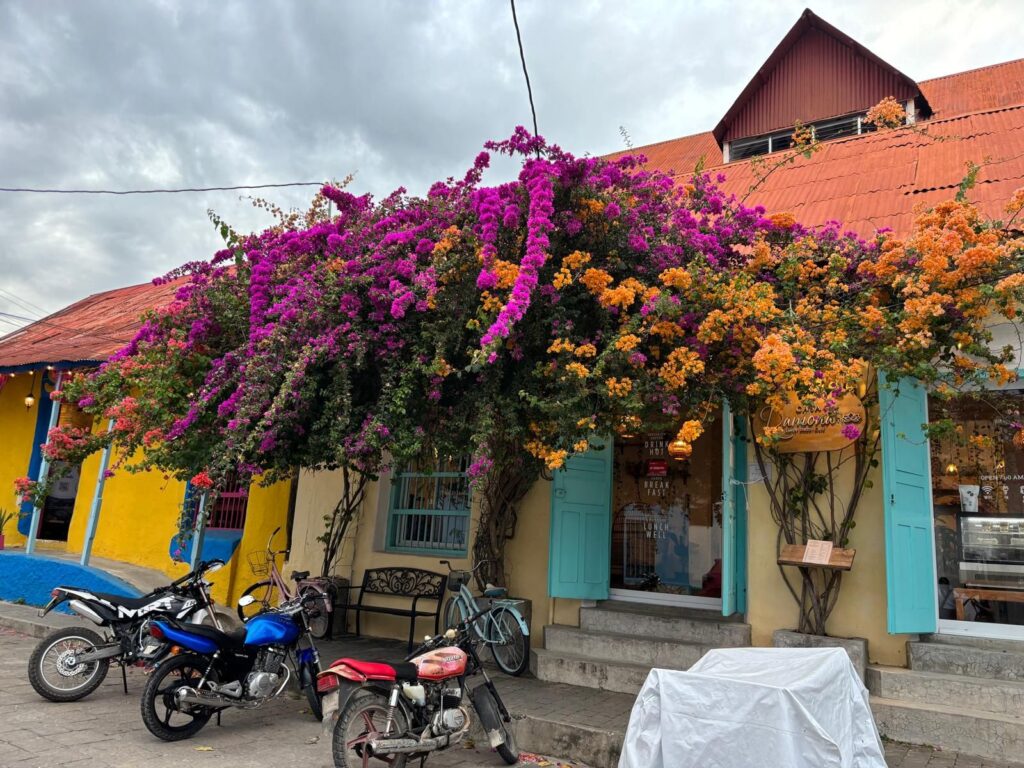
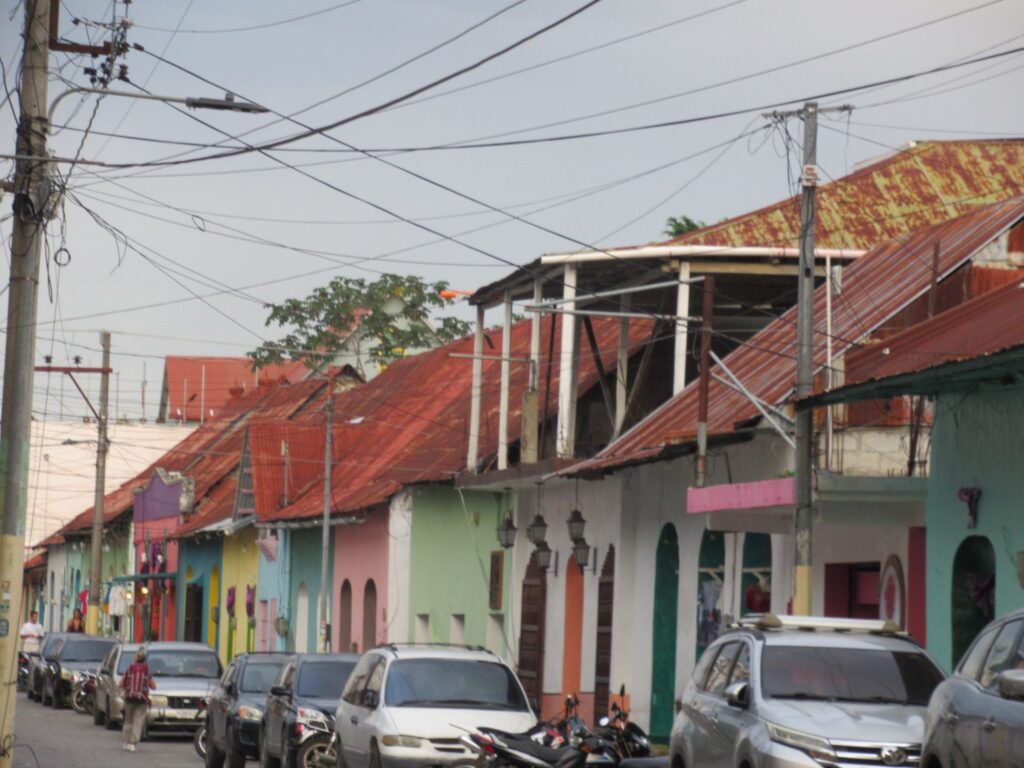
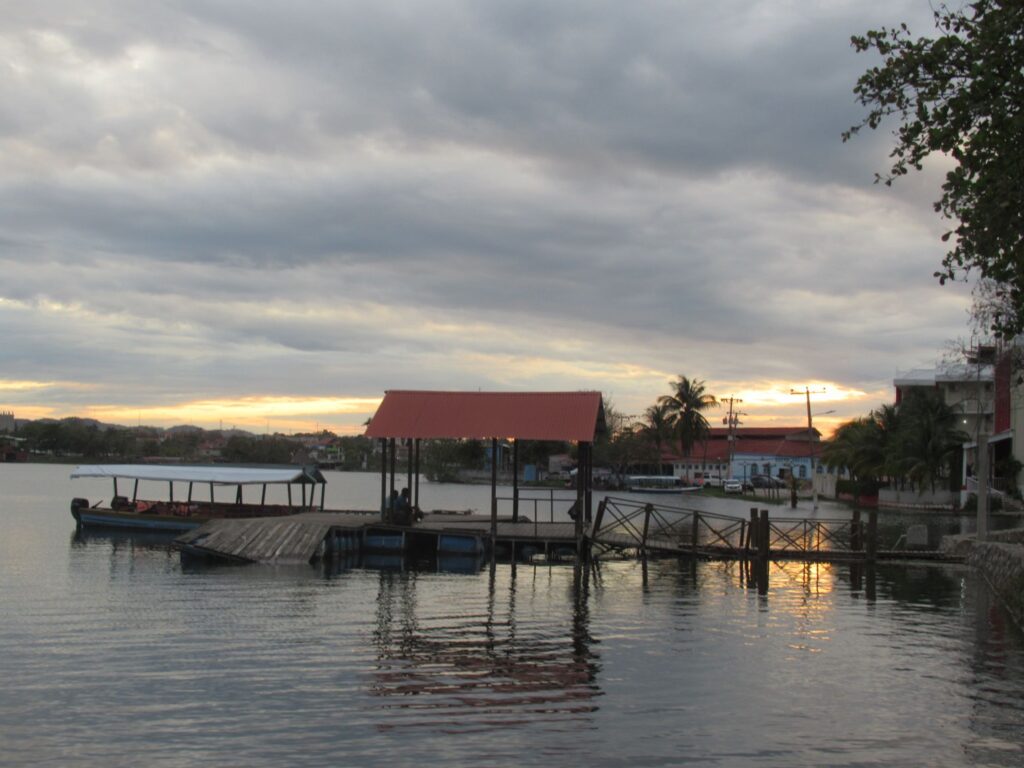
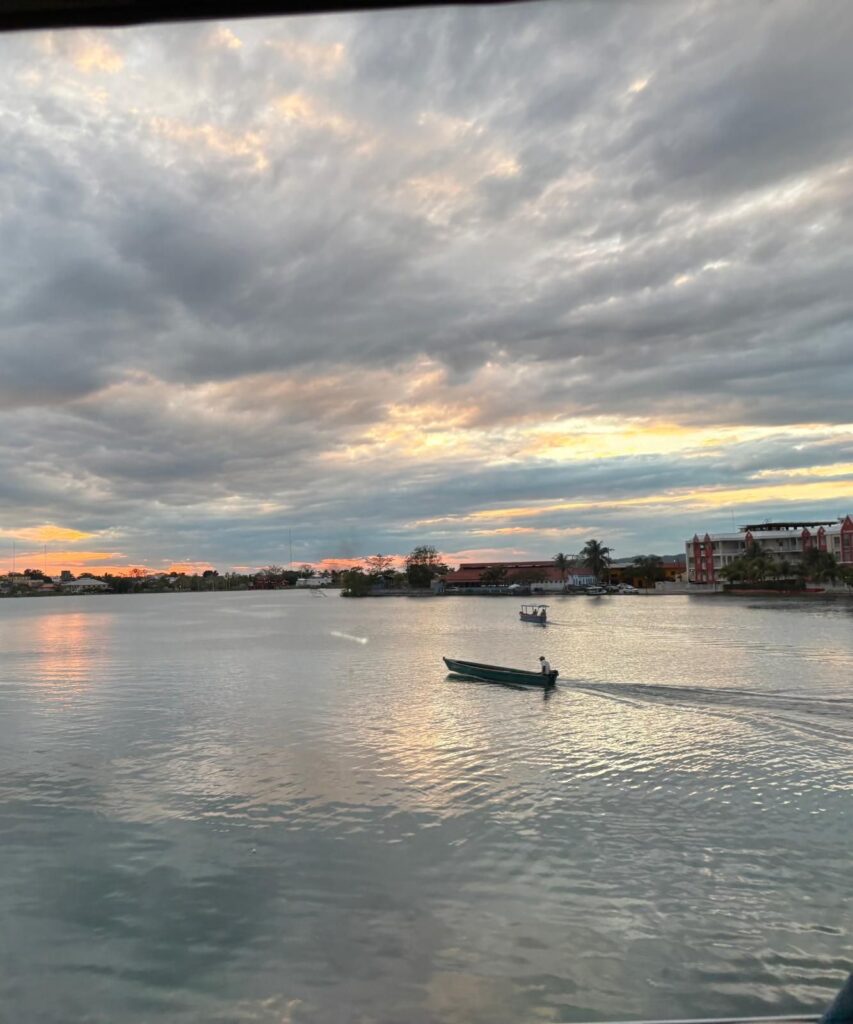
When we returned to “dry land” we arranged to go into the island town of Flores. A very pretty town set on a natural island in Lago de Peten Itza connected by a small causeway. Some very colourful buildings. When we visited the lake had flooded. It appears that this is probably due to an underground stream and one day it will consume the town.
Rio Dulce to Flores

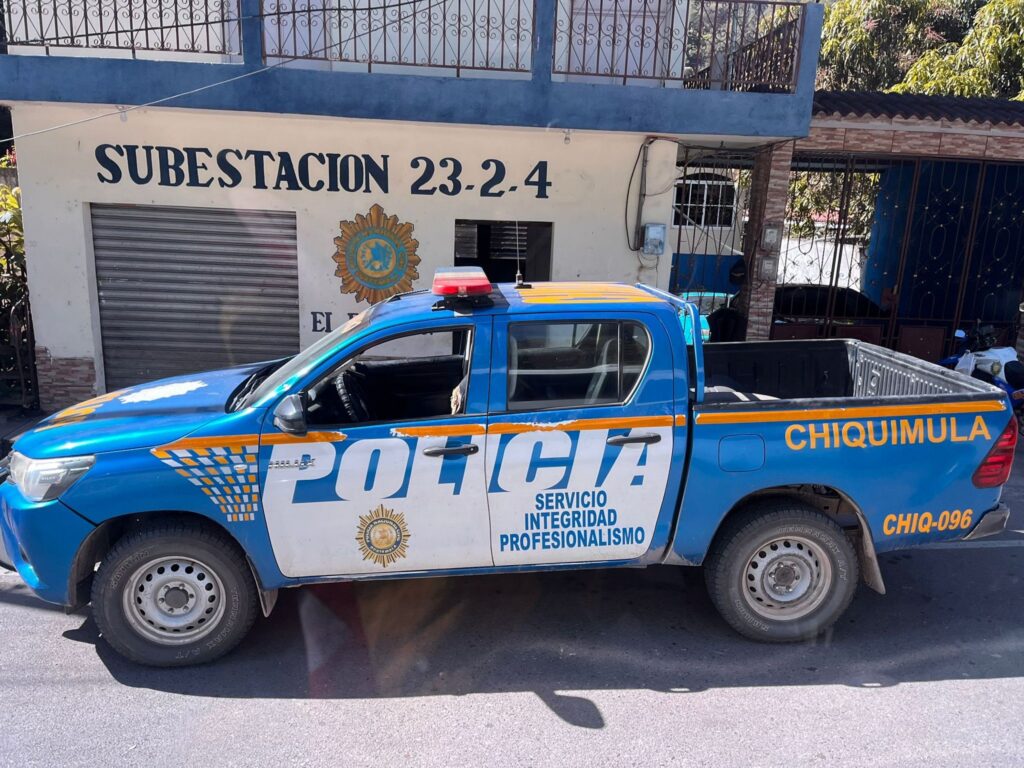
So a slight change of plan following yesterday’s blockade and we managed to leave our temporary residence just after 6.00 pm and drove to Rio Dulce rather than Livingston.

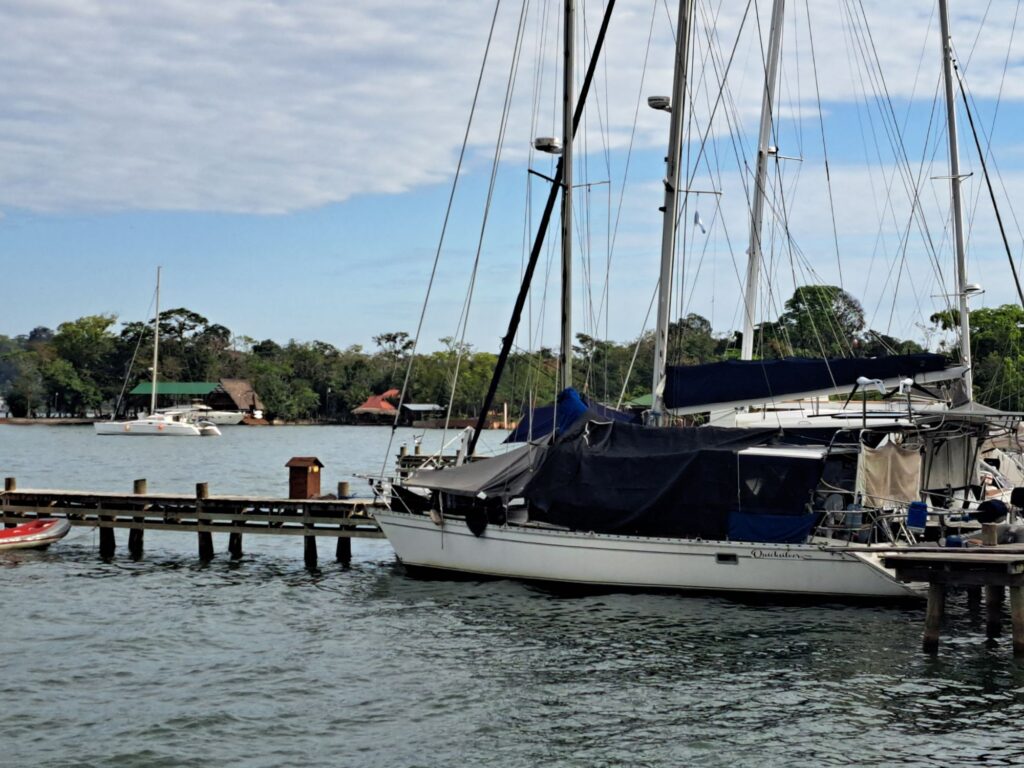
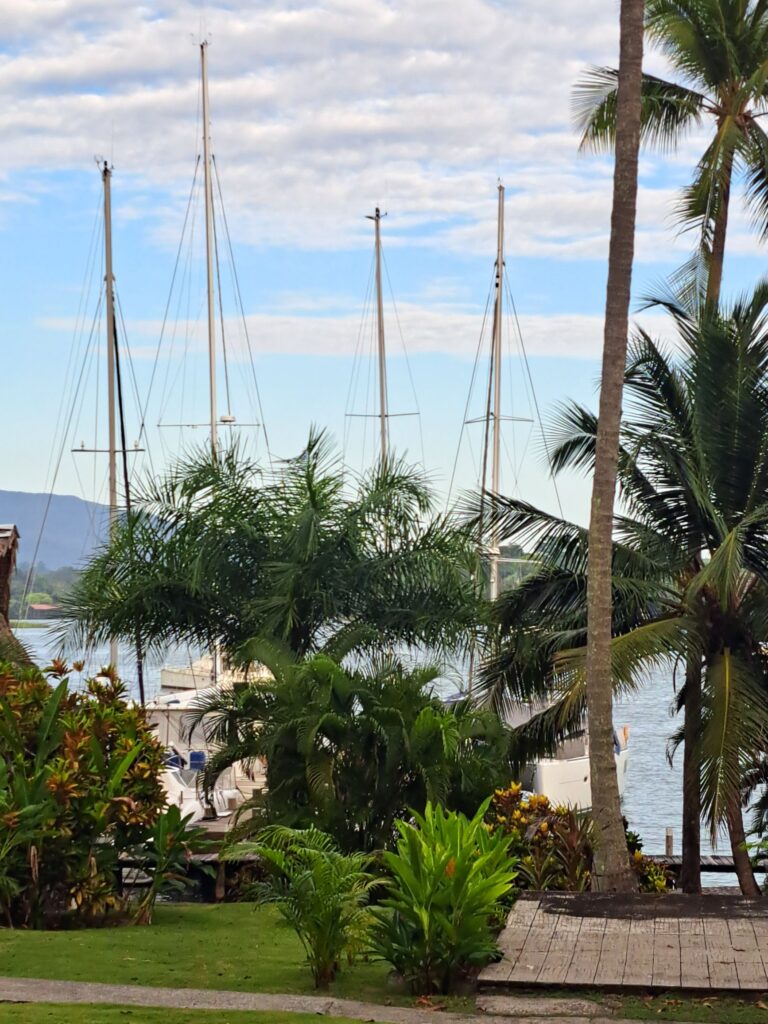
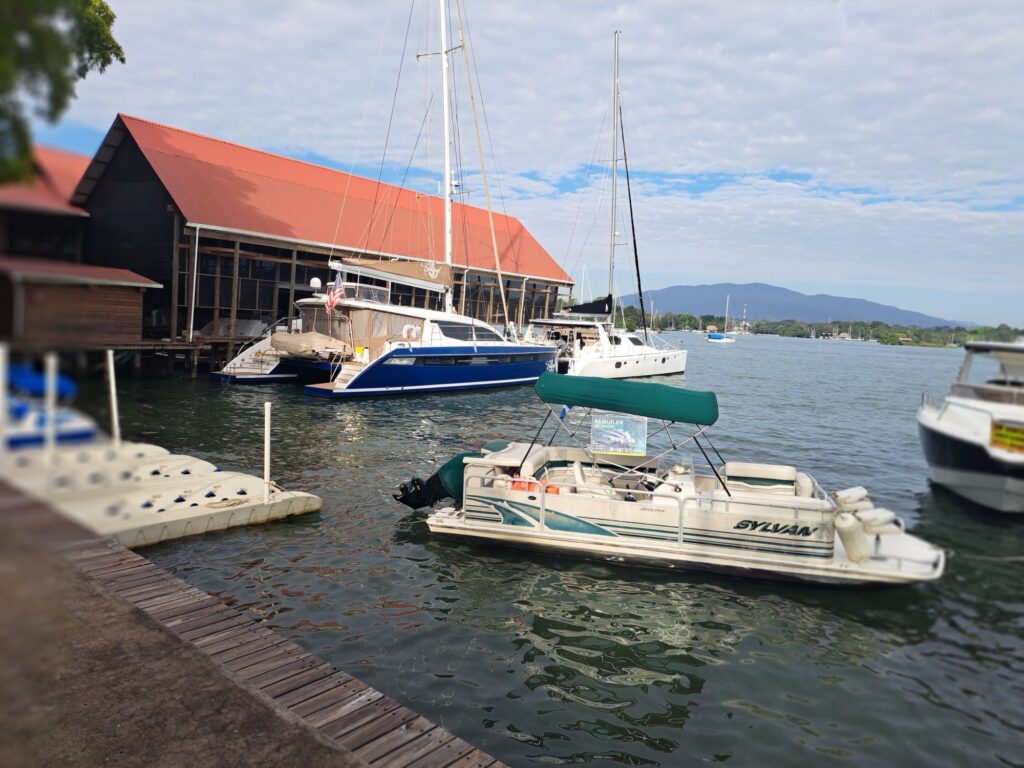
Nice hotel set on the river with lots of boat moorings. Apparently when there are hurricanes in the Caribbean people take shelter on the river and never leave.

Around the hotel

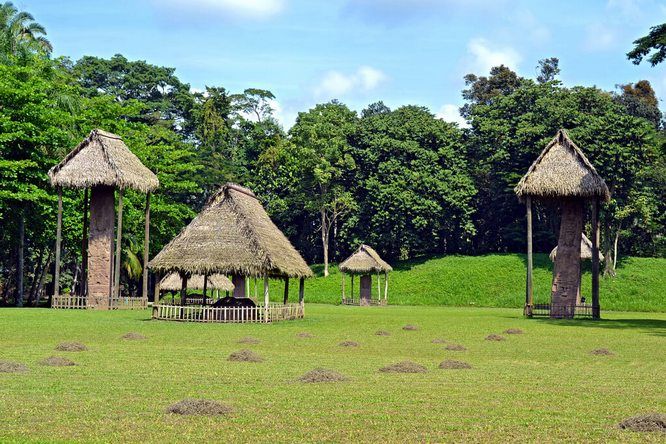
The only thing we will miss out on is a visit to the Quirigua Ruins but as we have been to Copan and Tikal tomorrow not too much of a hardship

Quirigua

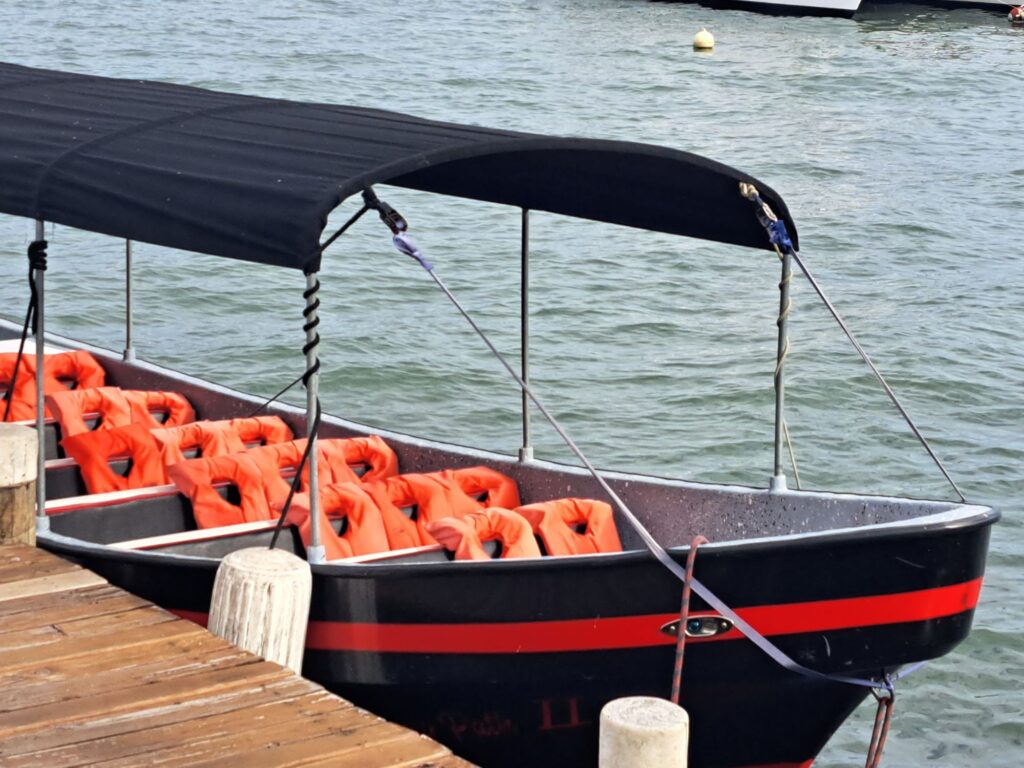
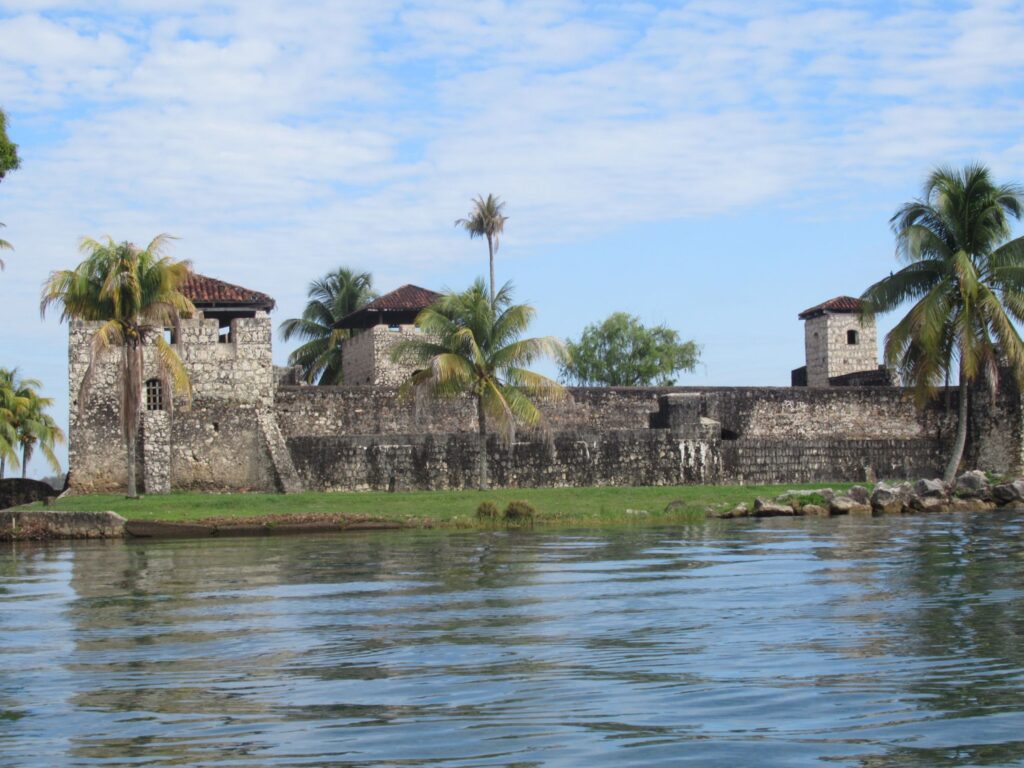
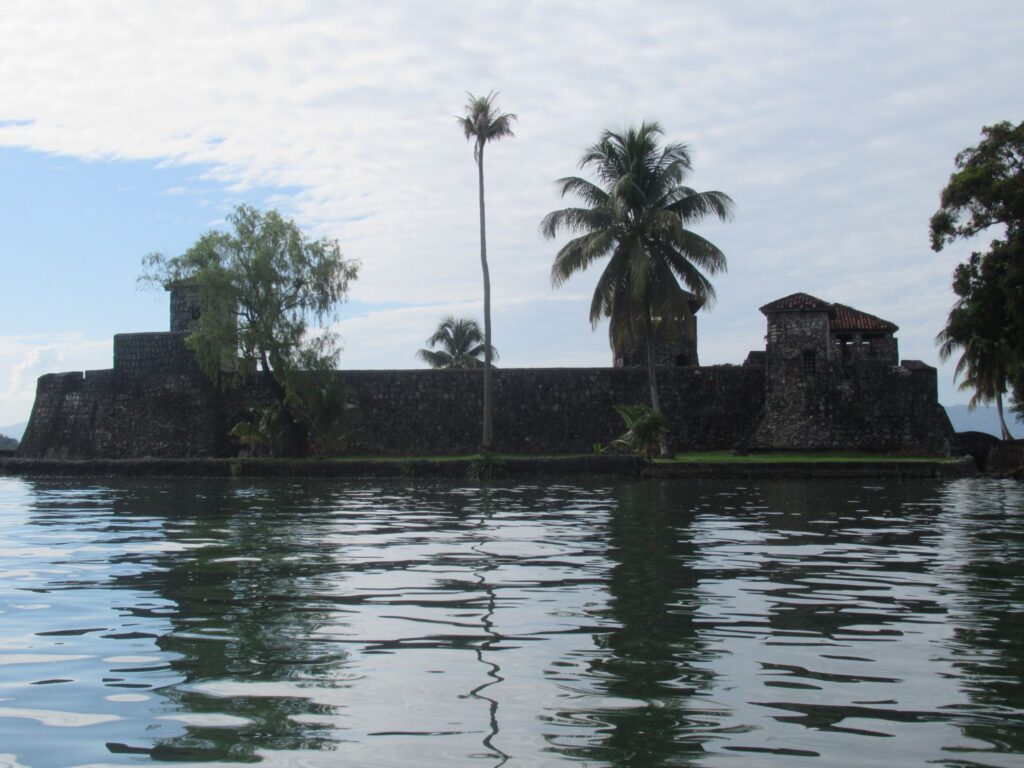
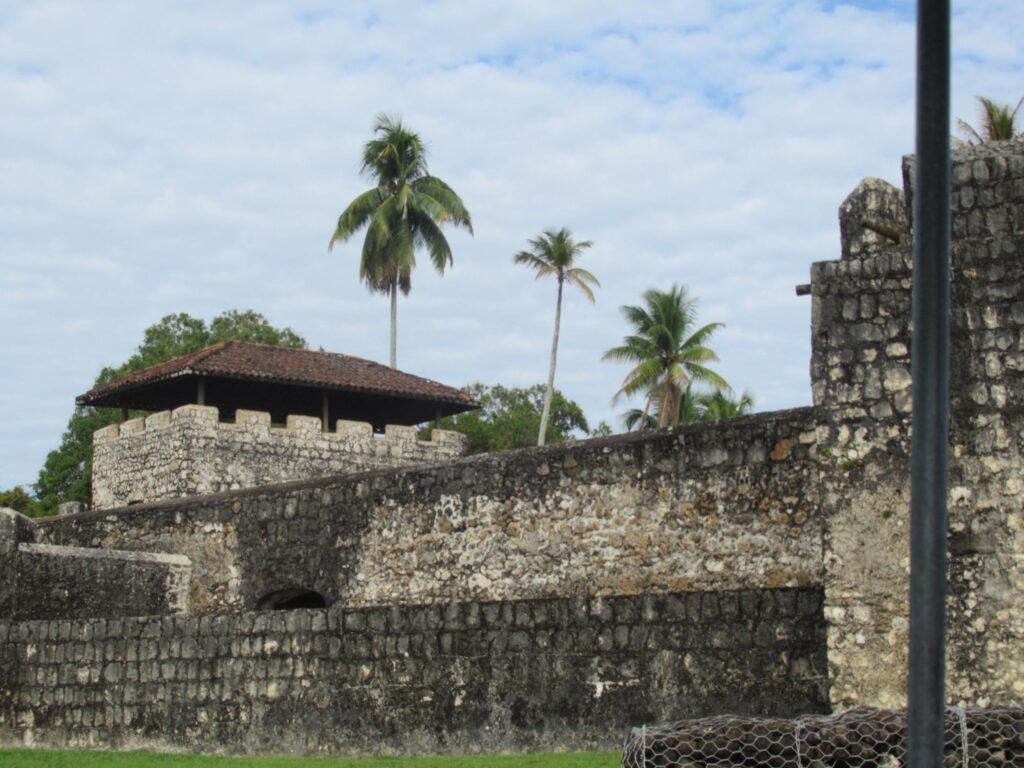
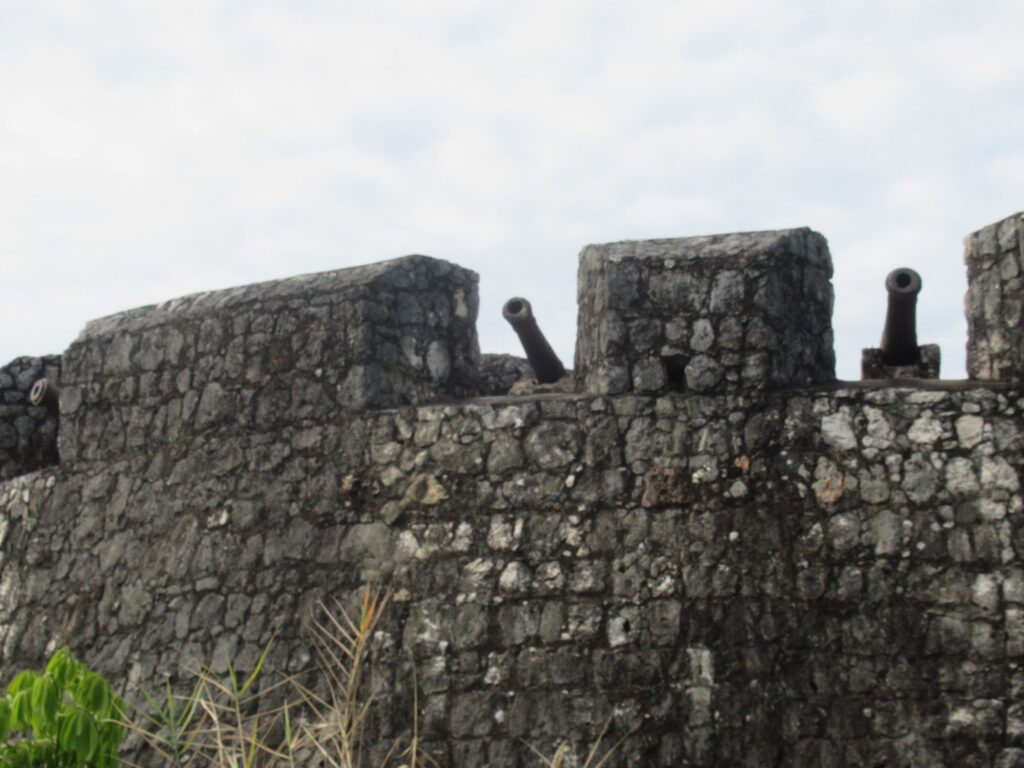
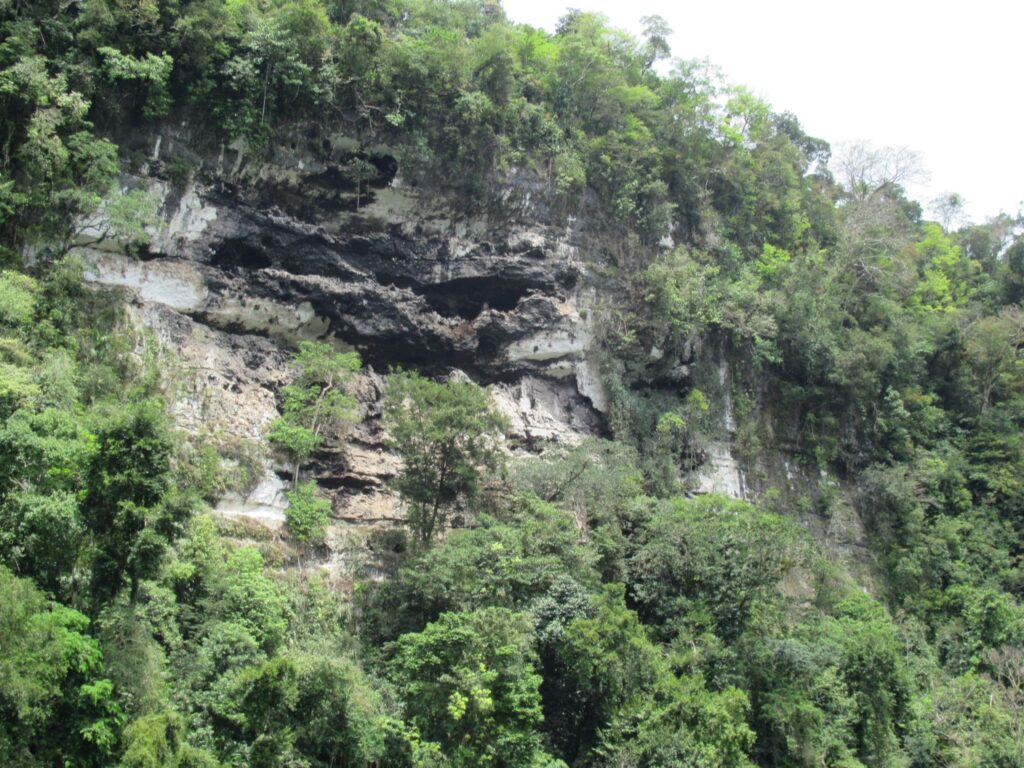
Took a motor boat trip on Lago de Izabal, a huge freshwater lake,  passing the Castillo de San Felipe

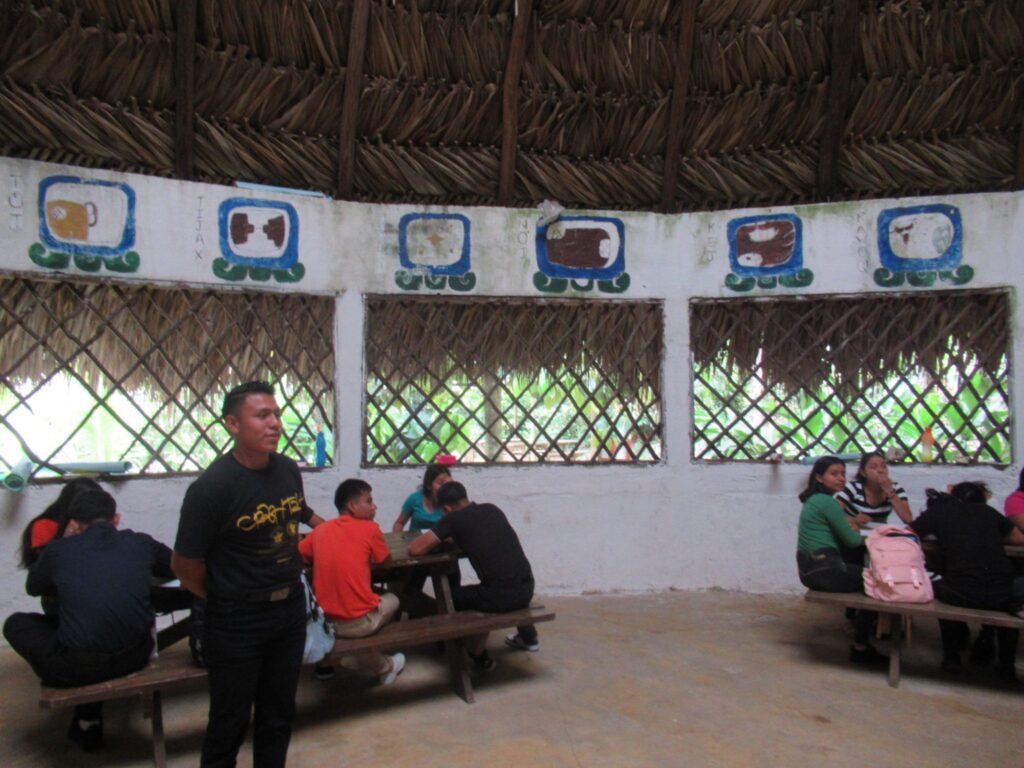
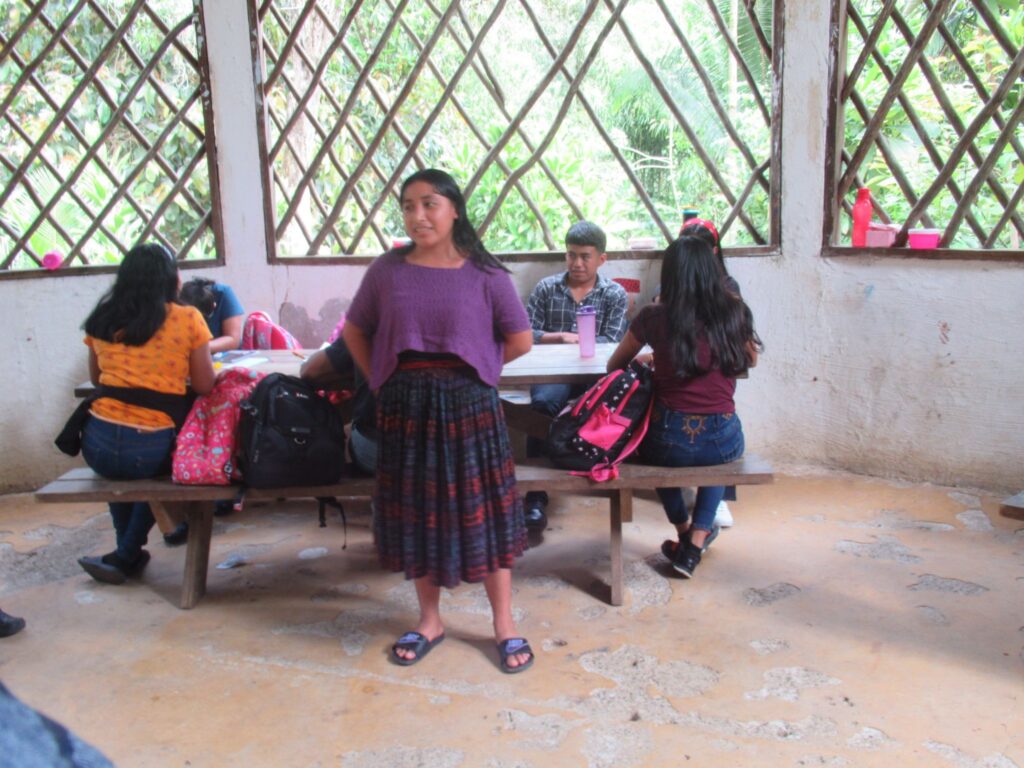
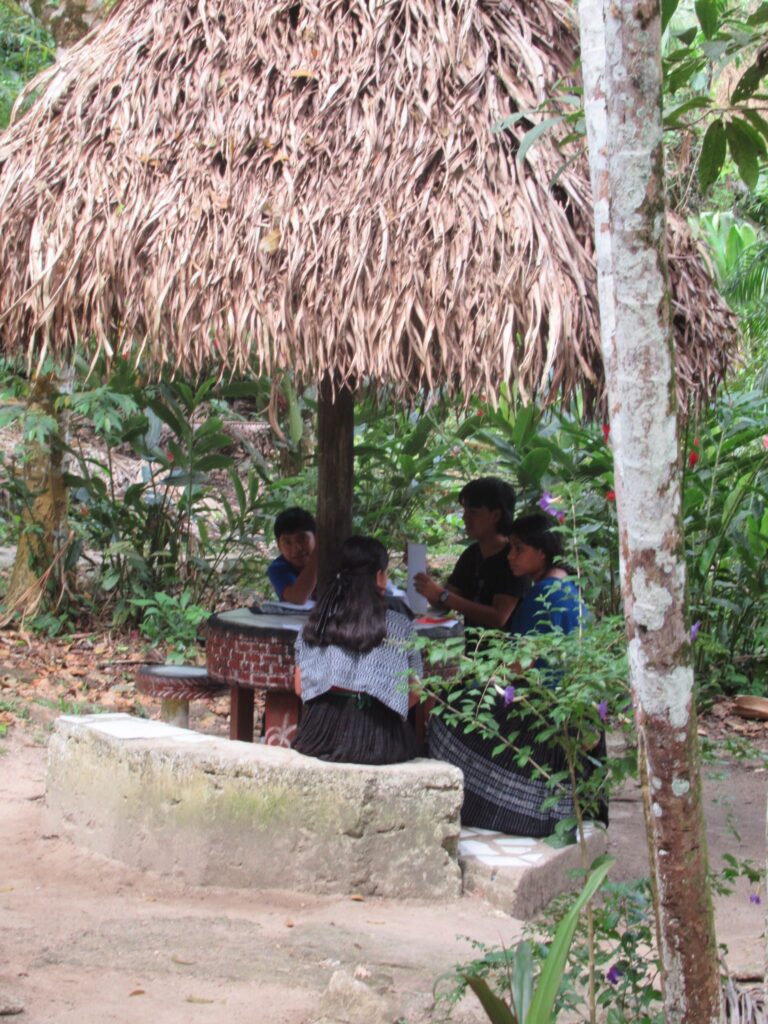
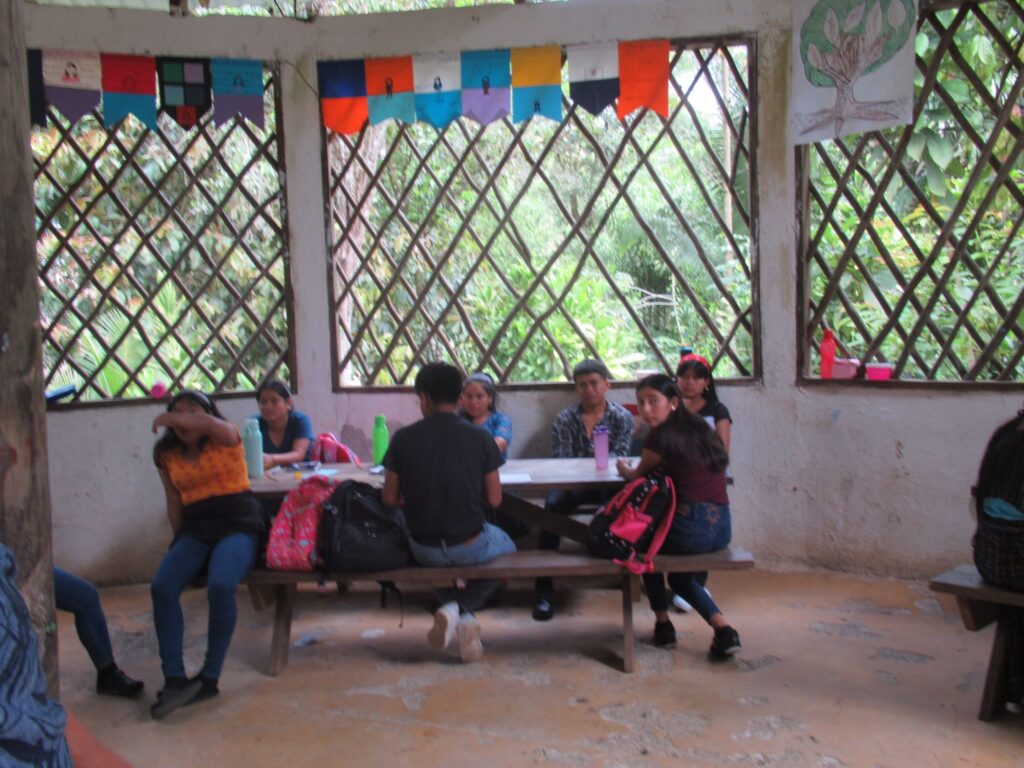
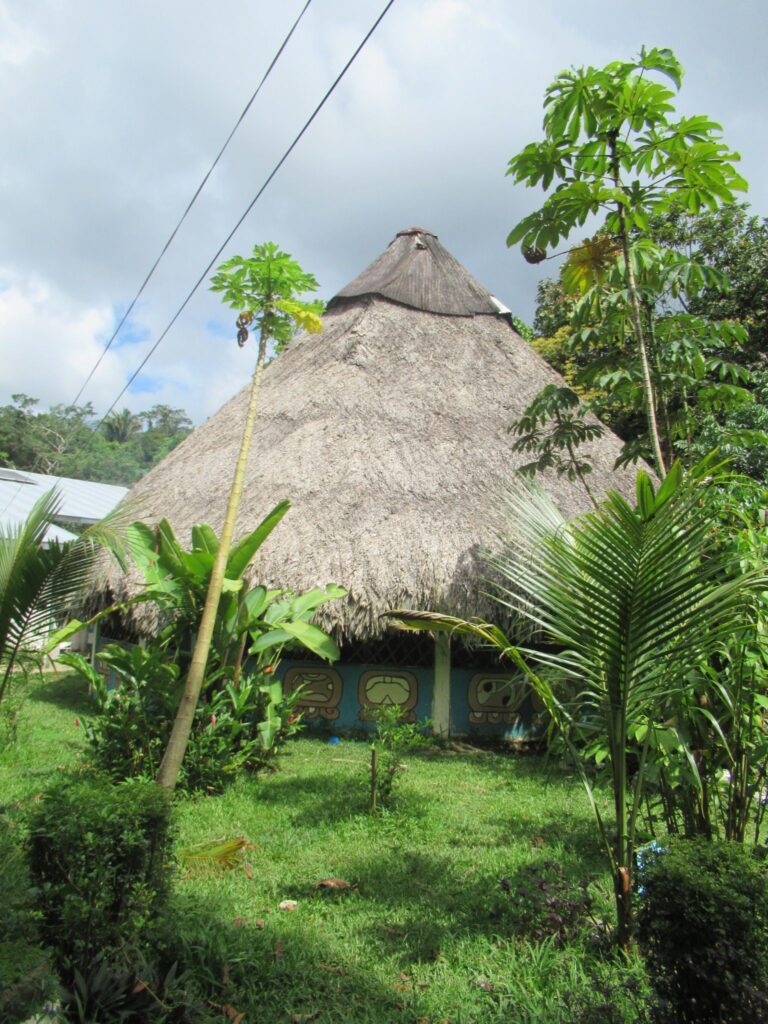
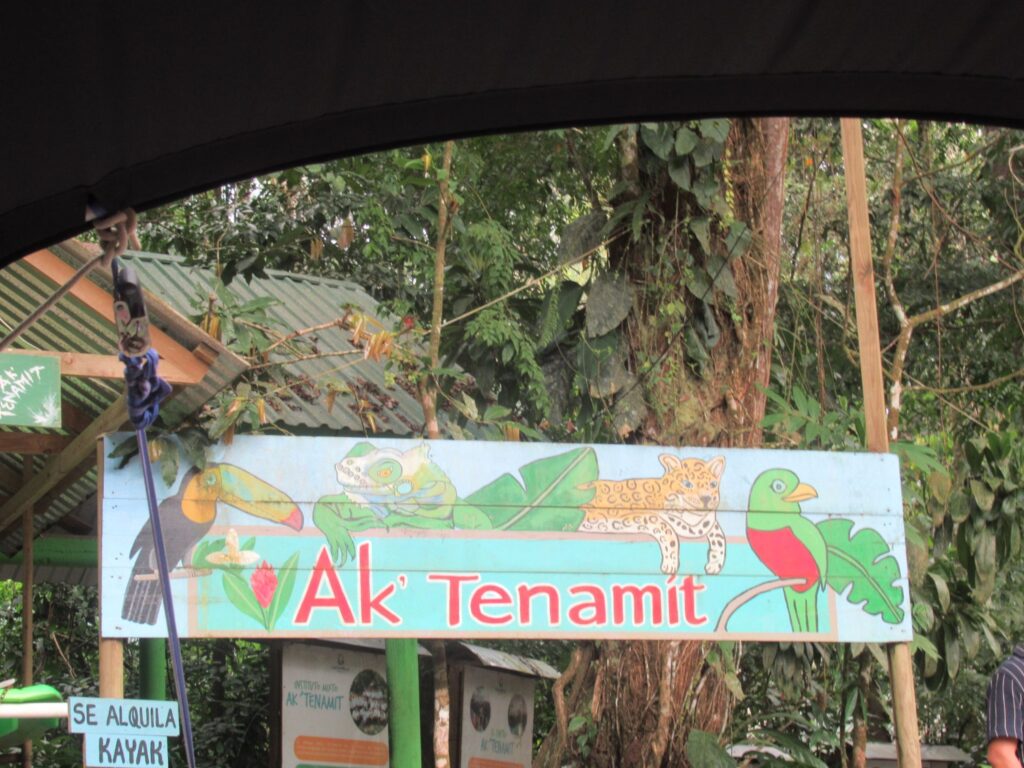
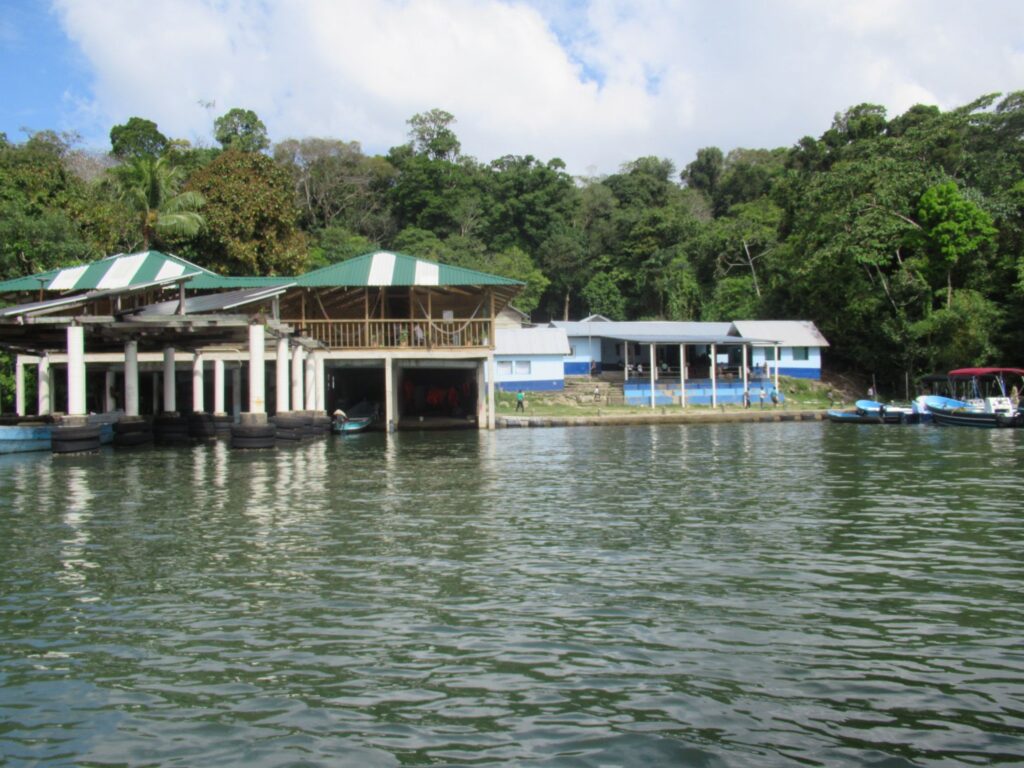
We then went to visit Ak’Tenamit school set in the midst of  the rainforest.  It houses almost 600 boarding pupils from poor backgrounds. It was an amazing place in which to learn academic and practical skills.

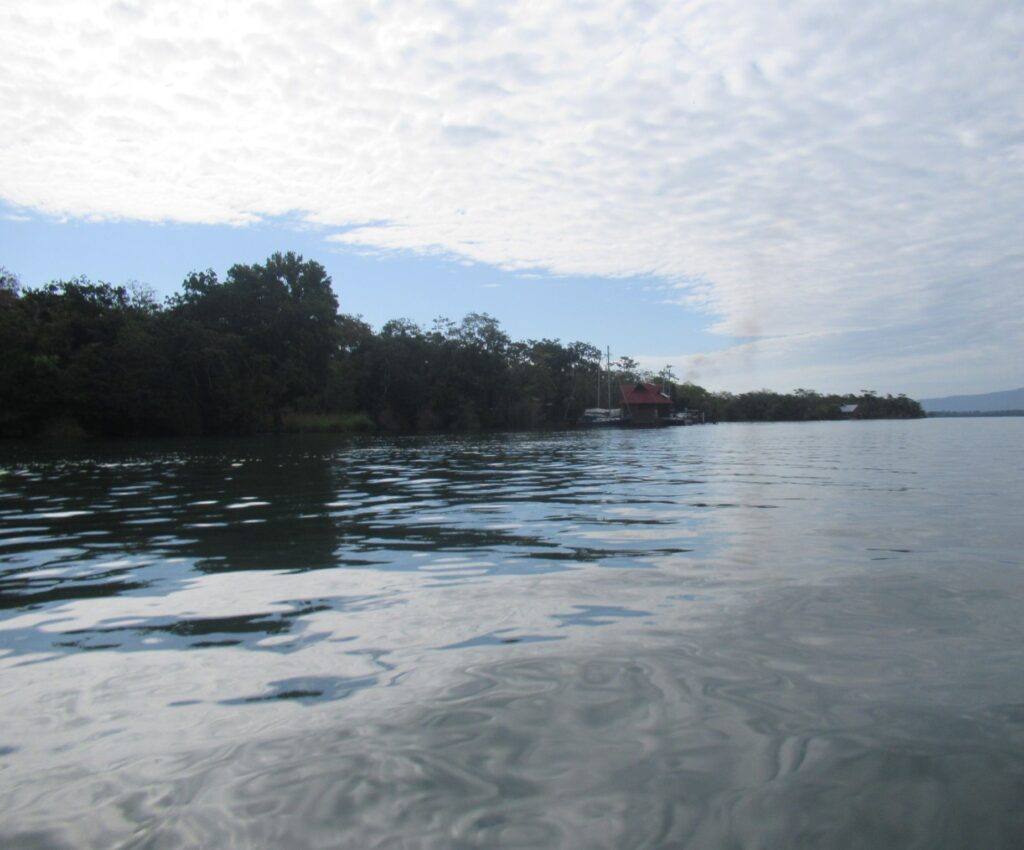
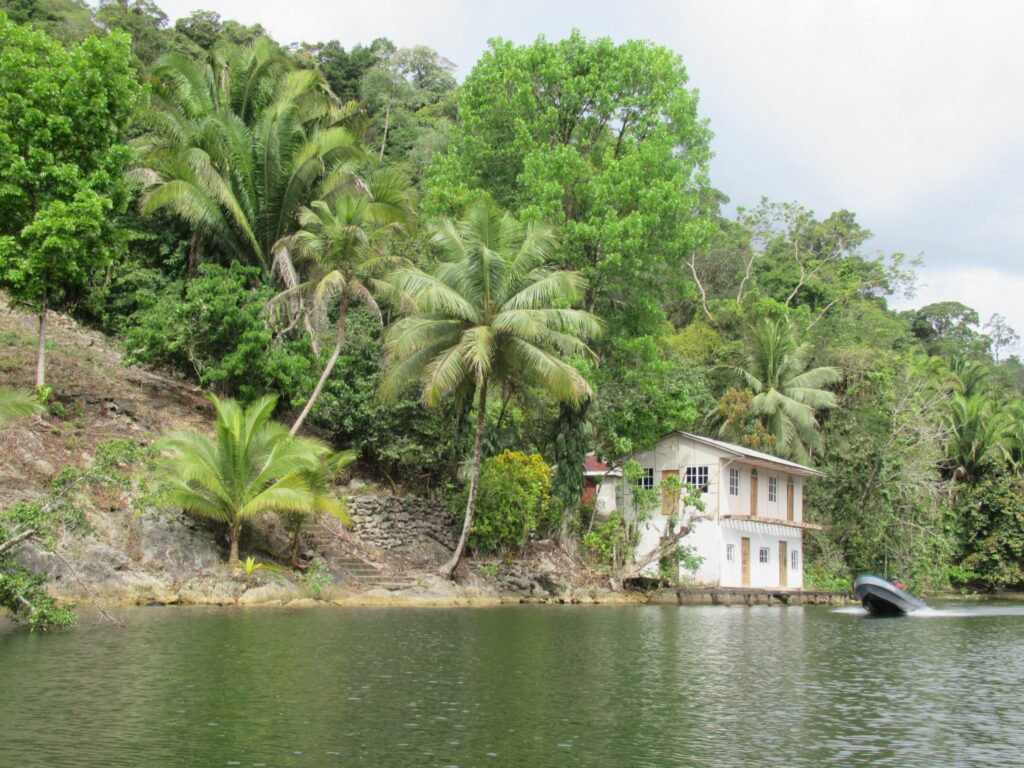
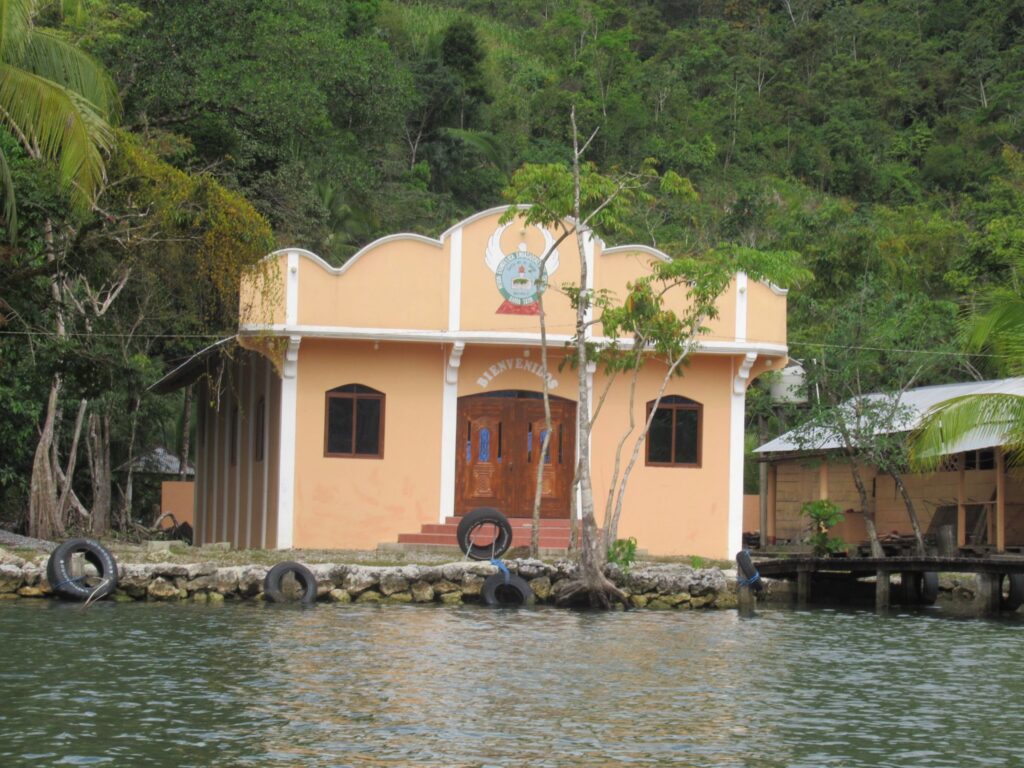
Some pictures around the lake

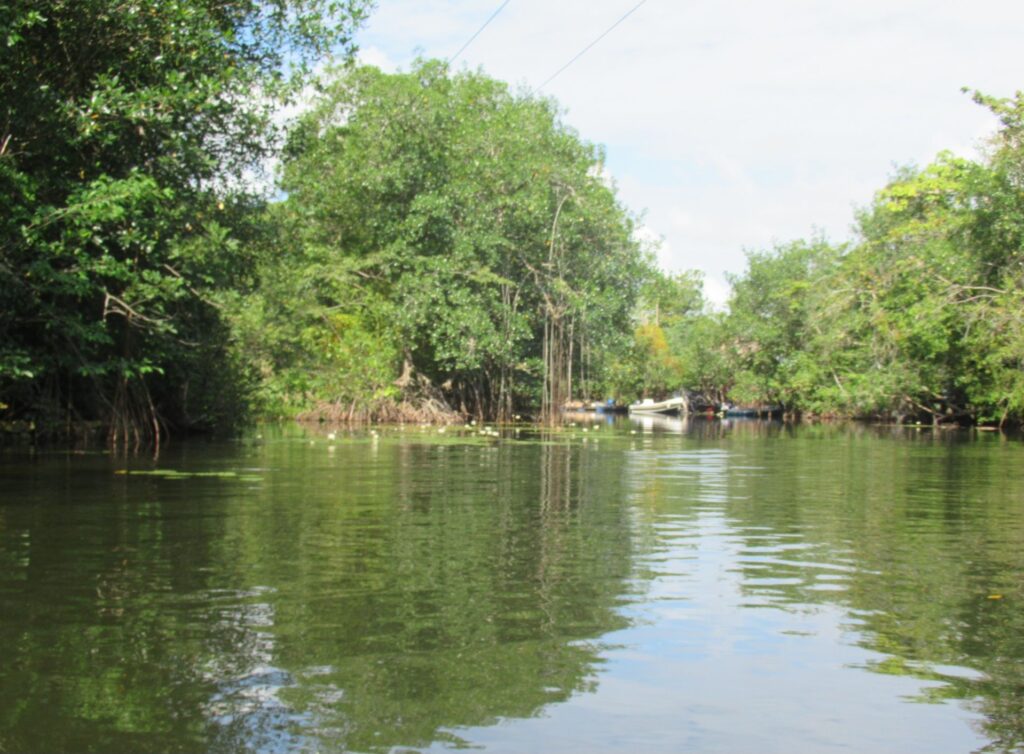
The mangroves

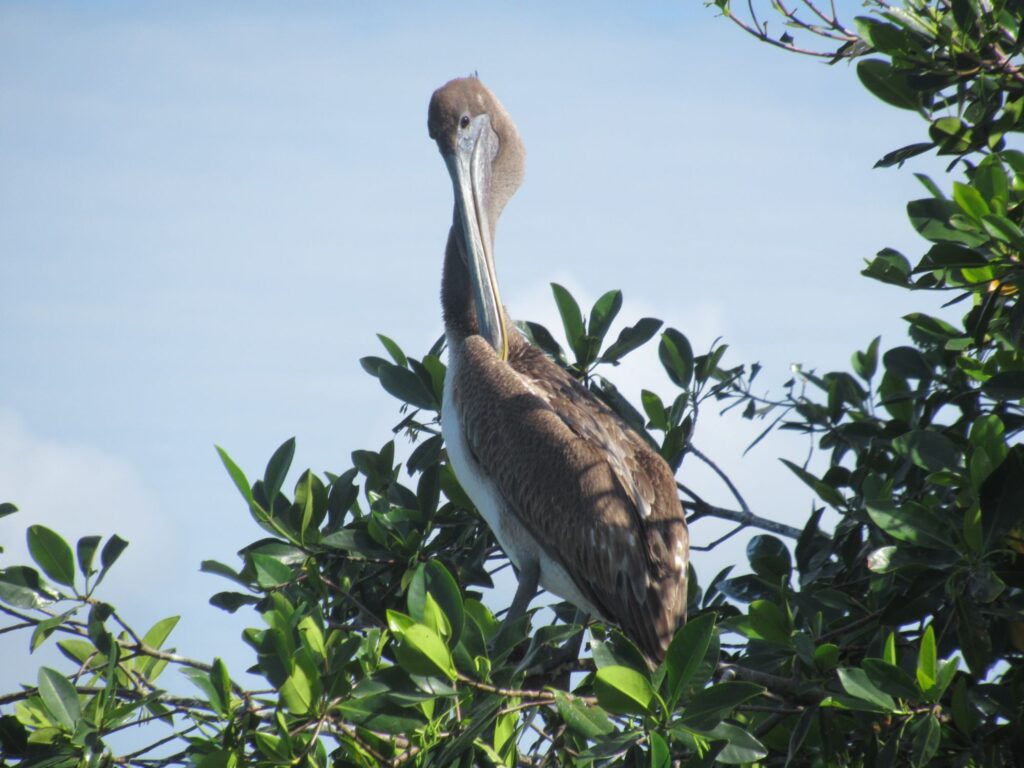
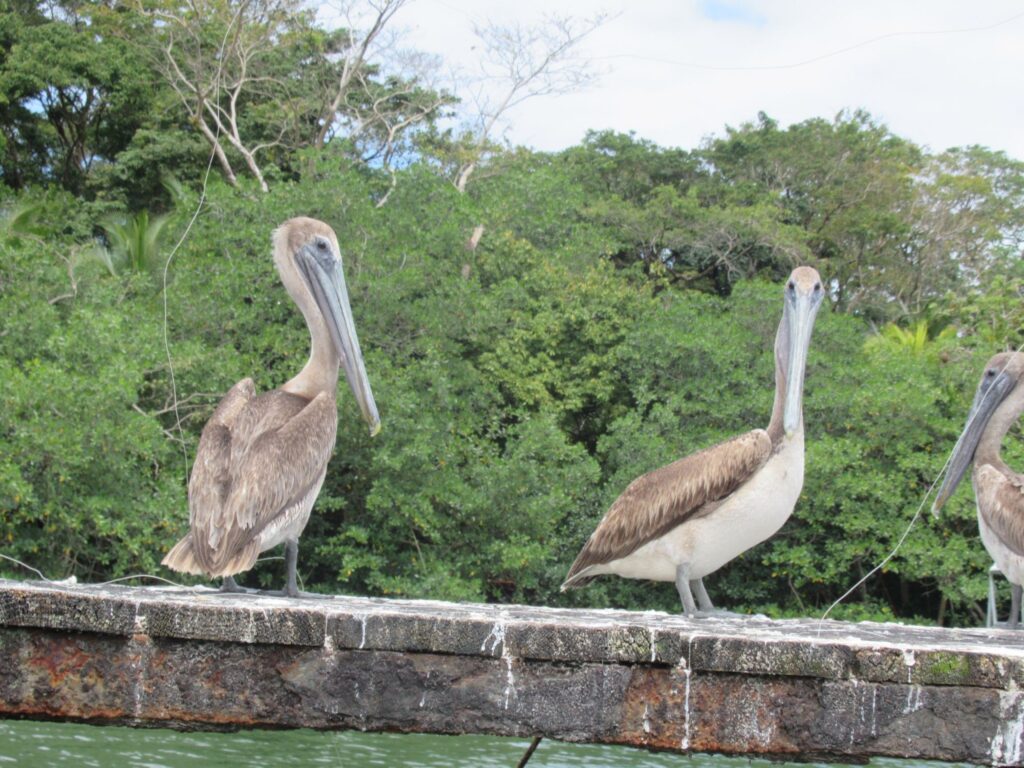
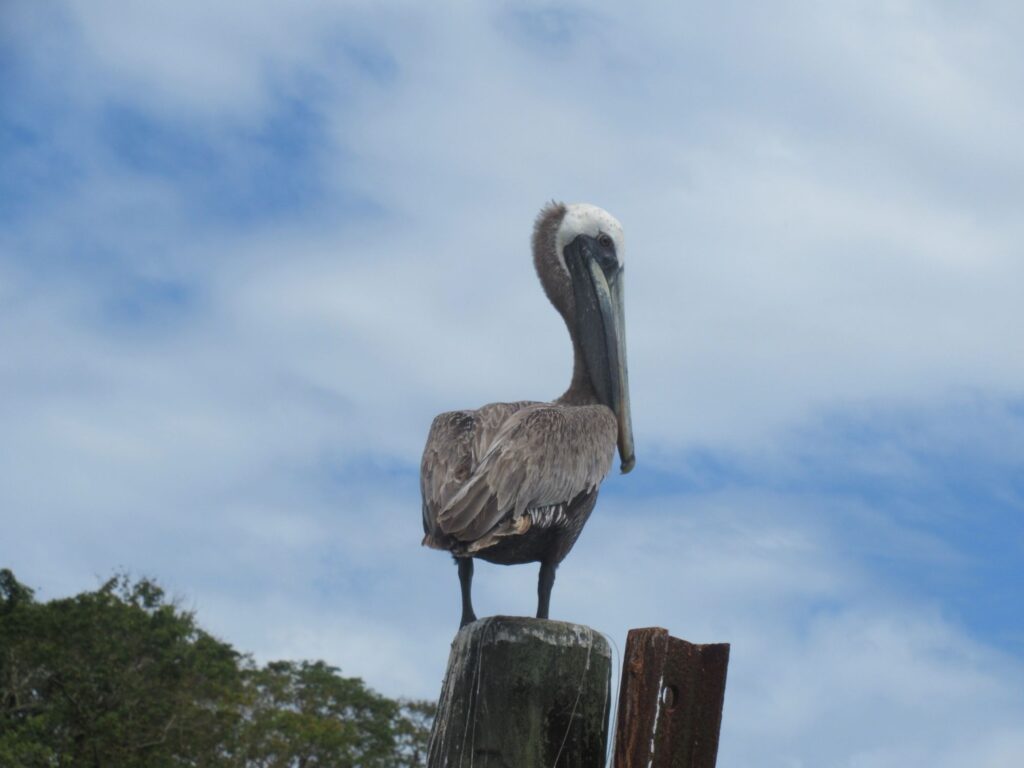
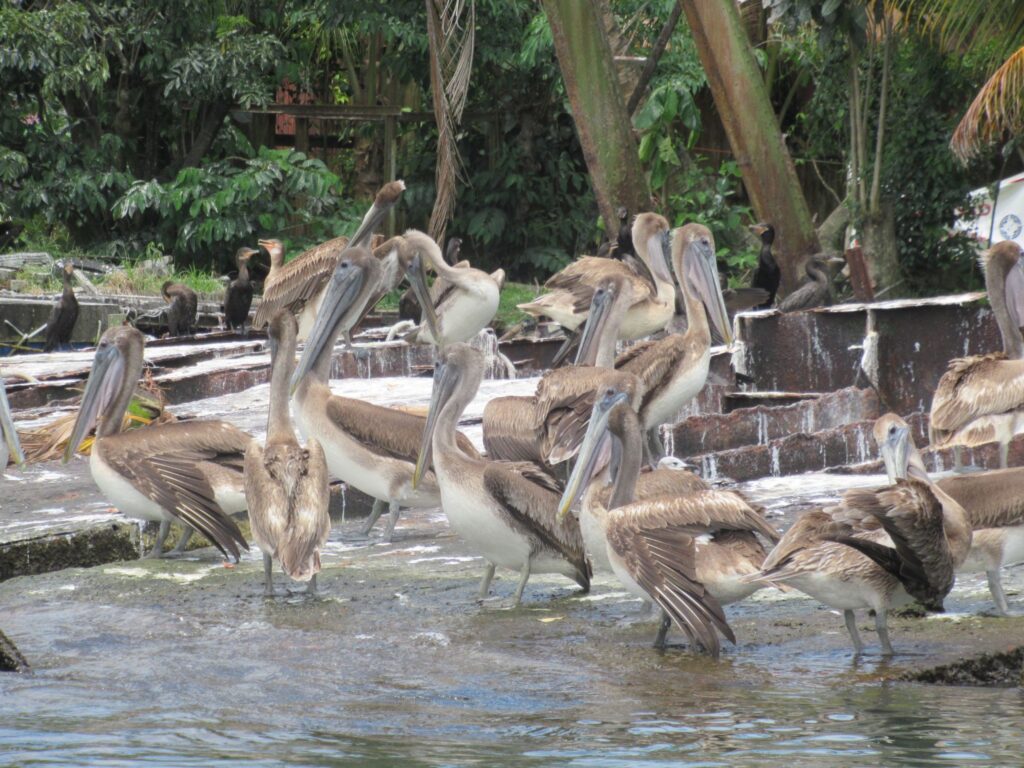
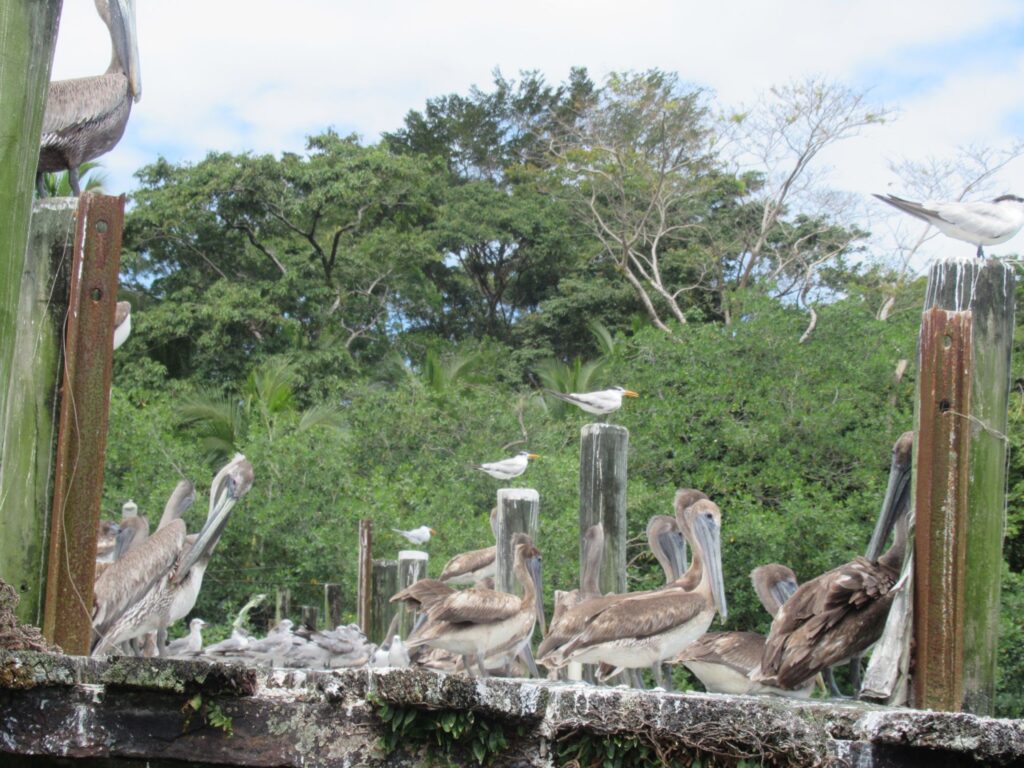
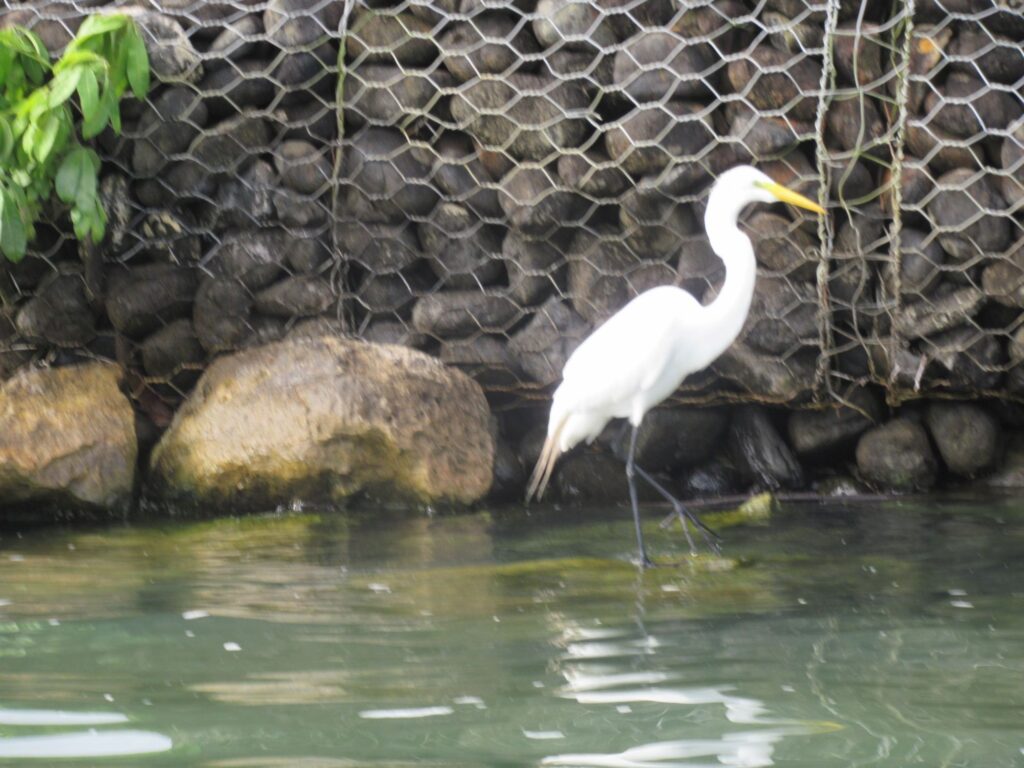
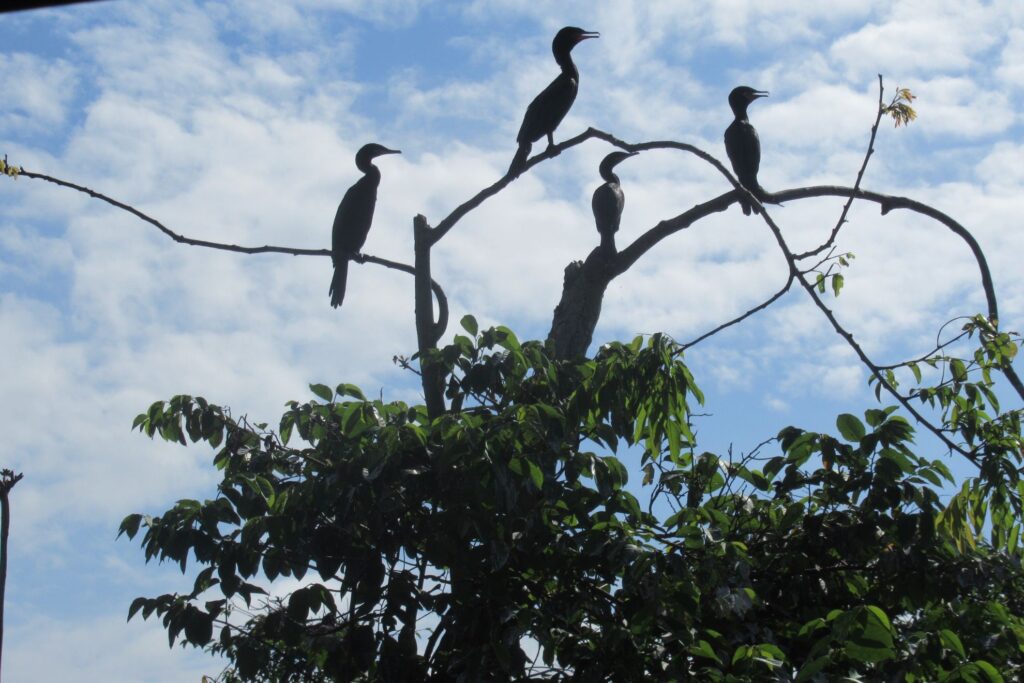
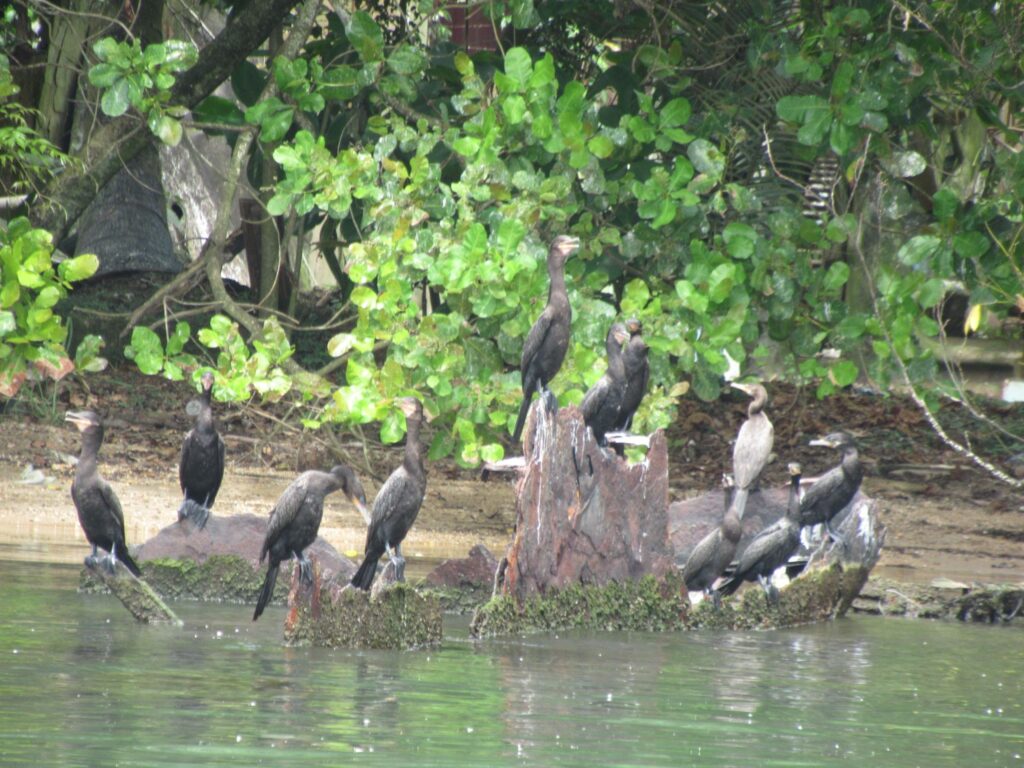
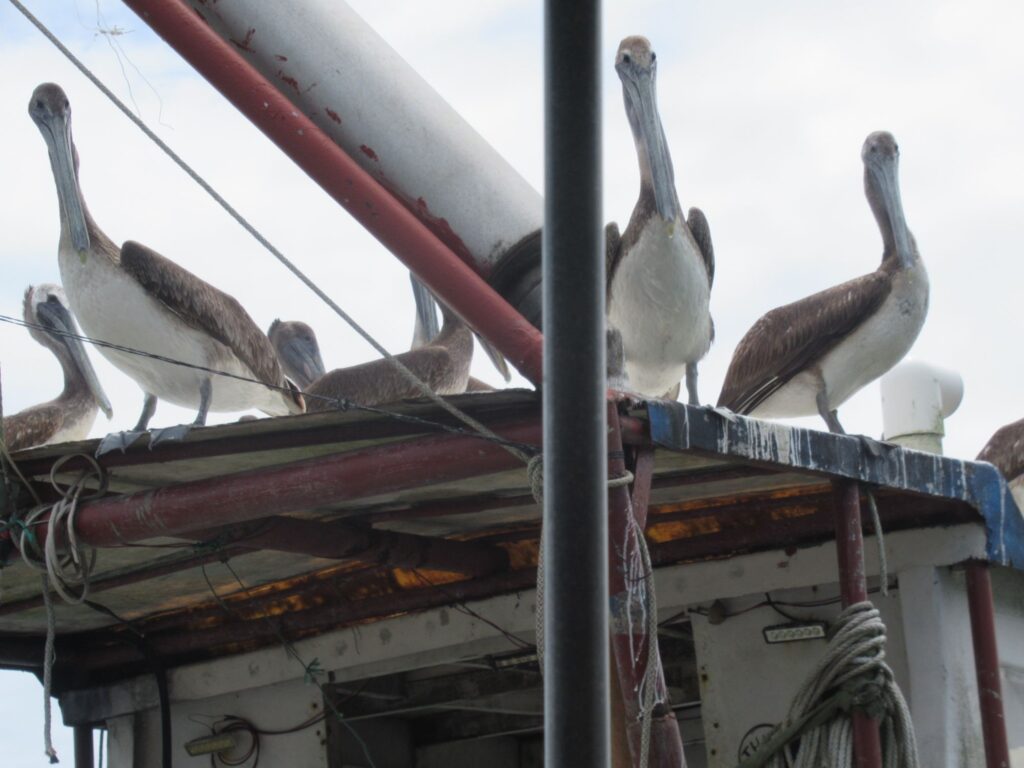
Lots of birds especially herons,  cormorants and pelicans

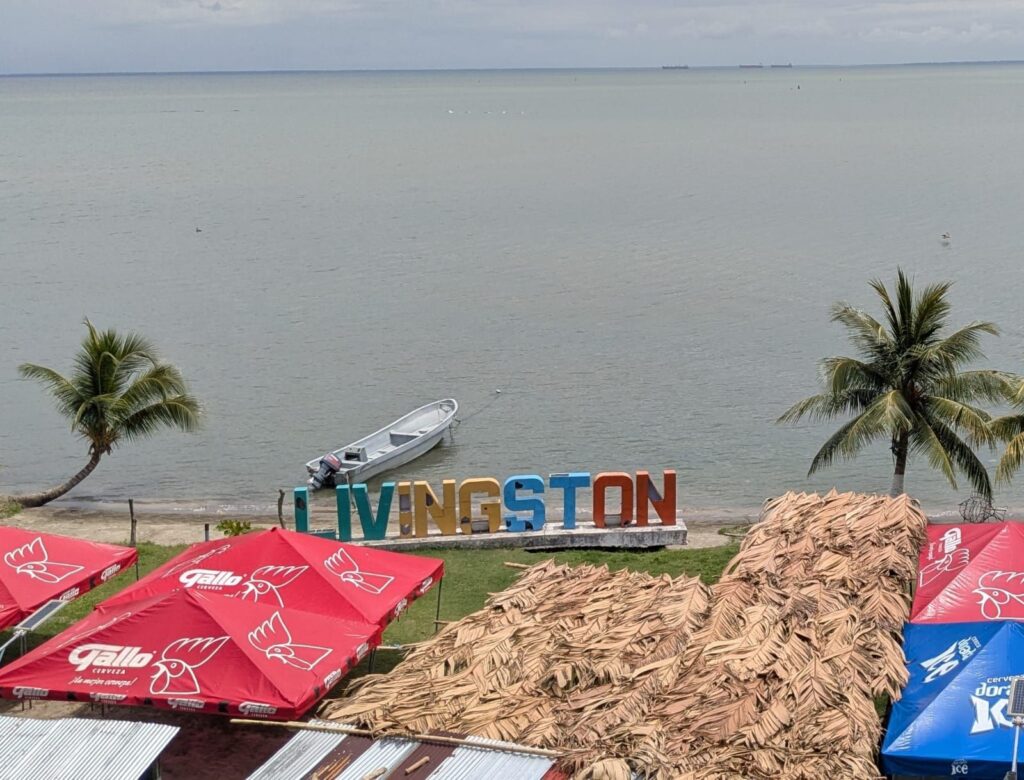
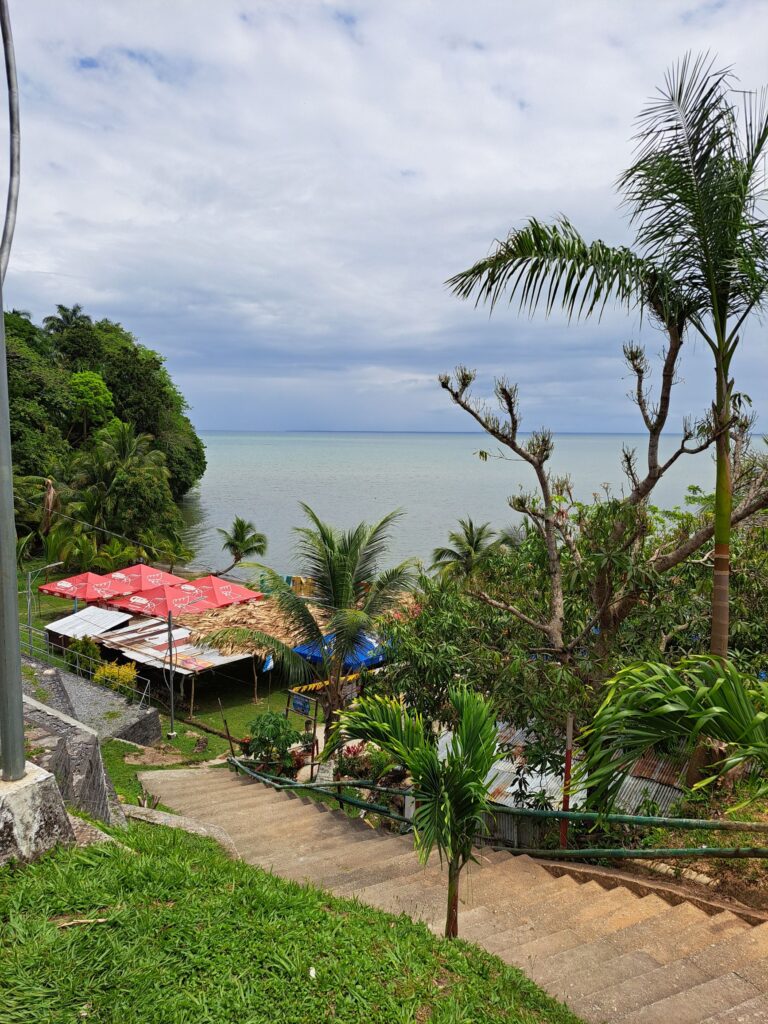
We continued onto the Garifuna town of Livingston with a much more Jamaican type vibe. It lies where the Rio Dulce meets the Bahia de Amatique. The Garifuna are a unique race with a language, culture and cuisine all of their own.

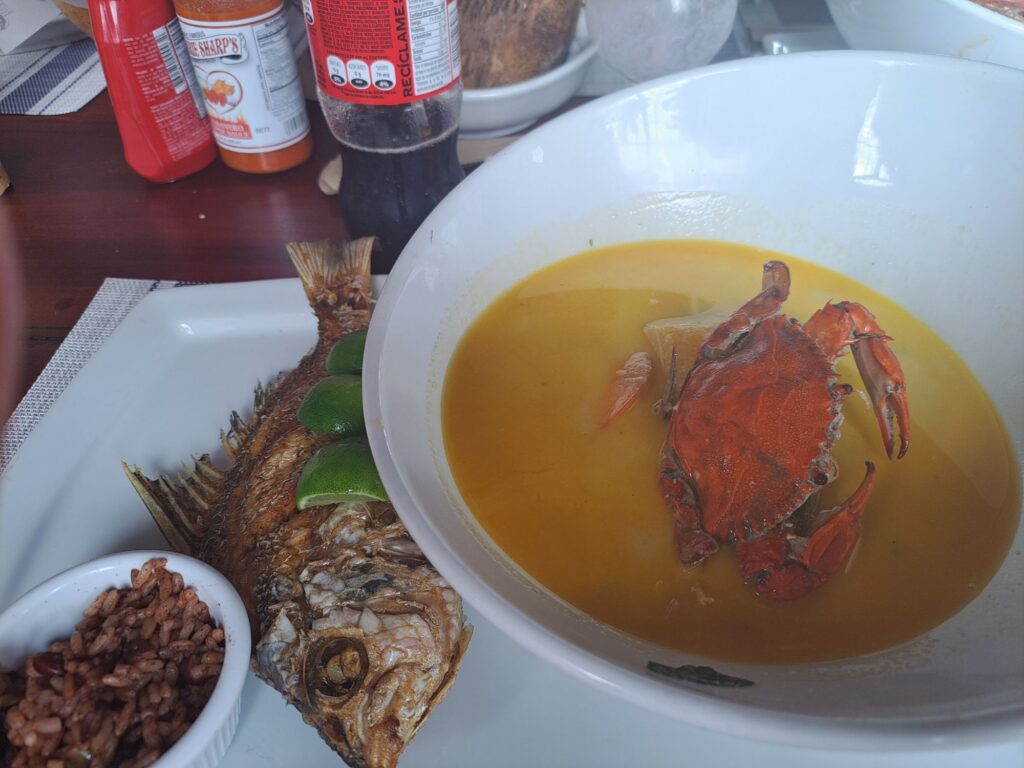
Had lunch in a local restaurant of crab and coconut broth with prawns and a side of red snapper.

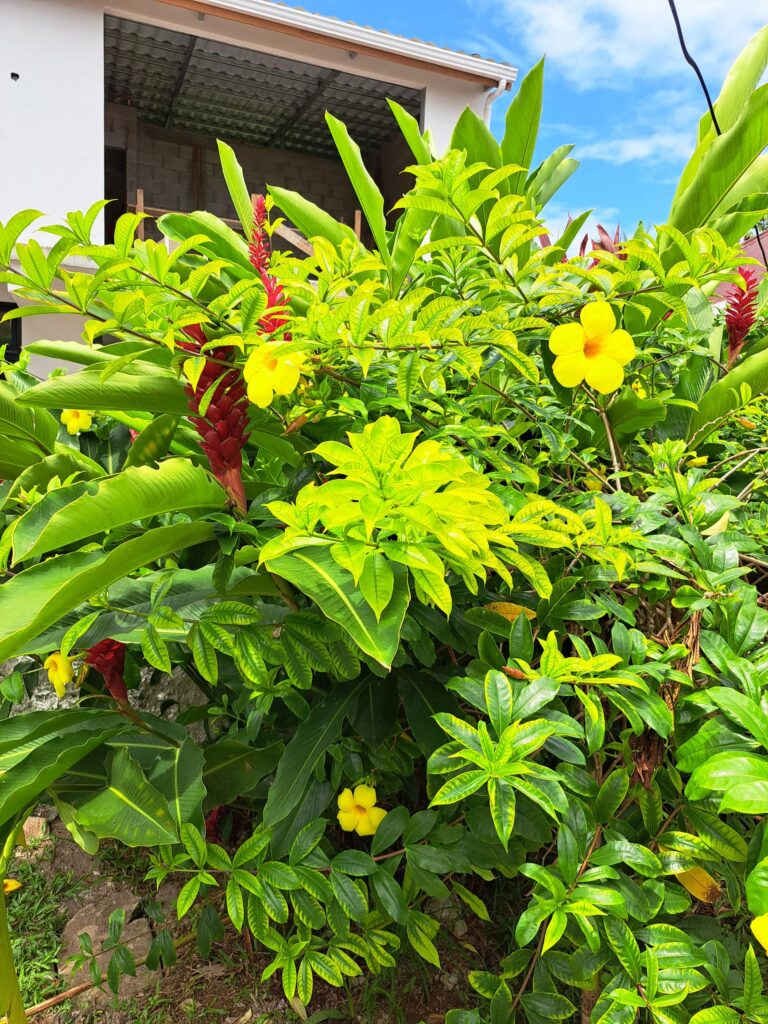
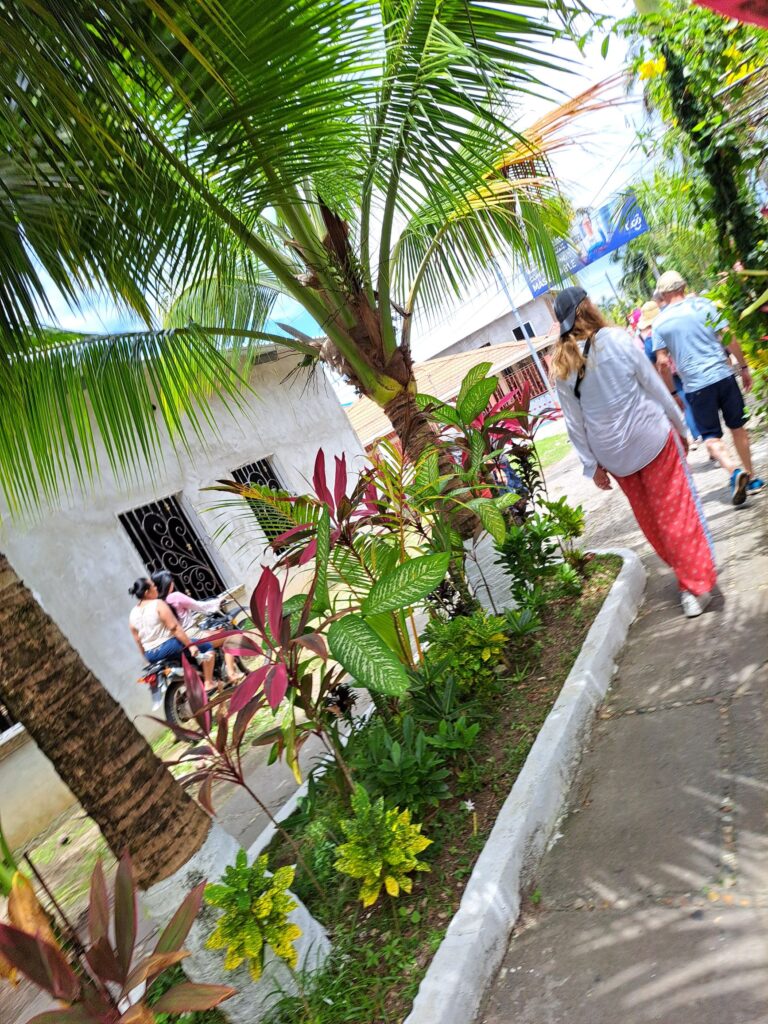
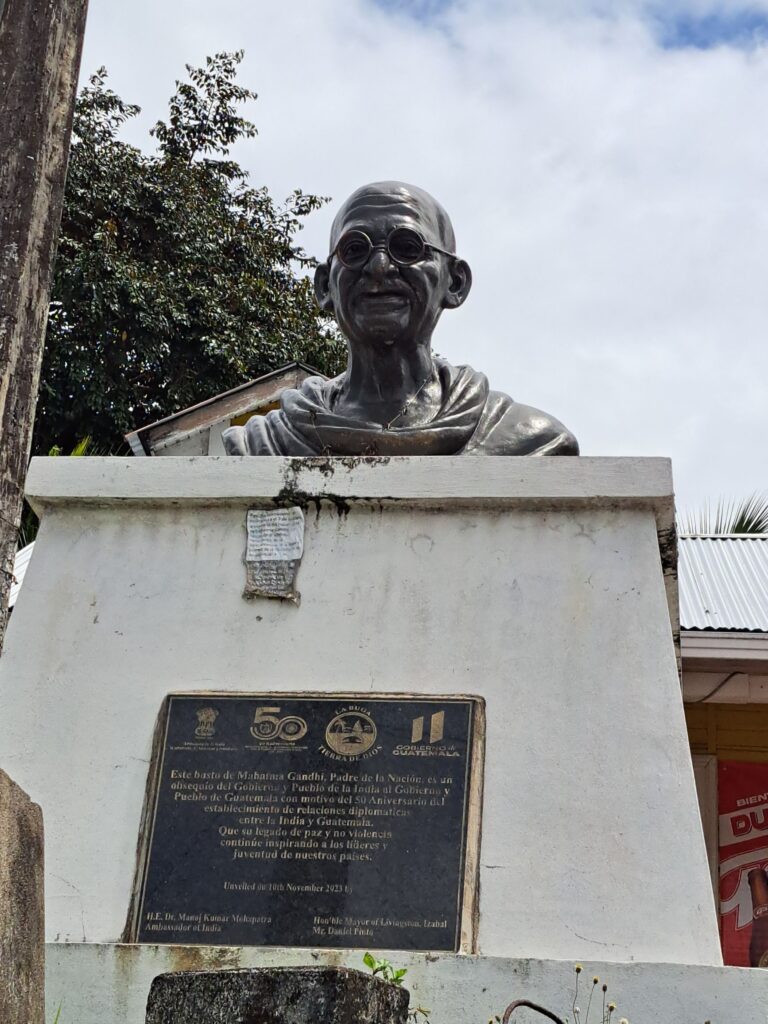
Around Livingston

Some of the animals on the lake

We then drove onto Flores just as the sun was setting and our hotel which is set amidst the rainforest on the shores of Petenchel Lagoon

The hotel

Copan to Livingston, Guatamala

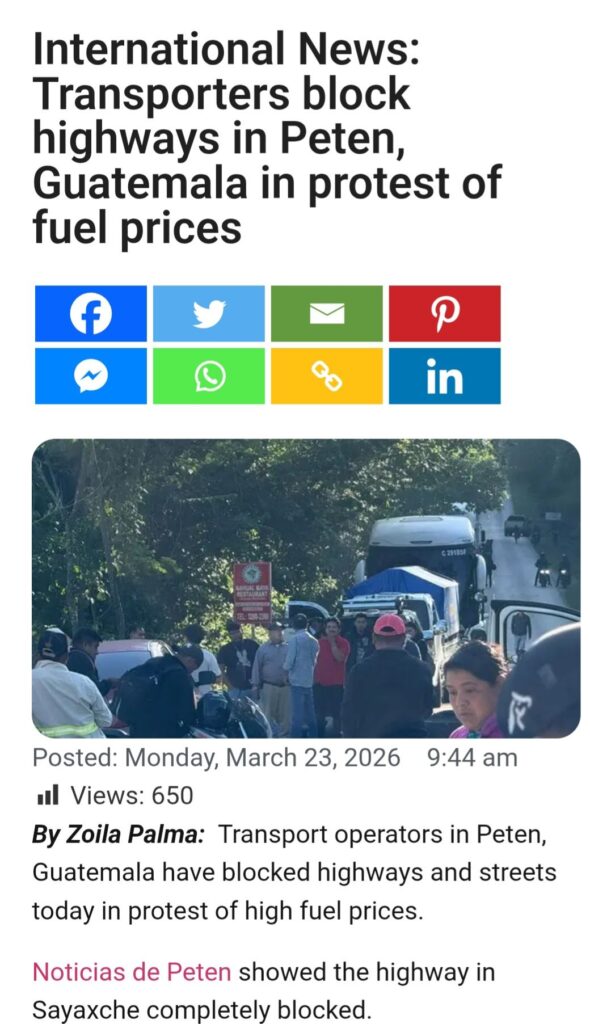
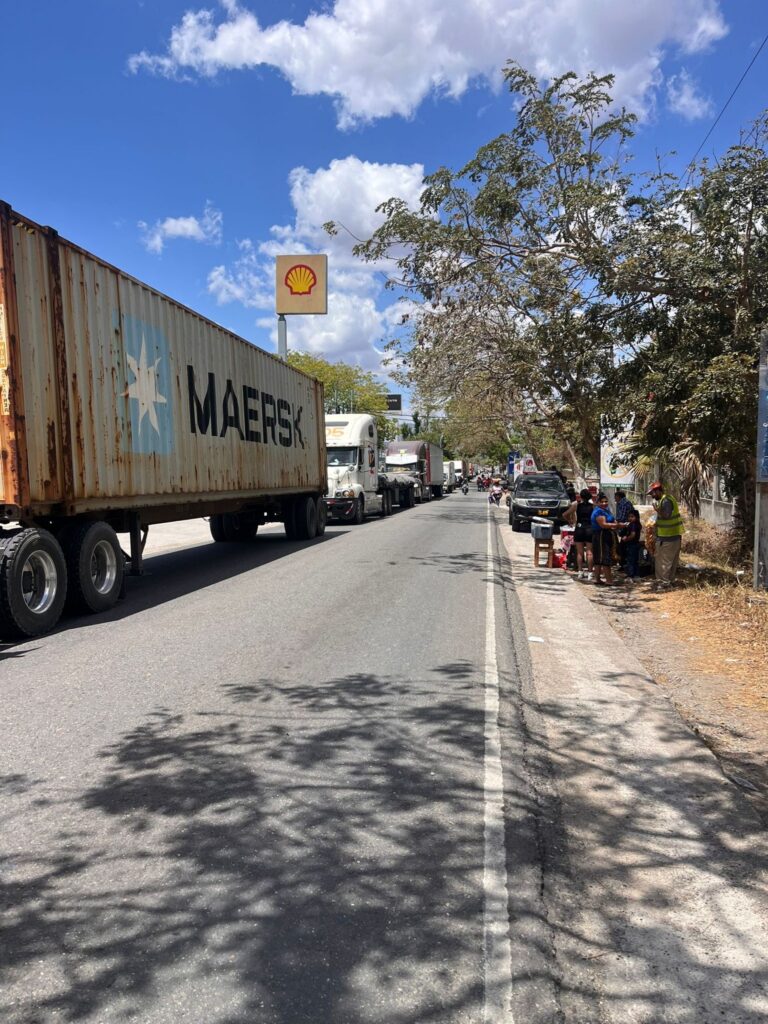
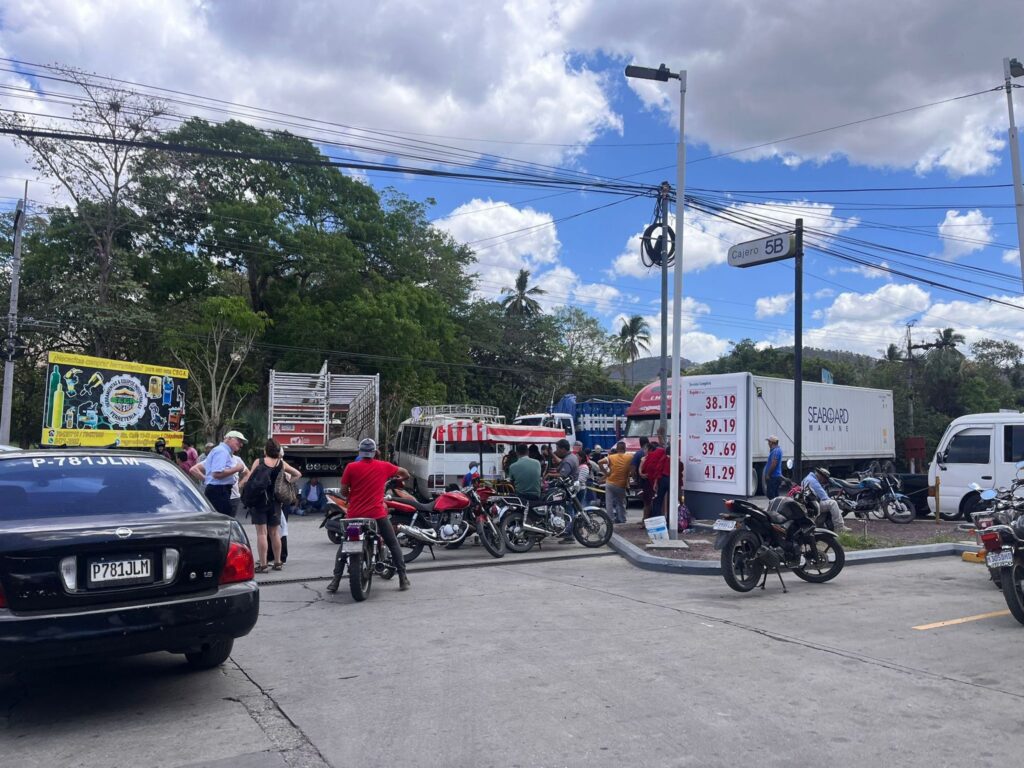
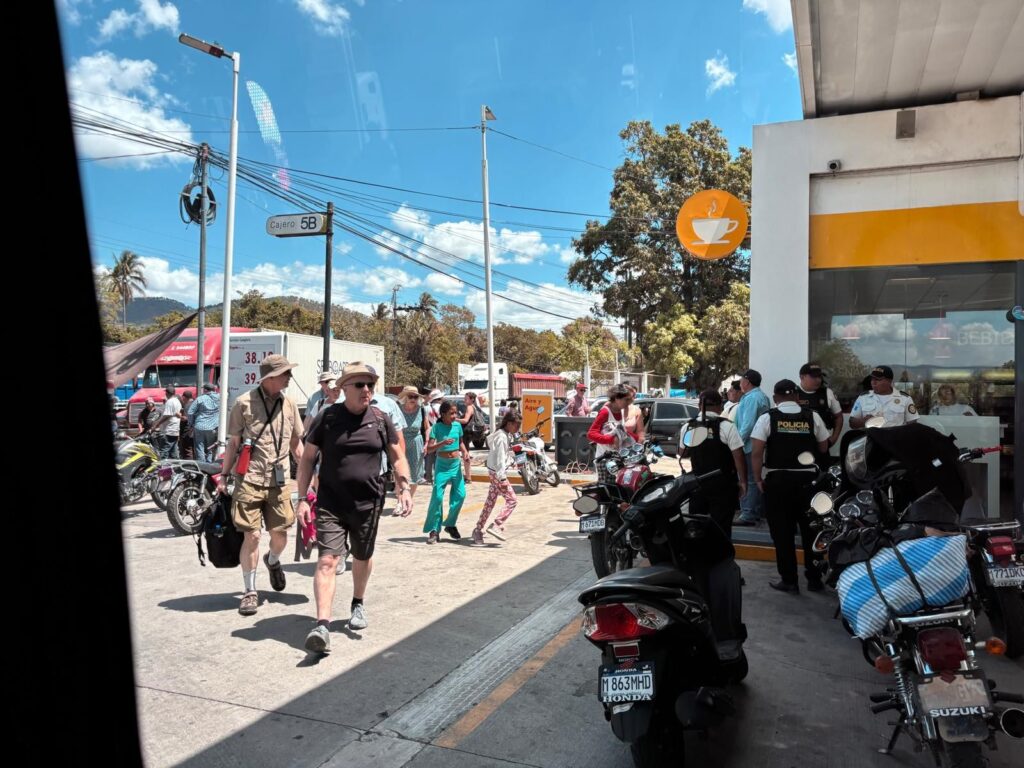
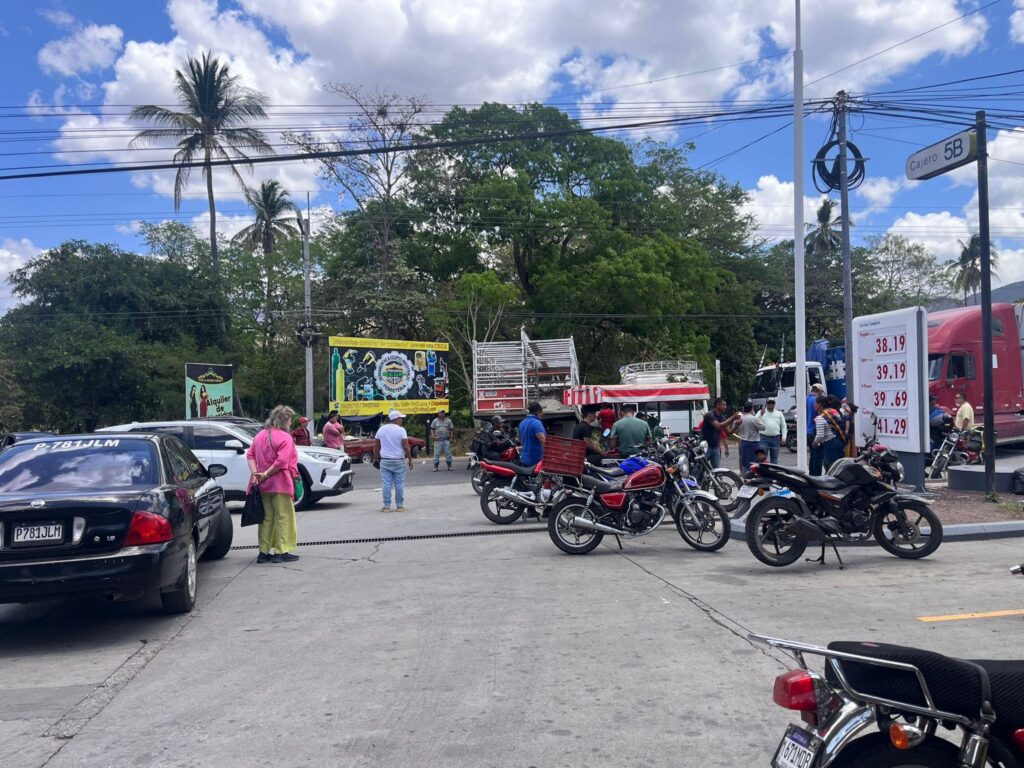
We left Copan early for a full day on the road.  Sadly we didn’t get too far because of road blockages. The lorry drivers are protesting about the high cost of petrol.

After an hour or so we have left our coach in the queue and taken a little shuttle bus to a hotel on the other side!

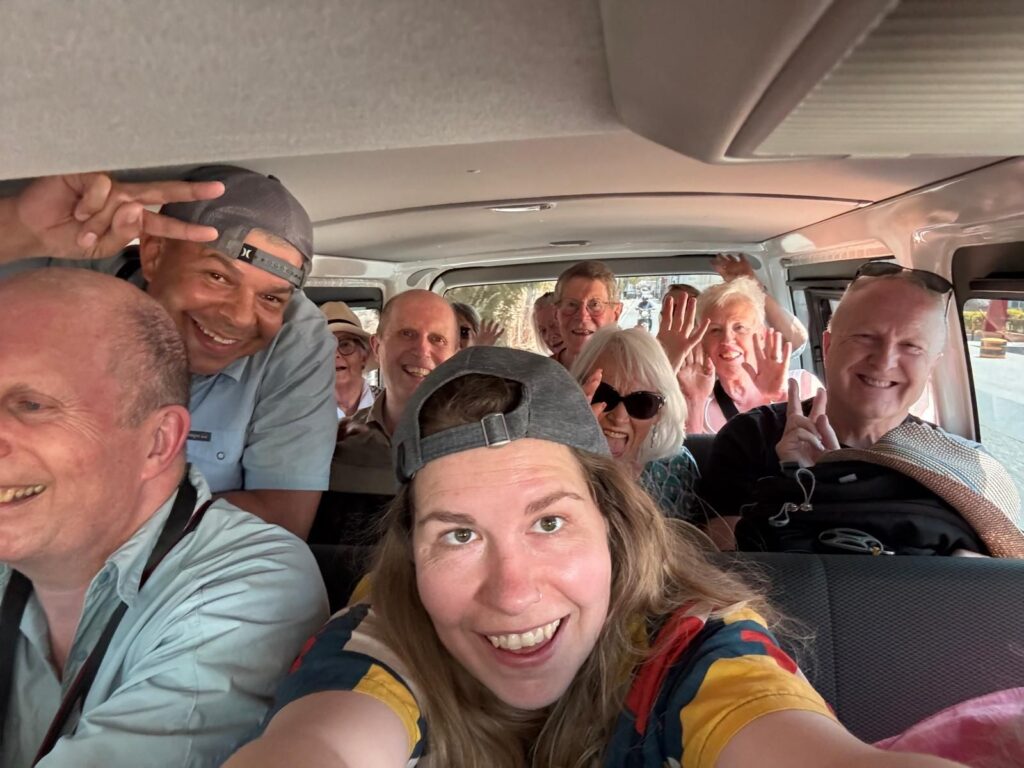
The bus was very snug

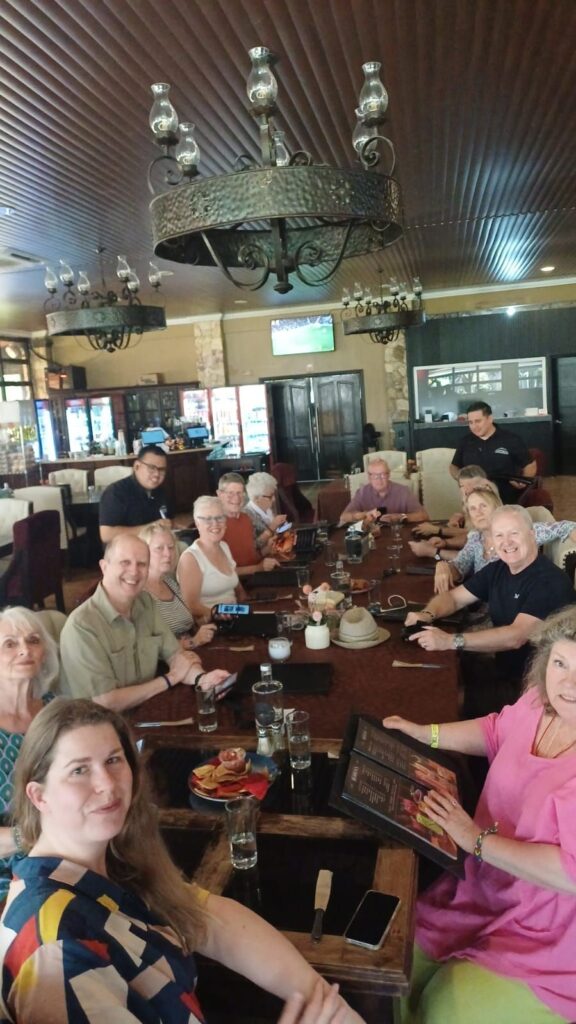
At least having a civilised lunch

Copan, Honduras

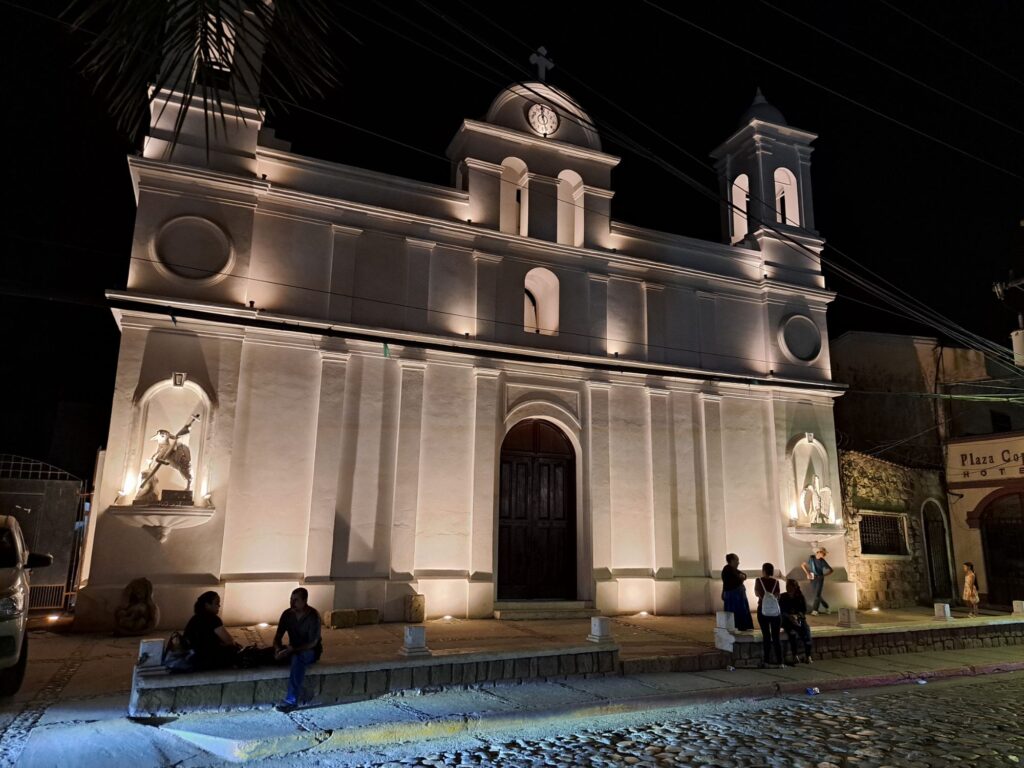
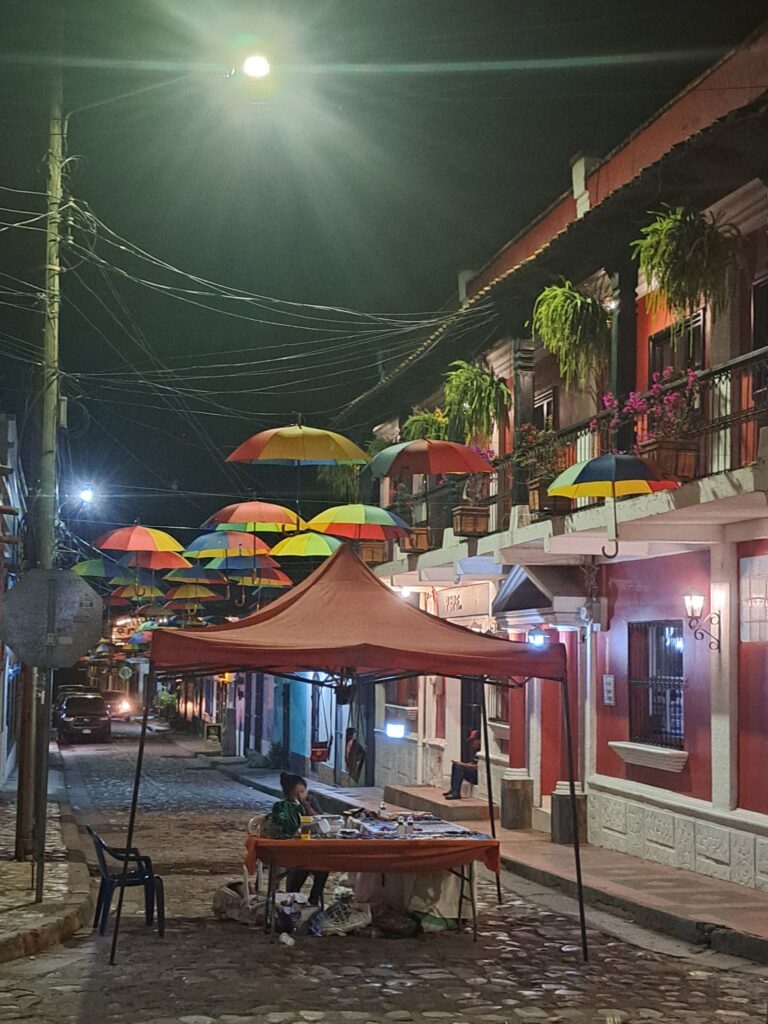
Near the Guatamalan border is the city of Copan. Cobblestone streets and a main square surrounded by shops, restaurants and museums. It is a very vibrant town with tuk tuks at every turn.

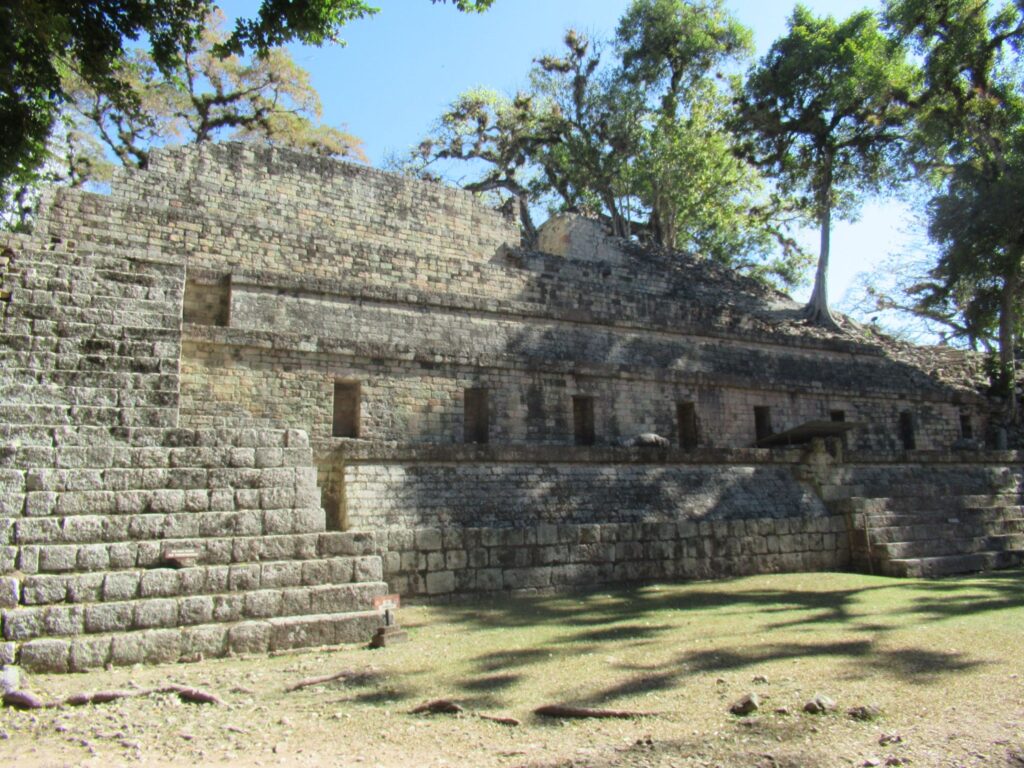
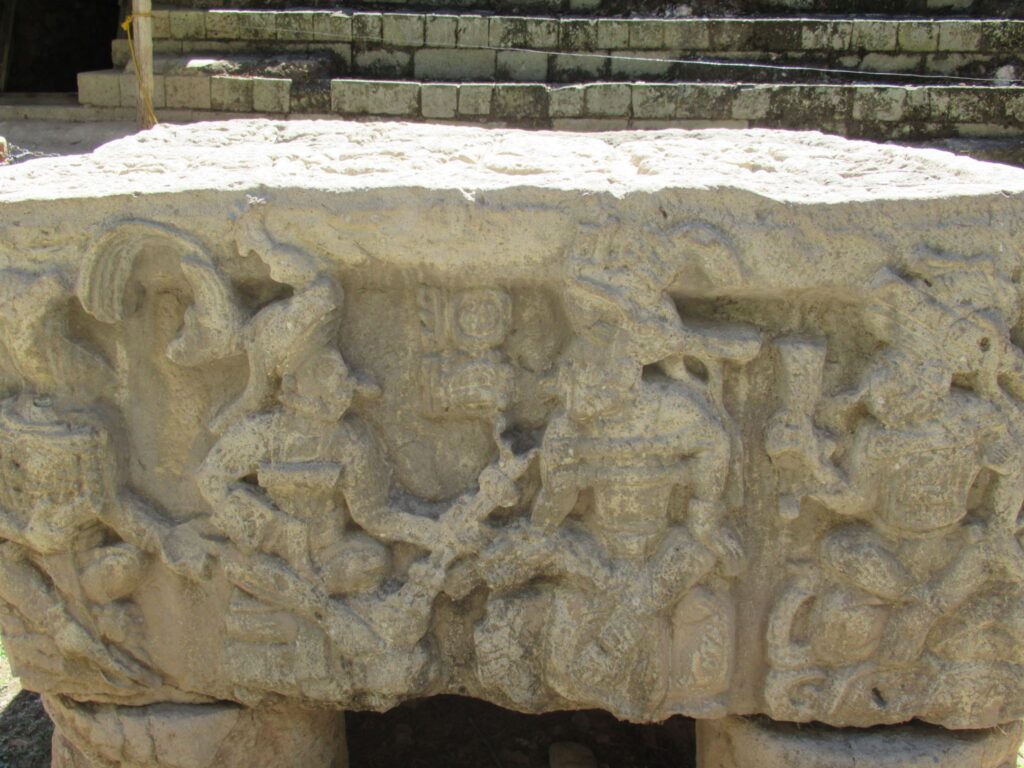
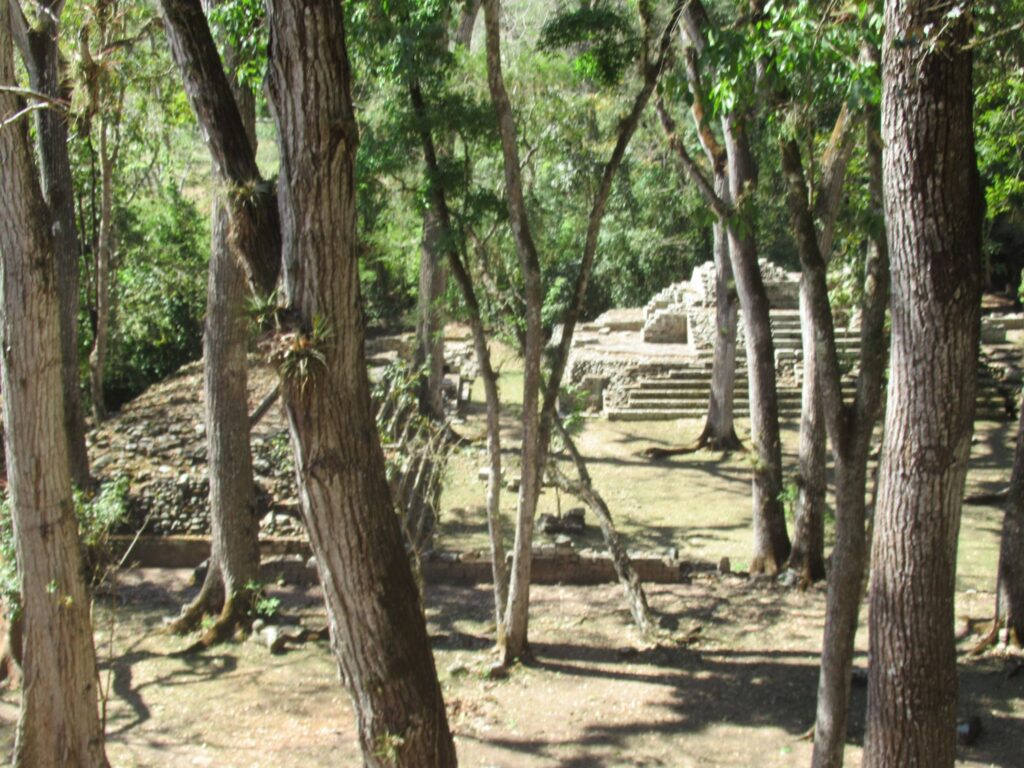
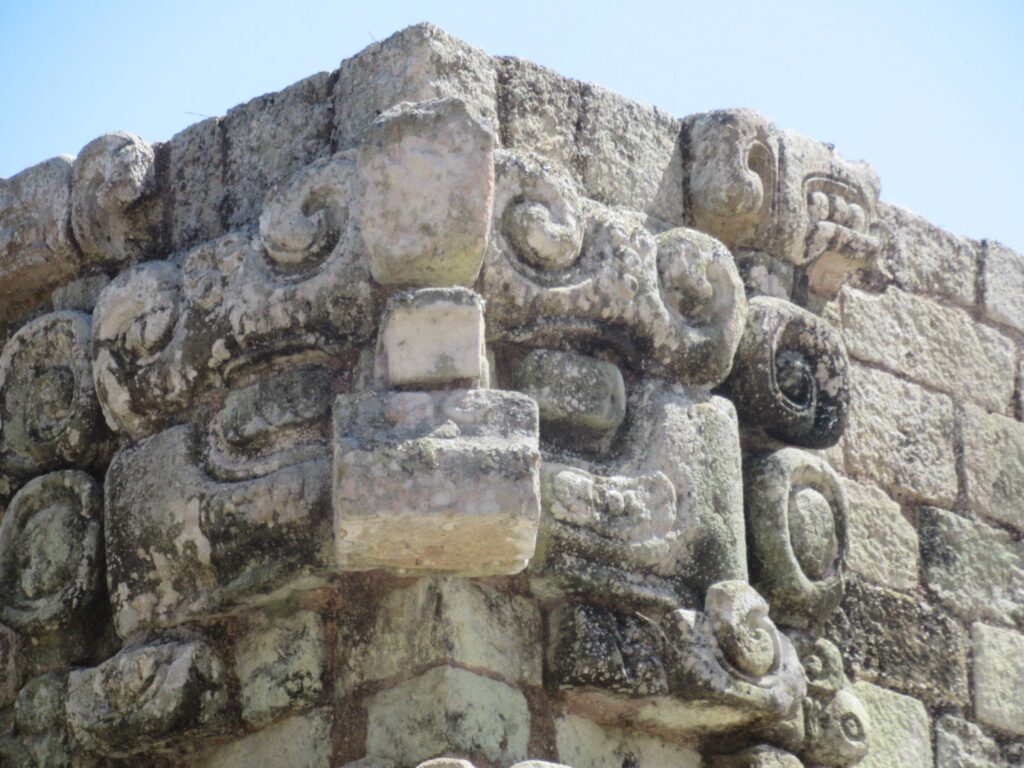
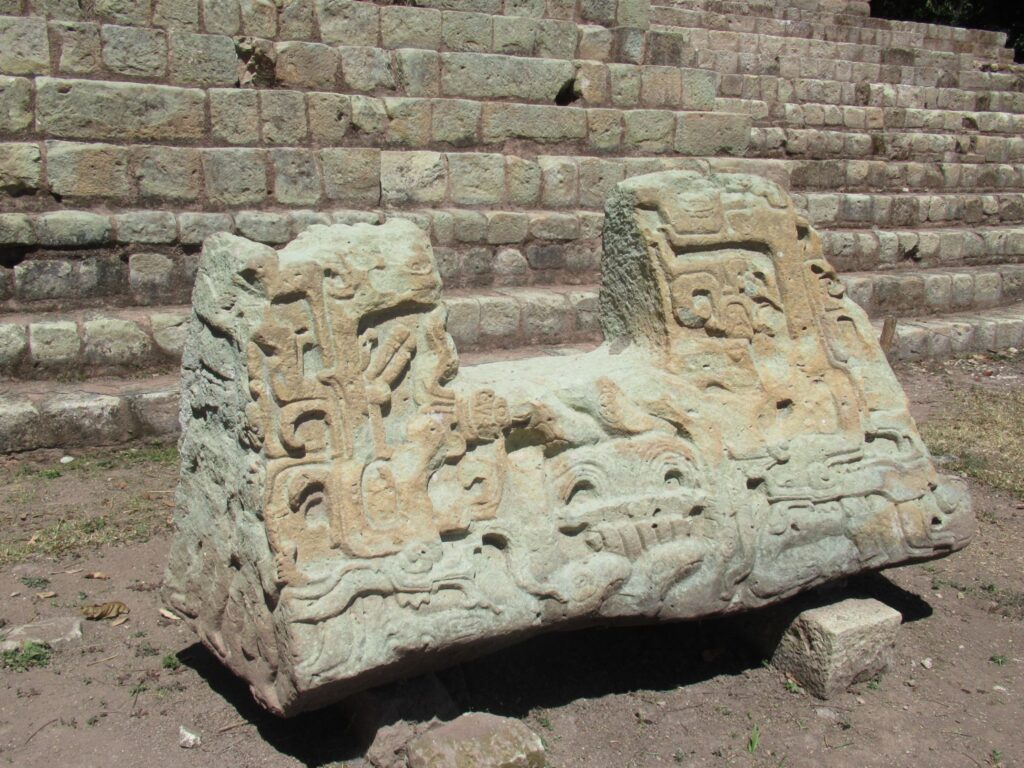
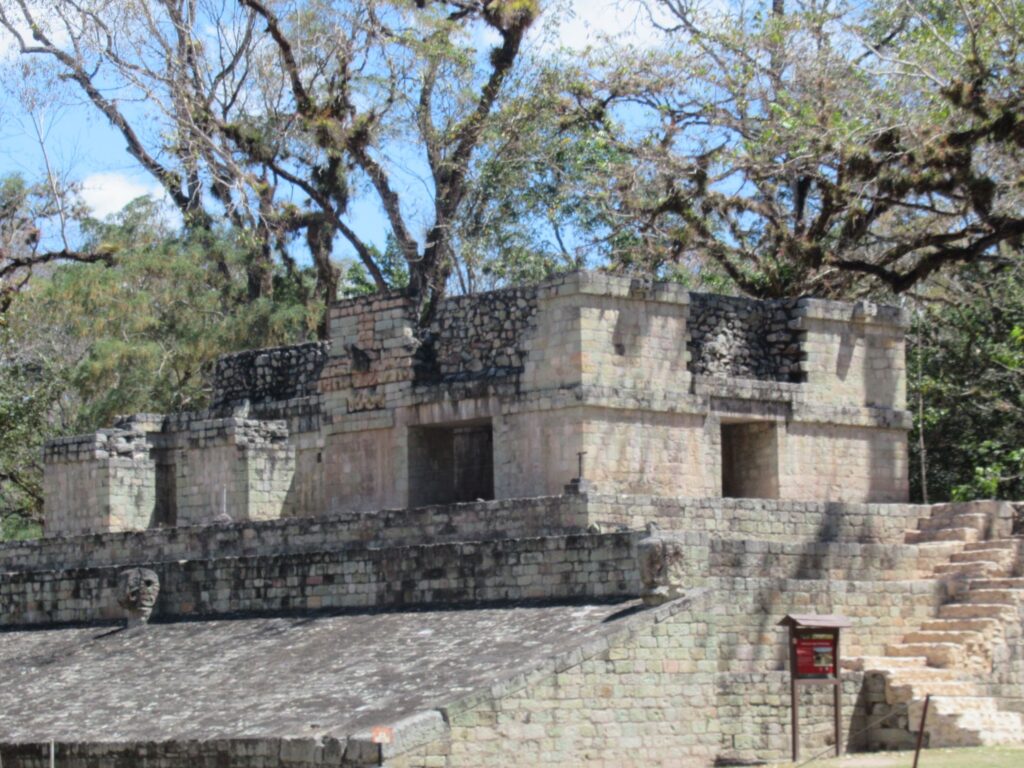
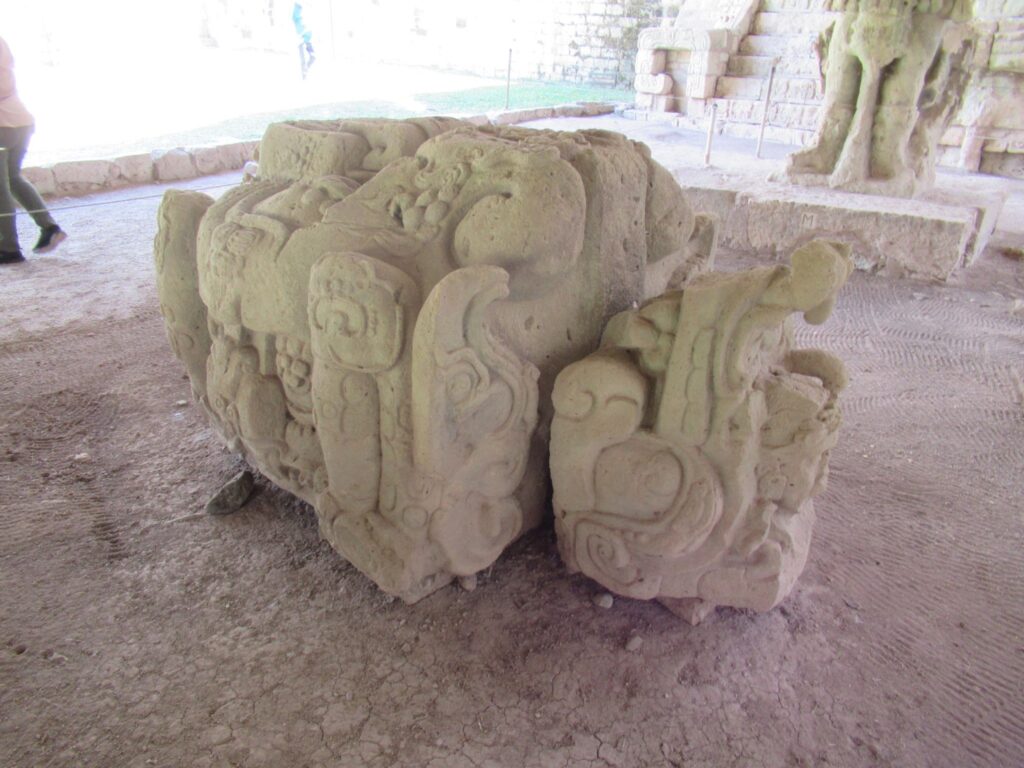
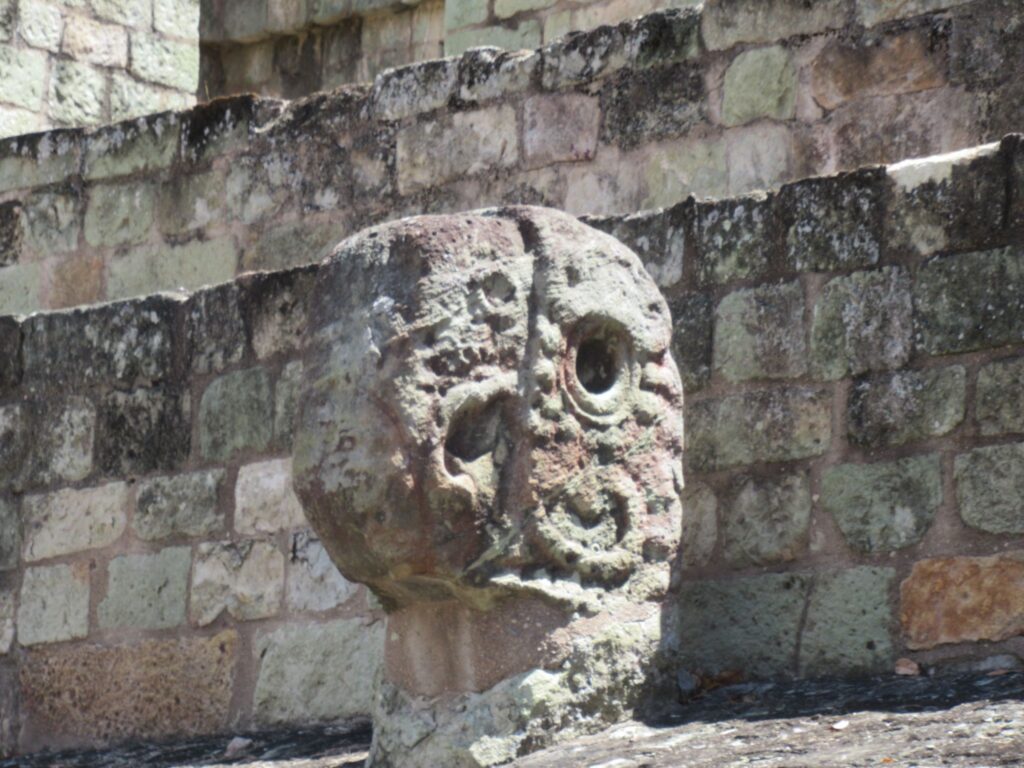
Near to the hotel is the Maya ceremonial city of Copan. The area around the ruins has been inhabited since at least 1400 BC.  There were 16 consecutive kings who saw the rise and fall of the city (none of whom had a pronounceable name).

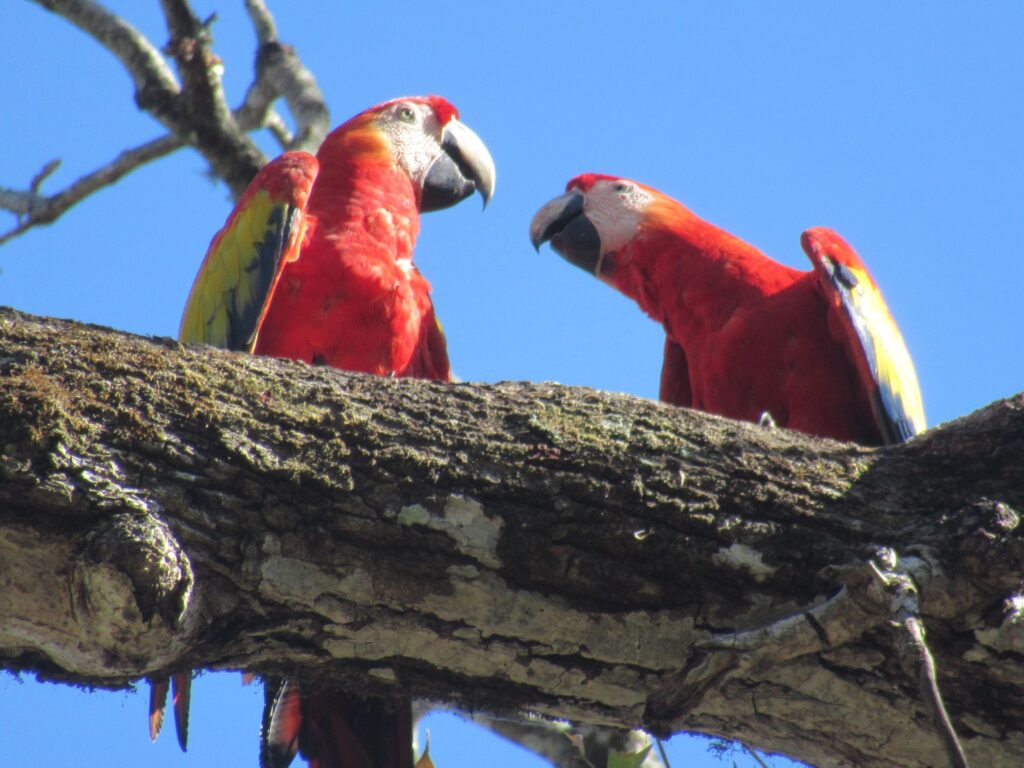
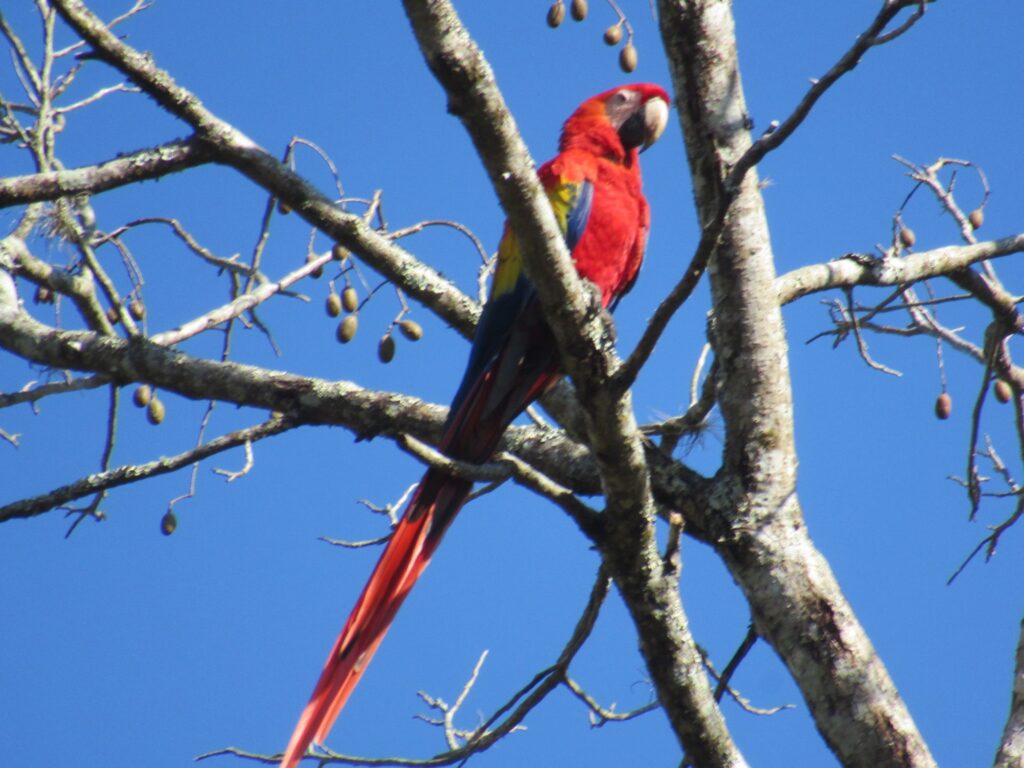
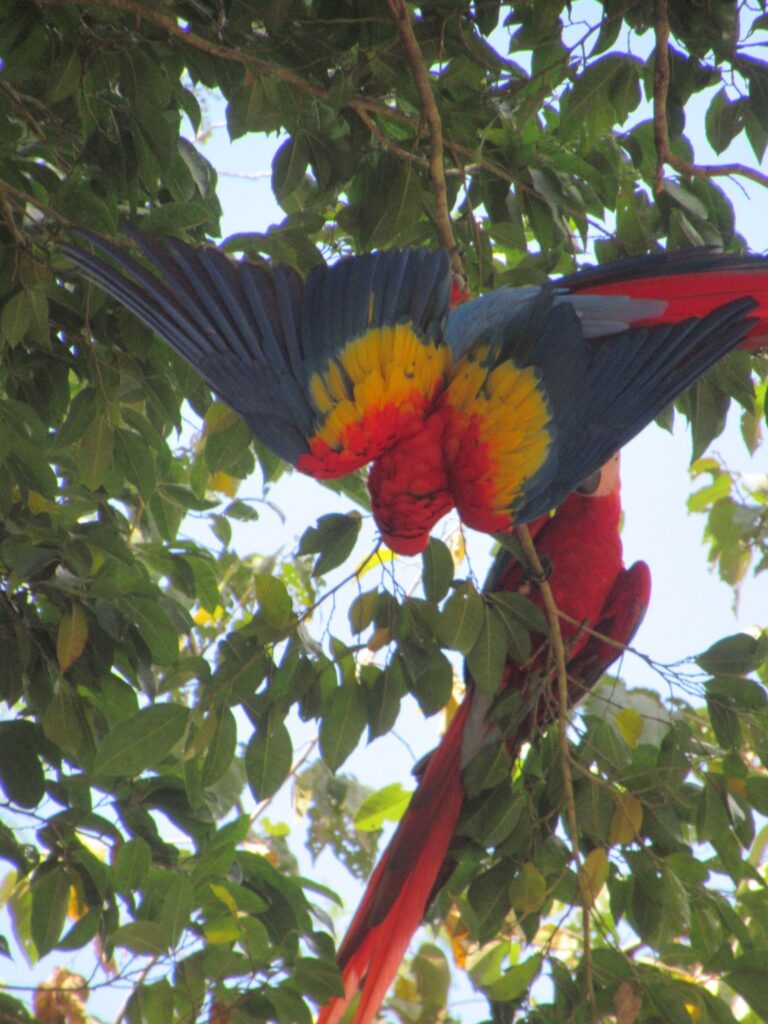
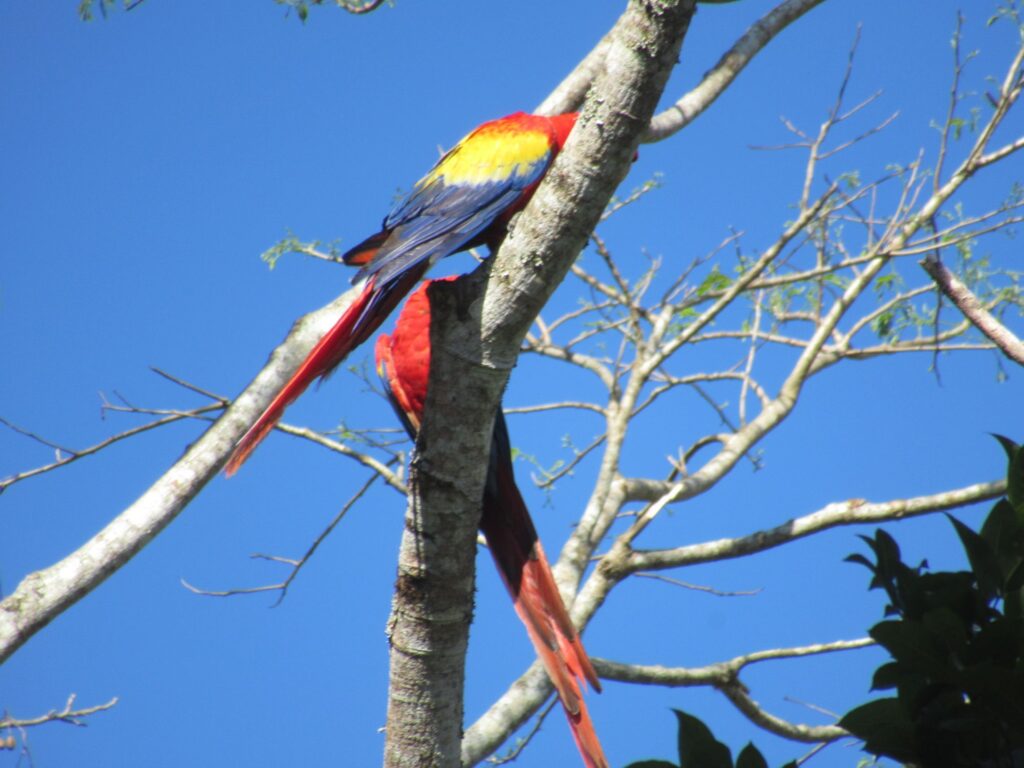
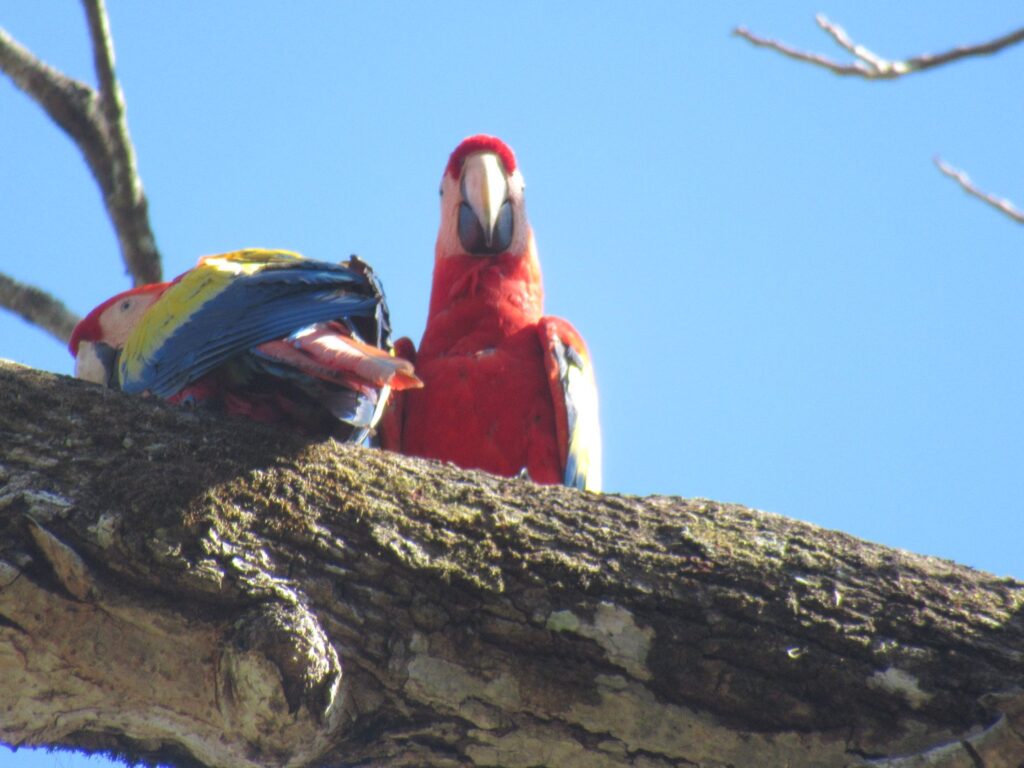
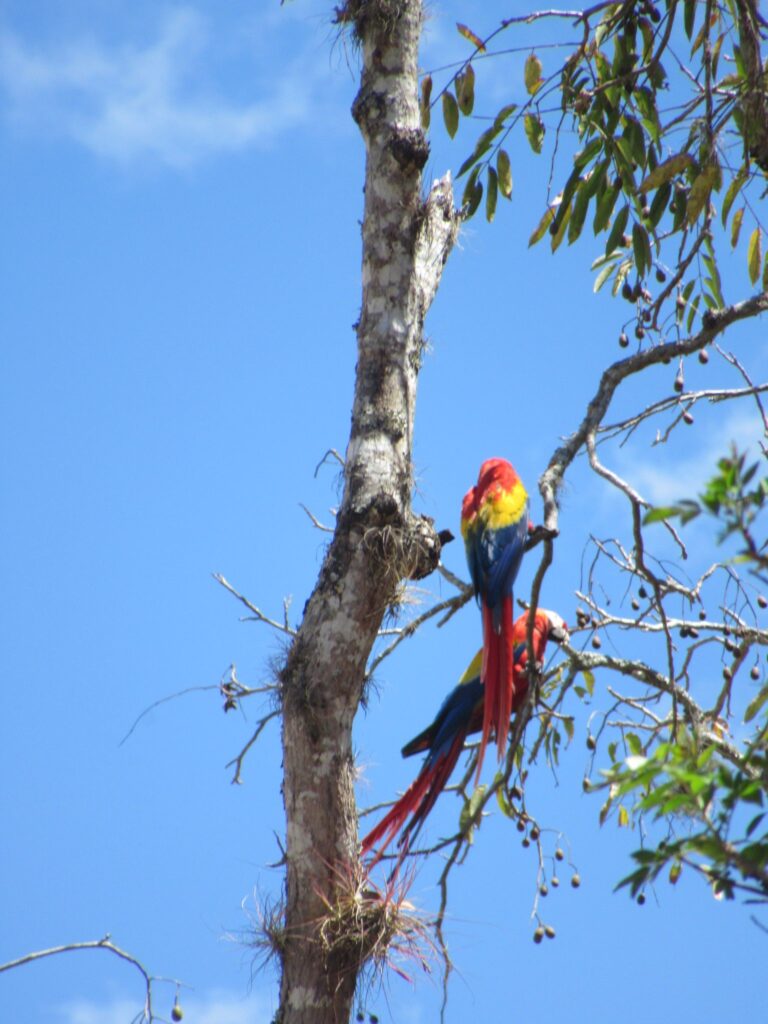
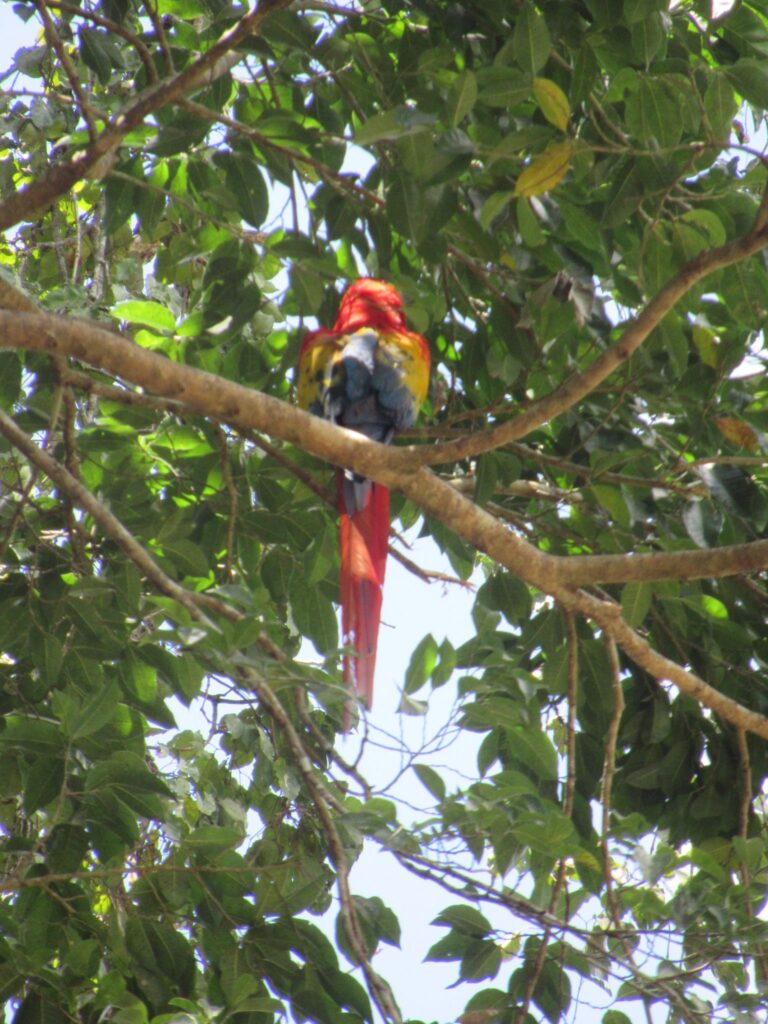
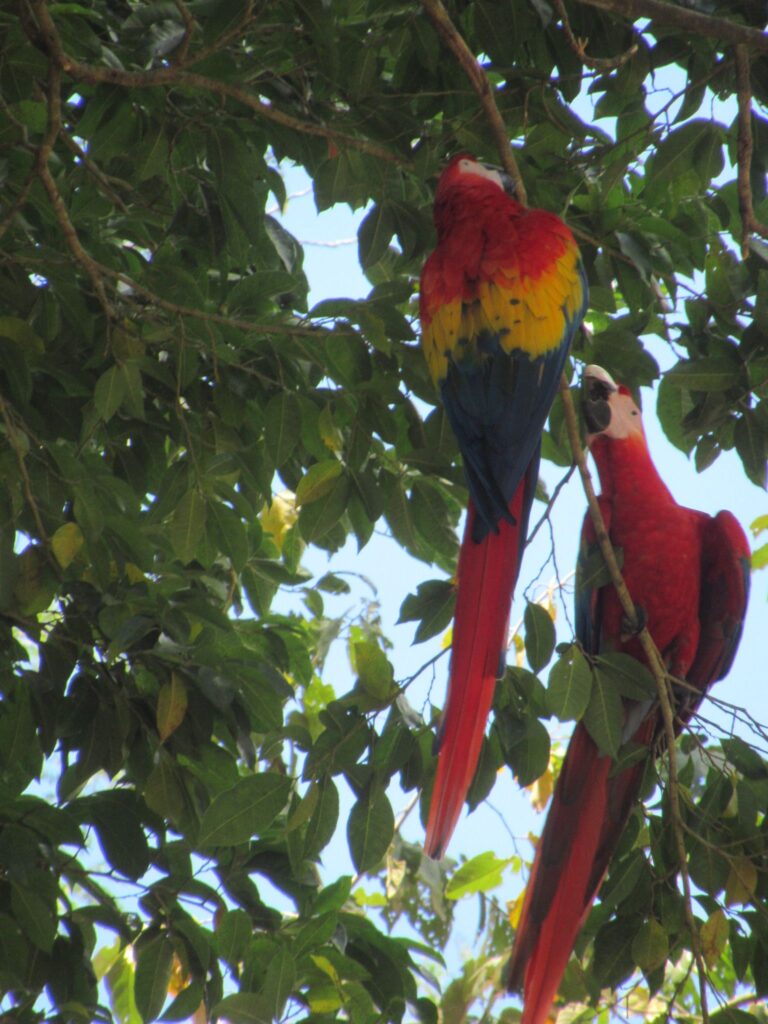
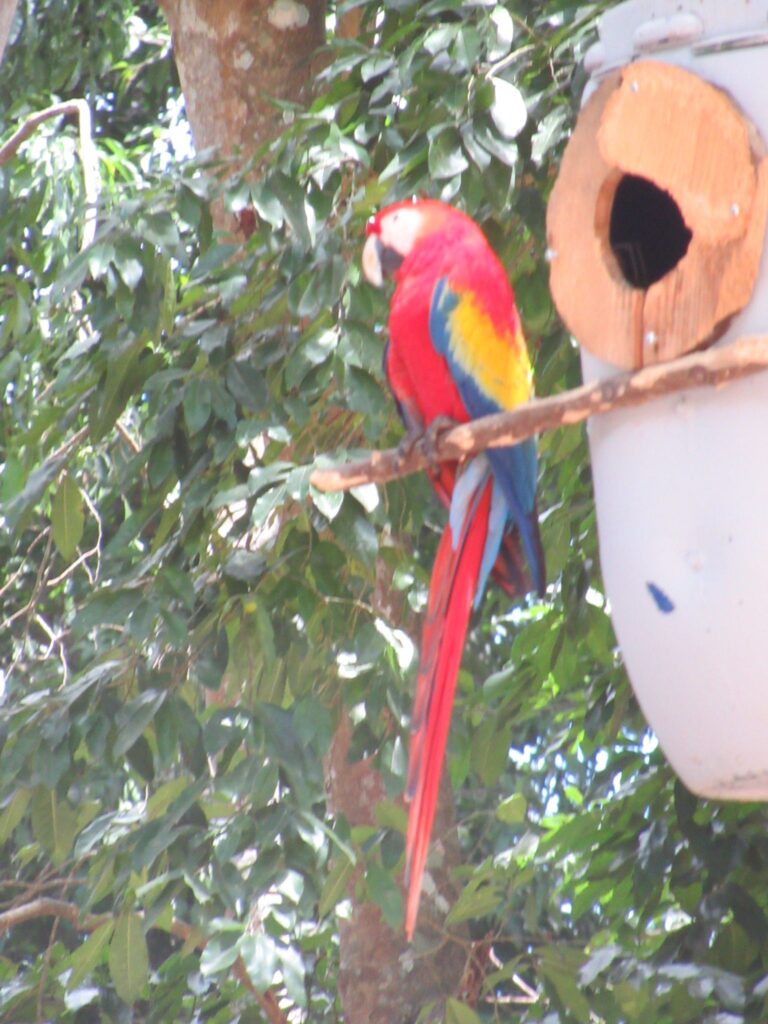
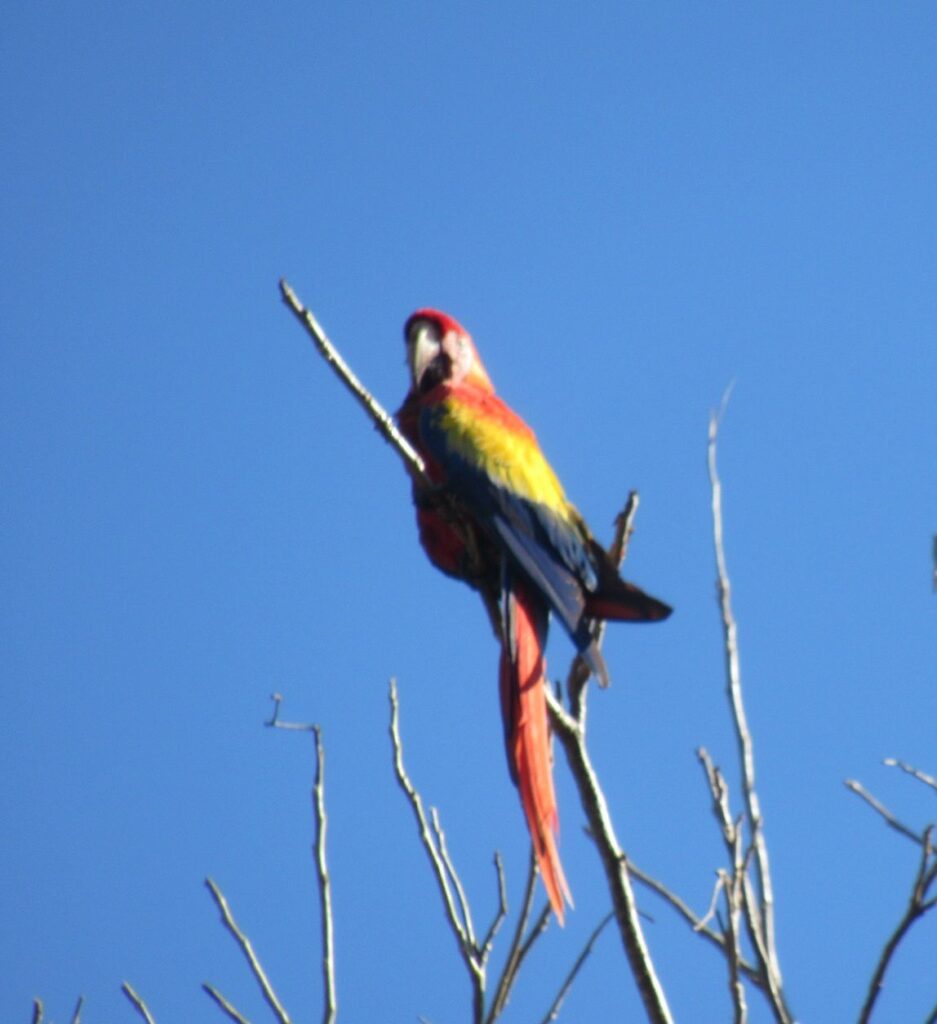
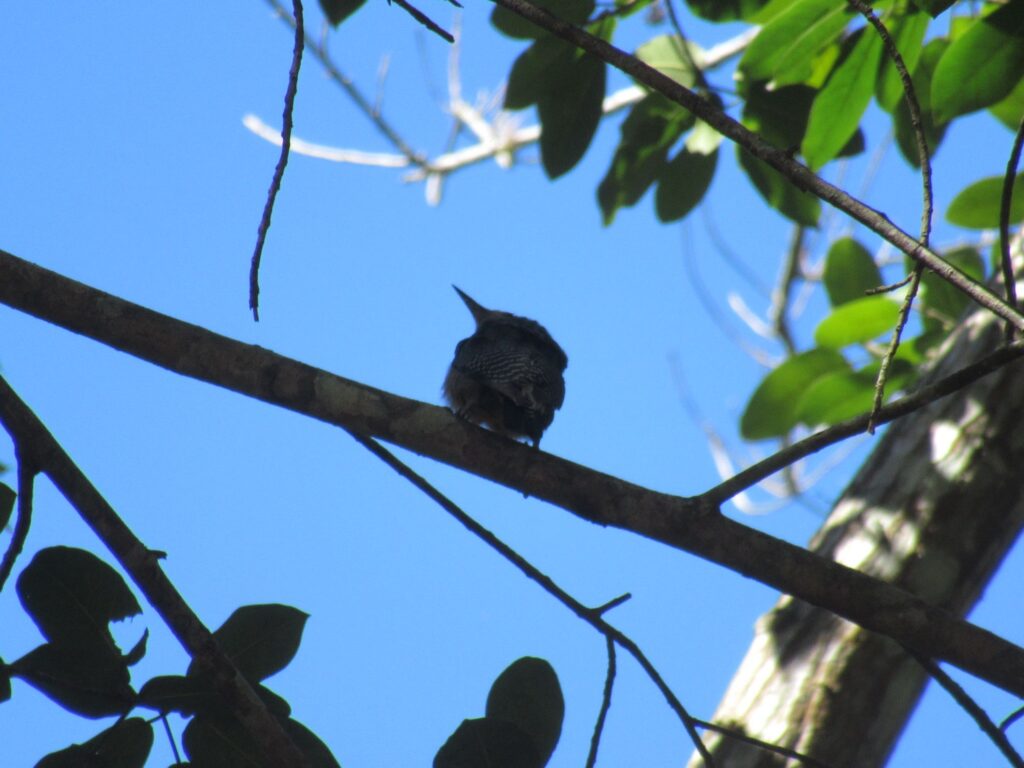
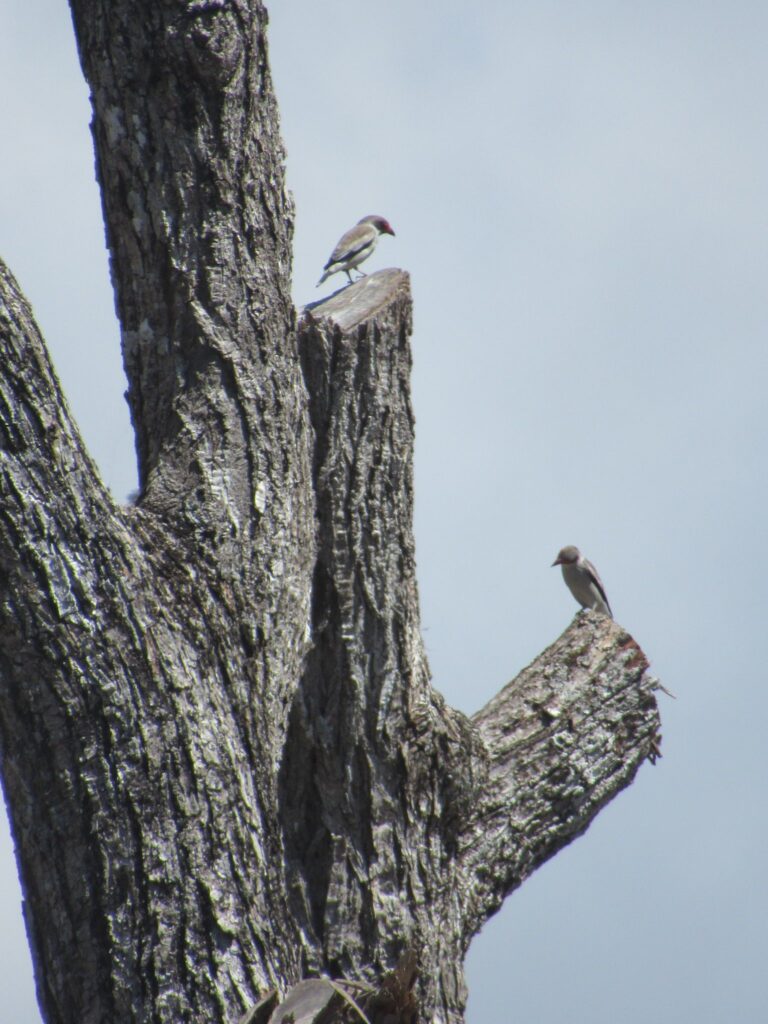
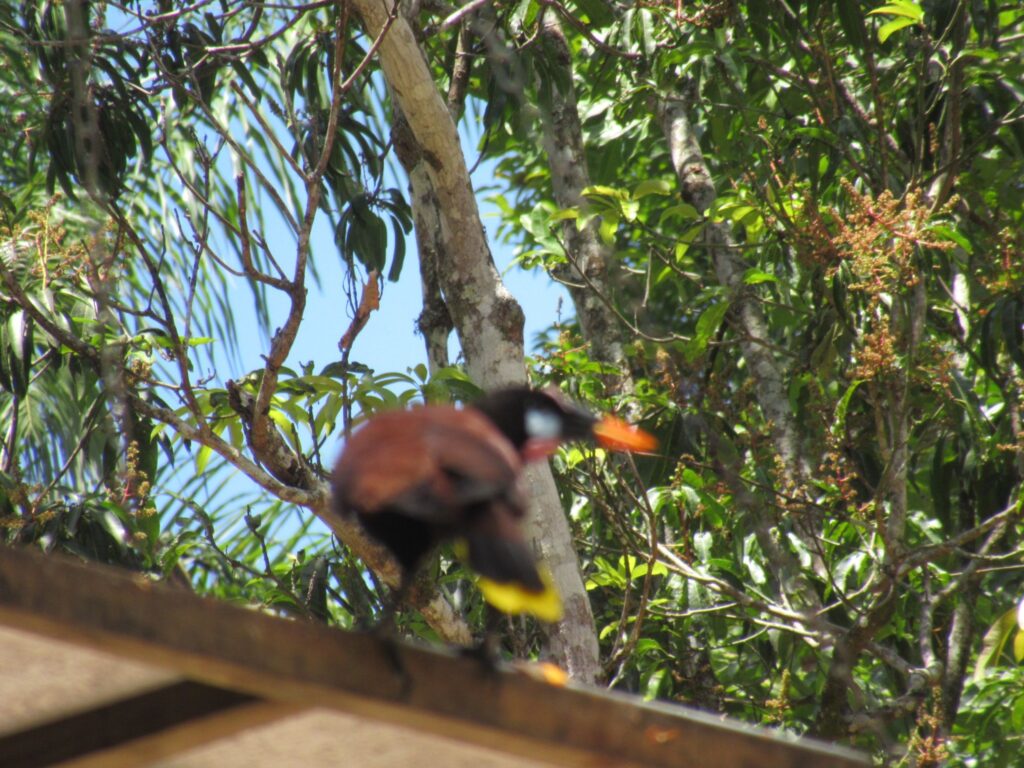
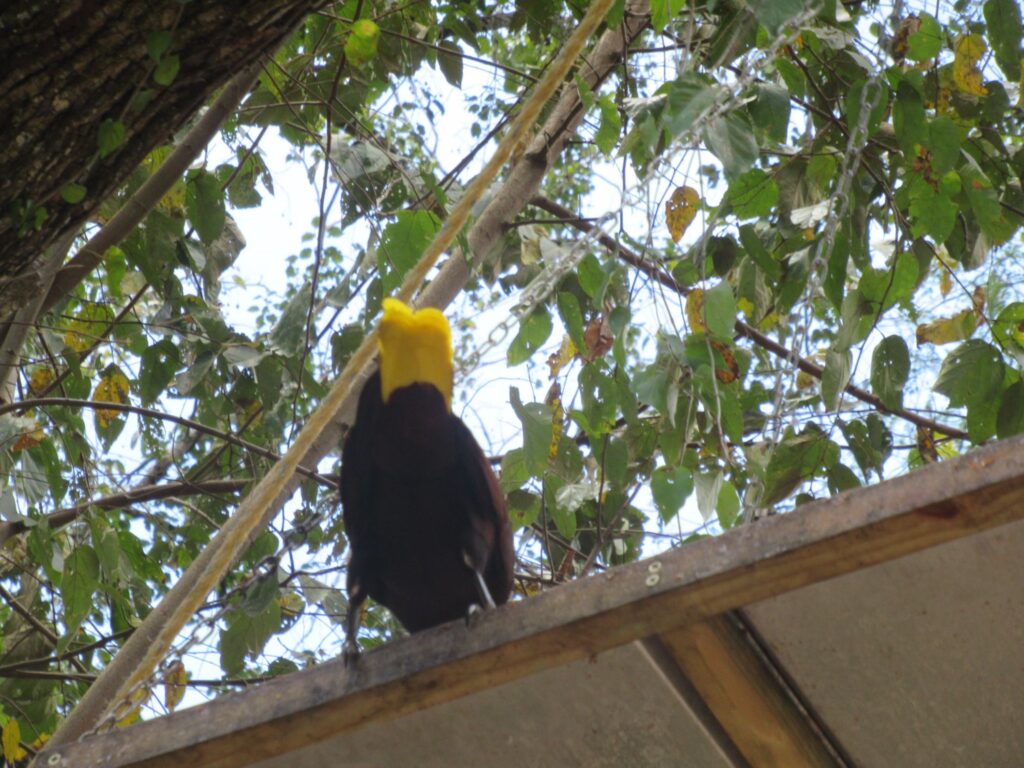
Our first encounter on the site were the macaws in the trees, flying overhead and squawking.

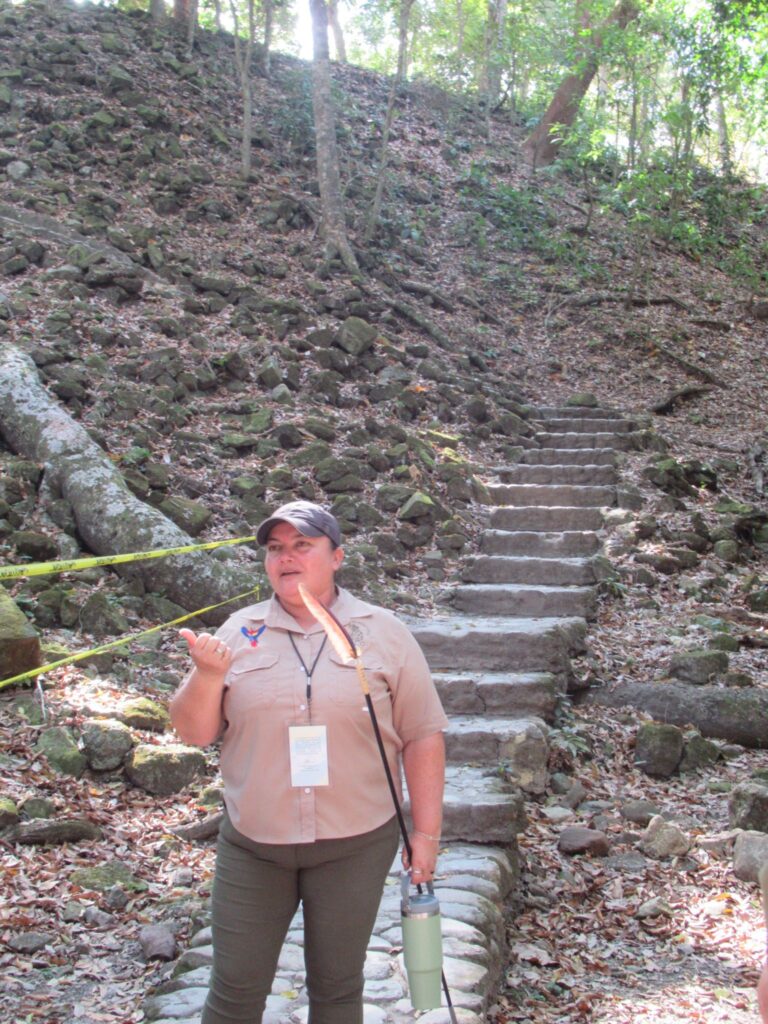
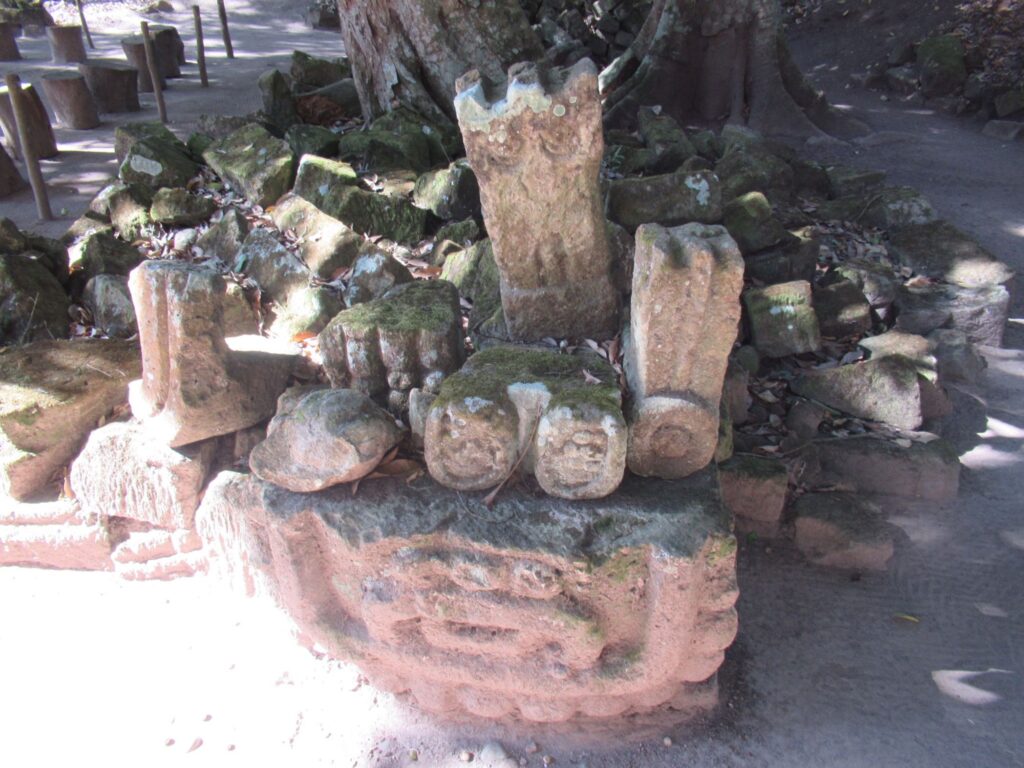
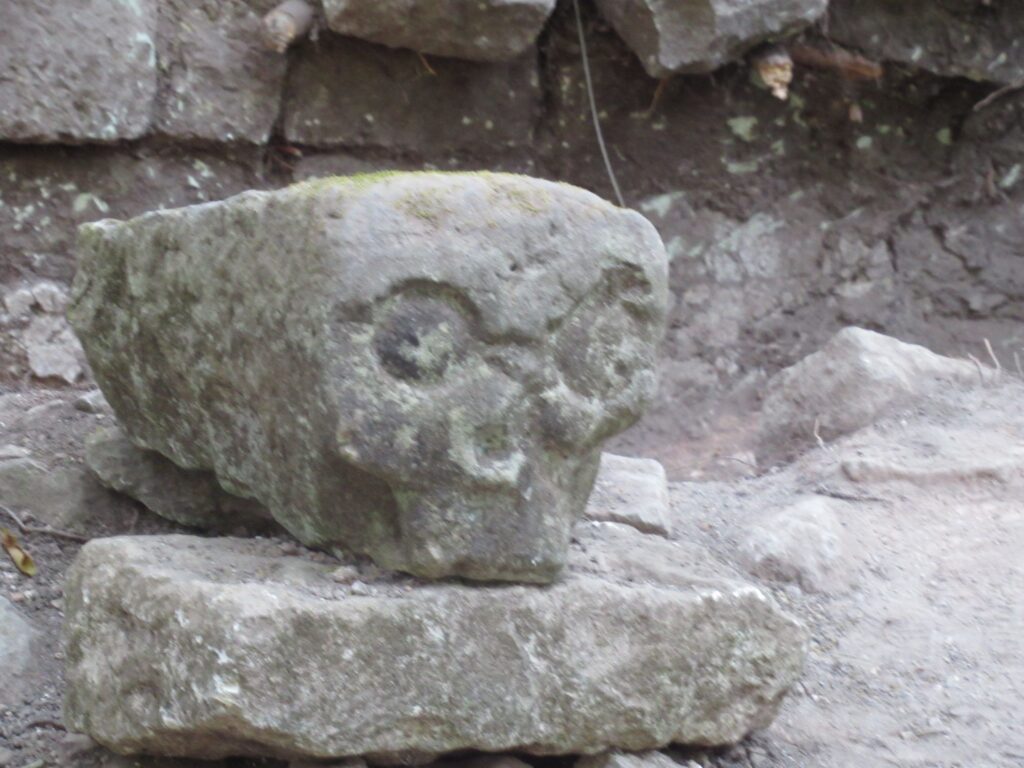
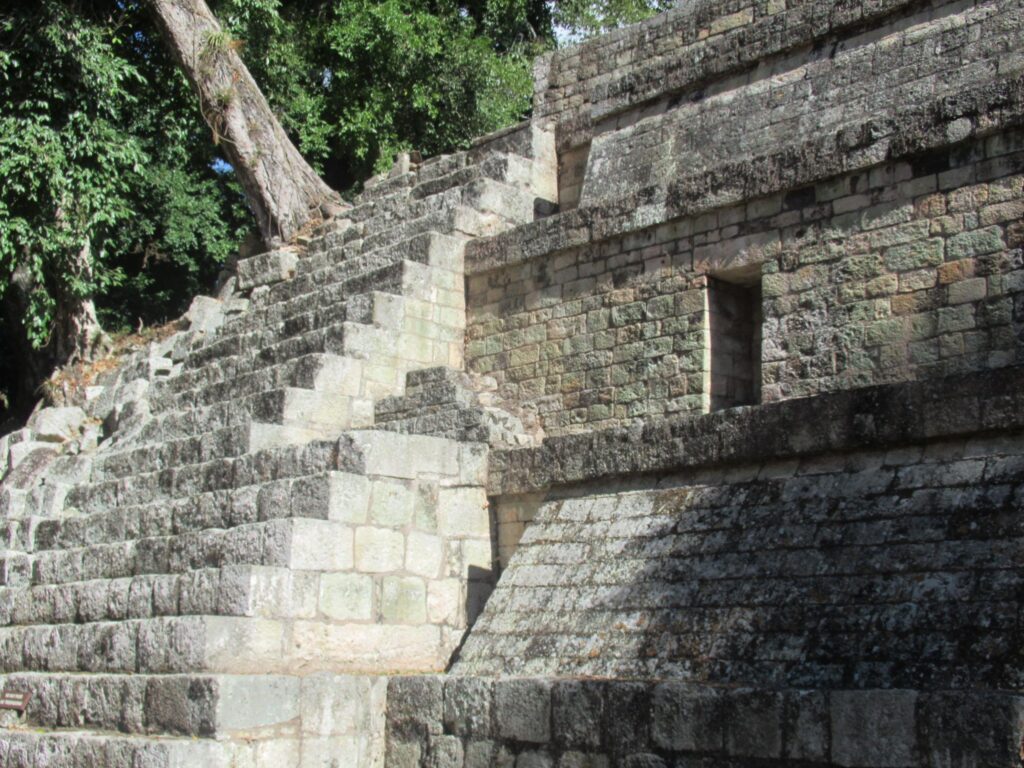
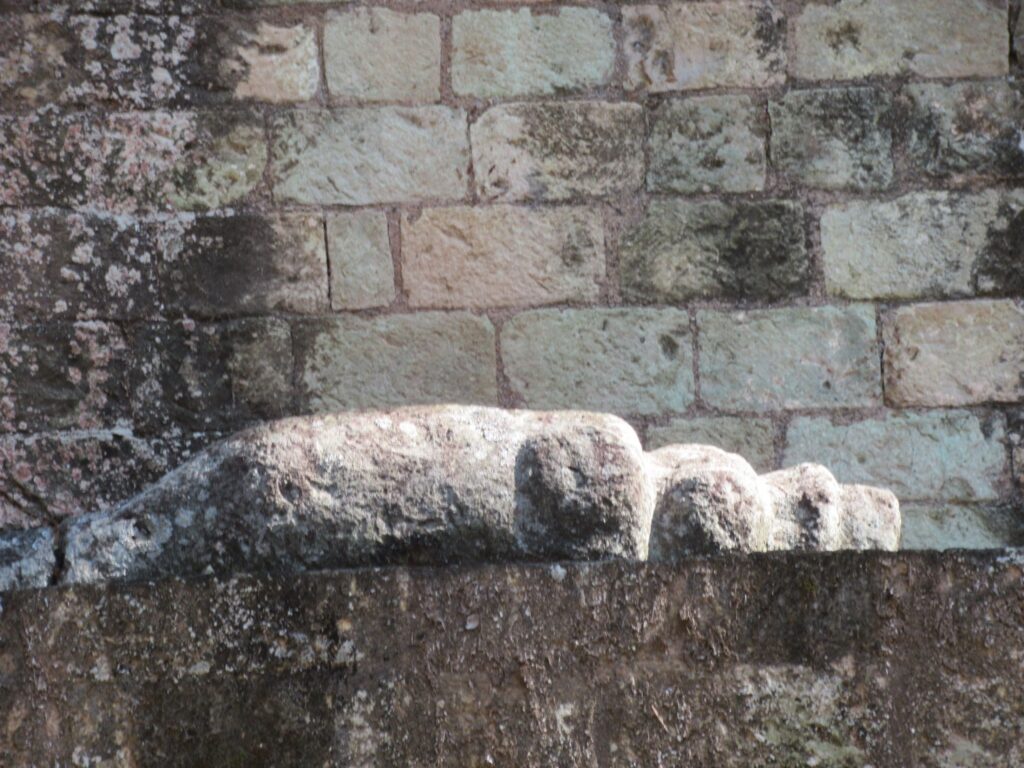
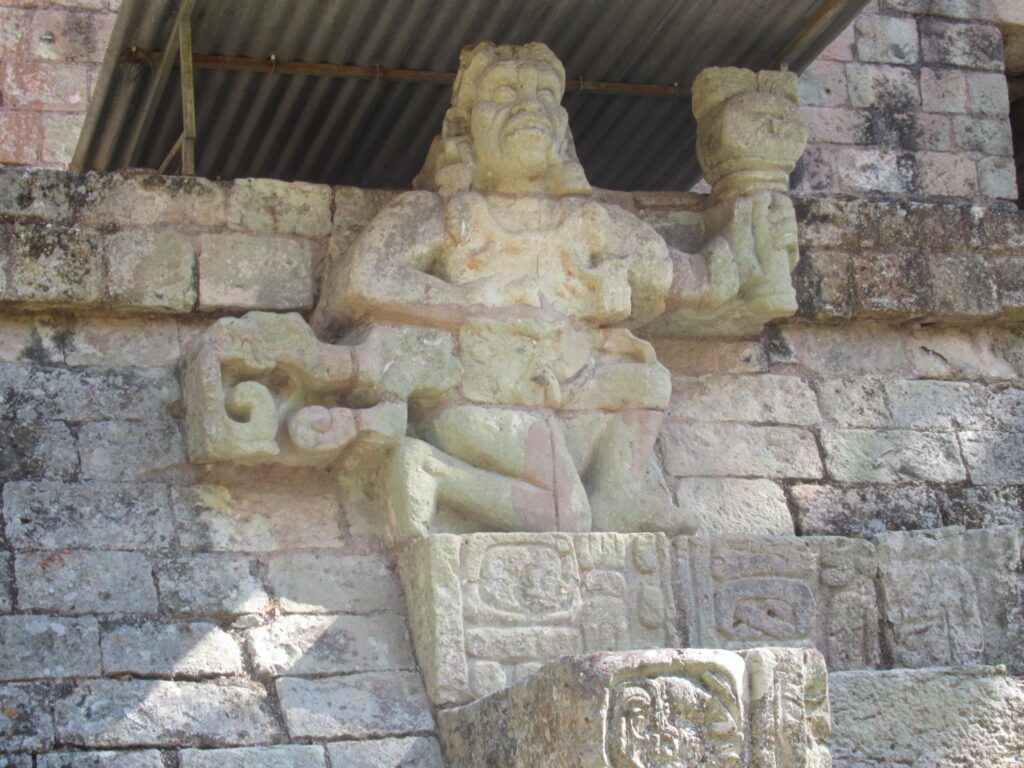
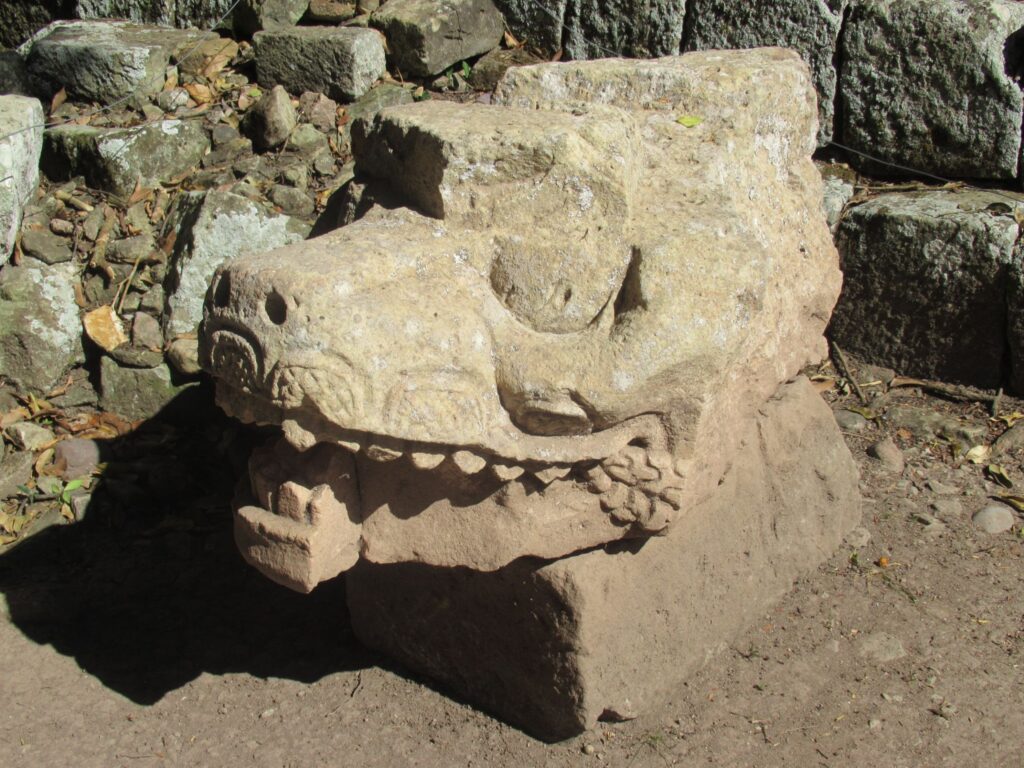
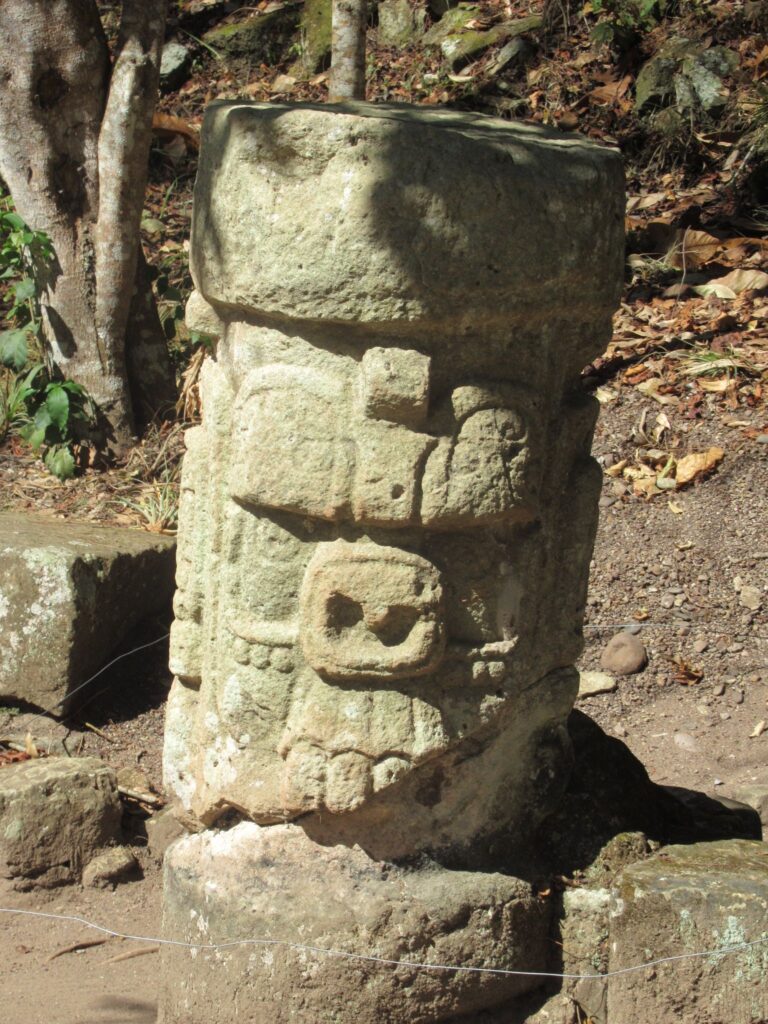
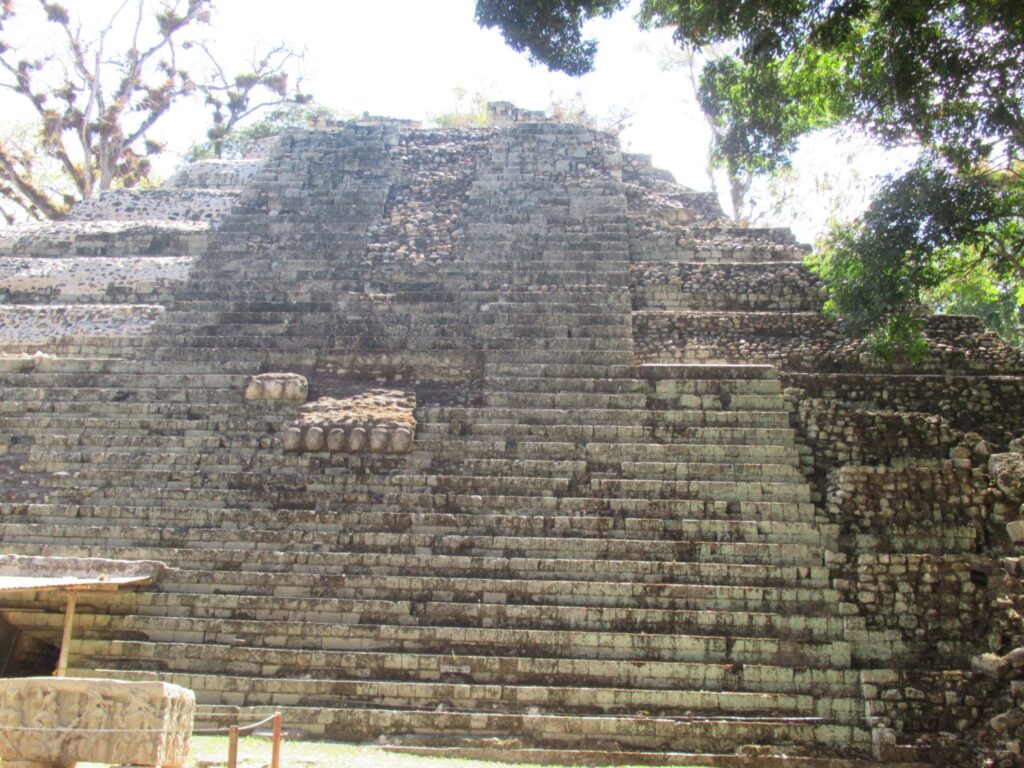
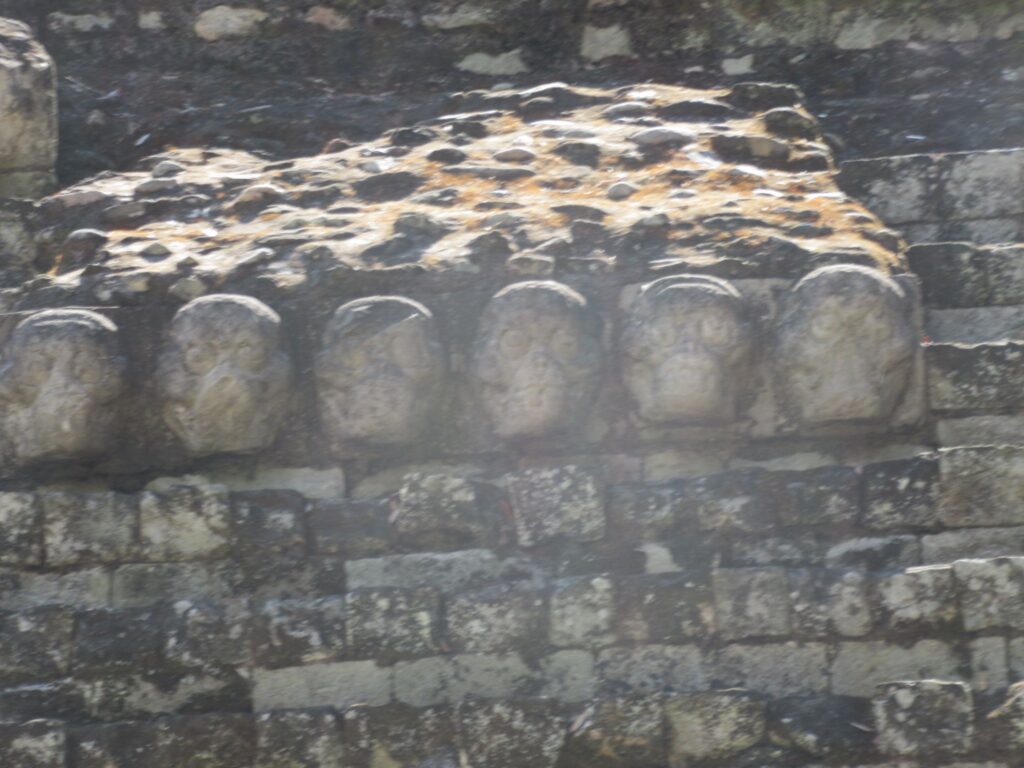
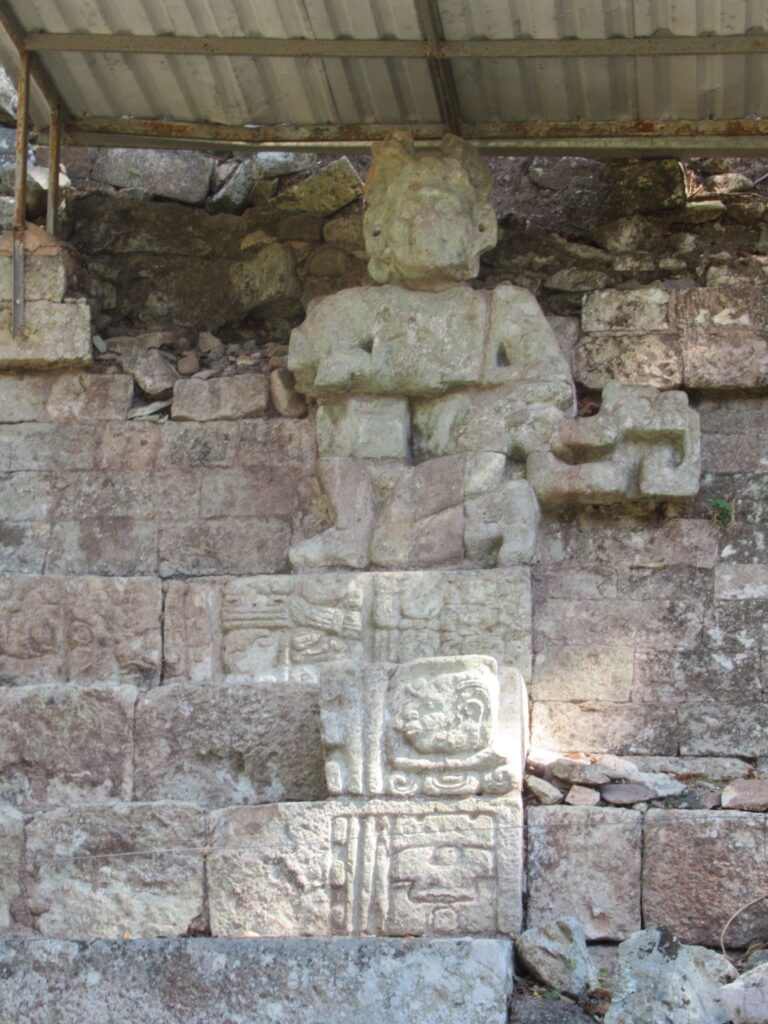
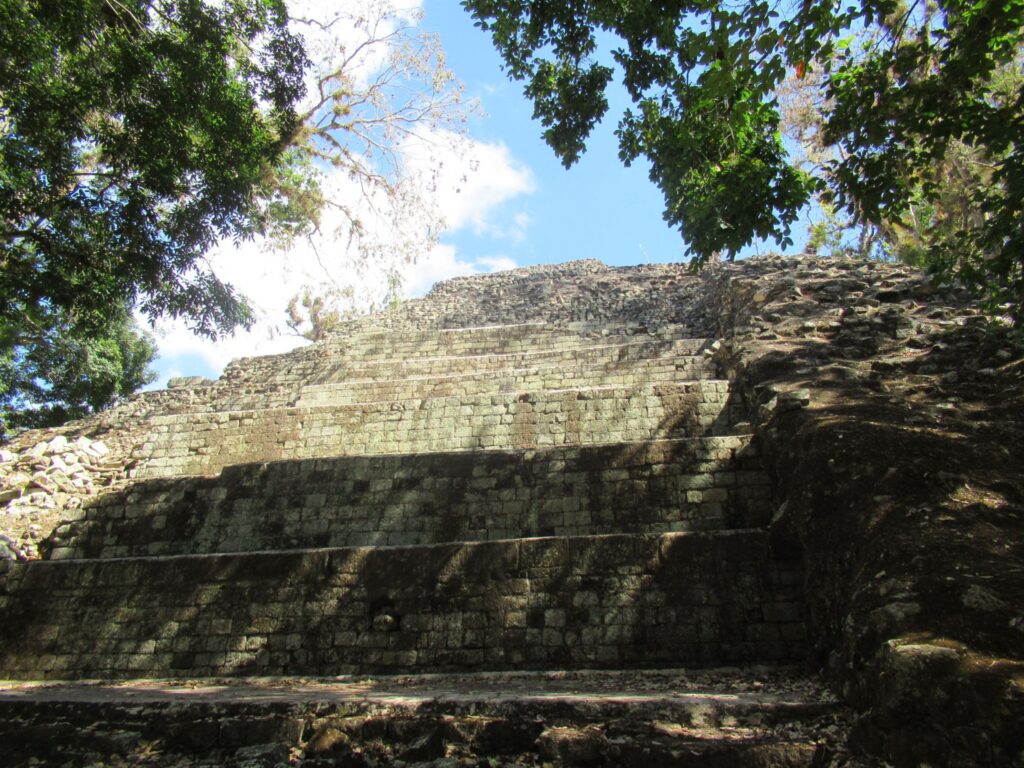
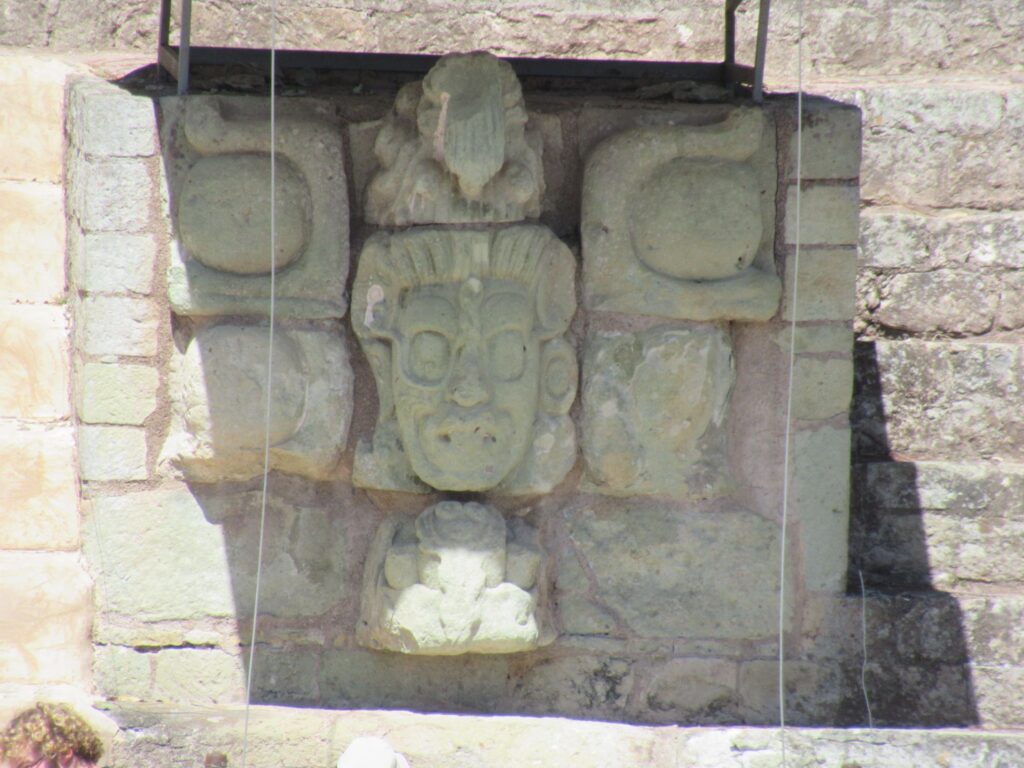
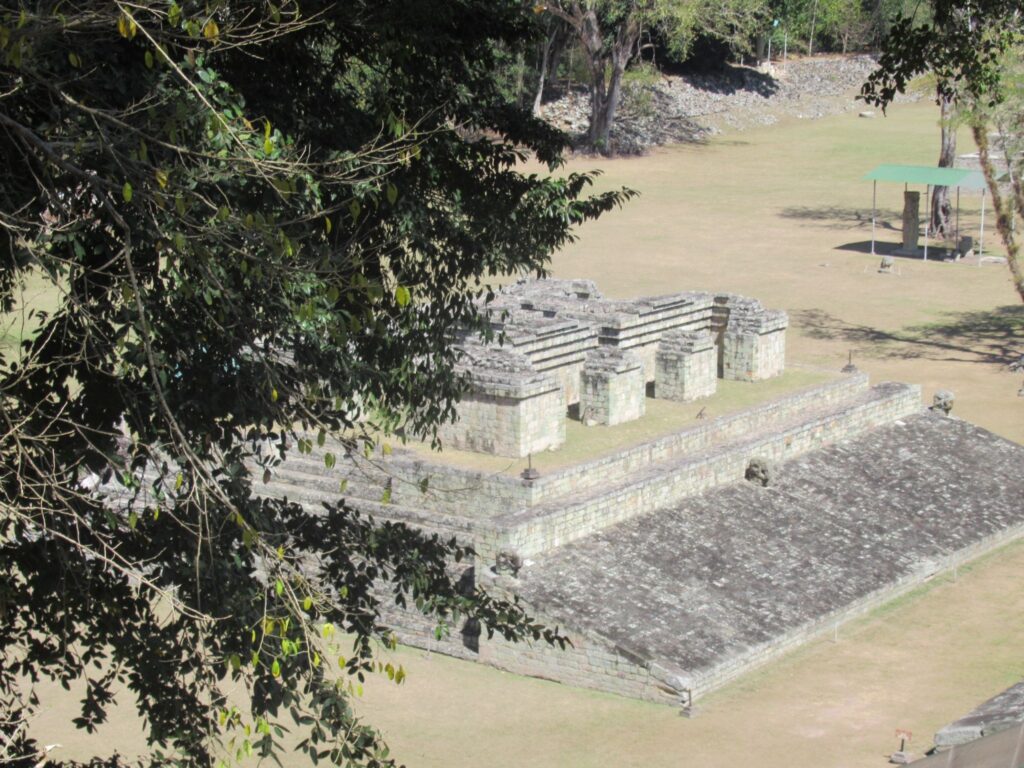
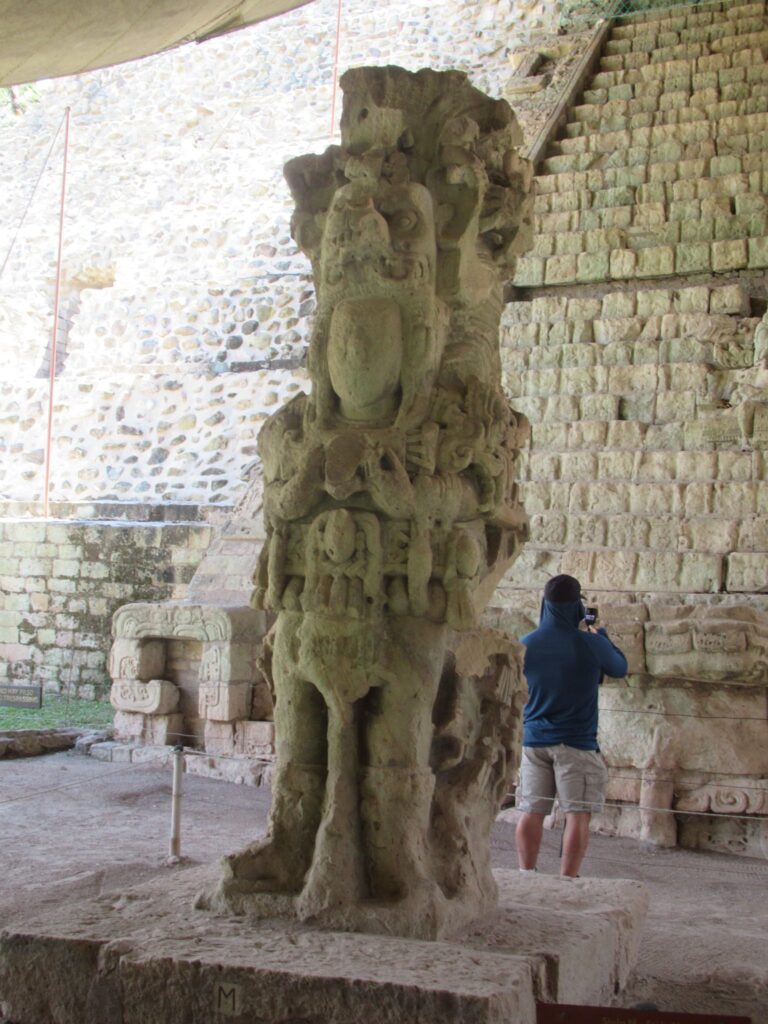
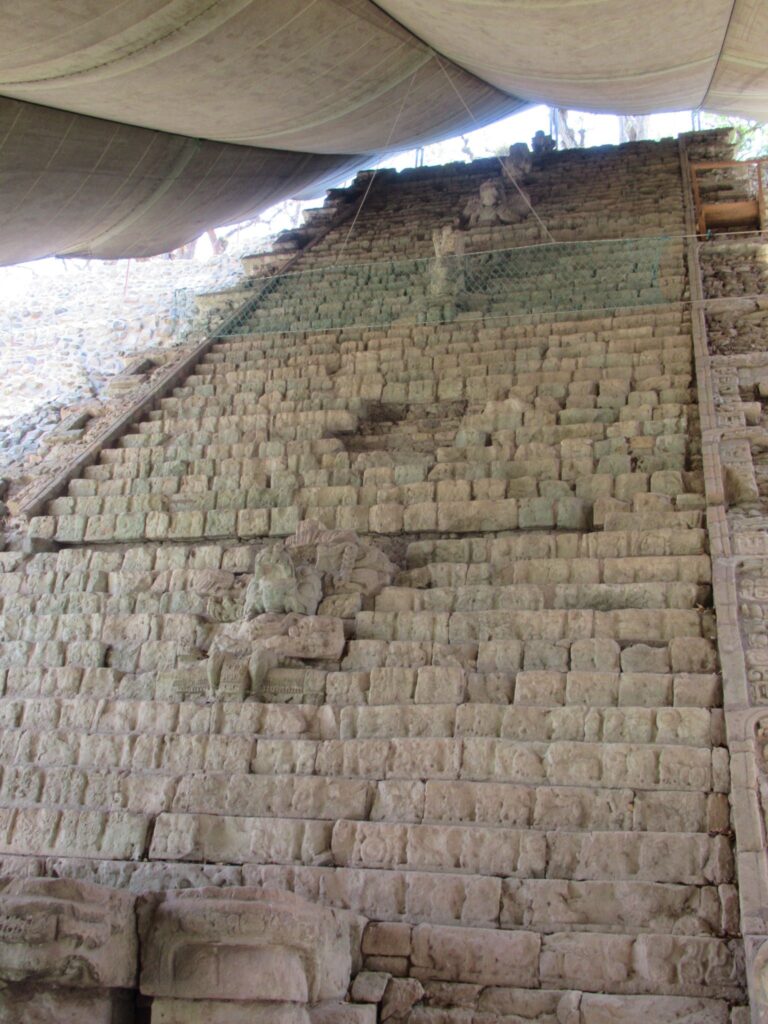
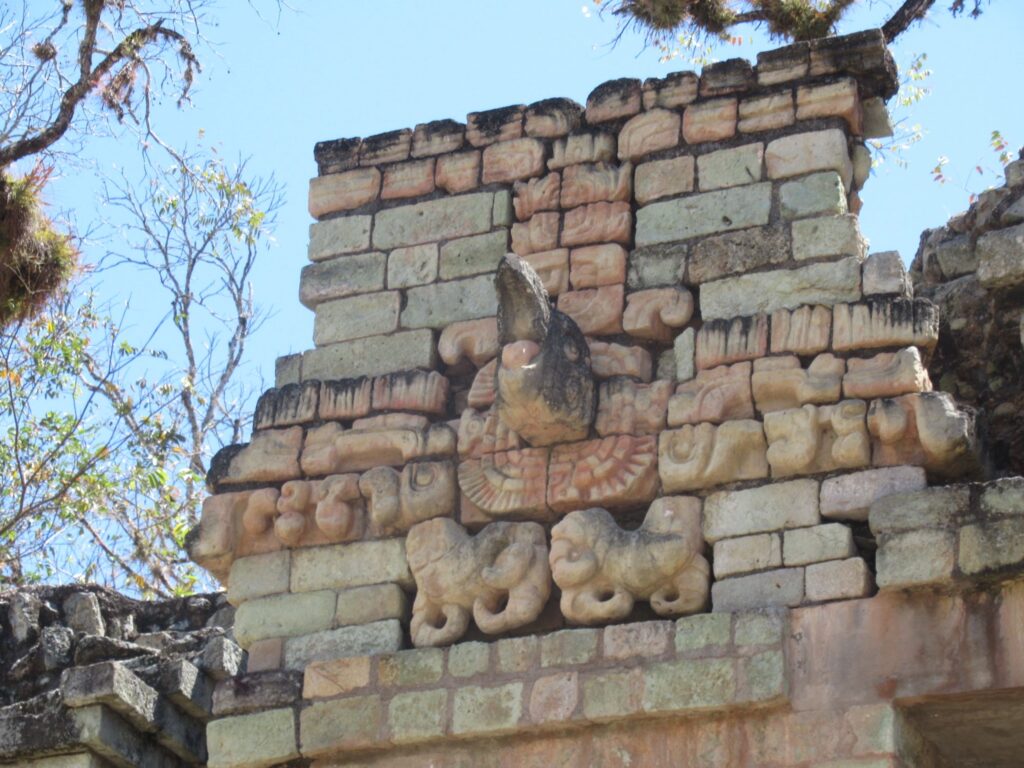
We visited the Acropolis, Hieroglyphic Stairway, Temple of Inscriptions, Ball Court. Our guide Gladiz was very informative

They still have archaeologists on site and there is so much more to find.

The ruins are set in a tropical rainforest and beside the river Copan.

Discovered in 1570 by Diego Garcia de Palacio, one of the most important sites of the Maya civilisation and not excavated until the 19th century, when it was famously “rediscovered” by John Stephens.

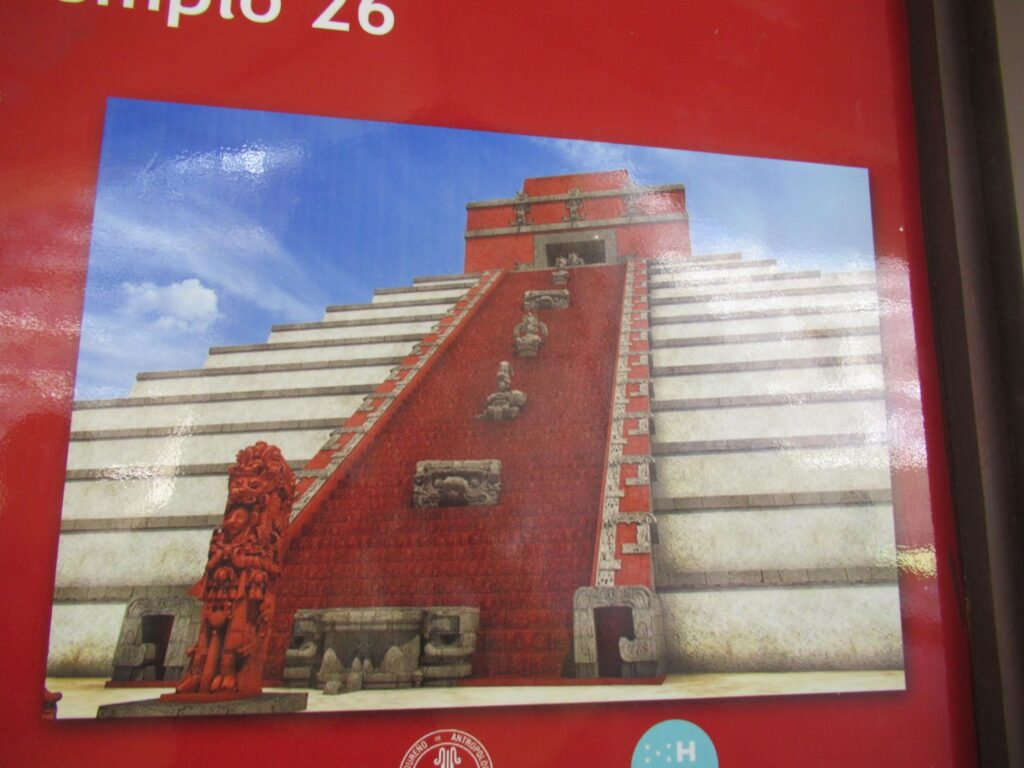
What the steps would have looked like in Mayan times

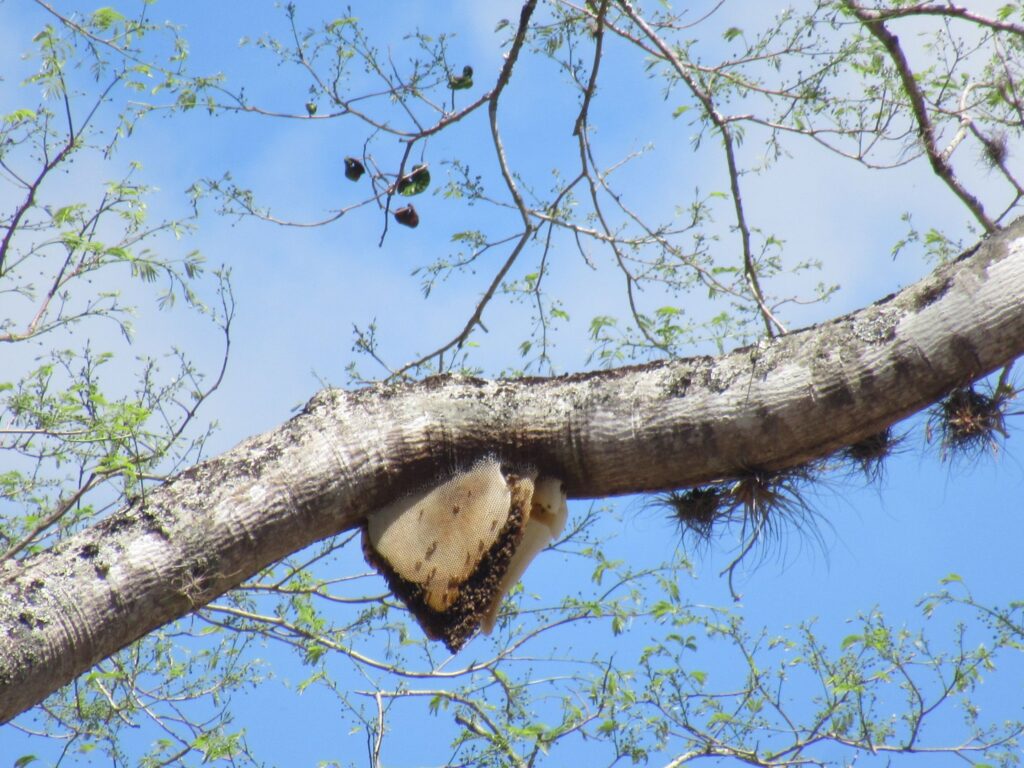
A bees nest in the trees

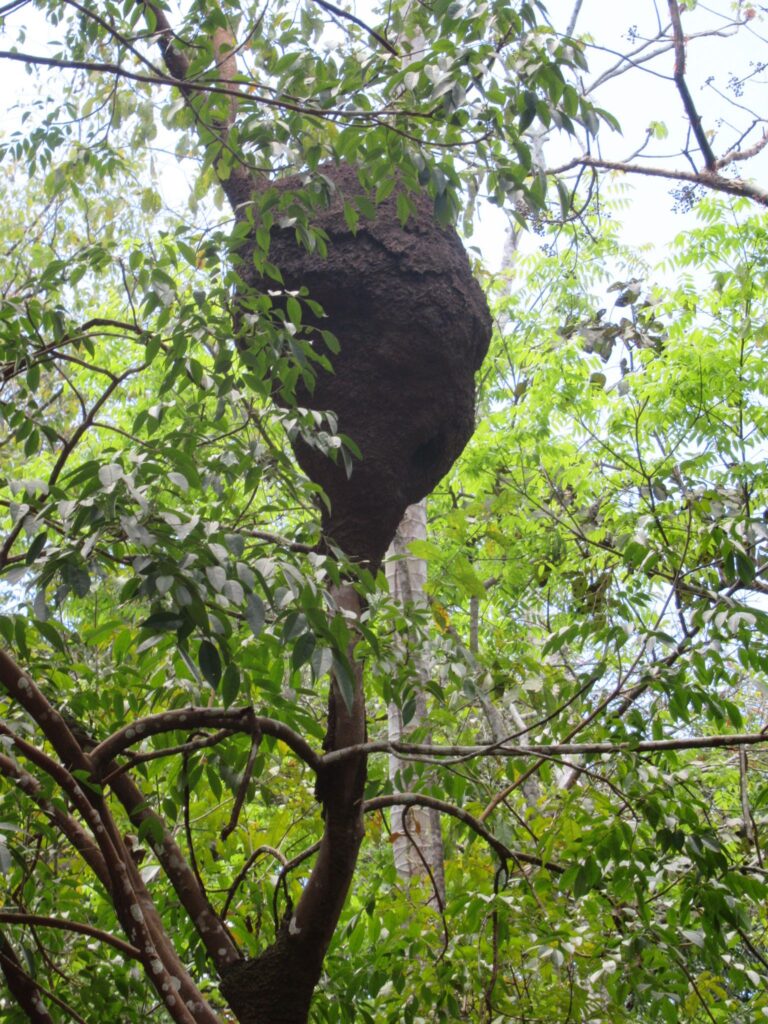
A termite nest, very tasty for macaw

The city was eventually abandoned in order to find somewhere better.

Someone pointed out that yesterday we had breakfast in El Salvador, lunch in Guatamala and dinner in Honduras!!!

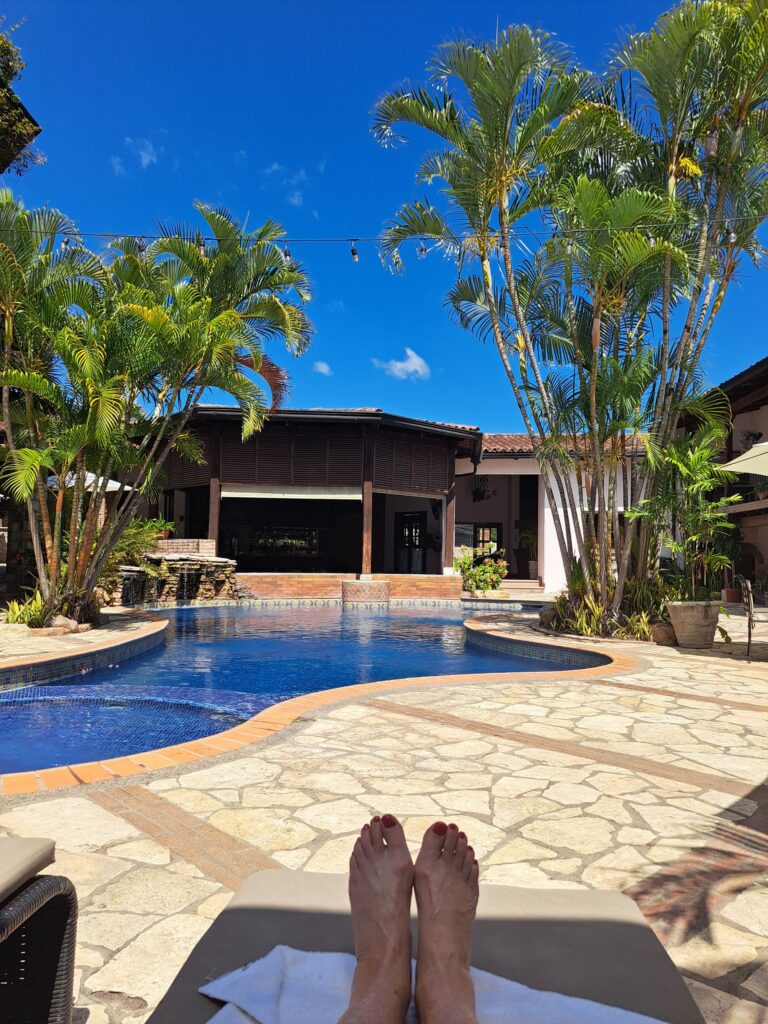
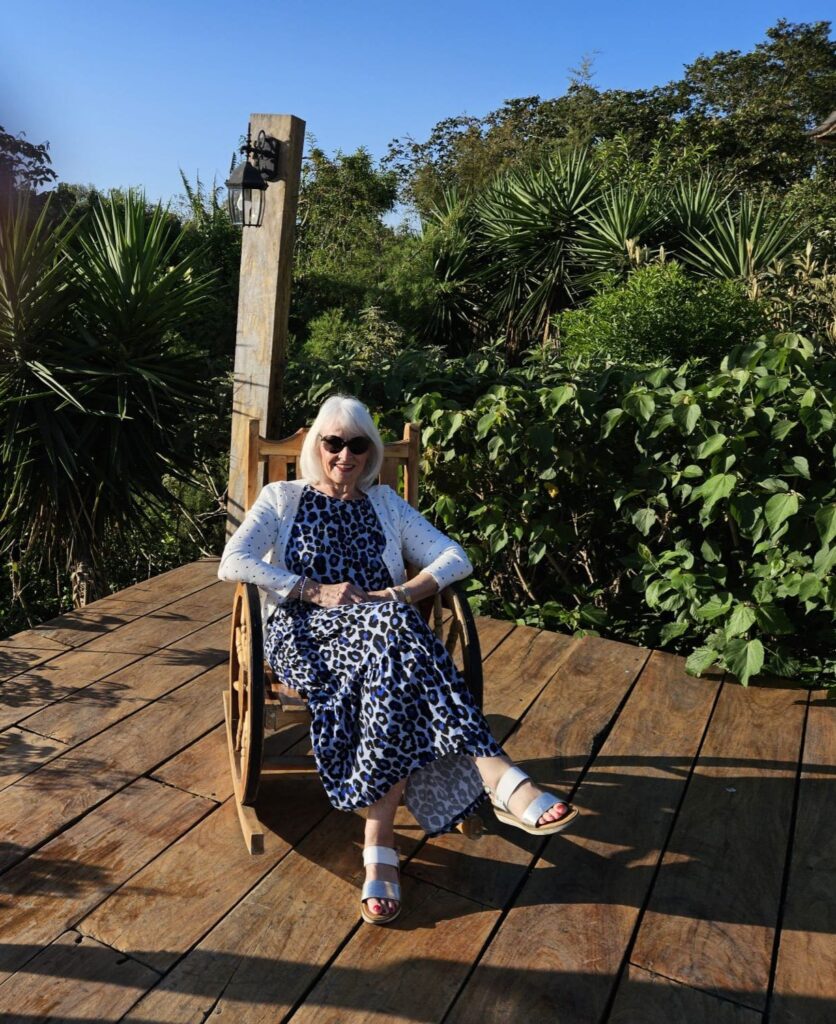
And relax

Mojito time!

Ataco to Copan, Honduras

Not a bad view to wake up to

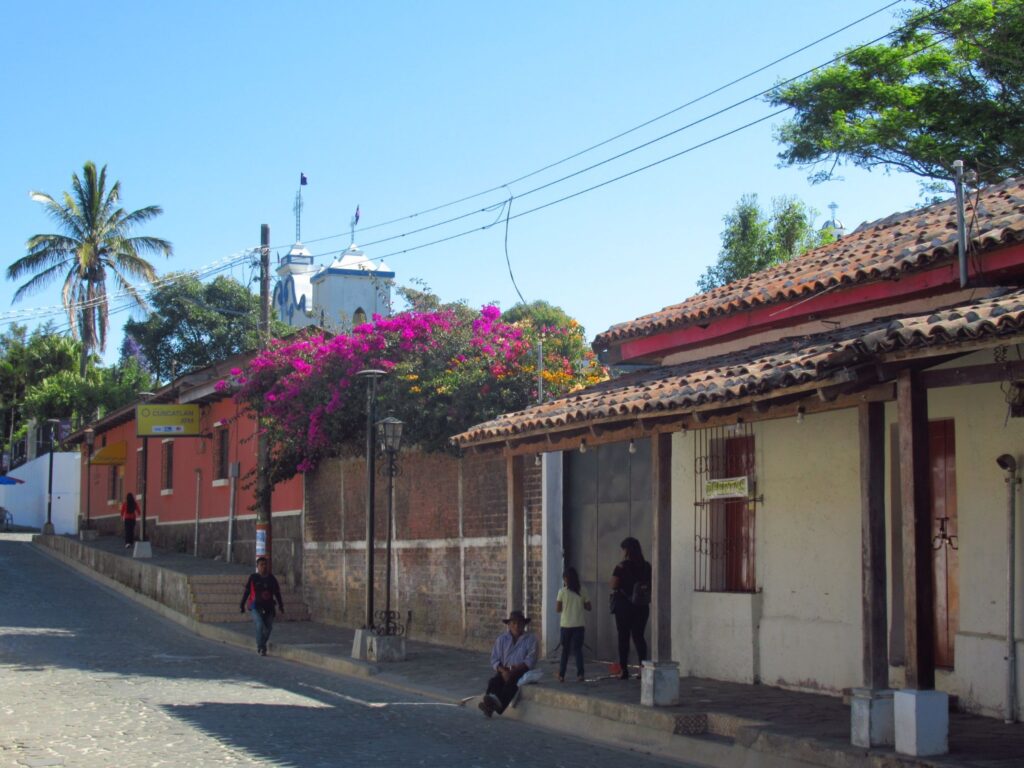
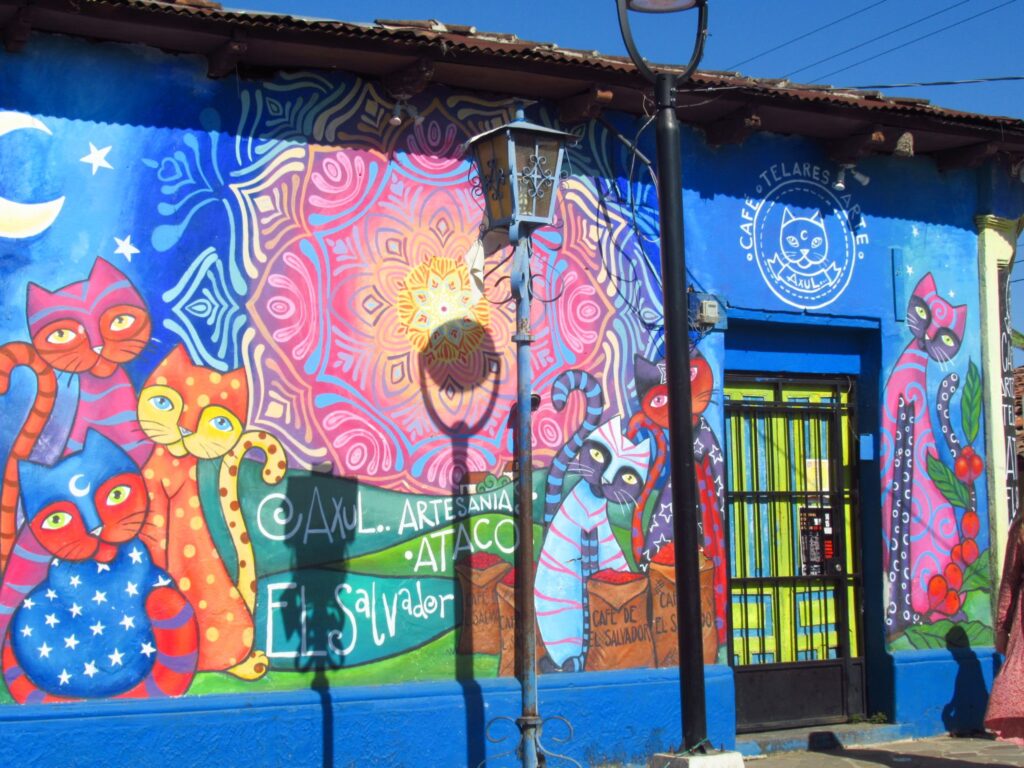
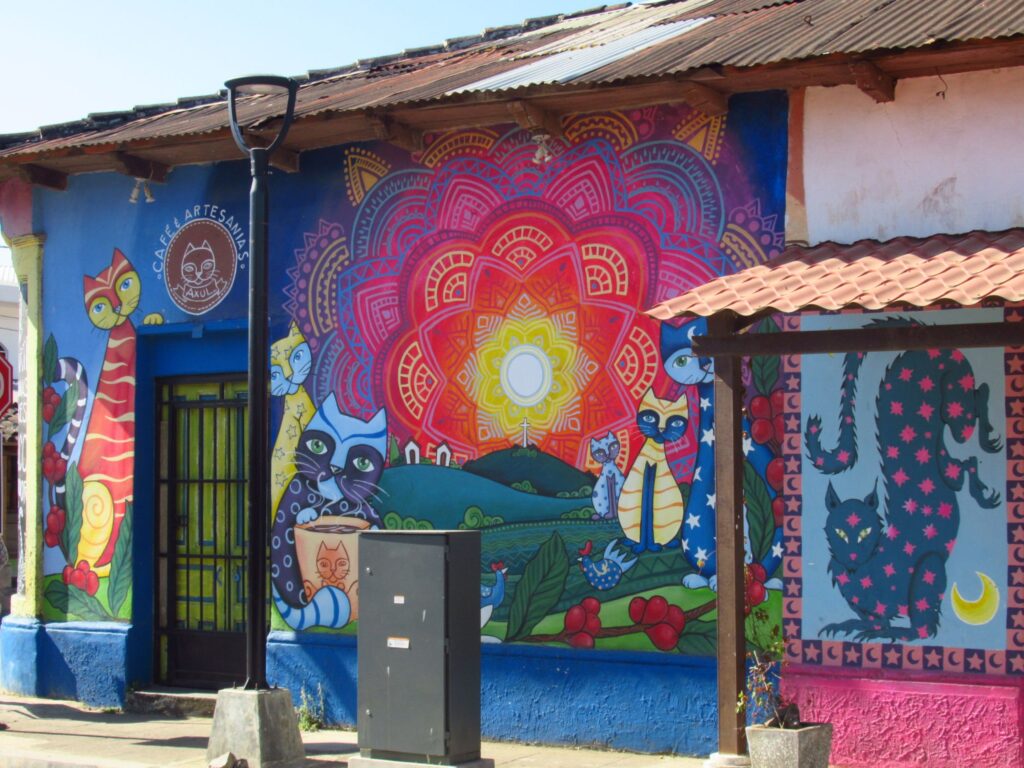
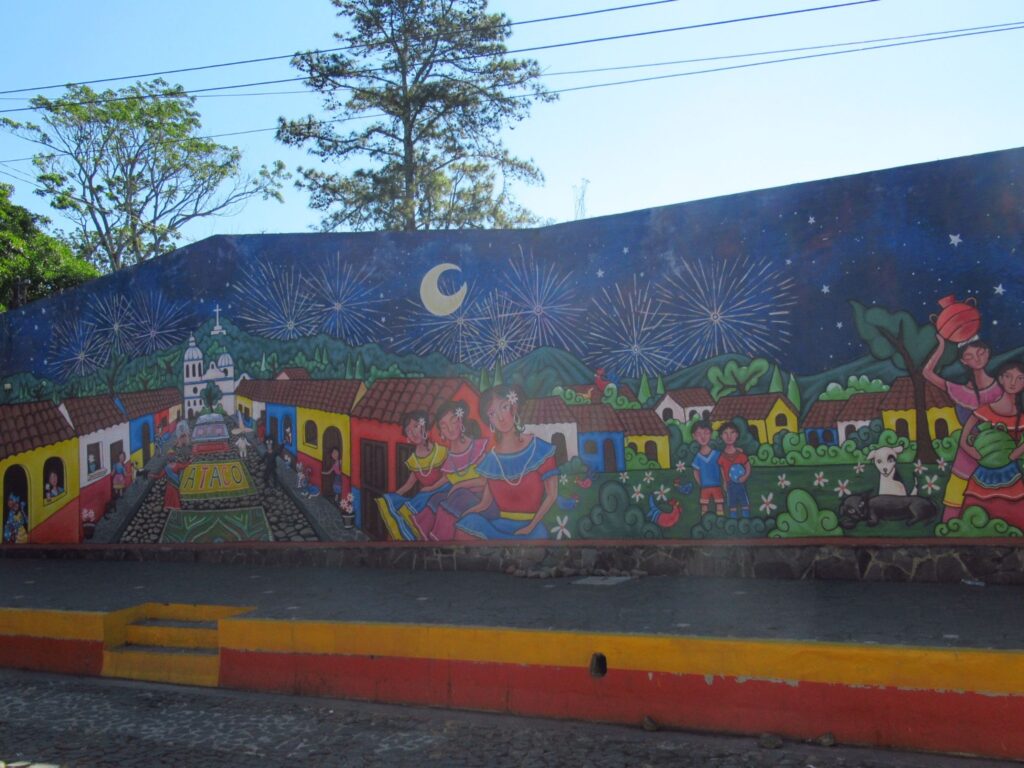
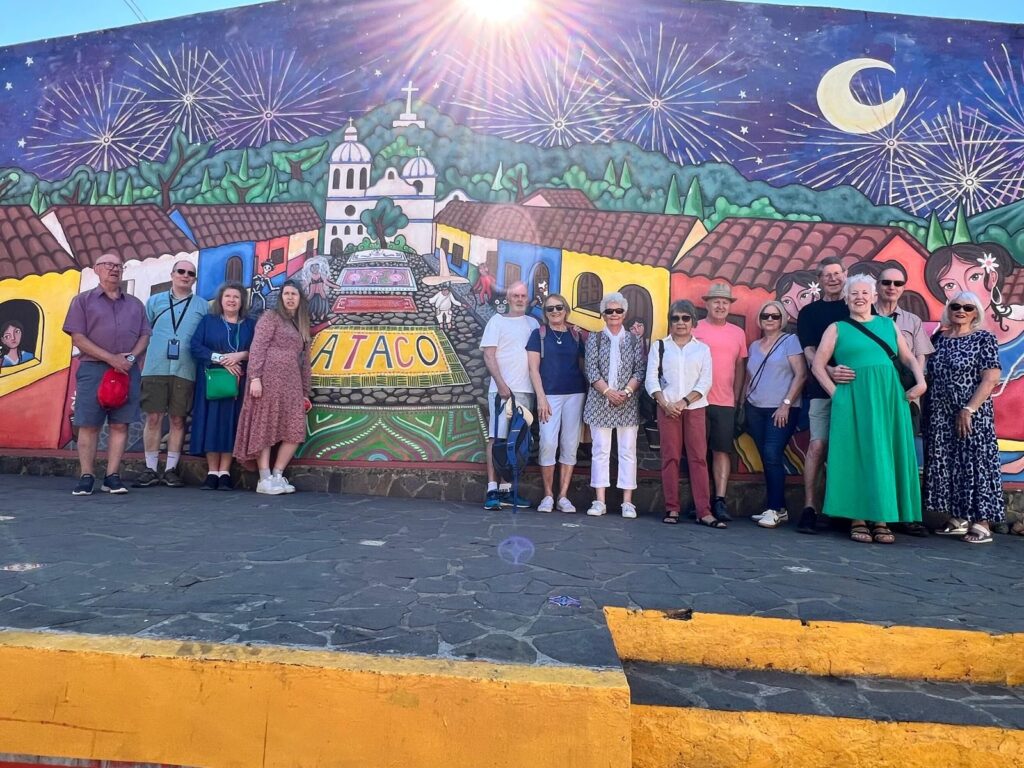
Ataco is a small town set in the mountains surrounded by coffee plantations. Its name in Nahuati means ‘place of the high springs’. We had an early morning walk around the cobbled streets, the market stalls and vibrant wall art.

Standing room only at the church

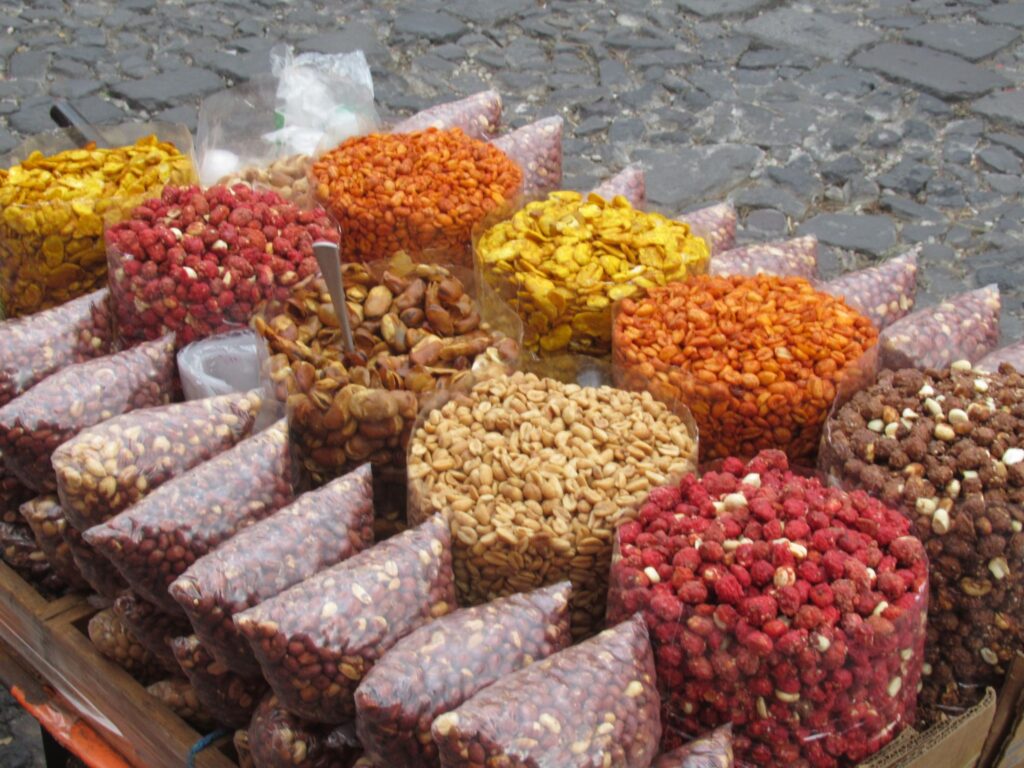
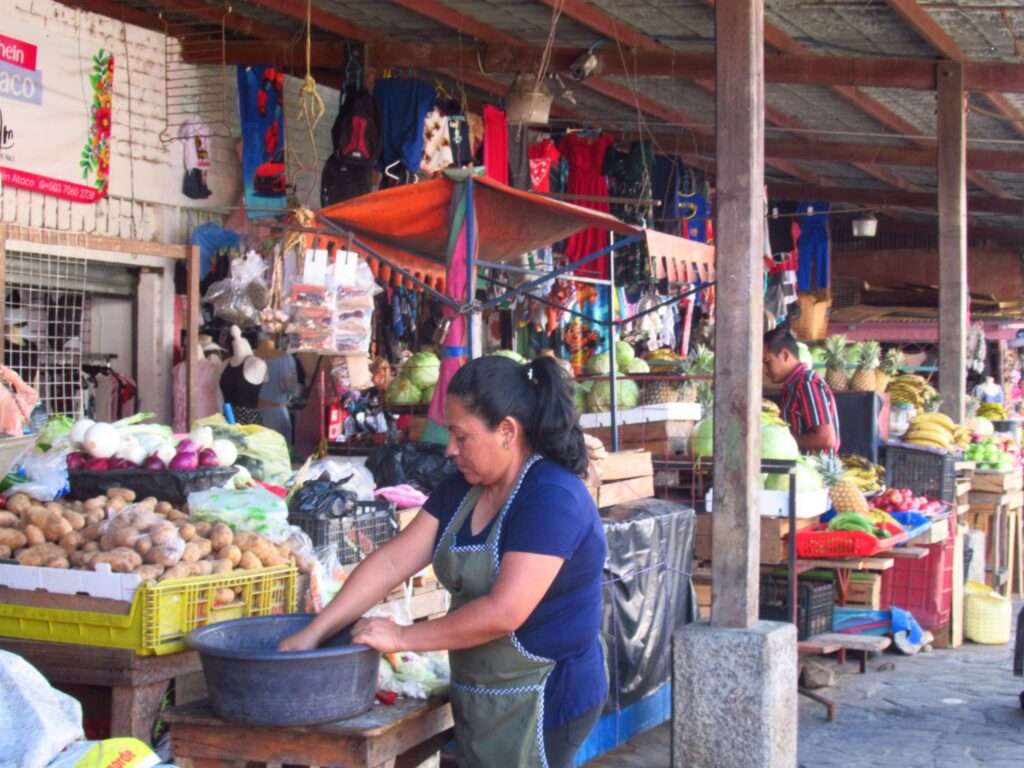
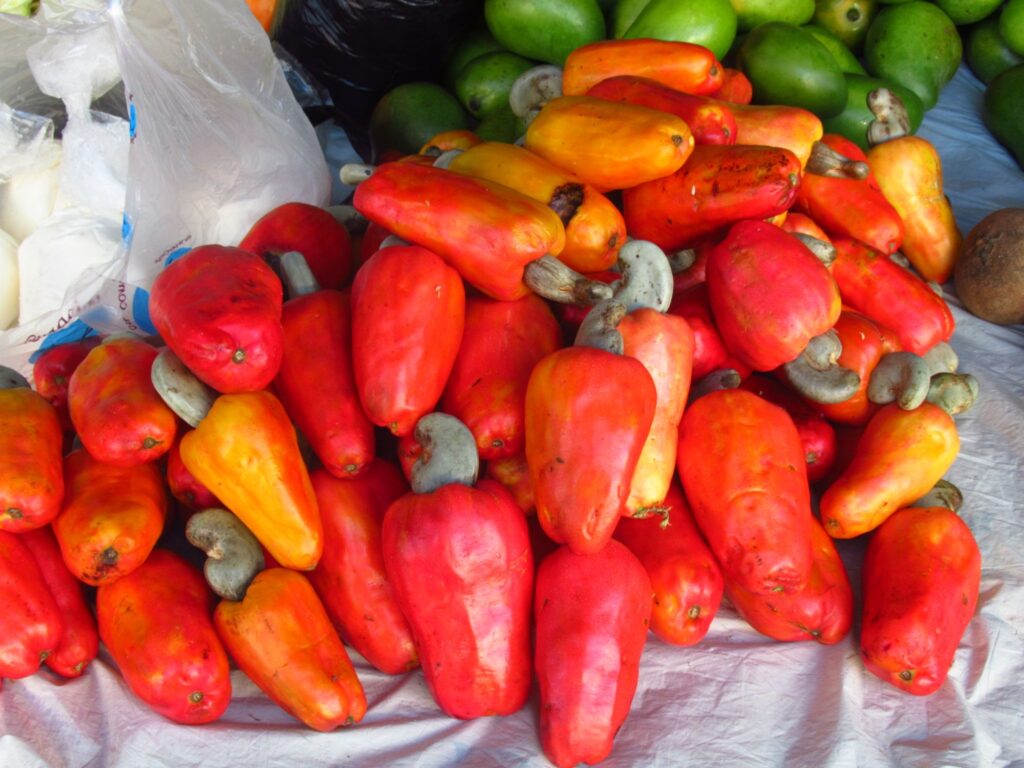
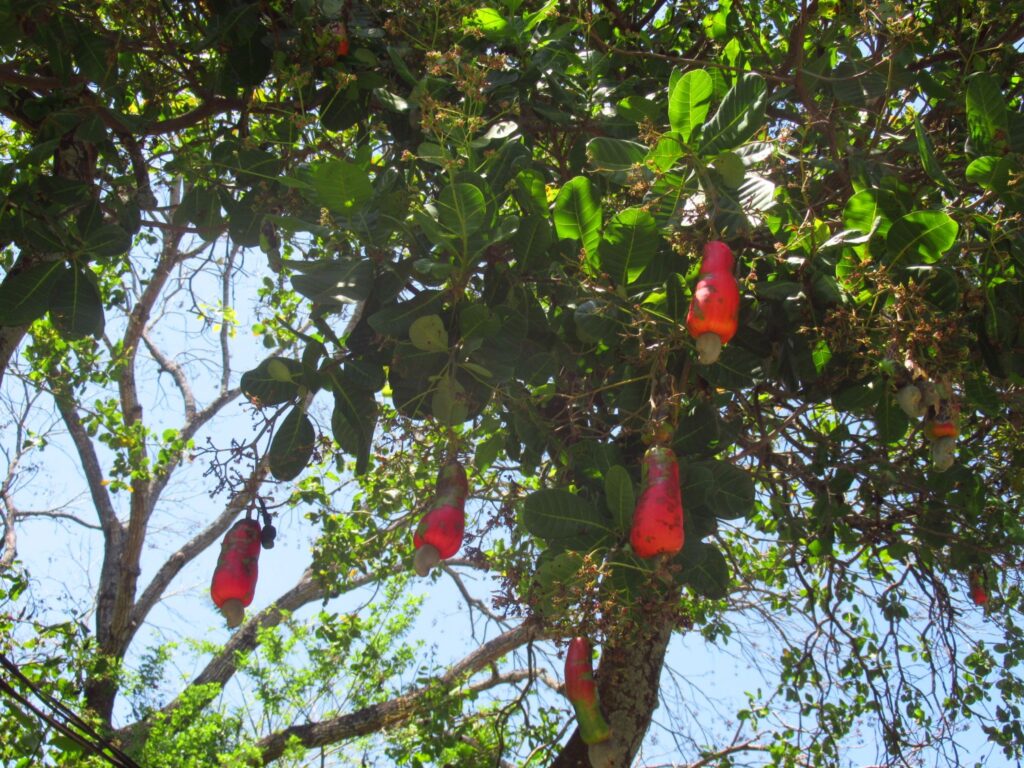
Cashew nuts at the market. The red part is cooked, leaving the small nut at the end.

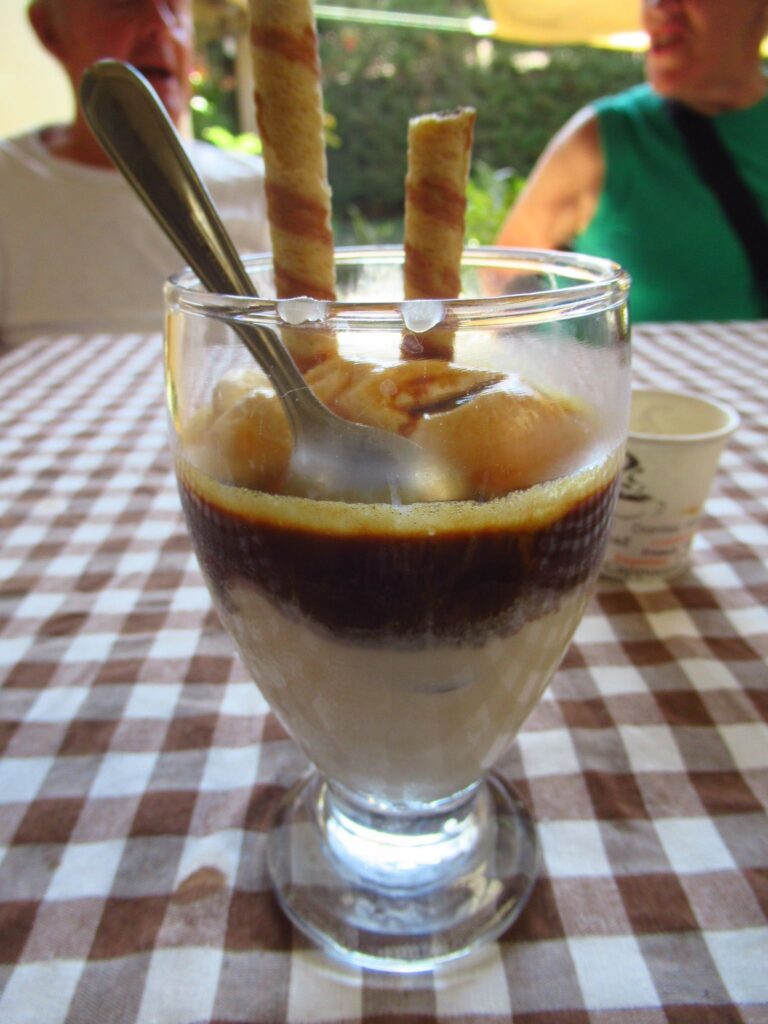
Raul took us to a lovely coffee shop for affogato

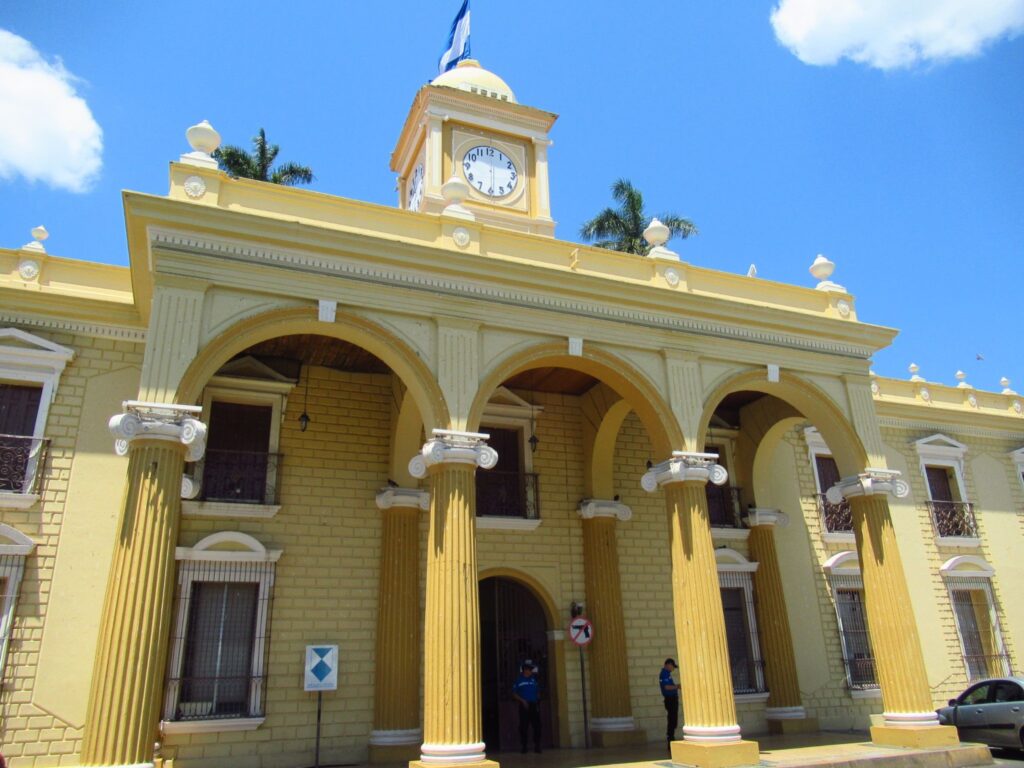
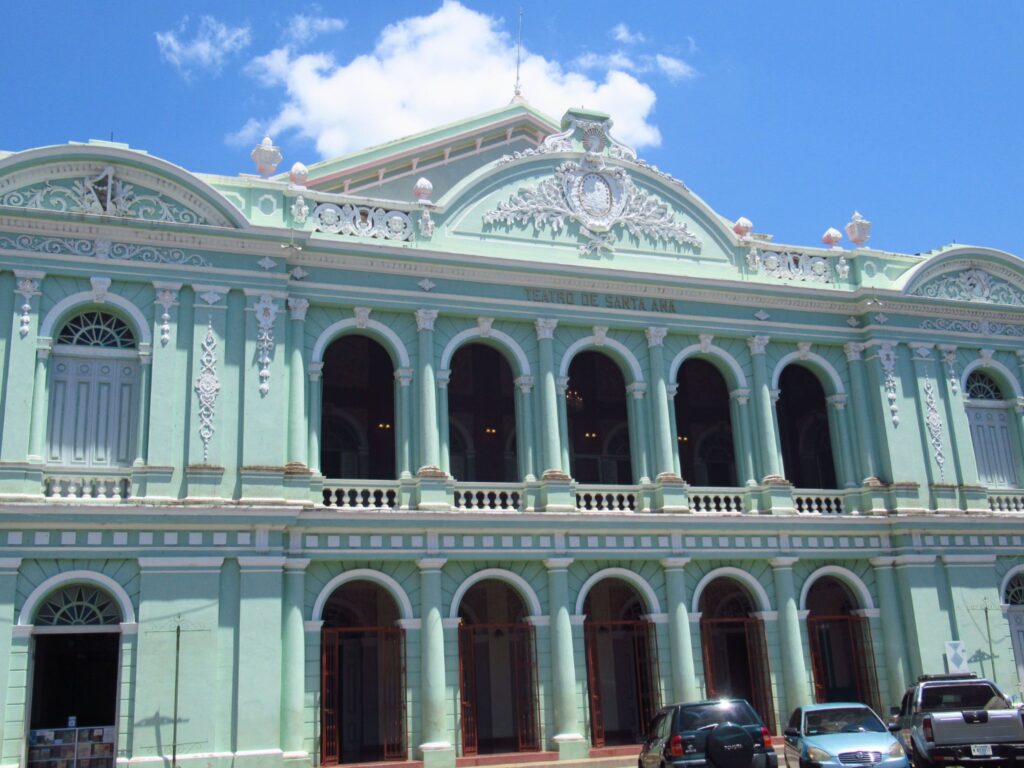
Back on the road to the border stopping at Santa Ana, the country’s second largest city. The main square had some impressive buildings

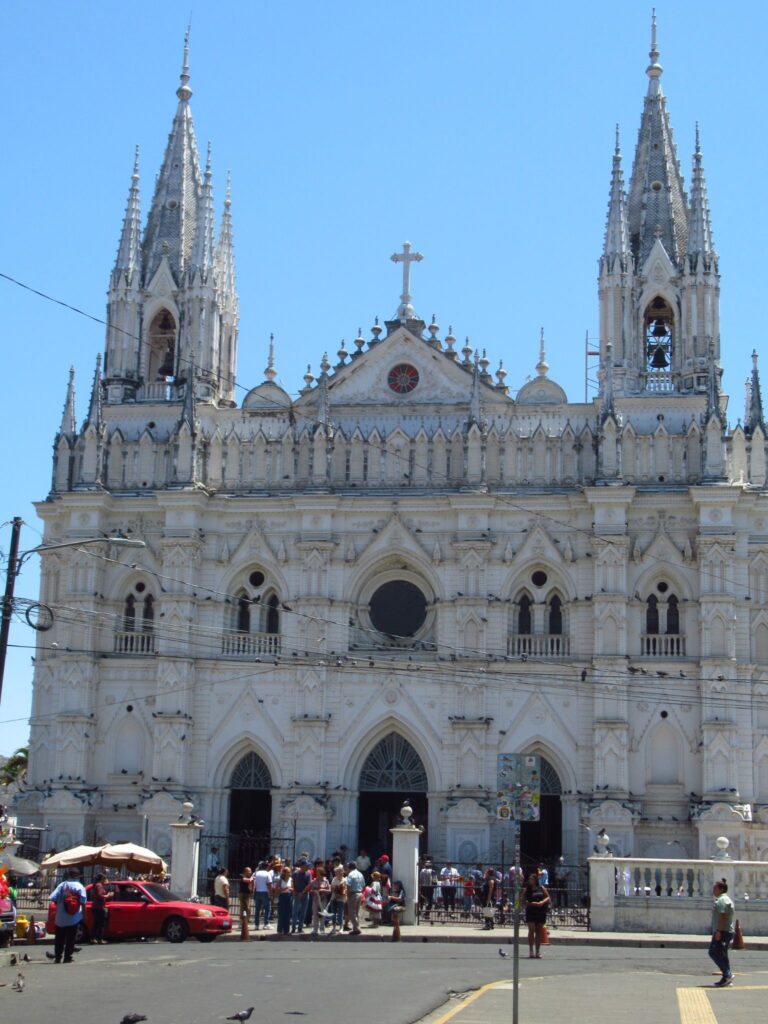
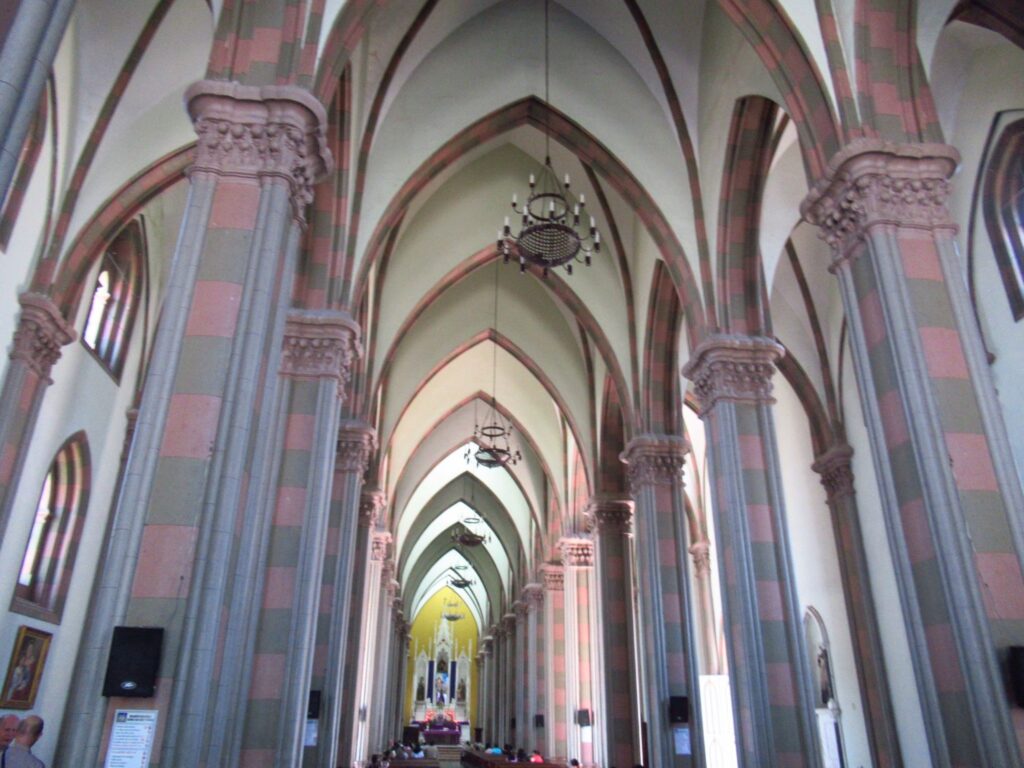
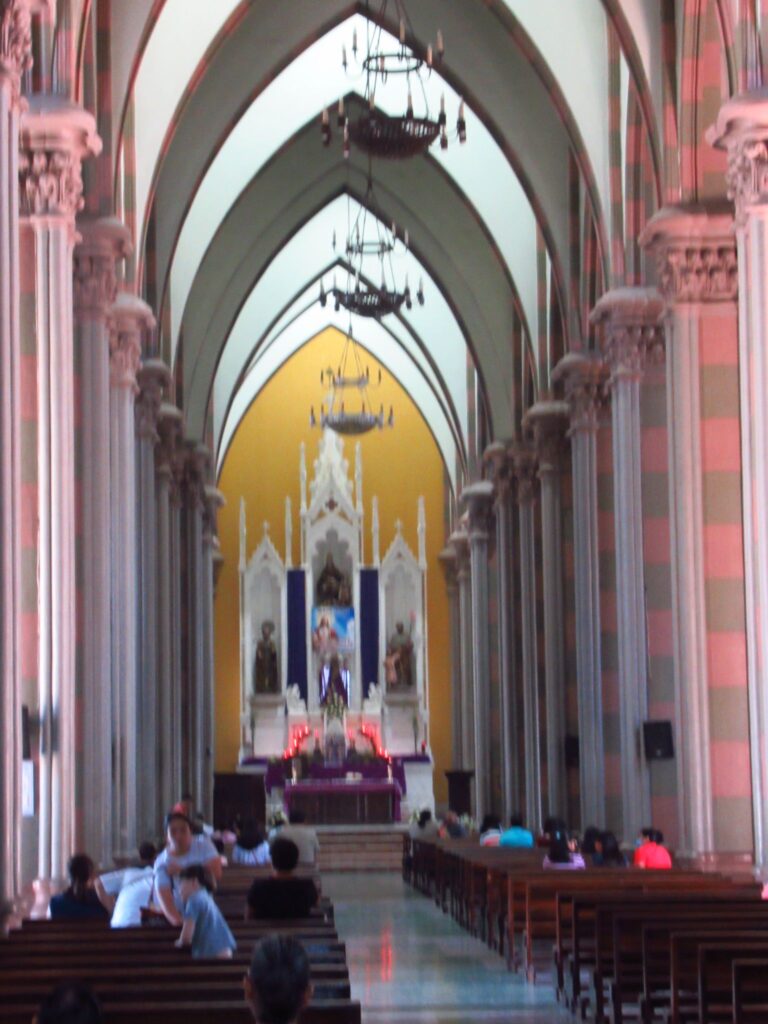
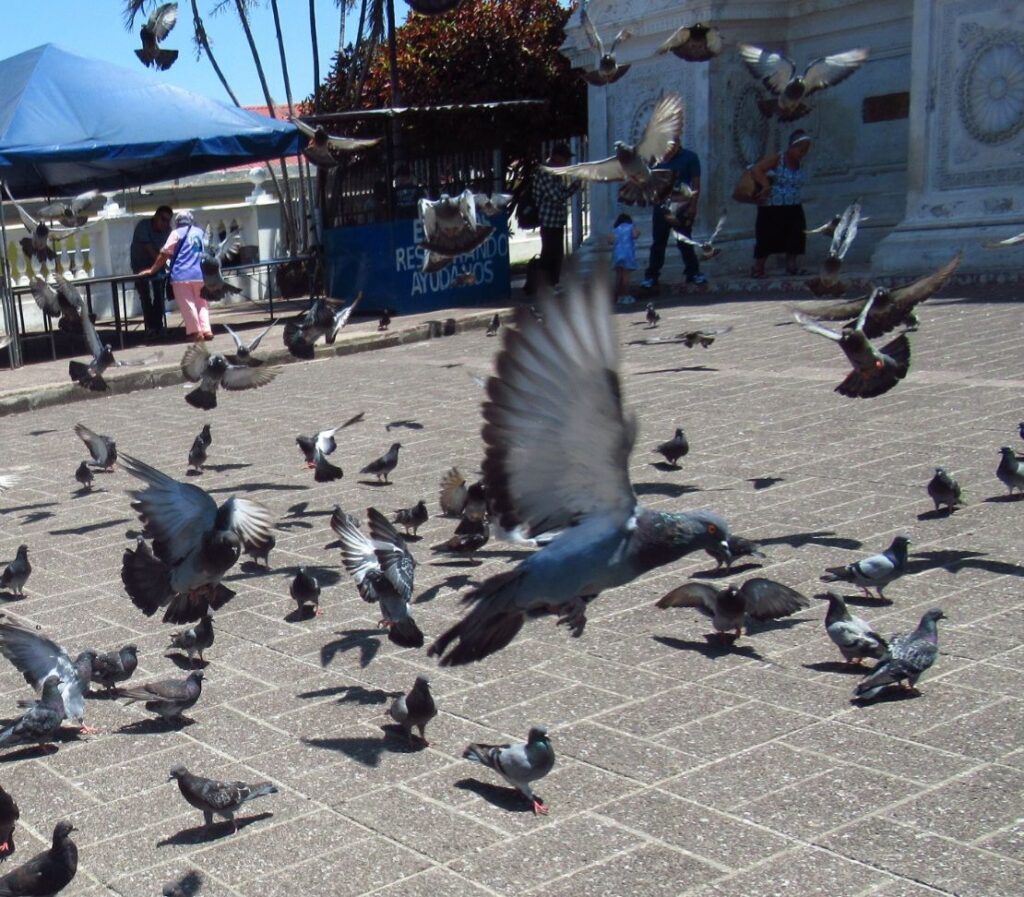
The neo Gothic cathedral was completed in 1913 obviously has a pigeon problem!

After an interesting border crossing we arrived in Copan and the lovely Hotel Marina Copan

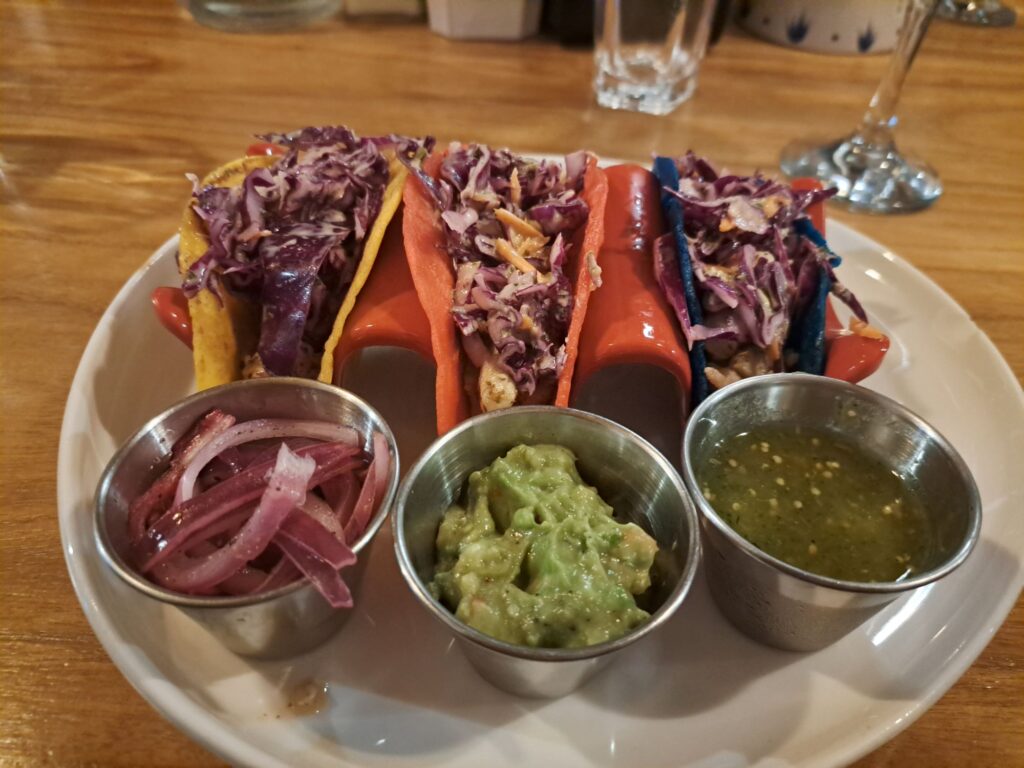
A mojito in the bar and out for some very colourful tacos

Suchitoto to Ataco

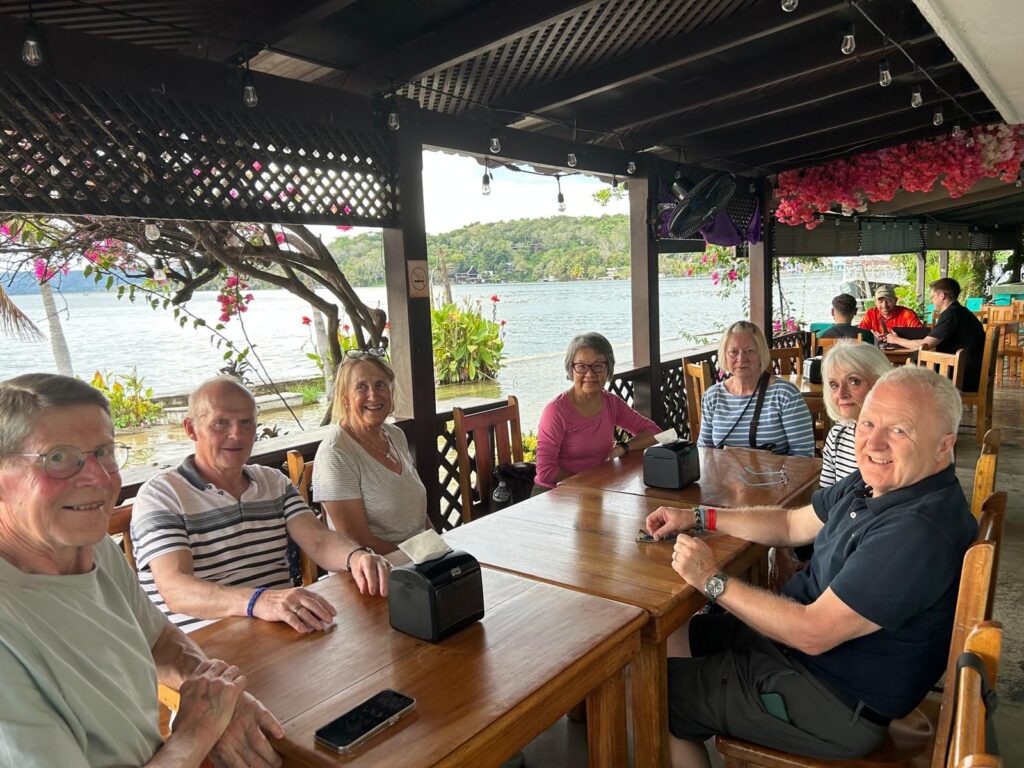
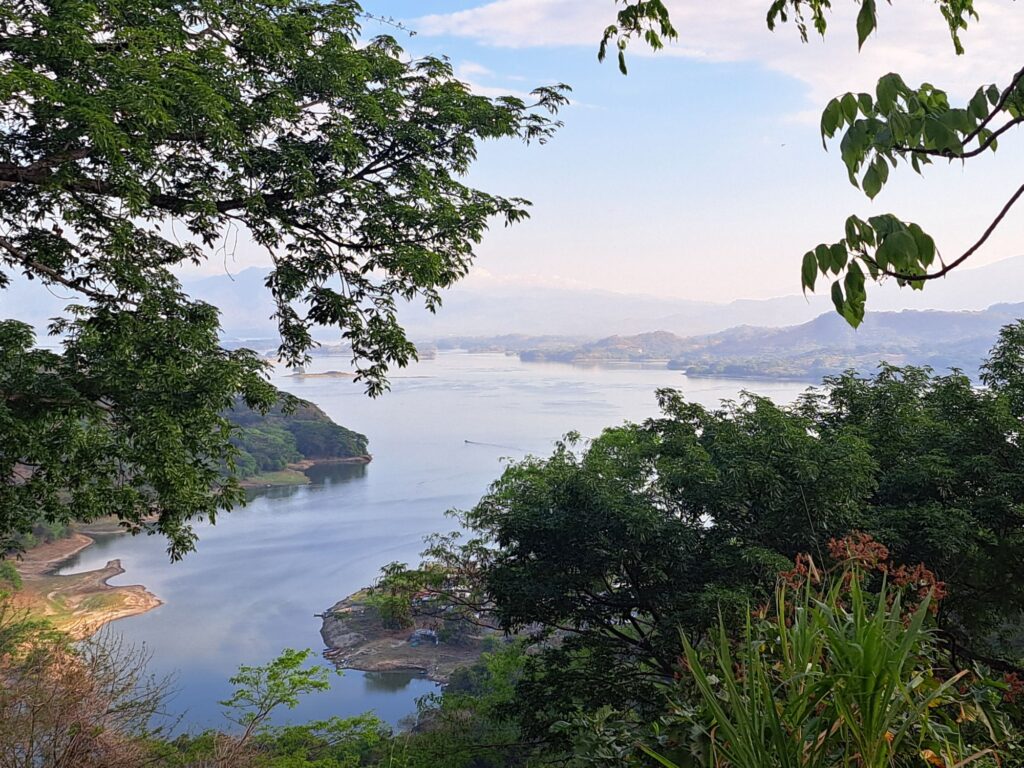
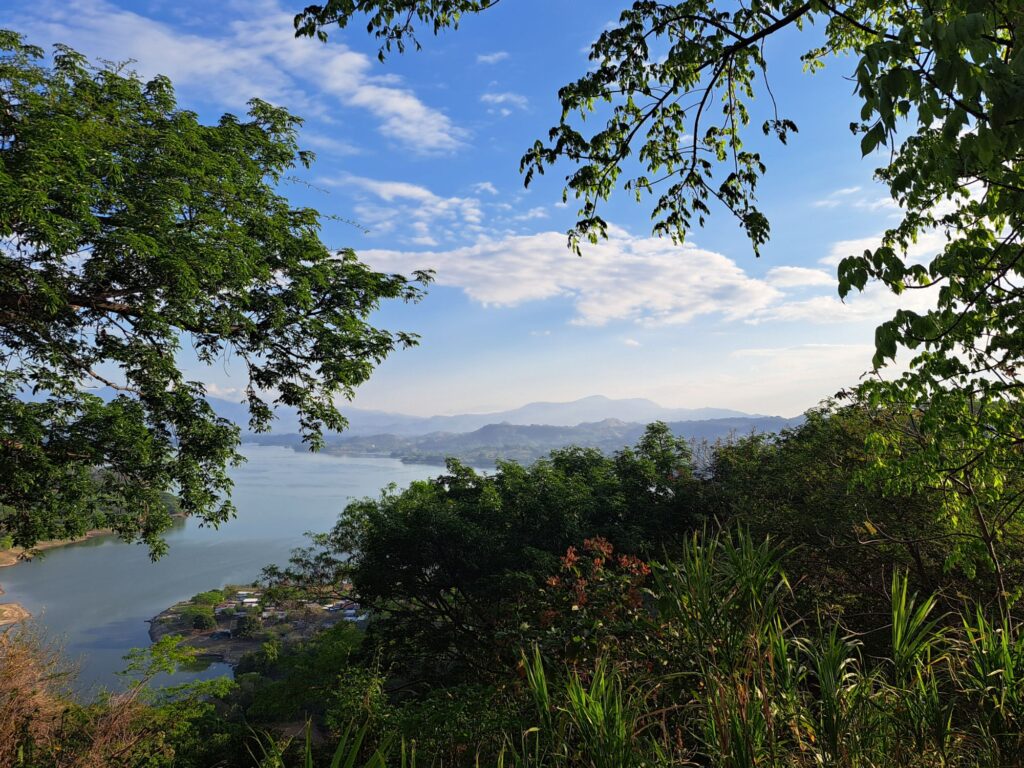
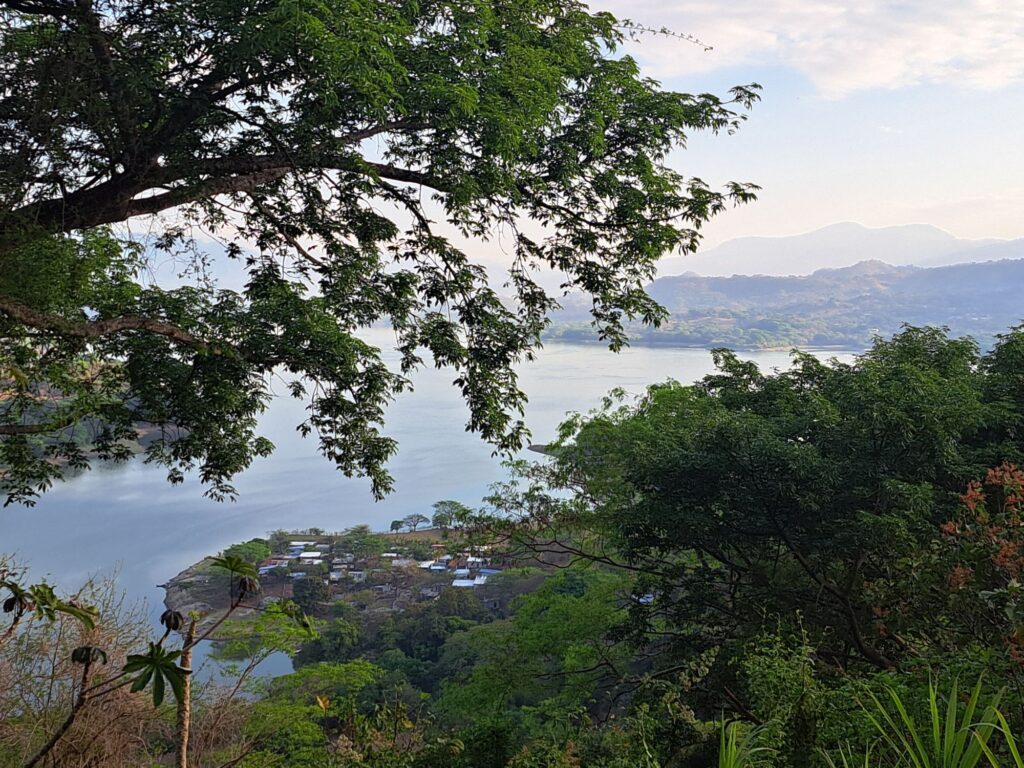
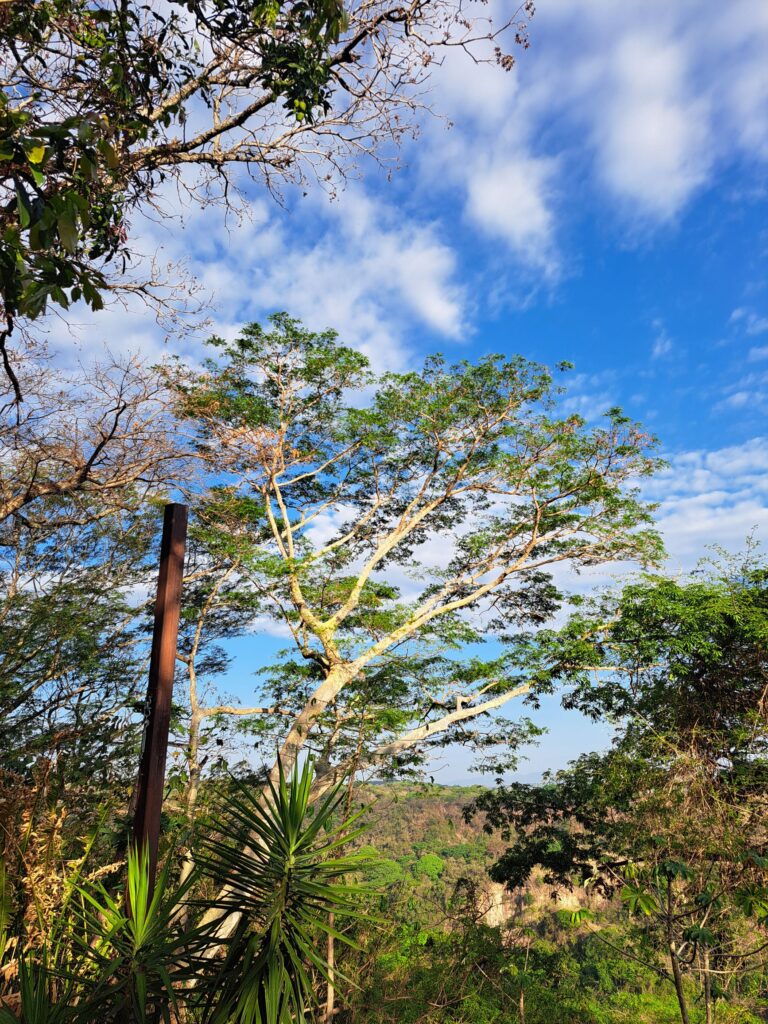
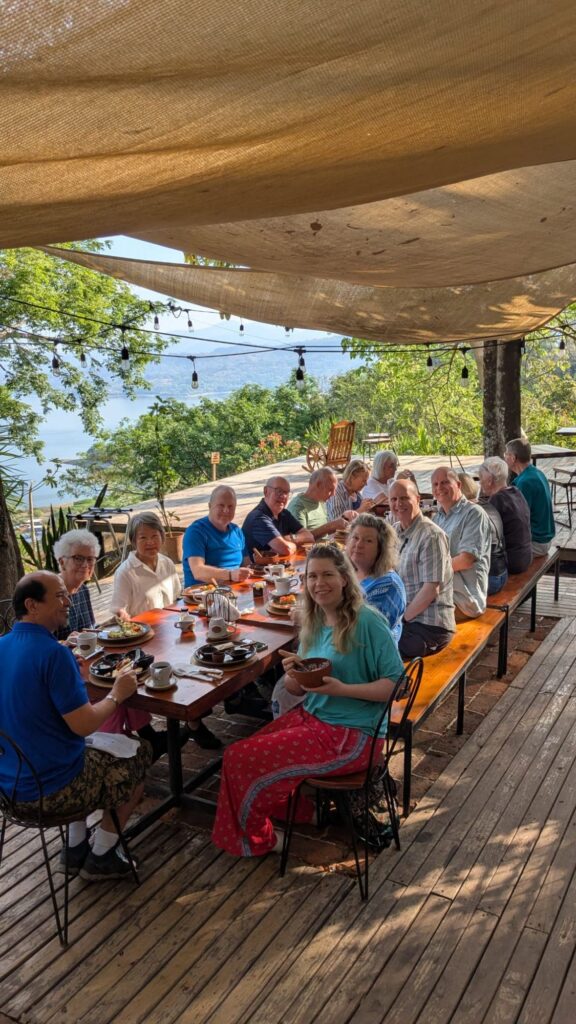
Breakfast this morning with quite a view of Lake Suchitlan.

Listening to the parakeets and watching the squirrels in the trees

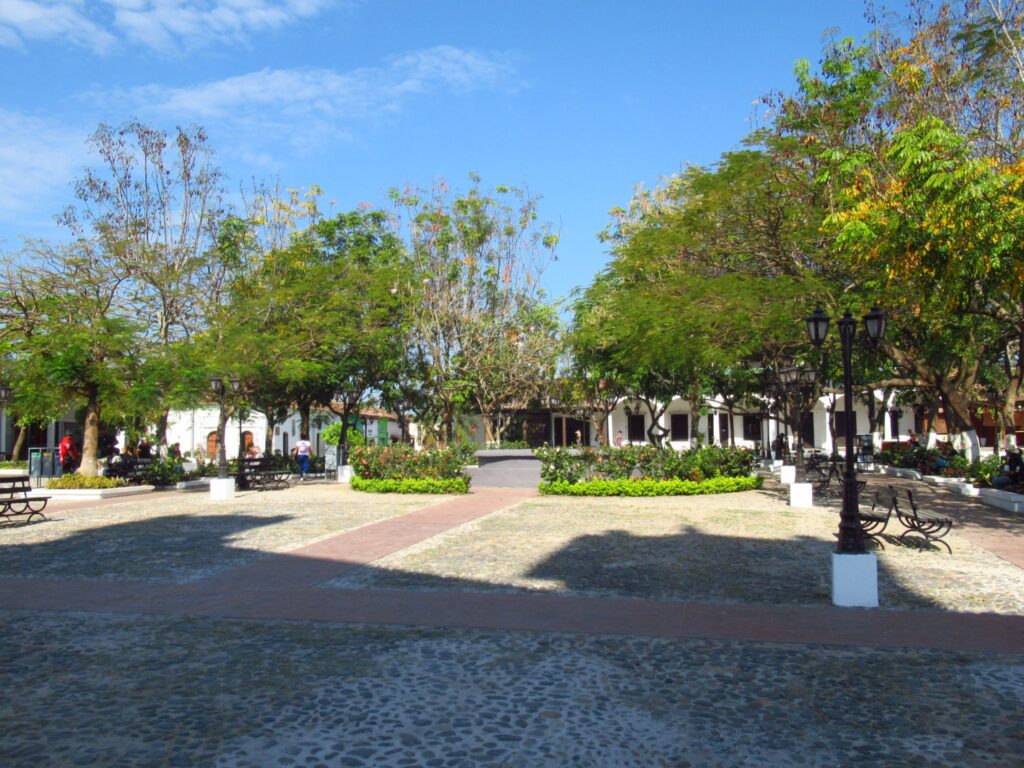
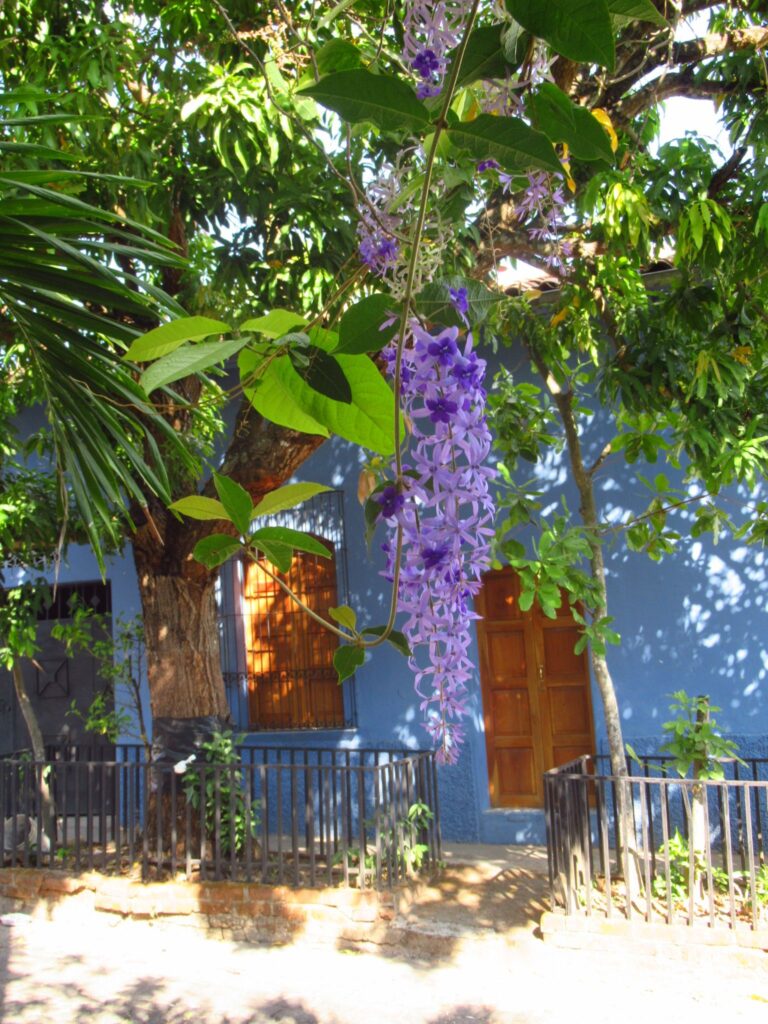
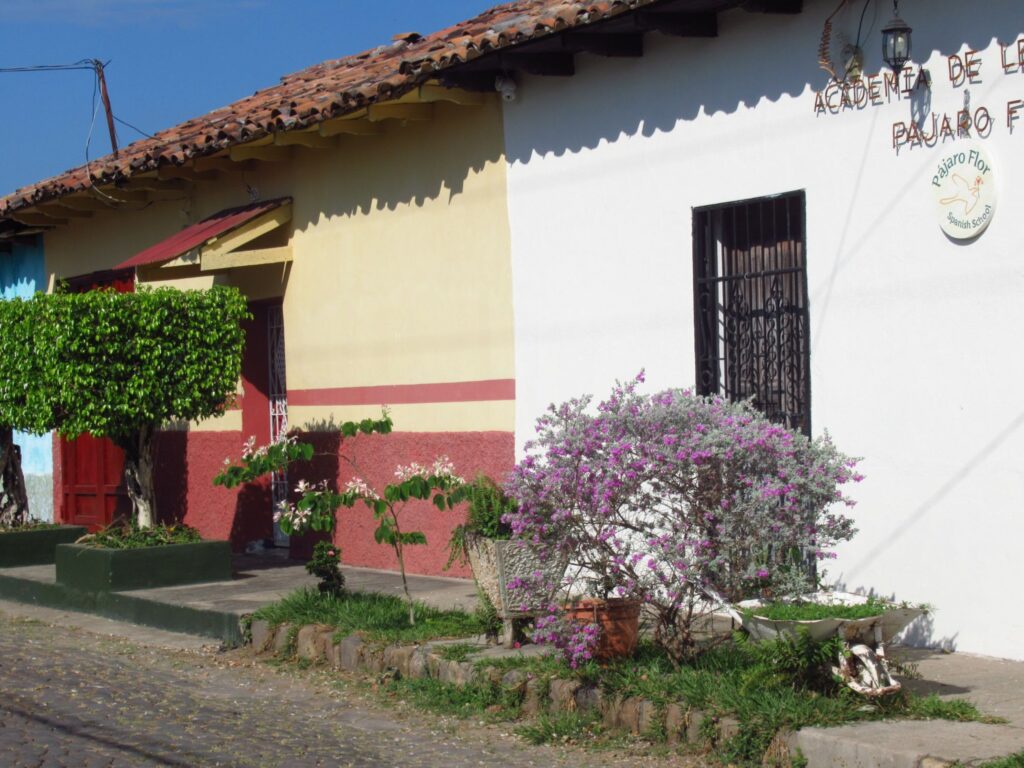
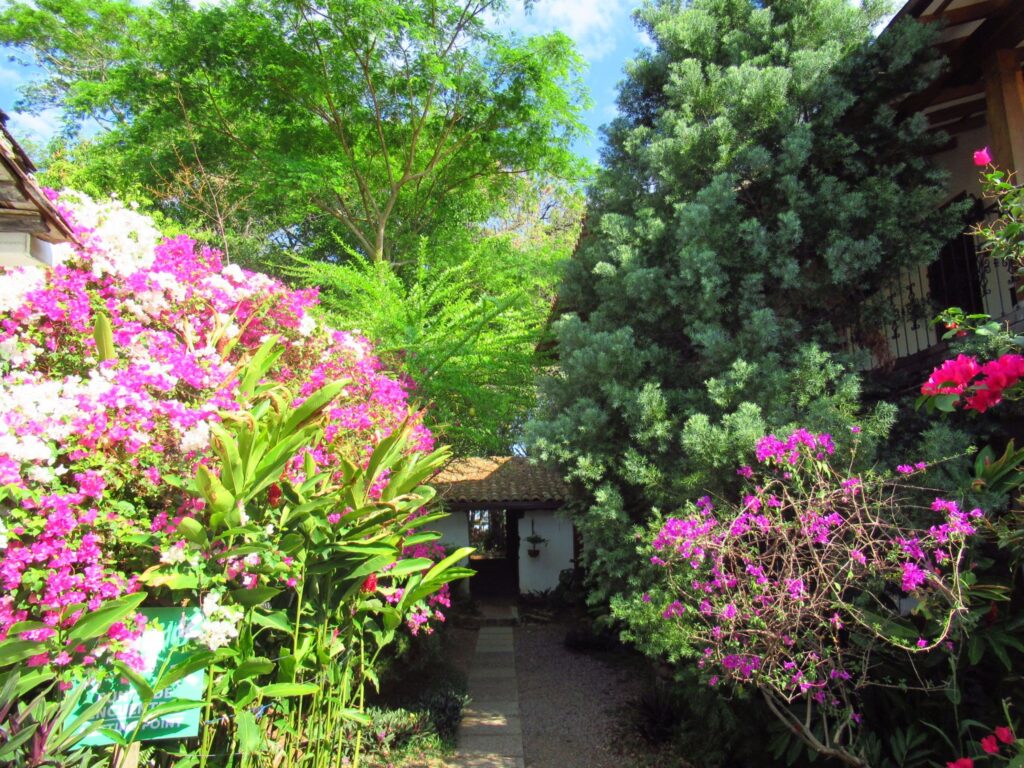
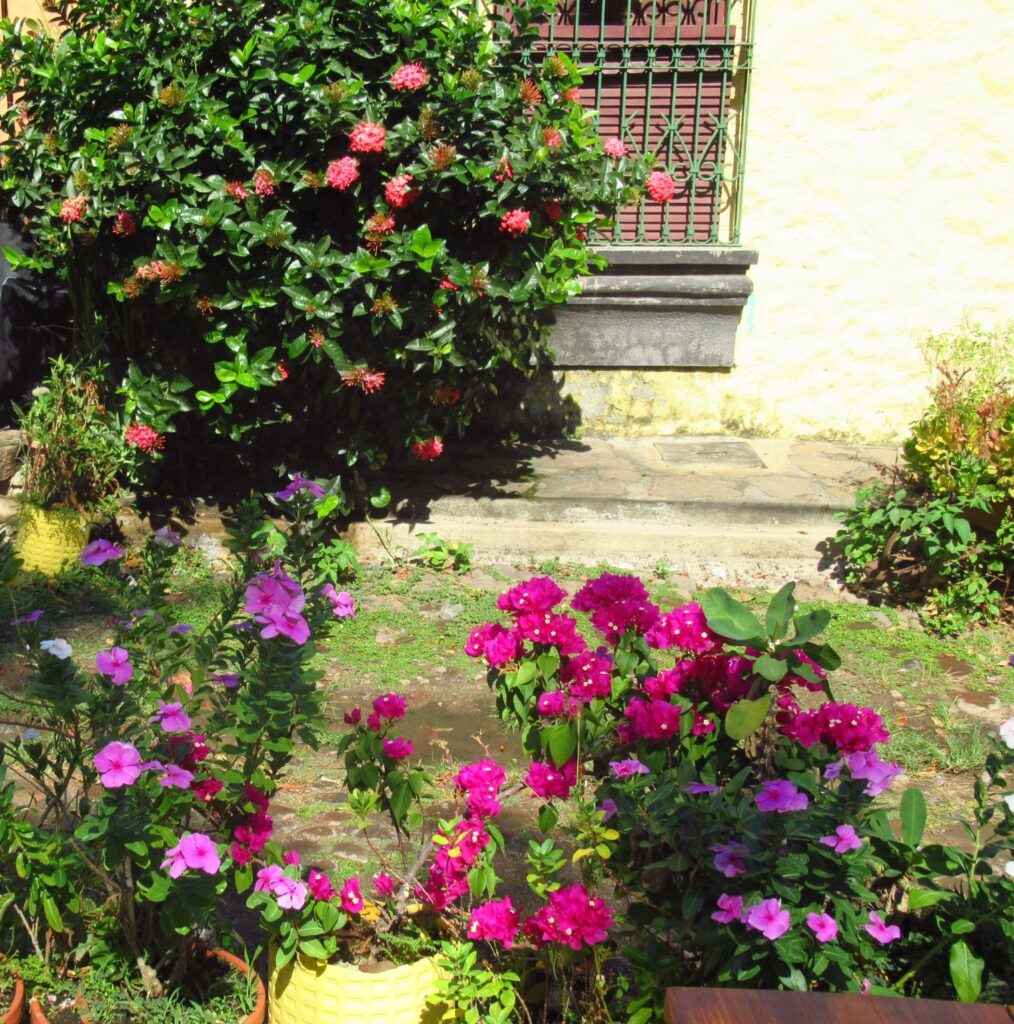
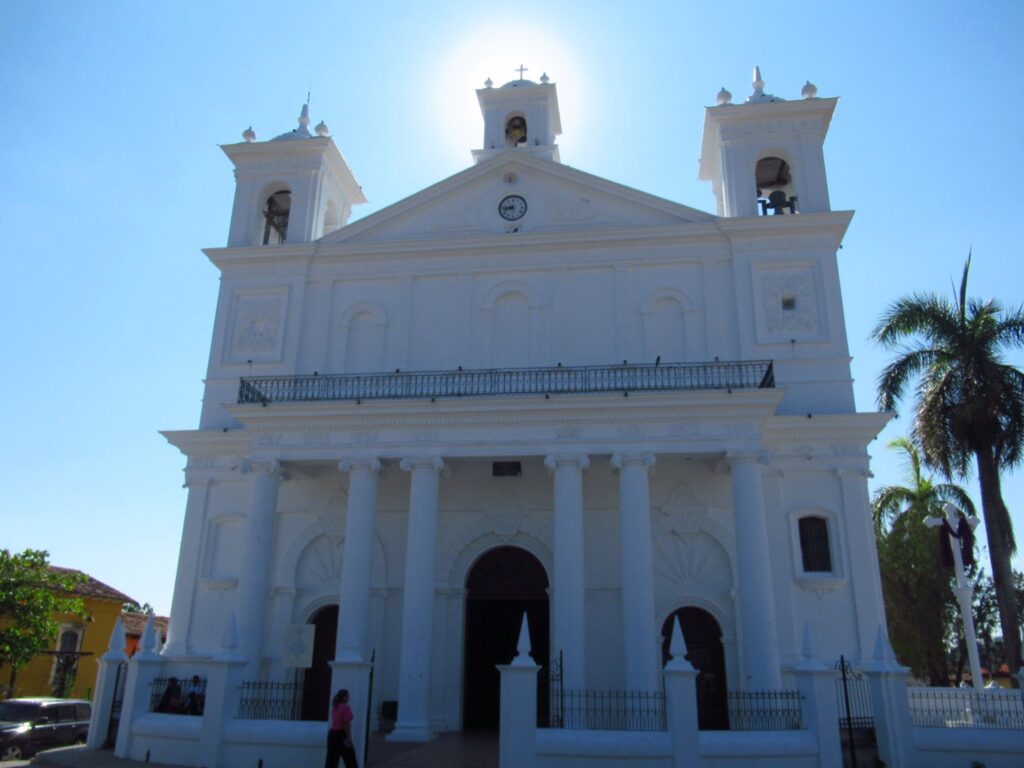
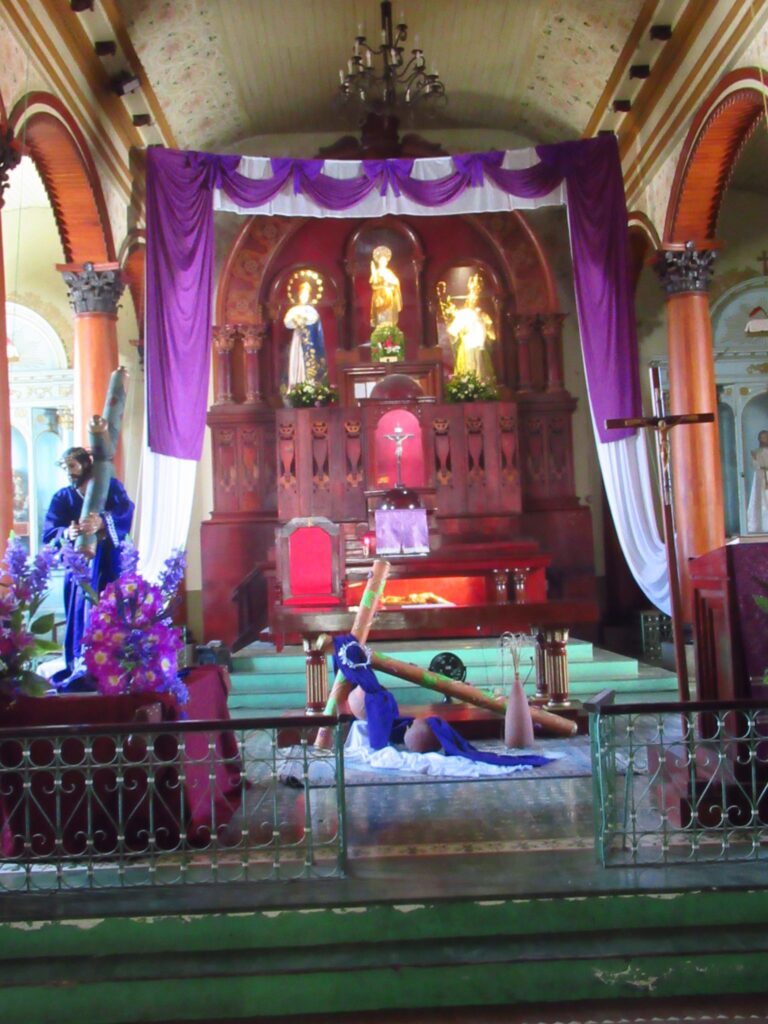
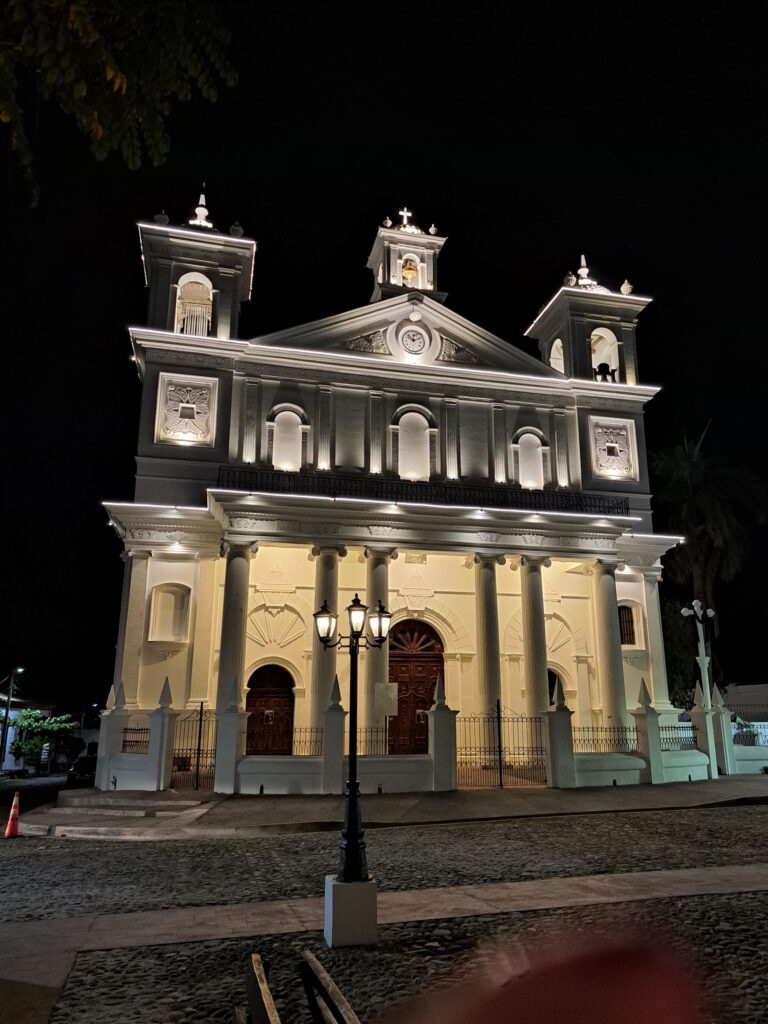
A short guided tour of Suchitoto, walking along the cobbled streets, Santa Lucia church, colourful houses and flowers.

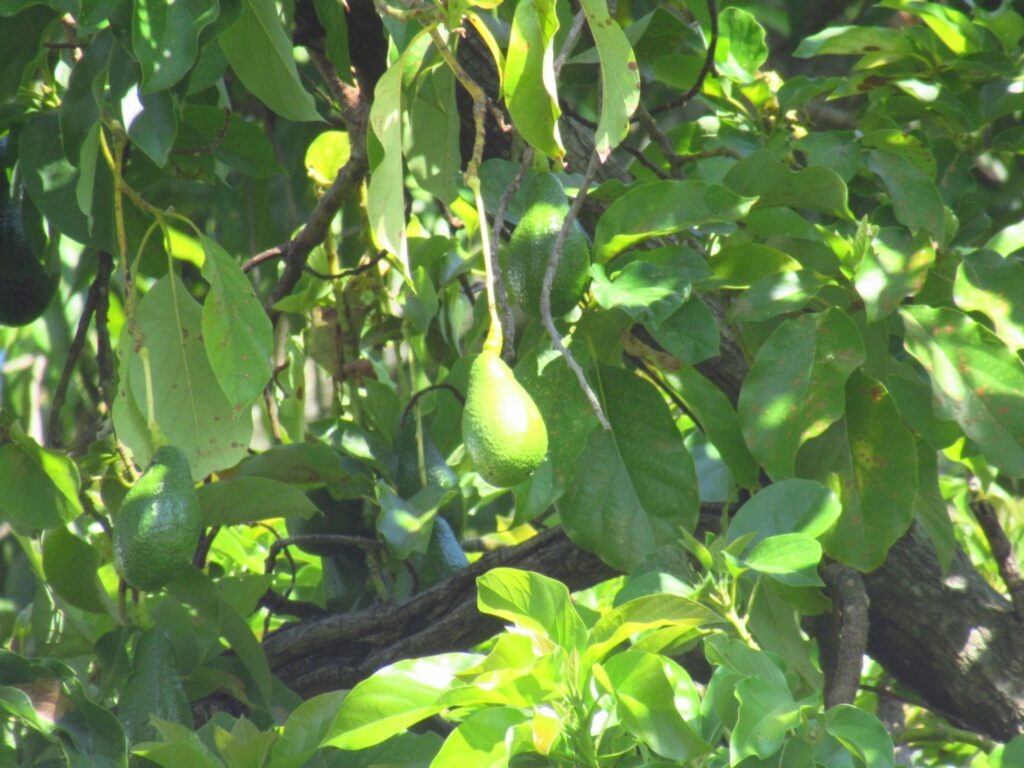
An avocado tree, each avocado can earn $1 and it’s usual to get around 500 fruits per tree.

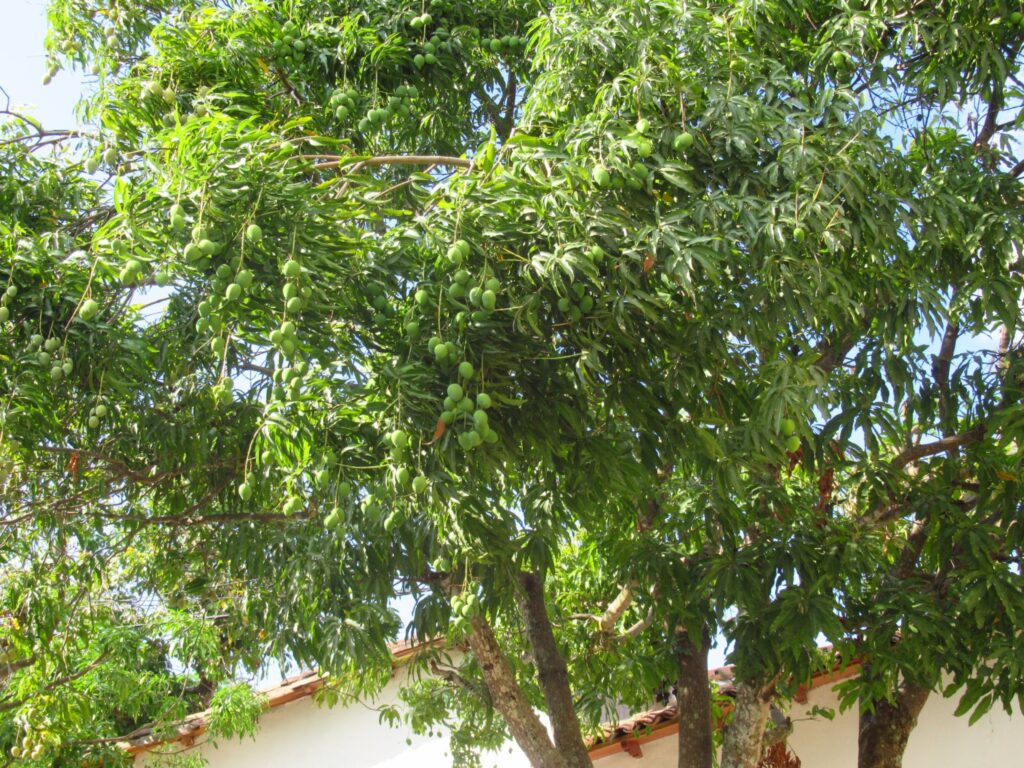
There are lots of mango trees too but much of the fruit is left for the birds because there are so many

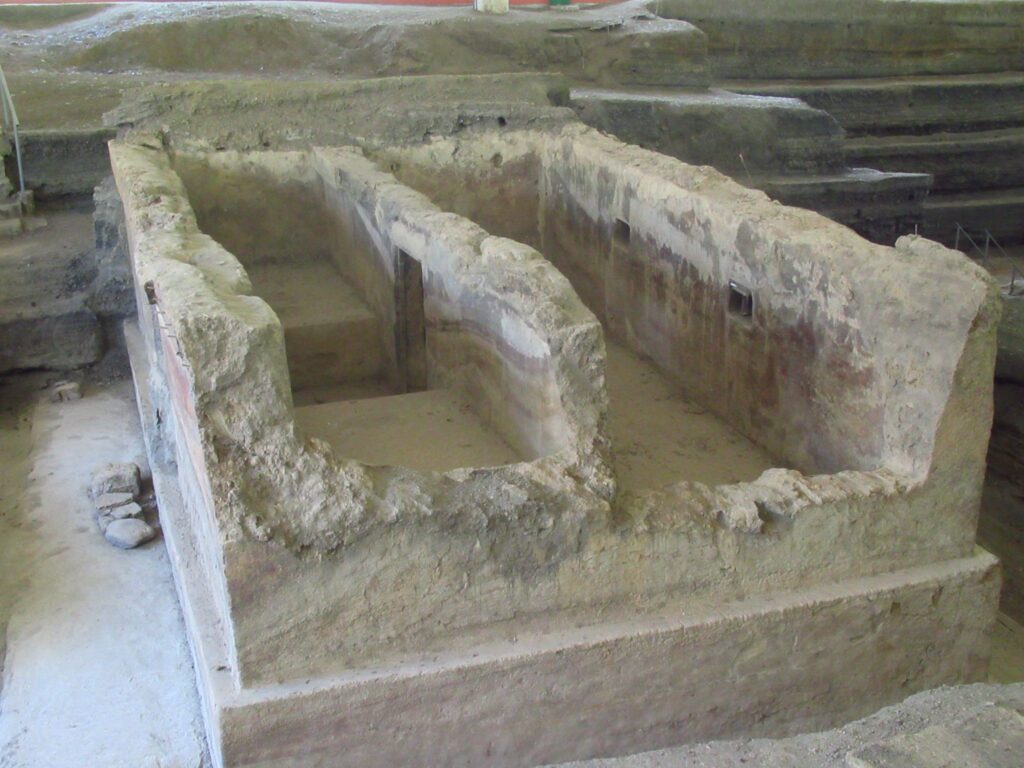
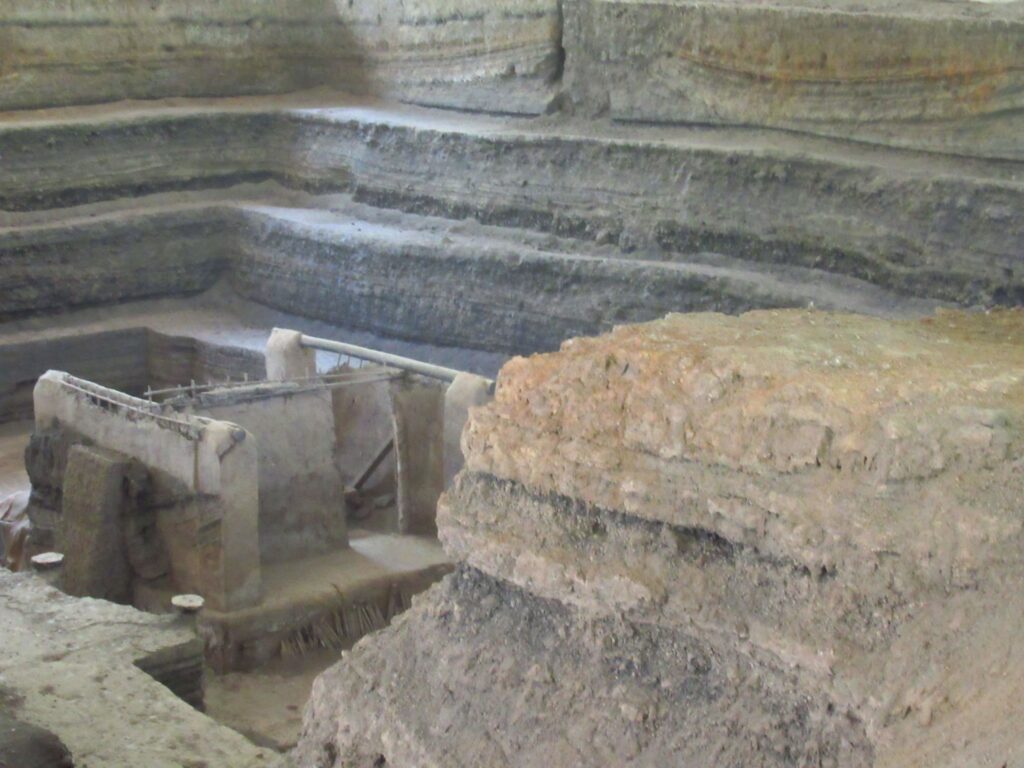
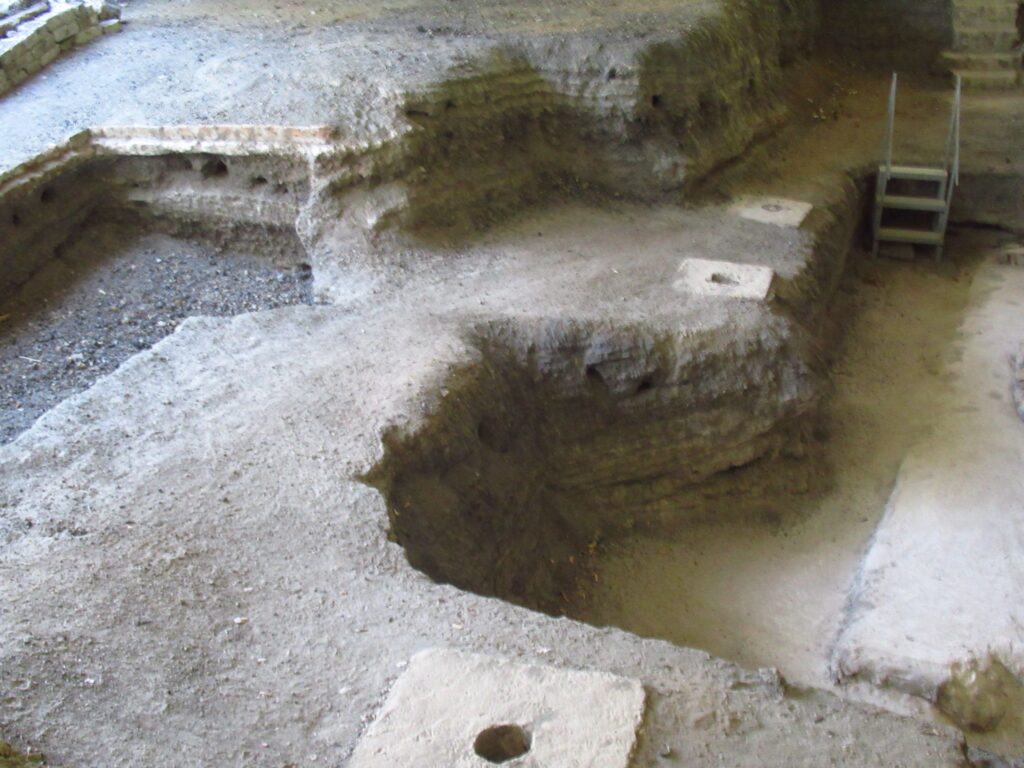
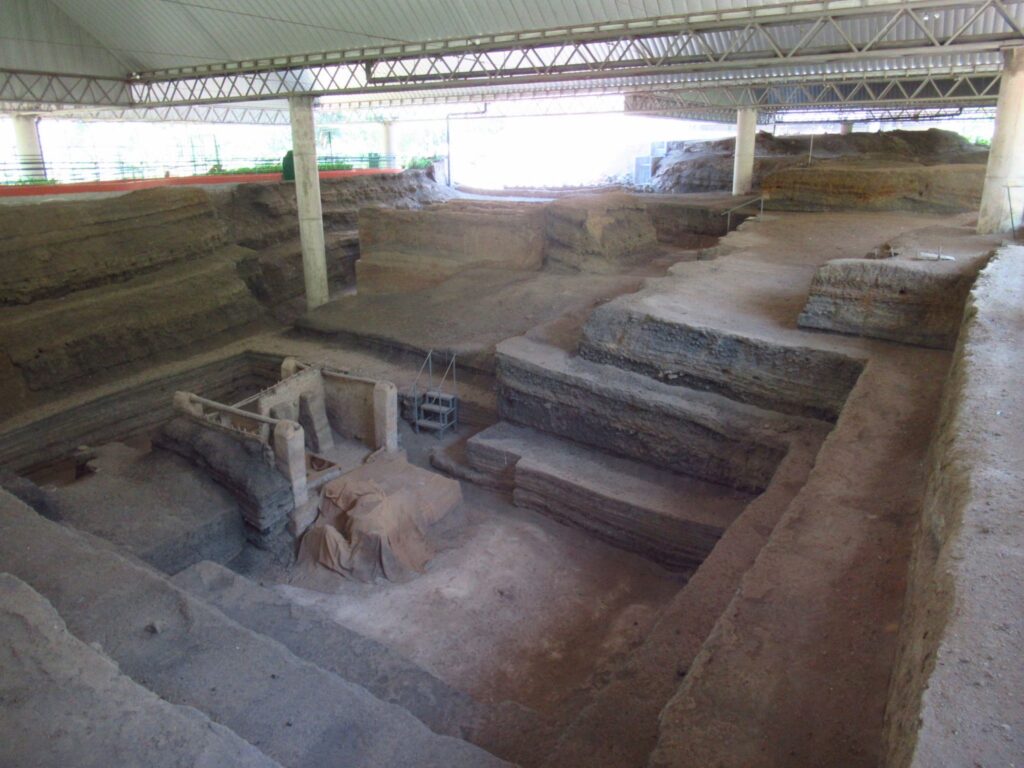
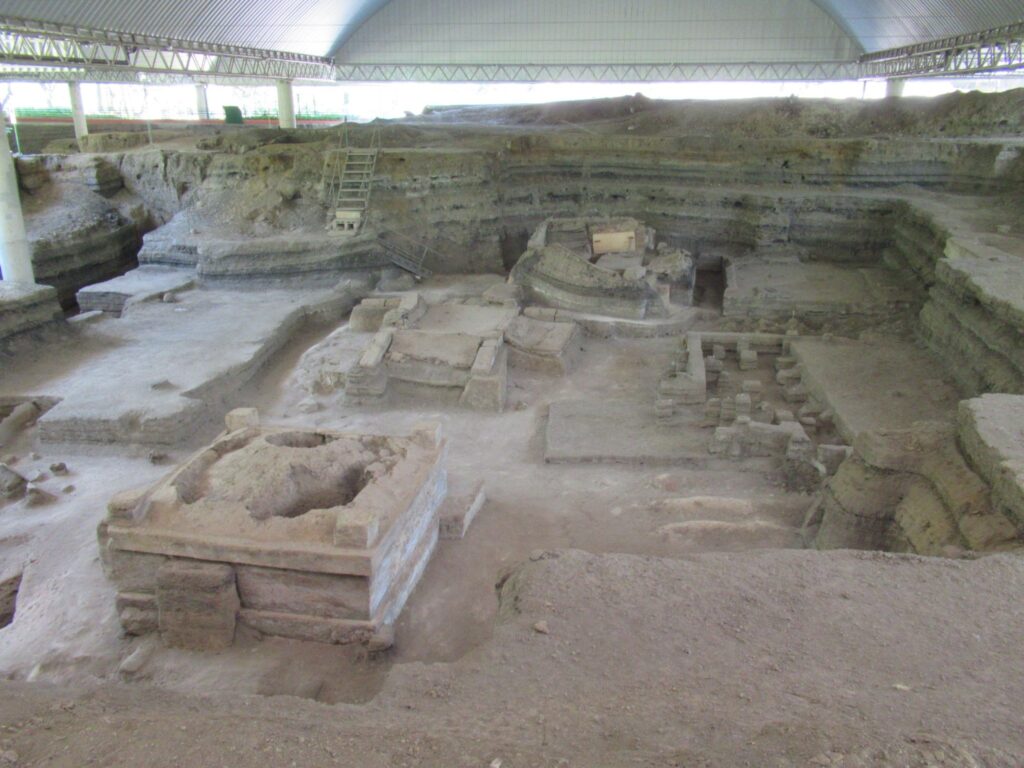
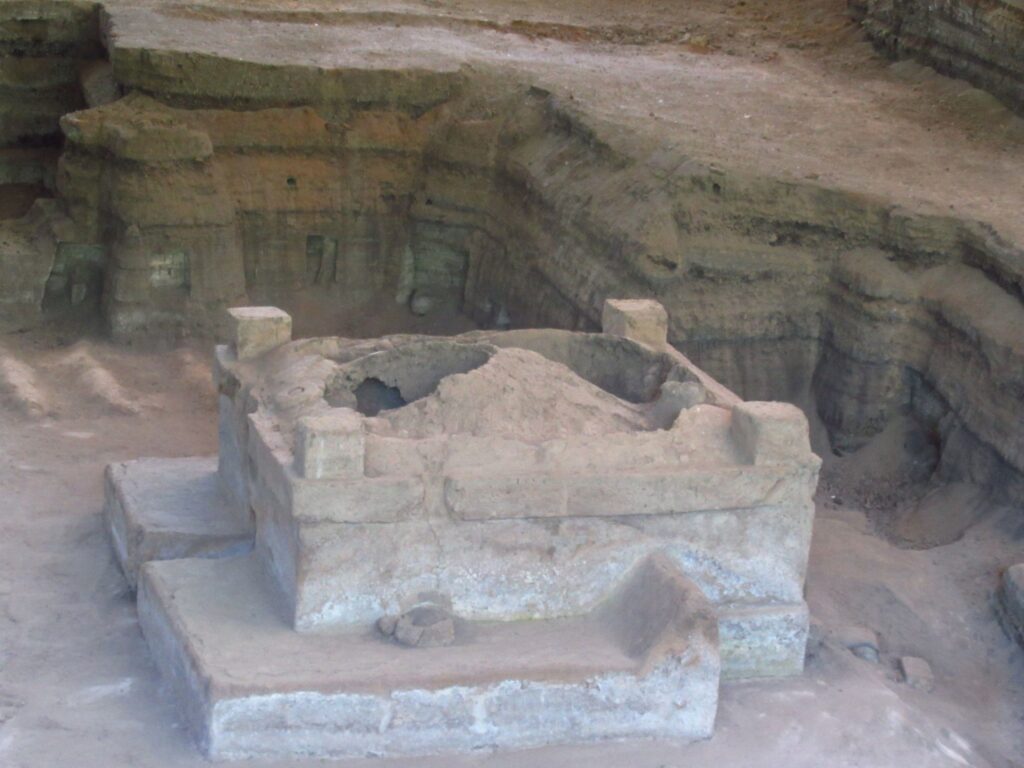
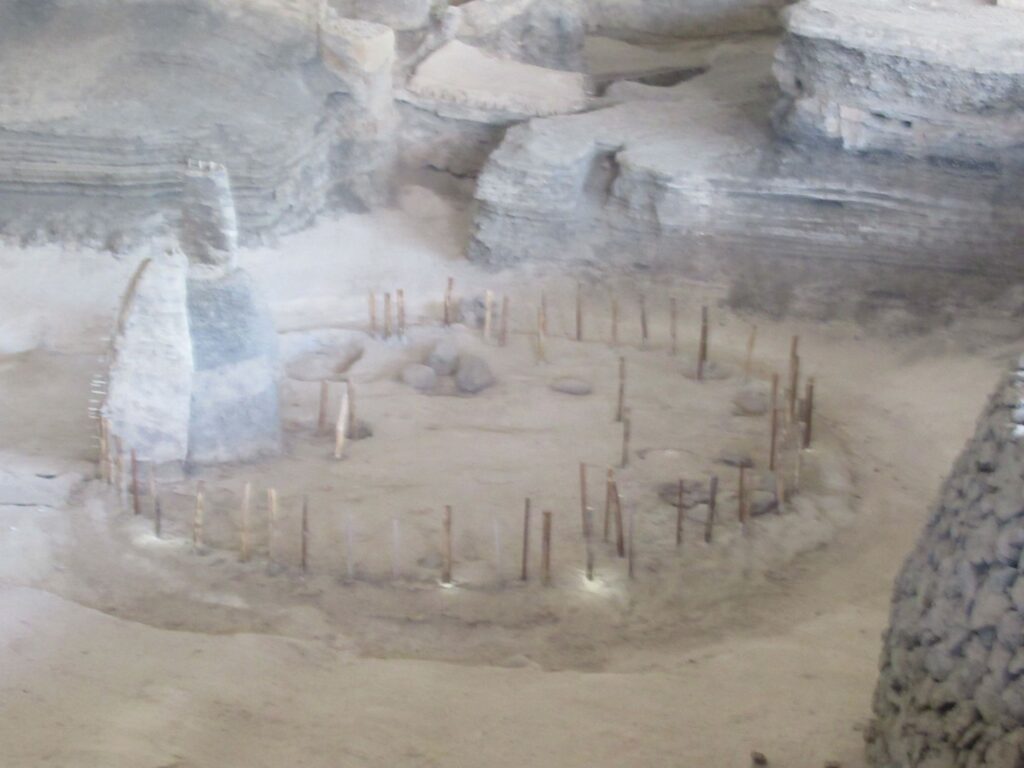
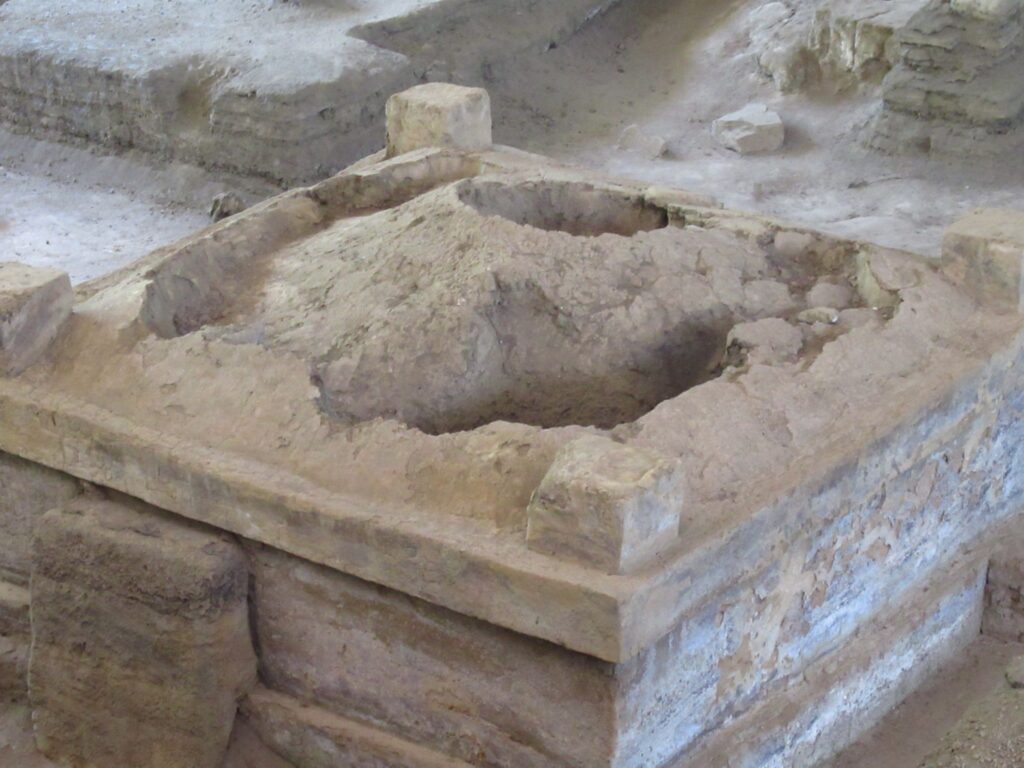
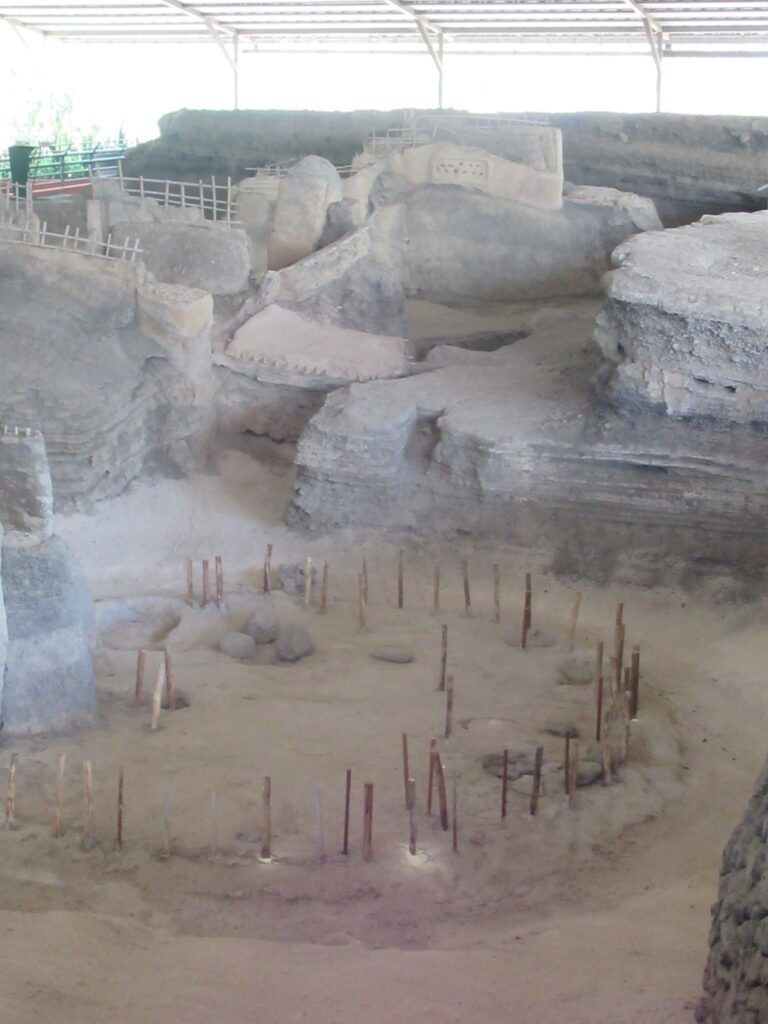
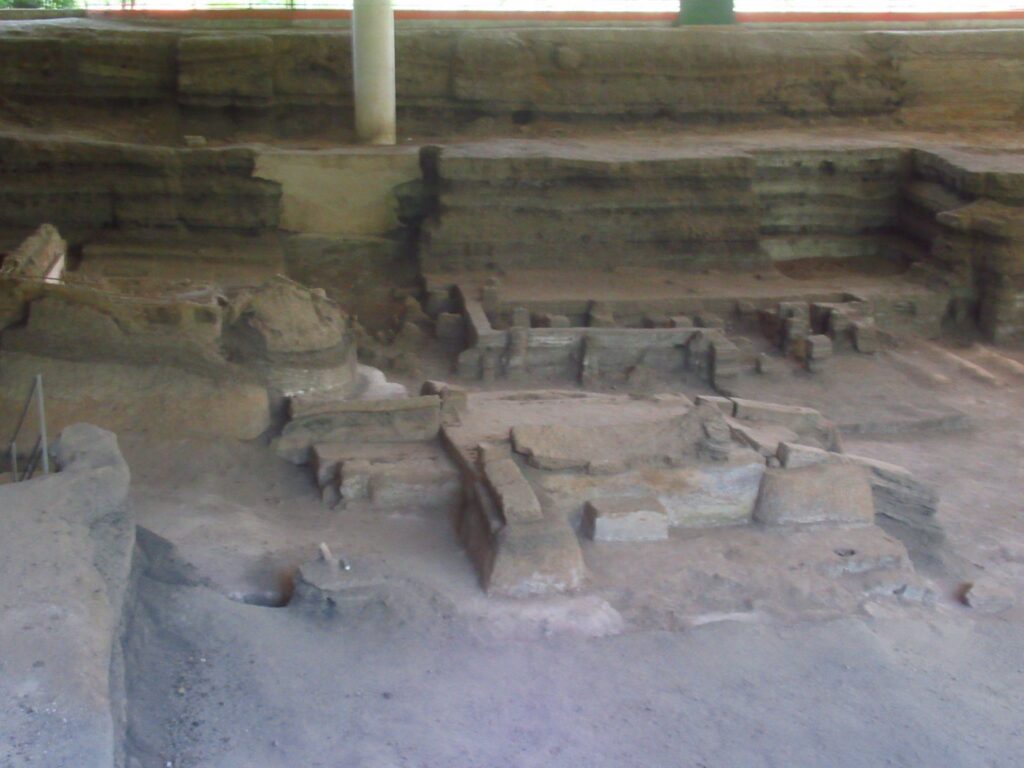
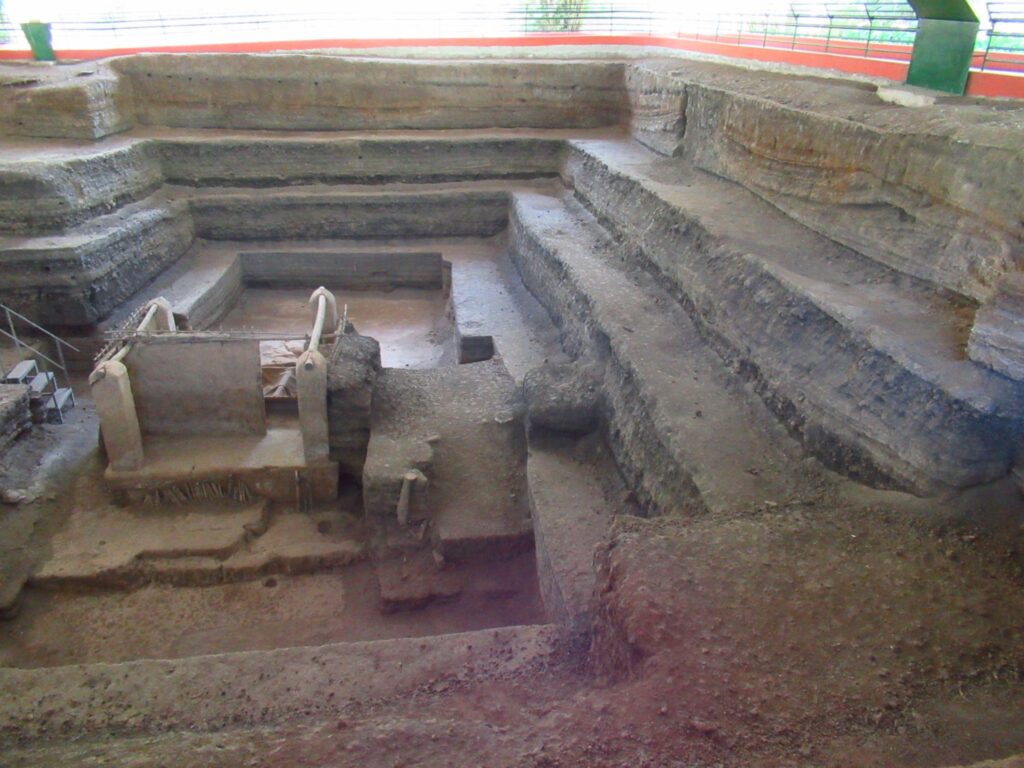
We then drove to Joya de Ceren along the Route of the Flowers. Joya de Ceren is a small archaelogical site with a well-preserved Mayan village which was buried under volcanic ash in the 6th century AD and was only discovered in 1976.

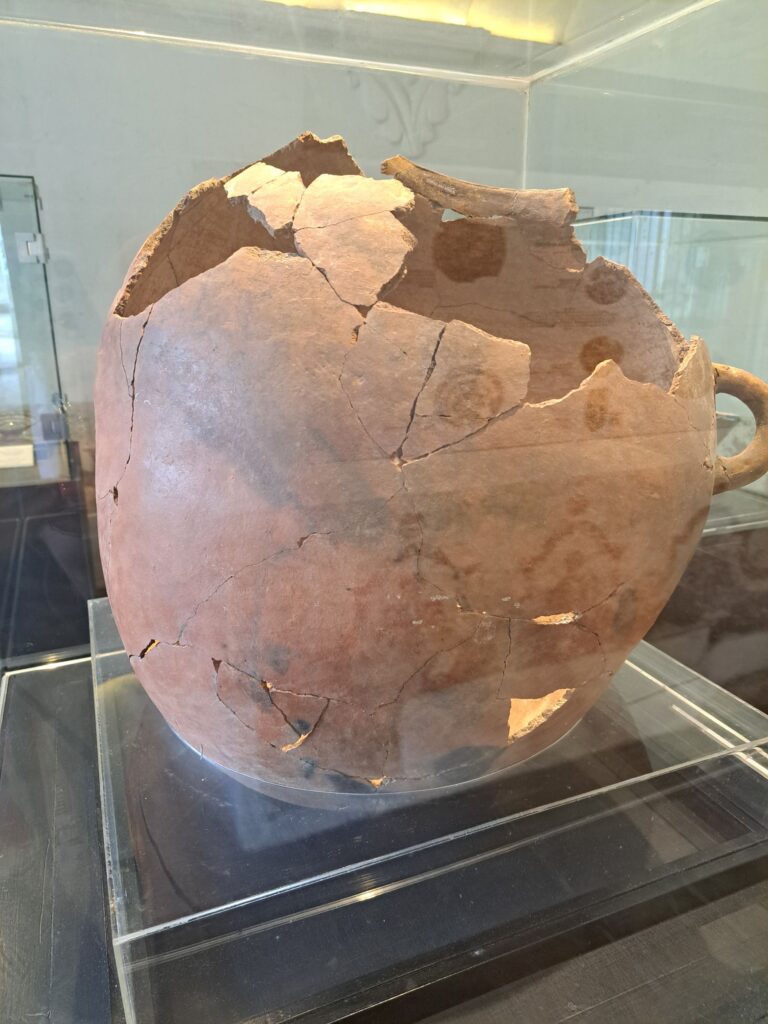
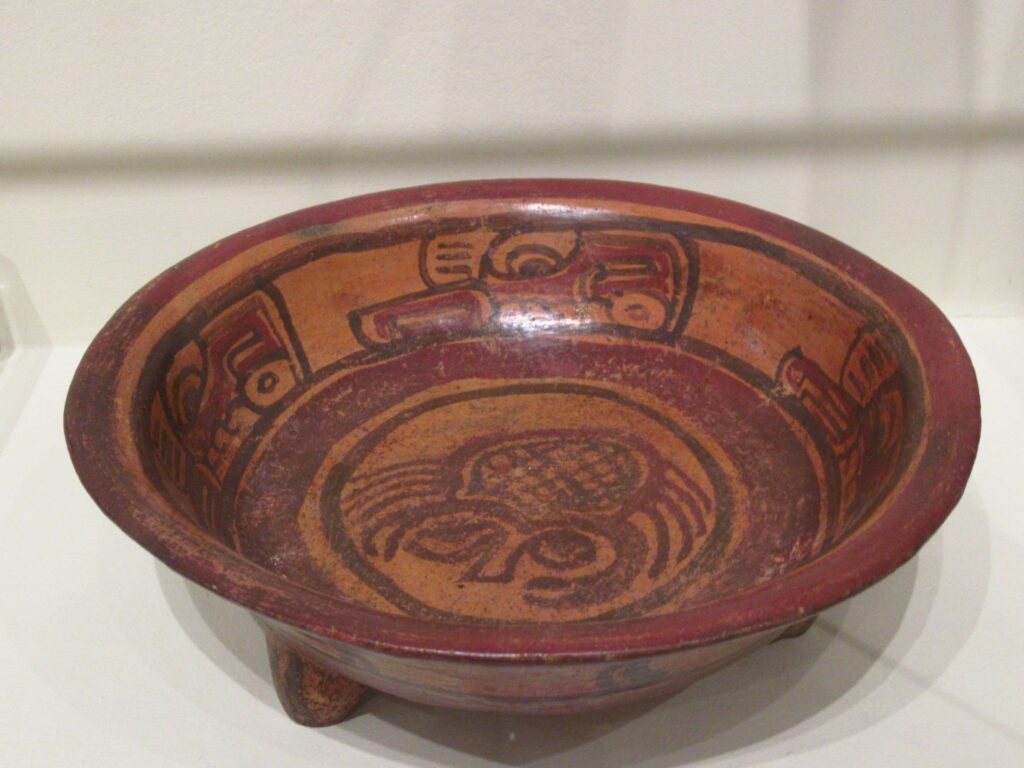
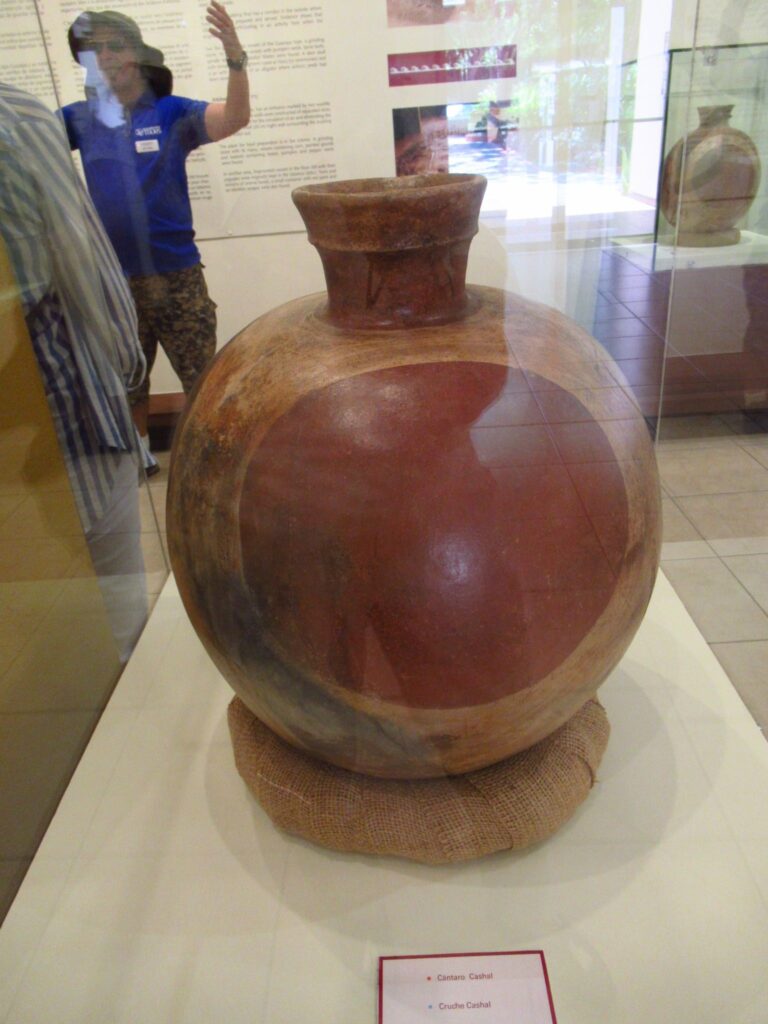
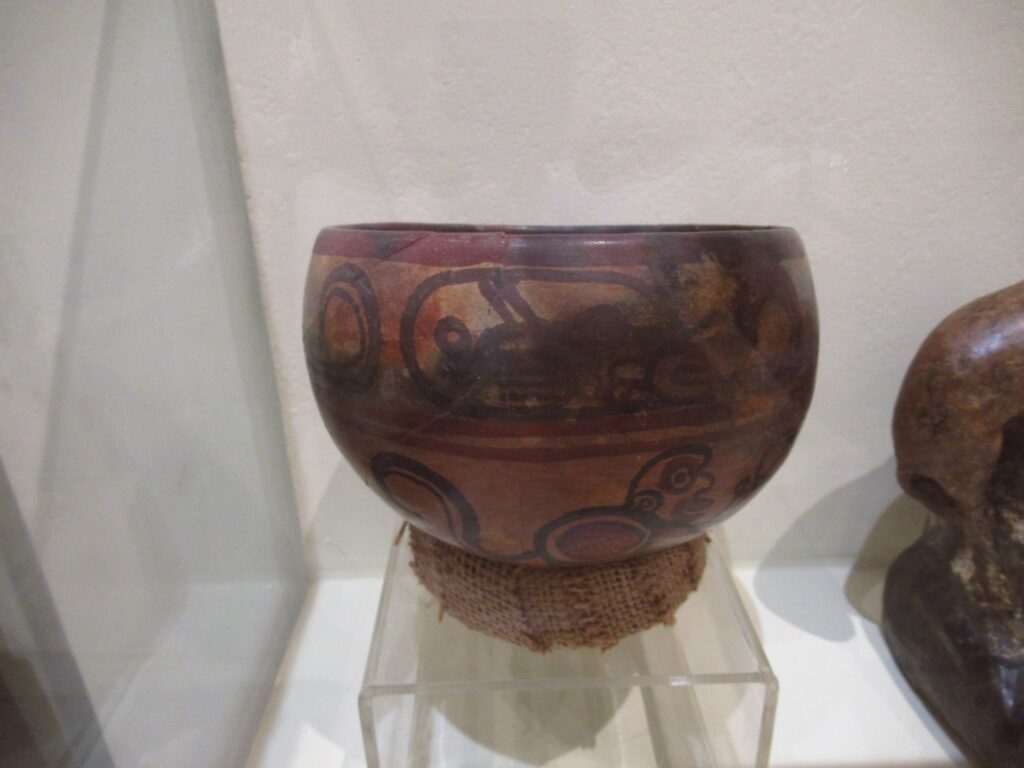
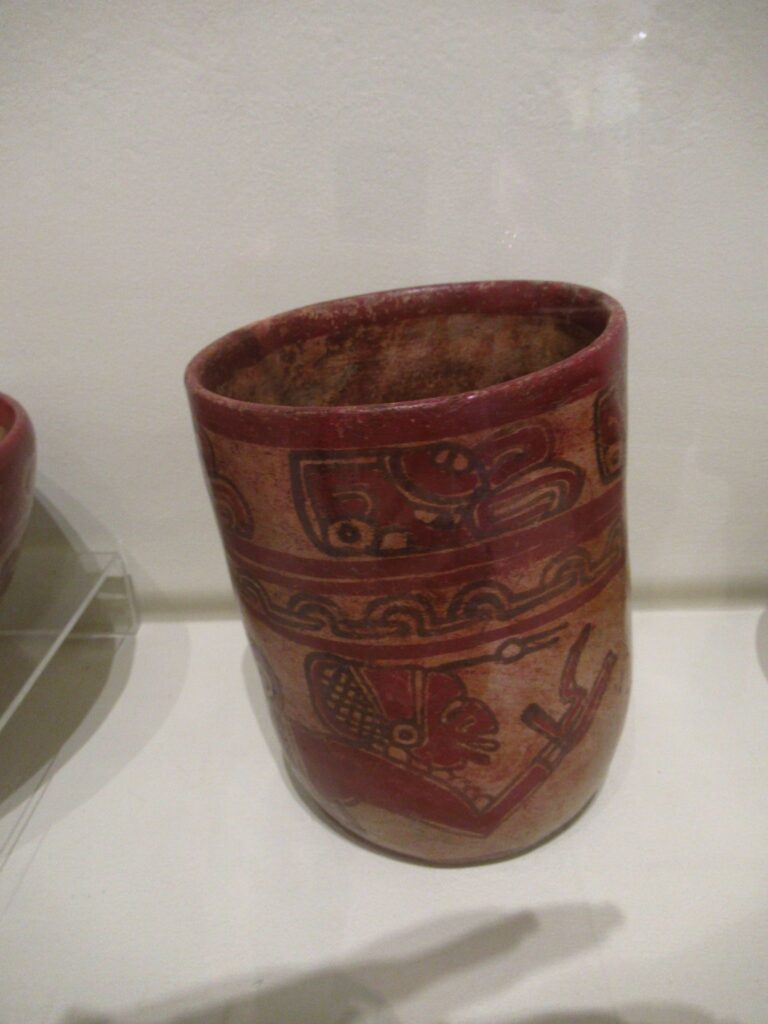
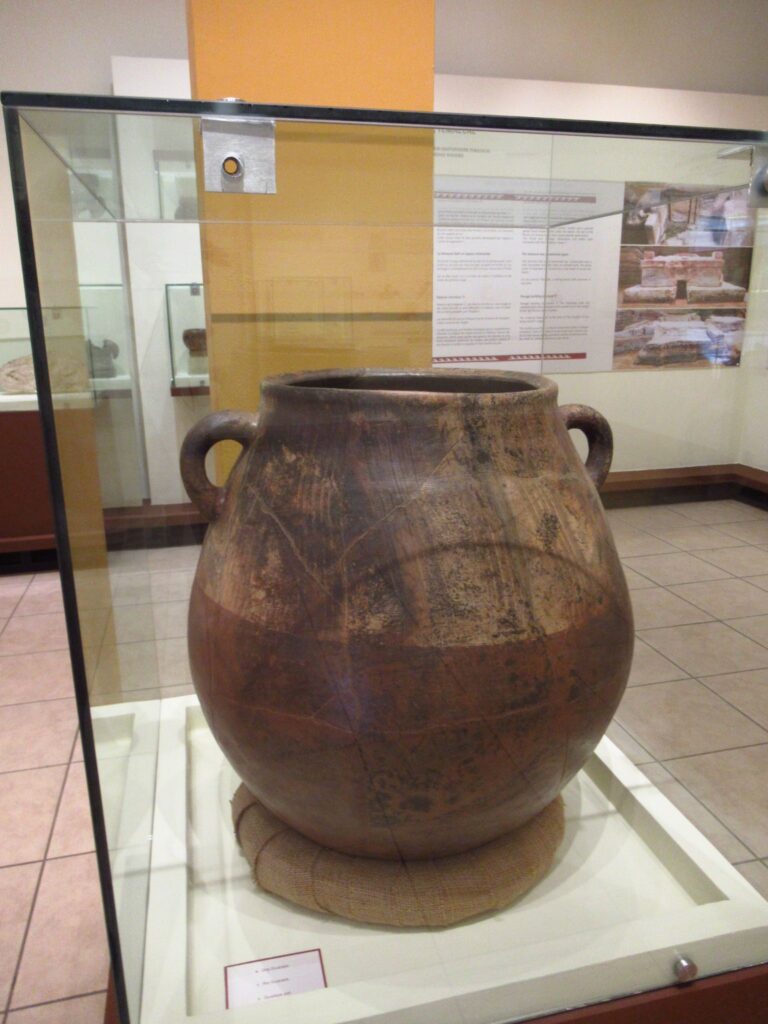
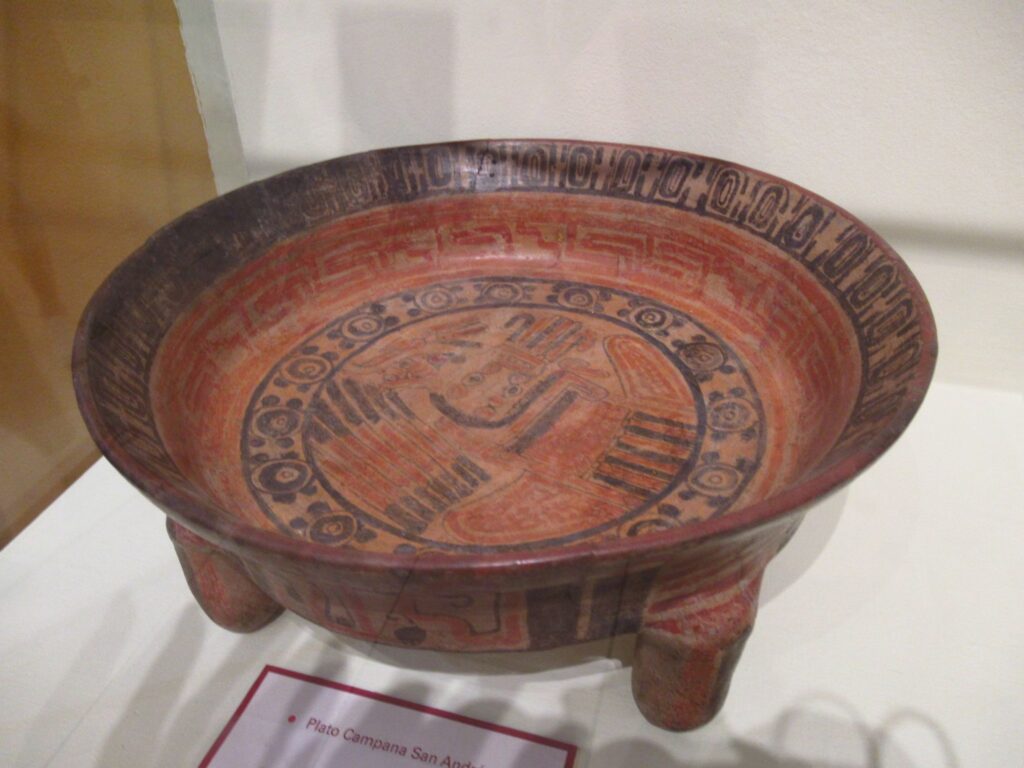
No human skeletons were found only the bones of a duck and a mouse.  Not many artefacts were found with the exception of some remarkable pottery

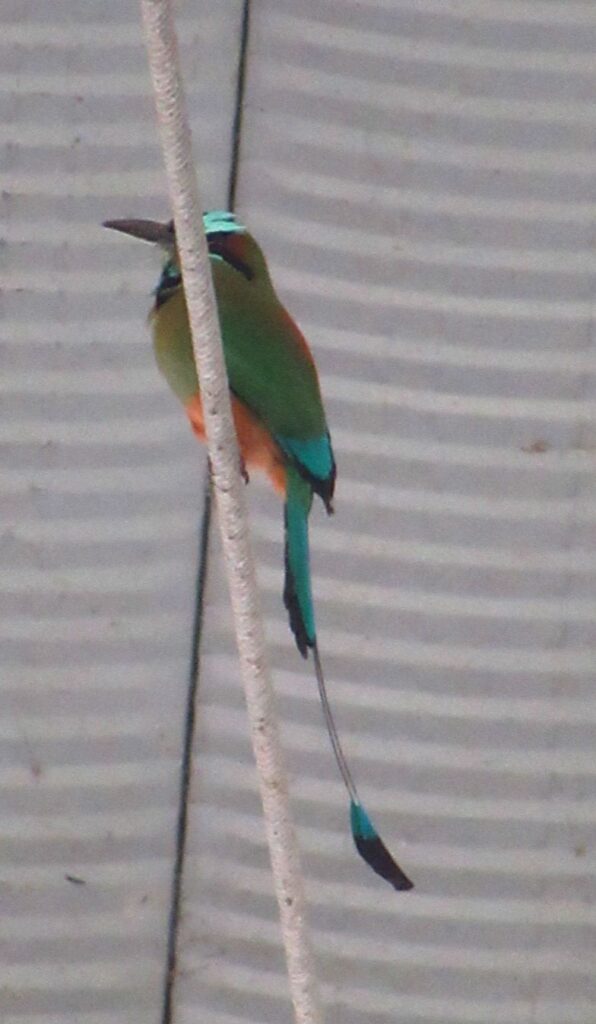
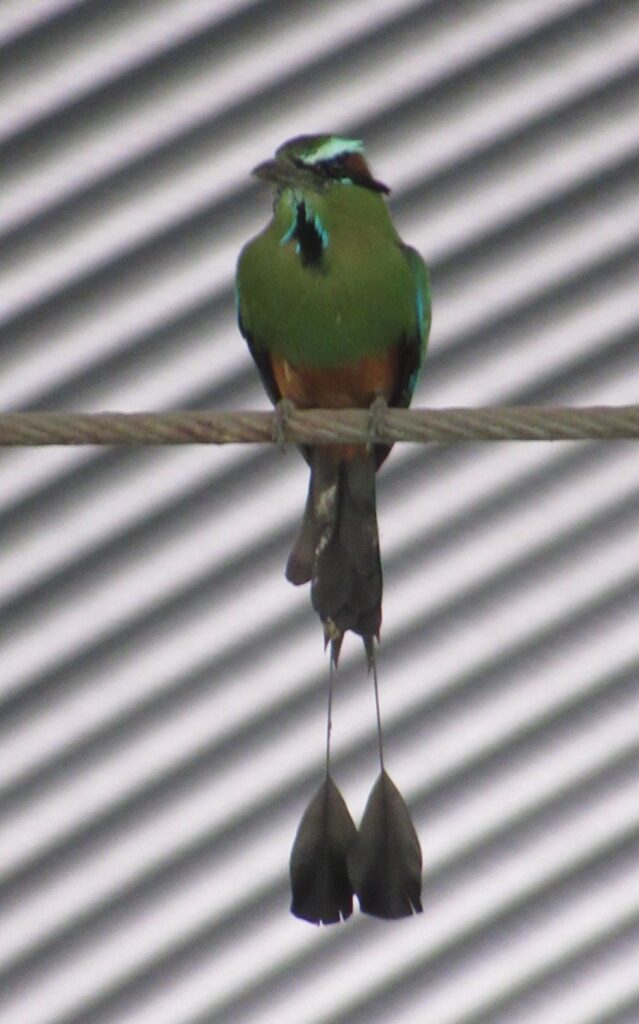
On the site of the ruins we spotted the Torogoz, which is the national bird of El Salvador.

Relaxing at a coffee stop

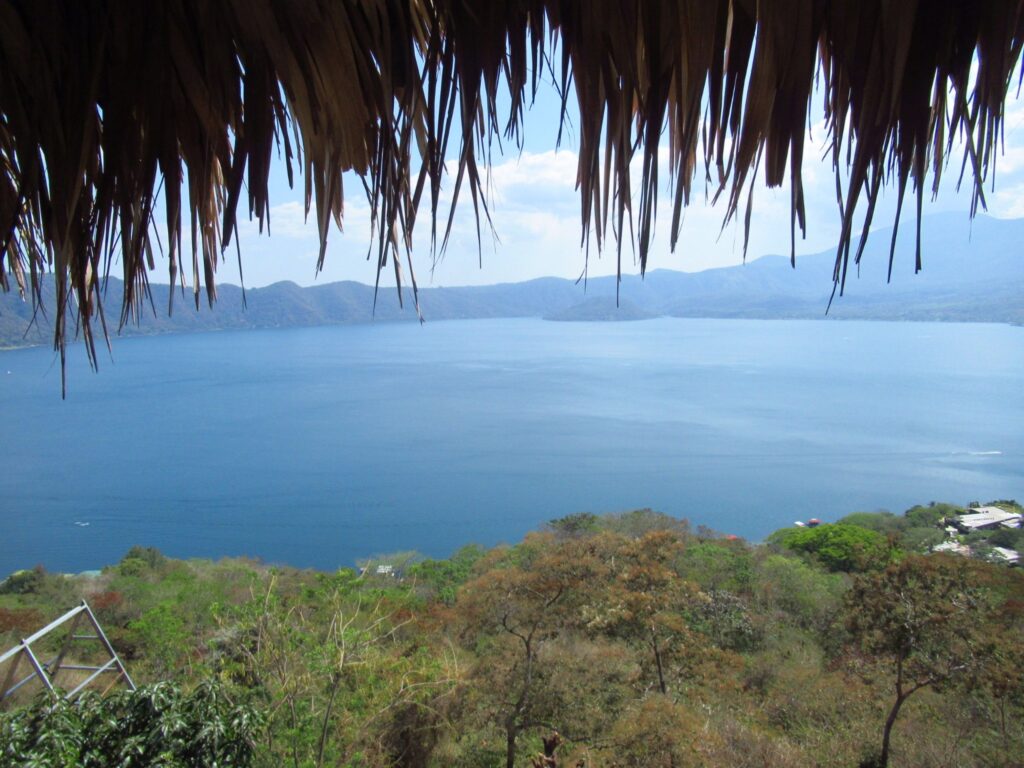
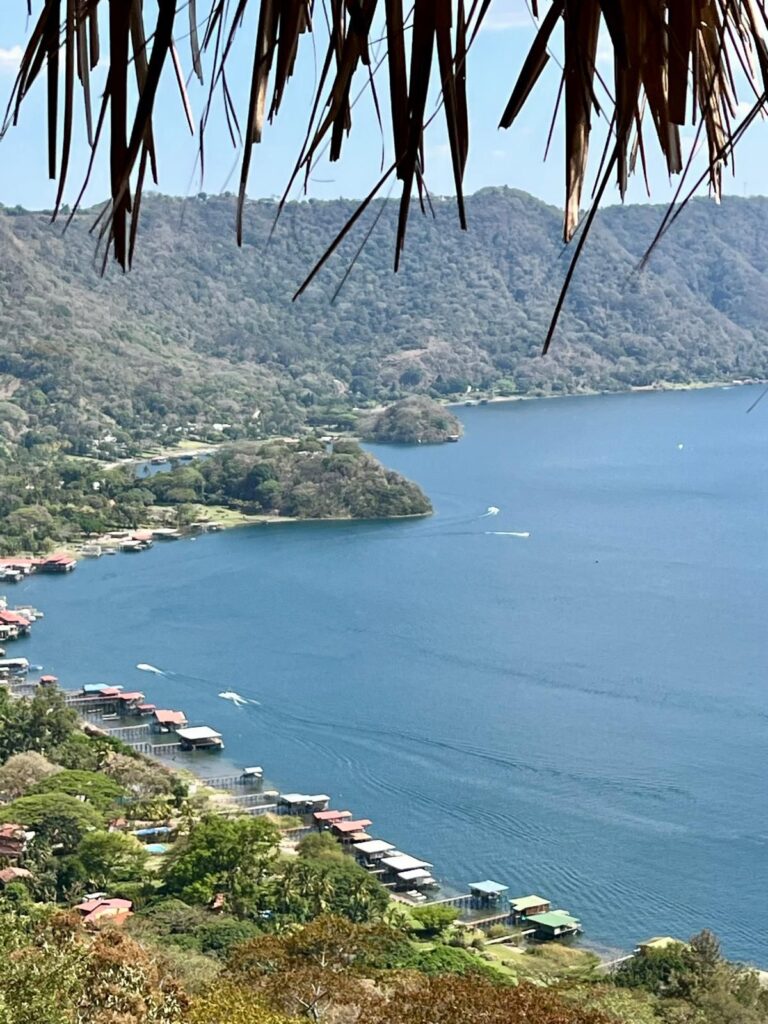
We stopped for lunch overlooking Coatepeque Lake, a 115 meter deep volcanic caldera.

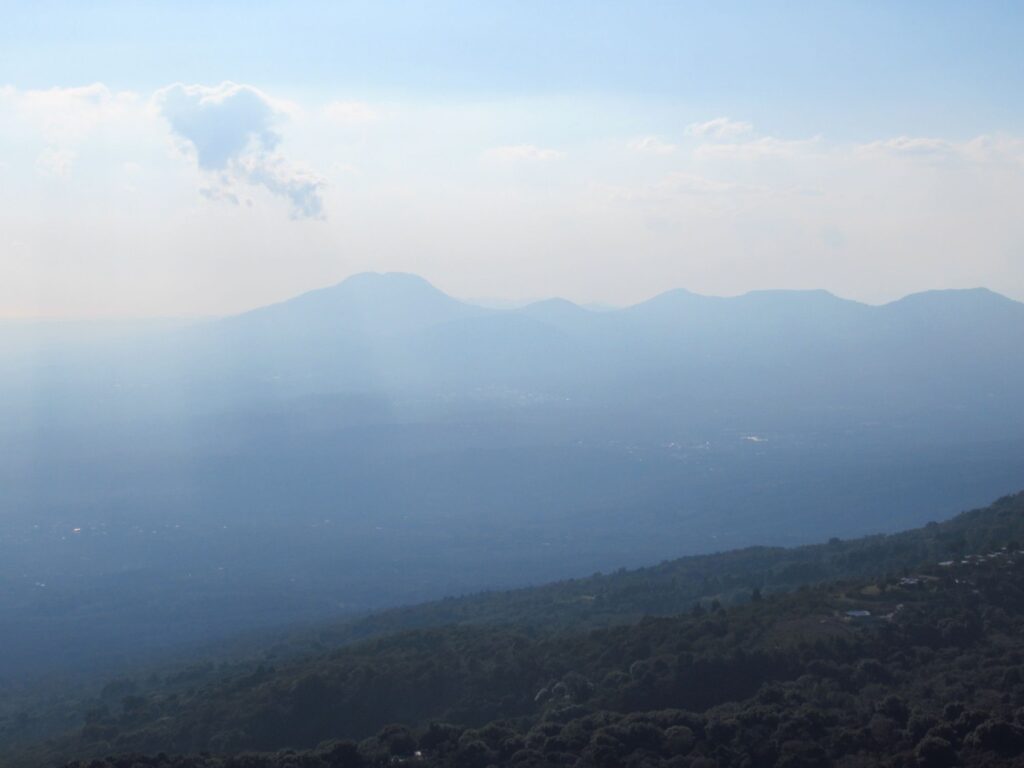
Back on the road to Cerro Verde, where we could view a number of active and inactive volcanoes. Unfortunately it was a little misty but steam could be seen coming from some places.

Arrived at our hotel in Ataco in time for some dinner and a couple of glasses of wine

Granada to San Salvador

Started the morning with a very healthy breakfast. The pineapple is so tasty

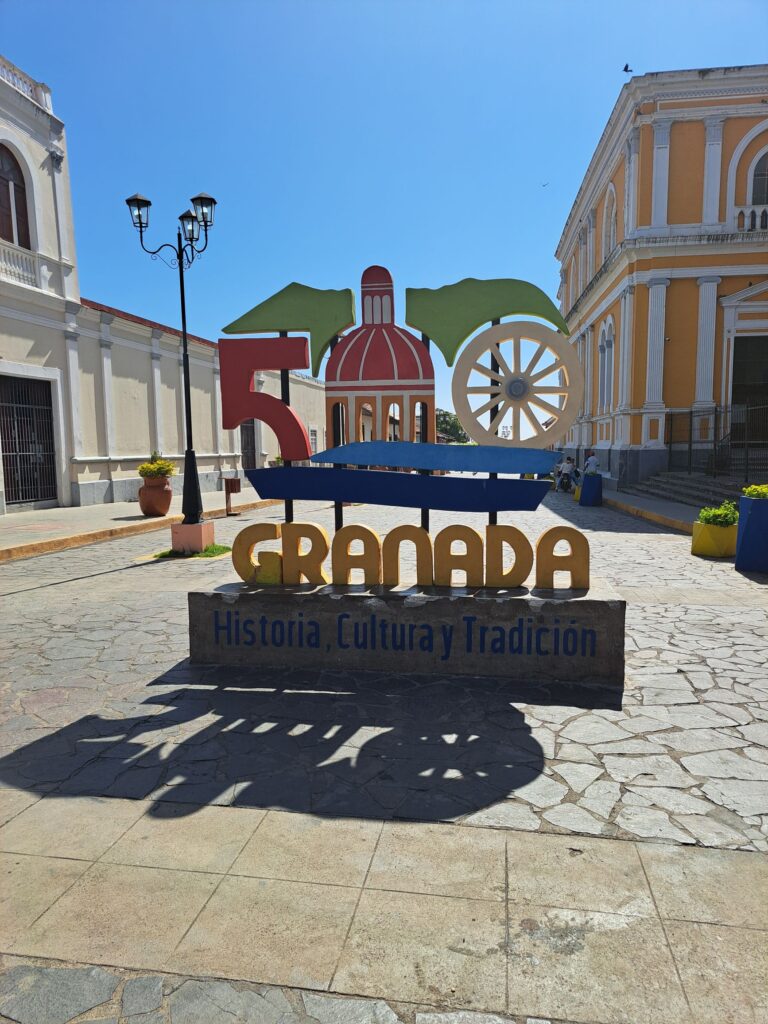
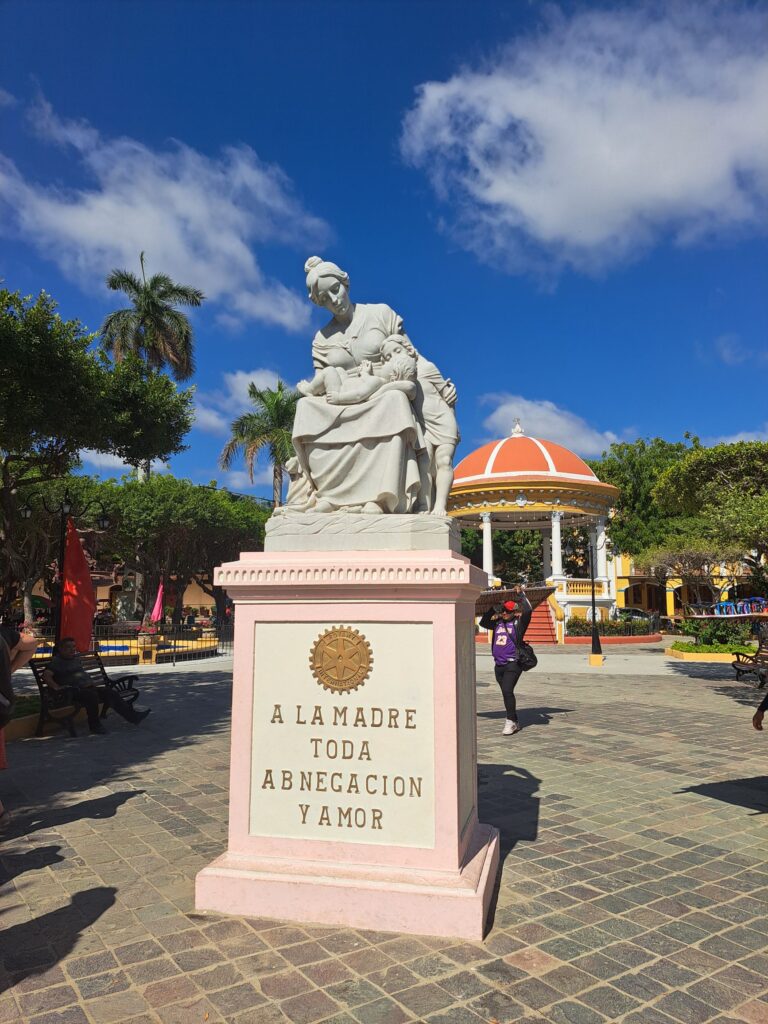
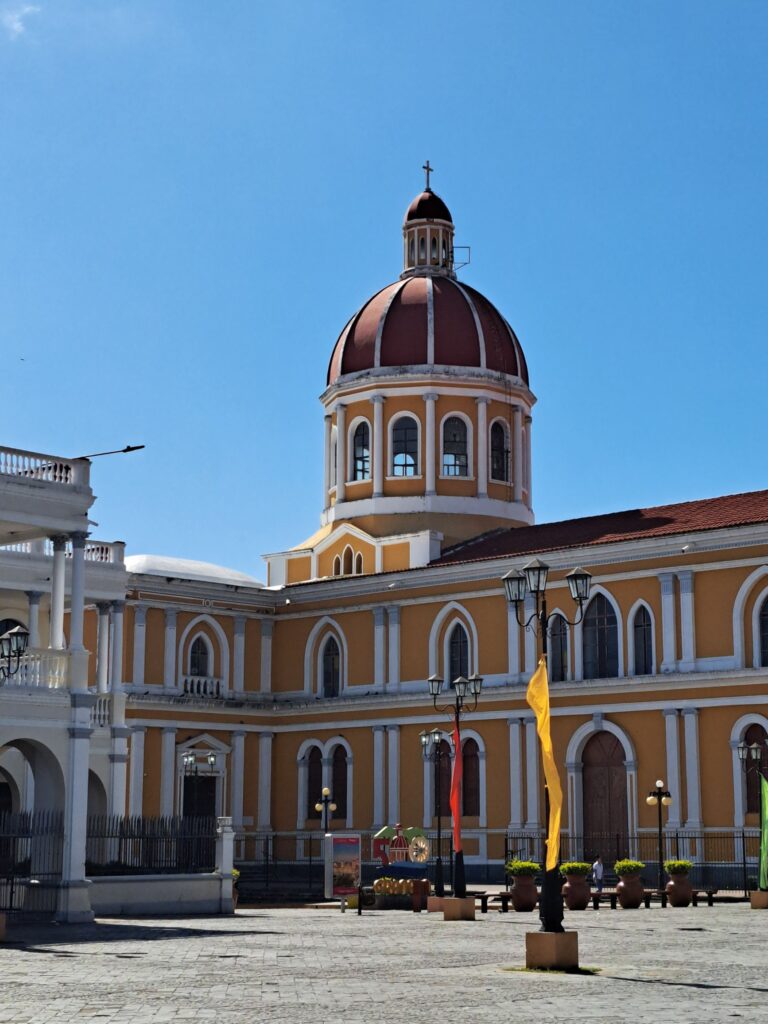
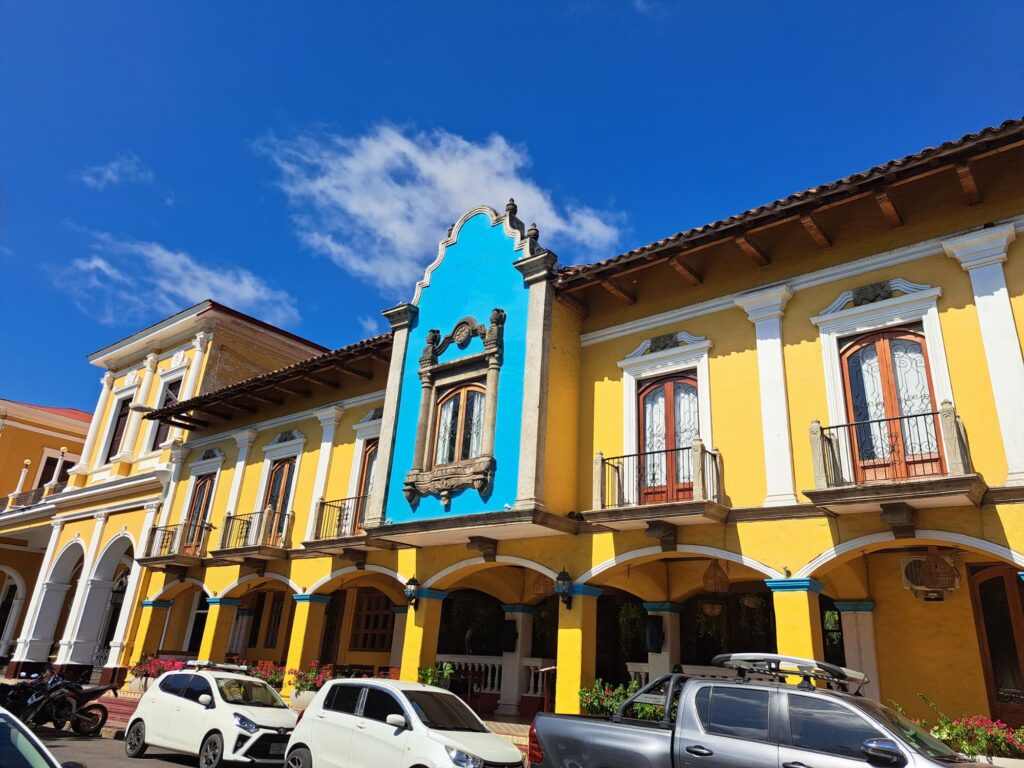
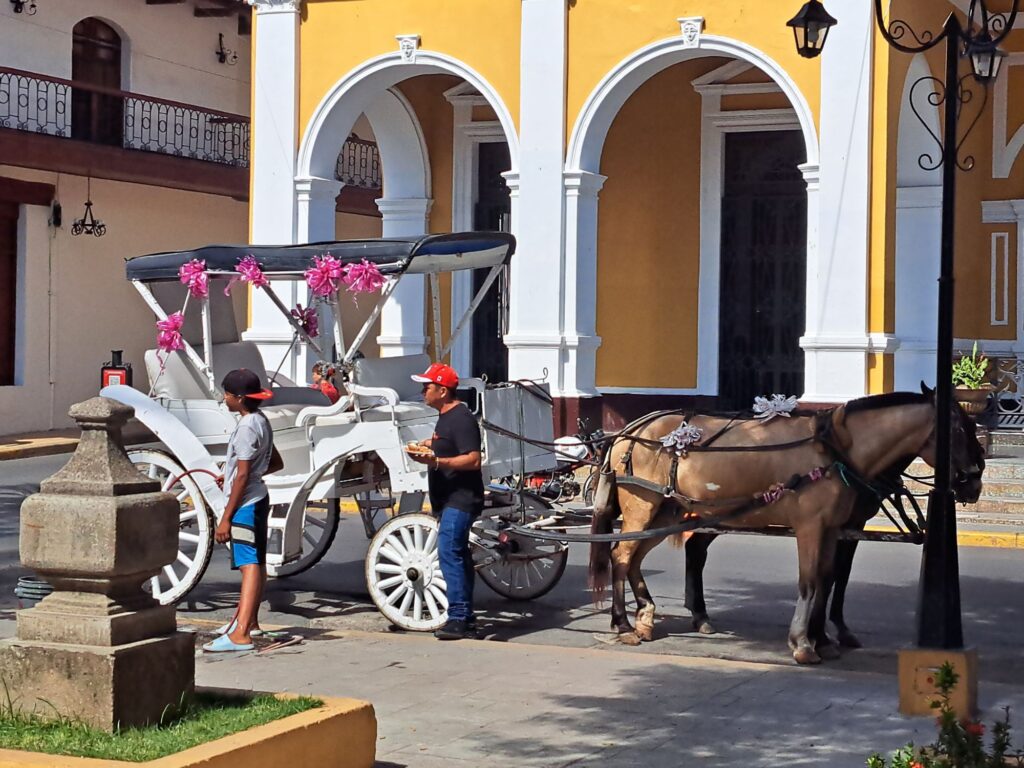
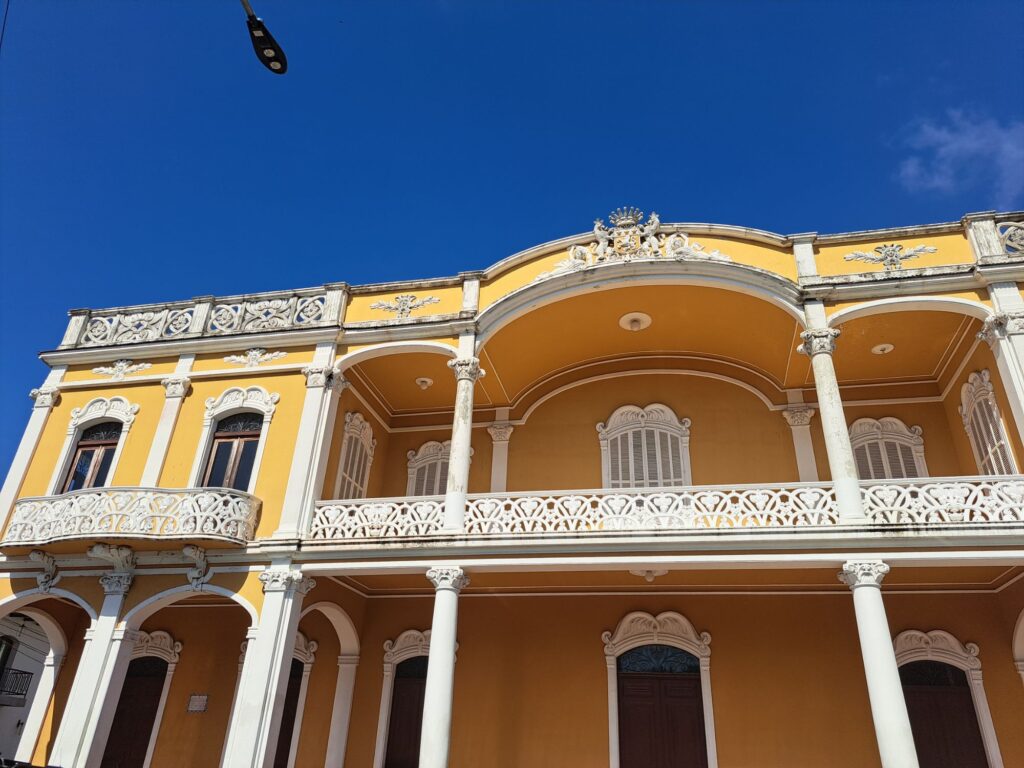
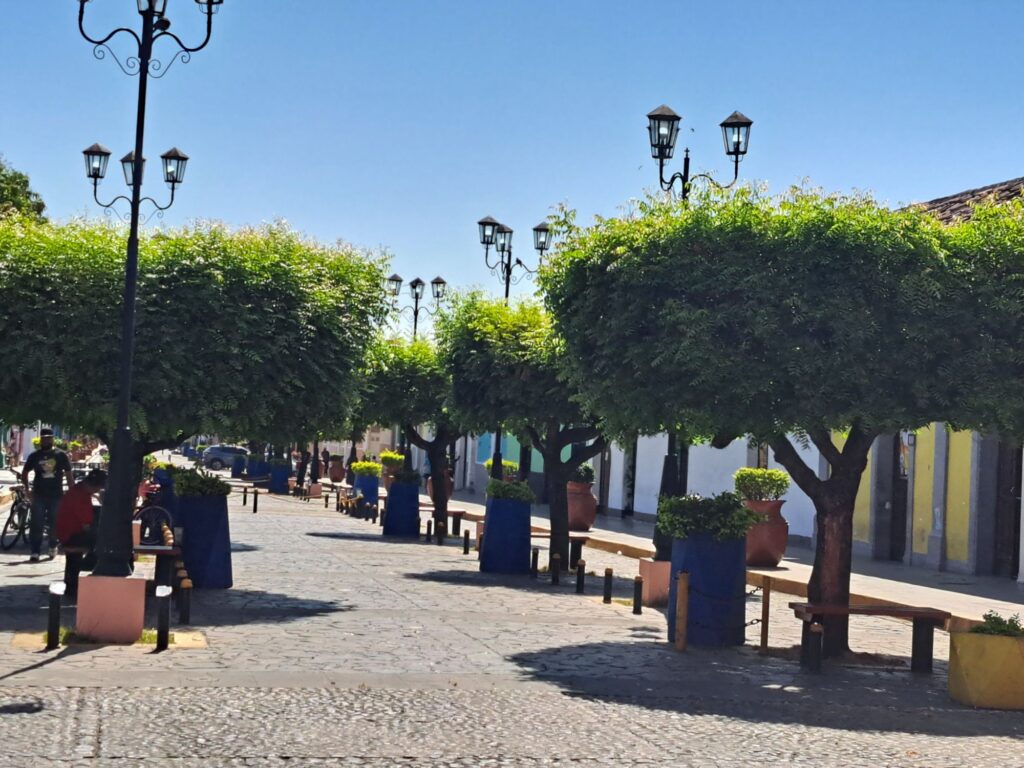
Last walk through Granada, such a lively town and a bit of a highlight.

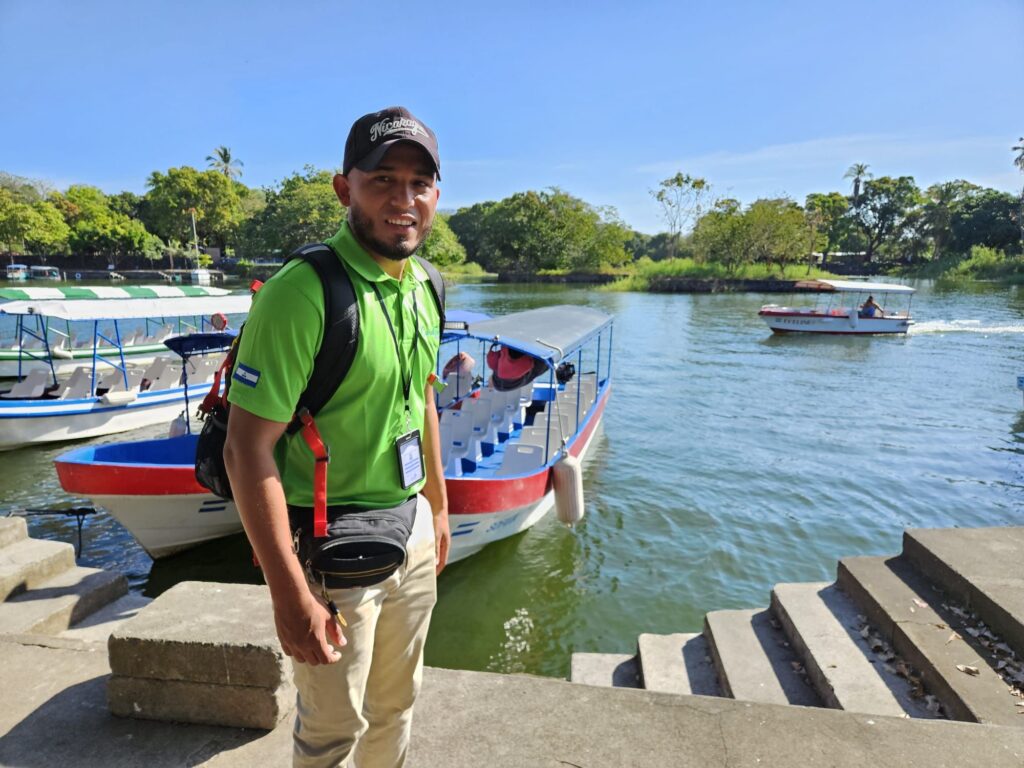
Minor dropped us off at the airport for the short flight to San Salvador. He has been an excellent guide, not many guides serenade you back from a volcano!

San Salvador, the capital of El Salvador. Numerous earthquakes have damaged the city over the years. From San Salvador we are driving to Suchitoto, a picturesque town located in the northern highlands overlooking Lake Suchitlan.

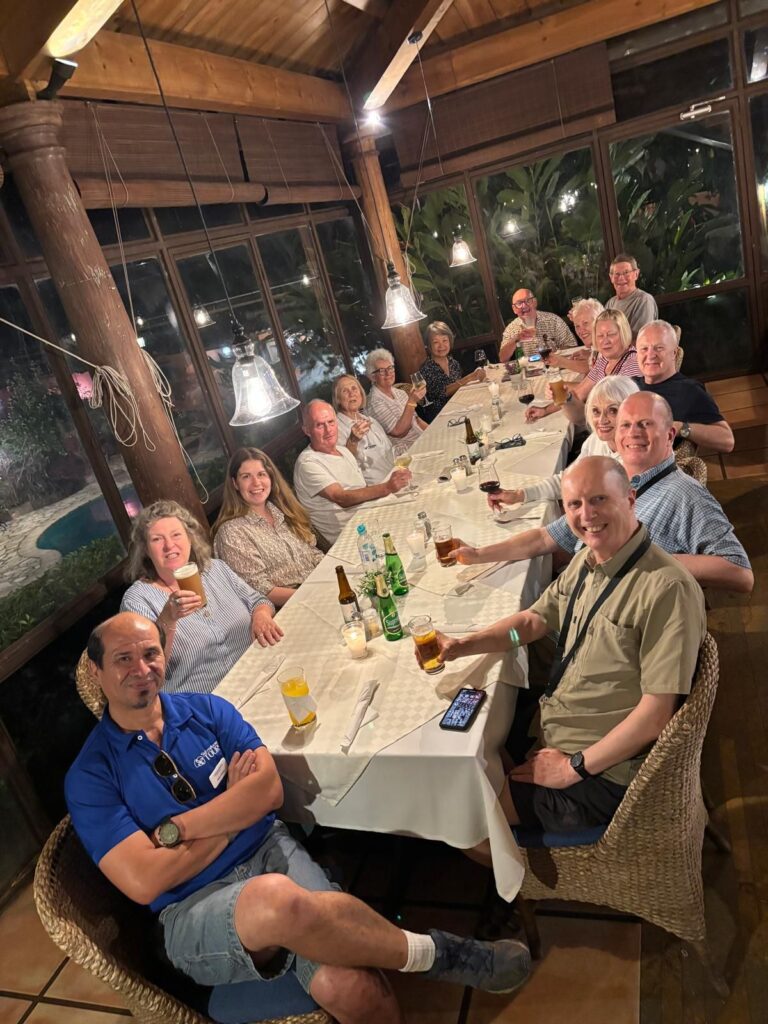
It was getting late by the time we arrived in Suchitoto so our new guide, Raul, arranged dinner for us in a local hostelry

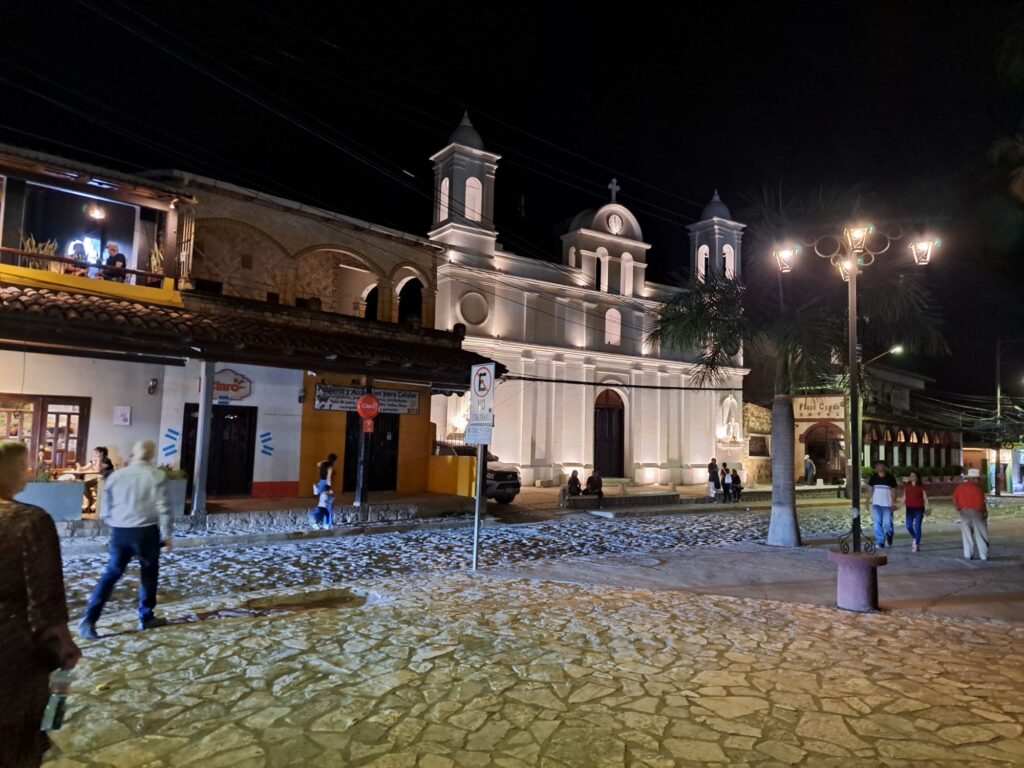
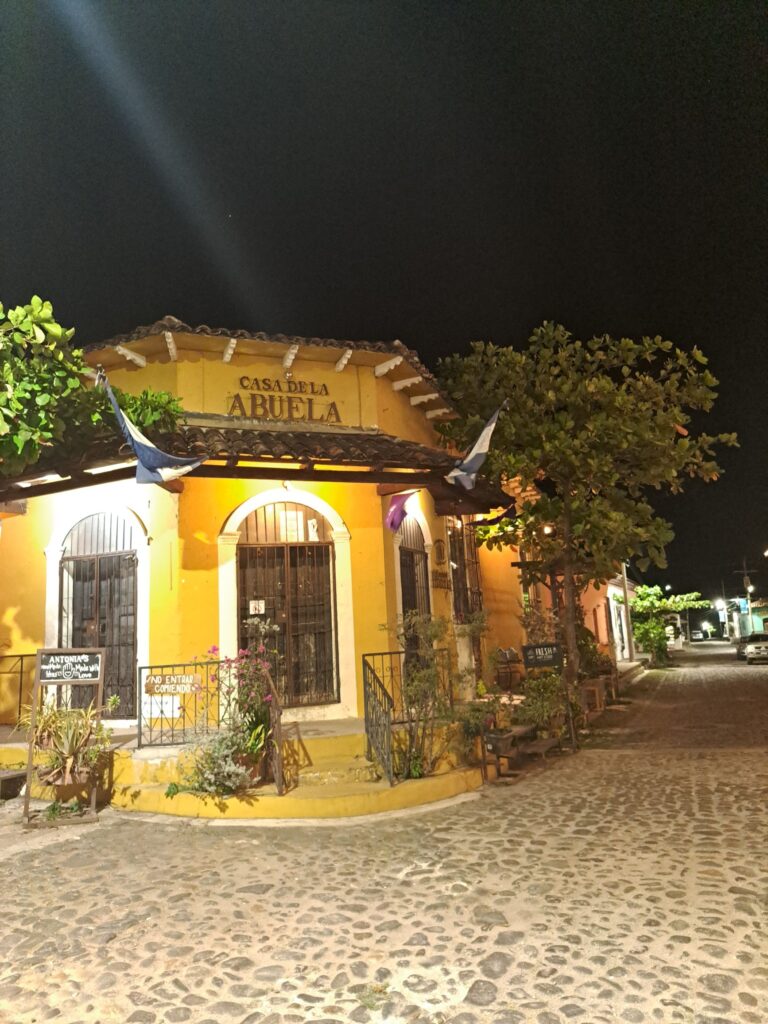
A couple of photos of the town, it was very quiet but the locals do seem to go to bed quite early.

Suchitoto is a pretty town in the northern highlands and dates back to pre Columbian times, it has cobbled streets, whitewashed colonial houses and a blooming cultural art scene.

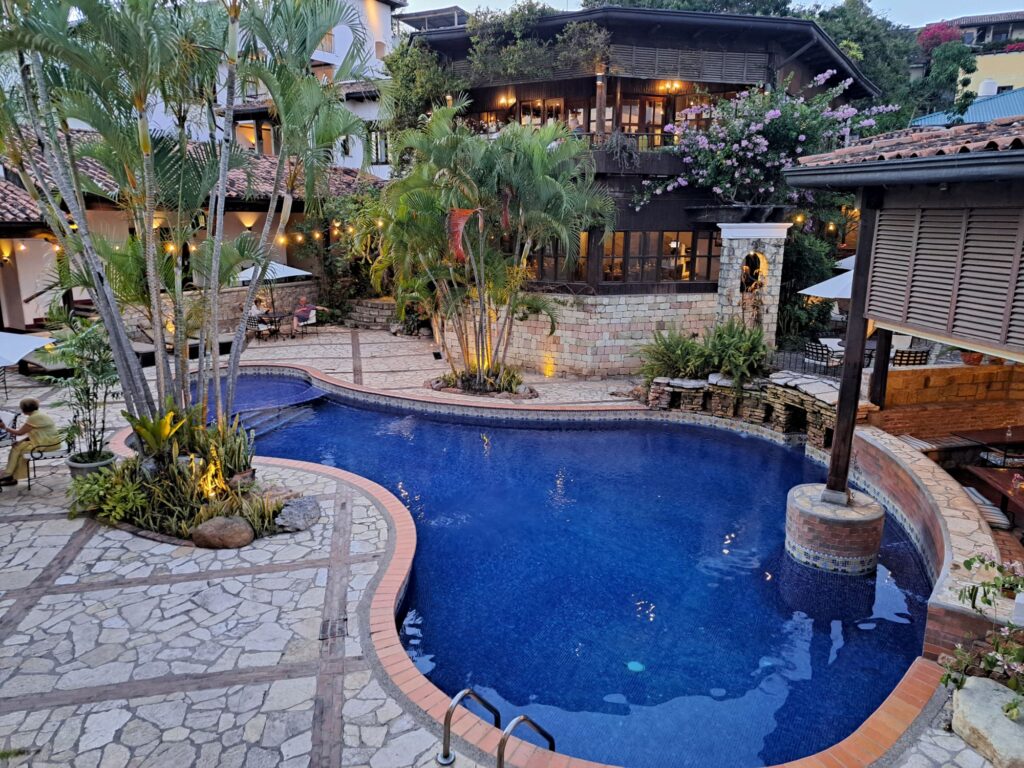
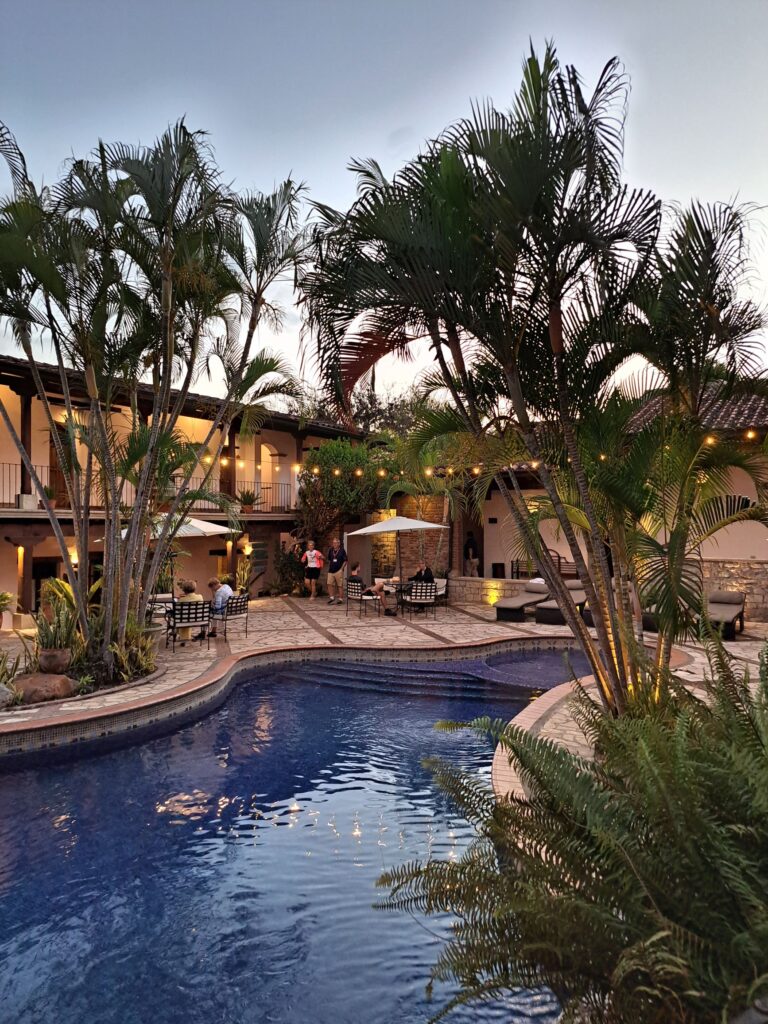
Our hotel, just for one night