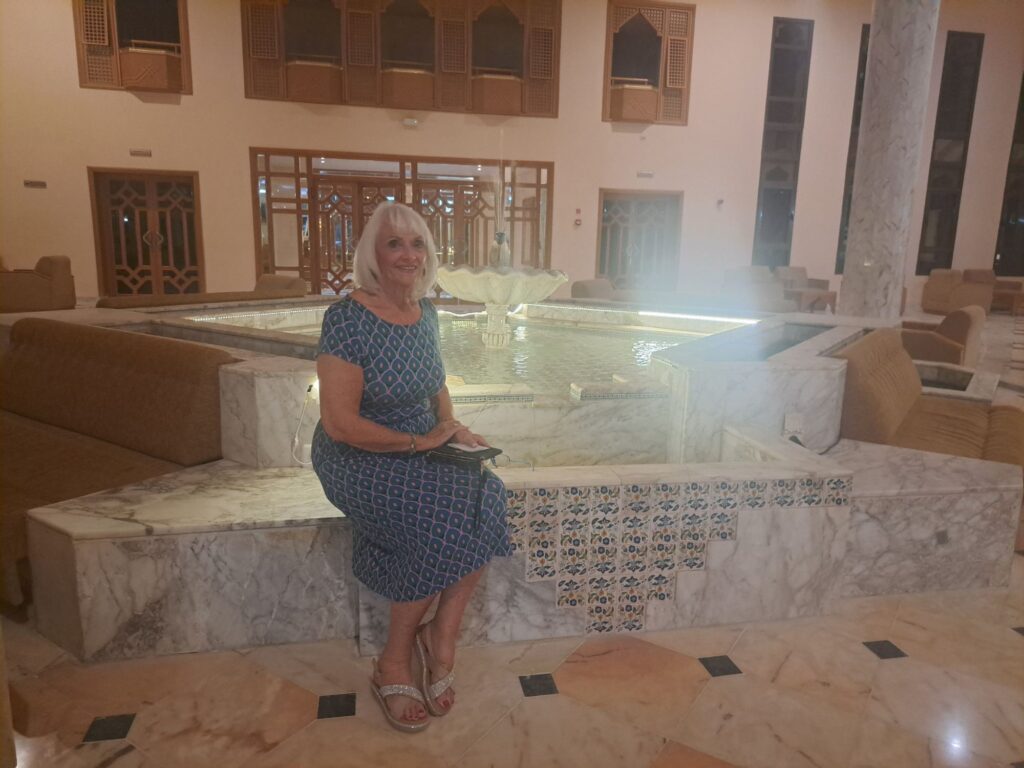
Tozeur

Tozeur is one of the country’s most beautiful oases and contains some 3,000 palm trees as well as fig and pomegranate trees. It is known for growing some of the best dates in Tunisia and I am taking it upon myself to substantiate that claim!
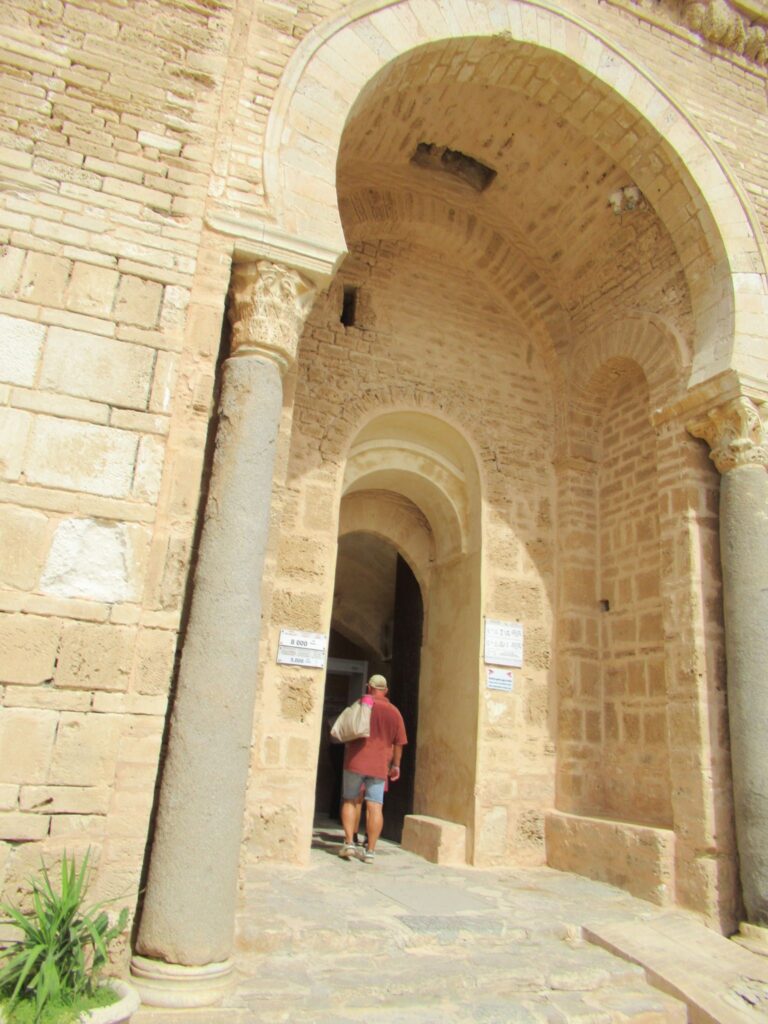
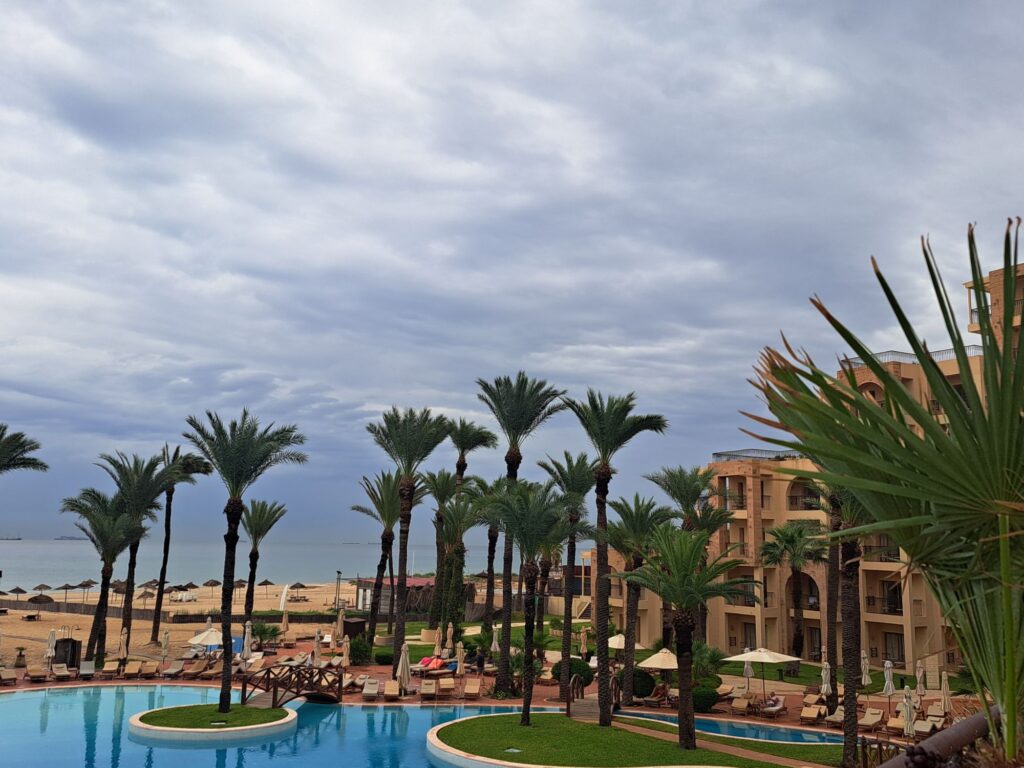
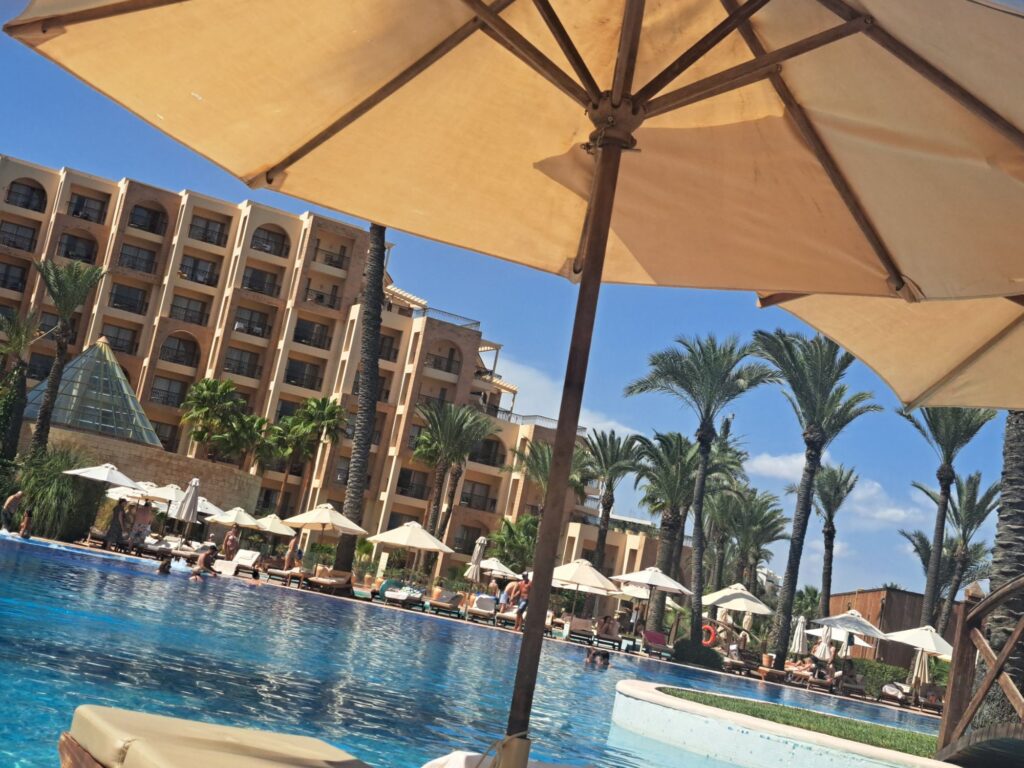
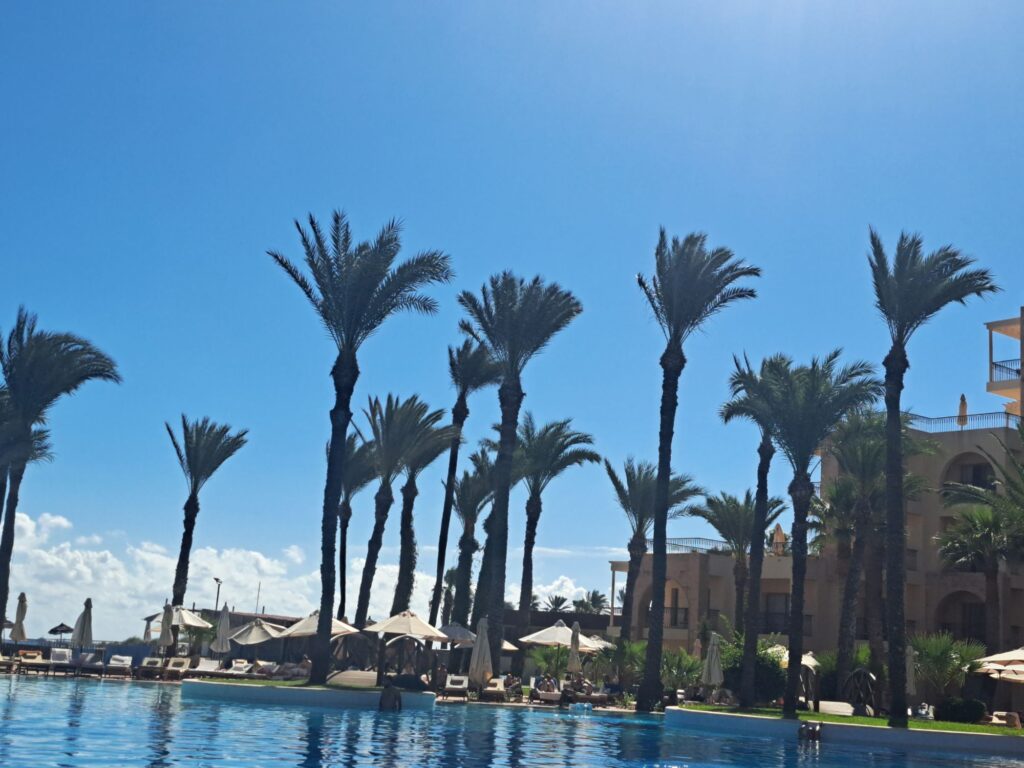
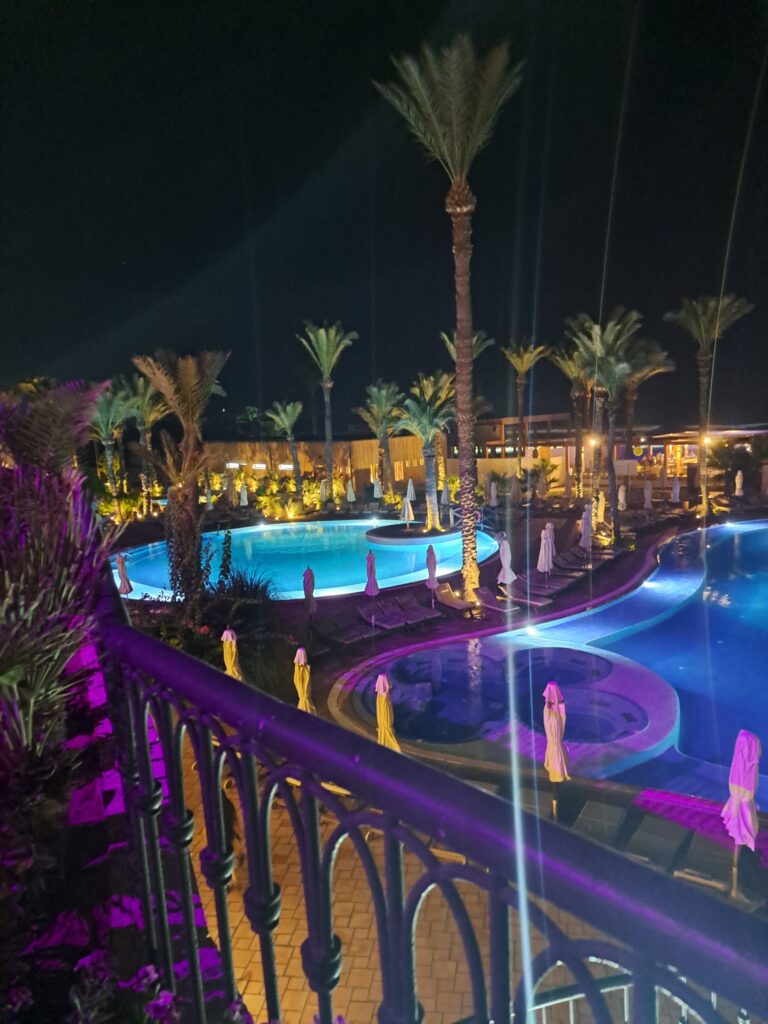
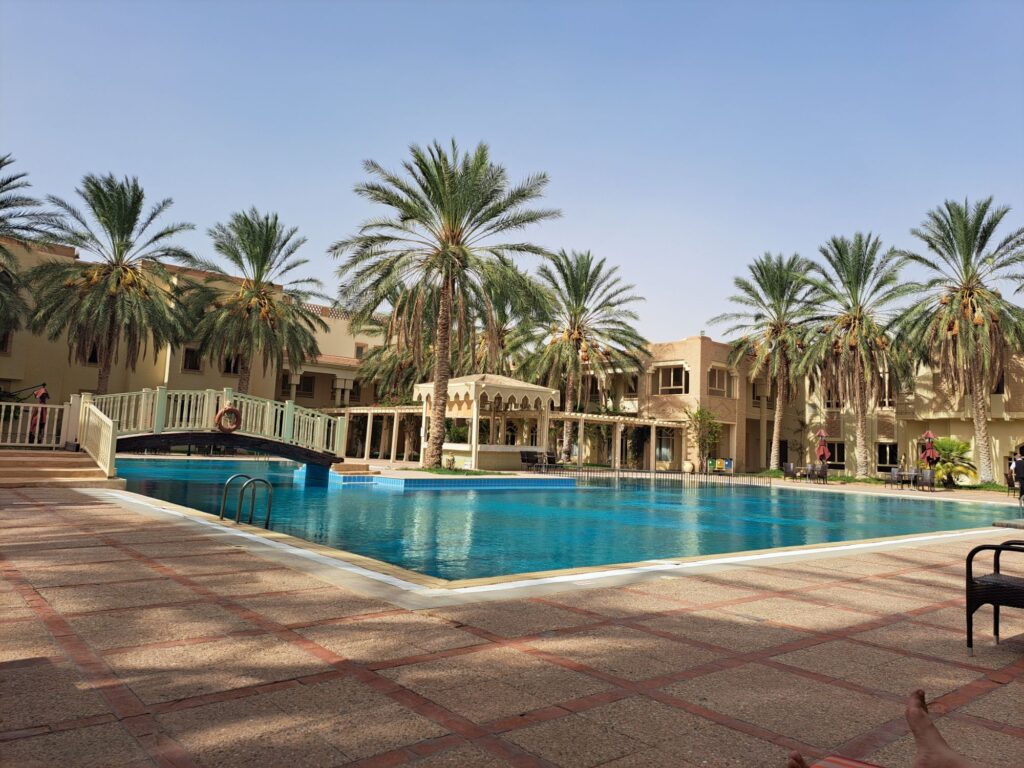
Even the palms by the pool are laden with fruit.

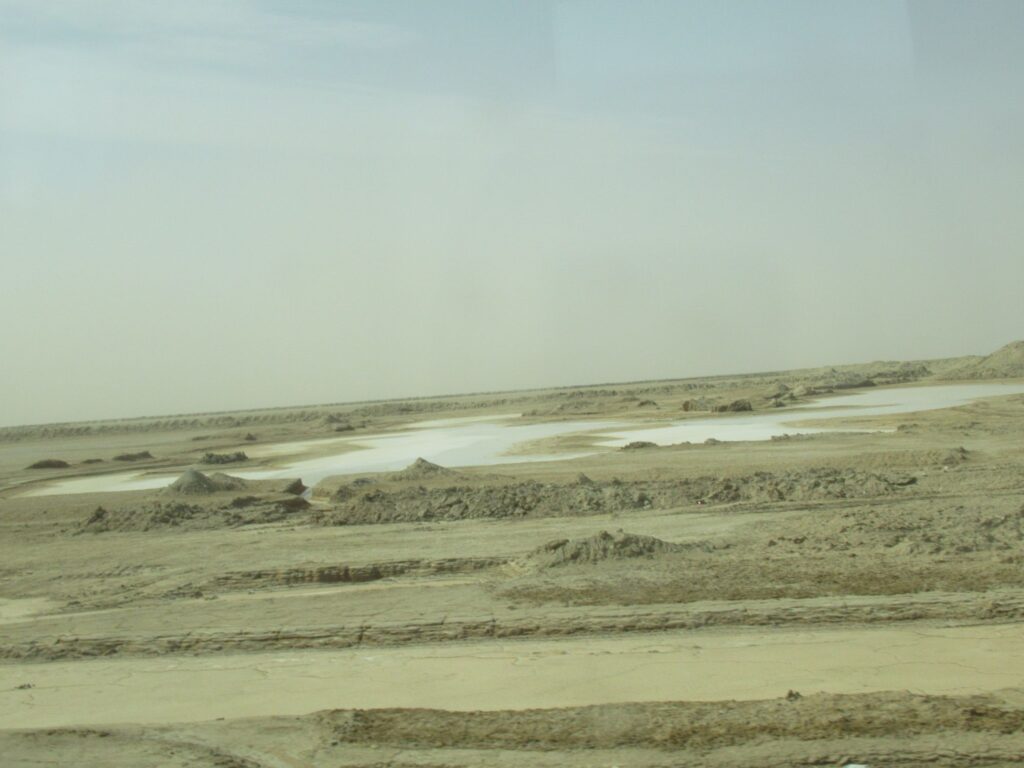
The town is situated on the edge of Chott el Jerid a huge salt lake created by tectonic plate movement some 1.5 million years ago. It is the largest of the north African salt lakes at over 19,000 square miles. For most of the year it is dry with shimmering salt crystals in different hues. Sunset views are beautiful and mirages are a common occurrence.

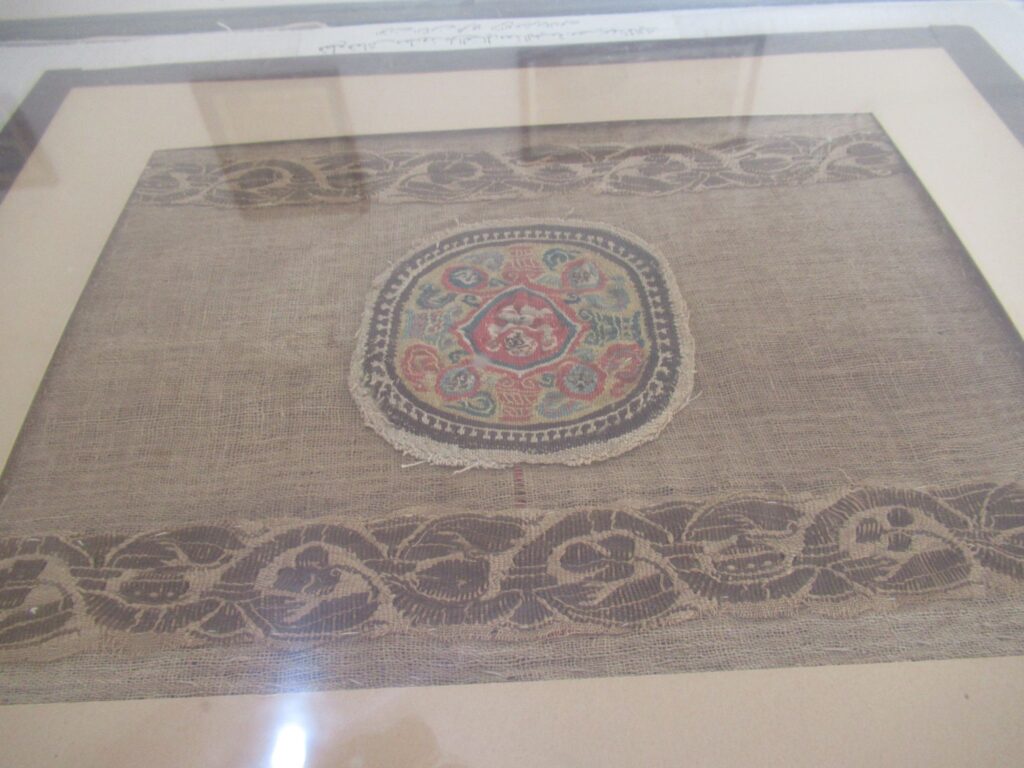
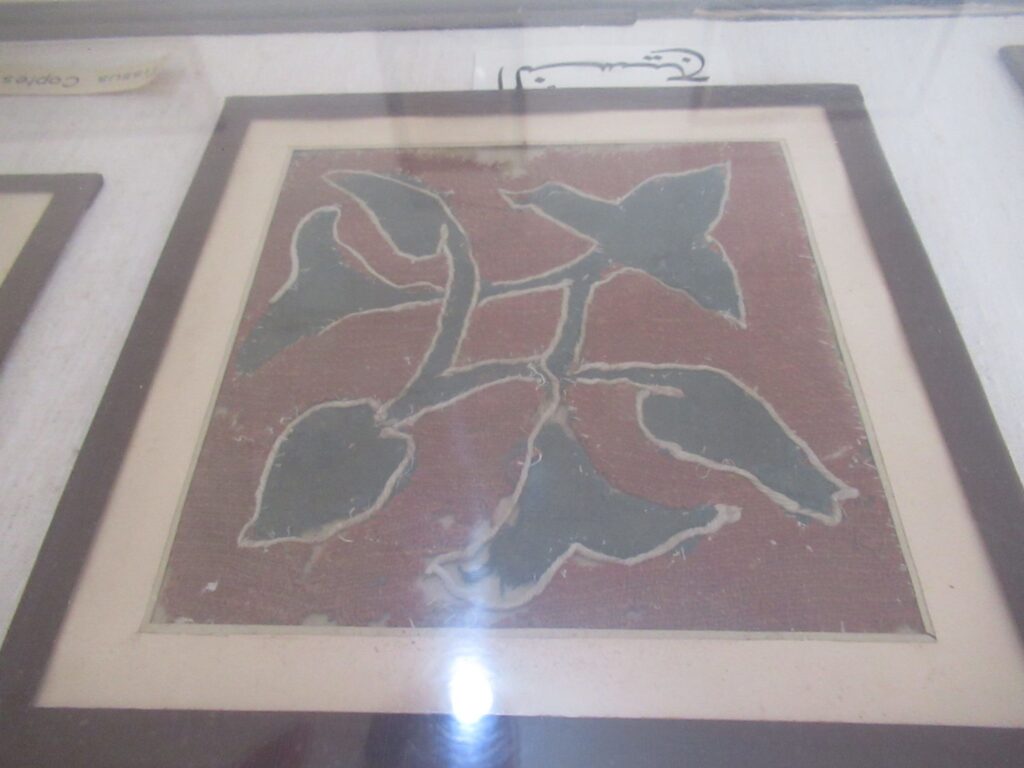
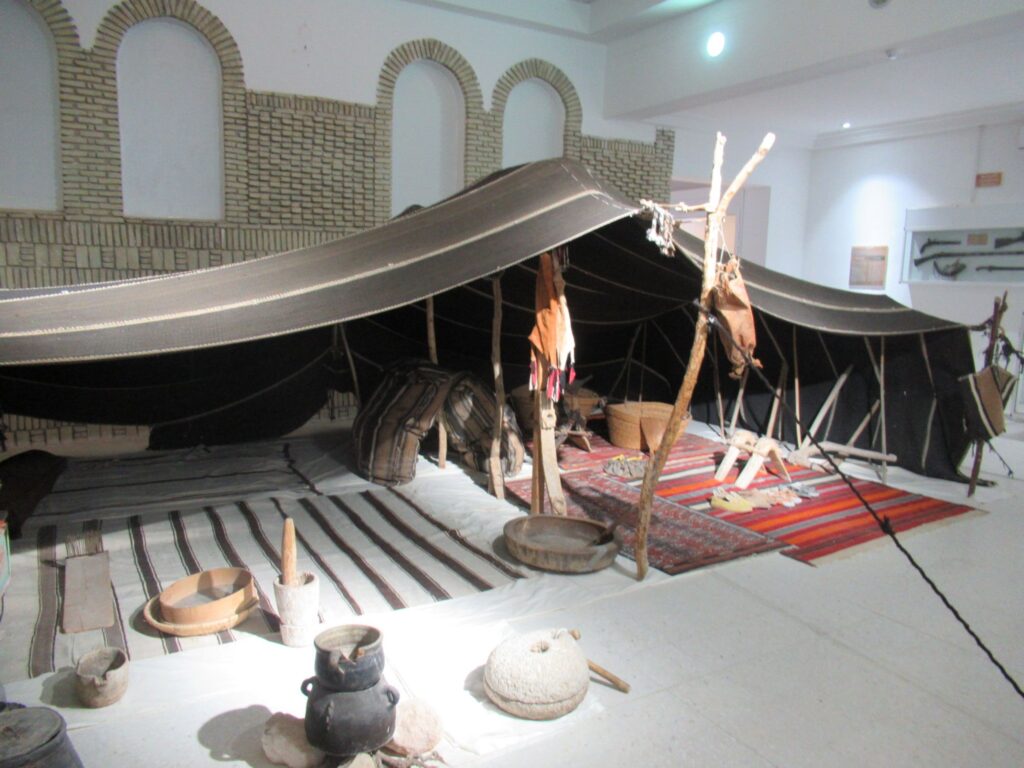
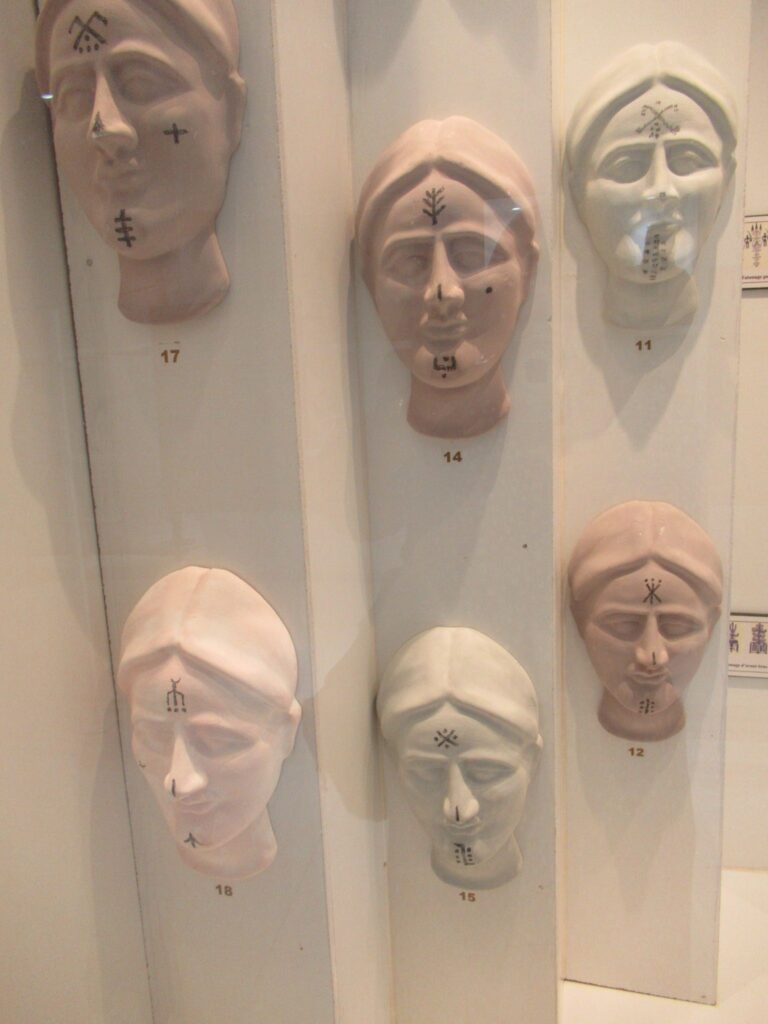
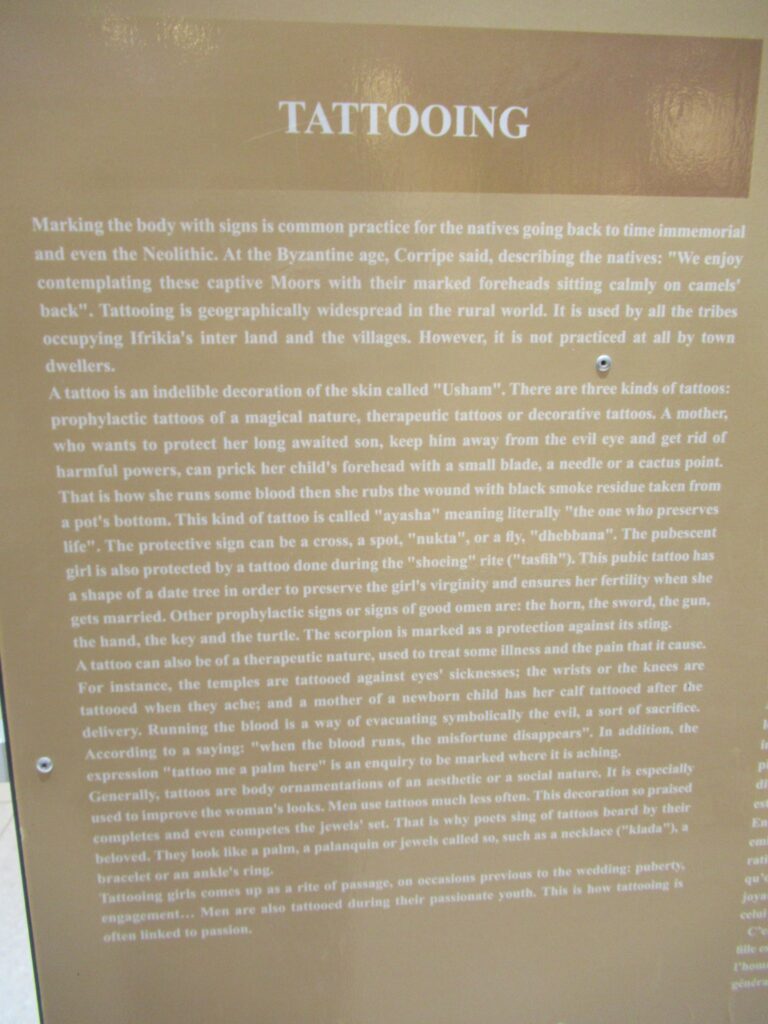
Our first visit today was to the Dar Cherait museum, devoted to the history and everyday life of Southern Tunisia. This is a privately owned museum full of wonderful costumes, jewellery, art and glassware.

These are the beautifully decorated boxes that a bride would take to her new matrimonial  home full of linens and items for her new life.

Some of the beautifully hand embroidered costumes

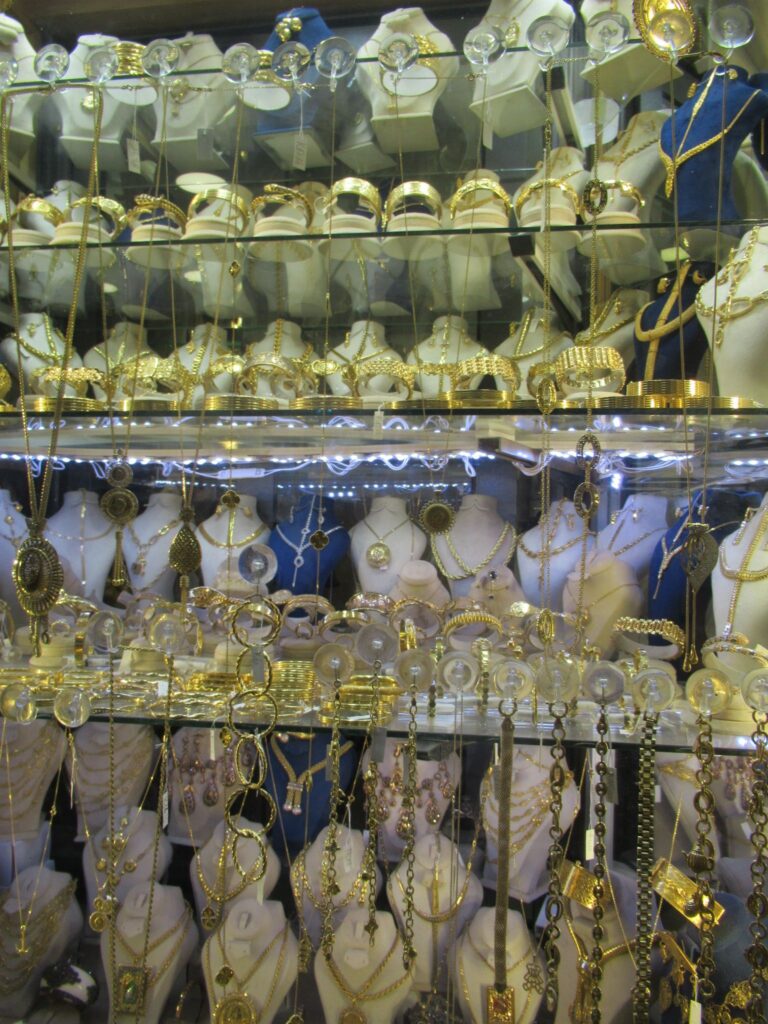
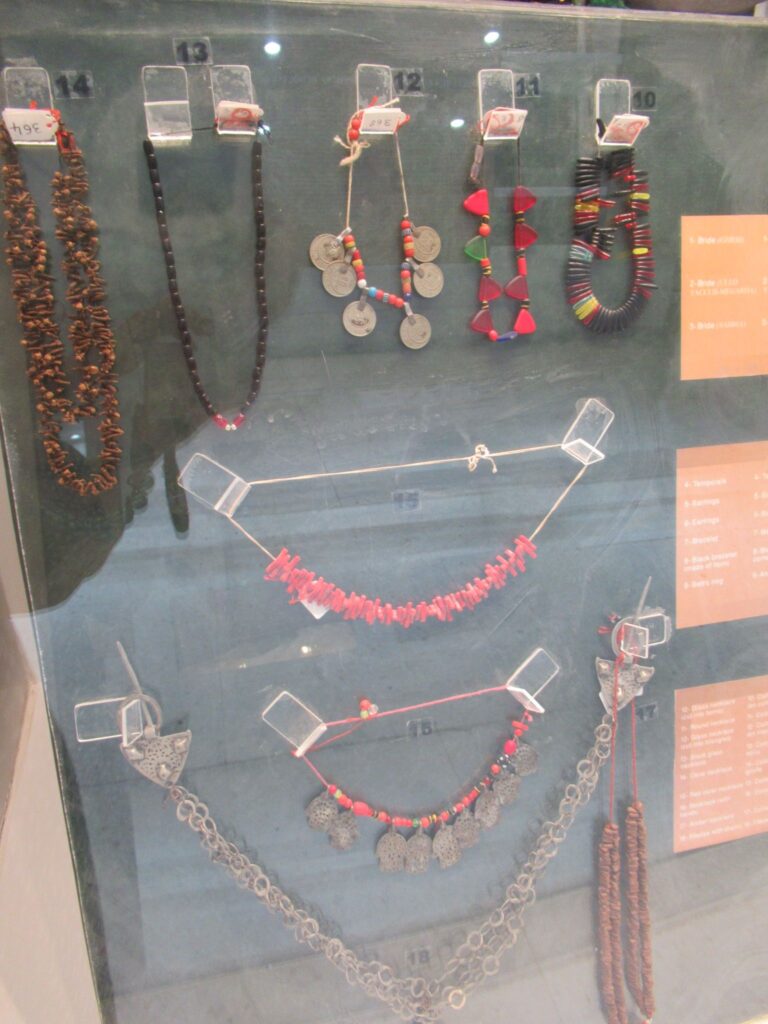
And the jewellery

Some of the traditional glassware

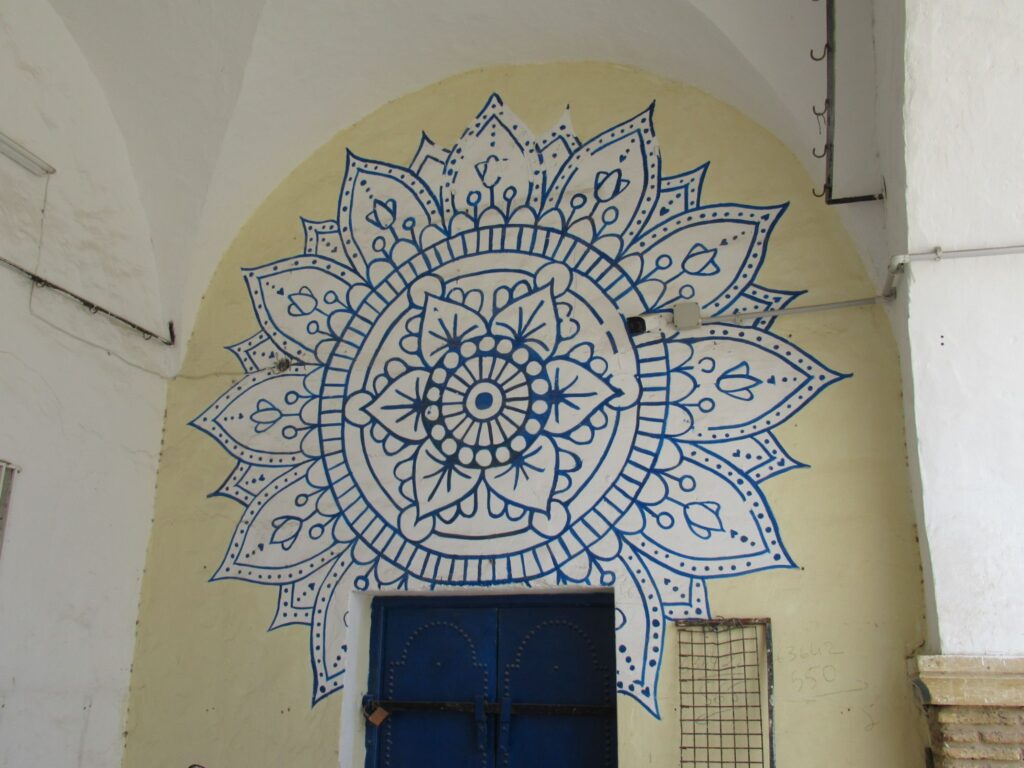
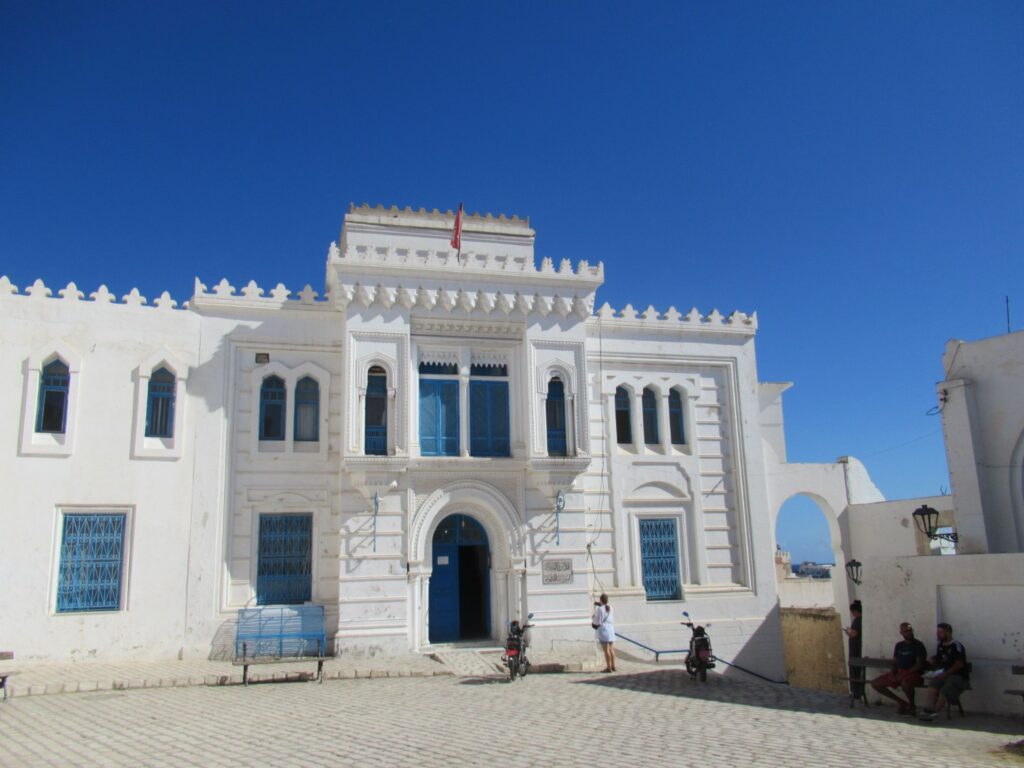
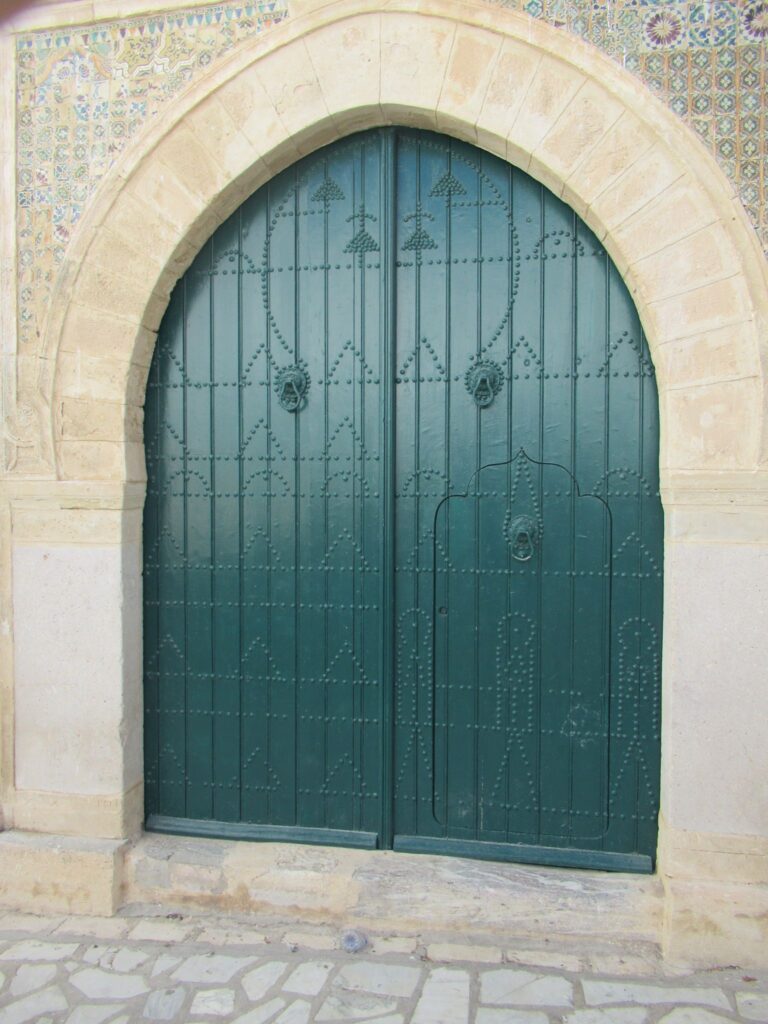
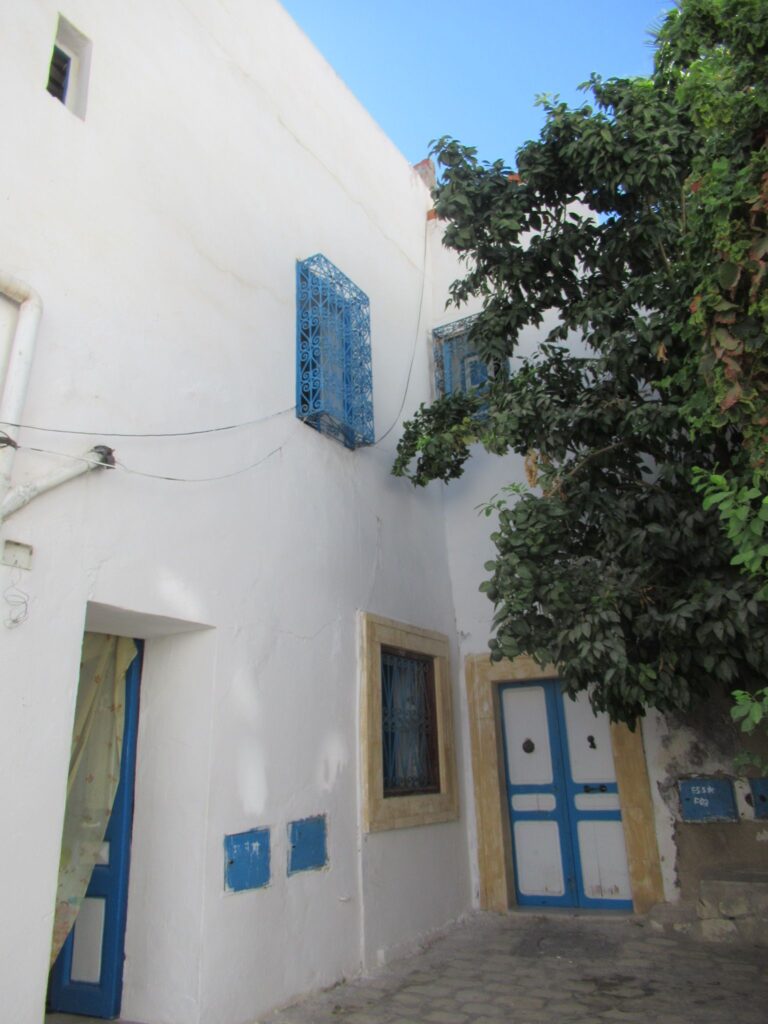
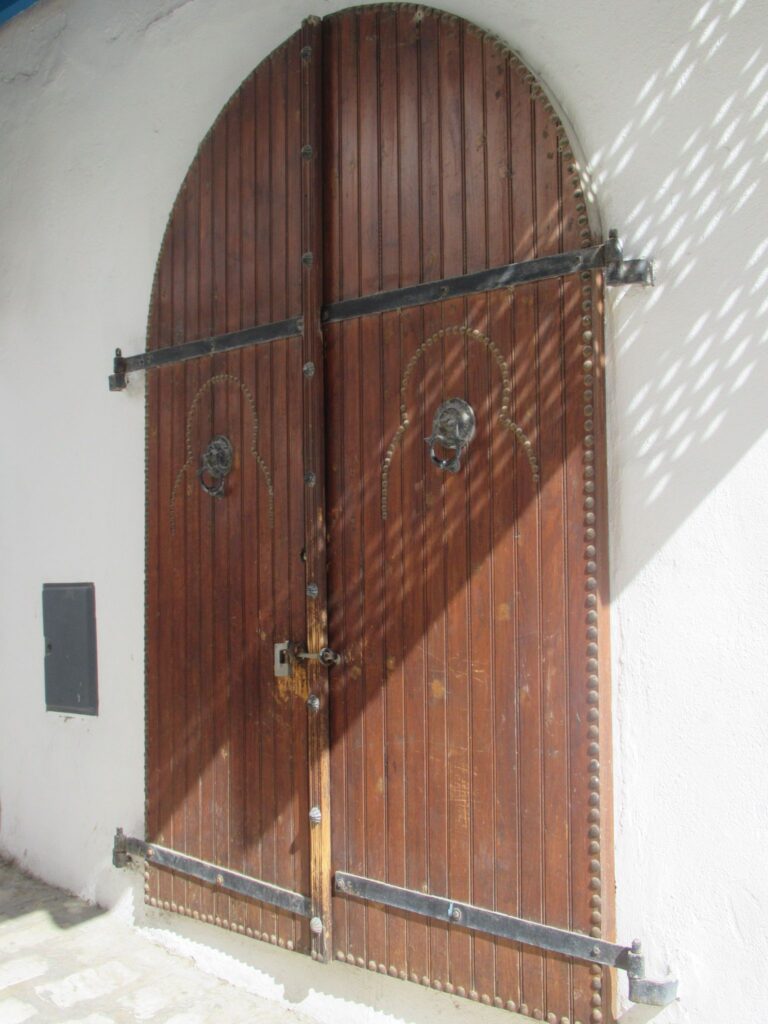
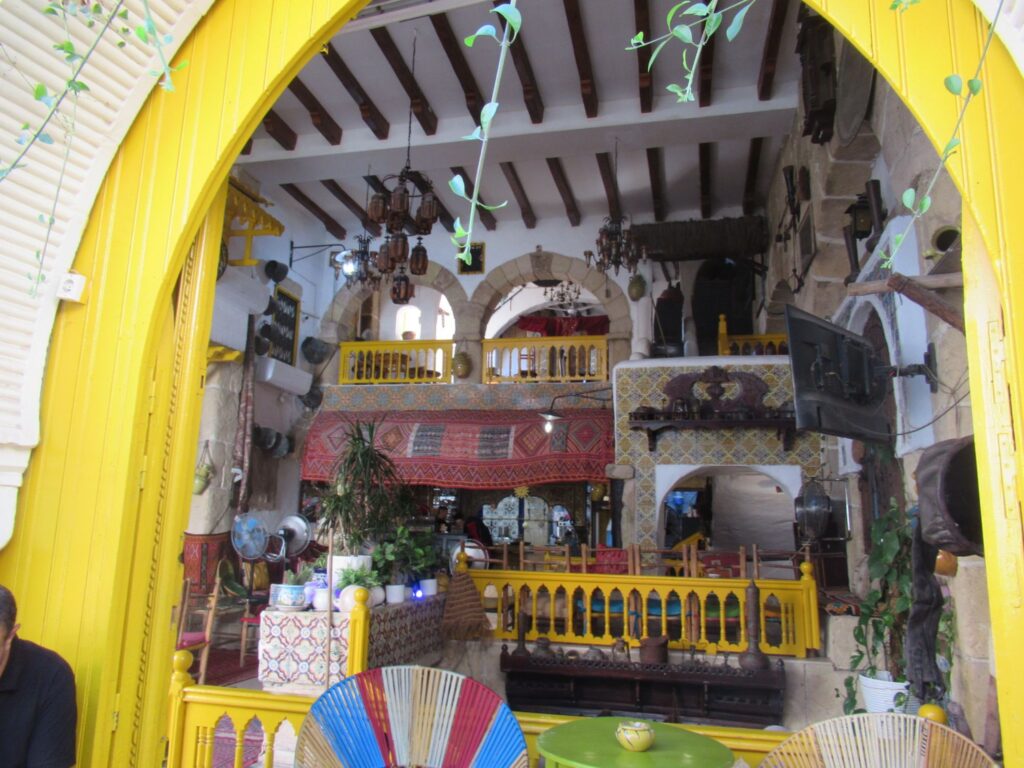
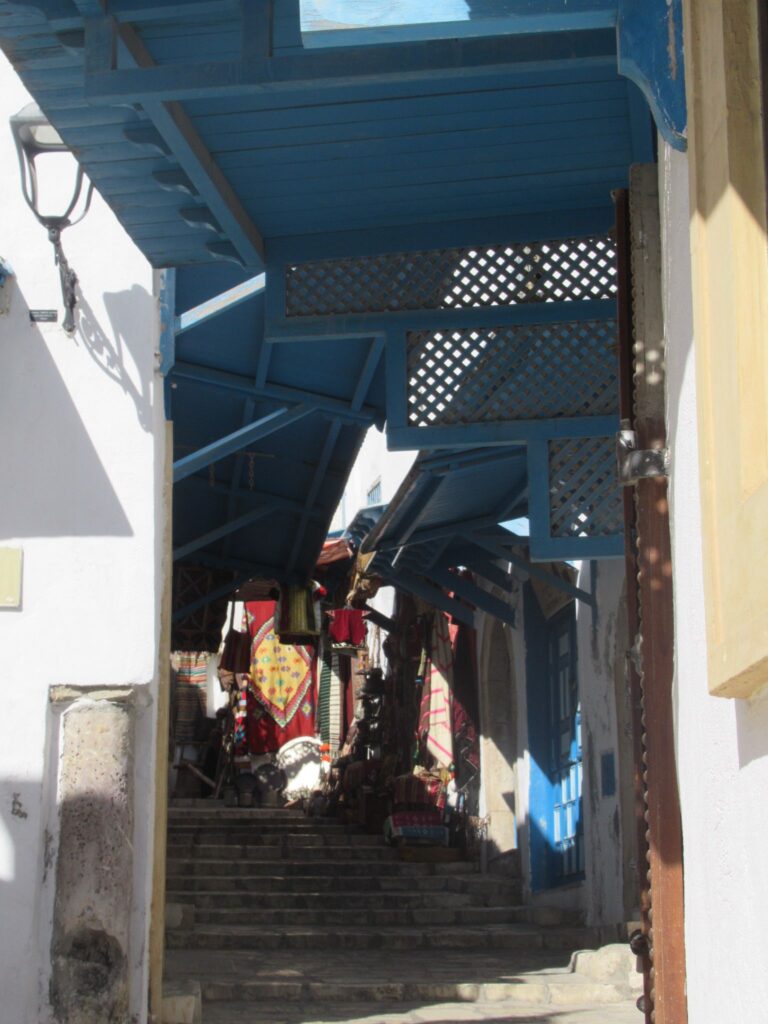
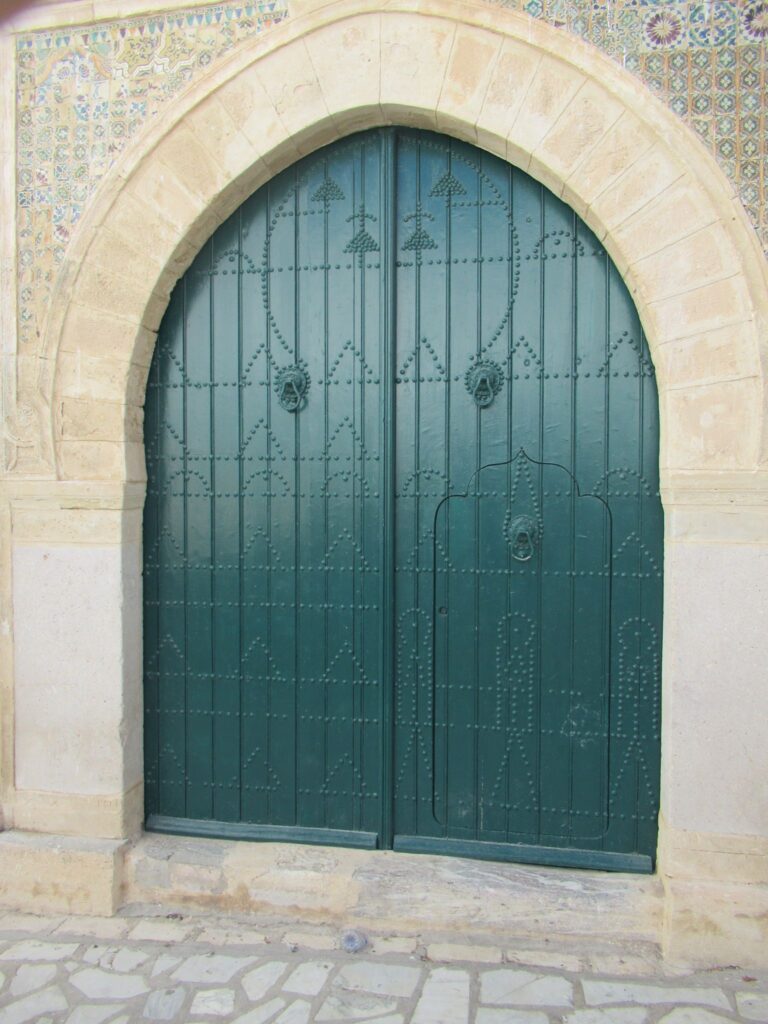
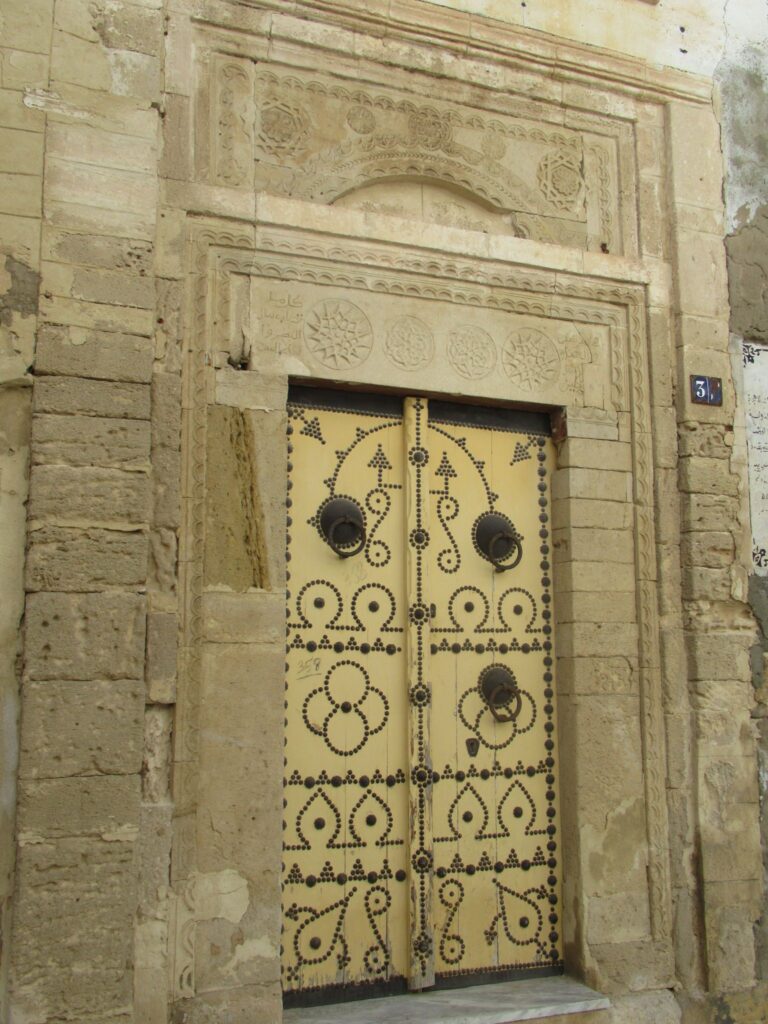
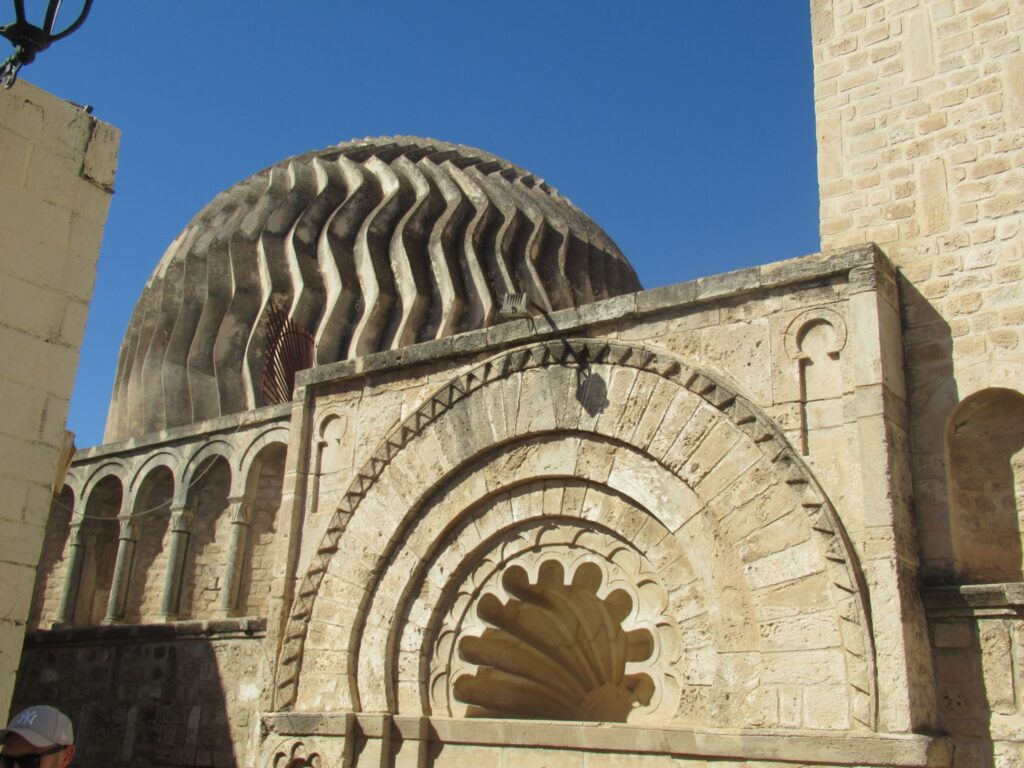
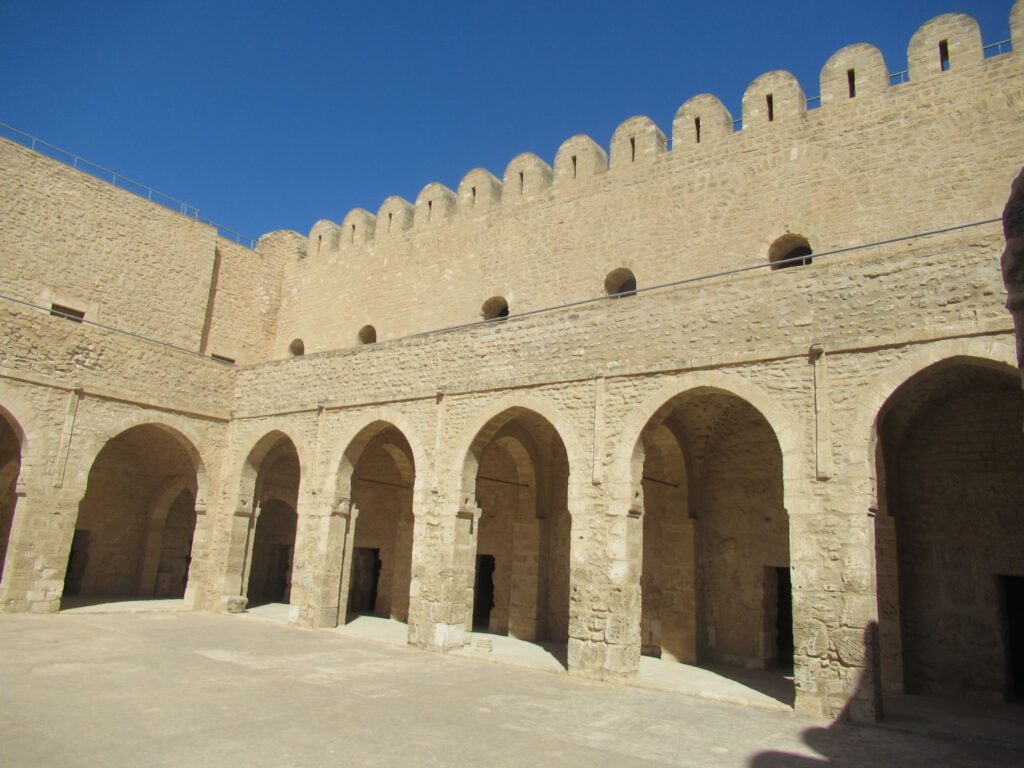
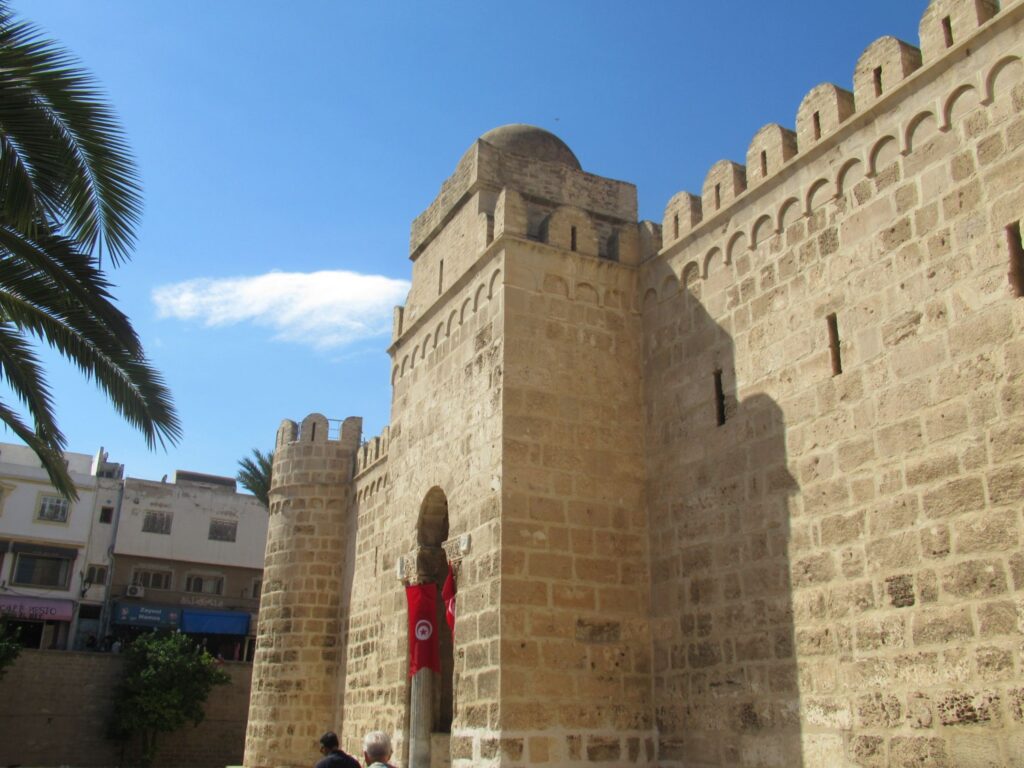
Then onto the historic 14th century medina, famous for its geometric brick architecture and traditional doors.

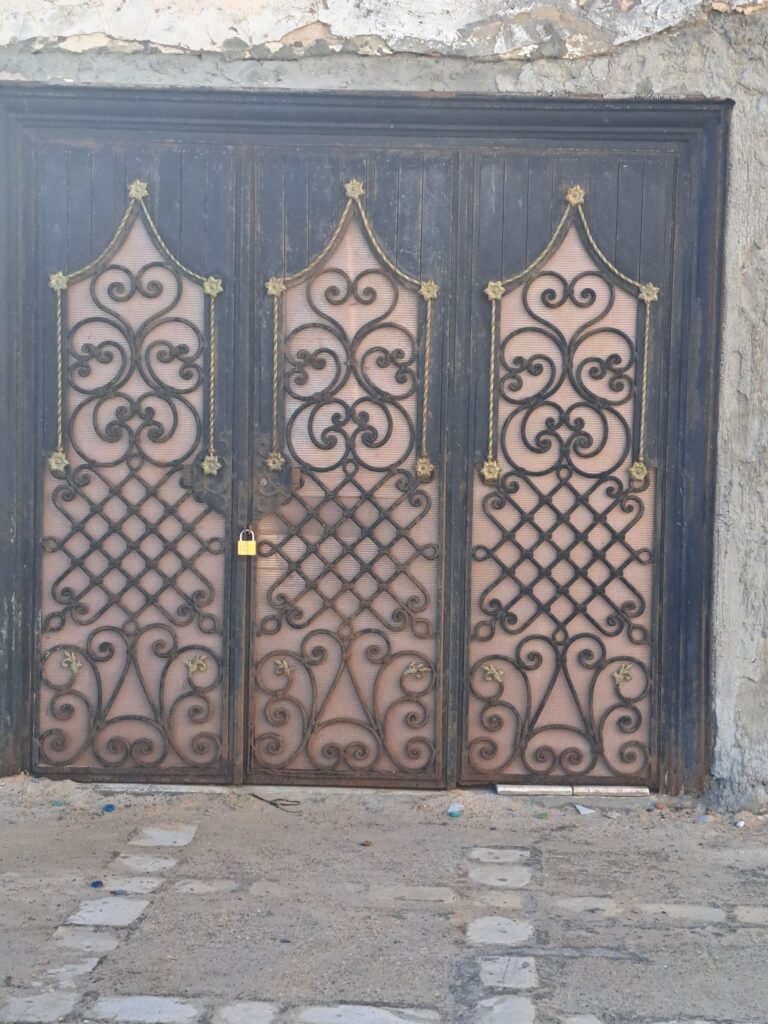
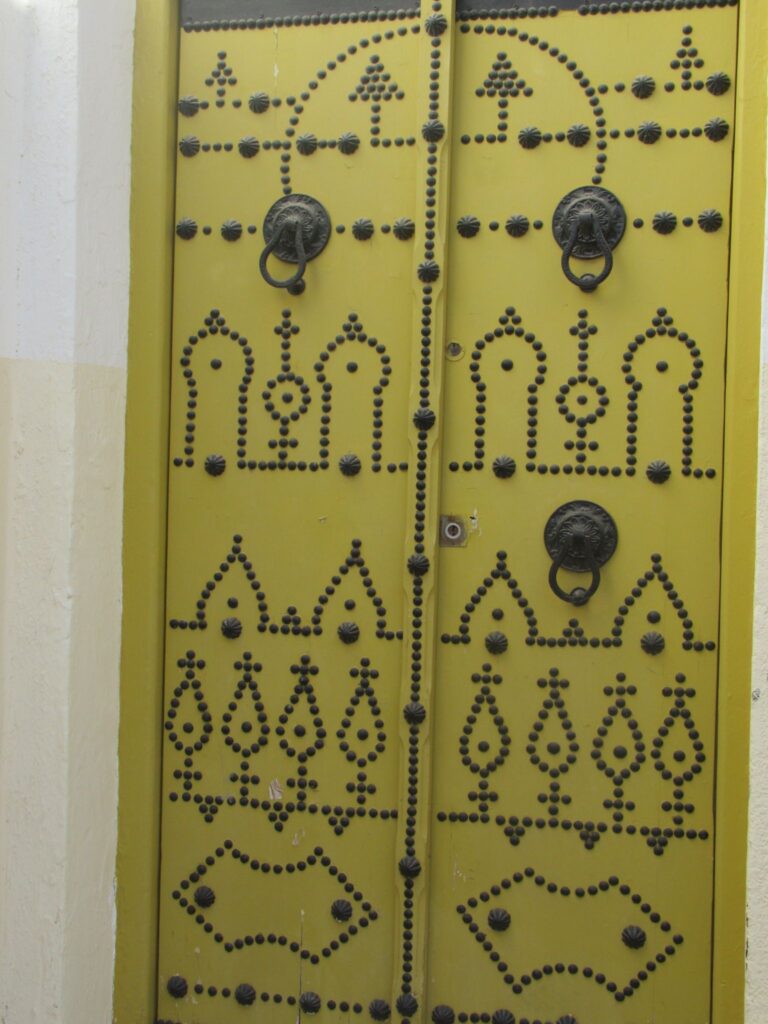
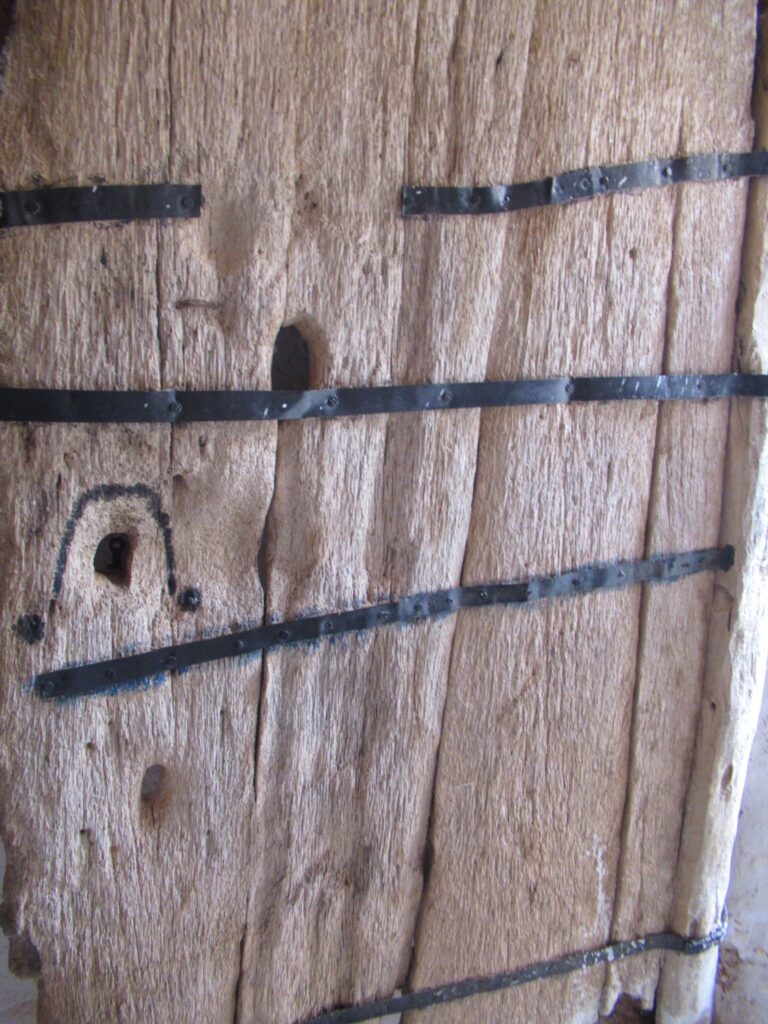
One of the doors in the medina with three door knockers, one for men, one for ladies and one for children. The lady of the house would be able to tell who was knocking by the sound and if it was a man she would know to cover up before answering the door.

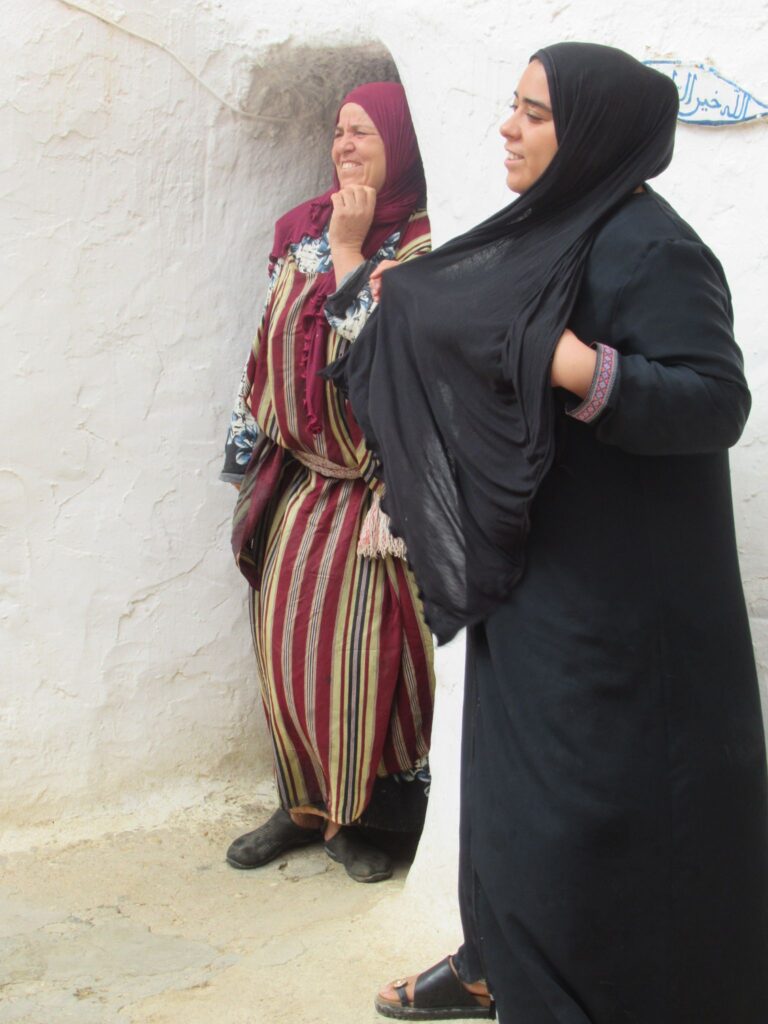
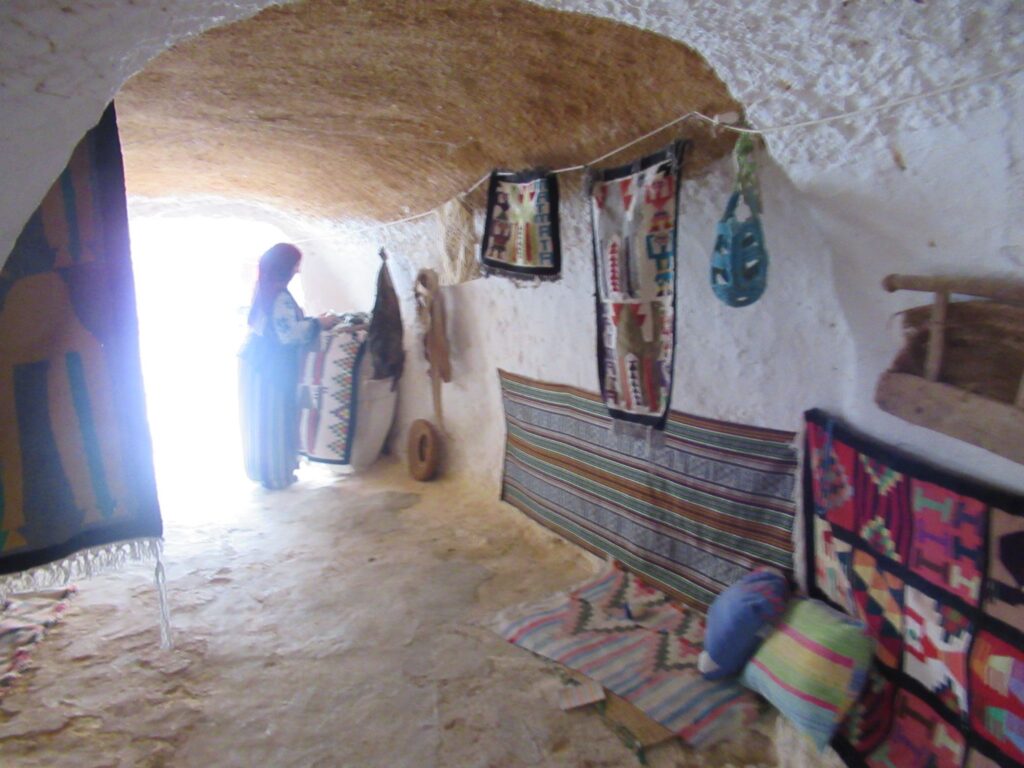
This lady had a small museum in the medina and explained about the local life and crafts, here she is demonstrating spinning the wool before weaving

The local petrol station!
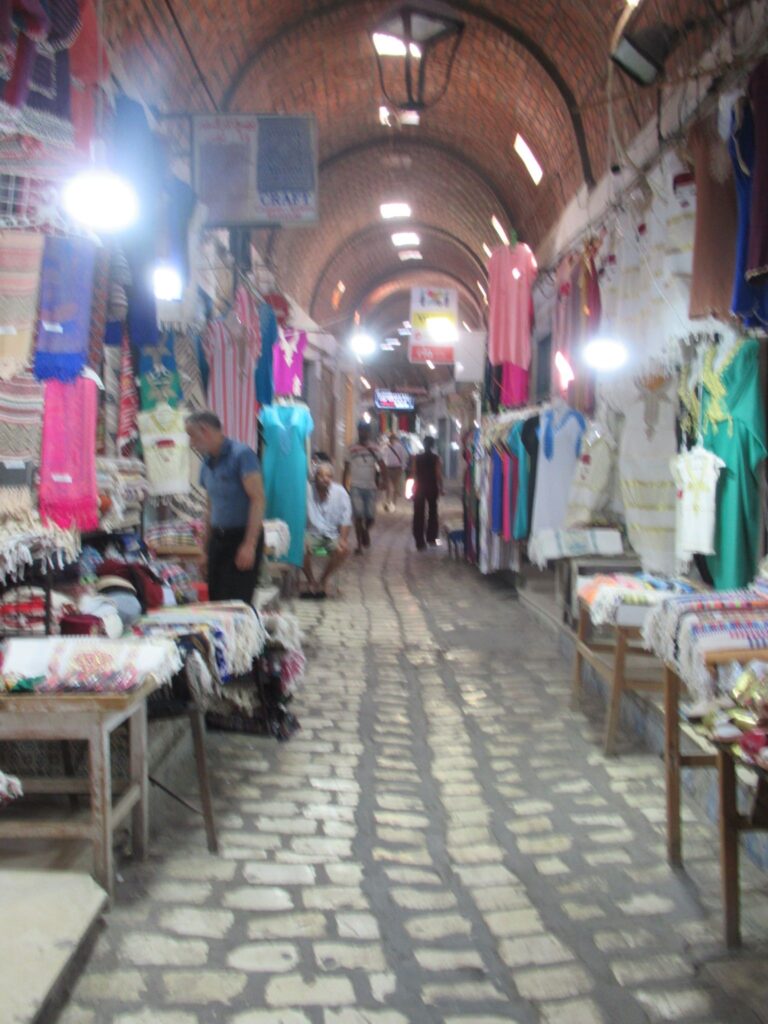
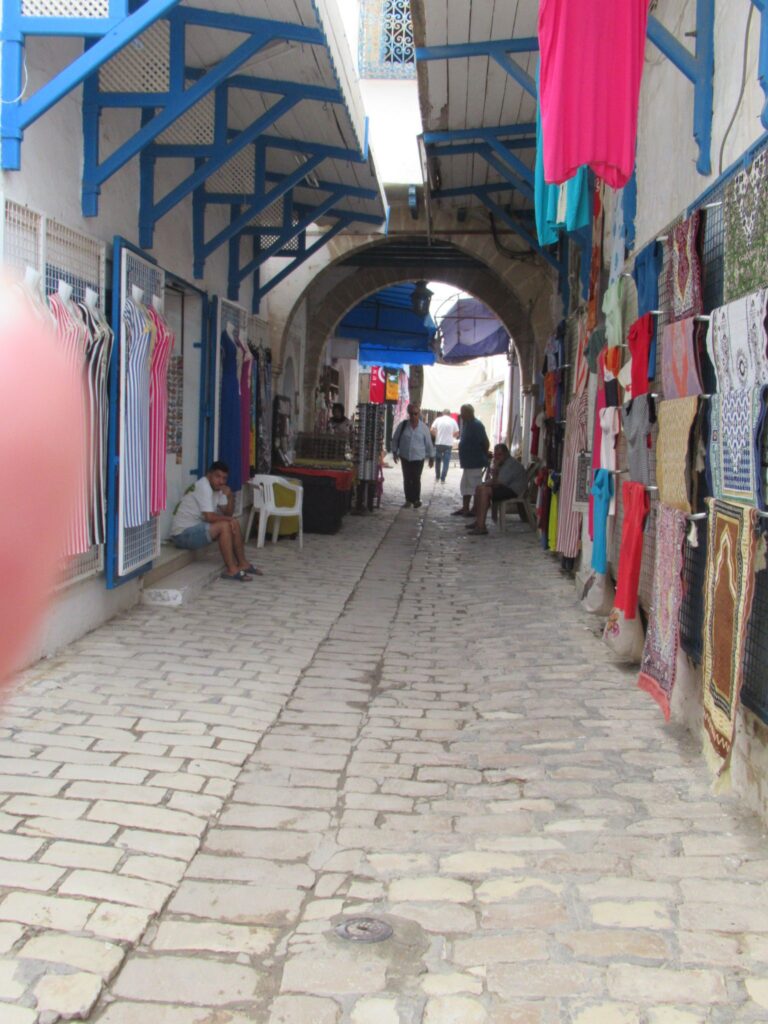
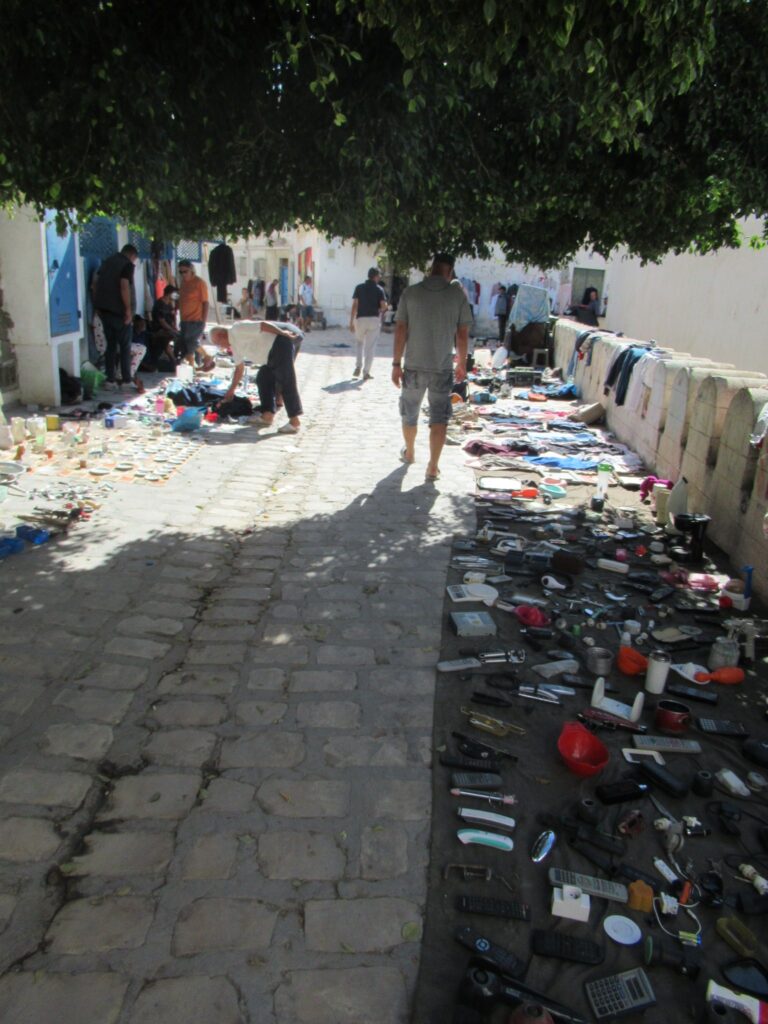
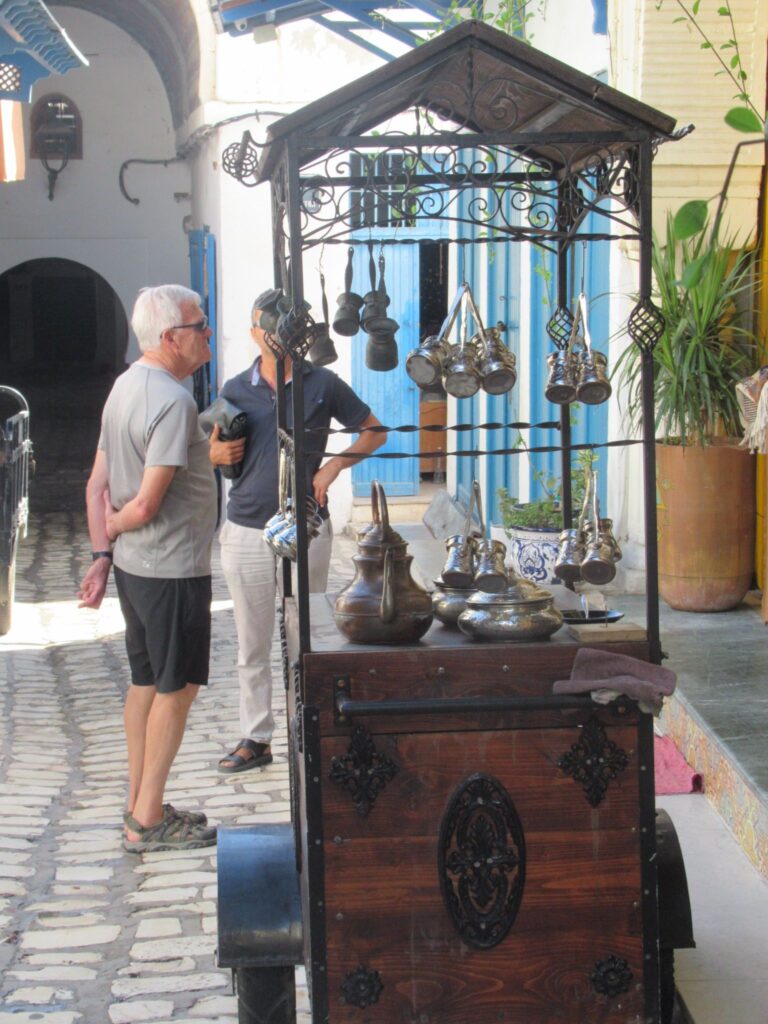
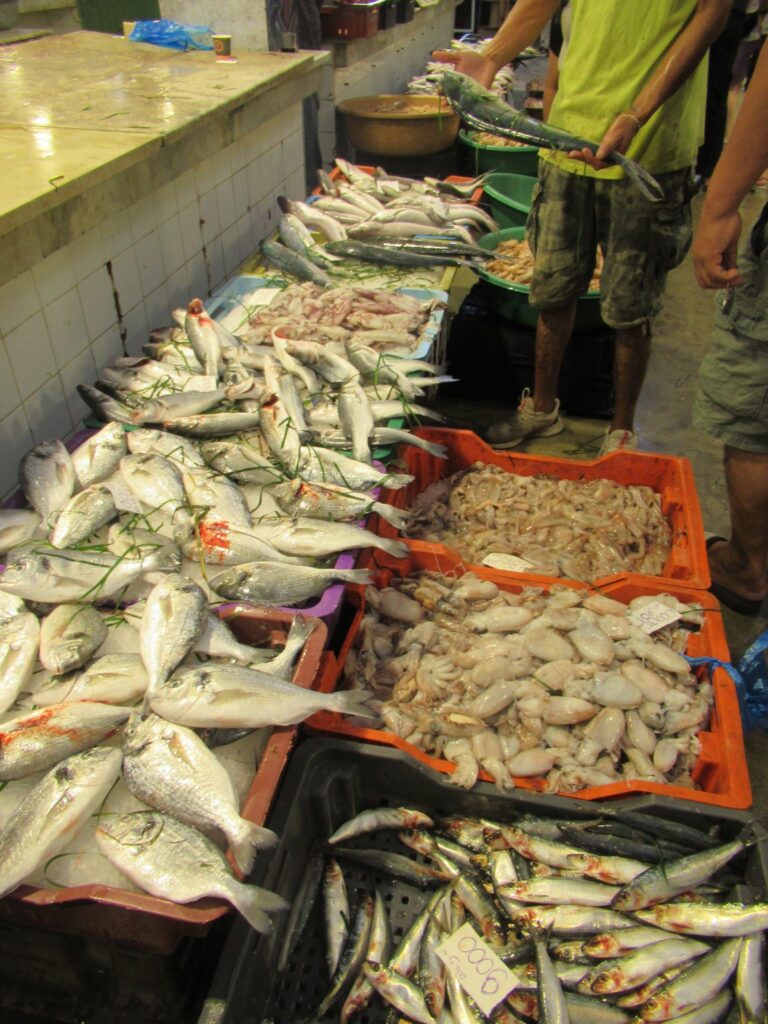
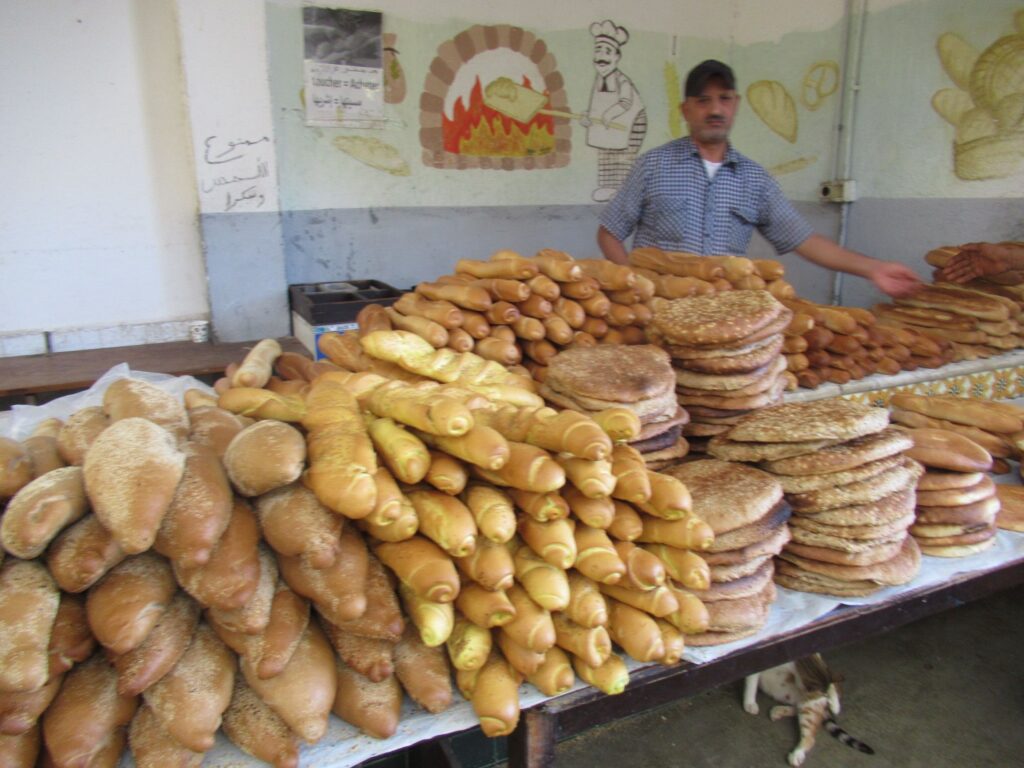
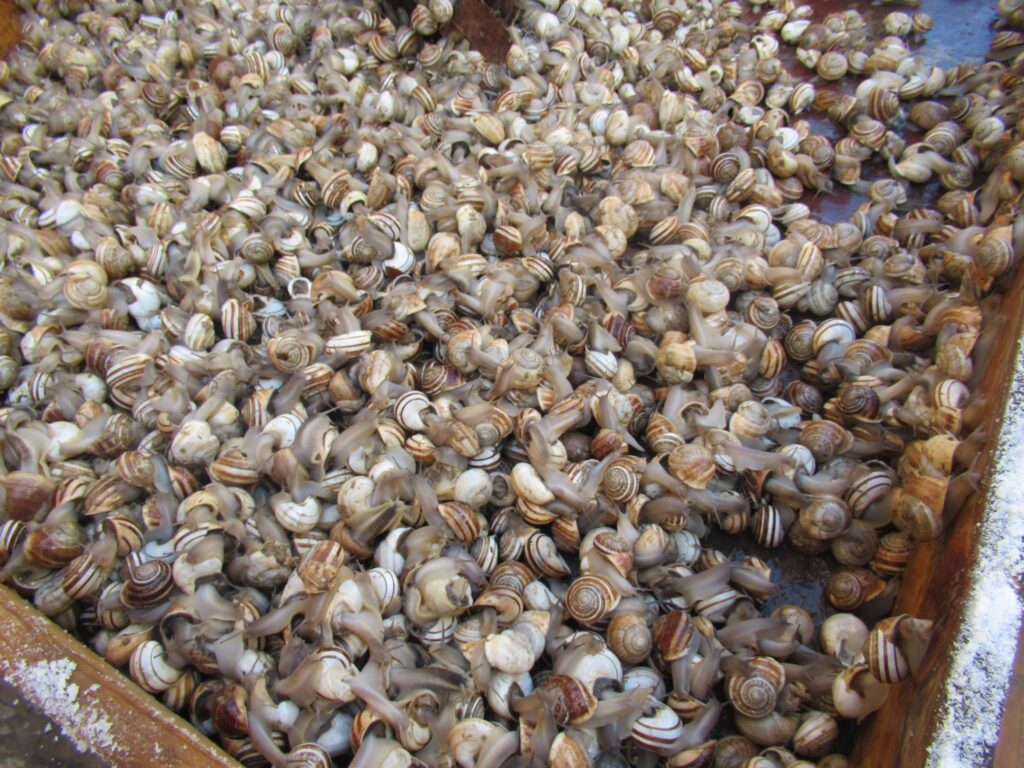
A short walk around the town and in the Market and the purchase of some dates!

An exciting afternoon taking a 4×4 vehicle to the Sahara sand dunes.

Onk Jemal rock formation

Met with some camels

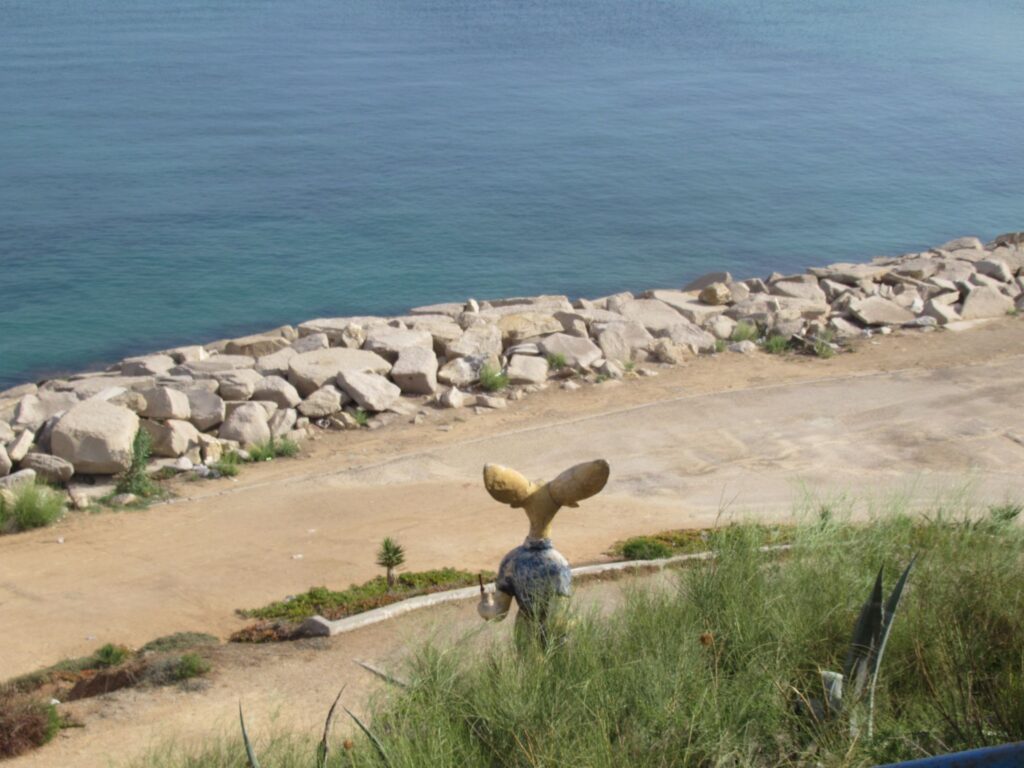
A young boy had a desert fox, also called a fennec, is a very small nocturnal animal famous for its big ears.

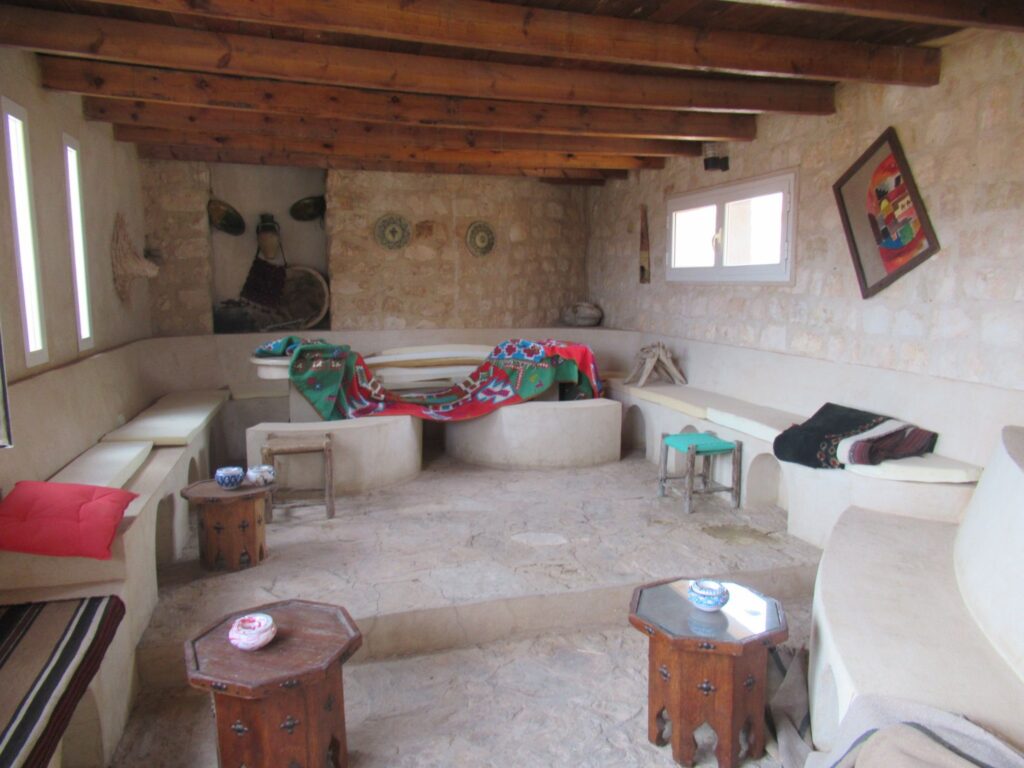
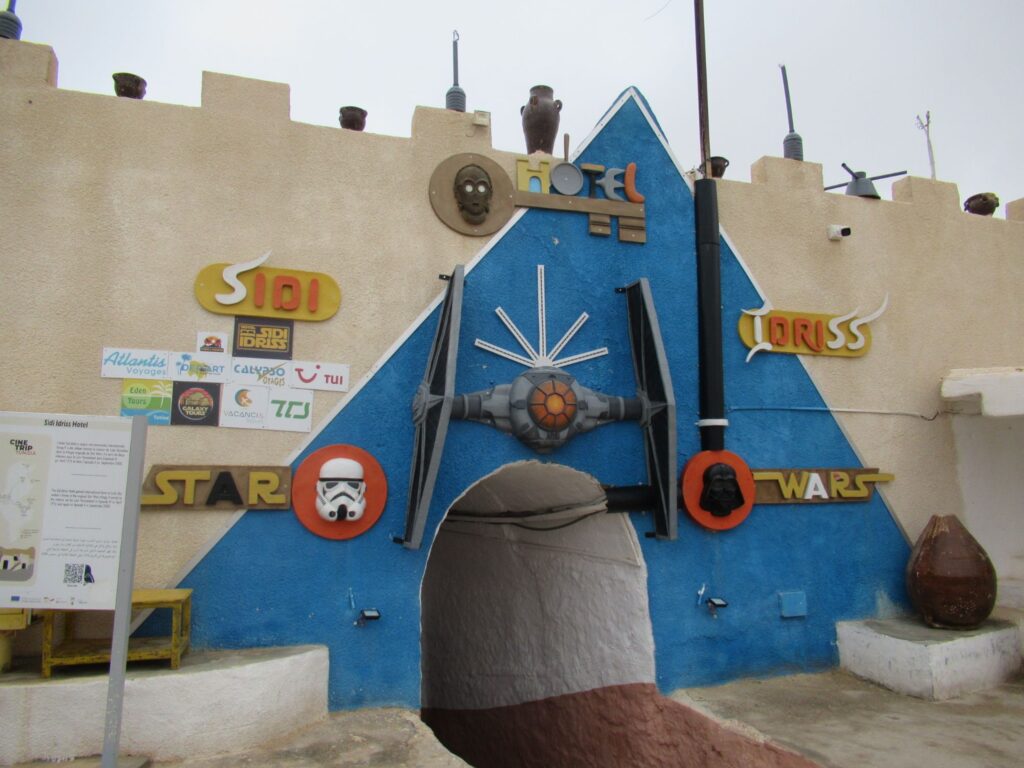
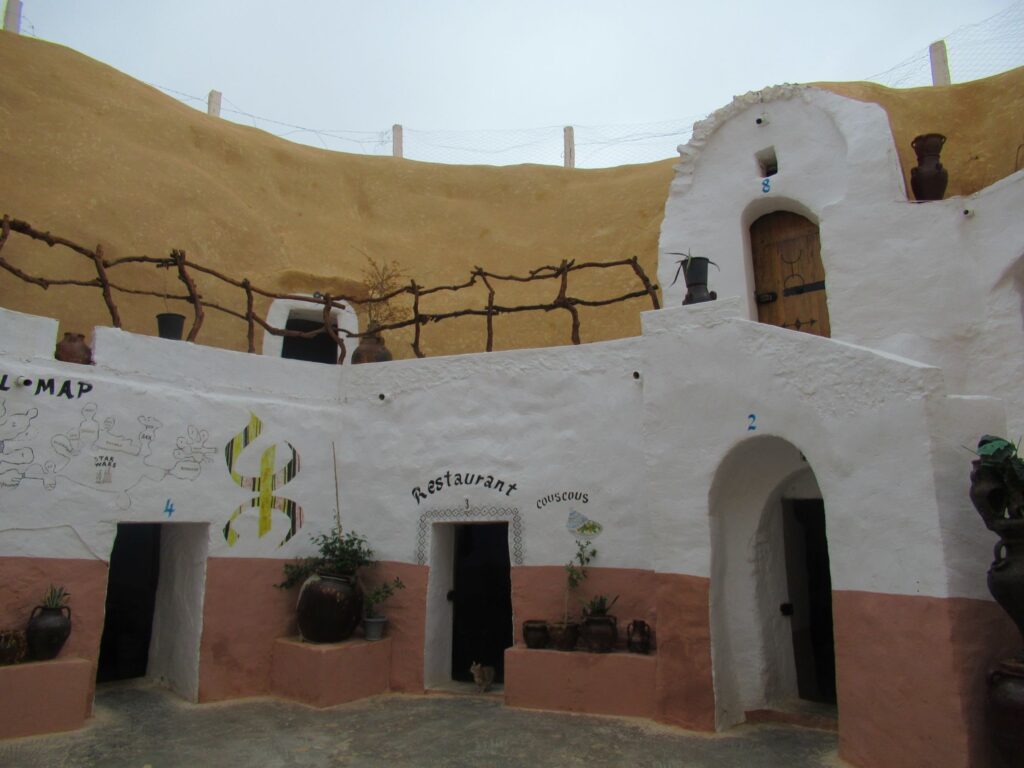
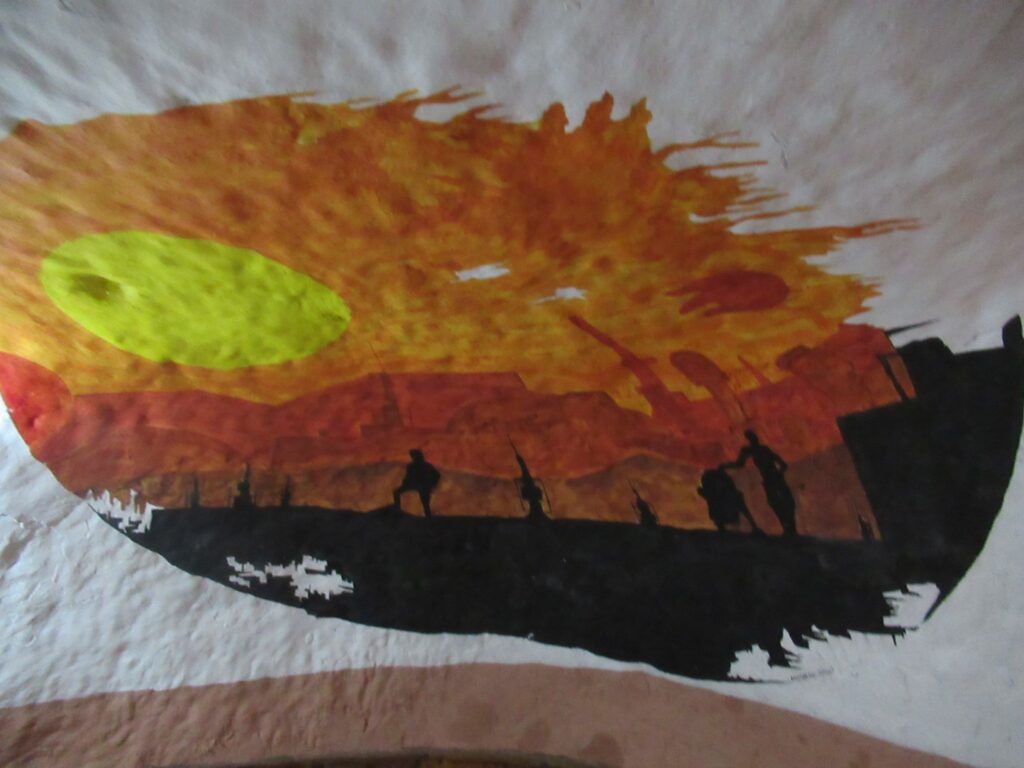
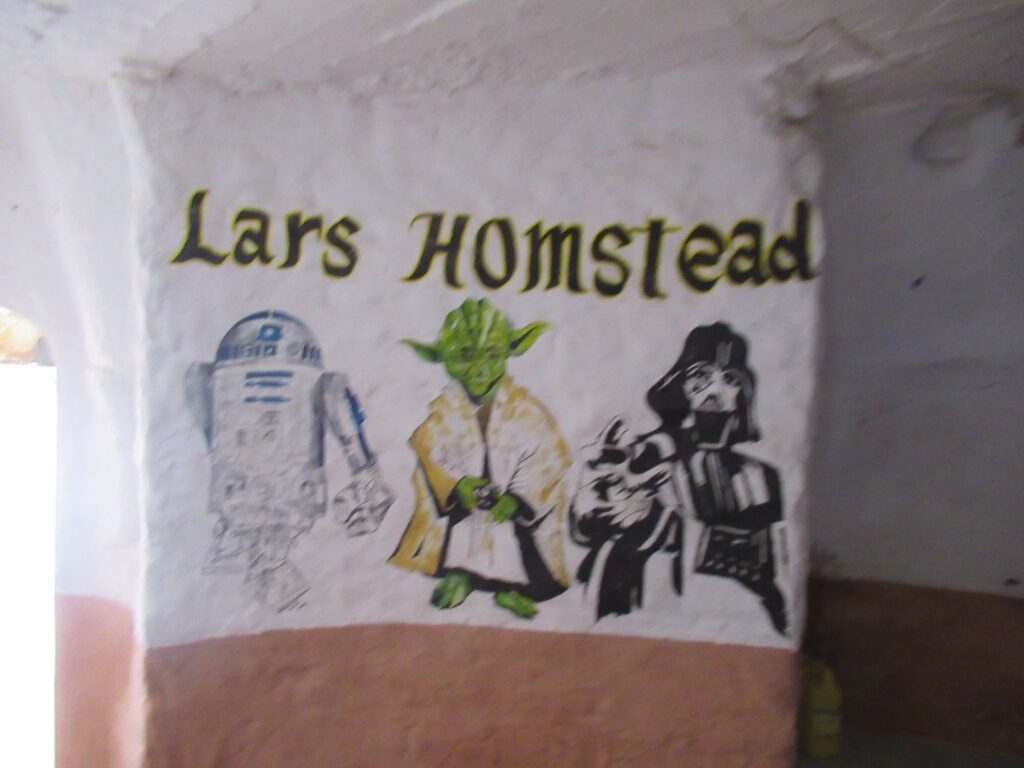
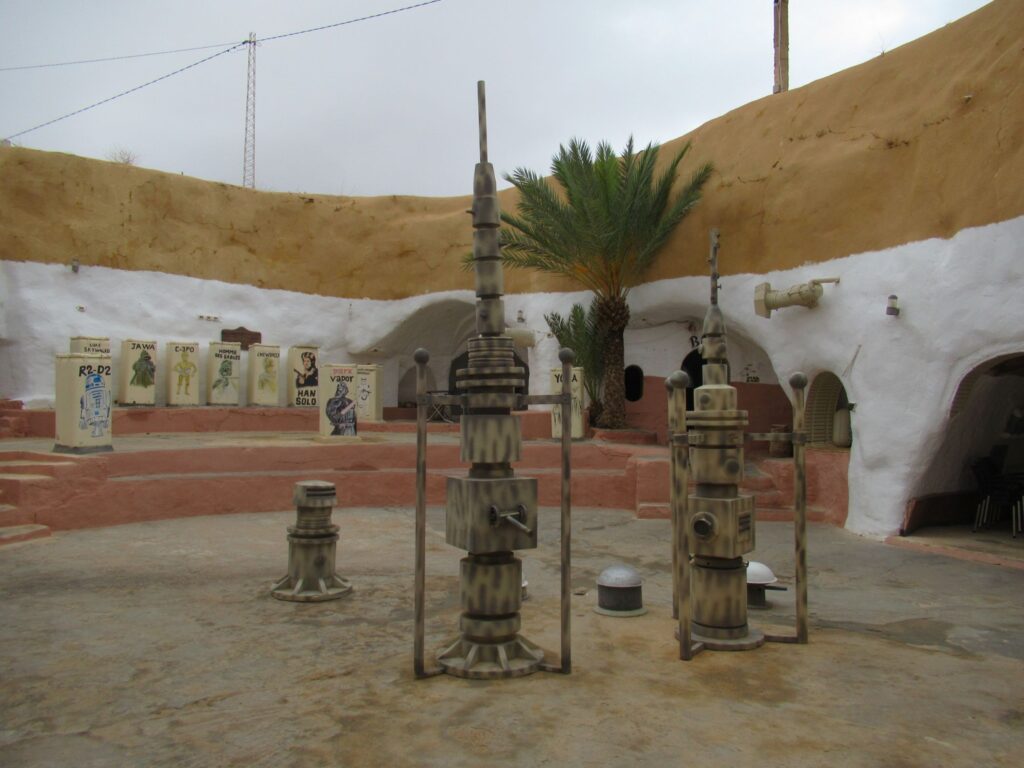
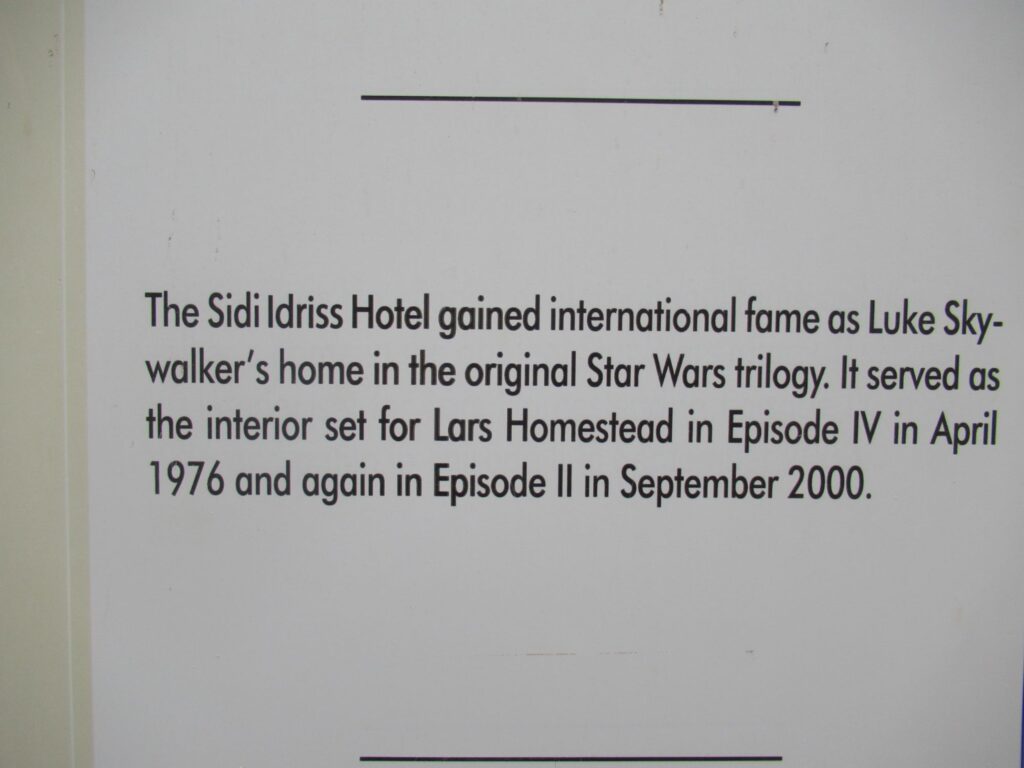
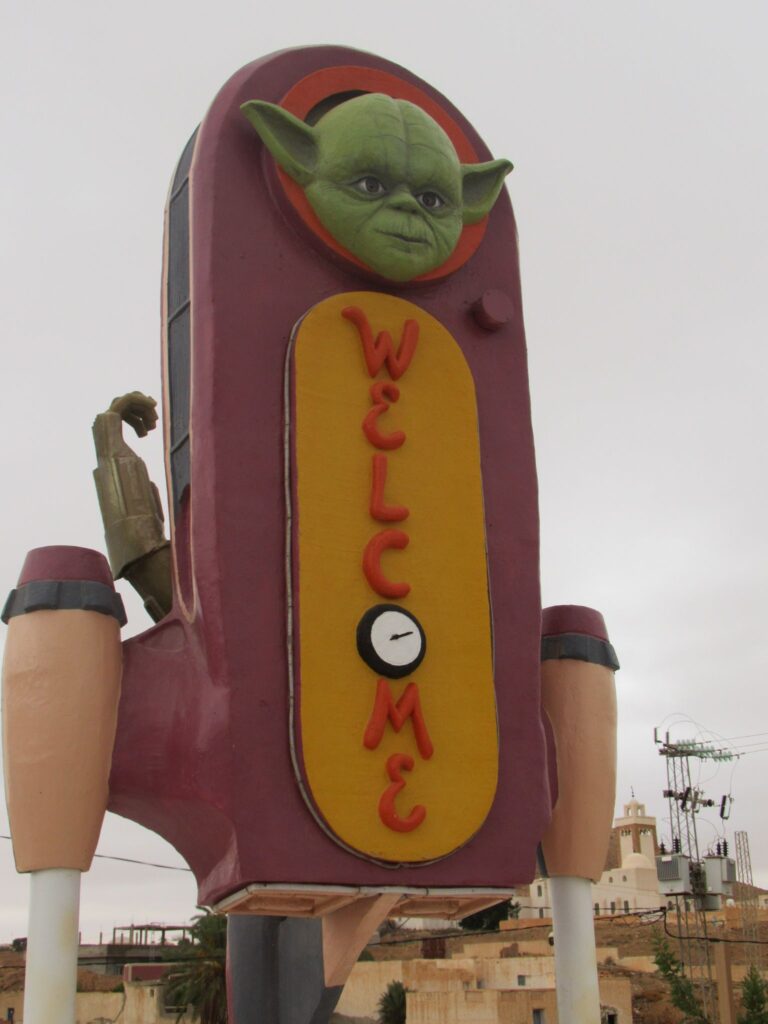
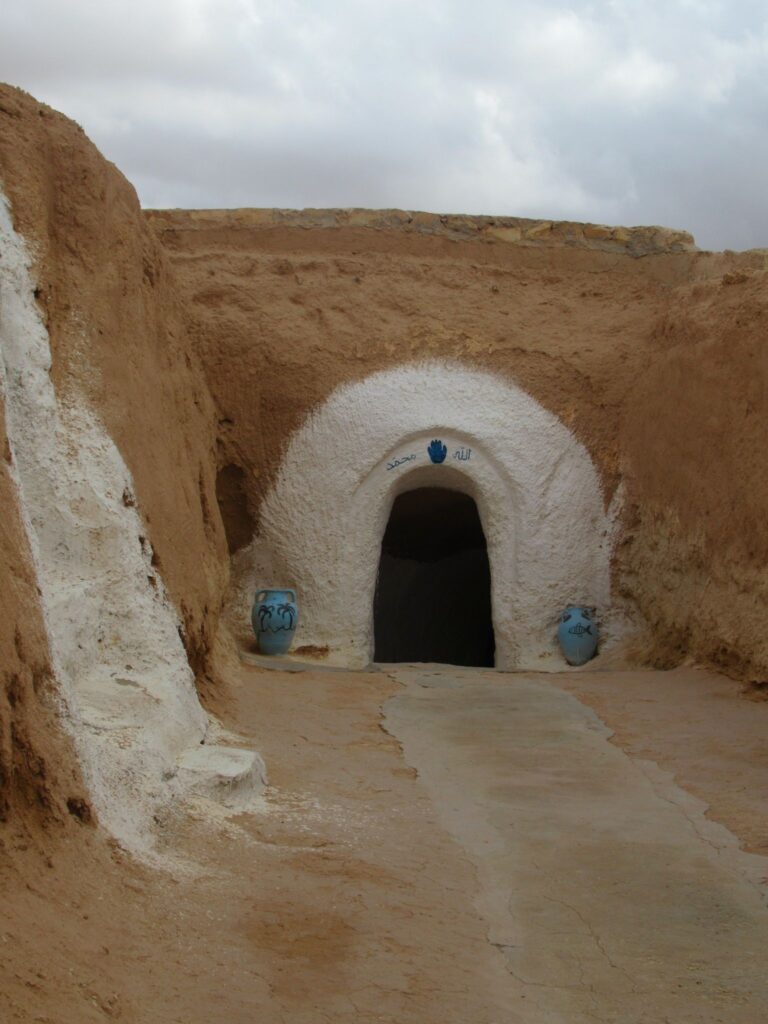
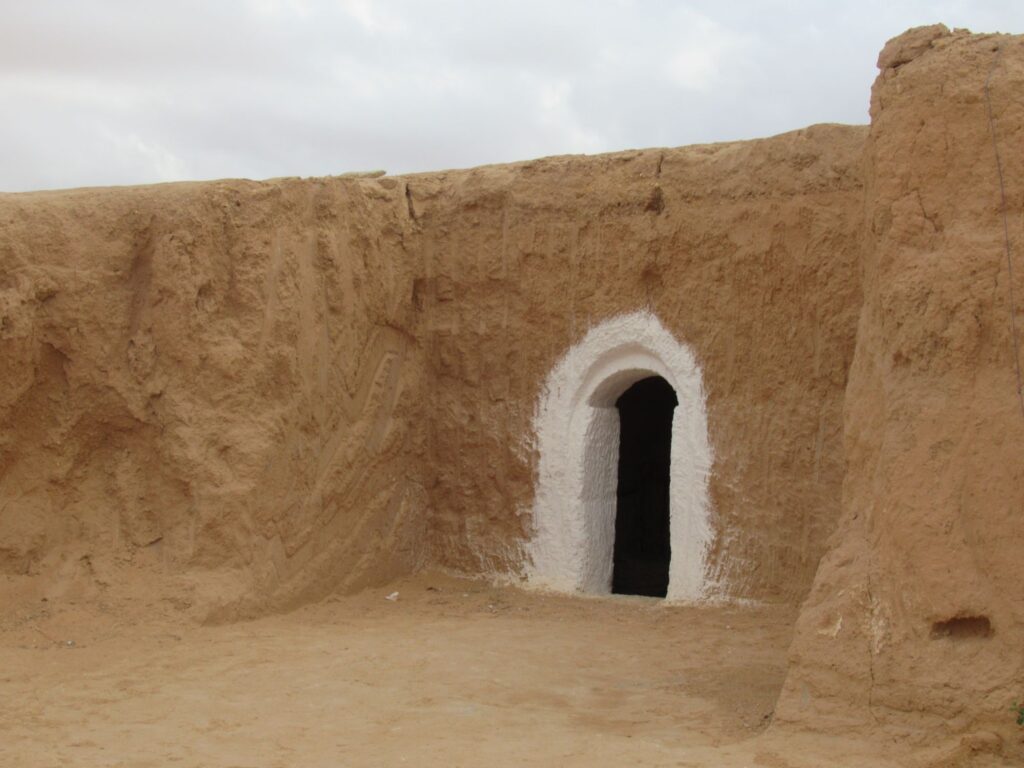
This part of the dessert is a famous film location and is where the plane came down in the English Patient. Possibly more famous for Star Wars and some of the original buildings still remain.

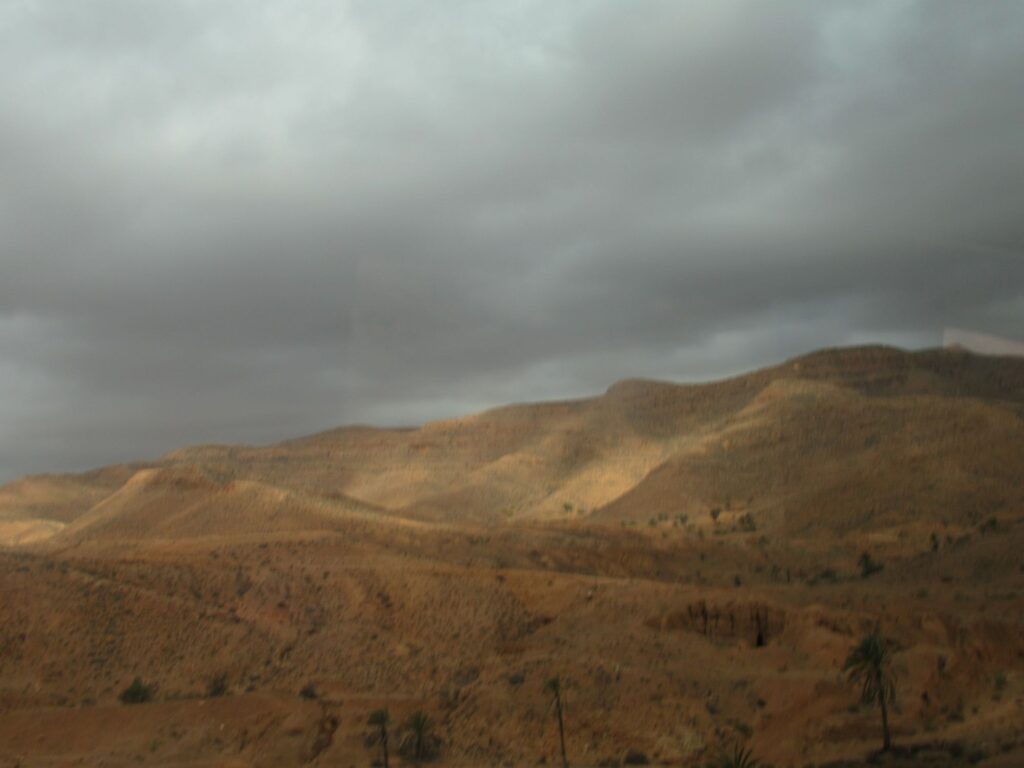
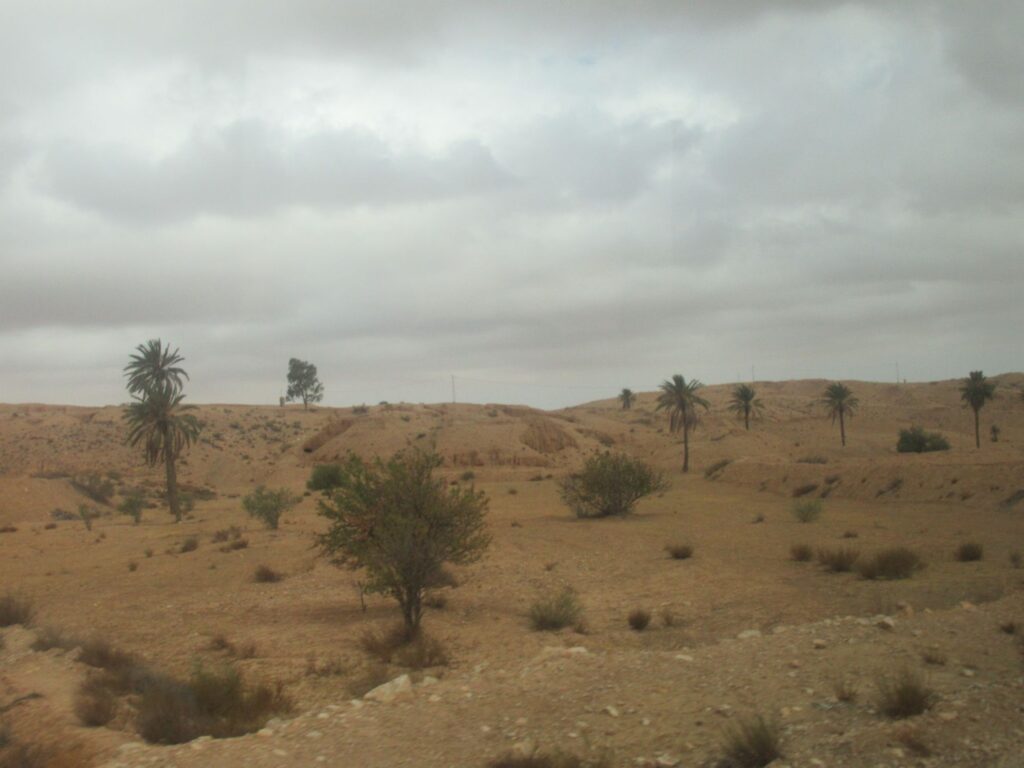
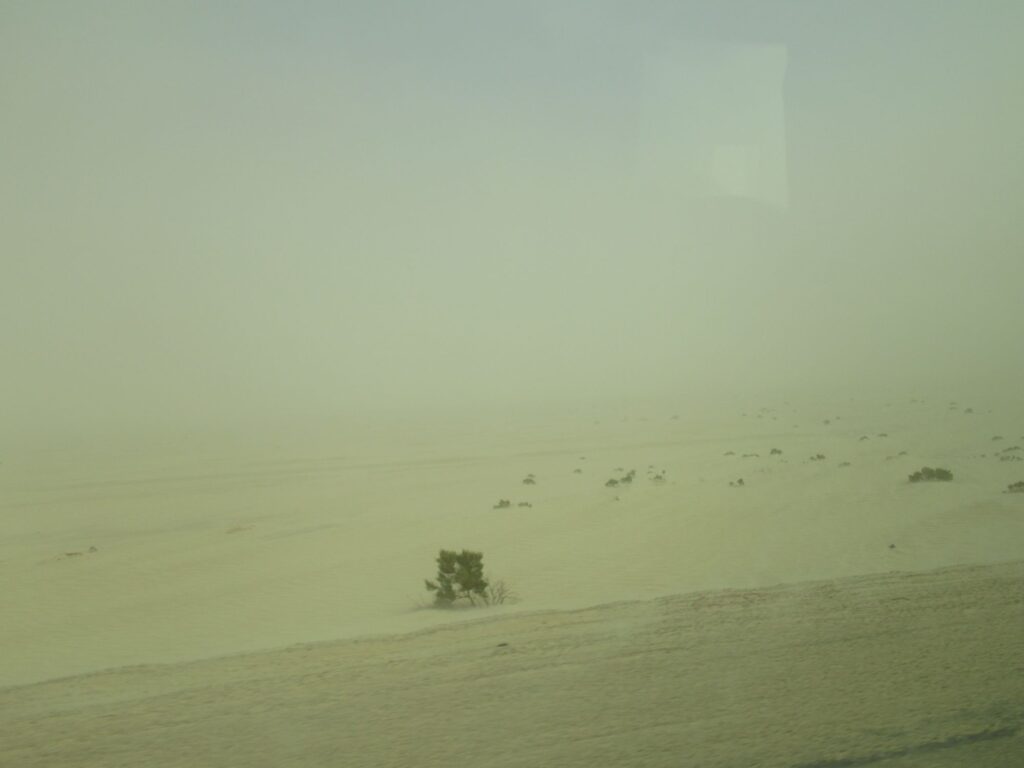
Some more pictures of the terrain. On more than one occasion I thought I hope this driver knows where he is going!

These are pieces of the desert rose, usually found under several meters of sand.  It is made up of gypsum that crystallises from underground water and takes the form of a rose.

This was the vehicle behind us, we just came down that dune!

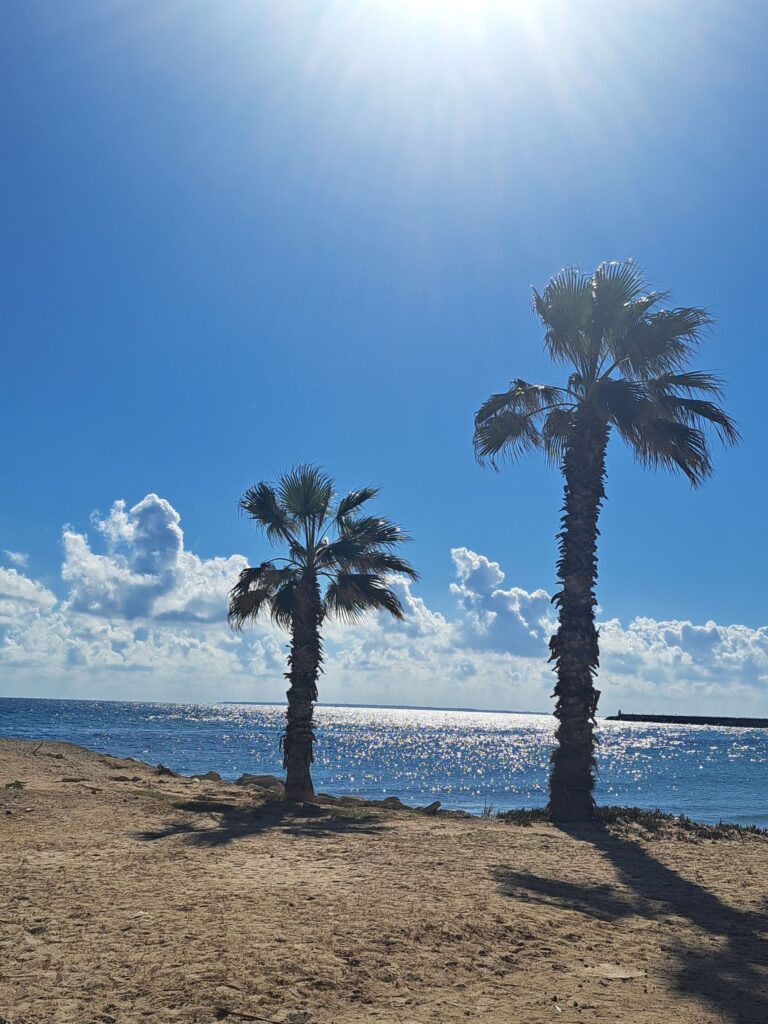
Palm trees in the oasis town of Nefta

Hammamet to Tozeur

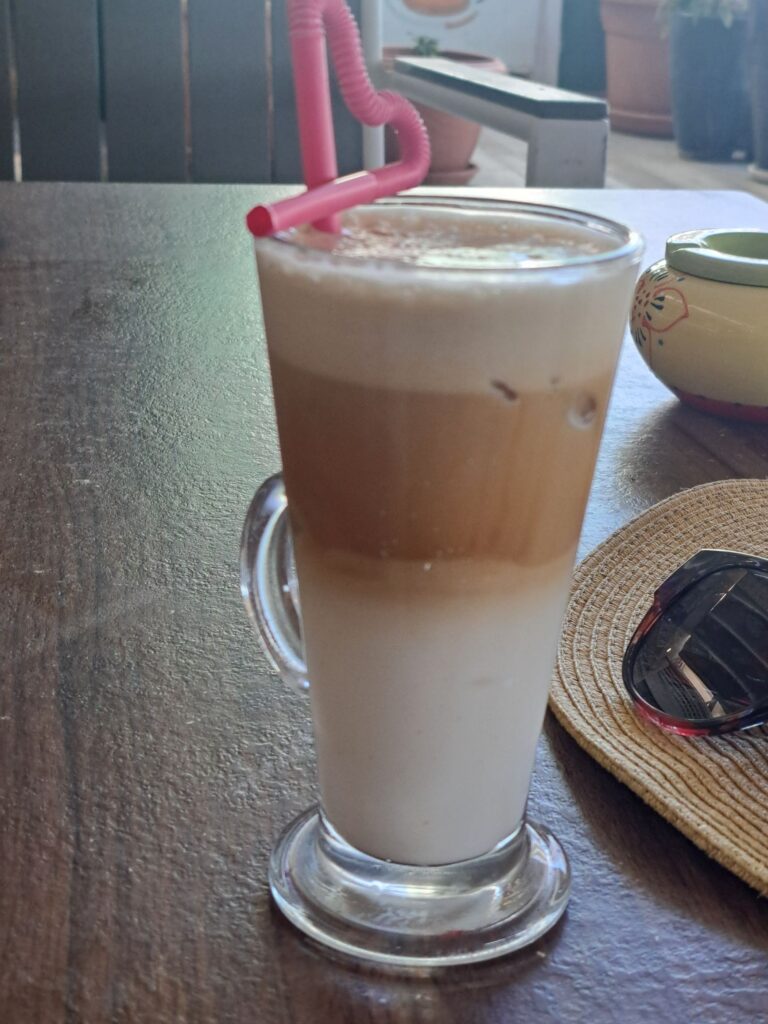
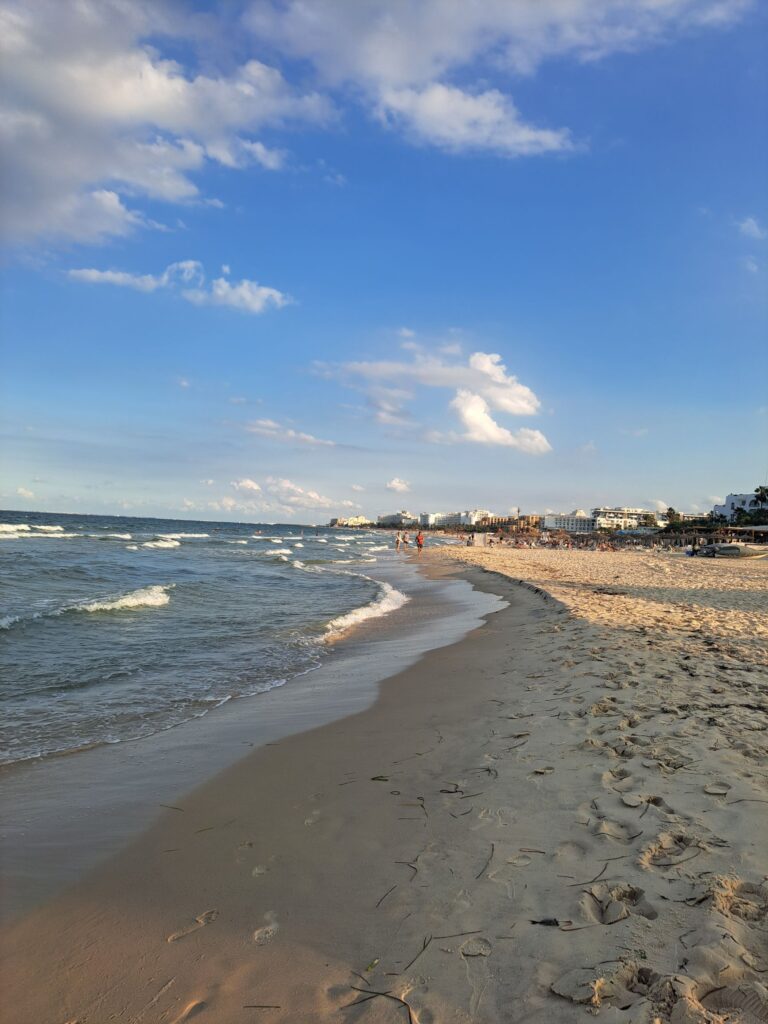
Early start this morning, enjoying my coffee listening to the sea

Driving south today through citrus groves with a backdrop of the Atlas Mountains. The olives will be harvested soon and this is all done by hand using rams horns to pull the fruit from the trees.

Our stop en route to Tozeur was a visit  to Kairouan and, along with Mecca, Medina and Jerusalem one of Islam’s four holy cities.

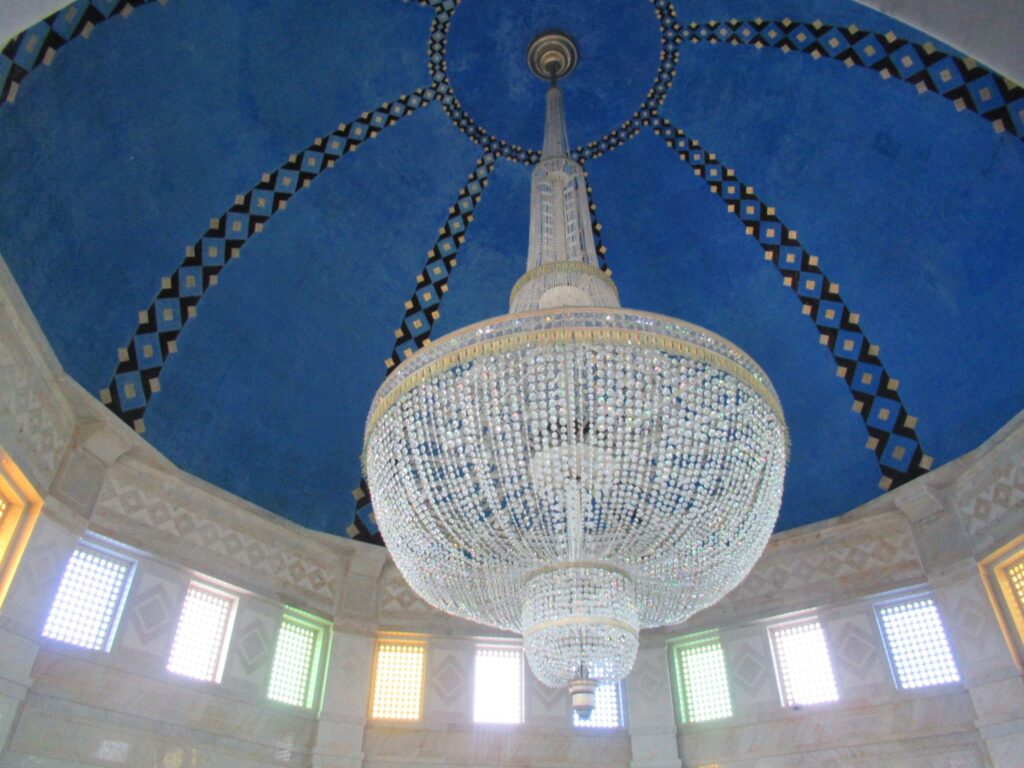
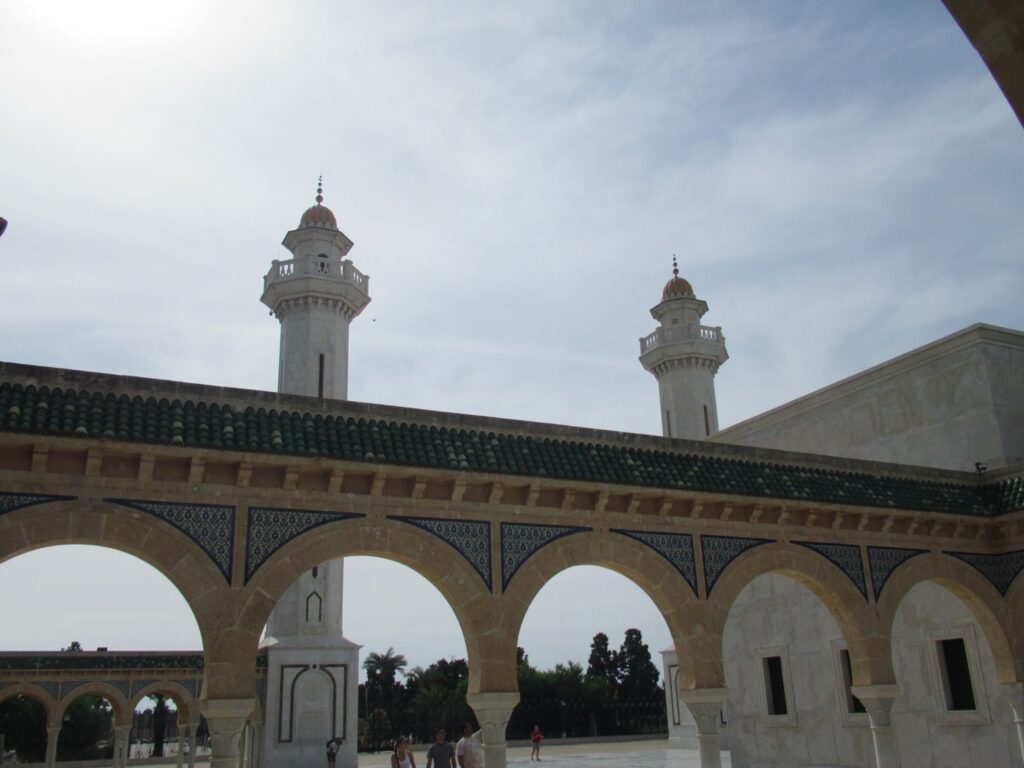
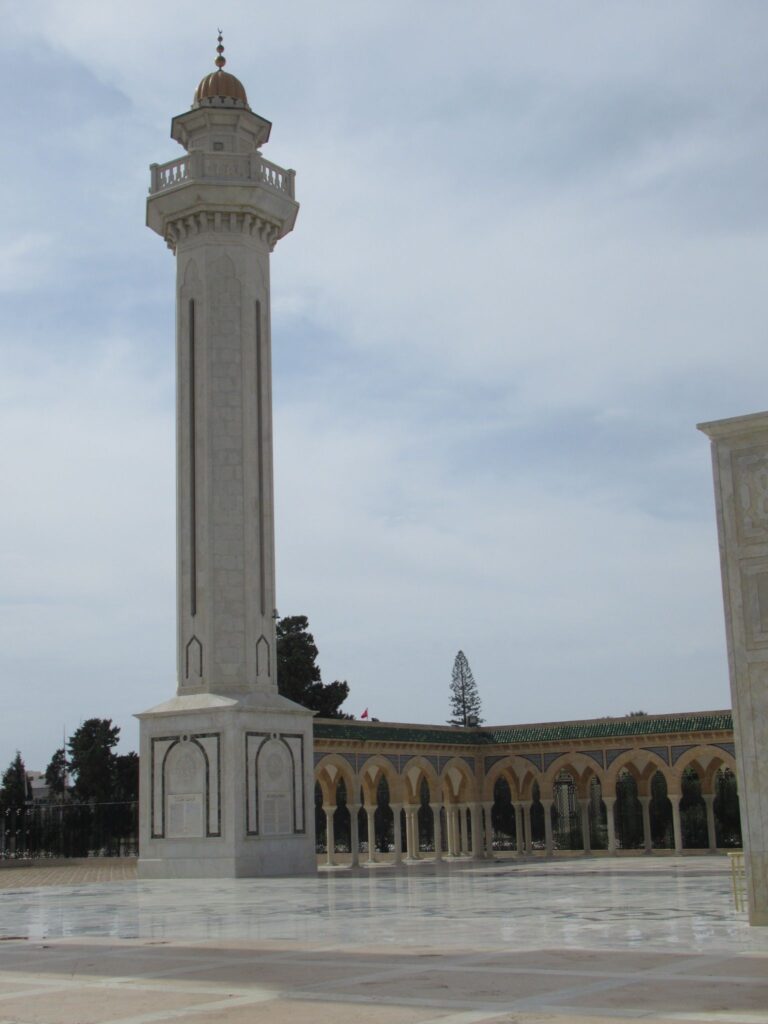
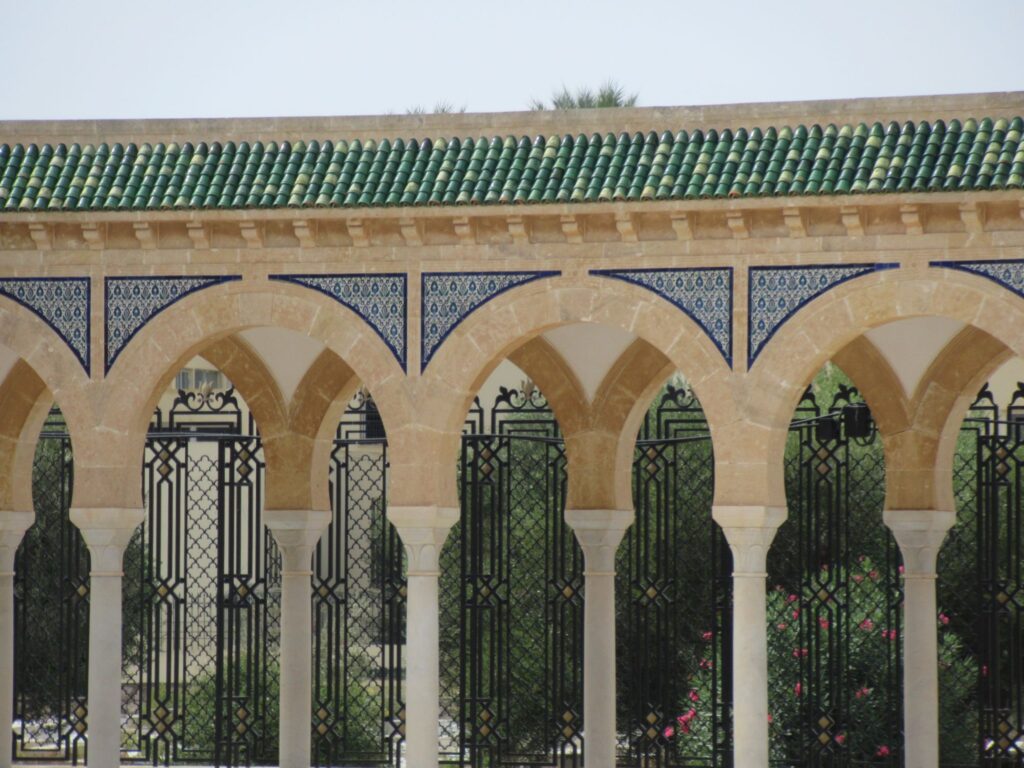
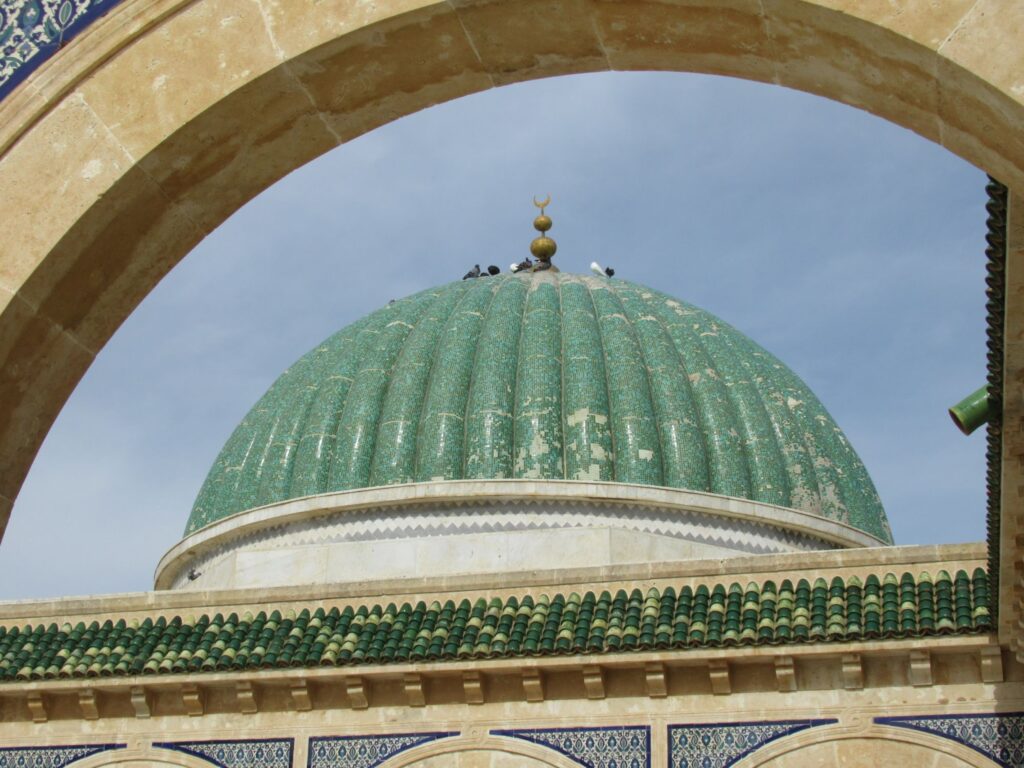
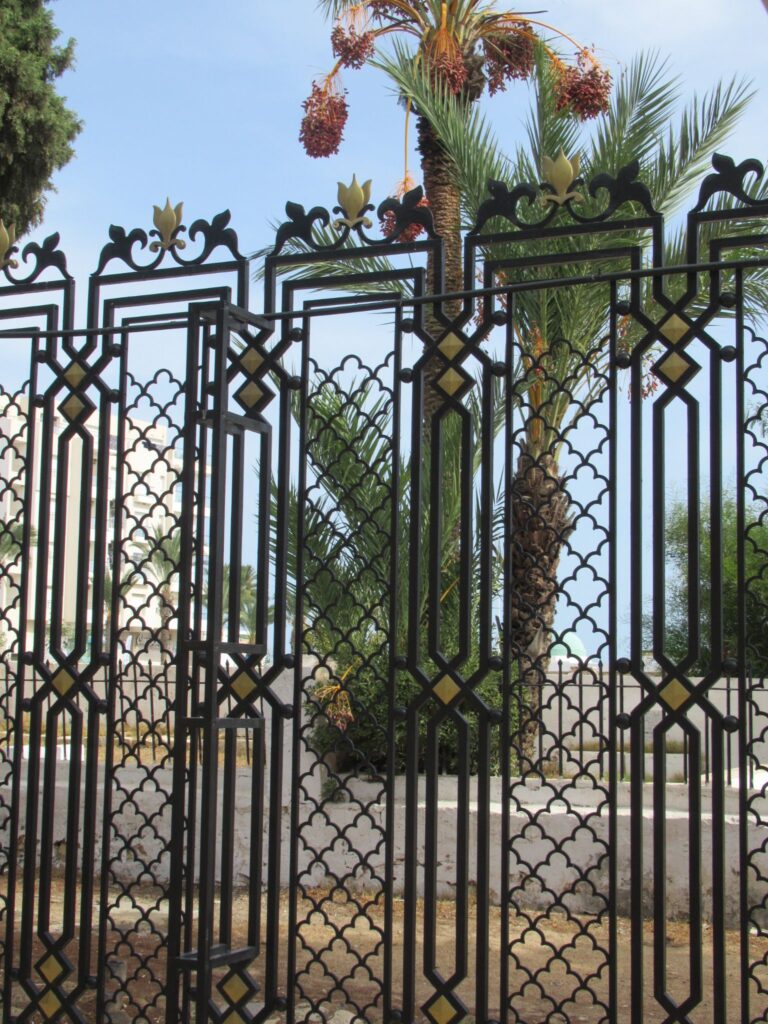
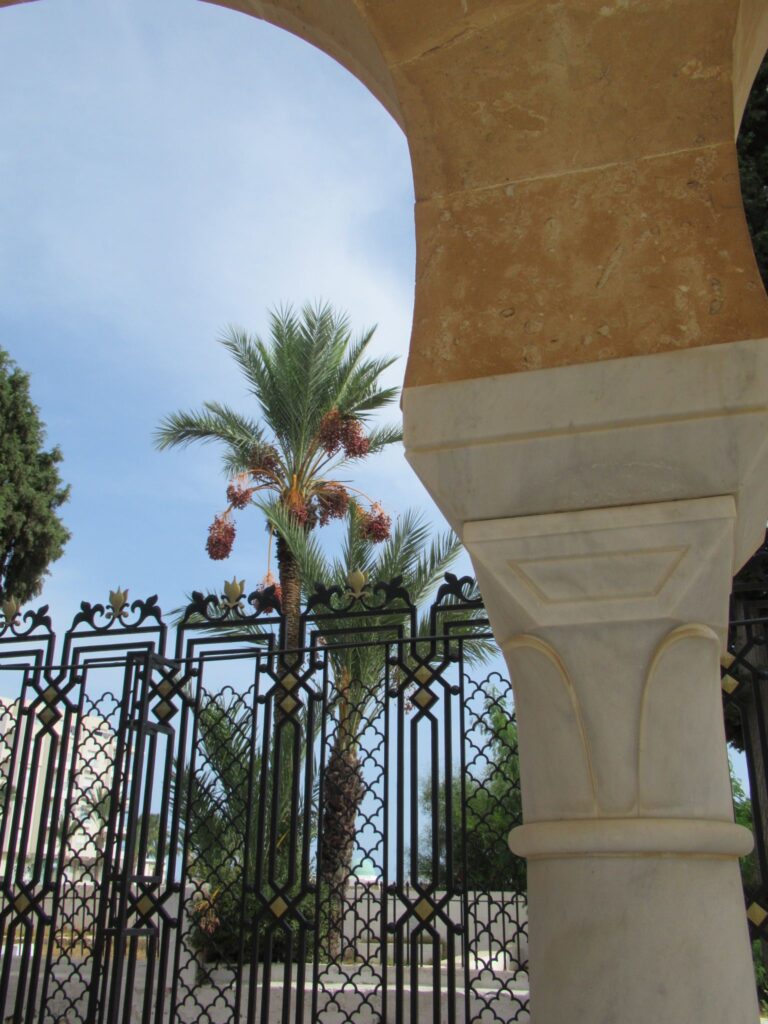
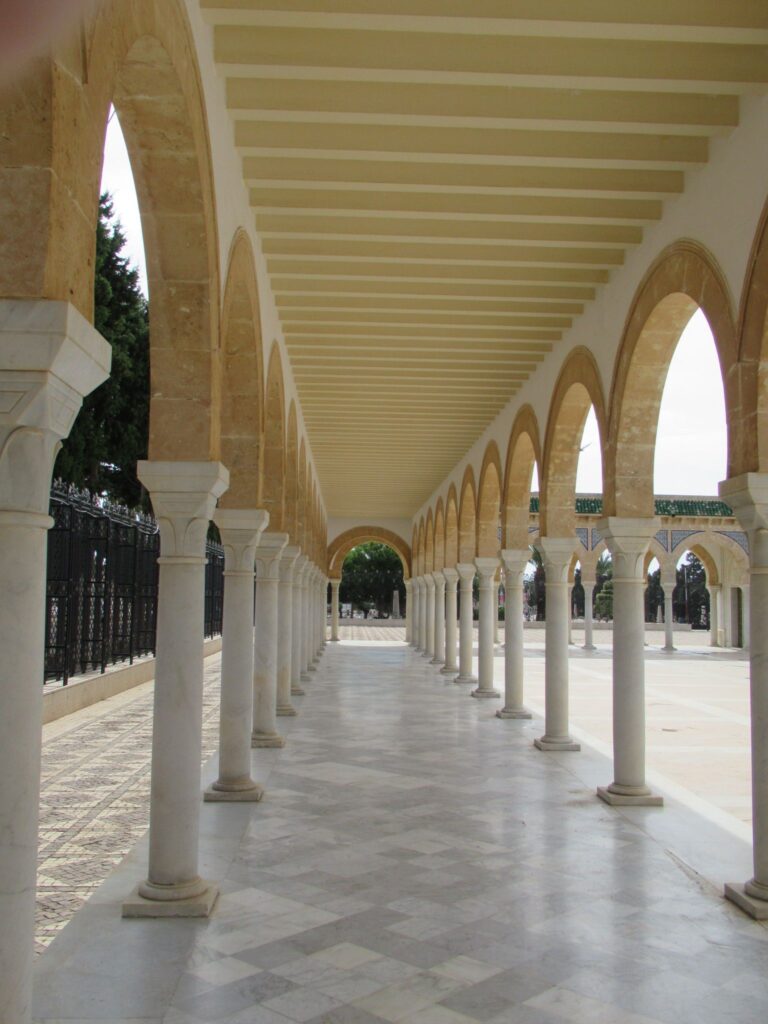
Our first visit was to the Sidi Sahbi Mausoleum, also known as the Barber’s Mosque. The site includes beautiful courtyards and porticos and intricate ceramic tile work.

Kairouan was founded in AD 670 by Oqba in Nafi who, according to legend, chanced upon a golden goblet in the sand that turned out to have been lost in Mecca. When the goblet was picked up water sprang from the ground.

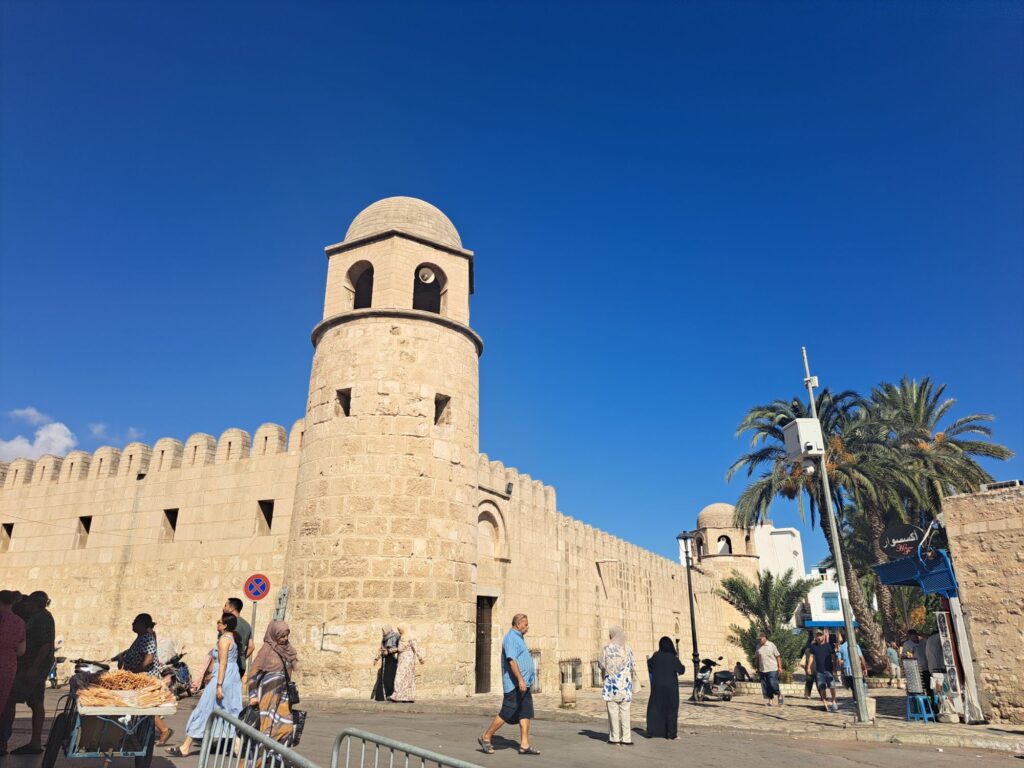
The Great Mosque or Mosque of Sidi Oqba

All the pillars around the courtyard were pillaged from various Roman sites hence the reason they are all made from different materials and have different capitals.

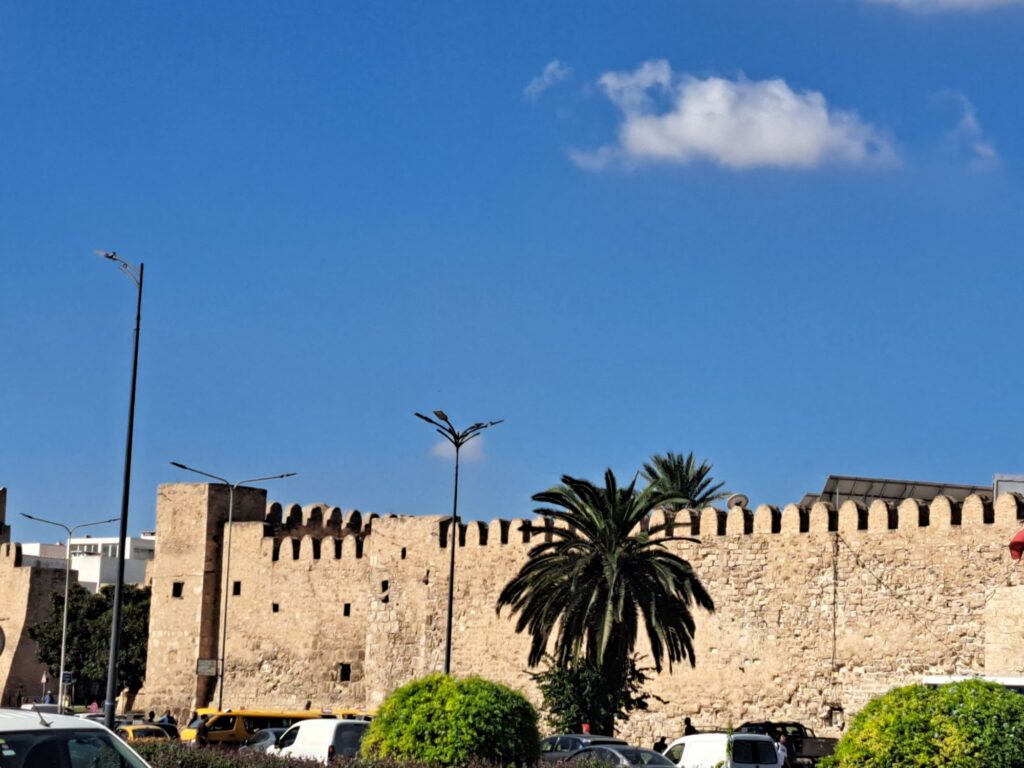
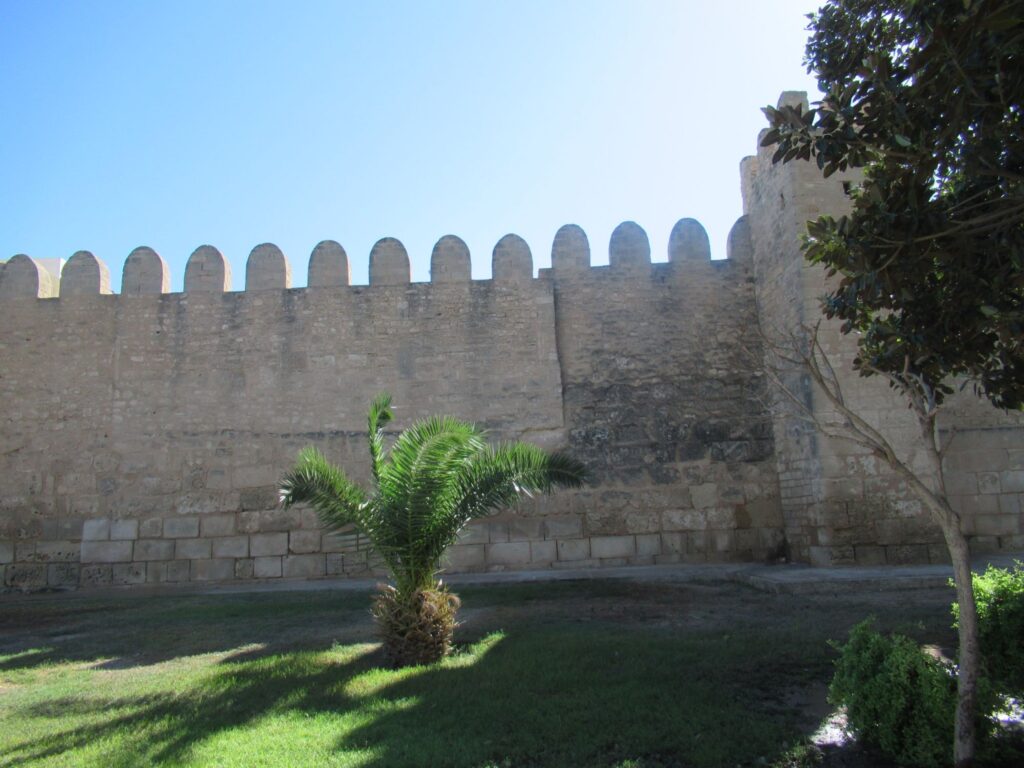
The Medina surrounded by high walls.

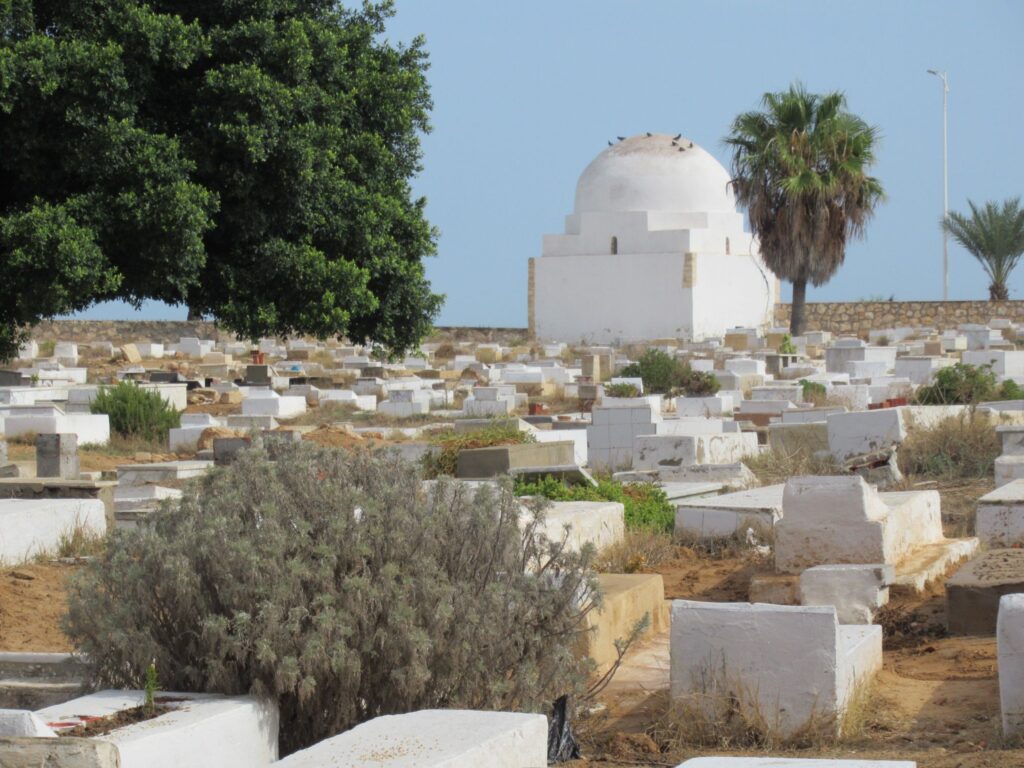
Cemetery outside the medina

Bir Barouta

A well, probably dug in the  8th century. The water is drawn by a camel that turns the wheels of the mechanism.

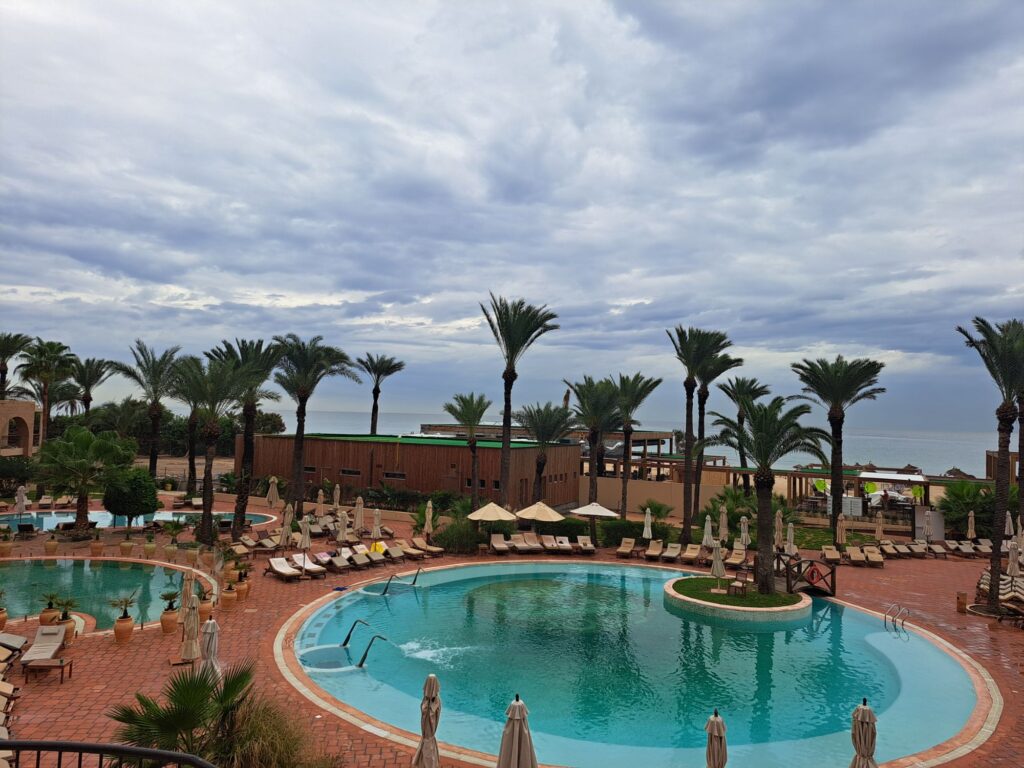
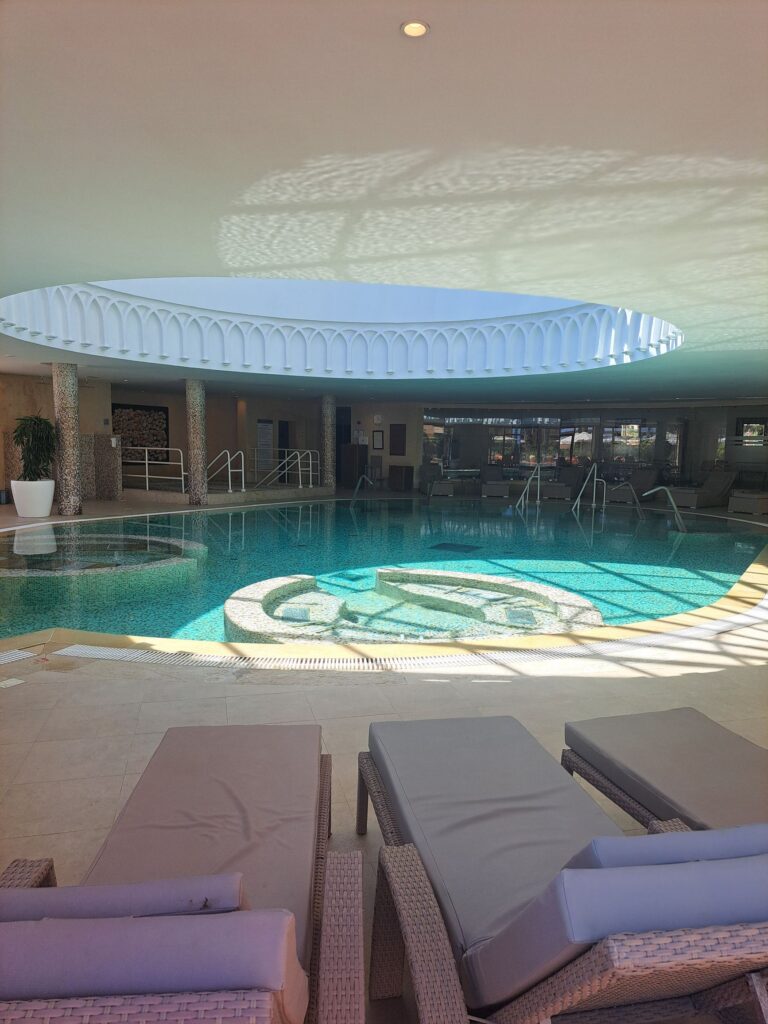
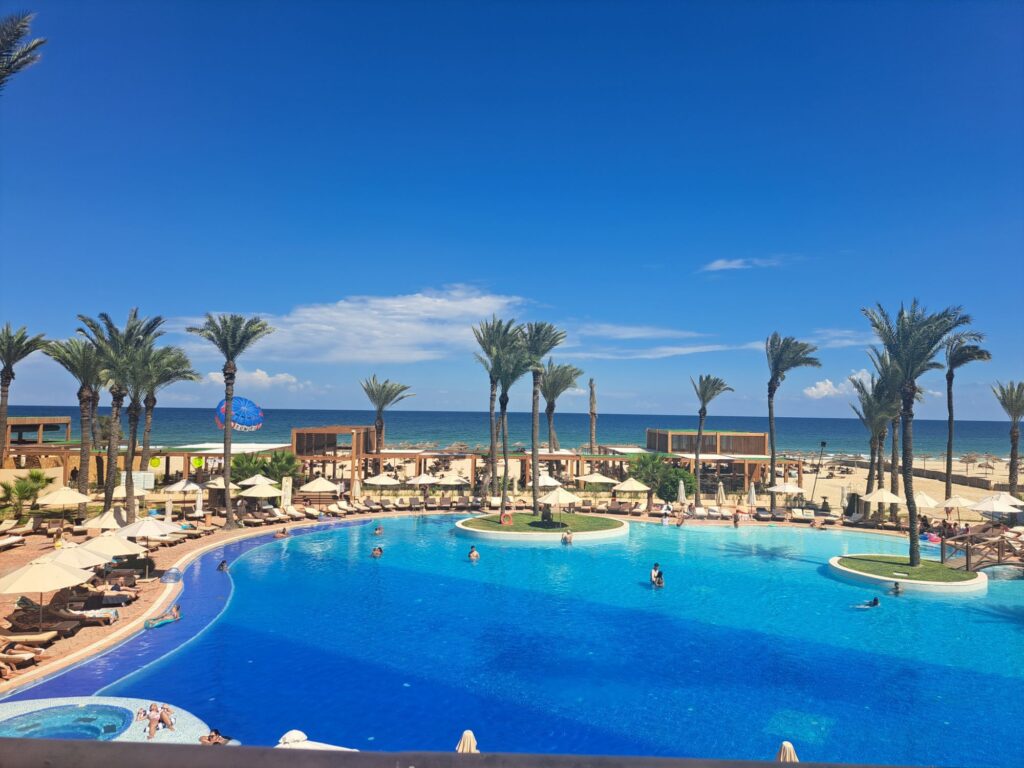
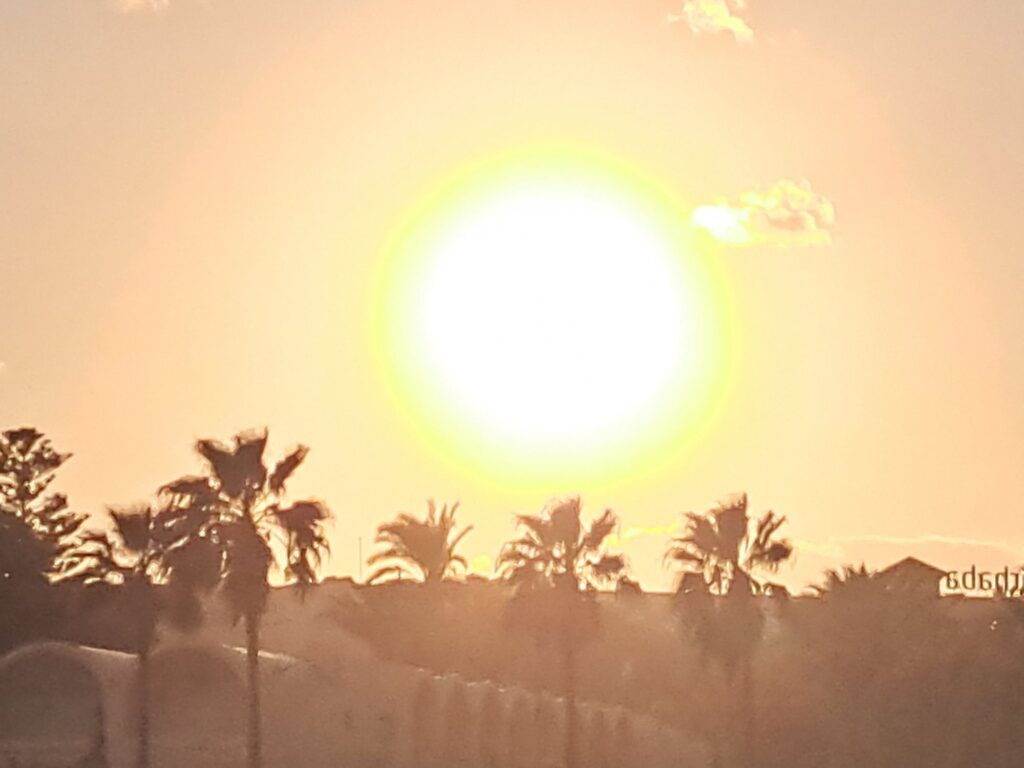
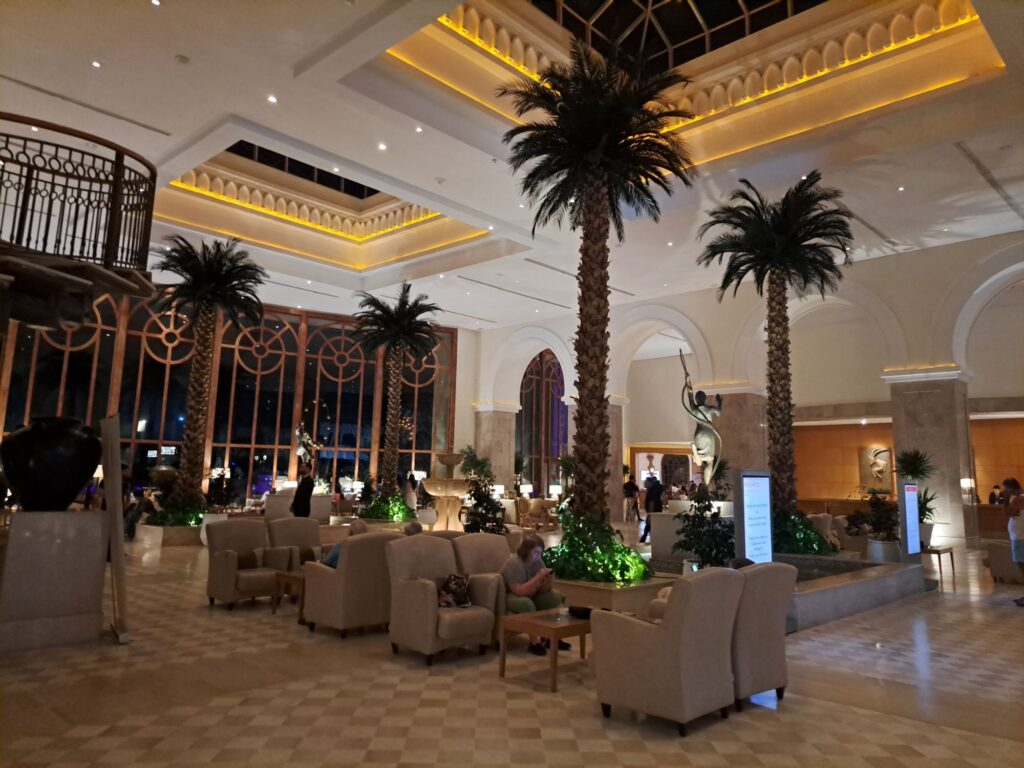
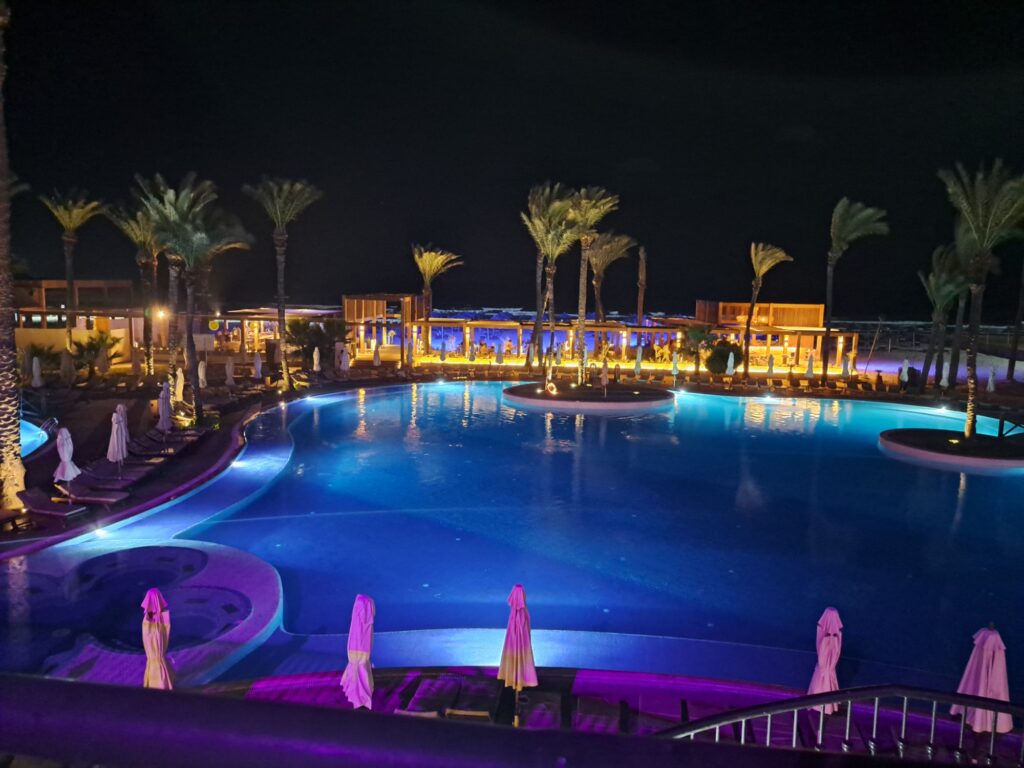
Arrived at our destination in Tozeur as the sun was setting.  The hotel pool looked very inviting.

Hammamet to Cap Bon

Travelling north through Nabeul, famous for its pottery, to the Cap Bon peninsula, a finger of land surrounded on three sides by the Mediterranean.  The area is famous for its vineyards, citrus groves and olive trees.

We stopped en route at Kerkouane a Punic town from 4th to 2nd century BC with a population of around 2,000. Listed by UNESCO as the only example of a Phoenician and Punic city to have survived.

The site had a very interesting small museum with pottery, jewellery and mosaics taken from the excavations.

From the size of the houses and the wide streets it is apparent its inhabitants had a high standard of living and each house had its own private bath.

One of the hip baths

Mosaic with the symbol of goddess Tanit

Had lunch by the sea. Lovely salad tunisienne, freshly caught fish and grapes for dessert.

Short stop in El Haouaria  famous for its caves where the slaves quarried marble which was transported to Carthage. The caves are now home to hundreds of bats.

Lovely views looking over to the island of Zembra.

On the way we passed the salt lakes home to hundreds of herons, geese and flamingos.

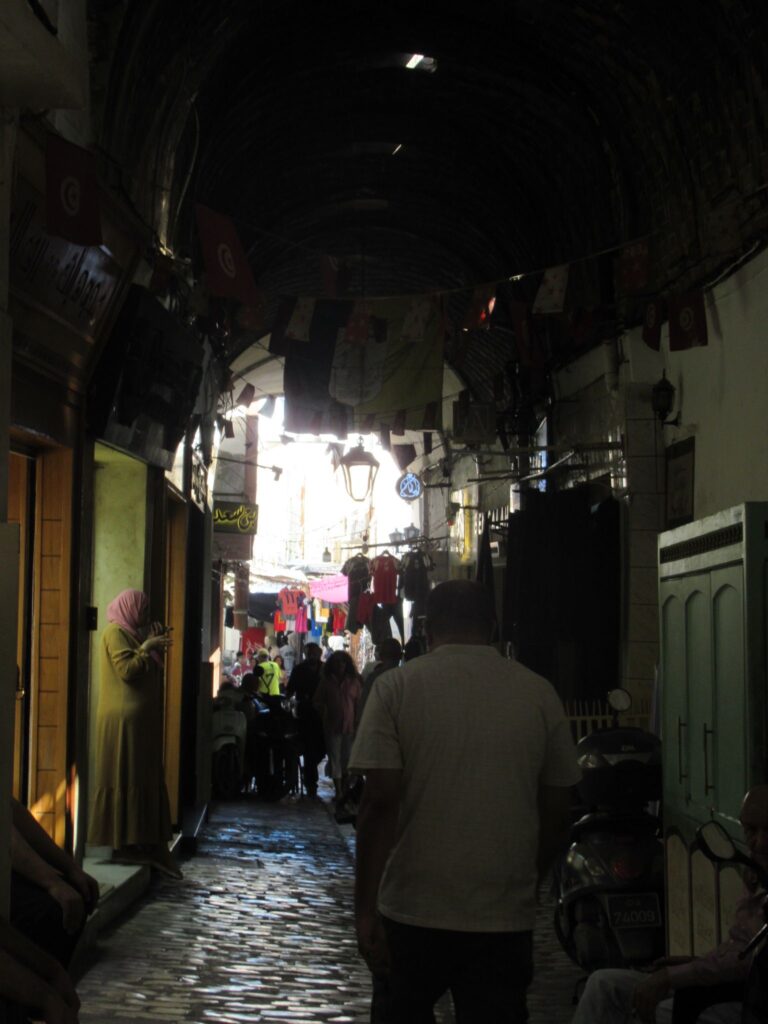
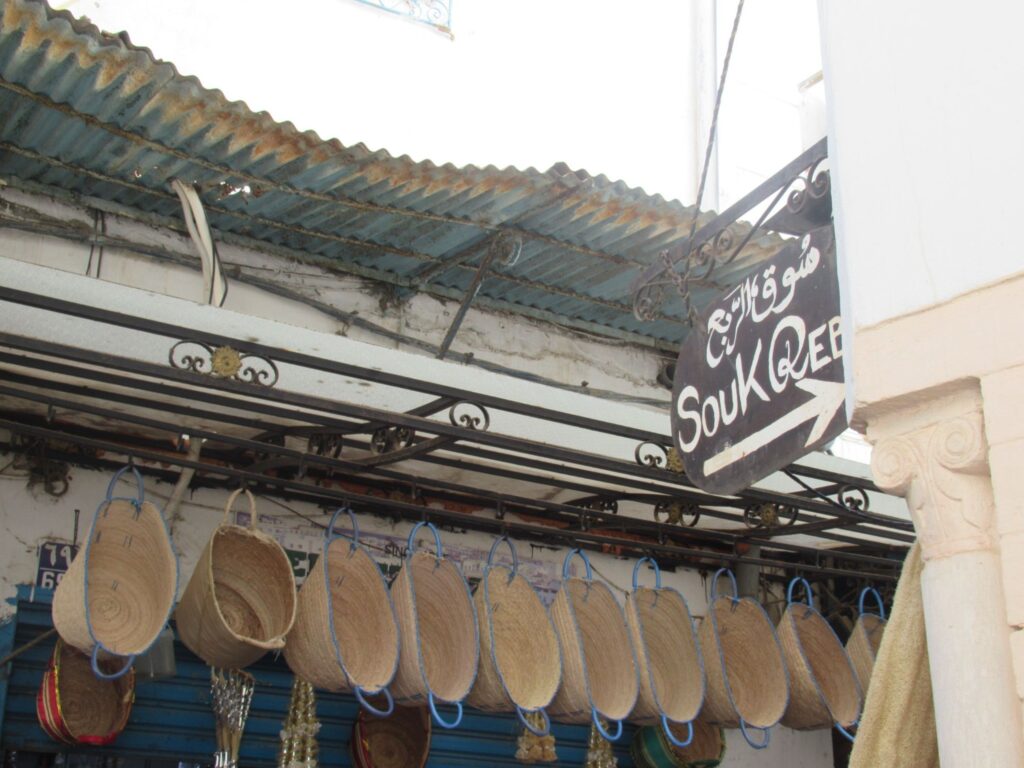
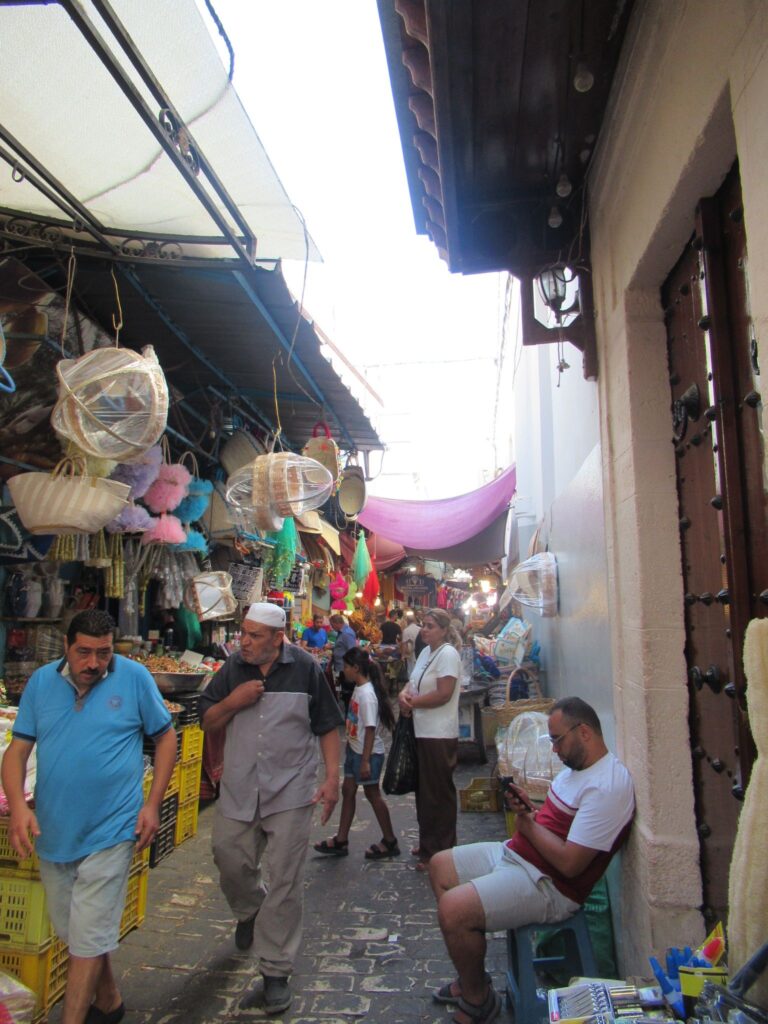
Back into Hammamet and the medina, souk and fort. The medina is surrounded by high walls and is full of vendors selling gifts, pottery, leather goods and “genuine” Chanel and Louis Vuitton handbags.

Abdullah, our guide throughout

Wonderful doors throughout the medina

The Great Mosque

Tabarka to Hammamet

Watched the sun come over the mountains this morning. The hotel is in a lovely position situated in the Ain Draham regional forest. Sadly no time for a dip this morning.

Today we visited the site of  Bulla Regina famous for its underground villas built by Romans in the 2nd and 3rd centuries AD to escape the fierce heat of the sun.

The site also includes a temple, baths, fort, market square and amphitheatre. Many of the original mosaics remain

The Amphitheatre

The Memmian Baths

A spot of lunch under the olive trees

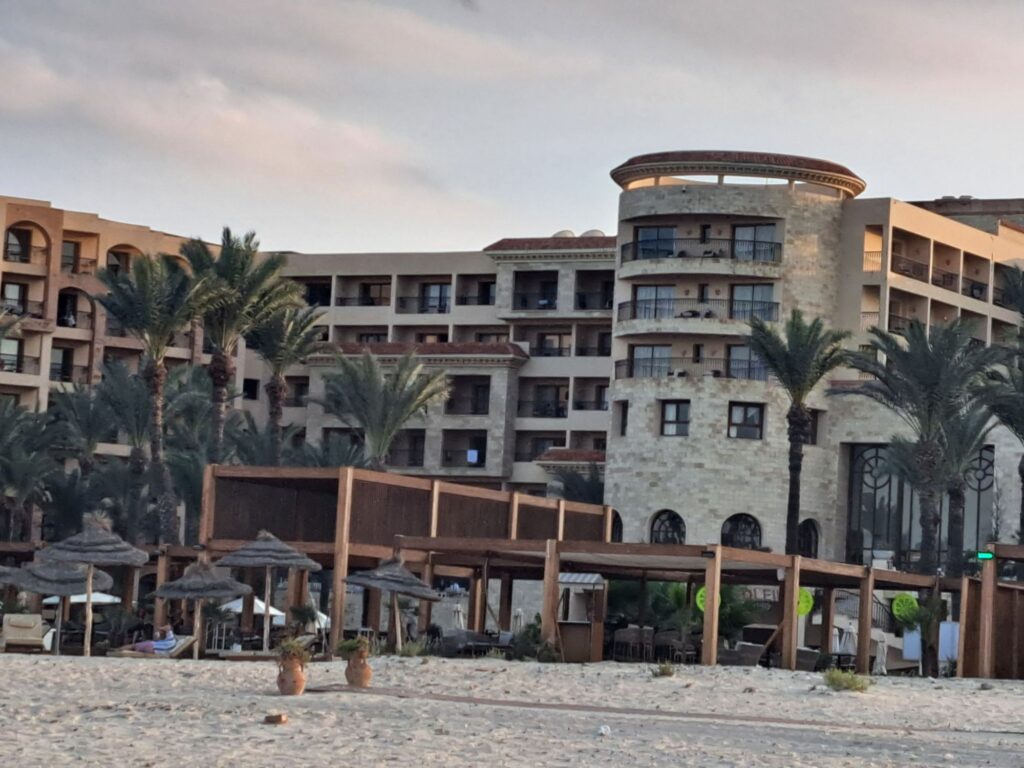
Arrived in Hammamet early afternoon,  in time to spend an hour round the pool and dip my toes in the Mediterranean.

Enjoying a mojito after dinner

Tunis to Tabarka

We travelled south west to the best preserved Roman city in North Africa,  Dougga. It was under Roman administration from the second century AD.  A UNESCO World Heritage site. Families continued to live in the ruins until they were relocated in the 1950’s.

The theatre

The Capitol – built in AD 166, one of Tunisia’s most impressive Roman monuments. The four columns support the pediment which features a statue of Antoninus Pius

The Square of the Winds created in AD 190 as an extension of the forum.  Its name refers to the 3rd century engraving  in the paving  bearing the names of 12 Roman winds.

Lycinian Baths and communal toilet

Several large Roman villas on the site

Some of the group from a distance!

Our lunch stop was at a hunting lodge where we enjoyed fresh wild boar.

On the drive to Tabarka we saw lots of stork nests in pylons and various other tall structures. The village even has a statue for them with the inevitable nest on the top.

We arrived in Tabarka late afternoon.  Tabarka is very close to the Algerian border and is a picturesque town with a small beach and marina. It is famous for its coral reef which is fished by divers and made into jewellery.

To the west of the beach stand an ochre coloured rock formation known as Les Aiguilles (the Needles) sharpened by the constant  erosion of wind and rain
The marina

A new reservoir built to capture the winter rains

Tunis

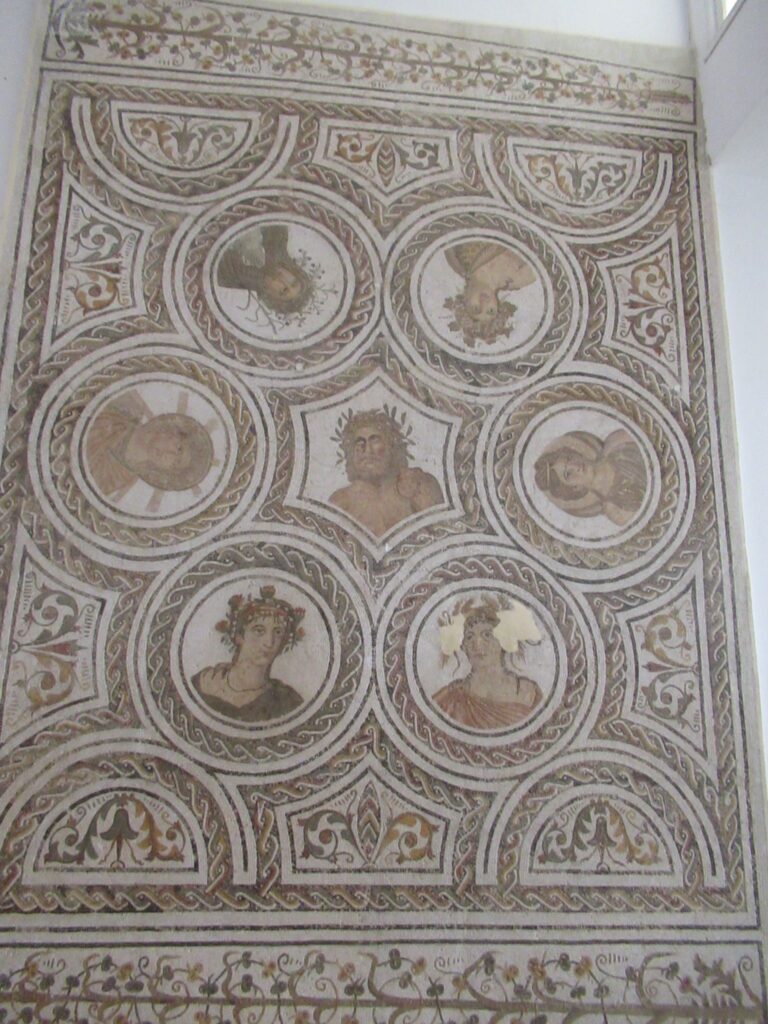
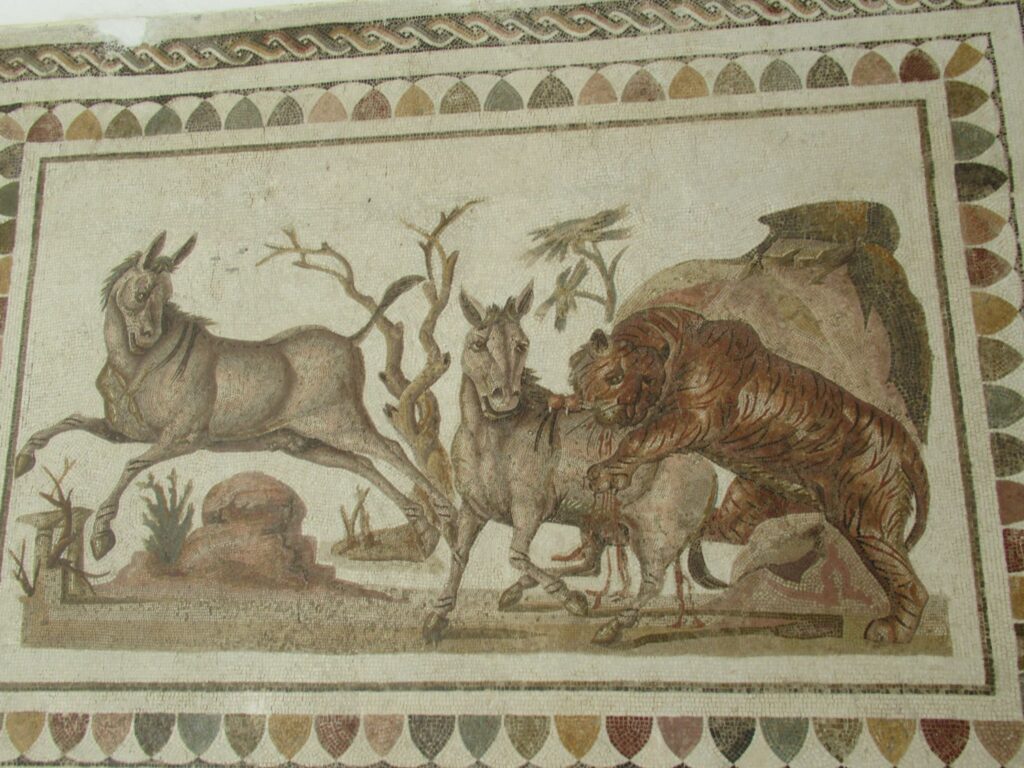
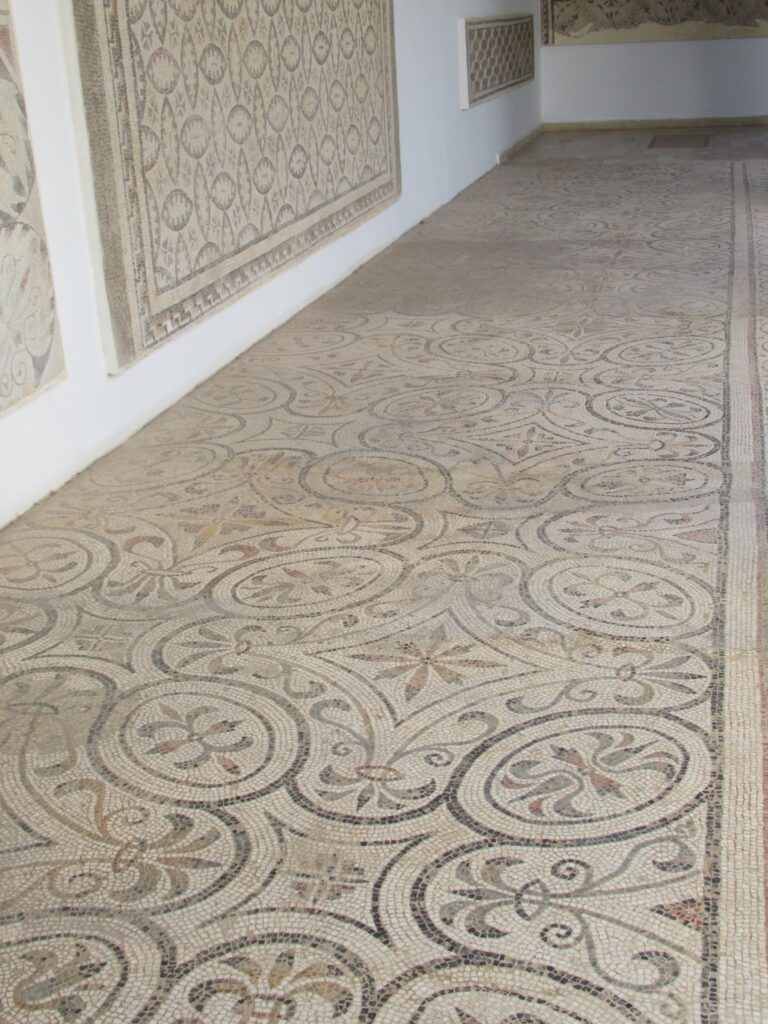
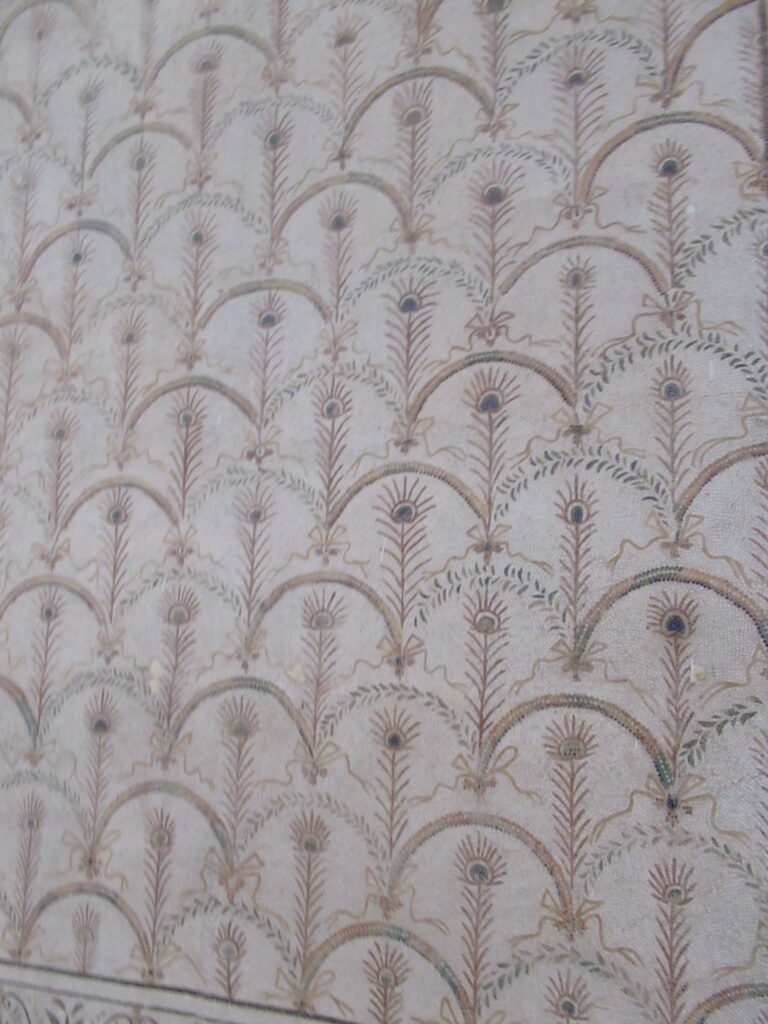
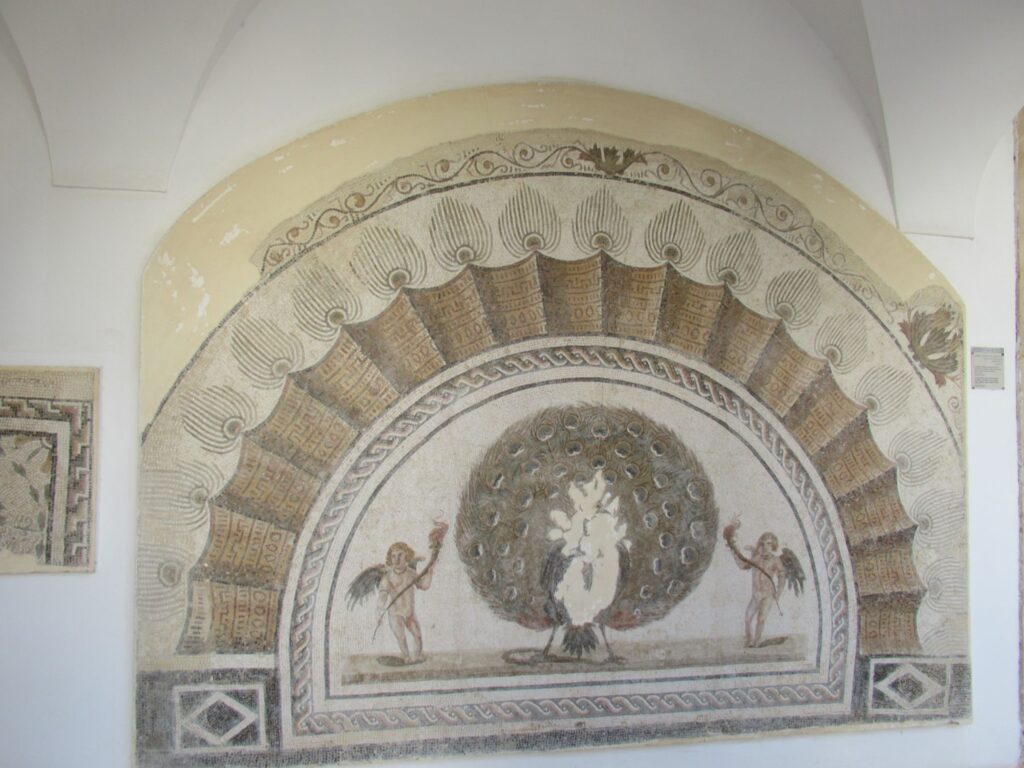
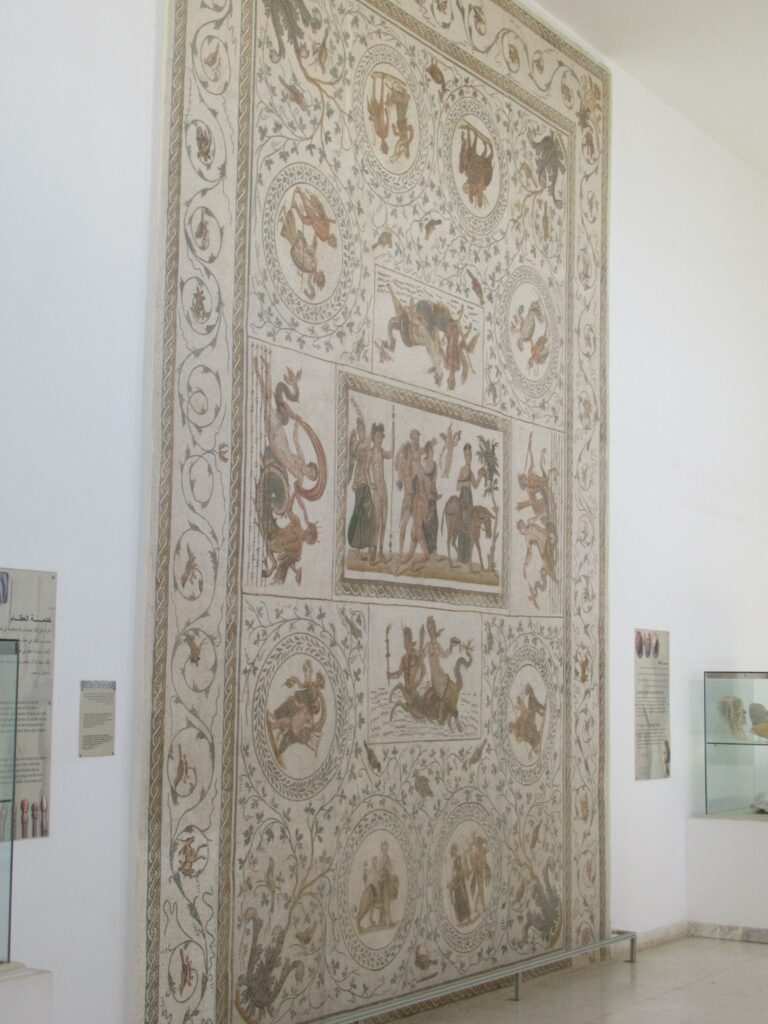
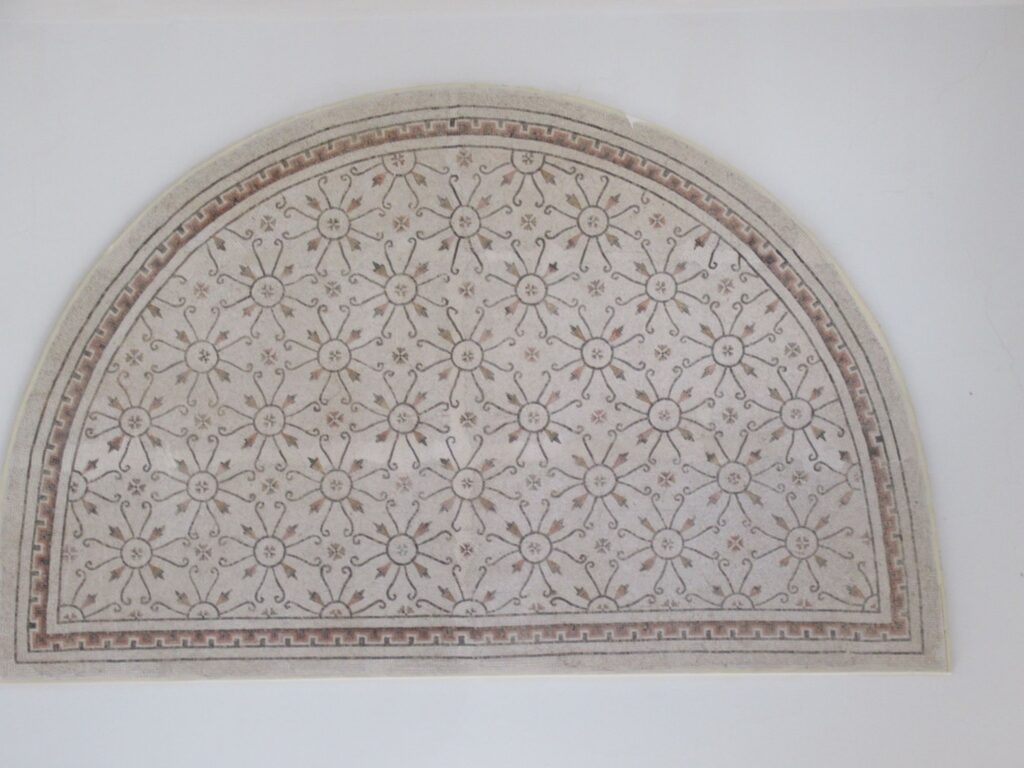
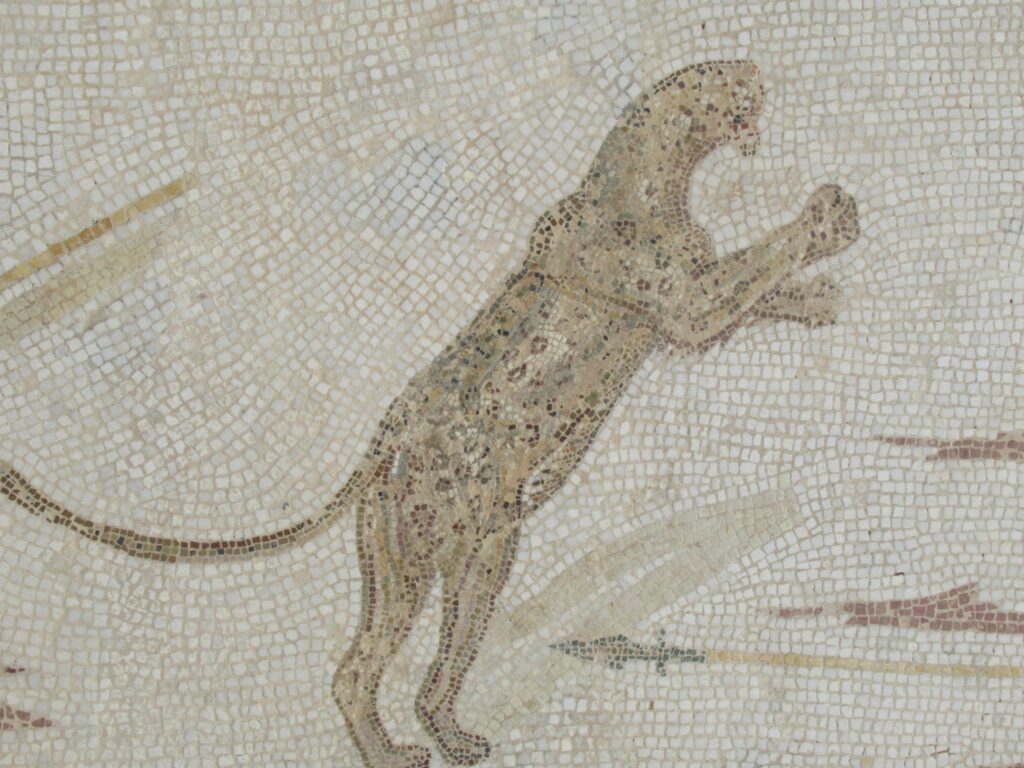
Our first visit today was to the Bardo Museum and what a museum. It occupies a former palace and has some of the most wonderful mosaics dating from the 2nd to 4th centuries AD which once adorned the homes of some of the wealthiest Roman African citizens.

The statue of Minerva

Some of the amazing mosaics

Some of the ceilings were amazing

The horde of gold coins found

After the museum we visited the medina and the great souk.  Some very smart government buildings

Various pictures taken on our walk

Some strange shops in the souk as well as lots of shops relating to weddings (gifts and favours)

After a stop for lunch in La Goulette we drove to Carthage which was founded in 814 BC by Phoenician colonizers. By the 4th century it had become a major force in the Mediterranean. The Punic wars led to the destruction of the city although it rose again under Roman rule.

The impressive ruins of the Antonine Baths.

These 2nd century baths were once the largest in Africa. The vaults rested on eight lofty columns made of sandstone. The site was destroyed by the Vandals in AD 439.

The wonderful views from Byrsa Hill

Cathedral of St Louis

The cathedral was built in 1890 dedicated to the French king, Louis IX. The place has not served as a place of worship since 1964.

Our final stop of the day was to Sidi Bou Said a pretty Andalucian town perched on high cliffs with a wonderful view over the Gulf of Tunis.

Antigua to home

The skies were clear this morning for a shot of the volcanoes.

Just managed to get out of the town before the processions started. Thanks Keith for these photos

Flying into Panama, boats lined up to transit the canal

Sitting in the airport waiting to get the first of three flights home after another adventure. A holiday of many highlights –  transit through the Panama Canal, walking through the cloud forest, the sloths, birds and animals, Lake Nicaragua, the fluorescent lava of Masaya Volcano and the ruins of Copan and Tikal.

Six countries, all very different but all the people were friendly and smiling (with the exception of the charming ladies at the Nicaraguan border control) and cars even stopped to let you cross the road! All the countries have their political issues, not to be criticised out loud for fear of being overheard.

I have learnt that a woodpecker has an exceptionally long tongue which wraps around its brain to act as a shock absorber. Also you can’t count the rings of a tree stump to ascertain its age because the continent only has two seasons (wet and dry), its only in countries with four seasons that the rings appear. Not a lot of people know that.

So many volcanoes with daily tremors but the people seem to take it in their stride and worry if they don’t happen because that means its building up to be something bigger and sitting between two tectonic plates means anything could happen at any time.

Wasn’t too keen on getting soaked in the rainforest and the resultant bites and could have bypassed San Jose, but who can forget the lovely town of Granada and the frozen mochaccino or having afogato for breakfast.

A great group of people with lots of happy memories.  Anyone for a mojito??

Quote from Anthony Bourdain
“Travel changes you. As you move through this life and this world you change things slightly, you leave marks behind, however small. And in return, life — and travel — leaves marks on you.”